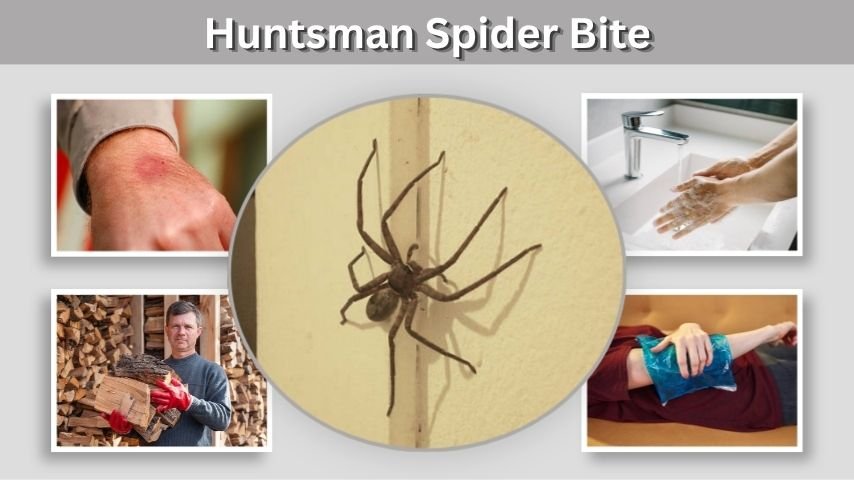
A huntsman spider bite can look alarming because these spiders are large, fast, and often appear inside homes. The good news is that huntsman spiders are not considered highly dangerous to humans. Their bite may hurt, but most cases cause only short-term pain, redness, or swelling. Still, knowing the symptoms, first aid steps, and warning signs can help you respond safely.
Do Huntsman Spiders Bite Humans?
Huntsman spiders can bite humans, but they usually do not bite unless they feel threatened. These spiders are not aggressive hunters of people. They prefer to escape, hide behind furniture, or run away when disturbed. Bites usually happen when someone accidentally traps the spider against the skin, picks it up, or tries to remove it with bare hands.
Huntsman spiders are common in Australia and also found in other warm regions, including parts of Asia, Africa, the Americas, and some areas of the southern United States. Their large size often makes people panic, but size alone does not mean the spider is deadly.
Why Huntsman Spiders Bite
A huntsman spider may bite if it feels it has no way to escape. This can happen when the spider is pressed inside clothing, bedding, shoes, boxes, or towels. Female huntsman spiders may also act more defensively when guarding egg sacs or young spiders.
Common bite situations include:
- Accidentally touching the spider while moving furniture
- Putting on clothing where a spider is hiding
- Trying to catch the spider by hand
- Trapping the spider against the skin
- Disturbing a female near her egg sac
Most bites are defensive, not predatory. The spider is not trying to eat or chase a human.
What Does a Huntsman Spider Bite Look Like?
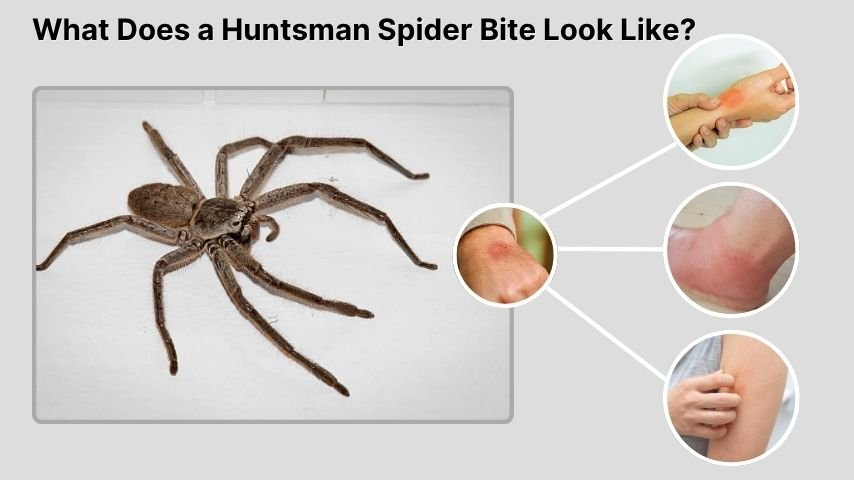
A huntsman spider bite can look similar to many other minor spider or insect bites. It may appear as a small red spot, a raised bump, or a slightly swollen area. In some cases, two tiny puncture marks may be visible because spiders have two fangs. However, puncture marks are not always easy to see.
The skin around the bite may feel sore, itchy, warm, or tender. Some people notice mild bleeding at the bite site, especially if the spider was large. Others may only see redness and swelling without a clear bite mark.
Huntsman Spider Bite Mark
A typical huntsman spider bite mark may include:
- One or two small puncture points
- Local redness around the bite
- Mild swelling
- Tenderness when touched
- Slight itching or irritation
- Minor bleeding in some cases
A bite mark alone is not enough to confirm the spider species. Many bites and skin reactions look alike. Mosquito bites, ant stings, skin infections, allergic reactions, and other spider bites can all create similar marks.
Giant Huntsman Spider Bite Mark
A giant huntsman spider bite mark may look more noticeable because larger spiders have stronger jaws. The bite can feel sharper and may leave clearer puncture points. However, even a giant huntsman spider bite is usually not considered life-threatening to healthy adults.
The mark may be more painful than a bite from a smaller spider, but the usual reaction is still local pain, swelling, and irritation. Severe symptoms are uncommon but should not be ignored.
Huntsman Spider Bite Symptoms
Most huntsman spider bite symptoms are mild and local. The bite may hurt immediately, similar to a sharp pinch, bee sting, or needle prick. The pain often improves within a few hours, although tenderness may last longer for some people.
Some people may feel more discomfort because of fear or anxiety after seeing the spider. Since huntsman spiders are large and fast, the shock of the encounter can make the bite feel more serious than it is.
Common Symptoms
Common symptoms of a huntsman spider bite include:
- Sharp or stinging pain
- Redness around the bite
- Mild swelling
- Itching or burning
- Tender skin
- Minor bleeding
- Warmth around the bite area
- Temporary discomfort when moving the affected area
These symptoms usually stay near the bite site. They should gradually improve with basic first aid.
Less Common Symptoms
Some people may experience stronger reactions. These are less common but possible, especially in sensitive individuals.
Less common symptoms may include:
- Headache
- Nausea
- Dizziness
- Sweating
- Muscle discomfort
- Increased swelling
- Stronger itching
- Anxiety or panic
If symptoms spread beyond the bite area or become worse instead of better, medical advice is recommended.
Does a Huntsman Spider Bite Hurt?
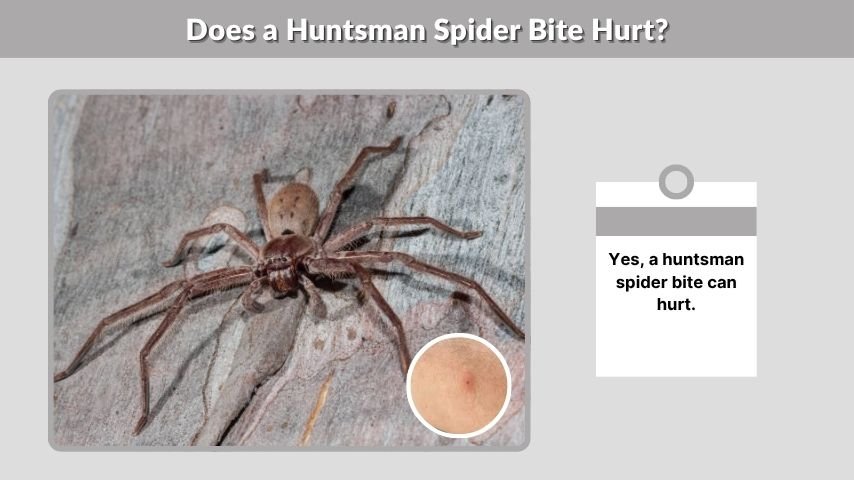
Yes, a huntsman spider bite can hurt. The pain level depends on the size of the spider, the depth of the bite, the bite location, and the person’s sensitivity. A bite from a larger huntsman may hurt more because the spider has bigger fangs and stronger mouthparts.
Most people describe the pain as brief and sharp. It may feel like a bee sting, ant bite, or strong pinch. After the first pain, the area may remain sore or tender.
Huntsman Spider Bite Pain Scale
There is no official pain scale for huntsman spider bites, but most bites would be considered mild to moderate. The pain is usually not comparable to more medically significant spider bites, such as some widow or funnel-web spider bites.
Pain may feel worse if the bite is on thin or sensitive skin, such as fingers, toes, neck, or face. It may also feel worse in children because their skin is more sensitive and they may become frightened more easily.
Are Huntsman Spider Bites Dangerous?
Huntsman spider bites are usually not dangerous to healthy adults. Their venom is designed to affect insects and small prey, not humans. While a bite can be painful, most cases do not lead to serious illness.
That said, any bite can become a problem if the wound gets infected, the person has an allergic reaction, or symptoms are misread as something else. People with weaker immune systems, small children, elderly people, and pets may need closer attention.
When a Bite Needs Medical Attention
Seek medical help if any of the following happen:
- Pain becomes severe or does not improve
- Swelling spreads quickly
- Redness expands after 24 to 48 hours
- Pus, red streaks, or fever appears
- The person feels faint, dizzy, or very unwell
- Breathing becomes difficult
- The bite is on the face, eye area, or throat
- The bite victim is a baby, young child, elderly person, or immunocompromised
If you are unsure what spider caused the bite, treat the situation carefully. Some dangerous spider bites can look mild at first.
Huntsman Spider Bite First Aid
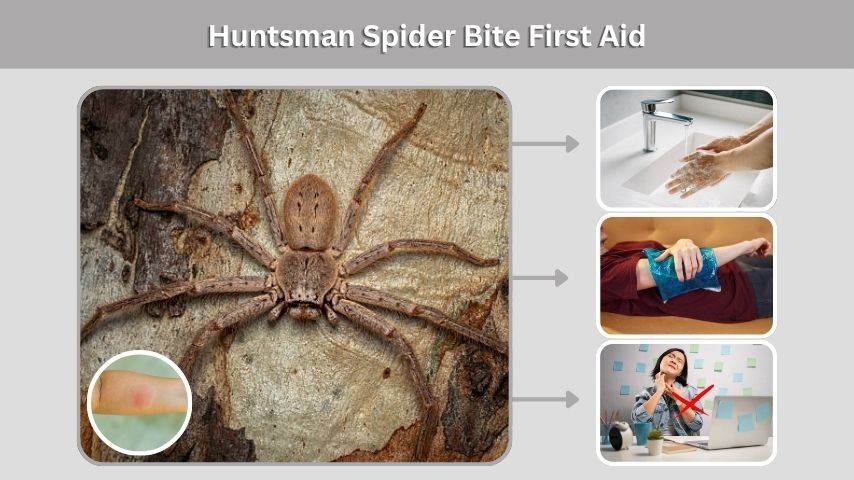
First aid for a huntsman spider bite is usually simple. The goal is to reduce pain, clean the wound, and watch for symptoms. Do not cut the bite, suck out venom, or apply harsh chemicals.
Step-by-Step Treatment
Use these steps after a suspected huntsman spider bite:
- Move away from the spider calmly.
- Wash the bite area with soap and water.
- Apply a cold pack wrapped in cloth for 10 to 15 minutes.
- Keep the bitten area still and comfortable.
- Take an over-the-counter pain reliever if suitable.
- Avoid scratching the bite.
- Monitor the area for swelling, redness, or infection.
If possible, take a clear photo of the spider from a safe distance. Do not risk another bite by trying to catch it with bare hands.
What Not to Do
Some home remedies can make the bite worse. Avoid unsafe methods, especially if the skin is broken.
Do not:
- Cut the bite open
- Try to suck out venom
- Apply alcohol, bleach, or strong chemicals
- Put ice directly on the skin
- Scratch the wound
- Ignore worsening symptoms
- Handle the spider again
Basic wound care is usually enough for mild bites.
Huntsman Spider Bite on Skin: Healing Timeline
A mild huntsman spider bite may start improving within a few hours. Redness and swelling can last longer, depending on the person’s skin sensitivity. Some bites may remain tender for a day or two.
The bite should gradually look better, not worse. If redness spreads, swelling increases, or the area becomes hot and painful, it may be infected or may not be a huntsman spider bite at all.
Normal Healing Signs
A normal healing bite may show:
- Less pain after the first few hours
- Reduced swelling
- Fading redness
- Mild itching as the skin settles
- No pus or spreading warmth
- No fever or body-wide symptoms
Concerning Healing Signs
A bite may need medical review if it becomes more painful after a day, develops pus, forms a blister, or creates red streaks moving away from the bite. These signs can suggest infection or another skin problem.
Do not rely only on internet images to diagnose a bite. Many spider bite photos online are mislabeled or show infections, not confirmed huntsman bites.
Huntsman Spider Bite vs Other Spider Bites
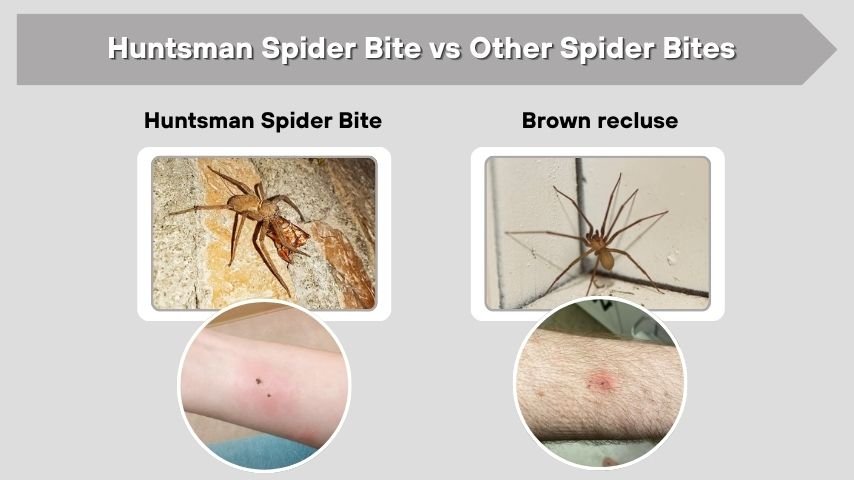
Huntsman bites are often confused with bites from other spiders. This is especially common when people search for spider bite pictures or compare symptoms online.
| Spider Type | Typical Bite Concern | Common Reaction | Risk Level |
|---|---|---|---|
| Huntsman spider | Pain and swelling | Local soreness, redness, itching | Usually low |
| Black widow/redback | Venom effects | Pain, cramps, sweating, nausea | Higher |
| Brown recluse | Skin damage in some cases | Blistering, ulcer risk, tissue injury | Higher in affected regions |
| Wolf spider | Local irritation | Pain, swelling, redness | Usually low |
| Funnel-web spider | Serious venom effects | Severe symptoms can develop quickly | Medical emergency |
The safest approach is to focus on symptoms. If the bite is getting worse, the person feels sick, or the spider may be a dangerous species, seek medical care.
Australian Huntsman Spider Bite
Huntsman spiders are strongly associated with Australia, where they are often found on walls, ceilings, cars, sheds, and behind furniture. Many Australians see them as frightening but useful spiders because they eat insects and other pests.
An Australian huntsman spider bite is usually painful but not deadly. People are more likely to be startled by the spider’s size and speed than harmed by its venom.
Huntsman Spider Bite in Australia
In Australia, it is important not to confuse huntsman spiders with medically significant spiders such as funnel-web spiders or redback spiders. If the spider was not clearly identified and symptoms are serious, get medical help quickly.
For a clear huntsman bite with only mild local symptoms, cleaning the wound and applying a cold pack is usually enough. Still, monitor the bite carefully.
Florida Huntsman Spider Bite
Huntsman spiders can be found in Florida, including the pantropical huntsman spider. These spiders may enter homes, garages, sheds, and outdoor structures. Like Australian huntsman spiders, they are fast and large, but they usually avoid people.
A Florida huntsman spider bite may cause local pain, redness, and swelling. The same first aid steps apply: clean the bite, use a cold pack, and watch for worsening symptoms.
Pantropical Huntsman Spider Bite
The pantropical huntsman spider is one of the species people may encounter in warm climates. Its bite is generally treated like other huntsman bites. It can hurt, but serious effects are uncommon in healthy adults.
If the bite victim develops strong symptoms, medical advice is still important.
Huntsman Spider Bite in Dogs and Cats
Pets may try to chase, paw at, or bite a huntsman spider. A spider may bite back if trapped. Most huntsman bites are not expected to be fatal to dogs or cats, but pets can react differently depending on size, health, and bite location.
Signs in Pets
Possible signs of a bite in a dog or cat include:
- Sudden yelping or crying
- Licking or chewing one spot
- Swelling on the paw, face, or mouth
- Limping
- Drooling
- Restlessness
- Hiding or unusual behavior
- Vomiting or weakness in more concerning cases
Call a veterinarian if your pet has facial swelling, breathing trouble, repeated vomiting, weakness, or severe pain. Small pets and cats should be watched carefully because even mild bites can cause more noticeable reactions.
How to Avoid Huntsman Spider Bites
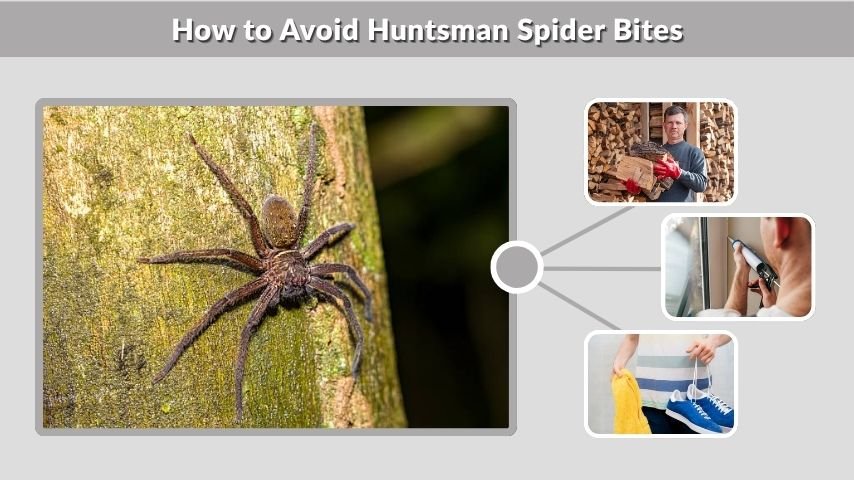
The best way to prevent a huntsman spider bite is to avoid handling the spider. These spiders often enter homes while hunting insects or looking for shelter. They may hide behind curtains, wall frames, furniture, boxes, or car sun visors.
Prevention Tips
To reduce bite risk:
- Shake out shoes, clothes, and towels before use
- Wear gloves when moving stored boxes or firewood
- Avoid putting hands into dark spaces
- Keep insect numbers low inside the home
- Seal cracks around doors and windows
- Use a container and cardboard to move spiders safely
- Teach children not to touch large spiders
- Keep pets away from spiders when possible
If you are afraid of spiders, ask another adult or pest professional to remove it. Panic can increase the chance of accidental contact.
FAQs
Can a huntsman spider bite kill you?
A huntsman spider bite is not expected to kill a healthy adult. Most bites cause local pain, redness, swelling, or itching. Serious reactions are uncommon, but medical help is important if symptoms spread, breathing becomes difficult, or the bite victim is a child, elderly person, or medically vulnerable.
What happens if you get bit by a huntsman spider?
You may feel a sharp sting or pinch, followed by redness, swelling, tenderness, or itching near the bite. Some people may develop mild nausea or headache, but most symptoms remain local. Clean the bite, apply a cold pack, and monitor it for worsening pain or infection.
What does a huntsman spider bite feel like?
A huntsman spider bite often feels like a quick sharp pinch, needle prick, or bee sting. The first pain may be sudden, then the area may feel sore or tender. Larger huntsman spiders may cause more noticeable pain because of their stronger jaws and larger fangs.
Are huntsman spider bites dangerous to cats and dogs?
Most huntsman spider bites are not considered highly dangerous to cats and dogs, but pets can react differently. Watch for swelling, limping, drooling, vomiting, weakness, or breathing trouble. Contact a veterinarian if symptoms are severe, the bite is near the face, or your pet seems very unwell.
Should I go to the doctor for a huntsman spider bite?
You may not need a doctor for a mild bite that improves quickly. Get medical advice if pain is severe, swelling spreads, redness worsens, pus appears, fever develops, or you feel dizzy or sick. Also seek help for bites involving babies, children, elderly people, or anyone with allergies.