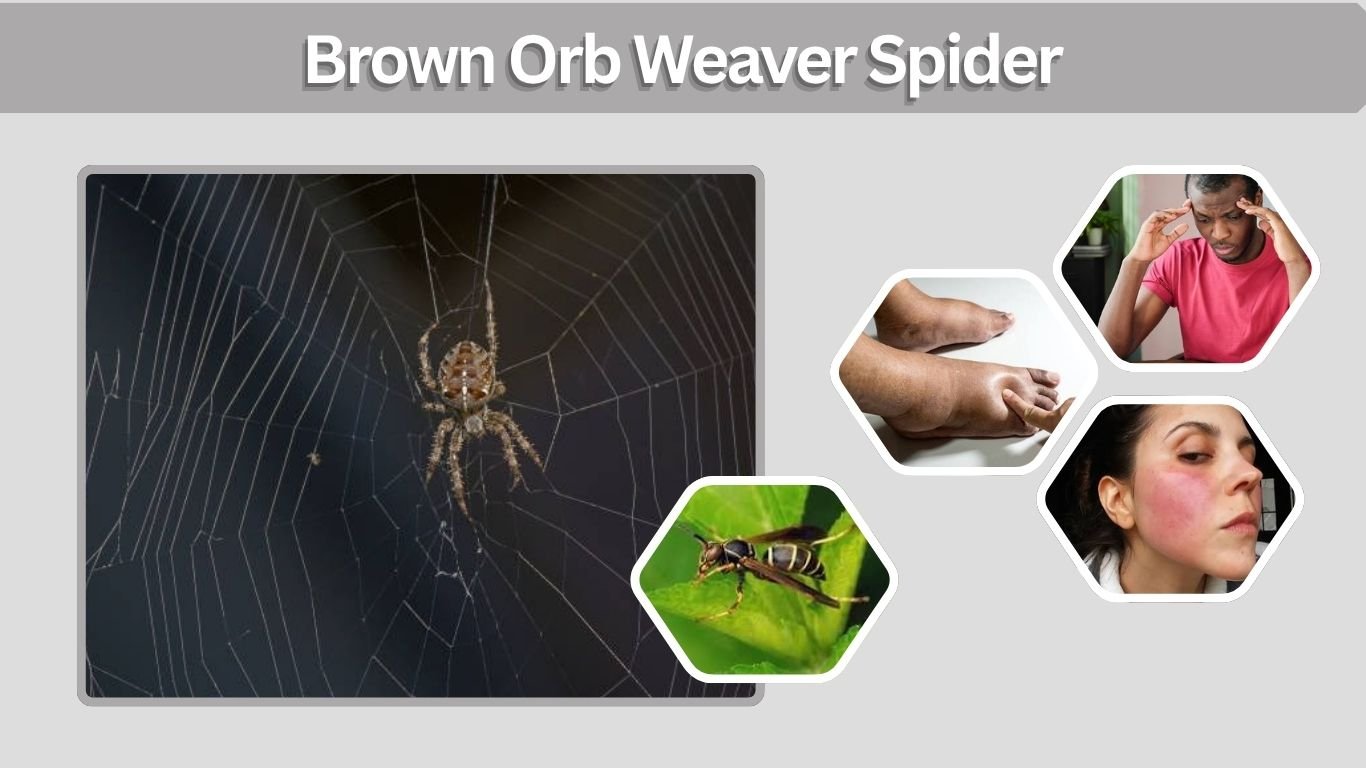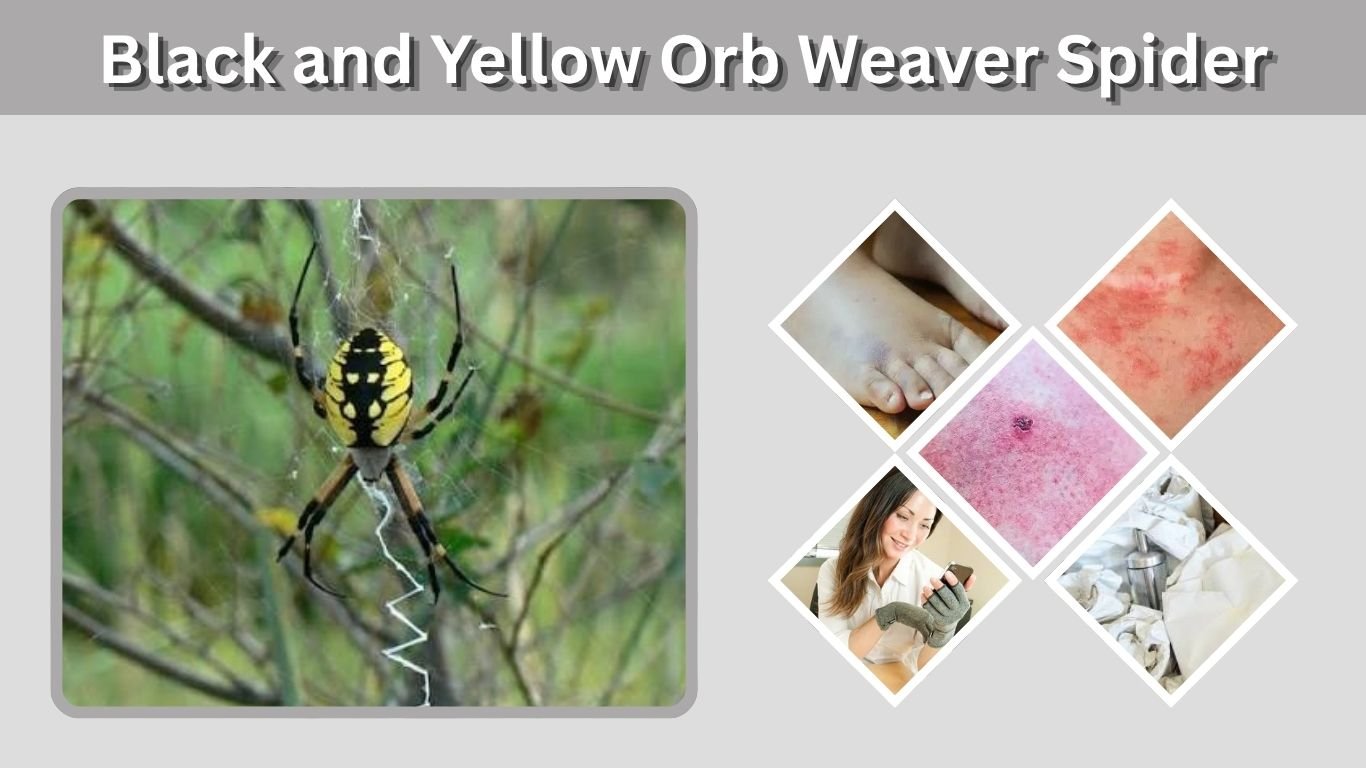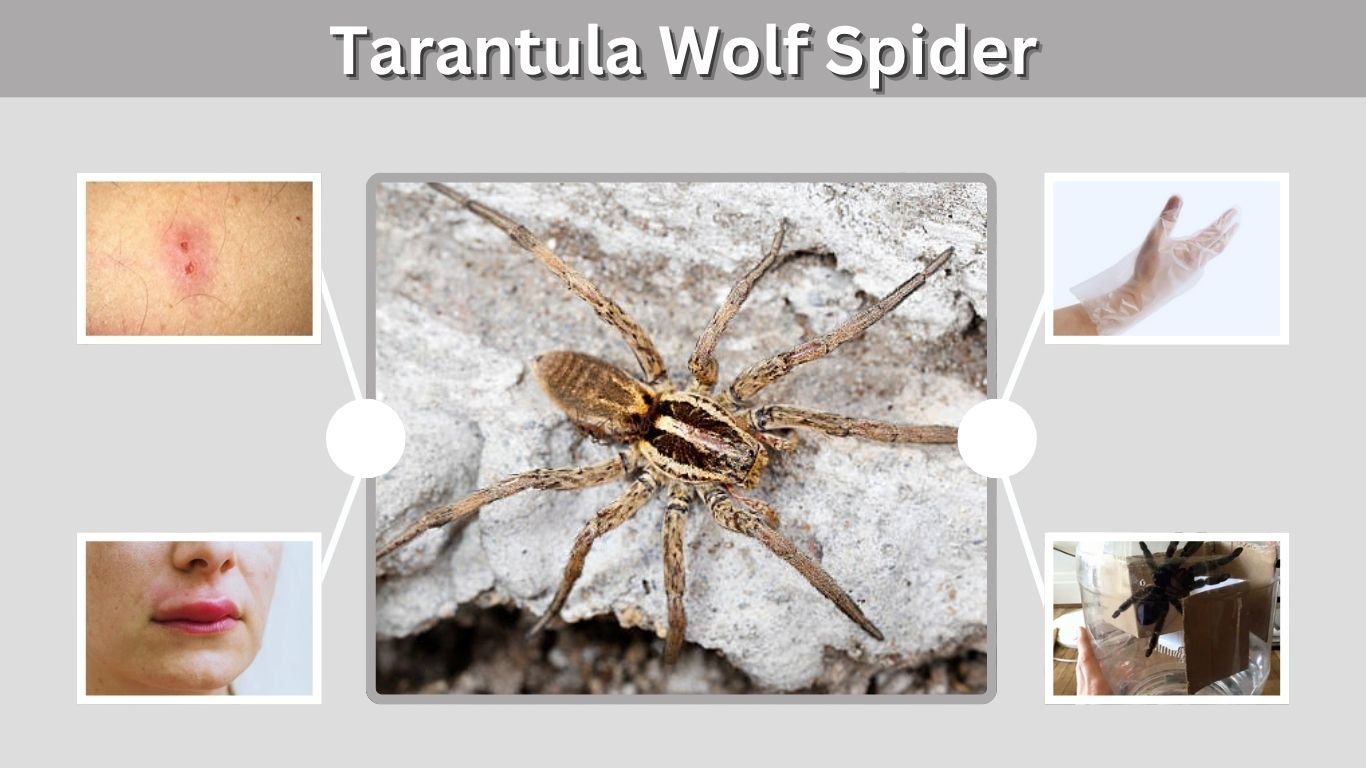
A tarantula wolf spider can sound like one unusual spider, but the phrase usually comes from confusion between two different groups: tarantulas and wolf spiders. Both can be hairy, fast-looking, and intimidating, especially when found indoors or in gardens. However, they differ in size, body shape, hunting style, habitat, and behavior. Understanding the difference helps you identify them correctly and avoid unnecessary fear.
What Is a Tarantula Wolf Spider?
The term “tarantula wolf spider” is not usually a single official spider name. In most searches, people use it when they are trying to compare a tarantula with a wolf spider or identify a large, hairy spider that looks like both.
Why People Confuse Them
Wolf spiders and tarantulas share a few surface-level features. Both have hairy bodies, strong legs, and a ground-dwelling lifestyle. They also do not rely on classic circular webs to catch flying insects the way many orb-weaver spiders do.
The confusion becomes stronger because some wolf spiders can look bulky, especially large females. When a wolf spider appears in a basement, garage, shed, or garden, its hairy body may remind people of a small tarantula. However, most wolf spiders are much smaller and faster than true tarantulas.
The Name “Tarantula” Has a Complicated History
One reason the phrase “tarantula wolf spider” appears online is the species Lycosa tarantula, also spelled Lycosa tarentula in some references. Despite the name, this spider is a wolf spider from southern Europe, not a true tarantula in the modern pet-trade sense.
Today, when most people say “tarantula,” they usually mean a large, hairy spider from the family Theraphosidae. Wolf spiders belong to the family Lycosidae. That family difference is the main reason a wolf spider is not a tarantula.
Wolf Spider vs Tarantula: Quick Comparison
Before looking at details, it helps to compare the two side by side. The biggest differences are size, body build, movement, and hunting style.
| Feature | Wolf Spider | Tarantula |
|---|---|---|
| Family | Lycosidae | Theraphosidae |
| Common size | Usually small to medium, though some are large | Usually larger and heavier-bodied |
| Body look | Hairy, patterned, often brown or gray | Very hairy, thick-bodied, often heavier-looking |
| Movement | Fast runner and active hunter | Slower, more deliberate mover |
| Web use | Does not build prey-catching webs | Uses silk for burrows, shelters, or lining retreats |
| Hunting style | Chases or ambushes prey on the ground | Often waits near burrows and ambushes prey |
| Human danger | Usually not dangerous | Usually not dangerous, but bites and hairs can irritate |
| Common confusion | Mistaken for tarantulas or brown recluse spiders | Mistaken for any very large hairy spider |
Is a Wolf Spider a Tarantula?
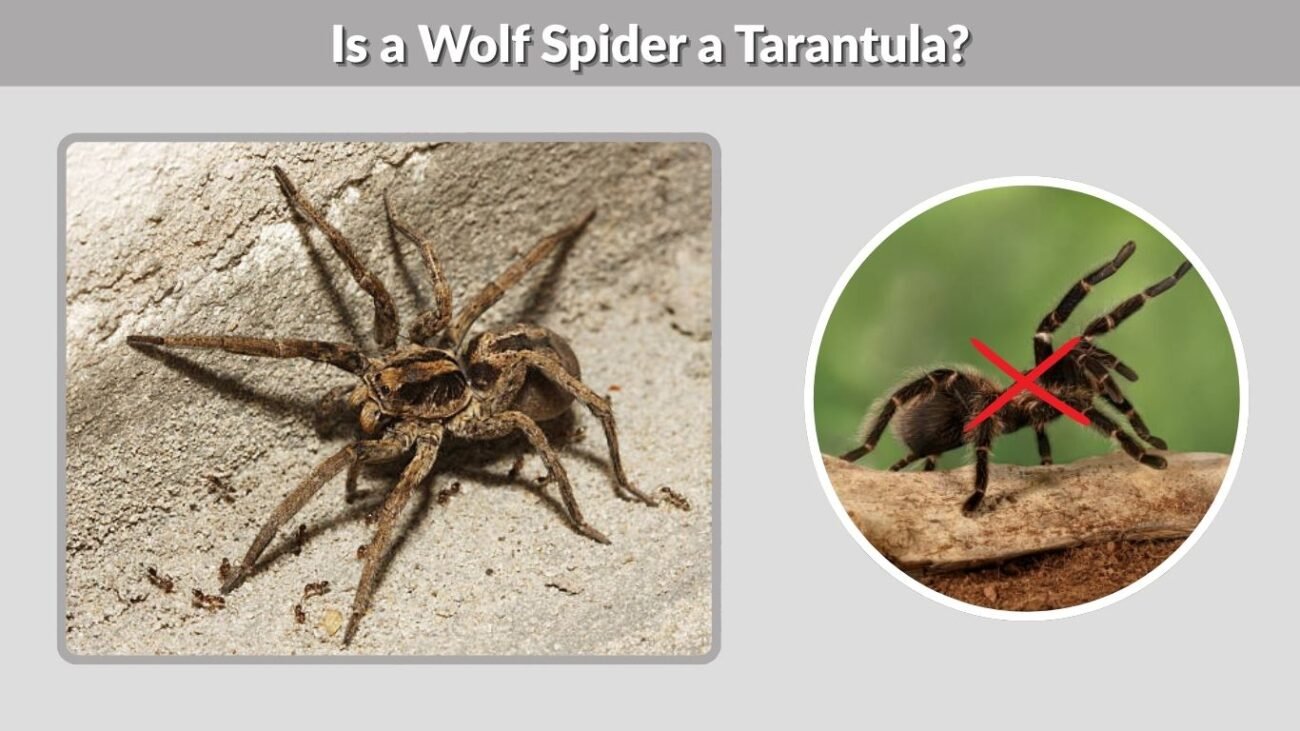
No, a wolf spider is not a tarantula. They are both spiders, but they belong to different spider families. Wolf spiders are in the family Lycosidae, while true tarantulas are in the family Theraphosidae.
Main Scientific Difference
The simplest answer is taxonomy. Taxonomy is how living things are grouped. A wolf spider and a tarantula may look similar to someone who is not used to identifying spiders, but they are not the same type of spider.
Wolf spiders are known for their active hunting behavior. They rely on speed, eyesight, and movement. Tarantulas are usually heavier-bodied and are often ambush hunters. Many tarantulas spend time in burrows or retreats and wait for prey to come close.
Why the Confusion Matters
Correct identification matters because people may overreact when they see a large spider. A wolf spider in a home is often just a wandering hunter looking for prey or shelter. A tarantula, depending on location, may be a wild species, an escaped pet, or a spider seen outdoors in regions where tarantulas naturally occur.
Knowing the difference helps you decide whether to leave the spider alone, relocate it safely, or contact a pest professional.
Tarantula and Wolf Spider Size Comparison
Size is one of the most searched topics for this keyword group. People often ask whether a wolf spider is bigger than a tarantula or how big a tarantula is compared to a wolf spider.
How Big Is a Wolf Spider?
Wolf spiders vary by species. Some are quite small, while larger species can appear impressive because of their long legs and hairy bodies. Many common wolf spiders are around 1 inch or less in body length, though the leg span can make them look larger.
Female wolf spiders are often bigger than males. They may also appear larger when carrying an egg sac or when spiderlings are riding on their back. This behavior is one of the most recognizable wolf spider traits.
How Big Is a Tarantula?
Tarantulas are generally larger and heavier than wolf spiders. Many tarantulas have thick bodies, strong legs, and dense hair. Some species have large leg spans that make them look much more dramatic than common household spiders.
A tarantula’s size depends heavily on species. Smaller tarantulas may not look much larger than a big wolf spider at first glance, while large tarantula species can be several times bigger than most wolf spiders.
Which Is Bigger: Wolf Spider or Tarantula?
In general, tarantulas are bigger than wolf spiders. A large wolf spider may look like a small tarantula, but most true tarantulas have a heavier build and a larger leg span. If the spider is very thick, slow-moving, and extremely hairy, it is more likely to be a tarantula than a wolf spider.
How to Identify a Wolf Spider
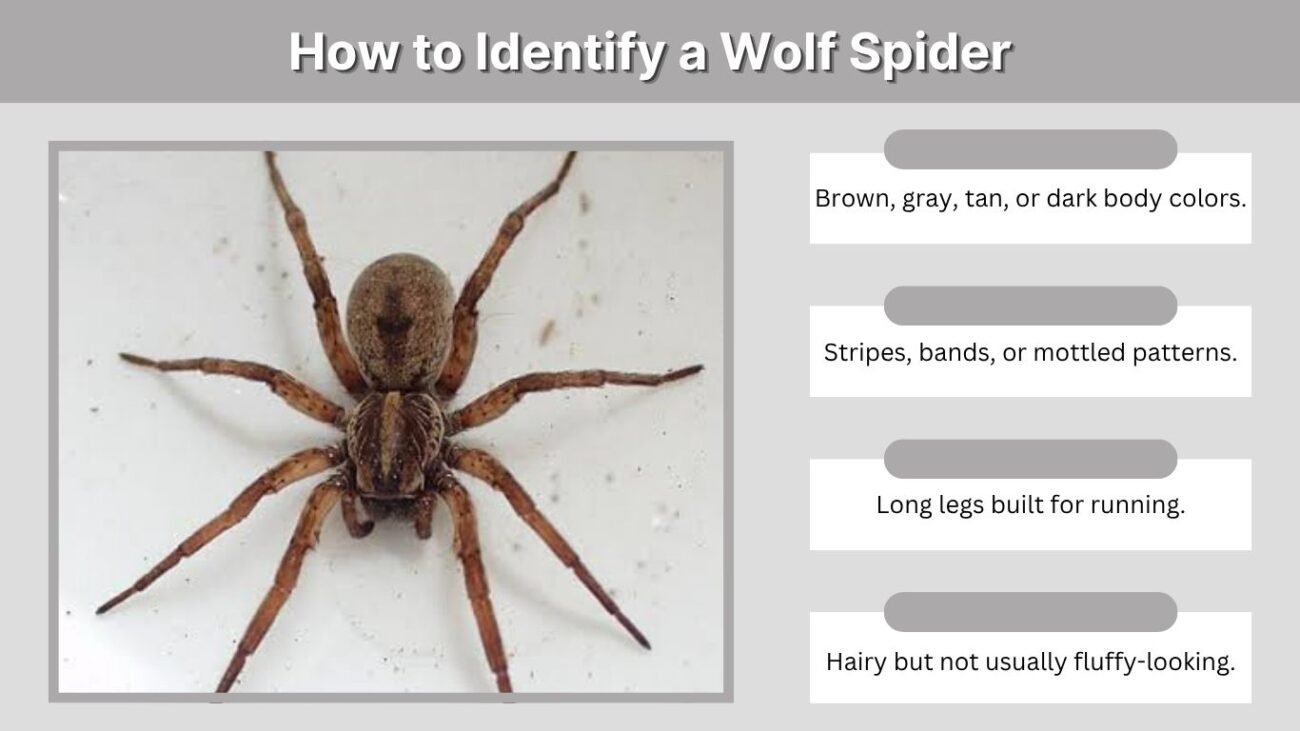
Wolf spiders have a rugged, ground-hunting appearance. They are built for speed and usually blend into soil, leaves, grass, wood, or stone.
Common Wolf Spider Features
Look for these signs when trying to identify a wolf spider:
- Brown, gray, tan, or dark body colors
- Stripes, bands, or mottled patterns
- Long legs built for running
- Hairy but not usually fluffy-looking
- Fast movement across floors or ground
- Large-looking front eyes compared with many other spiders
Wolf spiders usually do not sit in neat webs. If you see a large spider running across a floor at night, hiding near baseboards, or moving through leaf litter, it may be a wolf spider.
Female Wolf Spiders Carry Their Young
One of the clearest wolf spider clues is maternal behavior. Female wolf spiders carry egg sacs attached to their spinnerets. After the spiderlings hatch, they climb onto the mother’s back and stay there for a time.
This can make the spider look strange or even alarming, but it is normal wolf spider behavior. It also helps separate wolf spiders from tarantulas and many other common spiders.
How to Identify a Tarantula
Tarantulas usually look heavier, thicker, and more powerful than wolf spiders. They are famous for their large size, dense hair, and slower movement.
Common Tarantula Features
A spider may be a tarantula if it has:
- A large, thick body
- Dense, noticeable hairs
- Strong, heavy-looking legs
- Slow, deliberate movement
- A burrow, retreat, or sheltered hiding place nearby
- A very broad, robust appearance
Some tarantulas are brown or black, while others have reddish, orange, blue, or patterned coloring. Color alone is not enough for identification because both tarantulas and wolf spiders can vary by species.
Tarantulas and Defensive Hairs
Many New World tarantulas have special irritating hairs called urticating hairs. When threatened, some may flick these hairs from the abdomen. These hairs can irritate skin, eyes, or the respiratory system.
Wolf spiders do not use this same defensive hair-flicking behavior. That is one important difference between many tarantulas and wolf spiders.
Wolf Spider vs Tarantula Bite
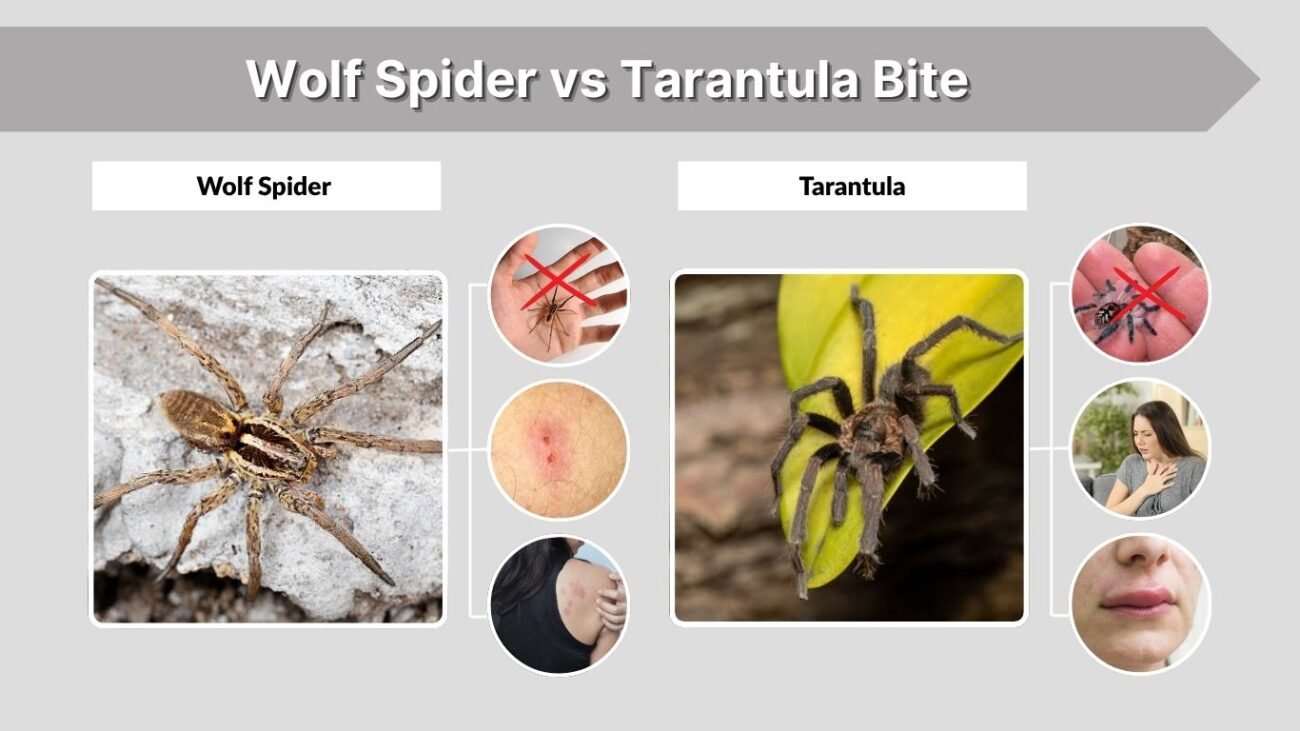
Many people search “tarantula wolf spider bite” because they worry that either spider may be dangerous. The good news is that neither wolf spiders nor most tarantulas are considered highly dangerous to healthy adults.
Wolf Spider Bite
A wolf spider can bite if trapped, squeezed, or handled. The bite may cause mild pain, redness, swelling, or itching. Serious reactions are uncommon, but any bite can become irritated if scratched or not cleaned.
A wolf spider bite is most likely to happen when the spider is pressed against skin, such as inside clothing, bedding, shoes, gloves, or boxes.
Tarantula Bite
A tarantula can also bite if threatened. Its fangs may be larger than a wolf spider’s, so a bite can be painful. However, many tarantula bites are compared to a bee sting in general severity, depending on the species and the person’s reaction.
For some tarantulas, the irritating hairs may be more of a concern than the bite itself. These hairs can cause itching or discomfort if they contact skin or eyes.
When to Seek Medical Help
Most spider bites can be managed with basic first aid, but medical attention is wise if symptoms are severe or unusual.
Seek help if you notice:
- Trouble breathing
- Swelling of the face, lips, or throat
- Severe pain that gets worse
- Spreading redness or signs of infection
- Fever, dizziness, or nausea
- Eye exposure to tarantula hairs
- A bite on a child, elderly person, or someone with allergies
If you are unsure what bit you, avoid guessing. Clean the area, monitor symptoms, and contact a medical professional if you are concerned.
Habitat: Where Do Wolf Spiders and Tarantulas Live?
Both spiders are often associated with the ground, but their preferred habitats are not exactly the same.
Wolf Spider Habitat
Wolf spiders are widespread and can live in many environments. They may be found in grass, gardens, fields, forests, leaf litter, mulch, sheds, garages, and basements. Some species dig burrows, while others hide under stones, logs, or debris.
They may enter homes while searching for prey or shelter. This is common during seasonal changes, especially when outdoor temperatures shift.
Tarantula Habitat
Tarantulas are more common in warm regions, deserts, grasslands, scrublands, tropical forests, and other suitable habitats depending on the species. Many live in burrows or natural retreats. Some species are ground-dwelling, while others are arboreal and live in trees or elevated shelters.
In areas where tarantulas do not naturally live, a tarantula found indoors may be an escaped pet rather than a wild spider.
Behavior and Hunting Style
Wolf spiders and tarantulas both hunt prey, but they do it differently.
Wolf Spider Behavior
Wolf spiders are active hunters. They often run across the ground looking for insects and other small prey. Their strong eyesight helps them detect movement, especially at night.
They do not build classic prey-catching webs. Instead, they rely on speed, camouflage, and direct pursuit. This is why people often see them moving quickly across floors or outdoor surfaces.
Tarantula Behavior
Tarantulas are usually more patient. Many wait near burrow entrances or hiding places and strike when prey comes close. They sense vibration through their legs and body hairs, which helps them detect nearby movement.
Compared with wolf spiders, tarantulas are often slower and less likely to sprint across a room. Their defensive posture, size, and hairs make them look intimidating, but many prefer retreating over attacking.
Are Wolf Spiders or Tarantulas Poisonous?
People often use the word “poisonous,” but “venomous” is usually more accurate for spiders. A venomous animal injects venom through a bite or sting. A poisonous animal causes harm when touched or eaten.
Are Wolf Spiders Venomous?
Yes, wolf spiders are venomous because they use venom to subdue prey. However, their venom is not usually a serious threat to humans. A bite can be uncomfortable, but wolf spiders are not considered aggressive toward people.
Are Tarantulas Venomous?
Yes, tarantulas are also venomous. Their venom helps them capture prey. For most commonly discussed tarantulas, bites are painful but not usually medically serious for healthy adults. Still, reactions can vary by species and individual sensitivity.
Tarantula Wolf Spider in Different Regions
Searches such as “tarantula wolf spider Portugal,” “wolf spider Missouri tarantula,” and “tarantula wolf spider Italy” show that people often want regional identification.
Europe: Lycosa Tarantula
In parts of southern Europe, Lycosa tarantula is a wolf spider historically connected with the word “tarantula.” This adds to the confusion because its name sounds like it should be a true tarantula. In modern classification, it is a wolf spider, not a Theraphosidae tarantula.
United States
In the United States, wolf spiders are common in many states. Tarantulas are more regionally common in warmer areas, especially parts of the Southwest and other suitable habitats. In states where wild tarantulas are not typical, a spider that looks like a small tarantula may simply be a large wolf spider.
Australia and Other Regions
Large spiders in Australia and other regions may be confused with both wolf spiders and tarantulas. However, local species vary, and common names can differ by country. When location matters, regional spider guides or local pest experts are more reliable than general image comparisons.
What to Do If You Find One Indoors

Finding a large spider inside can be stressful, but most wolf spiders and tarantulas are not looking to harm people. They usually enter homes by accident or while searching for prey, shelter, or warmth.
Safe Removal Steps
If you want to remove the spider, try this method:
- Place a clear cup or container over the spider.
- Slide a stiff piece of paper or cardboard underneath.
- Carry it outside carefully.
- Release it away from doors and windows.
- Avoid handling it with bare hands.
For tarantulas, especially escaped pets or unknown species, use extra caution. Their urticating hairs can irritate skin and eyes, and a fall can injure the spider.
Preventing Spiders Indoors
To reduce indoor spider sightings:
- Seal gaps around doors, windows, pipes, and vents.
- Reduce clutter in basements, garages, and storage areas.
- Shake out shoes, gloves, and outdoor clothing.
- Keep firewood, leaf piles, and debris away from the house.
- Reduce indoor insects that attract hunting spiders.
Spiders often follow food sources. If your home has many insects, spiders may appear more often.
FAQs
Is a wolf spider a tarantula?
No, a wolf spider is not a tarantula. Wolf spiders belong to the family Lycosidae, while true tarantulas belong to the family Theraphosidae. They can look similar because both may be hairy and ground-dwelling, but they differ in size, body shape, behavior, and scientific classification.
What is bigger, a wolf spider or a tarantula?
A tarantula is usually bigger than a wolf spider. Some large wolf spiders can look impressive, especially because of their long legs, but tarantulas generally have heavier bodies, thicker legs, and larger leg spans. A very large, slow, extremely hairy spider is more likely to be a tarantula.
Is a tarantula wolf spider dangerous?
The phrase “tarantula wolf spider” usually refers to confusion between two spiders, not one dangerous species. Wolf spiders and most tarantulas are not highly dangerous to healthy adults. Bites can cause pain, redness, or swelling, and tarantula hairs may irritate skin or eyes.
How can I tell a wolf spider from a tarantula?
A wolf spider is usually faster, smaller, and more patterned, often brown or gray with stripes. A tarantula is usually larger, thicker, slower, and more densely hairy. Wolf spiders actively hunt on the ground, while many tarantulas wait near burrows or retreats to ambush prey.
Why is Lycosa tarantula called a tarantula if it is a wolf spider?
The name comes from older history and regional naming. Lycosa tarantula is a southern European wolf spider linked to the historical use of the word “tarantula.” Modern true tarantulas are usually spiders in the family Theraphosidae, so the old name can confuse modern readers.