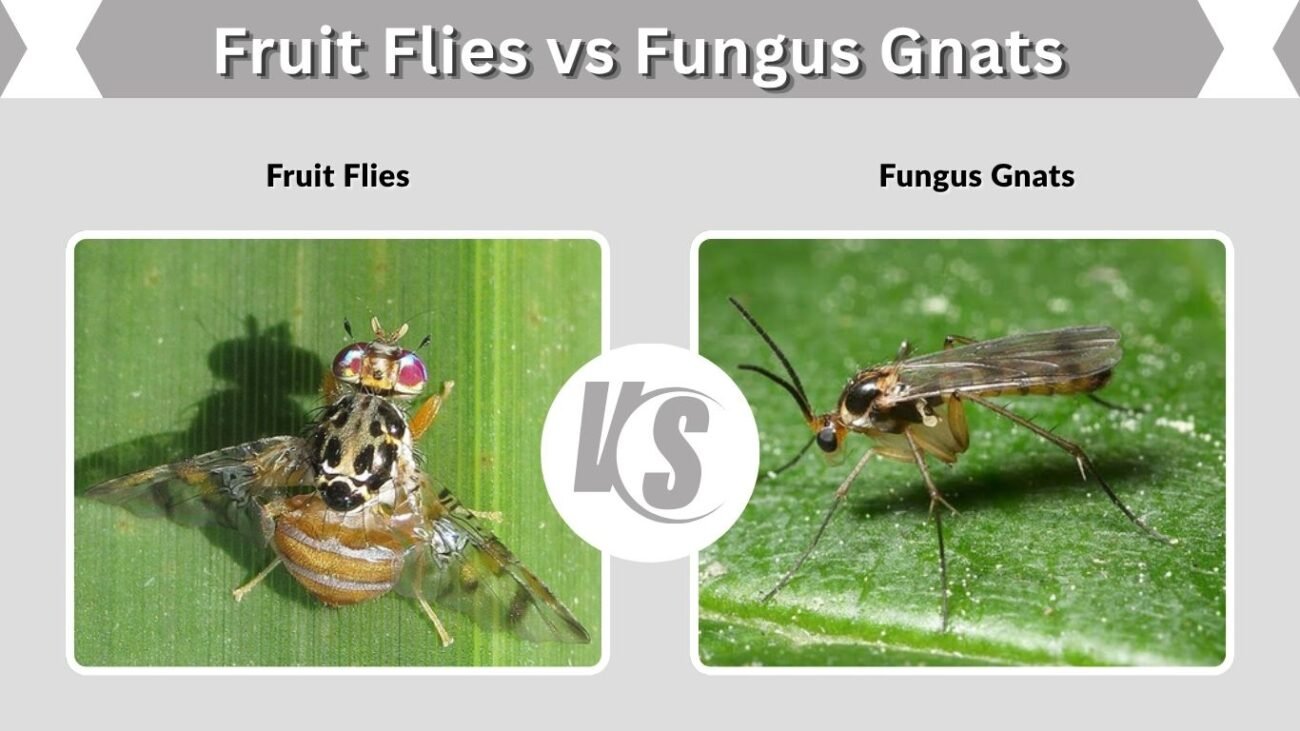
Fruit Flies vs Fungus Gnats: Identification & Control
Fruit flies and fungus gnats are tiny flying insects that often appear inside homes, but…
Fruit flies and fungus gnats are tiny flying insects that often appear inside homes, but…
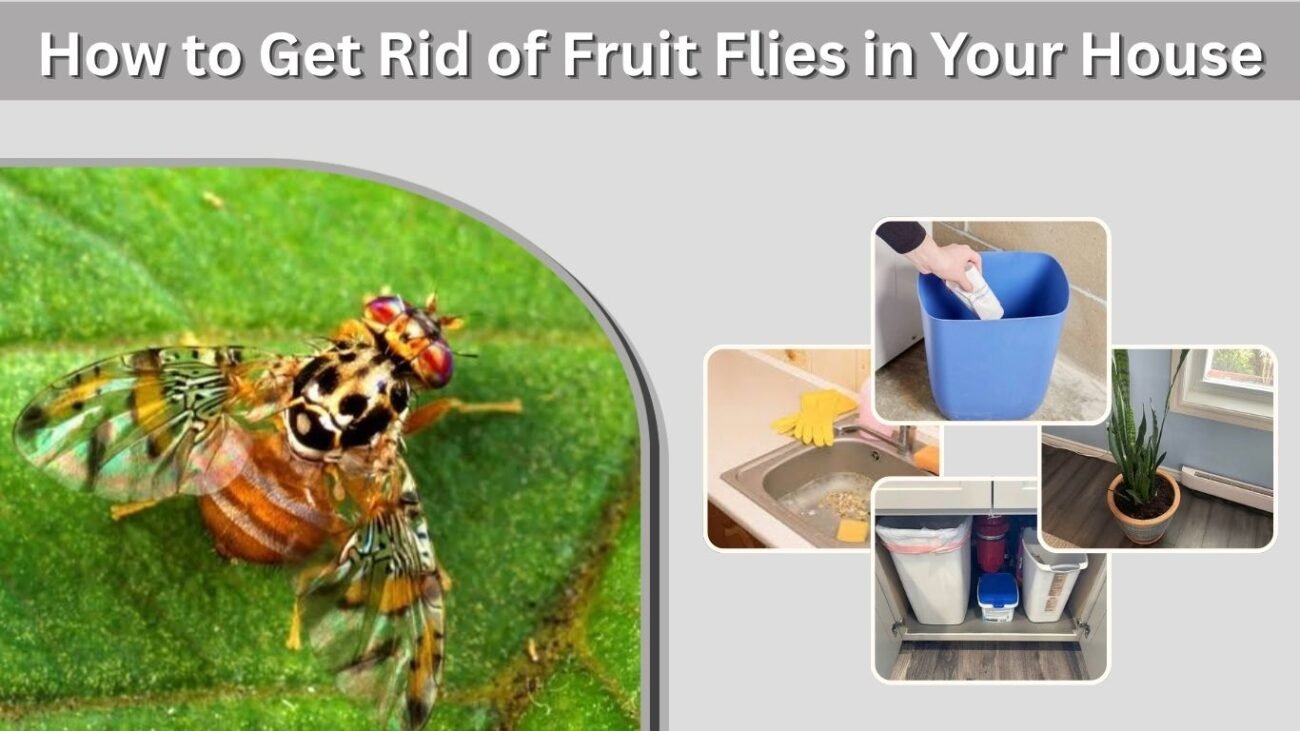
Fruit flies in the house can quickly become frustrating because these tiny insects reproduce rapidly…
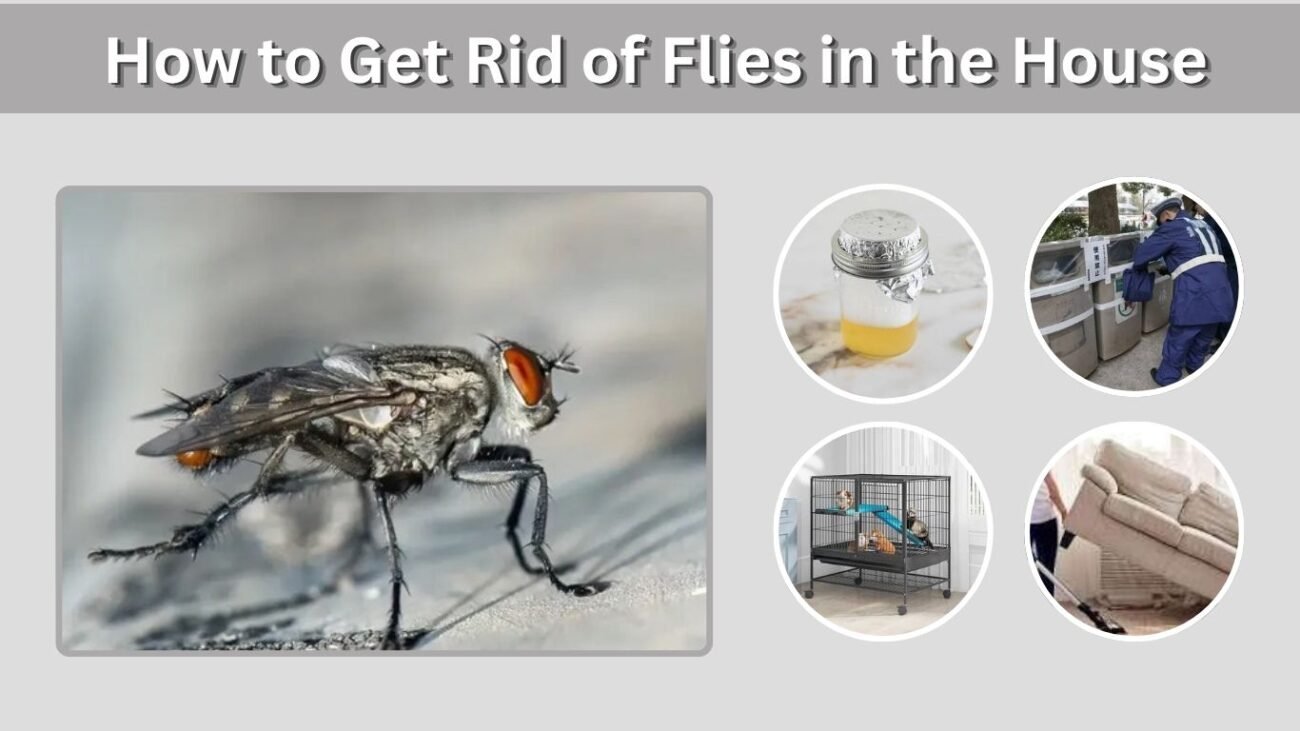
Flies inside the house can become frustrating quickly, especially when they keep returning after you…
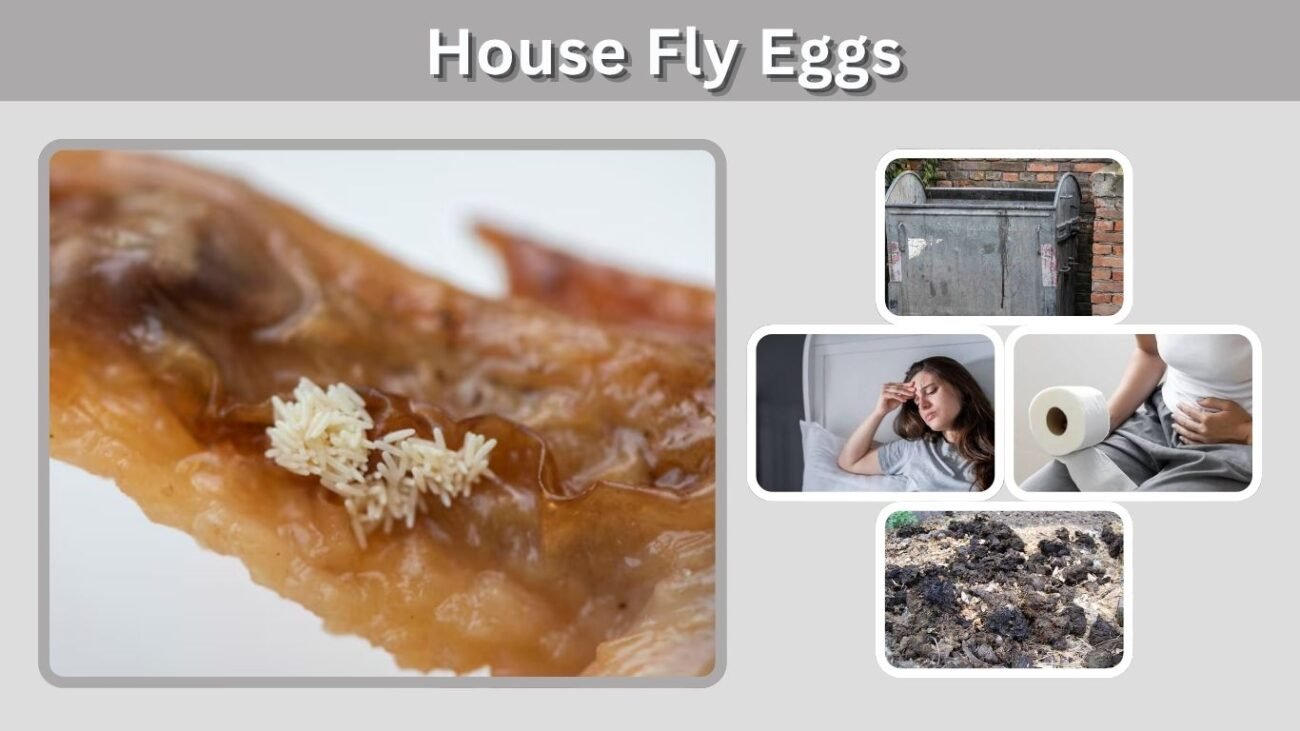
House fly eggs are tiny, white, elongated eggs laid in moist organic material where newly…
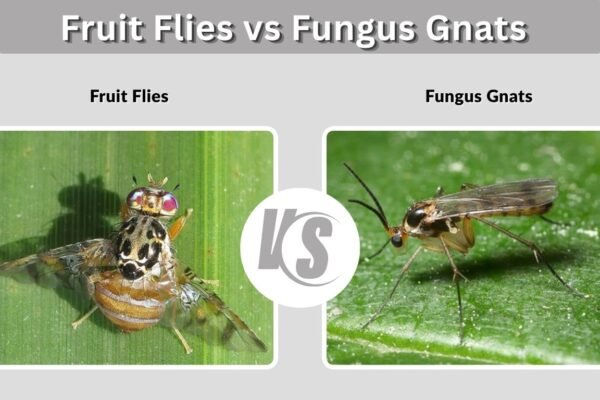
Fruit flies and fungus gnats are tiny flying insects that often appear inside homes, but they come from very different sources. Fruit flies are usually attracted to ripe fruit, fermenting food, garbage, and beverage residue, while fungus gnats are strongly associated with damp houseplant soil and decaying plant material. Their appearance, movement, larvae, and breeding…
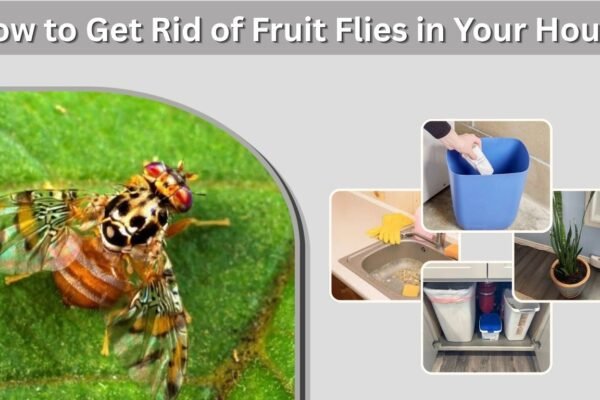
Fruit flies in the house can quickly become frustrating because these tiny insects reproduce rapidly wherever they find fermenting food and moisture. They commonly gather around ripe fruit, garbage cans, recycling bins, drains, and forgotten food spills. Simply killing the adults rarely solves the problem because eggs and larvae may already be developing nearby. The…
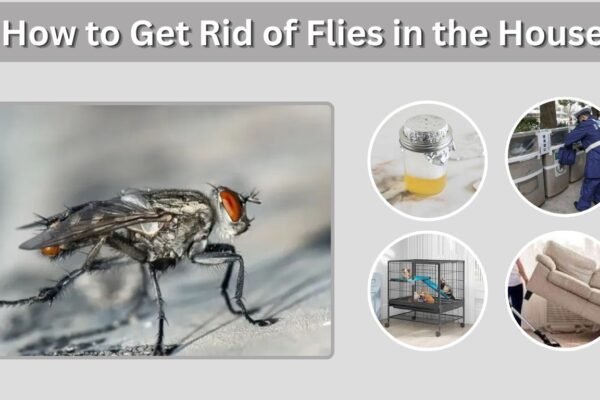
Flies inside the house can become frustrating quickly, especially when they keep returning after you kill the visible adults. The best way to get rid of flies depends on the species and where they are breeding. House flies are commonly associated with garbage, food waste, manure, and other decaying material, while fruit flies usually develop…
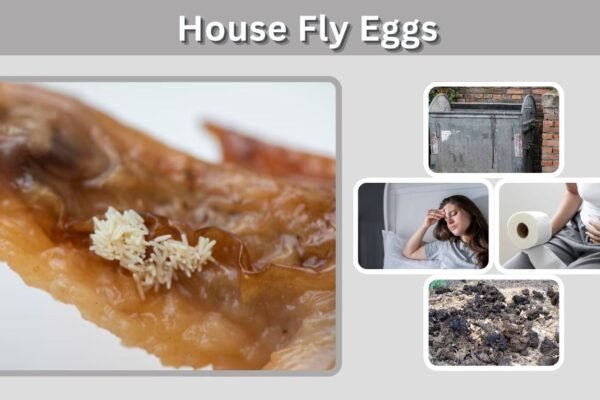
House fly eggs are tiny, white, elongated eggs laid in moist organic material where newly hatched maggots can immediately find food. A female house fly (Musca domestica) typically chooses garbage, animal waste, rotting food, manure, or other decomposing material rather than clean walls or dry household surfaces. The eggs can hatch extremely quickly under warm…
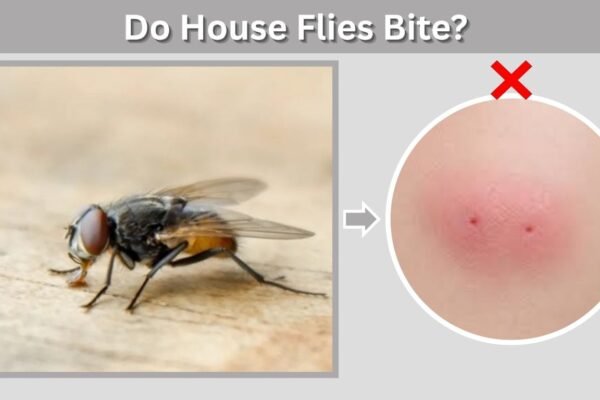
No, common house flies do not bite humans or animals, and they cannot sting. The common house fly, Musca domestica, has sponging mouthparts that cannot pierce skin. If a fly resembling a house fly delivers a painful bite, a different species—often a stable fly—may be responsible. This confusion explains many reports of house flies biting…
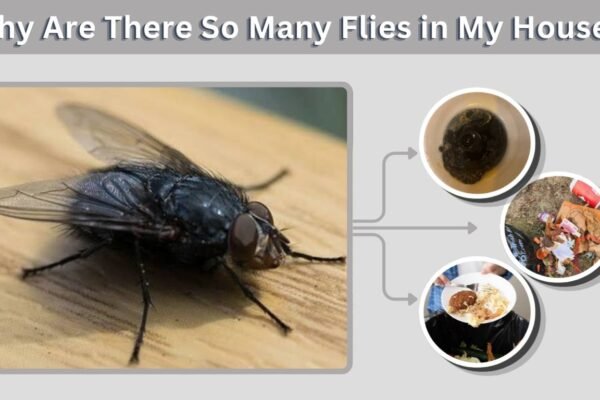
Many flies in your house usually mean they have found a breeding source nearby, an easy way indoors, or somewhere to shelter from changing weather. Garbage, fermenting fruit, dirty drains, and damp plant soil attract different species. A sudden outbreak can also happen when hidden pupae release a batch of adult flies. Even a clean…
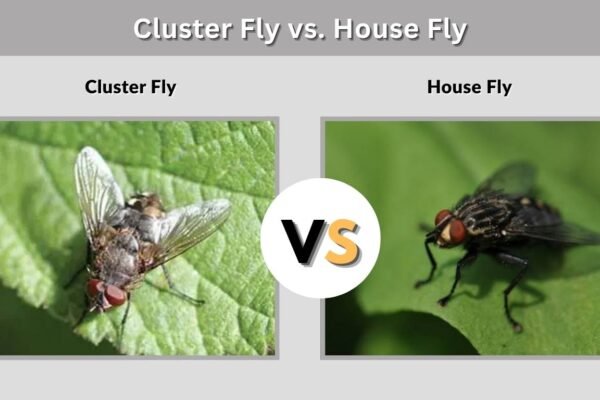
Cluster flies and house flies may look similar, but their behavior, breeding sites, seasonal activity, and health risks are noticeably different. Cluster flies are slow-moving outdoor insects that enter buildings to survive winter, while house flies are active sanitation pests that reproduce in garbage, manure, and decaying organic matter. Correct identification is important because removing…
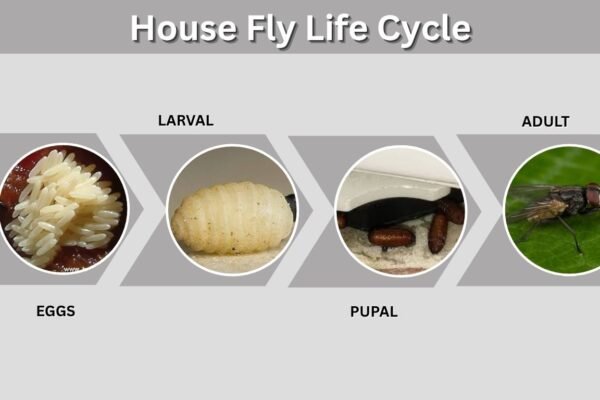
The house fly life cycle has four distinct stages: egg, larva, pupa, and adult. Under warm, favorable conditions, a house fly can develop from an egg into a reproducing adult in as little as 7 to 10 days. Cooler temperatures, limited food, and low moisture slow the process considerably. Understanding each stage makes infestations easier…
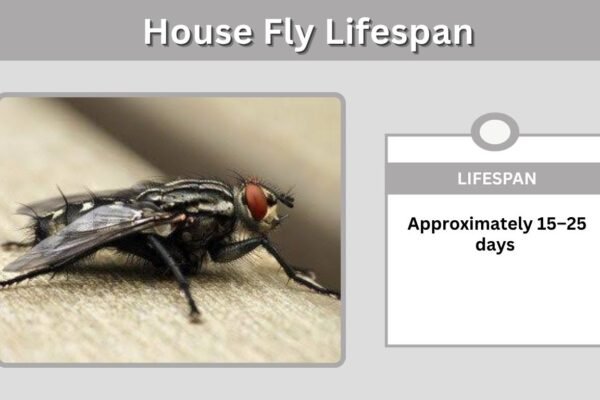
The average adult house fly lives for approximately 15–25 days, although favorable indoor or laboratory conditions may allow some individuals to survive for six weeks or even two months. Temperature, humidity, food, water, predators, and breeding conditions all influence longevity. A house fly’s complete development from egg to adult can take only 7–10 days during…
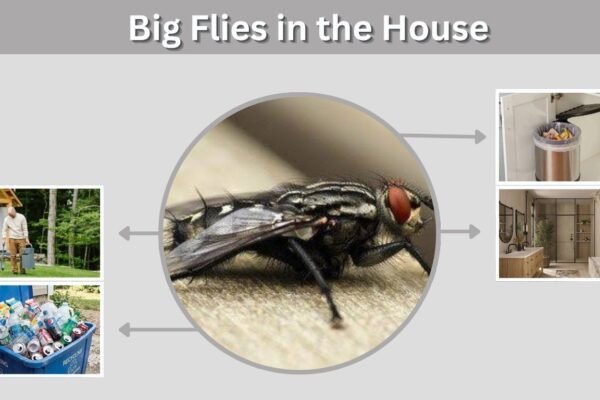
Big flies appearing inside a house are usually cluster flies, blow flies, bottle flies, flesh flies, or ordinary house flies. Large numbers emerging suddenly may indicate overwintering adults leaving wall cavities or maggots developing in garbage, animal waste, or a dead rodent. Their color, behavior, location, and season provide important identification clues. While most large…