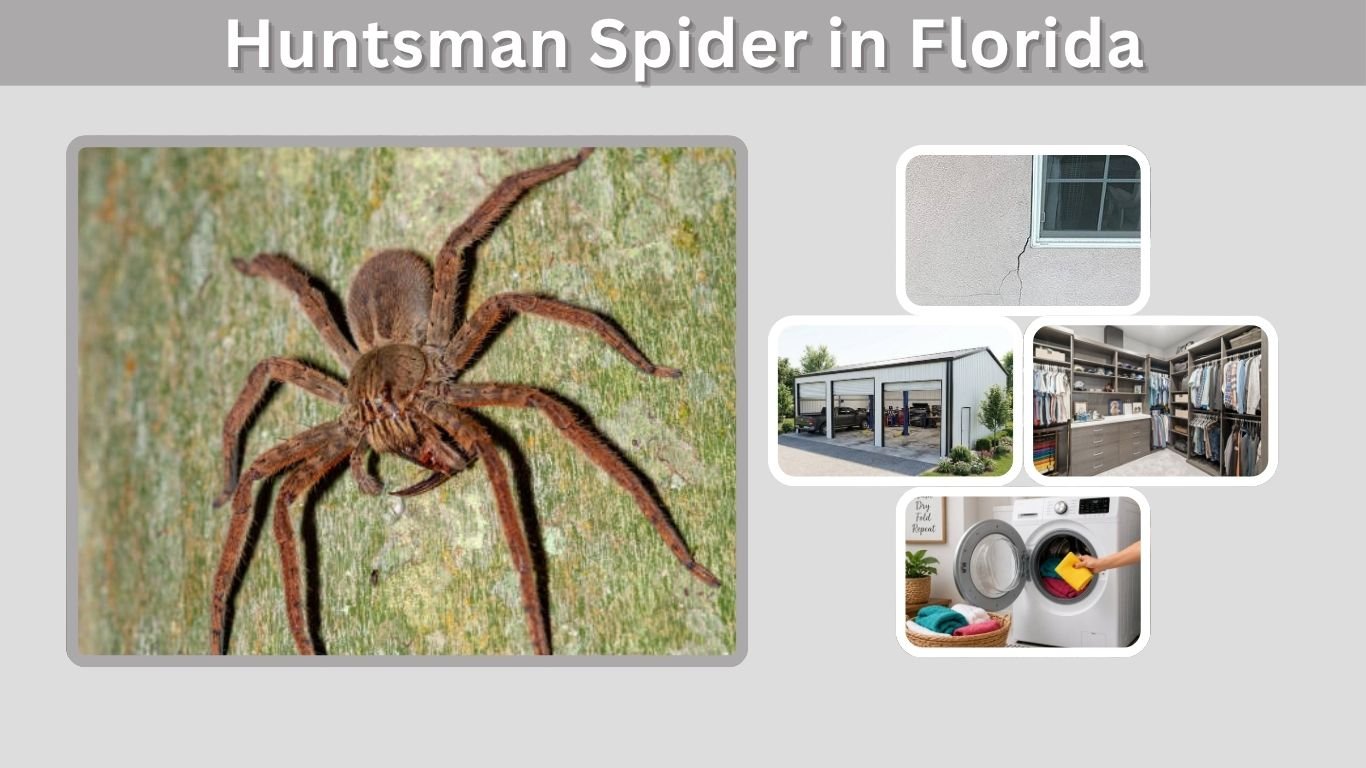
The huntsman spider in Florida is usually the pantropical huntsman spider, also called the giant crab spider or banana spider. Its long legs, flat body, and sudden fast movement can make it look scary, especially when it appears inside homes, garages, or cars. However, this spider is not considered highly dangerous to humans. It may bite if trapped or handled, but it usually prefers to run away.
Are Huntsman Spiders Found in Florida?
Yes, huntsman spiders are found in Florida. The main species associated with Florida is the pantropical huntsman spider, Heteropoda venatoria. It belongs to the huntsman spider family, Sparassidae.
This spider is not originally native to Florida. It is considered an introduced species that has spread through warm and subtropical areas. Florida’s climate gives it the warmth and humidity it needs to survive. It may also be found in other warm parts of the United States, including subtropical areas of Texas and California.
Why They Live Well in Florida
Florida is a good environment for huntsman spiders because it has warm weather, humidity, plants, insects, and many sheltered hiding places. These spiders are active hunters and feed on insects, including cockroaches and other small arthropods.
They may live around:
- Palm trees and tropical plants
- Garages and sheds
- Older buildings
- Gardens and patios
- Wood piles and outdoor clutter
- Wall gaps and storage areas
- Cars and outdoor equipment
They do not build sticky webs to catch prey like many house spiders. Instead, they chase and grab insects.
What Does a Florida Huntsman Spider Look Like?
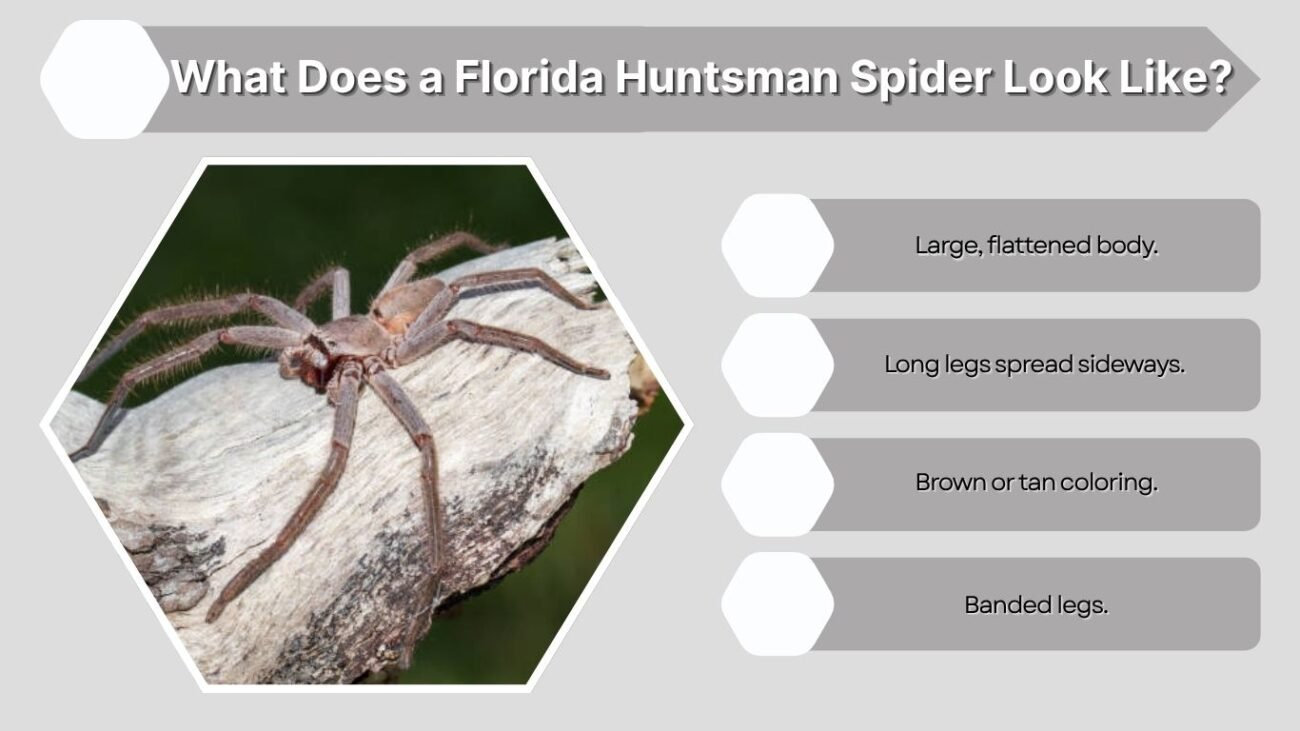
A Florida huntsman spider is usually brown, tan, or greyish brown. It has a flat body and long legs that spread outward in a crab-like position. This is why it is sometimes called the giant crab spider.
Its legs are often banded or marked, and its body may have darker patterns. The spider’s wide leg position makes it look much larger than its body actually is. When resting on a wall or ceiling, it may appear almost hand-sized.
Key Identification Features
You can often recognize a Florida huntsman spider by these features:
- Large, flattened body
- Long legs spread sideways
- Brown or tan coloring
- Banded legs
- Fast movement
- Crab-like stance
- Often seen on walls, ceilings, trees, or structures
Its flat shape helps it hide in narrow spaces, such as under bark, behind shutters, inside sheds, or behind objects in a garage.
Florida Huntsman Spider Size
The Florida huntsman spider can look large because most of its size comes from leg span. Its body is much smaller than its full spread. A typical pantropical huntsman spider may reach several inches across when its legs are extended.
Some individuals may have a leg span around 3 to 5 inches. This makes them very noticeable indoors, especially on a plain wall or ceiling. Large females may look bulkier, while males may appear leggier and more slender.
| Feature | Florida Huntsman Spider |
|---|---|
| Common name | Pantropical huntsman, giant crab spider |
| Scientific name | Heteropoda venatoria |
| Main color | Brown, tan, or grey-brown |
| Size | Often around 3–5 inches by leg span |
| Body shape | Flat and wide |
| Behavior | Fast, active hunter |
| Main risk | Painful bite if handled or trapped |
| Danger level | Usually low for healthy adults |
The spider may look bigger in close-up photos. Camera angle, lighting, and fear can make the size seem more dramatic than it really is.
Is There a Giant Huntsman Spider in Florida?
The term “giant huntsman spider” can cause confusion. Florida has a large huntsman spider often called the giant crab spider, but it is not the same as the famous giant huntsman spider from Laos.
The giant huntsman spider from Laos is known for an extremely wide leg span and is often described as one of the largest spiders in the world by leg spread. Florida’s pantropical huntsman spider is large, but it is not usually that big.
Florida Giant Huntsman Spider Meaning
When people say “Florida giant huntsman spider,” they usually mean a large pantropical huntsman spider seen in Florida. It can look huge in a home, but it is not a record-breaking spider. It is large enough to startle people, yet still much smaller than the biggest huntsman spiders reported from Asia.
Where Are Huntsman Spiders Found in Florida?
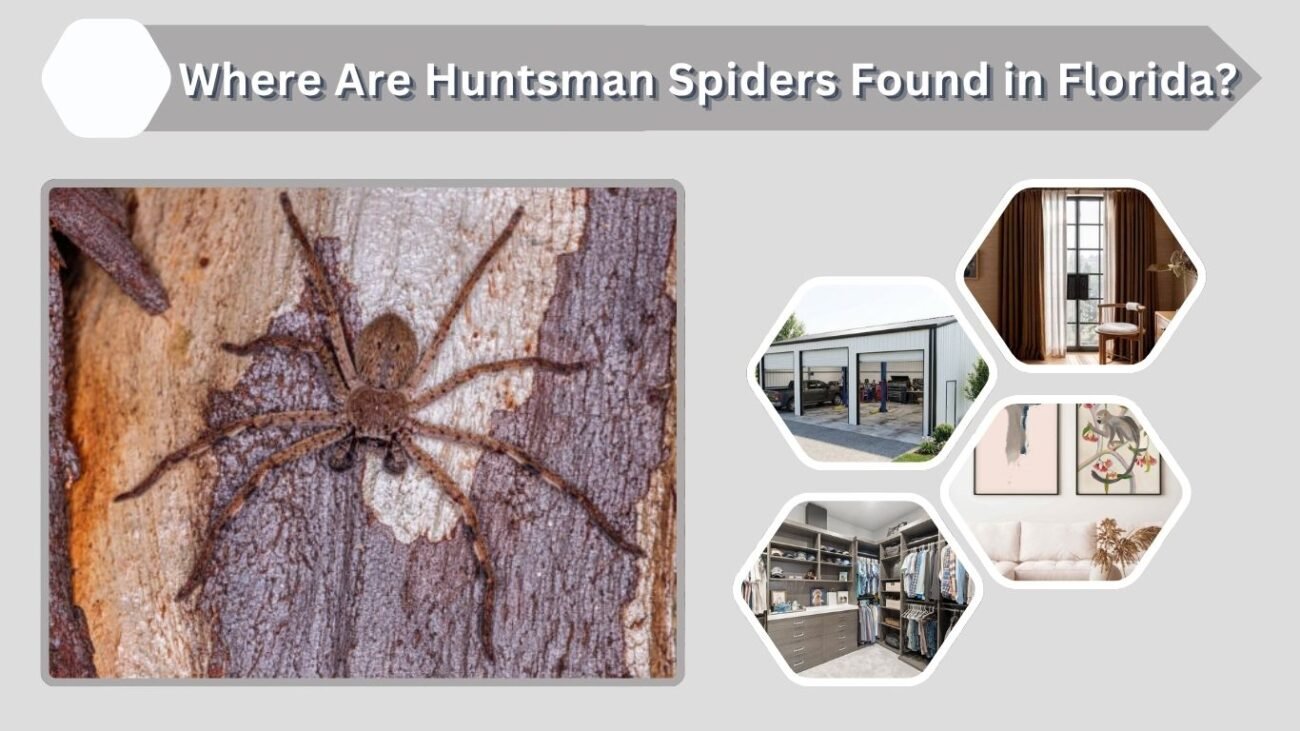
Huntsman spiders are more likely to be seen in warm, humid areas of Florida. They may appear in South Florida, Central Florida, coastal areas, and places with plenty of vegetation and insects. They can also move indoors when looking for shelter or prey.
They are not limited to wild areas. They may appear near homes because artificial structures provide hiding spaces and attract insects.
Common Indoor Locations
Inside or around homes, Florida huntsman spiders may hide in:
- Garages
- Sheds
- Closets
- Bathrooms
- Attics
- Behind curtains
- Under furniture
- Behind wall decorations
- Inside storage boxes
- Around car visors or dashboards
A huntsman spider in a car can be especially alarming because it may run suddenly while someone is driving. If you see one in a vehicle, park safely before trying to remove it.
Florida Huntsman Spider Bite
A Florida huntsman spider can bite, but bites are not common unless the spider is handled, trapped, or pressed against skin. Most bites happen by accident, such as when someone reaches into a hiding place, puts on clothing where the spider is resting, or tries to catch it bare-handed.
A bite may feel like a sharp pinch or bee sting. The area may become red, swollen, sore, or itchy. Some people may notice small puncture marks.
Bite Symptoms
Possible symptoms include:
- Local pain
- Redness
- Mild swelling
- Tenderness
- Itching or burning
- Minor bleeding
- Warmth around the bite area
Most symptoms are local and improve with basic first aid. However, any bite should be watched carefully. If swelling spreads, pain becomes severe, or signs of infection appear, medical advice is recommended.
Basic First Aid
If you think a Florida huntsman spider bit you:
- Wash the area with soap and water.
- Apply a cold pack wrapped in cloth.
- Keep the bite area clean.
- Avoid scratching.
- Use an over-the-counter pain reliever if suitable.
- Watch for worsening symptoms.
Seek medical help if you experience breathing trouble, severe swelling, dizziness, fever, spreading redness, pus, or intense pain. Children, elderly people, and people with allergies should be treated more carefully.
Is the Florida Huntsman Spider Poisonous?
The Florida huntsman spider is venomous, not poisonous. Venom is injected through a bite. Poison harms when touched or swallowed. Like many spiders, huntsman spiders use venom to subdue prey.
For humans, the venom is usually not considered medically dangerous. The bite may hurt, but serious effects are uncommon in healthy adults. The bigger issue is often fear, accidental injury from panic, or irritation at the bite site.
Is It Dangerous?
The Florida huntsman spider is usually not dangerous. It is fast and large-looking, but it is not aggressive toward people. It normally runs away when disturbed.
You should still avoid touching it. A spider does not need to be deadly to cause pain or stress. Safe removal is better than handling.
Florida Huntsman Spider vs Wolf Spider
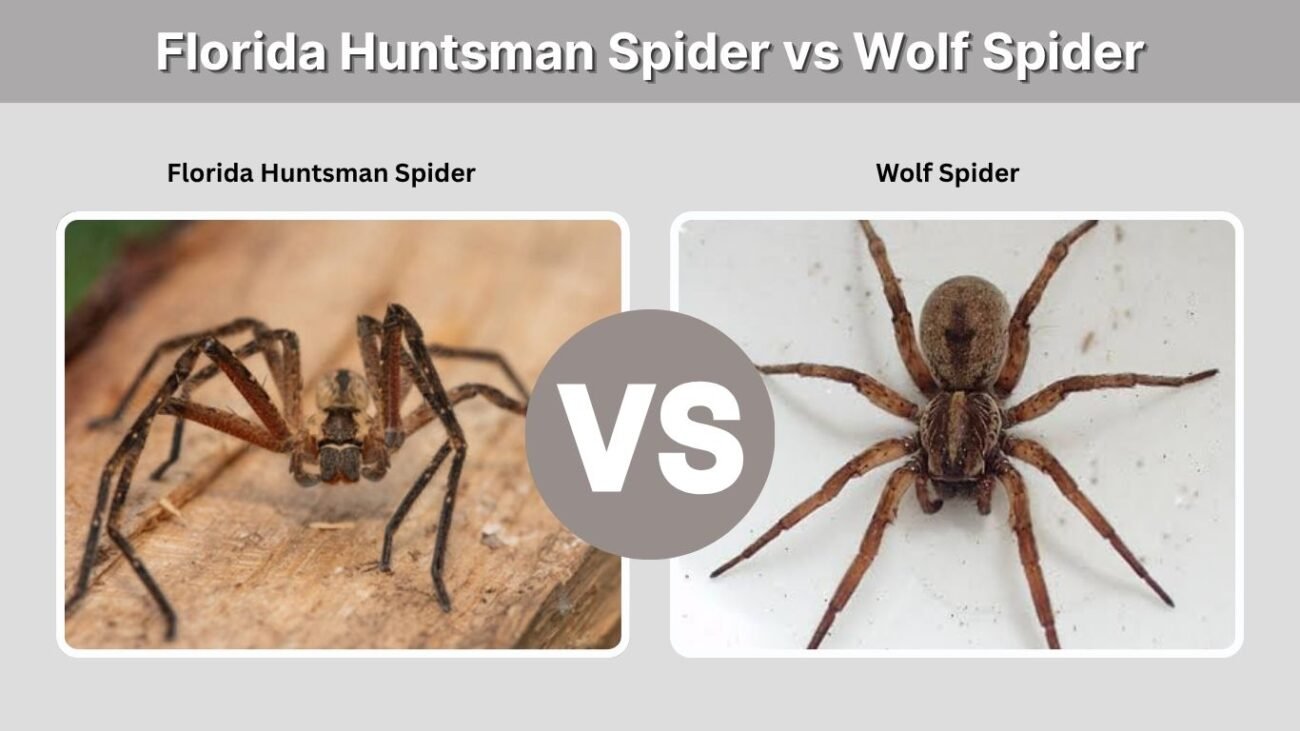
Florida has many large brown spiders, so huntsman spiders are often confused with wolf spiders. Both can be fast and brown, but their body shape and behavior are different.
Wolf spiders are usually more compact and often seen on the ground. Huntsman spiders are flatter and have legs that spread sideways. Huntsman spiders are also more likely to be seen on walls, ceilings, tree trunks, or behind vertical surfaces.
Quick Comparison
A Florida huntsman spider usually looks wide and flat, with a crab-like stance. A wolf spider looks more compact, with a thicker body and legs that do not spread as far sideways.
Wolf spiders may carry egg sacs or spiderlings on their backs. Huntsman spiders do not have the same common appearance. If you see a large brown spider running across the floor, it may be a wolf spider. If it is spread flat on a wall, ceiling, or palm trunk, it may be a huntsman.
Florida Huntsman Spider vs Australian Huntsman Spider
Florida huntsman spiders and Australian huntsman spiders are related in the sense that they belong to the huntsman family, but they are not always the same species. Australia has many huntsman species, and some are famous for appearing inside homes.
The Florida huntsman is most often the pantropical huntsman, Heteropoda venatoria. Australian huntsman spiders include many different species, some of which can grow large and become familiar household visitors.
Main Differences
Florida huntsman spiders are associated with warm subtropical habitats and are usually linked to the pantropical huntsman. Australian huntsman spiders include a wider range of native species and are a more common part of everyday wildlife encounters in many Australian homes.
Both types are fast, long-legged, and usually not aggressive. Both may bite if trapped or handled. Both are often more frightening in appearance than medically dangerous.
Florida Huntsman Spider vs Banana Spider
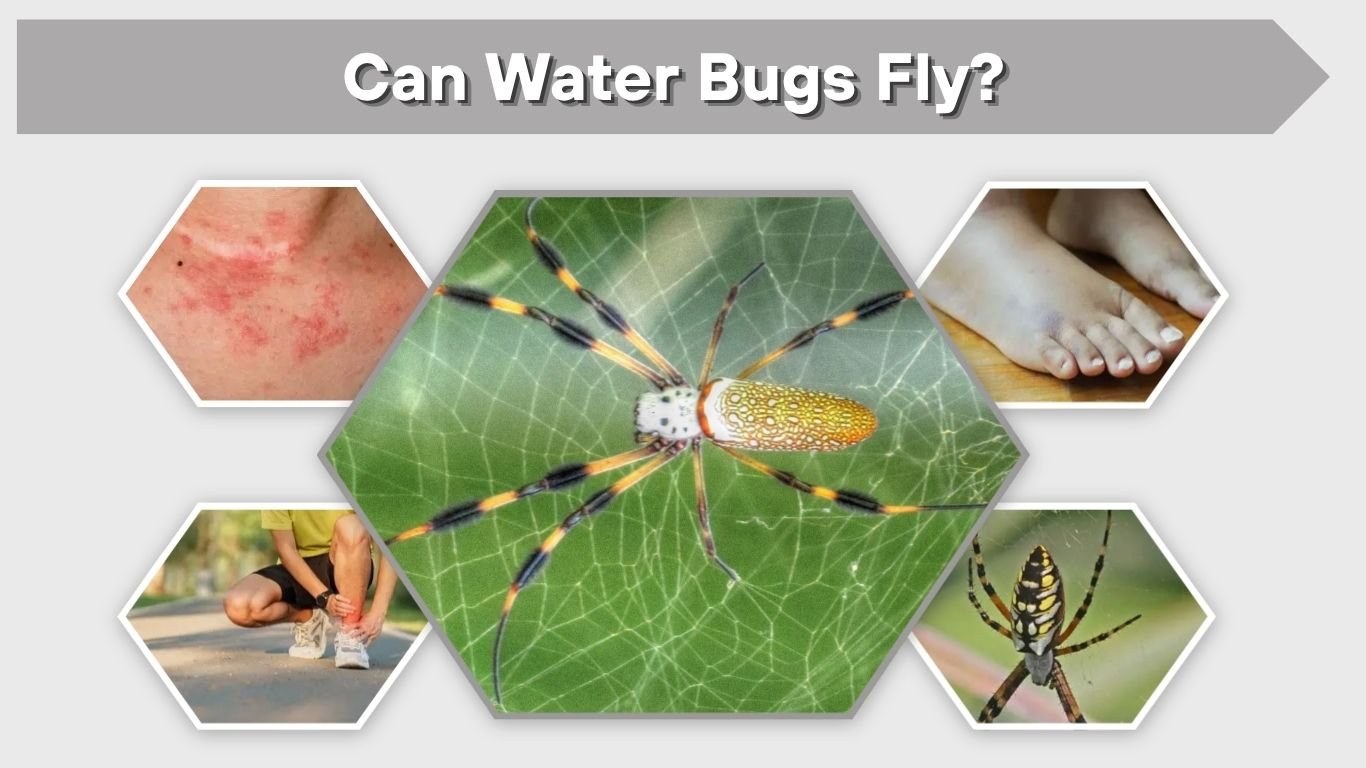
The name “banana spider” can be confusing in Florida. It may refer to different spiders depending on the region. Sometimes the pantropical huntsman is called a banana spider because it has occasionally been found around banana shipments. In Florida, many people also use “banana spider” for large orb-weaving spiders.
A huntsman spider is flat, fast, and does not build a large circular web to catch prey. A banana spider in the orb-weaver sense usually sits in a large web and has a very different body shape.
How to Tell Them Apart
A huntsman spider runs after prey and hides in cracks. An orb-weaver banana spider usually stays in a web. If the spider is flat, brown, long-legged, and running on a wall, it may be a huntsman. If it is sitting in a large golden or circular web, it is likely a different spider.
Are Huntsman Spiders Good for Florida Homes?
Although many people dislike seeing large spiders indoors, huntsman spiders can be useful because they eat insects. They may help reduce cockroaches, moths, flies, and other small pests.
However, that does not mean you need to keep one inside your house. If you are uncomfortable, remove it safely or call pest control. The goal is to avoid panic and prevent accidental contact.
Safe Removal Method
To remove a huntsman spider:
- Place a clear container over it.
- Slide cardboard or thick paper underneath.
- Keep the container sealed while moving.
- Release the spider outside away from doors.
- Do not grab it with bare hands.
- Do not try to remove it while driving.
If the spider is in a difficult place or you are afraid, ask someone else to help or contact a pest professional.
How to Keep Huntsman Spiders Out
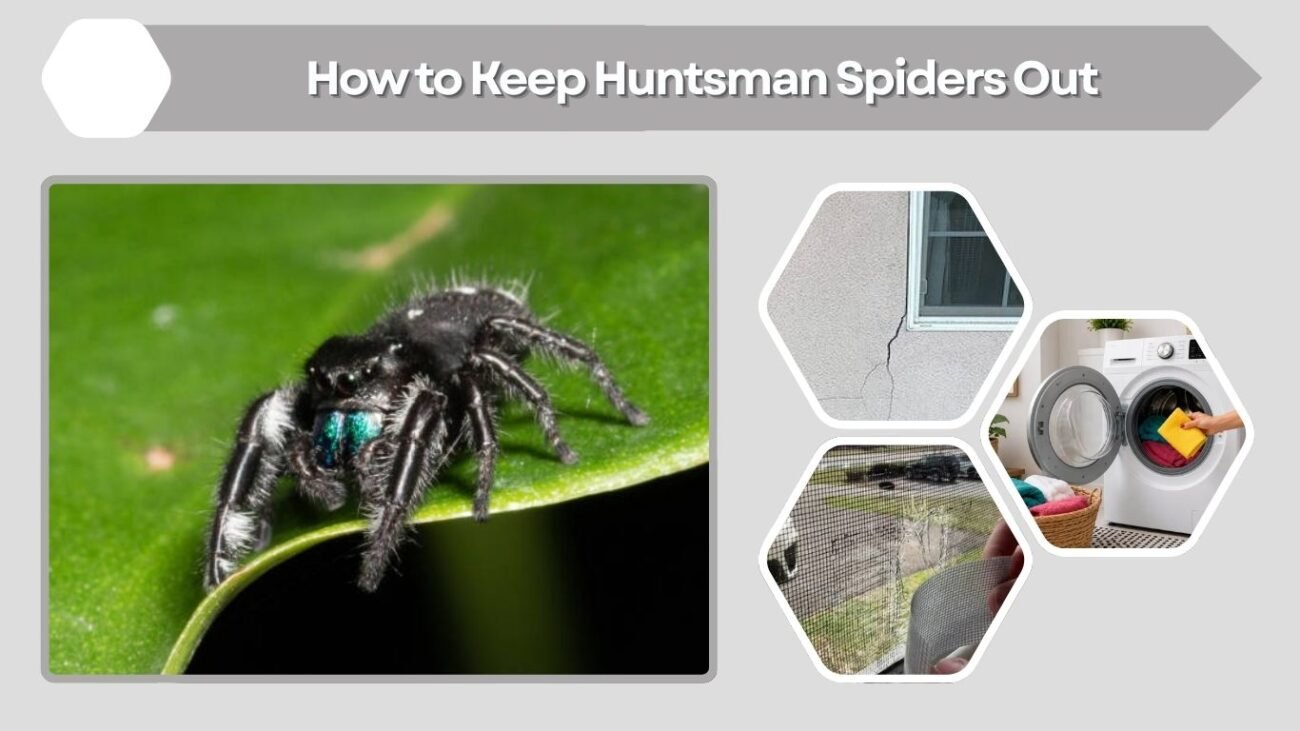
You cannot completely remove all spiders from a Florida property, especially in warm, insect-rich areas. However, you can reduce the chance of them coming indoors by limiting hiding places and prey.
Prevention Tips
Try these simple steps:
- Seal cracks around doors and windows.
- Repair torn screens.
- Reduce indoor insects.
- Keep garages and sheds organized.
- Shake out shoes, towels, and clothing.
- Move storage boxes away from walls.
- Trim vegetation touching the house.
- Use door sweeps where needed.
- Check outdoor furniture before sitting.
- Avoid leaving clutter in dark corners.
Since huntsman spiders follow prey, controlling insects can make your home less attractive to them.
Should You Be Worried About Huntsman Spiders in Florida?
Most people do not need to worry about huntsman spiders in Florida. They can be startling, especially because of their size and speed, but they are usually not harmful if left alone. The safest response is to avoid handling them, remove them carefully when needed, and learn how to tell them apart from other large brown spiders.
If a bite occurs, clean it, use a cold pack, and monitor symptoms. If the spider cannot be identified or symptoms become severe, seek medical advice.
FAQs
Are huntsman spiders common in Florida?
Huntsman spiders can be found in Florida, especially in warm and humid areas. The main species is usually the pantropical huntsman spider, also called the giant crab spider. It may appear in homes, garages, sheds, gardens, cars, and around tropical plants where insects are available.
How big do Florida huntsman spiders get?
Florida huntsman spiders often reach around 3 to 5 inches across by leg span. Their bodies are much smaller than their full spread, but their long sideways legs make them look large. Females may appear bulkier, while males may look more slender and leggy.
Is the Florida huntsman spider dangerous?
The Florida huntsman spider is usually not dangerous to healthy adults. It is venomous, like most spiders, but its bite is generally associated with local pain, redness, and swelling. It may bite if trapped or handled, so it should be moved with a container rather than touched.
What is the difference between a Florida huntsman and a wolf spider?
A Florida huntsman spider is flatter and has long legs that spread sideways like a crab. A wolf spider is usually more compact and often runs along the ground. Huntsman spiders are more often seen on walls, ceilings, tree trunks, garages, or behind objects.
Are Florida huntsman spiders the same as Australian huntsman spiders?
They are related as huntsman spiders, but they are not always the same species. Florida is mainly associated with the pantropical huntsman spider, while Australia has many different huntsman species. Both are large-looking, fast, and usually more frightening than dangerous when left alone.