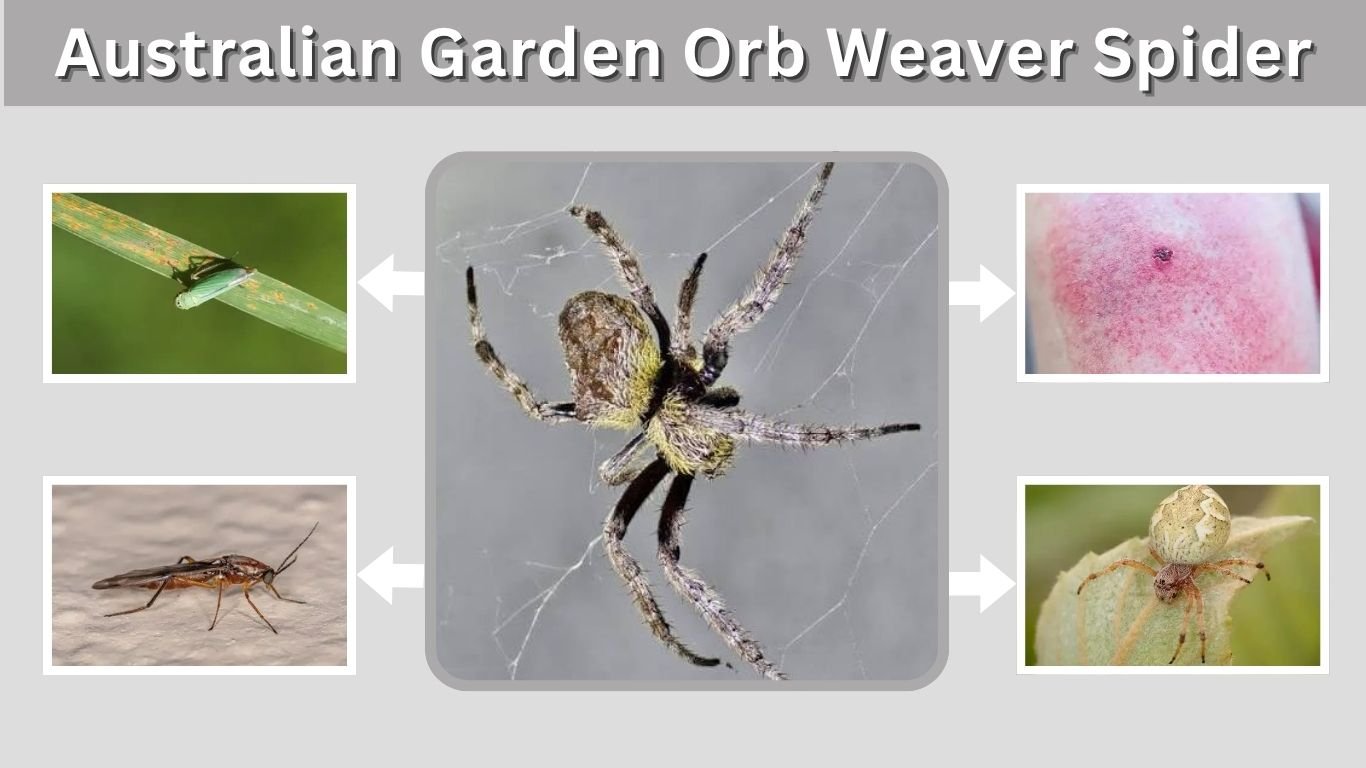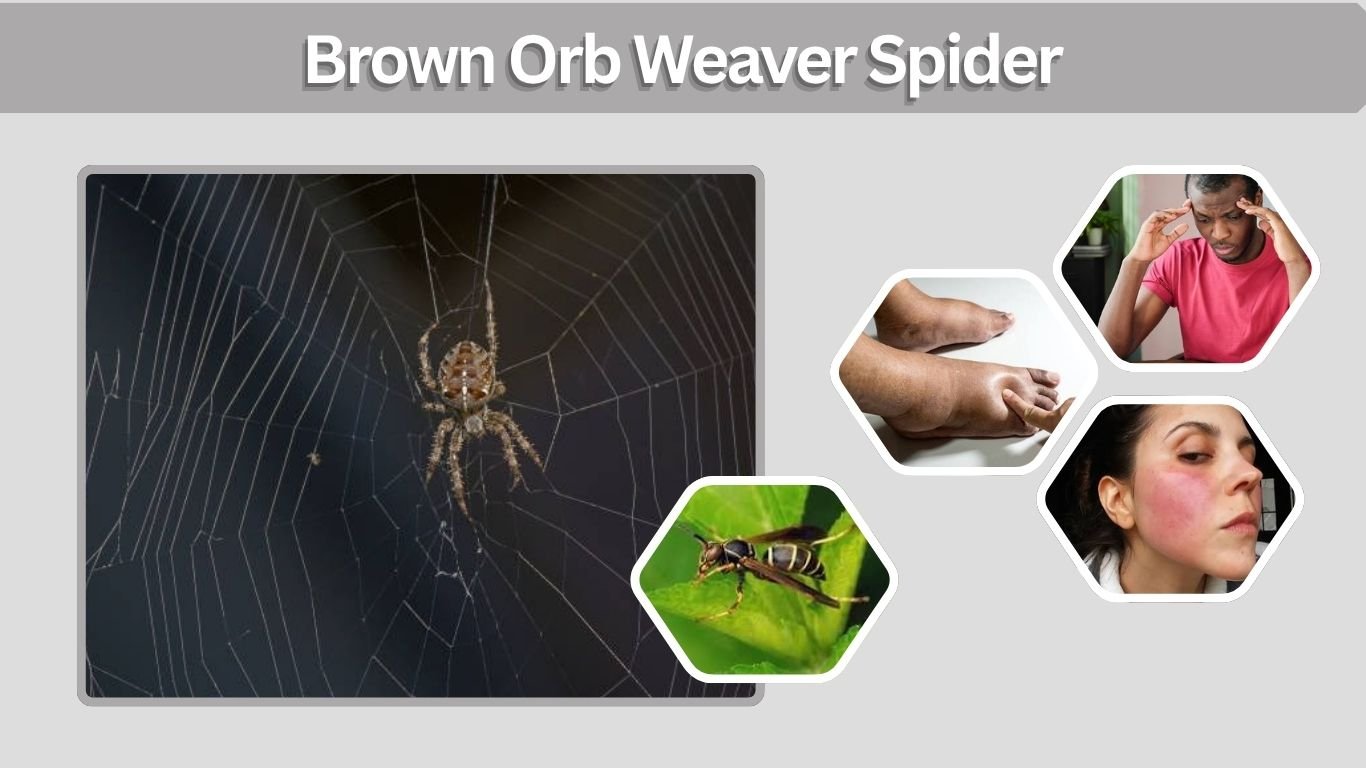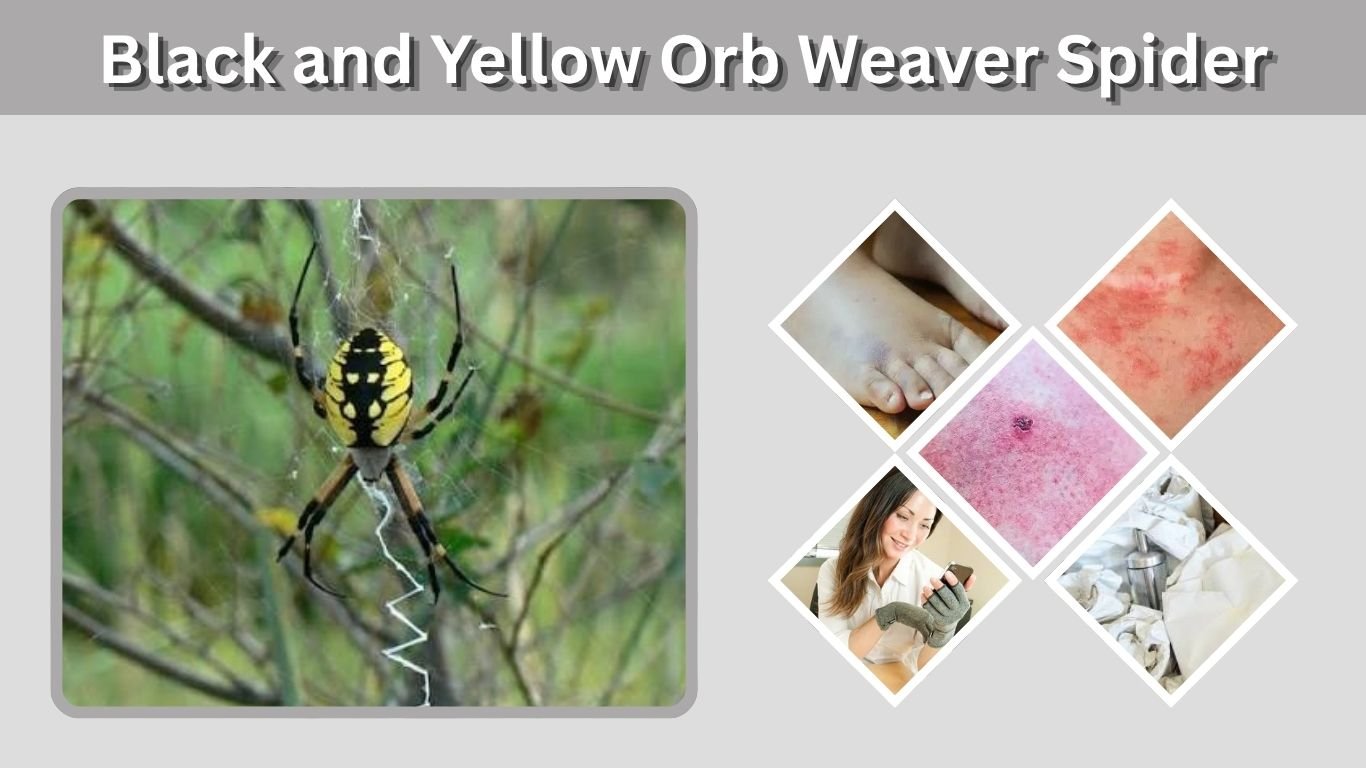
The black and yellow orb weaver spider is a common garden spider known for its bright body colors and round web. Many people notice it in yards, fields, shrubs, and gardens during late summer and fall. Although it may look scary because of its size and bold markings, it is not dangerous to humans. This spider is helpful because it catches flies, mosquitoes, moths, beetles, and other insects in its strong orb-shaped web.
What Is a Black and Yellow Orb Weaver Spider?
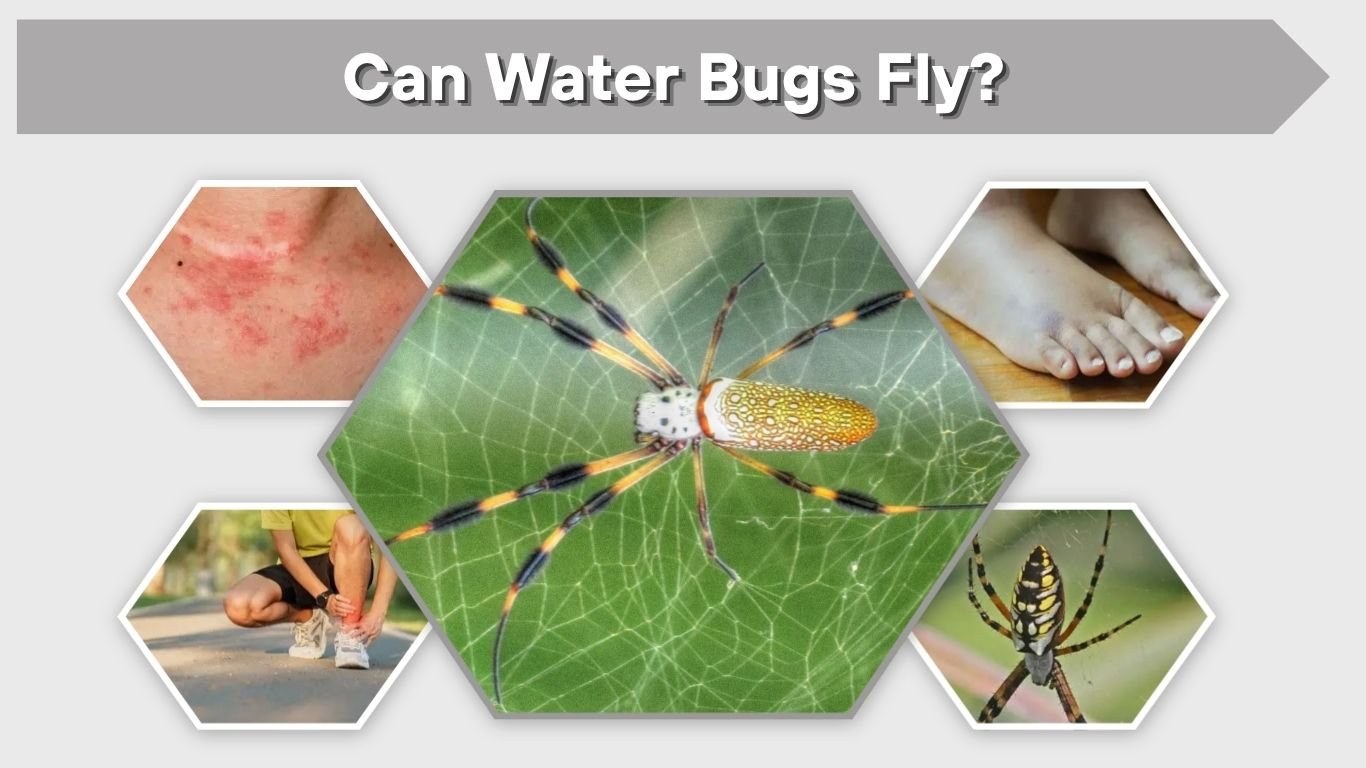
A black and yellow orb weaver spider is usually a type of garden orb weaver with a rounded web. In North America, the name often refers to the black and yellow garden spider, also called Argiope aurantia. It belongs to the orb-weaver family, a large group of spiders that build circular, wheel-like webs.
These spiders are easy to spot because the female has a bold yellow-and-black abdomen. They often rest in the center of the web with their legs paired together, making an X-like shape.
Black and Yellow Orb Weaver Spider Identification
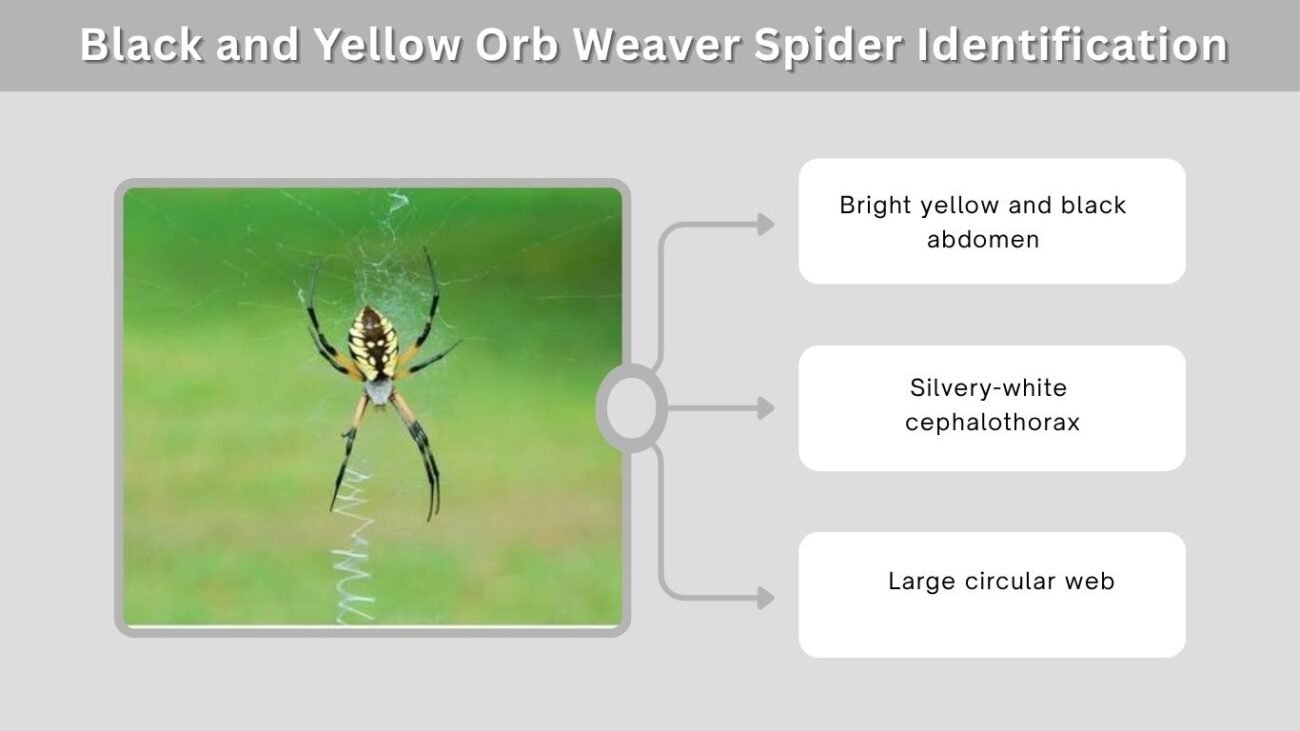
The black and yellow orb weaver is one of the easiest garden spiders to identify. Females are much larger and brighter than males.
Key Identification Features
- Bright yellow and black abdomen
- Silvery-white cephalothorax
- Long legs with black, orange, or brown bands
- Large circular web
- Zigzag silk pattern in the middle of the web
- Female usually much larger than male
The zigzag silk pattern is one of the best clues. It is called a stabilimentum and is often seen running down the center of the web.
Male vs Female
| Feature | Female | Male |
|---|---|---|
| Size | Large and colorful | Much smaller |
| Color | Bright yellow, black, and silver | Duller brown or yellowish |
| Web position | Center of large web | Near female or smaller web |
| Visibility | Easy to notice | Often overlooked |
Black Orb Weaver Spider
The term “black orb weaver spider” can describe several different orb-weaver species. Some are mostly black, while others only look black from a distance. Color alone is not always enough for identification.
A black orb weaver may be:
- A dark garden orb weaver
- A spiny orb weaver
- A furrow orb weaver
- A cross orb weaver with dark coloring
- A young or male orb weaver
Most black orb weavers are harmless to humans and help control insects. To identify them better, look at the body shape, web style, leg pattern, and location.
Black and White Orb Weaver Spider
A black and white orb weaver spider may refer to different species, including spiny orb weavers and some garden orb weavers. These spiders often have white spots, black markings, or black-and-white legs.
Common Black and White Features
- White spots on a black body
- Black-and-white banded legs
- Round or spiny abdomen
- Small body compared with large web
- Web built between shrubs, trees, or garden plants
Spiny-backed orb weavers are often black and white, sometimes with red, yellow, or orange markings. They have a hard, shell-like body with pointed spines.
Orange and Black Orb Weaver Spider
Some orb weavers are orange and black instead of yellow and black. These may include marbled orb weavers, cross orb weavers, or pumpkin-like garden orb weavers. They are often seen in late summer and autumn.
Orange and black orb weavers are usually not dangerous. Like other orb weavers, they use venom for prey, not for attacking people.
Black and Yellow Garden Spider vs Orb Weaver
Many people search for “black and yellow garden spider vs orb weaver,” but the comparison can be confusing. A black and yellow garden spider is actually a type of orb weaver.
| Name | Meaning |
|---|---|
| Orb weaver | Large spider family that builds round webs |
| Black and yellow garden spider | Specific orb-weaver species |
| Argiope orb weaver | Genus that includes large garden spiders |
| Yellow garden spider | Another name for black and yellow garden spider |
So, the black and yellow garden spider is not separate from orb weavers. It is one of the most famous orb weavers.
Black Widow Spider vs Orb Weaver
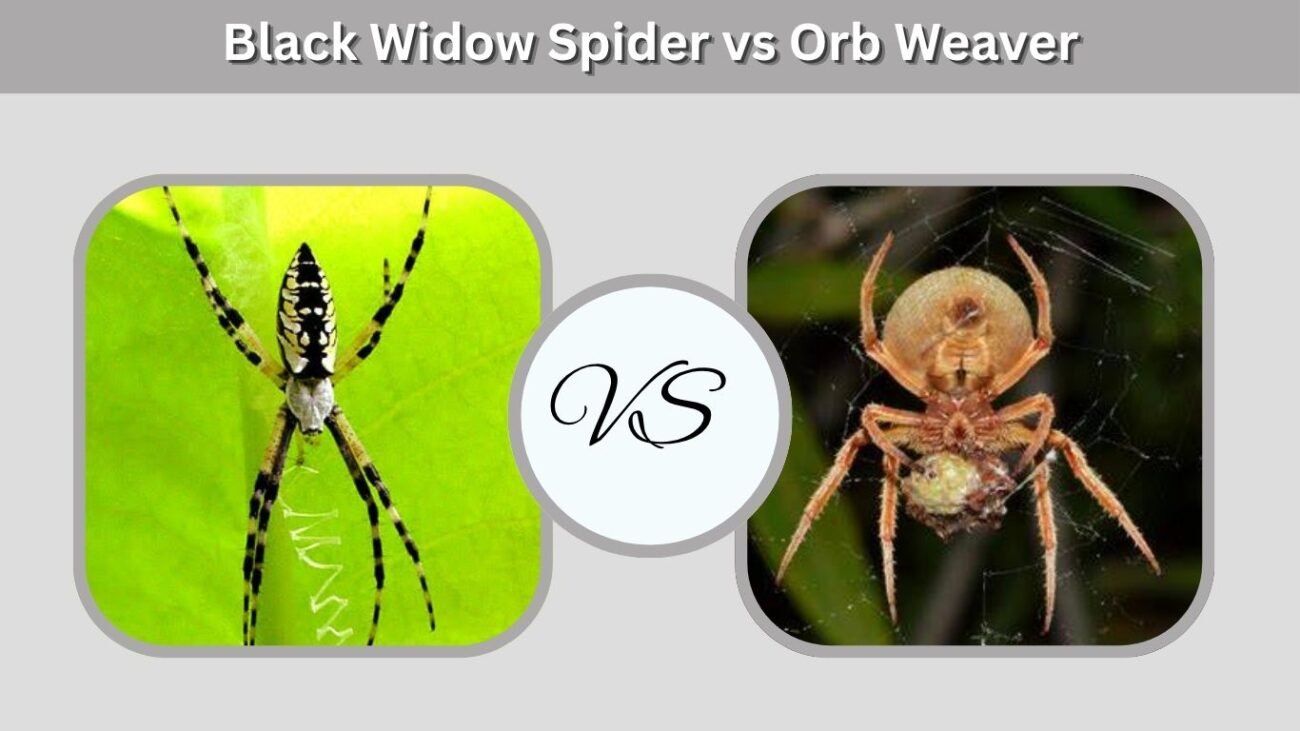
A black widow spider and an orb weaver are very different. This is an important comparison because many people worry when they see a dark spider in the yard.
| Feature | Black Widow | Orb Weaver |
|---|---|---|
| Web | Messy, tangled web | Round orb-shaped web |
| Body | Shiny black, round abdomen | Many colors and patterns |
| Marking | Red hourglass on underside | Yellow, white, brown, black, or orange patterns |
| Behavior | Hides in dark spaces | Sits in open web |
| Risk | Medically important bite | Usually mild bite |
A black widow usually hides under wood, in garages, sheds, crawl spaces, or dark corners. Orb weavers are more visible and usually sit in large webs outdoors.
Is a Black and Yellow Orb Weaver Spider Poisonous?
A black and yellow orb weaver is venomous, but not dangerous to humans. Most spiders use venom to catch prey. However, this spider is not aggressive and does not want to bite people.
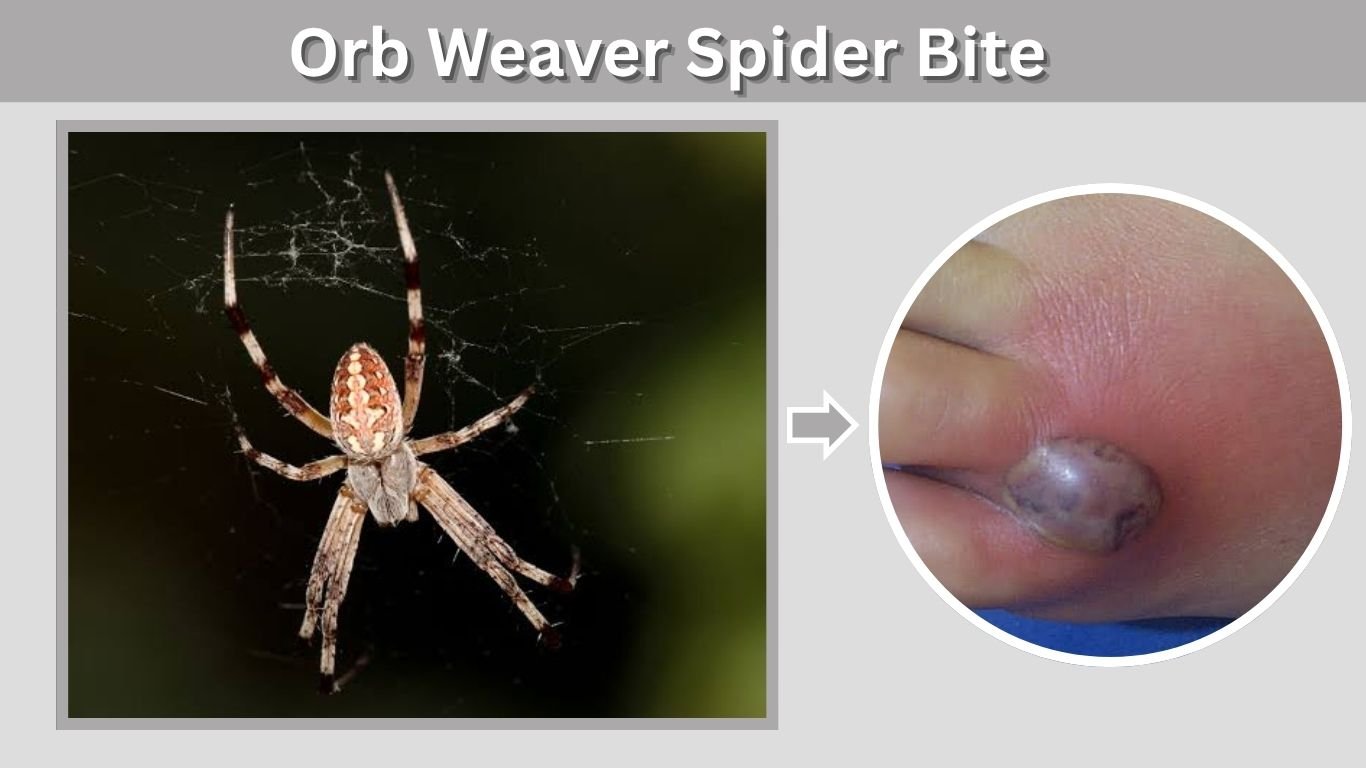
A bite may cause mild pain, redness, or swelling, similar to a bee sting for some people. Serious reactions are rare. The spider usually bites only if it is squeezed, trapped, or handled roughly.
Black and Yellow Orb Weaver Spider Bite
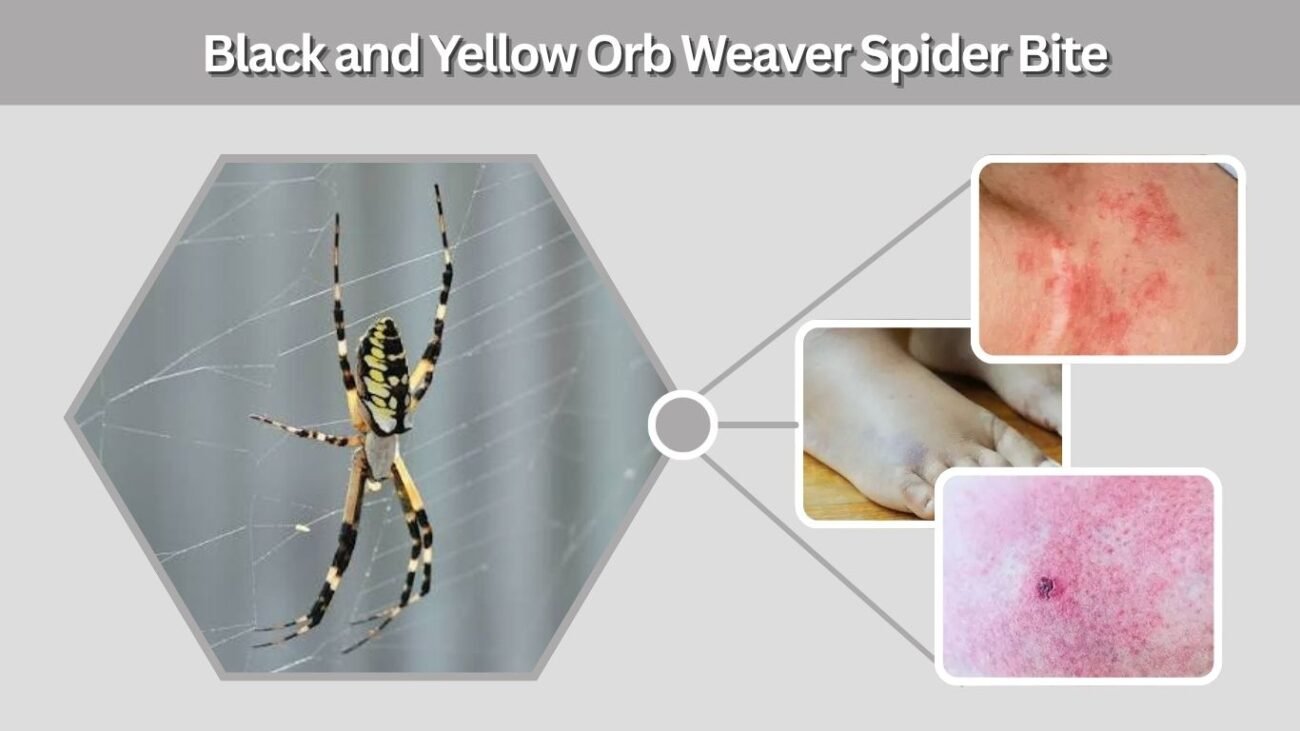
A black and yellow orb weaver spider bite is uncommon. These spiders usually stay in their webs and avoid contact with humans.
Possible Bite Symptoms
- Mild pain
- Redness
- Small swelling
- Itching
- Tenderness near the bite area
Wash the bite area with soap and water. Use a cold compress for swelling. Seek medical help if symptoms become severe, spread quickly, or show signs of infection.
Where Do Black and Yellow Orb Weavers Live?
Black and yellow orb weavers are often found in sunny areas with many flying insects. They like places where they can anchor a large web.
Common habitats include:
- Gardens
- Meadows
- Fields
- Shrubs
- Tall grass
- Forest edges
- Around fences
- Near porches and outdoor lights
They are especially noticeable in late summer and early fall when females become larger.
What Do Black and Yellow Orb Weavers Eat?
Black and yellow orb weavers eat insects caught in their sticky webs. They help reduce pest insects naturally.
Common Food
- Flies
- Mosquitoes
- Moths
- Bees
- Wasps
- Grasshoppers
- Beetles
- Small flying insects
When prey hits the web, the spider quickly wraps it in silk and may bite it to inject venom. The venom helps immobilize the insect before feeding.
Are Black Orb Weavers Good for Gardens?
Yes, black and yellow orb weavers are good for gardens. They catch many insects that fly around flowers, vegetables, and shrubs. They do not damage plants, wood, or homes.
You should usually leave them alone unless the web blocks a walkway, doorway, or place where people may accidentally walk into it.
How to Safely Move an Orb Weaver Spider
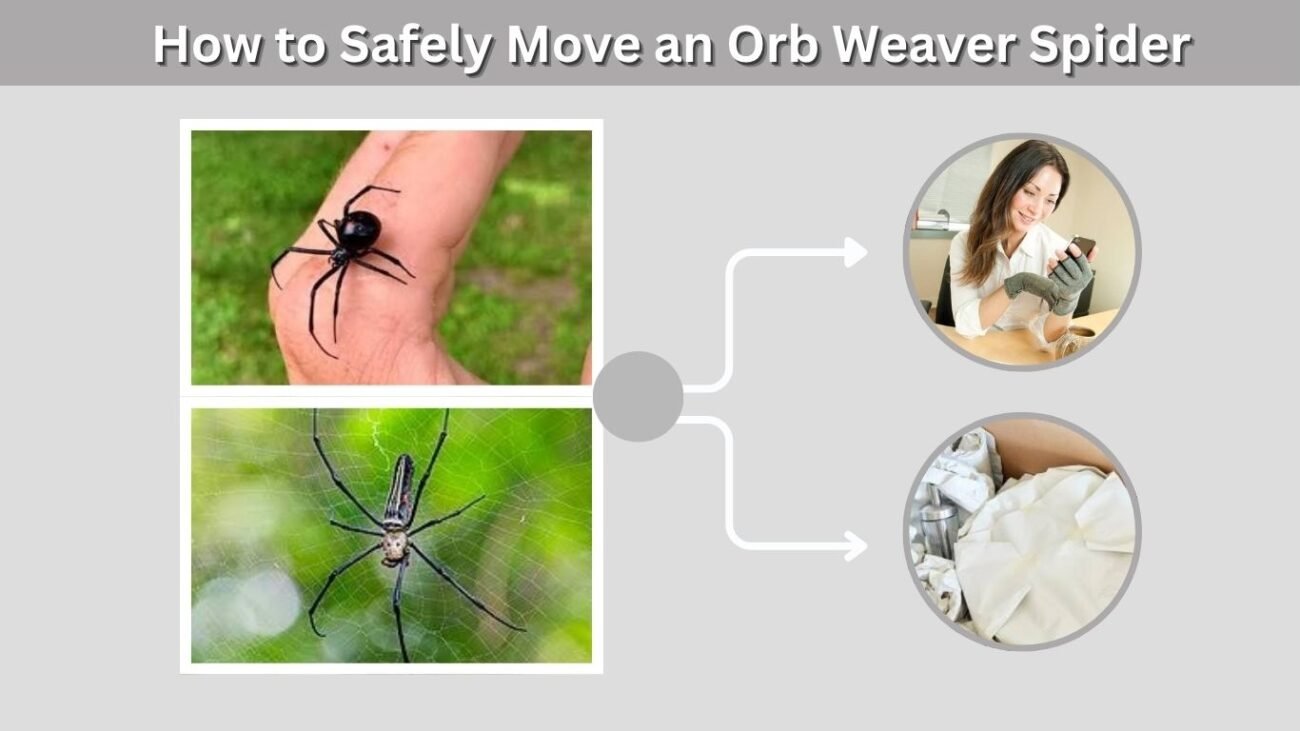
If the spider is in a bad location, avoid touching it with your hands. Instead, move it carefully.
Safe Tips
- Wear gloves if you are nervous.
- Use a long stick to gently break part of the web.
- Let the spider move on its own.
- Use a container and stiff paper if relocation is needed.
- Move it to shrubs, trees, or a quiet garden corner.
Do not crush orb weavers unless absolutely necessary. They are beneficial and usually harmless.
FAQs
Are black and yellow orb weaver spiders dangerous?
No, black and yellow orb weaver spiders are not dangerous to humans. They have venom for catching insects, but their bite is usually mild. They are shy spiders and usually bite only when handled or squeezed.
Is a black and yellow garden spider an orb weaver?
Yes, the black and yellow garden spider is a type of orb weaver. It builds a large circular web and often has a zigzag silk pattern in the center. Its scientific name is commonly listed as Argiope aurantia.
How can I tell an orb weaver from a black widow?
Orb weavers usually sit in large round webs outdoors. Black widows build messy webs in dark hidden areas and often have a red hourglass marking under the abdomen. Black widows are more medically important than orb weavers.
What does a black orb weaver spider eat?
A black orb weaver eats insects caught in its web. Common prey includes flies, moths, mosquitoes, beetles, wasps, bees, and grasshoppers. It helps control insects naturally in gardens and yards.
Should I remove a black and yellow orb weaver from my yard?
Usually, no. It is helpful and not aggressive. Remove or relocate it only if the web blocks a doorway, walkway, or area where people may accidentally walk into it. Otherwise, it is best left alone.