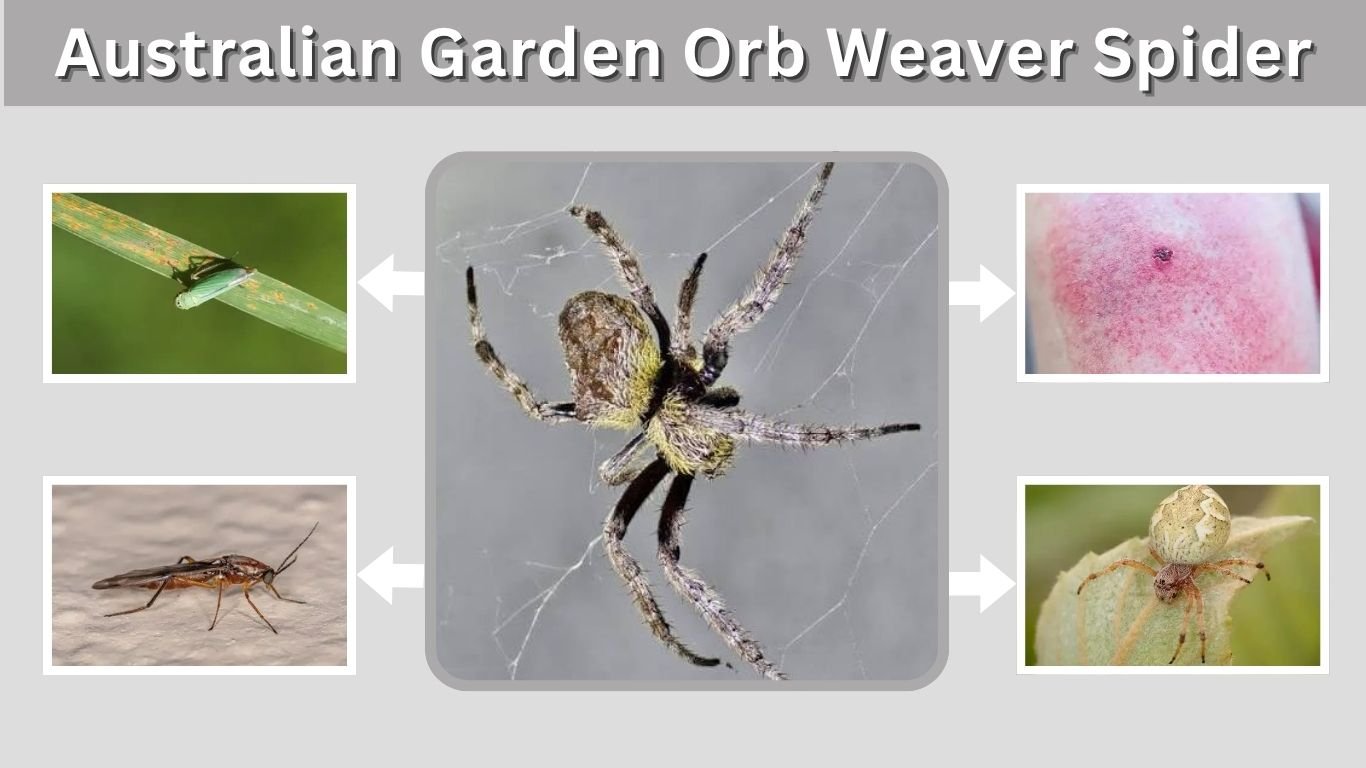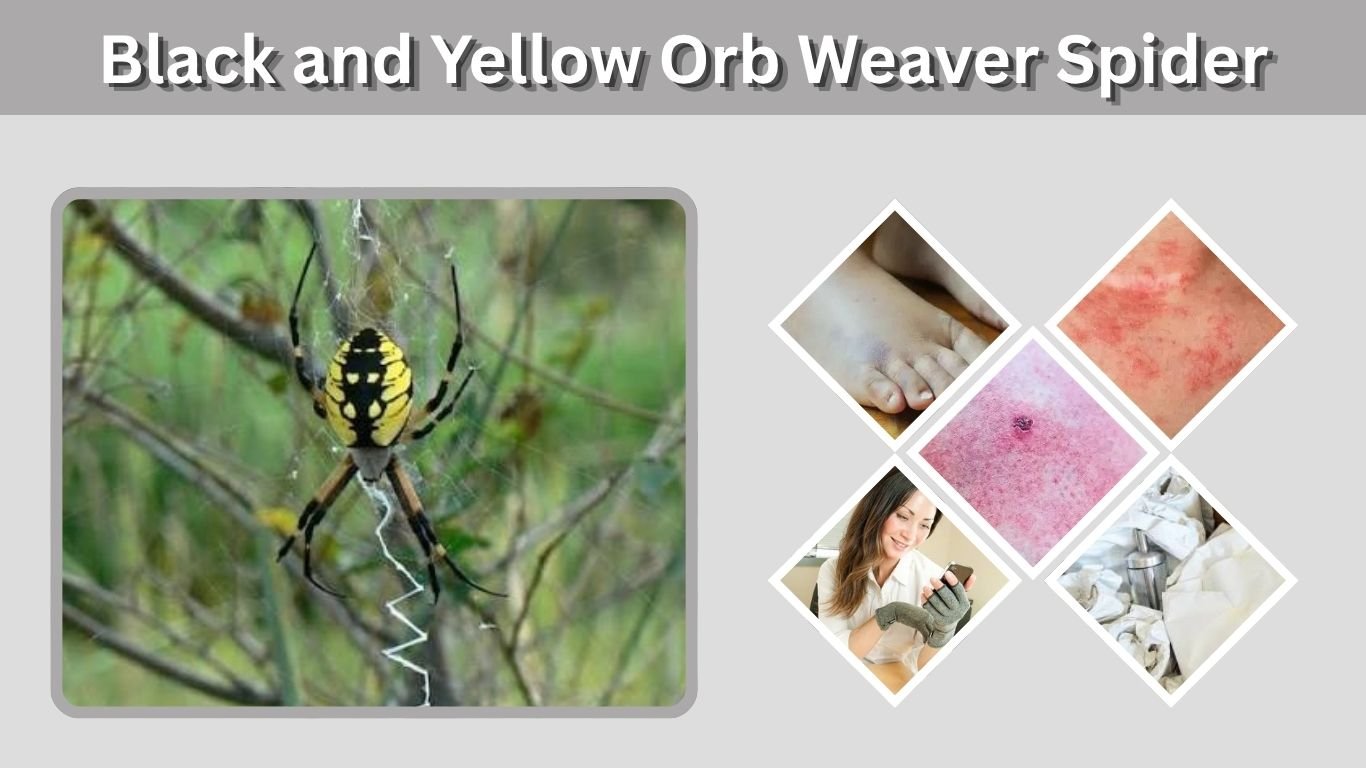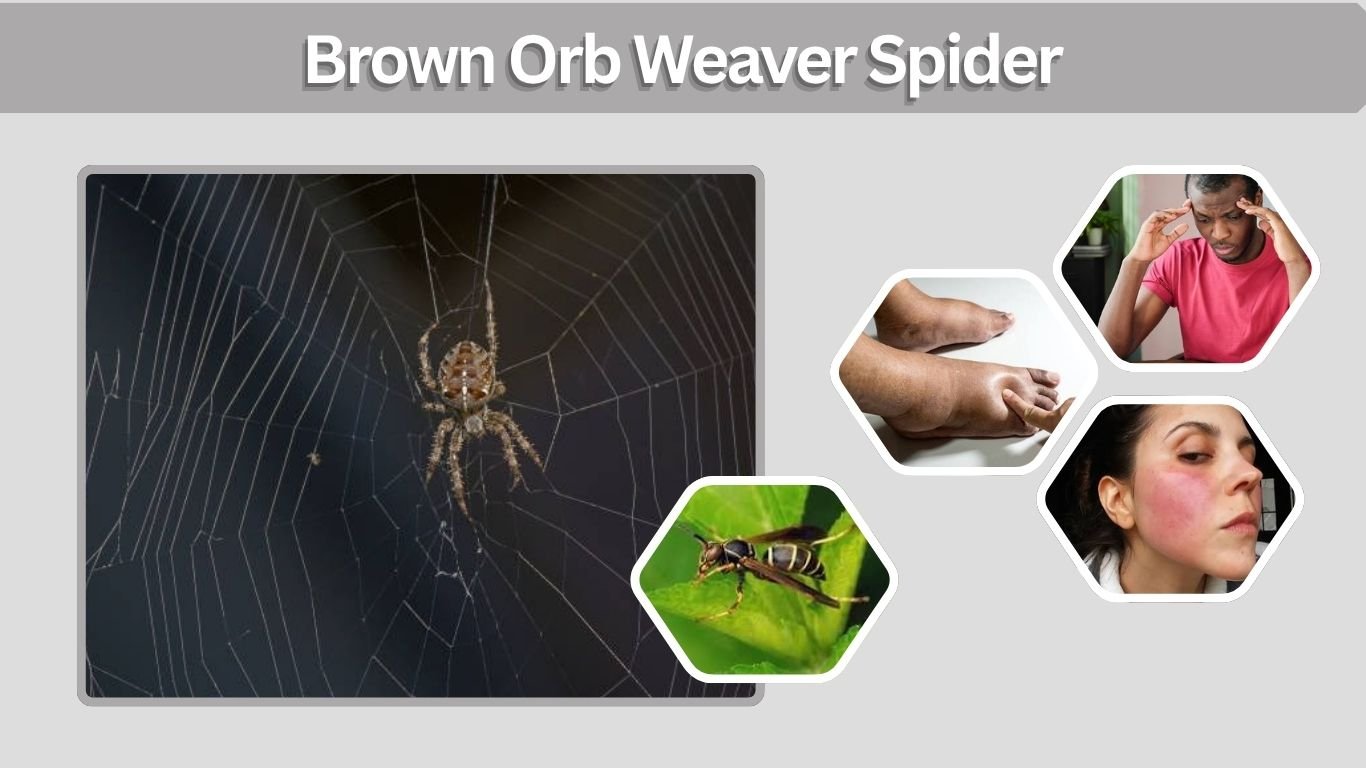
The brown orb weaver spider is a common web-building spider often seen in gardens, yards, porches, fields, and wooded edges. Many brown orb weavers look large, round, and hairy, which can make people worry they are dangerous. In most cases, they are harmless and helpful spiders. They catch flies, moths, mosquitoes, beetles, and other insects in their circular webs. Their brown color also helps them blend into bark, leaves, and outdoor structures.
What Is a Brown Orb Weaver Spider?
A brown orb weaver spider is not always one single species. It usually refers to any orb-weaving spider with brown, tan, gray, or dark markings. Orb weavers belong to the family Araneidae, a large spider family known for building round, wheel-shaped webs.
Many brown orb weavers are active at night. During the day, they may hide near the edge of the web, under leaves, behind bark, or around porch lights and garden plants.
Brown Orb Weaver Spider Identification
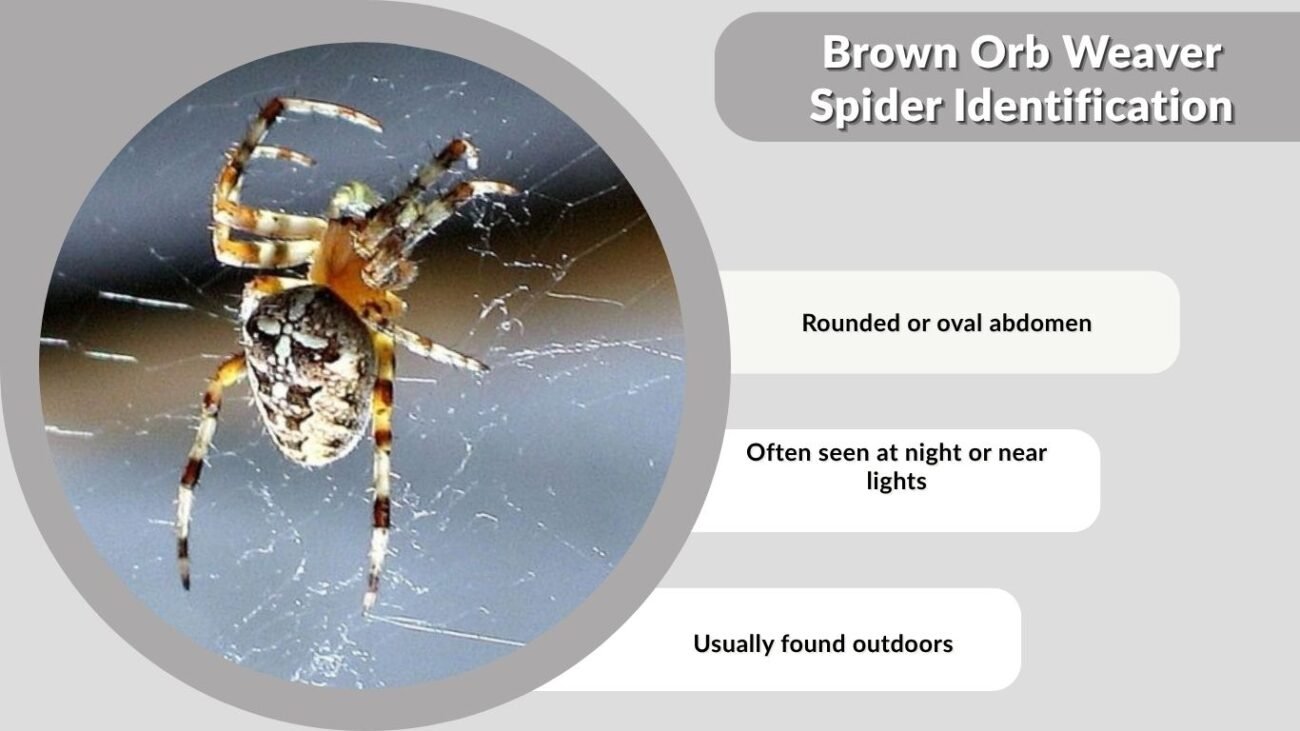
Brown orb weavers can vary in size and pattern, so identification is based on body shape, web type, and markings.
Key Identification Features
- Brown, tan, gray, or reddish-brown body
- Rounded or oval abdomen
- Long legs, sometimes with bands
- Large circular orb web
- Often seen at night or near lights
- May hide during the day
- Usually found outdoors
Some brown orb weavers have stripes, pale spots, cross-like marks, or marbled patterns on the abdomen. Others may look plain dark brown.
Common Types of Brown Orb Weavers
Several orb weaver species can appear brown. The exact species depends on location and pattern.
| Common Type | Appearance | Common Habitat |
|---|---|---|
| Garden orb weaver | Brown or tan with rounded body | Gardens, shrubs, fences |
| Furrow orb weaver | Gray-brown with patterned abdomen | Porches, bridges, buildings |
| Cross orb weaver | Brown with pale cross marking | Gardens, walls, trees |
| Spotted orb weaver | Brown, orange, or tan markings | Trees, yards, wooded areas |
| Spiny orb weaver | Small, hard body with spines | Shrubs, gardens, forest edges |
Brown Garden Orb Weaver Spider
The brown garden orb weaver spider is often found around gardens, bushes, tall grass, and outdoor lights. It builds a sticky round web to catch flying insects. Some individuals rebuild their webs often, especially after storms or heavy prey damage.
Brown garden orb weavers are beneficial in gardens because they reduce insects naturally. They do not eat plants, damage flowers, or harm vegetables.
Brown Spiny Orb Weaver Spider
A brown spiny orb weaver spider is usually smaller than many garden orb weavers. It may have a hard, shell-like abdomen with small spines around the edge. These spiders can be brown, white, yellow, orange, black, or mixed colors.
Brown Spiny Orb Weaver Features
- Small body
- Wide, hard abdomen
- Pointed spines
- Shorter legs than large garden orb weavers
- Web between shrubs, trees, or low plants
Spiny orb weavers may look strange, but they are not dangerous to people.
Brown Orb Weaver Spider Size
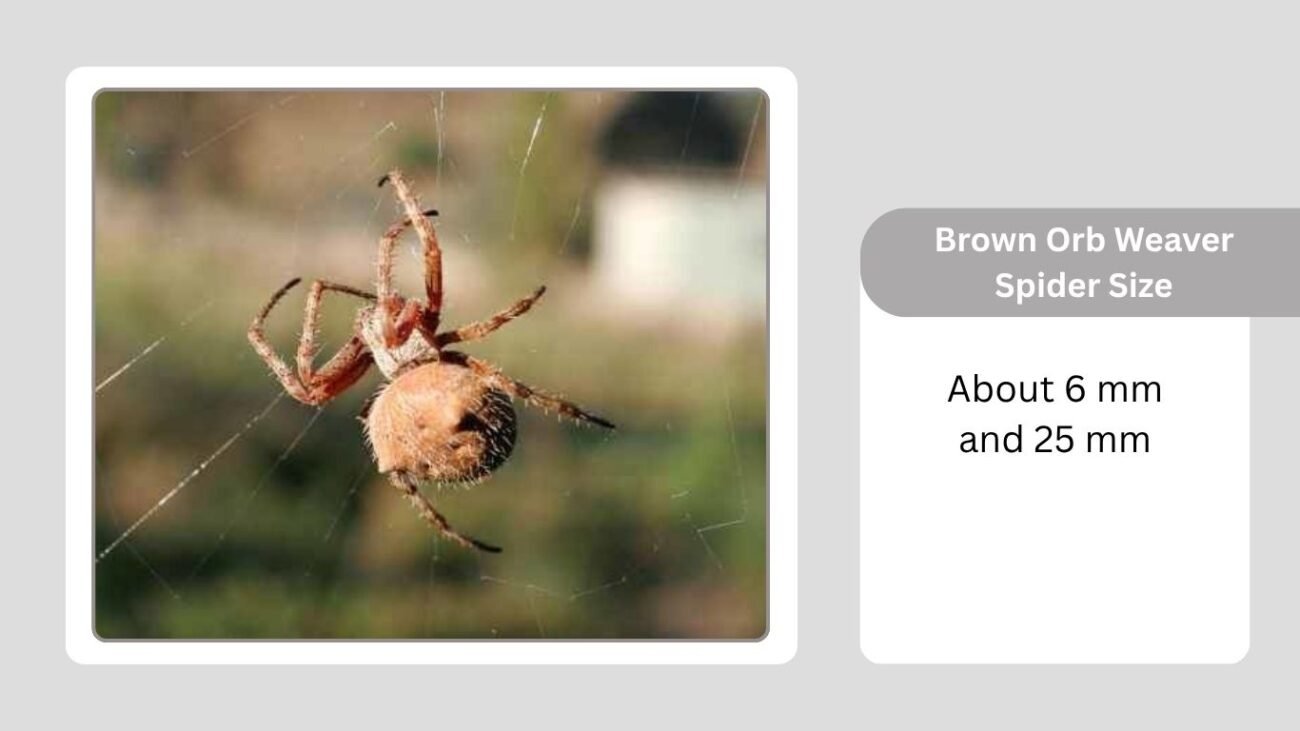
Brown orb weaver spider size depends on species, age, and sex. Females are usually larger than males. Many adult females have a body length between about 6 mm and 25 mm, while males are often smaller and thinner.
A big brown orb weaver may look much larger because of its long legs and rounded abdomen. Females often become most noticeable in late summer and fall when they are mature.
Brown Orb Weaver Spider Web
The web is one of the easiest ways to identify an orb weaver. Brown orb weavers build round, wheel-like webs. These webs are usually placed where flying insects pass through.
Common web locations include:
- Between shrubs
- Across garden paths
- Near porch lights
- Around fences
- Between tree branches
- Near windows
- Around sheds and barns
Some orb weavers build a new web every evening and take it down or hide during the day. Others repair the same web as needed.
Is a Brown Orb Weaver Spider Poisonous?
A brown orb weaver spider is venomous, but not considered dangerous to humans. The word “poisonous” is commonly used, but “venomous” is more accurate because spiders inject venom through a bite.
Their venom is meant for small insects, not people. A bite may cause mild pain, redness, or swelling, but serious reactions are rare.
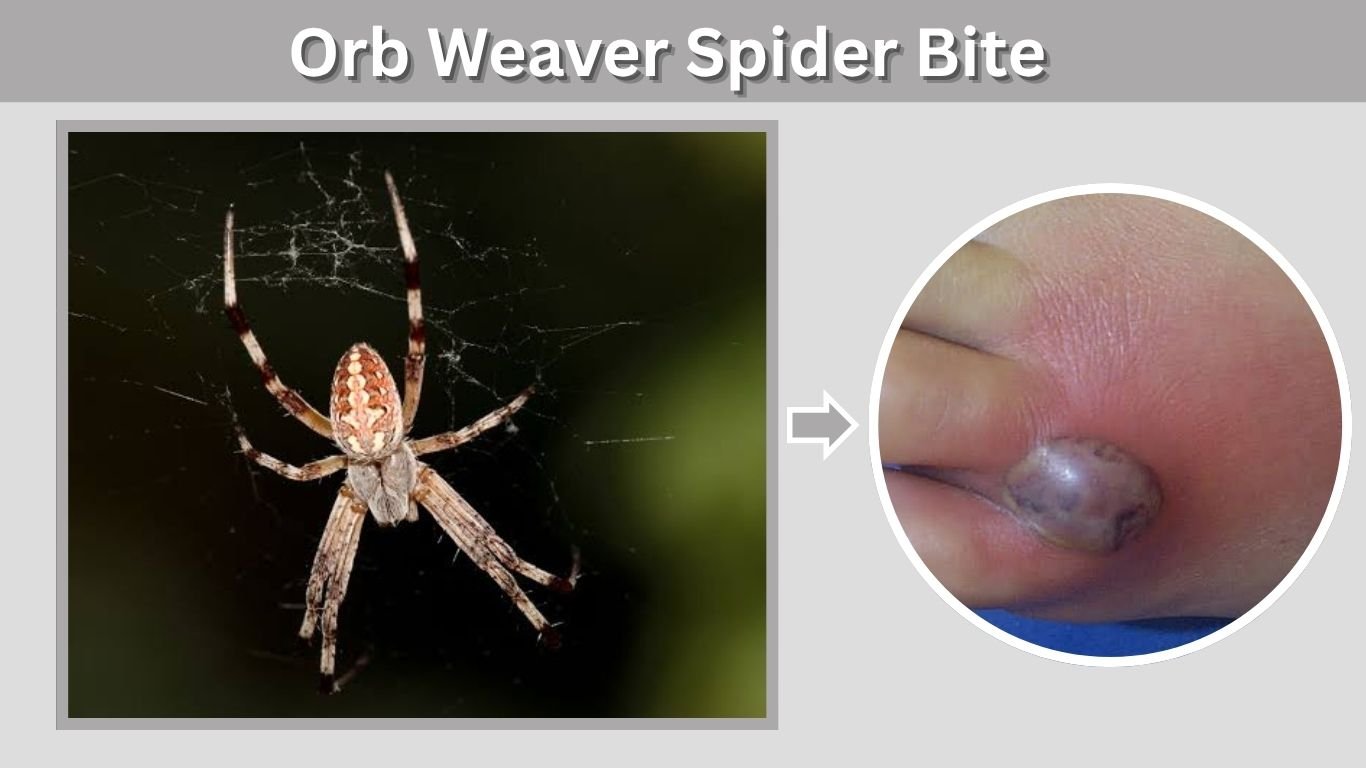
Brown Orb Weaver Spider Bite
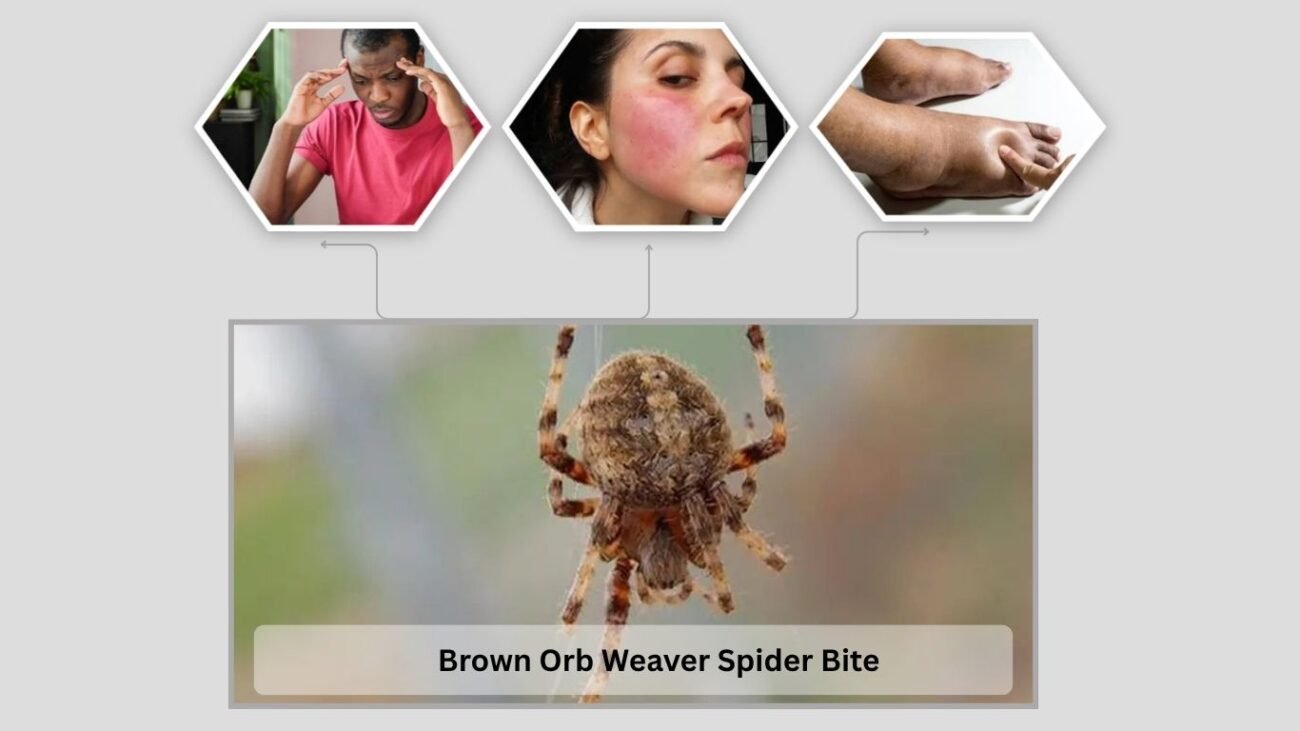
A brown orb weaver spider bite is uncommon because these spiders are shy. They usually bite only if handled, squeezed, or trapped against skin.
Possible Bite Symptoms
- Mild pain
- Redness
- Small swelling
- Itching
- Tenderness
- Slight warmth around the bite
Wash the area with soap and water. A cold compress may help reduce swelling. Seek medical care if symptoms spread, worsen, or include breathing trouble, dizziness, fever, or signs of infection.
Brown Orb Weaver vs Brown Recluse
Many people worry that a brown spider is a brown recluse. However, brown orb weavers and brown recluse spiders look and behave differently.
| Feature | Brown Orb Weaver | Brown Recluse |
|---|---|---|
| Web | Round orb web | Irregular hidden web |
| Body shape | Round abdomen | Slimmer body |
| Habitat | Gardens, shrubs, open webs | Dark hidden indoor areas |
| Legs | Often banded or hairy | Plain, long legs |
| Marking | Spots, stripes, cross, marble patterns | Violin-shaped mark |
| Risk | Usually mild bite | Medically important bite |
A spider sitting in a large round web is almost certainly not a brown recluse.
Brown Widow Spider vs Orb Weaver
A brown widow and brown orb weaver may both look brown, but they are different. Brown widows build messy cobwebs in protected spaces, while orb weavers build circular webs in open areas.
Main Differences
- Brown widows have messy, tangled webs.
- Orb weavers have round, organized webs.
- Brown widows may have an orange or yellow hourglass under the abdomen.
- Orb weavers often have patterned, rounded abdomens.
- Brown widows are more medically important than orb weavers.
If you see a brown spider in a neat circular web, it is more likely an orb weaver than a widow.
Where Do Brown Orb Weavers Live?
Brown orb weavers live in many outdoor habitats. They are common in the United States, the UK, gardens, forests, fields, and around homes.
Common places include:
- Georgia
- Texas
- Missouri
- Indiana
- Ohio
- Michigan
- Virginia
- California
- Florida
- Illinois
Exact species vary by region, but their behavior is similar: they build orb webs and catch insects.
What Do Brown Orb Weavers Eat?
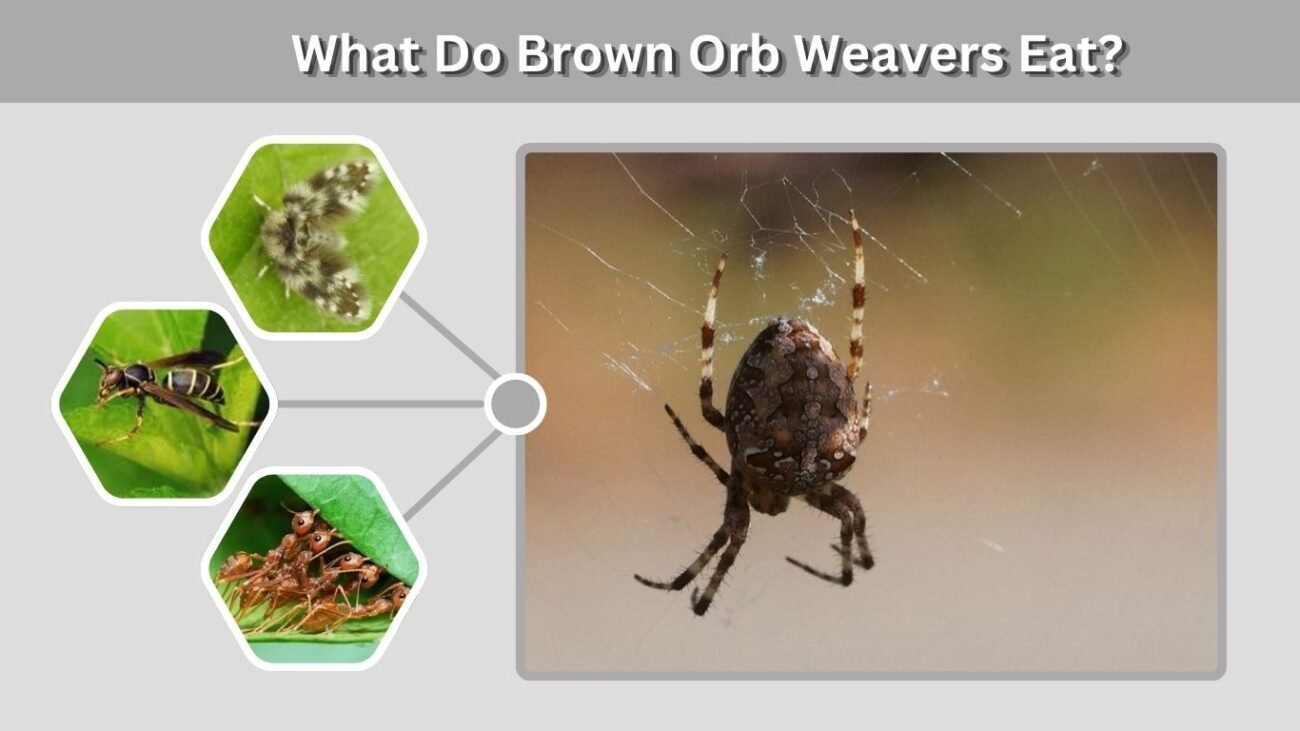
Brown orb weavers eat insects that fly or jump into their sticky webs. They are natural pest controllers.
Common Food
- Mosquitoes
- Flies
- Moths
- Beetles
- Wasps
- Bees
- Gnats
- Grasshoppers
- Leafhoppers
After prey hits the web, the spider may wrap it in silk and bite it. The venom helps immobilize the insect before feeding.
Are Brown Orb Weavers Good for Gardens?
Yes, brown orb weavers are good for gardens. They help reduce flying pests without damaging plants. They do not chew leaves, eat roots, or harm flowers.
You can leave them alone unless the web blocks a walkway, door, or children’s play area. If needed, gently move the web with a stick and let the spider relocate.
FAQs
Are brown orb weaver spiders dangerous?
No, brown orb weaver spiders are not dangerous to humans. They have venom for catching insects, but their bite is usually mild. They are shy and usually bite only when handled, squeezed, or trapped against skin.
How do I identify a brown orb weaver spider?
Look for a brown, tan, or gray spider with a rounded abdomen and a circular wheel-shaped web. Many have striped legs, spots, cross marks, or marbled patterns. Web shape is one of the best identification clues.
Can a brown orb weaver bite?
Yes, it can bite, but bites are uncommon. Most happen when the spider is handled or pressed against skin. Symptoms are usually mild, such as small pain, redness, itching, or swelling.
Is a brown orb weaver the same as a brown recluse?
No. Brown orb weavers build large round webs outdoors, while brown recluses hide in dark, quiet places and do not build orb webs. A brown spider in a circular web is not a brown recluse.
Should I remove brown orb weavers from my yard?
Usually, no. Brown orb weavers are helpful because they catch insects. Remove or relocate them only if the web blocks a door, walkway, or area where people may accidentally walk into it.