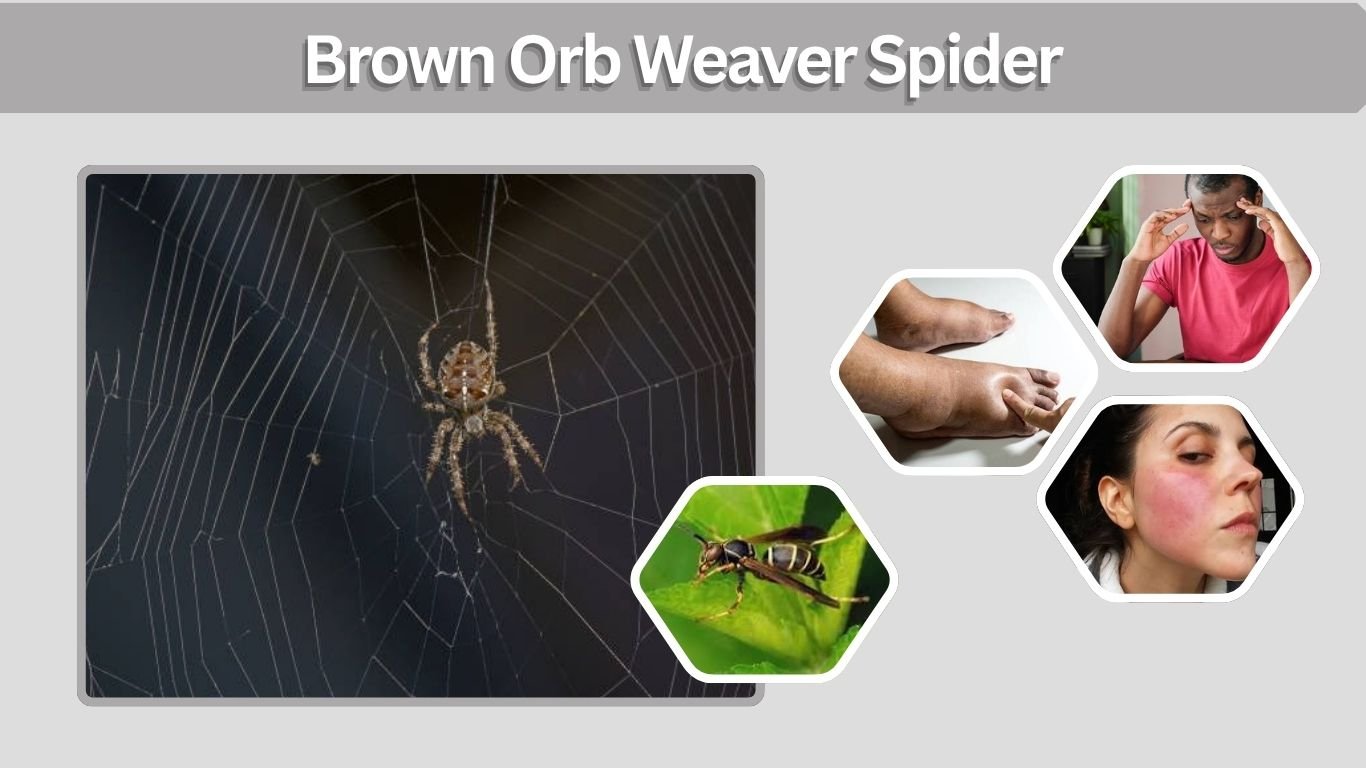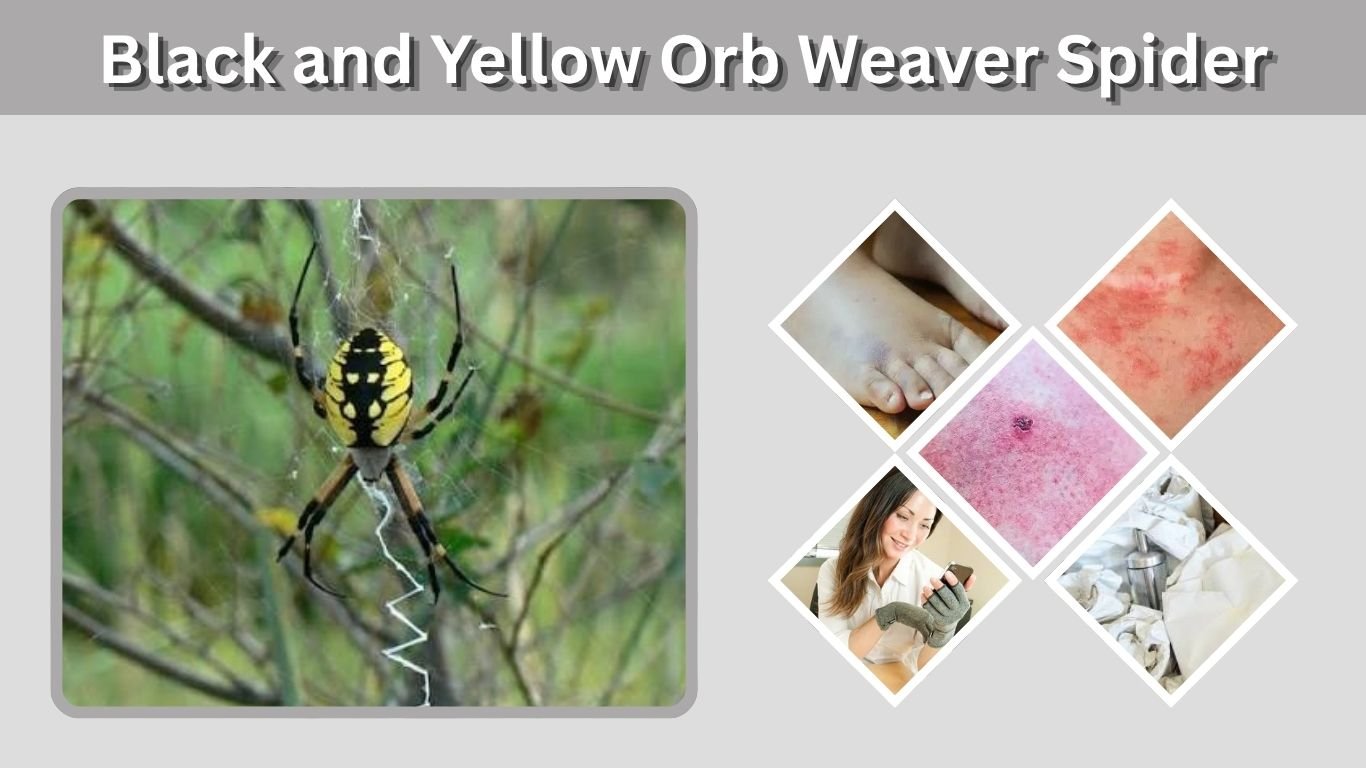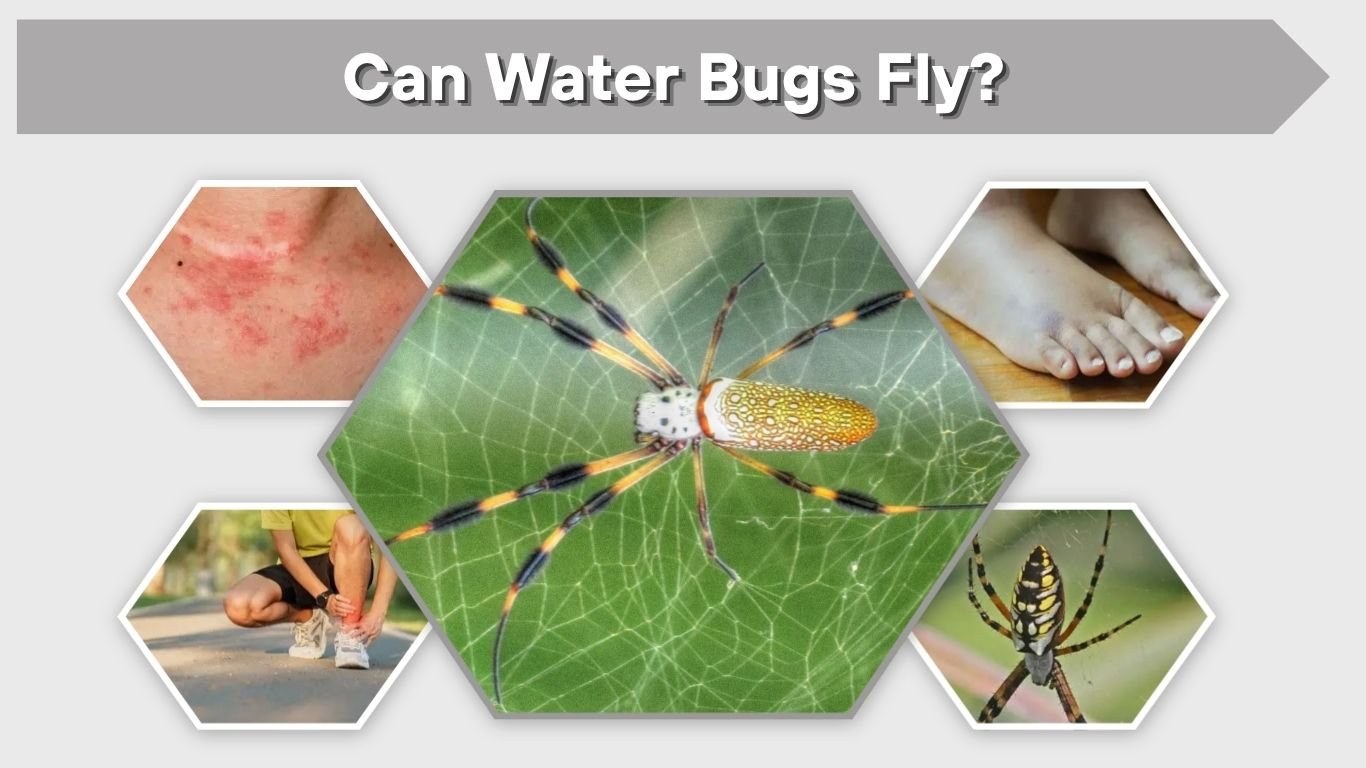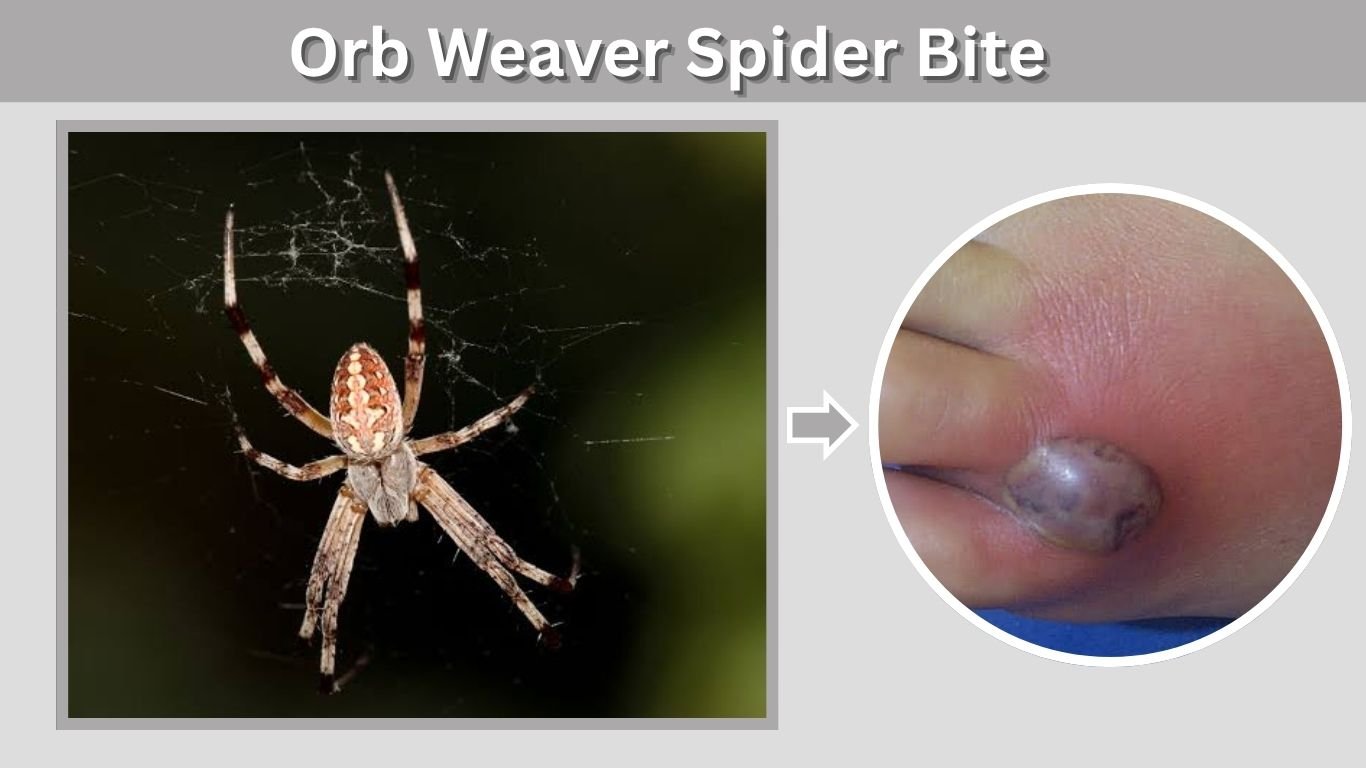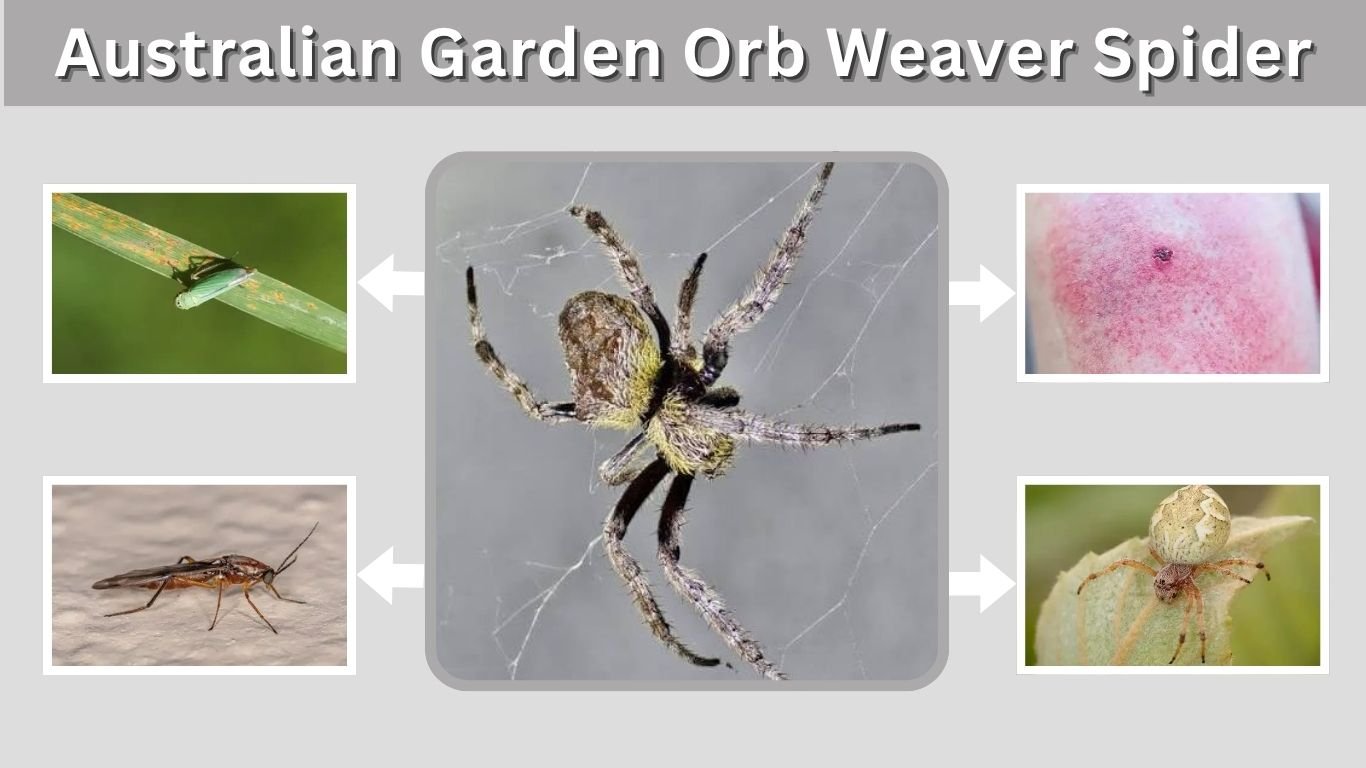
The Australian garden orb weaver spider is a common backyard spider found in gardens, bushland, parks, and around homes. It is best known for building a round web at night to catch flying insects. Many people notice it when they accidentally walk into a web after dark. Although it may look large and scary, this spider is usually harmless and beneficial. Its bite is generally mild, and it helps control insects naturally.
What Is an Australian Garden Orb Weaver Spider?
The Australian garden orb weaver spider is a web-building spider often linked with the species Eriophora transmarina. It belongs to the orb-weaver family, a group of spiders known for making circular, wheel-shaped webs.
These spiders are usually active at night. During the day, they often hide under leaves, bark, roof edges, garden furniture, or nearby plants. At night, they come out and sit in the center of the web, waiting for insects.
Australian Garden Orb Weaver Spider Identification
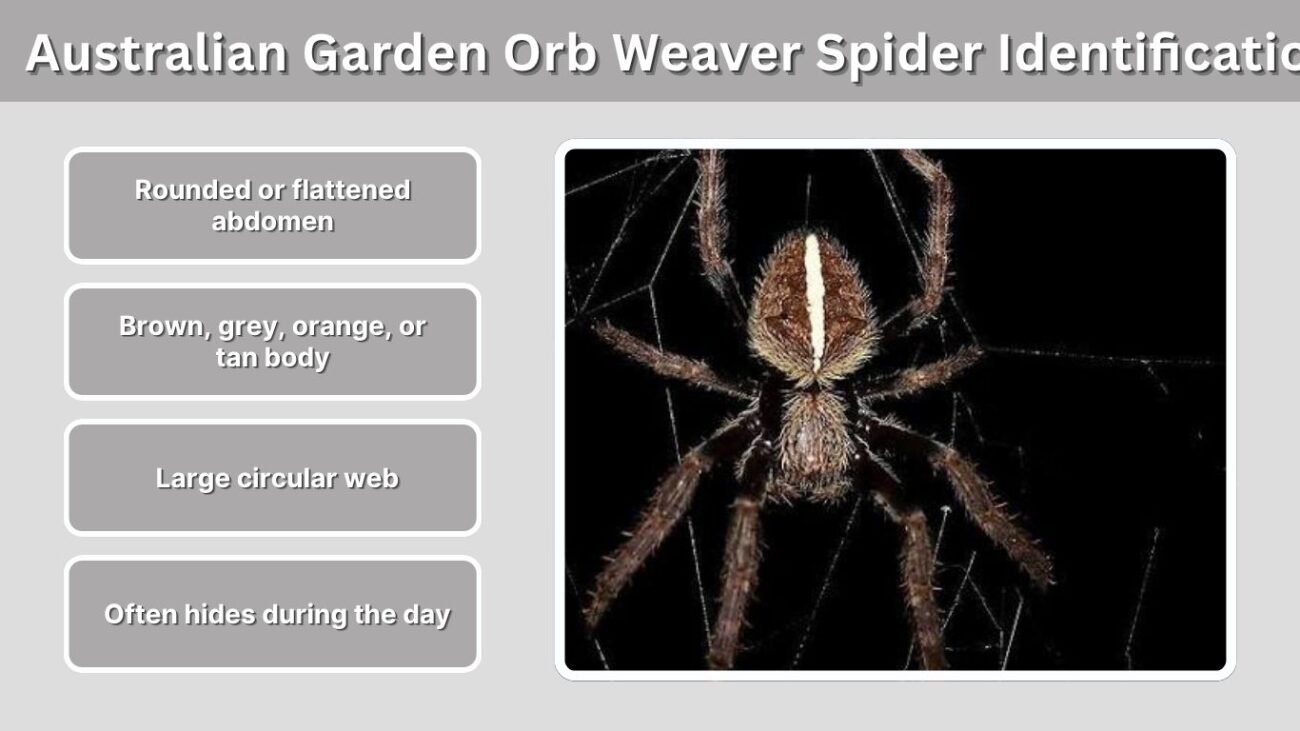
Australian garden orb weavers can vary in color, so they are not always easy to identify by color alone. Some are brown, grey, reddish, tan, or patterned.
Key Identification Features
- Rounded or flattened abdomen
- Brown, grey, orange, or tan body
- Patterned abdomen
- Banded legs
- Large circular web
- Mostly active at night
- Often hides during the day
The Australian Museum says garden orb weaving spiders are common across Australia and often build webs in openings between trees and shrubs.
Australian Garden Orb Weaver Spider Size
Garden orb weavers can look large when sitting in a web. Female spiders are usually bigger than males. Some mature females may appear around 50 mm across when legs are included, while males are smaller.
| Feature | Female | Male |
|---|---|---|
| Size | Larger and rounder | Smaller and slimmer |
| Web role | Builds main web | Often less visible |
| Activity | Mostly night-active | Mostly night-active |
| Color | Brown, grey, tan, orange | Usually duller |
Because of their rounded body and long legs, people sometimes mistake them for more dangerous spiders. However, their round web is a strong clue that they are orb weavers.
Australian Garden Orb Weaver Spider Web
The web is the easiest way to recognize this spider. Australian garden orb weavers build vertical, round webs between trees, shrubs, fences, and garden structures.
Common Web Locations
- Between trees
- Around shrubs
- Across garden paths
- Near verandas
- Around outdoor lights
- Between fence posts
- In bushland tracks
- Near house eaves
They often build or repair webs at night. This is why people may walk into a fresh web in the morning or after sunset.
Australian Garden Orb Weaver Spider Bite
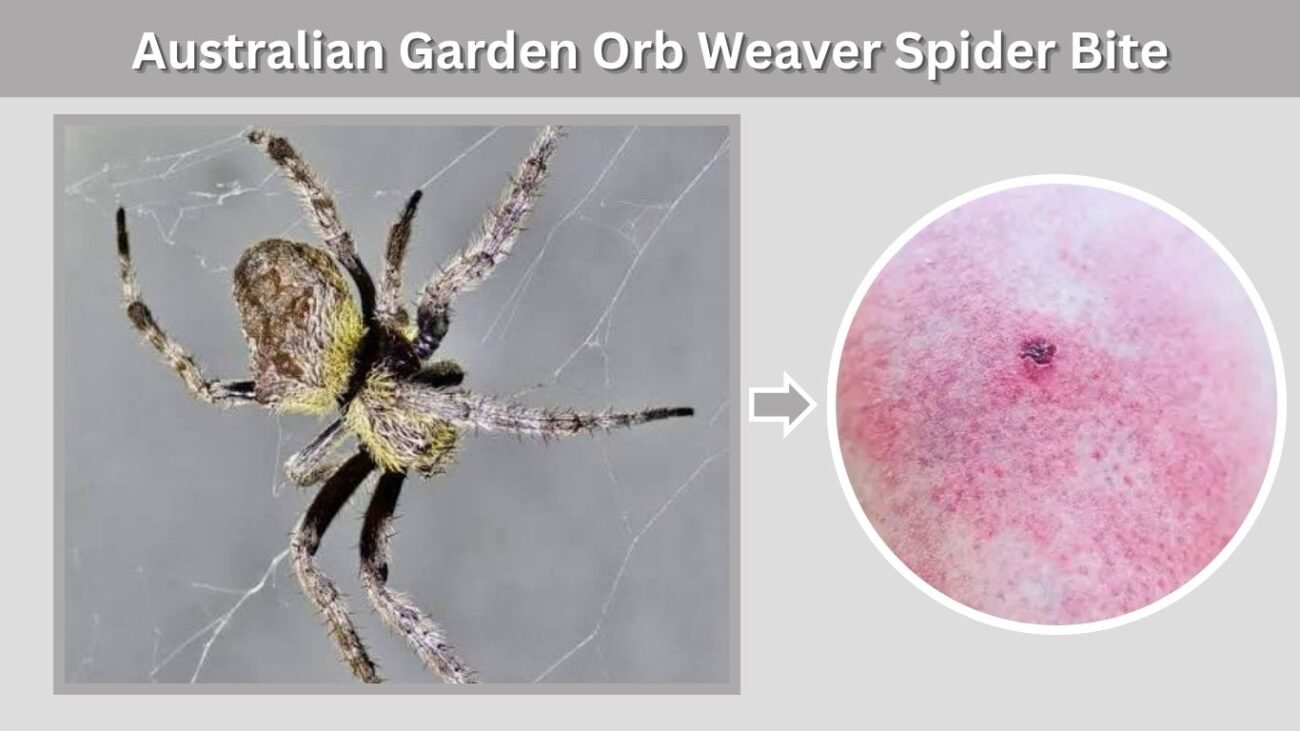
Australian garden orb weavers are reluctant to bite. If a bite happens, symptoms are usually mild. The Australian Museum notes that symptoms may include mild local pain, numbness, swelling, and occasionally nausea or dizziness.
Bite Symptoms
- Mild pain
- Redness
- Small swelling
- Numbness
- Itching
- Rare nausea or dizziness
Wash the bite with soap and water and use a cold compress for swelling. Seek medical care if symptoms persist, worsen, or if the person has a strong allergic reaction.
Is the Australian Garden Orb Weaver Venomous?
Yes, it is venomous, but it is not considered dangerous to humans. Like most spiders, it uses venom to control insect prey. It does not chase people and usually bites only if handled, squeezed, or trapped against the skin.
“Venomous” does not always mean dangerous. In this case, the venom is mainly useful for small insects.
Where Do Garden Orb Weavers Live in Australia?
Garden orb weavers are found in many parts of Australia, especially where there are trees, shrubs, gardens, and insects. They are common in suburban gardens as well as bushland.
Common Places
- Sydney gardens and bushland
- Melbourne suburbs
- Brisbane gardens
- Western Australia gardens
- Tasmania
- South Australia
- Forest edges
- Parks and reserves
They prefer places with enough open space to stretch a web and enough insects to eat.
Australian Golden Orb Weaving Spider
The Australian golden orb weaving spider is different from the common garden orb weaver. Golden orb weavers are famous for their strong golden silk and large webs. The Australian Museum describes golden orb weaving spiders as large spiders with silvery-grey to plum-colored bodies and brown-black, often yellow-banded legs.
Golden orb weavers are often larger-looking than garden orb weavers and may build strong webs between trees, shrubs, or bushland paths.
Garden Orb Weaver vs Golden Orb Weaver Australia
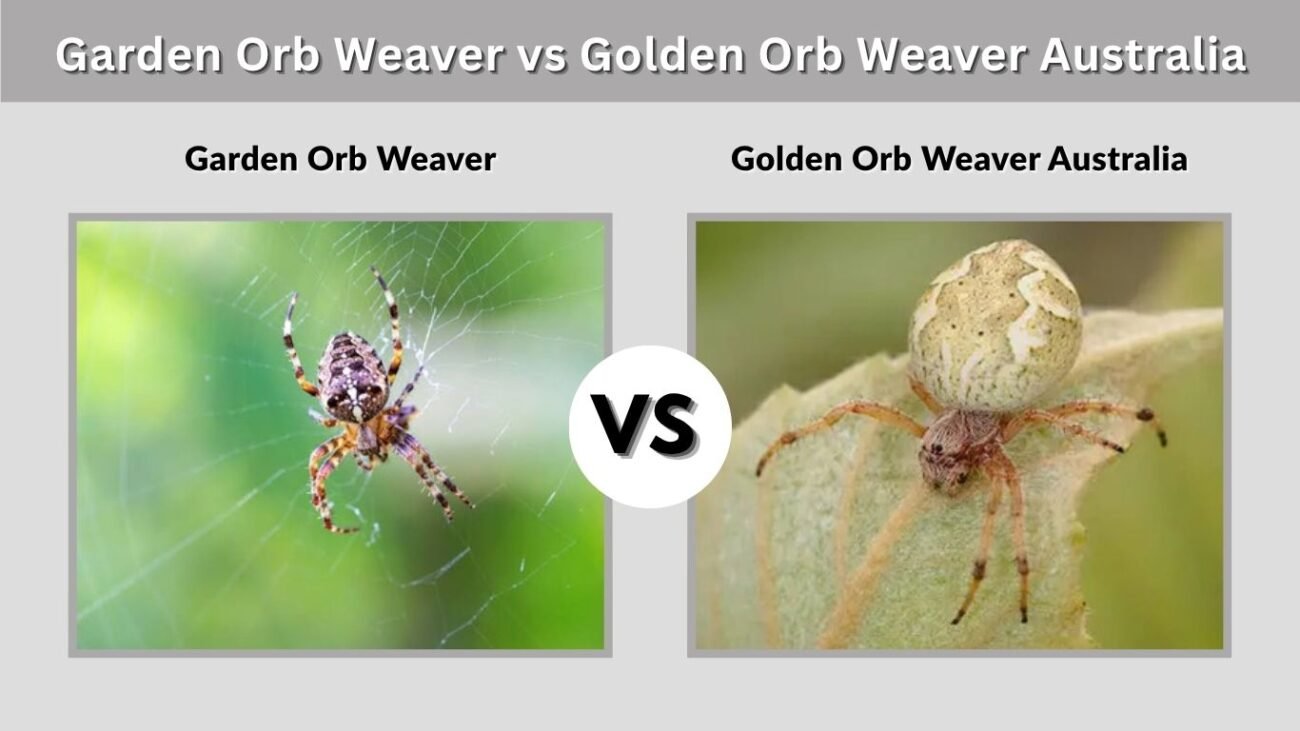
Both spiders are orb weavers, but they are not the same.
| Feature | Garden Orb Weaver | Golden Orb Weaver |
|---|---|---|
| Web | Round web, often rebuilt at night | Strong golden web |
| Body | Brown, grey, tan, patterned | Silvery, plum, brown, yellow-banded legs |
| Activity | Mostly night-active | Often visible in large webs |
| Size | Medium to large | Often larger-looking |
| Human risk | Mild bite | Harmless to humans, bite may hurt |
Western Australian Museum notes female golden orb weaving spiders can grow up to 4 cm in length and are harmless to humans, though a bite may hurt.
What Do Australian Garden Orb Weavers Eat?
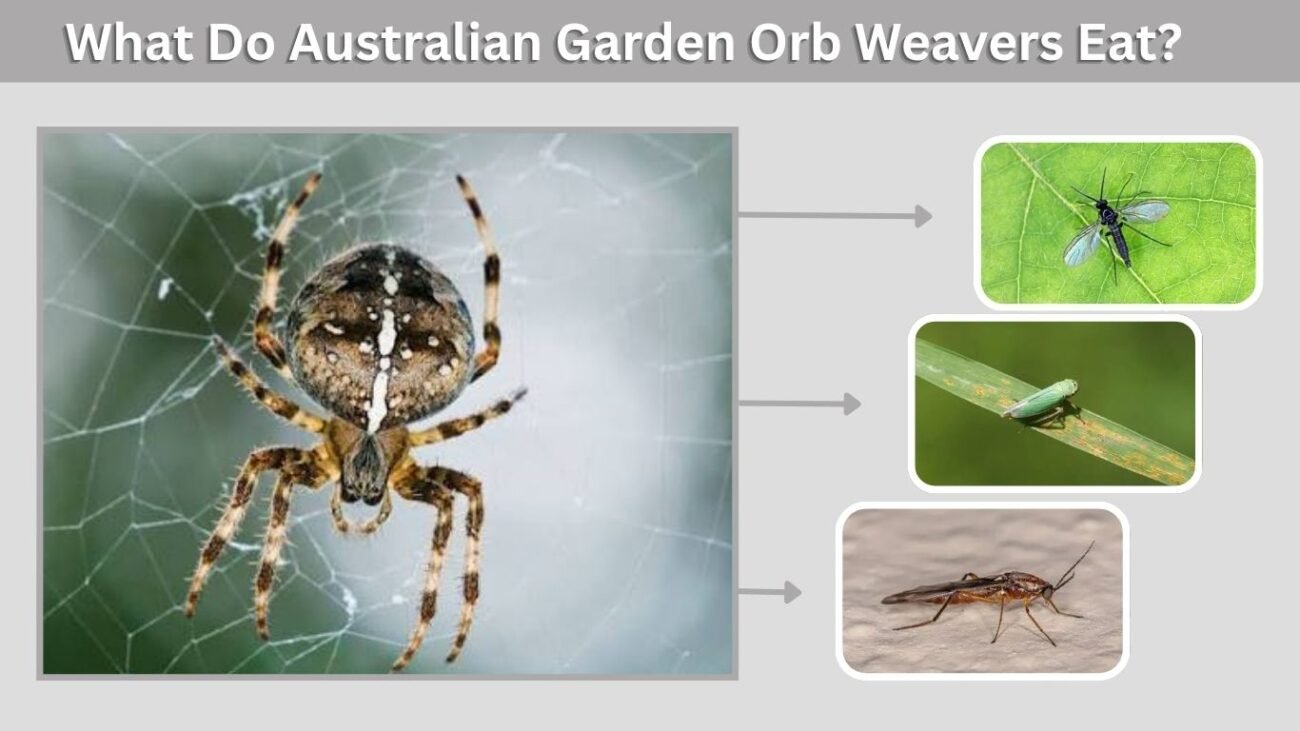
Australian garden orb weavers eat insects caught in their sticky webs. They help control many flying insects around homes and gardens.
Common Food
- Moths
- Flies
- Mosquitoes
- Beetles
- Wasps
- Small flying insects
- Leafhoppers
- Gnats
When an insect hits the web, the spider quickly wraps it in silk and bites it. The venom helps stop the prey from escaping.
Are Australian Orb Weavers Good for Gardens?
Yes, orb weavers are good for gardens. They do not damage plants, bite leaves, or harm flowers. Instead, they catch insects that fly through the garden at night.
They are especially useful around outdoor lights, where moths and small insects gather. Leaving them alone can help keep insect numbers balanced naturally.
Should You Remove an Australian Garden Orb Weaver?
Usually, you do not need to remove it. The spider is helpful and not aggressive. However, you may want to move it if the web is across a doorway, walkway, or children’s play area.
Safe Removal Tips
- Do not grab the spider with bare hands.
- Use a stick to gently clear part of the web.
- Let the spider move away on its own.
- Use a container and paper if relocation is needed.
- Move it to shrubs, trees, or a quiet garden corner.
Avoid spraying pesticides unless there is a serious pest problem. Orb weavers are part of a healthy garden ecosystem.
FAQs
Are Australian garden orb weaver spiders dangerous?
No, Australian garden orb weaver spiders are not considered dangerous. They can bite, but bites are usually mild. Most symptoms include local pain, redness, swelling, or numbness. Serious reactions are uncommon.
What is the scientific name of the Australian garden orb weaver?
The name Australian garden orb weaver is often linked with Eriophora transmarina. However, several orb-weaving spiders in Australia may be called garden orb weavers because they look similar and build round webs.
Why do garden orb weavers appear at night?
They are mostly nocturnal. Many hide during the day and build webs at night when flying insects are active. This is why people often notice their webs after sunset or early in the morning.
Is an Australian golden orb weaver the same spider?
No, it is different. Golden orb weavers are another type of Australian orb-weaving spider. They are known for larger bodies, strong golden silk, and big webs, while garden orb weavers are usually brown or grey night-active spiders.
Should I kill an Australian garden orb weaver?
No, it is better not to kill it. Australian garden orb weavers help control insects and are not aggressive. If the web is in the way, gently move the spider or clear part of the web so it can relocate.