Loons, also known as divers in Europe, are powerful waterbirds famous for their haunting calls and expert diving abilities. Belonging to the genus Gavia, they inhabit northern lakes during summer and migrate to coastal seas in winter. With dagger-like bills, striking plumage, and strong swimming skills, loons are uniquely adapted to aquatic life. In this guide, we’ll explore 11 types of common loons, covering their identification, habitats, behaviors, and breeding traits.
1. Common Loon (Great Northern Diver)

The Common Loon (Gavia immer), also known as the Great Northern Diver in Europe, is one of the most iconic waterbirds of North America. Famous for its haunting calls that echo across northern lakes, it symbolizes wilderness and is often associated with pristine aquatic habitats.
Identification
- Large bird, 66–91 cm (26–36 in) long with a wingspan up to 152 cm (60 in).
- Breeding plumage: black head and neck with a greenish sheen, striking white necklace band, and checkered black-and-white back.
- Winter plumage: dull gray upperparts with white throat and underparts.
- Red eyes, aiding underwater vision.
- Strong, dagger-like bill, usually black.
Habitat and Distribution
Breeds in freshwater lakes and large ponds across Canada, Alaska, and the northern United States. In winter, it migrates to coastal waters along the Atlantic and Pacific Oceans, as well as the Gulf of Mexico. In Europe, it is a rare visitor, mostly along coastal regions.
Behavior and Diet
An expert diver, the Common Loon can stay underwater for over a minute and reach depths of 60 meters. Its diet is primarily fish, supplemented with crustaceans, insects, and amphibians. Its eerie yodels, tremolos, and wails serve as communication between mates and territorial signals.
Breeding and Nesting
Nests are built on the edges of lakes, often on small islands or sheltered shores. The female usually lays 1–2 eggs, incubated by both parents. Chicks are precocial, able to swim shortly after hatching, and are often carried on their parents’ backs for protection.
2. Yellow-billed Loon (White-billed Diver)
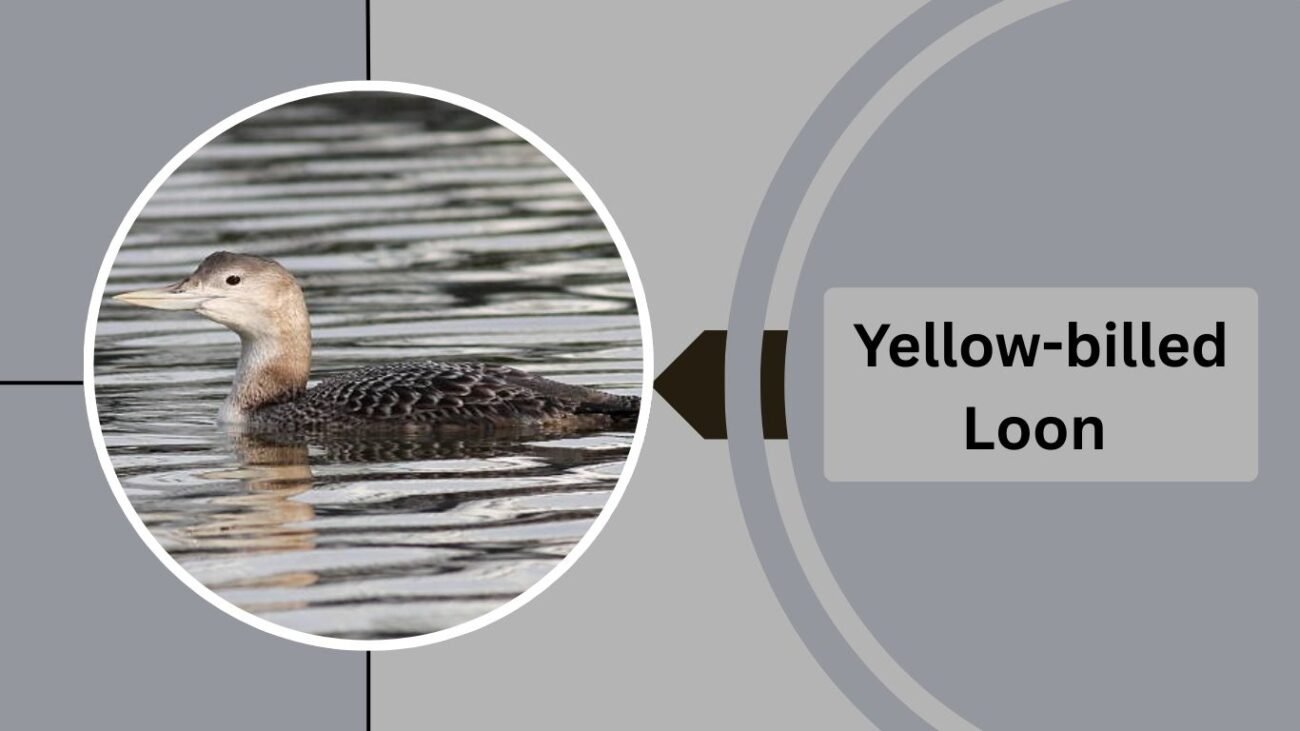
The Yellow-billed Loon (Gavia adamsii), also called the White-billed Diver in Europe, is the largest loon species. It is less common than the Common Loon but highly distinctive due to its pale bill and massive size.
Identification
- Very large loon, 76–97 cm (30–38 in) long with a wingspan up to 160 cm (63 in).
- Breeding plumage: black head and neck with white stripes, black back with white checkered spots.
- Bill is large, pale yellow to ivory, and slightly upturned.
- Winter plumage: grayish above with white below, bill remains pale.
- Red eyes similar to other loons.
Habitat and Distribution
Breeds in high Arctic tundra lakes of Alaska, Canada, and Siberia. Winters in ice-free coastal waters of the North Pacific and North Atlantic. Rare in Europe, but occasionally seen off northern coasts.
Behavior and Diet
Feeds primarily on fish, diving deep and staying submerged for long periods. Less vocal than the Common Loon, but produces low-pitched moans and wails. Due to its size, it requires large water bodies for takeoff.
Breeding and Nesting
Builds nests along the shorelines of Arctic lakes. Clutch usually contains 1–2 eggs. Both parents share incubation and chick-rearing duties. Chicks are often carried on their parents’ backs for warmth and safety.
3. Pacific Loon
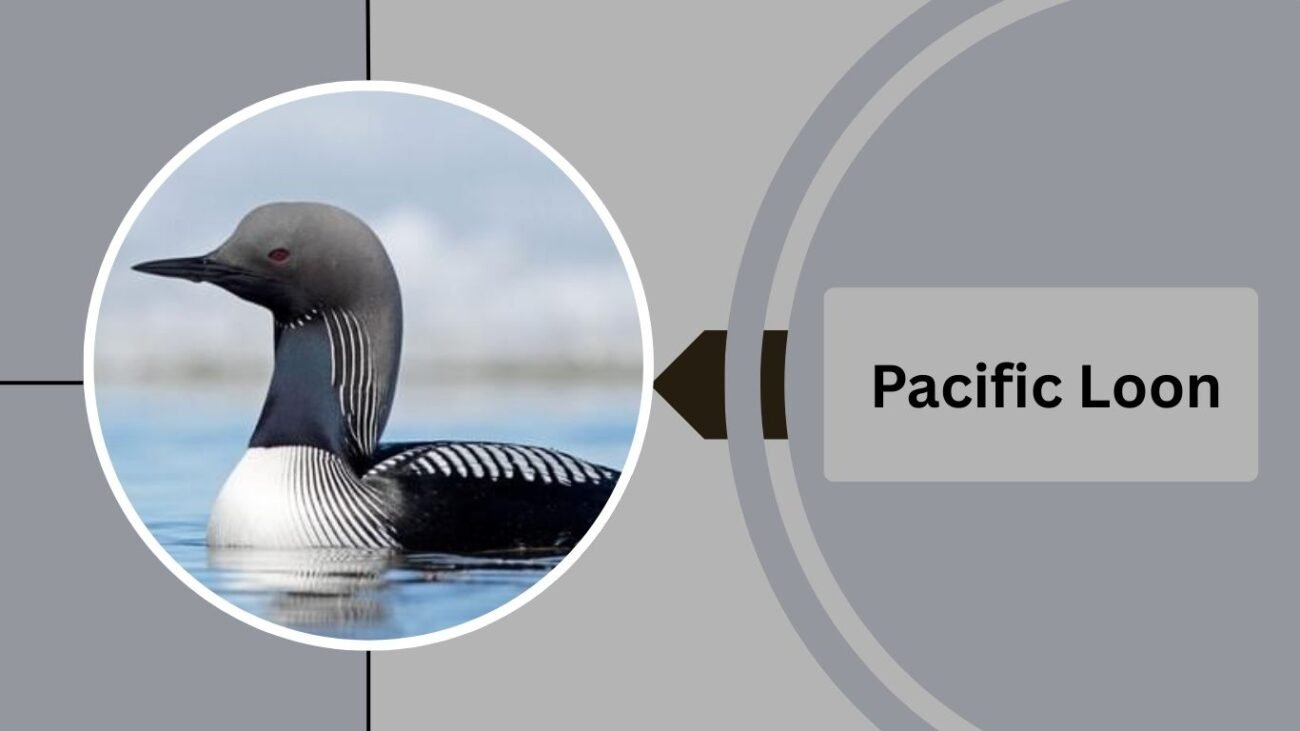
The Pacific Loon (Gavia pacifica) is a medium-sized loon known for its elegant breeding plumage and loud wailing calls. It is one of the most abundant loon species in western North America.
Identification
- Medium-sized loon, 58–74 cm (23–29 in) long.
- Breeding plumage: gray head and nape, black throat with vertical white stripes, black back with white spots.
- Winter plumage: gray above and white below, with a thinner bill than the Common Loon.
- Bill straight, slender, and dark.
- Red eyes during breeding season.
Habitat and Distribution
Breeds in Arctic tundra lakes of Alaska, northern Canada, and Siberia. Winters along the Pacific coast from Alaska to Baja California, and also in East Asia. Rarely strays inland during migration.
Behavior and Diet
Feeds mainly on fish and aquatic invertebrates, diving with agility. Its calls include yelps, wails, and harsh croaks, often heard during breeding season.
Breeding and Nesting
Nests are built close to water on tundra lakes. Usually lays 2 eggs, which are incubated by both parents. Chicks are able to swim soon after hatching and ride on their parents’ backs for safety.
4. Arctic Loon (Black-throated Diver)
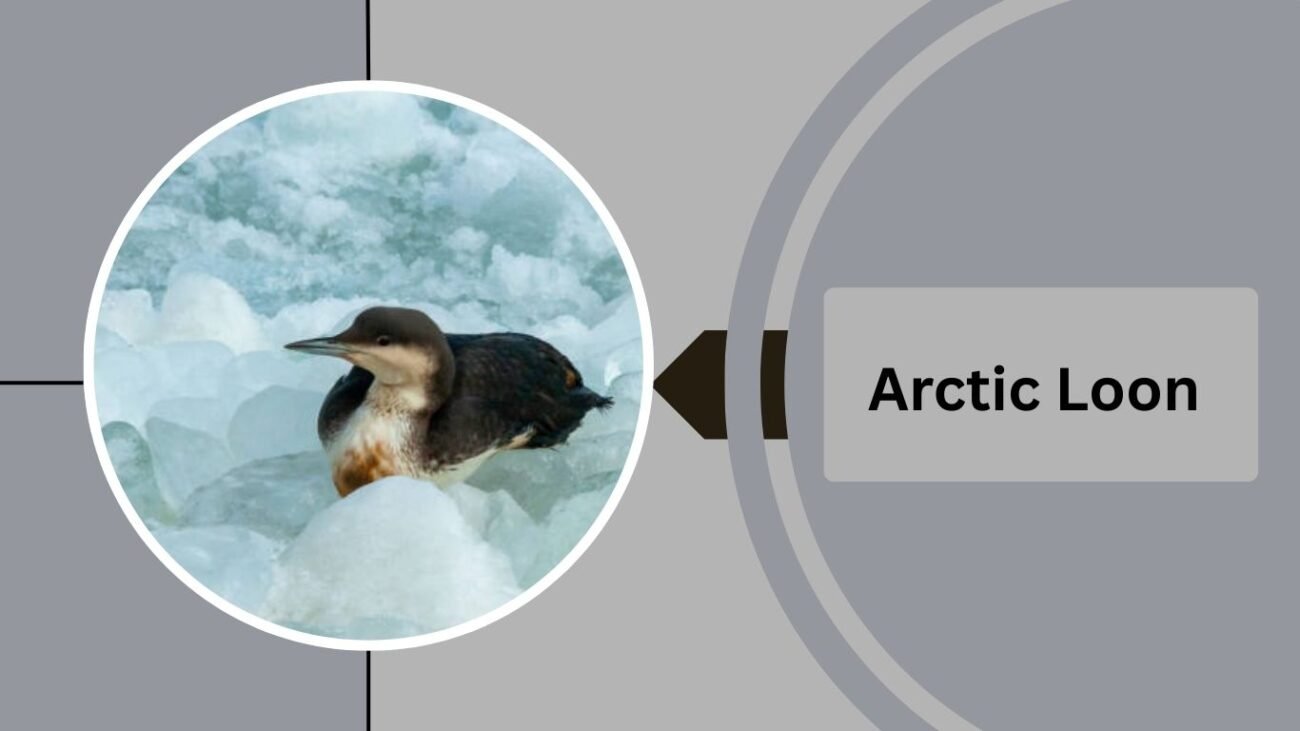
The Arctic Loon (Gavia arctica), also called the Black-throated Diver in Europe, is a sleek, medium-sized loon with a striking black throat and patterned neck. It is more common across Eurasia than in North America.
Identification
- Medium-sized loon, 63–75 cm (25–30 in) long.
- Breeding plumage: glossy black head and throat, vertical white stripes on the sides of the neck, and a checkered black-and-white back.
- Winter plumage: grayish above, white below, lacking bold throat markings.
- Bill straight, sharp, and black.
- Red eyes during breeding season.
Habitat and Distribution
Breeds on freshwater lakes across northern Europe, Scandinavia, Russia, and parts of Asia. Winters in coastal bays and estuaries, especially along the North Sea, Mediterranean, and Black Sea.
Behavior and Diet
Feeds mainly on fish, diving frequently to catch prey underwater. Less vocal than the Common Loon, but produces soft croaks and wails during breeding season.
Breeding and Nesting
Nests close to water’s edge on northern lakes, usually built from grasses and moss. The female lays 2 eggs, incubated by both parents. Young chicks are cared for by both adults and may ride on their backs.
5. Red-throated Loon
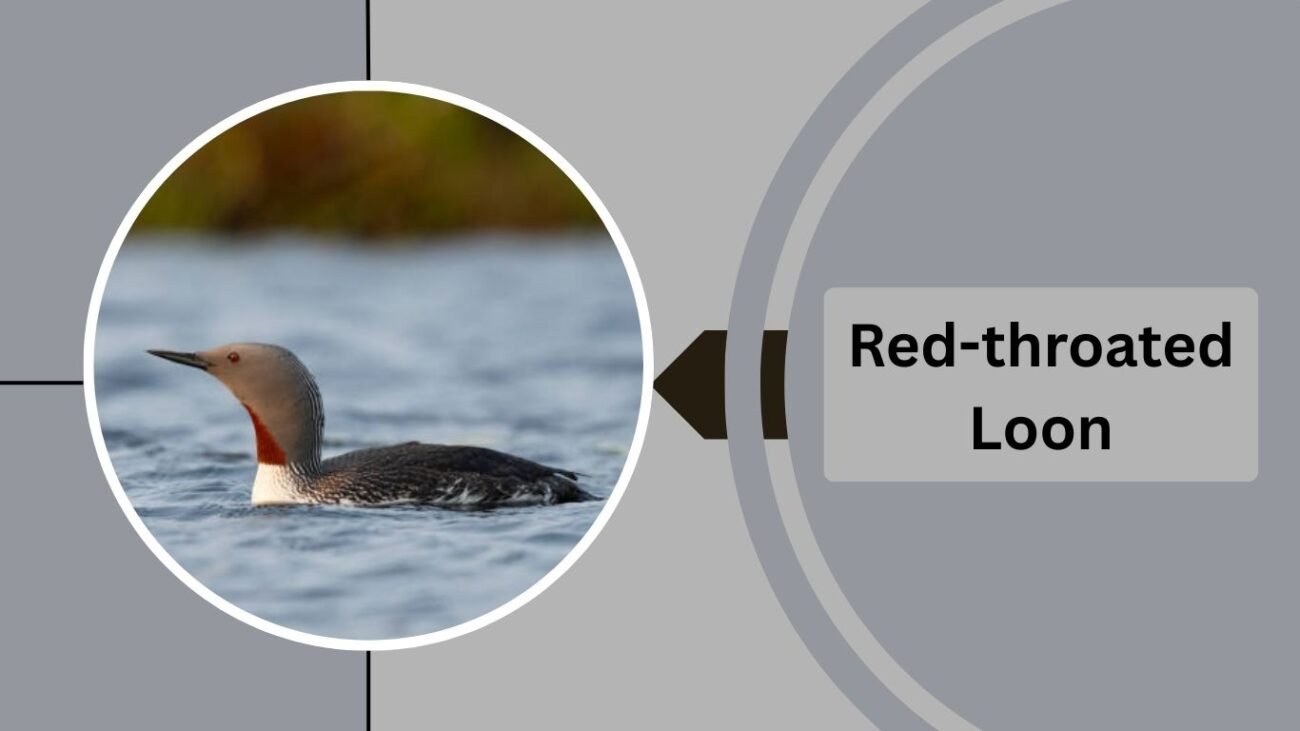
The Red-throated Loon (Gavia stellata) is the smallest and most widespread loon, easily identified by its reddish throat patch in breeding plumage. Unlike other loons, it often takes off from smaller ponds due to its lighter build.
Identification
- Smallest loon, 53–69 cm (21–27 in) long.
- Breeding plumage: gray head, red throat patch, dark back with fine white spotting.
- Winter plumage: gray above and white below, lacking red throat.
- Thin, slightly upturned bill.
- Red eyes during breeding season.
Habitat and Distribution
Breeds across Arctic and subarctic tundra lakes in North America, Europe, and Asia. Winters in coastal bays, estuaries, and open seas worldwide, making it the most widely distributed loon.
Behavior and Diet
Feeds mainly on fish and aquatic invertebrates, often hunting in both freshwater and marine habitats. Unlike larger loons, it can take off from small ponds. Its calls are wailing and mournful, often heard during courtship.
Breeding and Nesting
Nests are placed near or on tundra ponds and small lakes. Usually lays 2 eggs, which are incubated by both parents. Chicks are strong swimmers soon after hatching and often ride on their parents’ backs for safety.
6. White-billed Diver
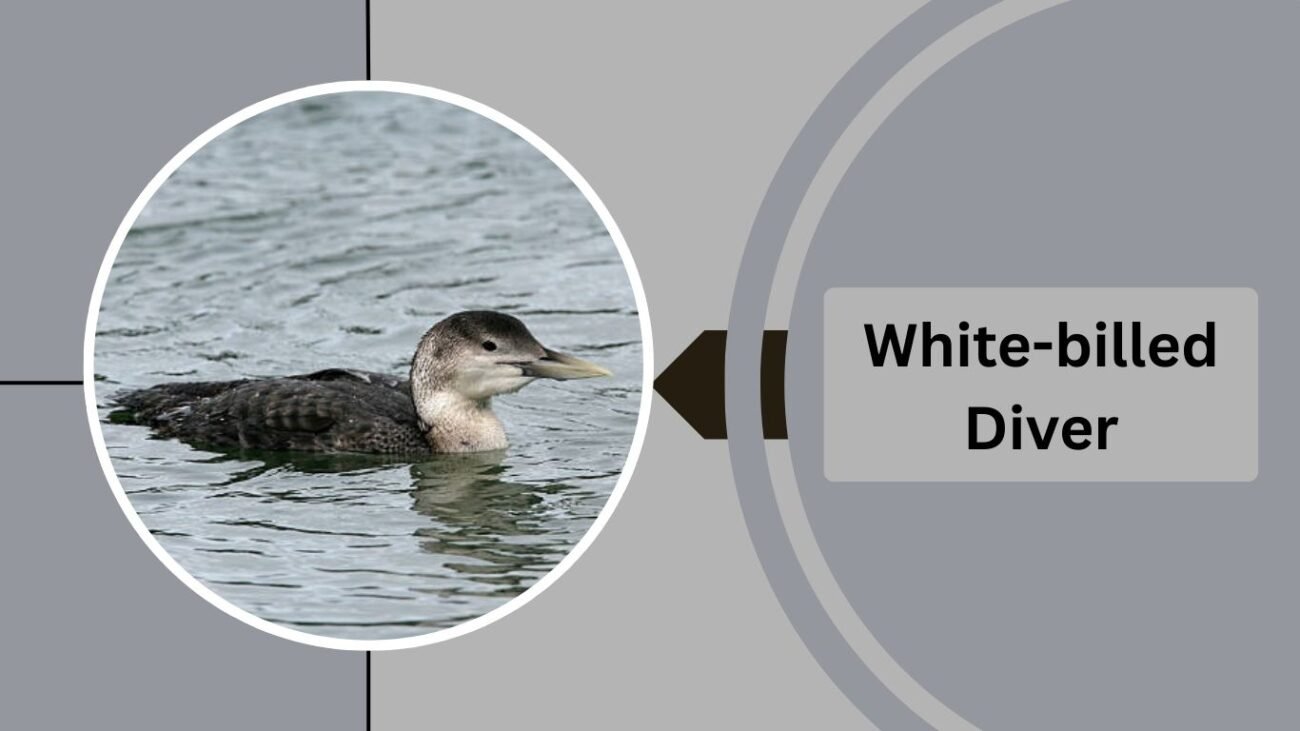
The White-billed Diver is another name widely used in Europe for the Yellow-billed Loon (Gavia adamsii). Though it refers to the same species, birders in the UK, Ireland, and Scandinavia often list it separately due to regional naming traditions.
Identification
- Very large loon, 76–97 cm (30–38 in) long.
- Ivory-white to pale yellow bill, slightly upturned.
- Breeding plumage: black head and neck with striped markings, white underparts, and a black back speckled with white spots.
- Winter plumage: gray above and white below, with pale bill always prominent.
- Red eyes typical of loons.
Habitat and Distribution
Breeds in Arctic tundra lakes of Siberia, Alaska, and northern Canada. Winters in ice-free coastal waters of the North Atlantic and North Pacific, often recorded off northern Europe.
Behavior and Diet
Expert diver that feeds mainly on fish but will also take crustaceans. Its large size requires long stretches of water for takeoff. Calls are deep, resonant, and less frequent than the Common Loon’s.
Breeding and Nesting
Nest sites are on lakeshores in Arctic breeding grounds. Both parents incubate 1–2 eggs and share in chick-rearing.
7. Black-throated Diver
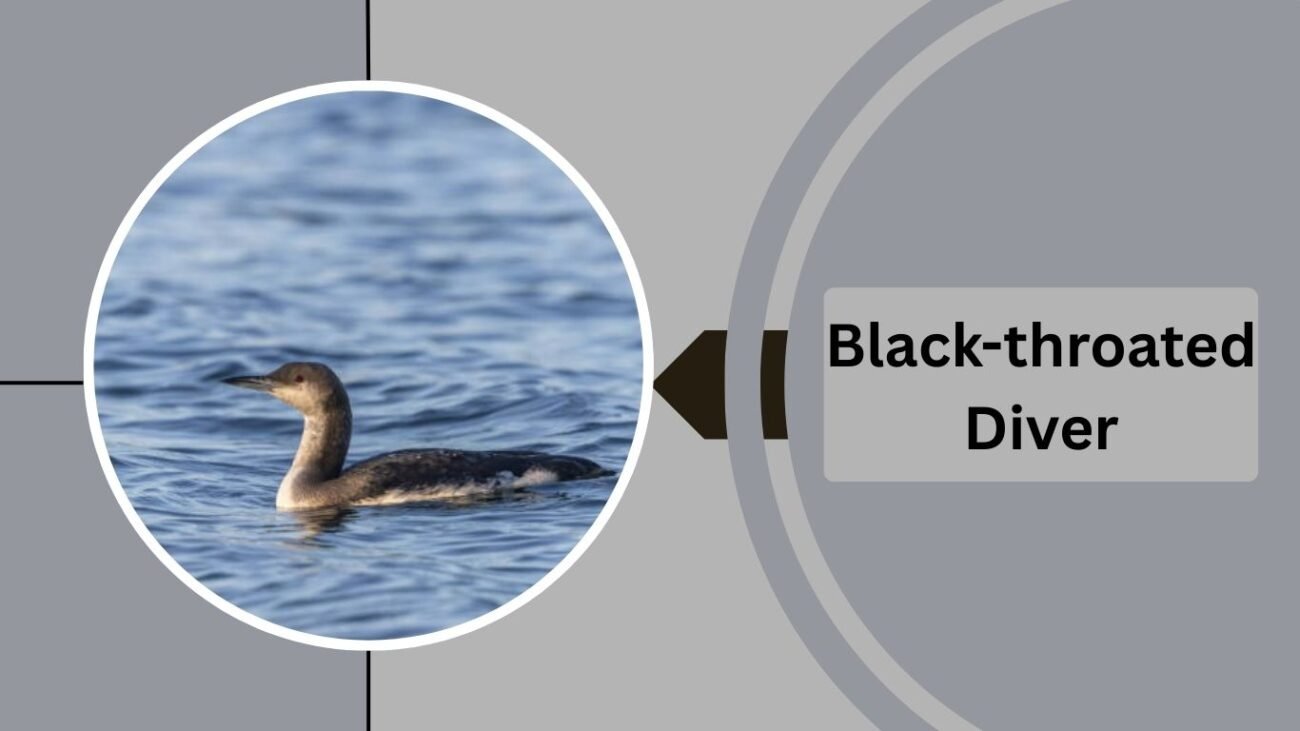
The Black-throated Diver is the European name for the Arctic Loon (Gavia arctica), a medium-sized species known for its glossy black throat and patterned neck. It is a familiar breeder across northern Europe and Russia.
Identification
- Medium-sized, 63–75 cm (25–30 in) long.
- Breeding plumage: striking black throat, glossy black head, striped white vertical neck bands, and checkered back.
- Winter plumage: dull gray above and white below, with less distinct markings.
- Long, straight, black bill.
- Red eyes during breeding.
Habitat and Distribution
Breeds widely across lakes in northern Europe, Scandinavia, and Russia, extending east into Asia. Winters along coasts, especially the North Sea, Baltic, and Mediterranean.
Behavior and Diet
Feeds on fish and aquatic invertebrates by diving. Its calls are quieter and less varied than the haunting cries of the Common Loon.
Breeding and Nesting
Nests near lakeshores, usually with 2 eggs incubated by both parents. Parents share chick-rearing, and young are often carried on their backs in early life.
8. Great Northern Diver
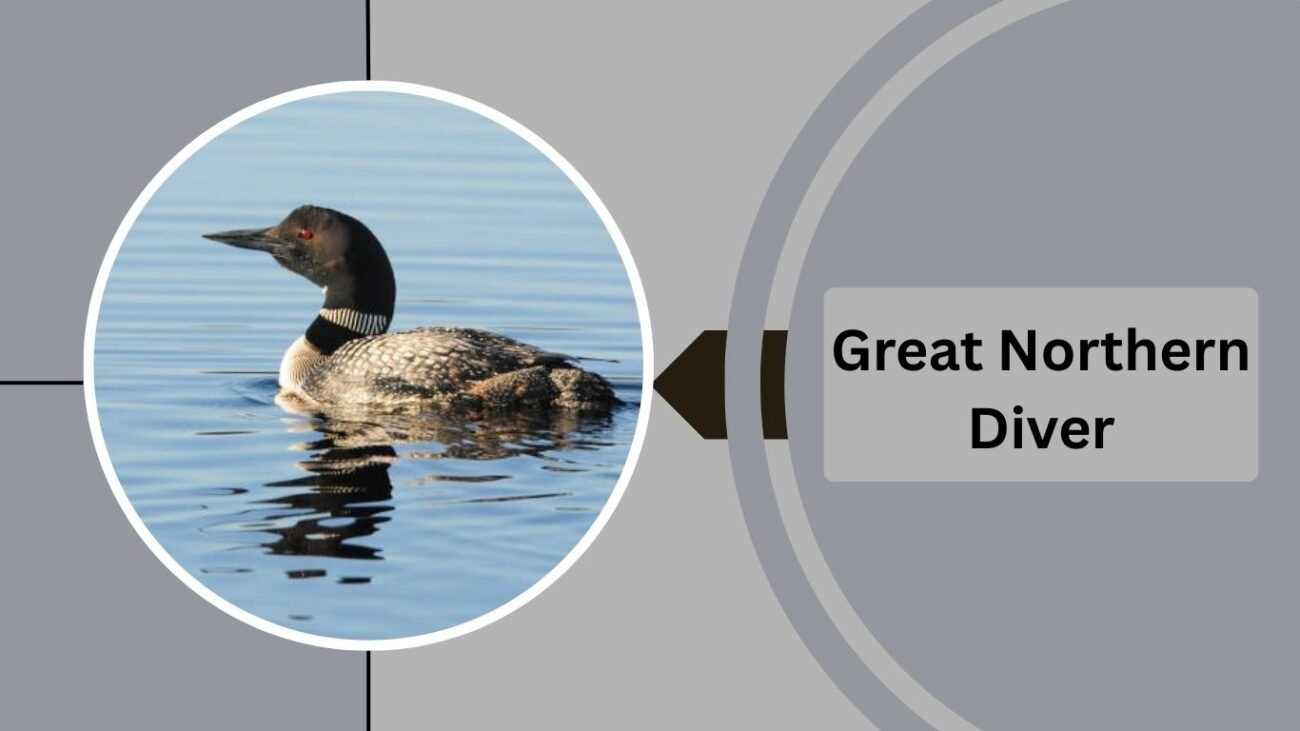
The Great Northern Diver is the European name for the Common Loon (Gavia immer). It is one of the most admired waterbirds in the Northern Hemisphere, known for its haunting calls and striking checkered plumage in summer.
Identification
- Large, 66–91 cm (26–36 in) long.
- Breeding plumage: black head and neck with green sheen, white necklace, and checkered black-and-white back.
- Winter plumage: gray above and white below, with duller markings.
- Strong, dagger-like black bill.
- Red eyes for enhanced underwater vision.
Habitat and Distribution
Breeds in freshwater lakes across Canada, Alaska, and northern U.S., with some in Greenland and Iceland. Winters in coastal waters of Europe and North America.
Behavior and Diet
Feeds mainly on fish, diving deep and fast. Known for its eerie yodels, wails, and tremolos that carry across northern lakes.
Breeding and Nesting
Nests along lake edges. Both parents share incubation of 1–2 eggs and carry chicks on their backs for protection.
9. Spectacled Loon
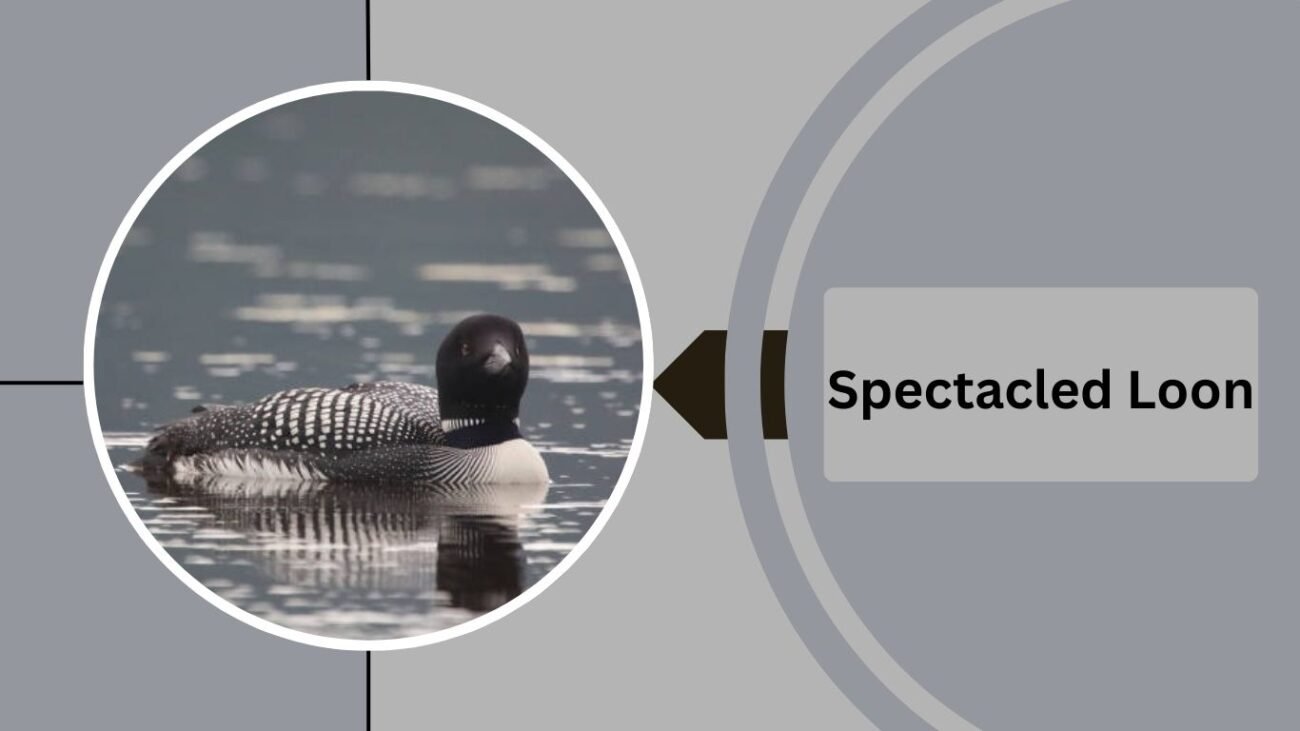
The Spectacled Loon (Gavia pacifica holboellii or sometimes treated as a variant of the Pacific Loon) is distinguished by pale facial markings that give the appearance of “spectacles.” Though not always considered a separate species, it is recognized by some authorities as a distinct form.
Identification
- Medium-sized loon, about 58–74 cm (23–29 in) long.
- Breeding plumage: gray head, black throat with white vertical stripes, and pale markings around the eyes resembling spectacles.
- Winter plumage: gray above, white below.
- Thin, dark, straight bill.
- Red eyes in breeding season.
Habitat and Distribution
Primarily found in Arctic breeding grounds of Siberia and Alaska. Winters in the North Pacific, along Asian and American coasts.
Behavior and Diet
Feeds mainly on fish and aquatic invertebrates, diving efficiently in coastal and freshwater environments. Calls resemble those of the Pacific Loon but may be higher-pitched.
Breeding and Nesting
Breeds near tundra lakes with nests close to shore. Clutch usually 2 eggs, shared by both parents. Chicks are often seen riding on parents’ backs.
10. Kamchatka Loon
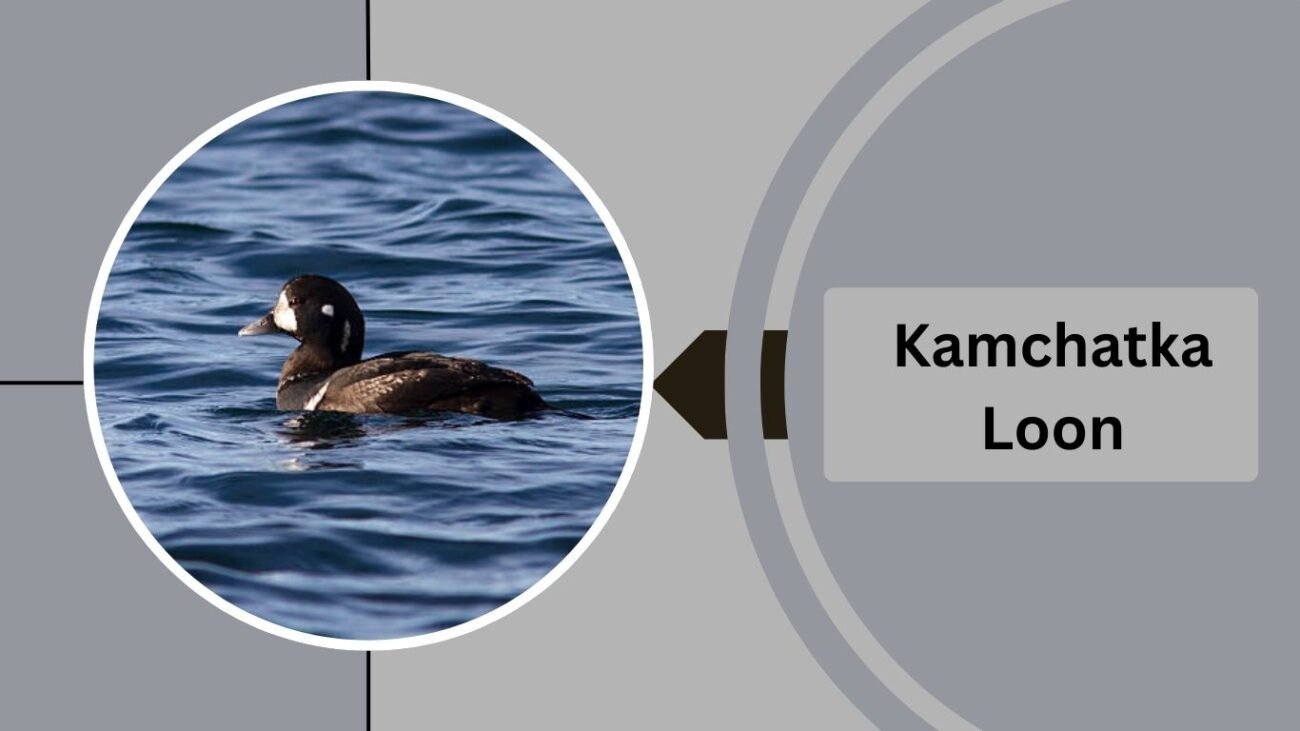
The Kamchatka Loon (Gavia (pacifica) japonica) is often treated as a separate species, though some authorities consider it a subspecies of the Pacific Loon. It is mainly found in East Asia and distinguished by subtle plumage and vocal differences.
Identification
- Medium-sized loon, 63–74 cm (25–29 in) long.
- Breeding plumage: gray head, black throat with vertical white stripes, and a darker back with white spots.
- Slightly larger and heavier-billed than the Pacific Loon.
- Winter plumage: gray above, white below.
- Red eyes in breeding season.
Habitat and Distribution
Breeds in eastern Siberia and Kamchatka Peninsula. Winters along coasts of Japan, Korea, and eastern China. Rarely strays into North America.
Behavior and Diet
Feeds on fish, crustaceans, and aquatic insects. Known for slightly deeper and different vocalizations compared to the Pacific Loon.
Breeding and Nesting
Builds nests along tundra lakes and ponds. Both parents incubate 2 eggs and rear the chicks.
11. Greenland Common Loon
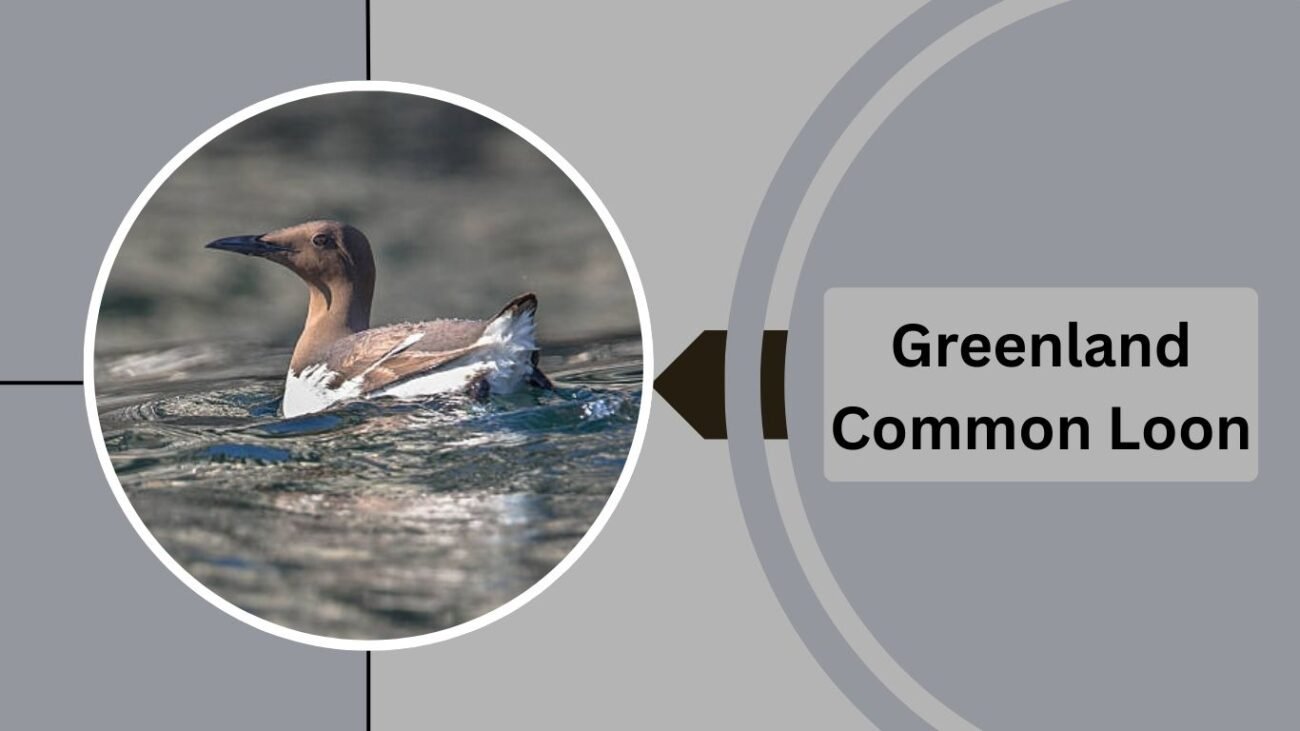
The Greenland Common Loon (Gavia immer immer) is a subspecies of the Common Loon restricted to Greenland and parts of northeastern Canada. It is similar in appearance to the nominate Common Loon but has regional adaptations.
Identification
- Large loon, 70–90 cm (28–35 in) long.
- Breeding plumage: black head and neck, greenish sheen, white necklace, and checkered black-and-white back.
- Slightly bulkier than other Common Loon populations.
- Winter plumage: gray above, white below.
- Strong, straight black bill.
Habitat and Distribution
Breeds mainly in freshwater lakes of Greenland and northeastern Canada. Winters in North Atlantic coastal waters, particularly around Iceland and the British Isles.
Behavior and Diet
Diet consists primarily of fish, supplemented with crustaceans and insects. Produces wails and yodel-like calls, though less frequently than North American Common Loons.
Breeding and Nesting
Nests on freshwater lake edges in Greenland. Lays 1–2 eggs, incubated by both parents. Chicks often ride on parents’ backs for safety.
FAQs
What is the largest loon species?
The Yellow-billed Loon (also called White-billed Diver) is the largest species, reaching up to 97 cm (38 in) in length with a wingspan of 160 cm (63 in). Its massive size and pale bill make it easy to distinguish from other loons.
Which loon is the smallest?
The Red-throated Loon is the smallest species, measuring only 53–69 cm (21–27 in). Unlike most loons, it can take off from small ponds and has a thinner, slightly upturned bill.
Why are loons known for their calls?
Loons produce haunting and melodious calls, such as wails, yodels, and tremolos, that carry across lakes. These calls help mates communicate, defend territories, and warn of danger, especially during breeding season.
Do loons migrate?
Yes, most loons are long-distance migrants. They typically breed in northern freshwater lakes and migrate south to ice-free coastal waters in winter, traveling thousands of kilometers each year.
How do loons catch their food?
Loons are expert divers, using their strong legs and webbed feet to propel themselves underwater. They feed mainly on fish, but also eat crustaceans and aquatic insects, often swallowing their prey while still submerged.