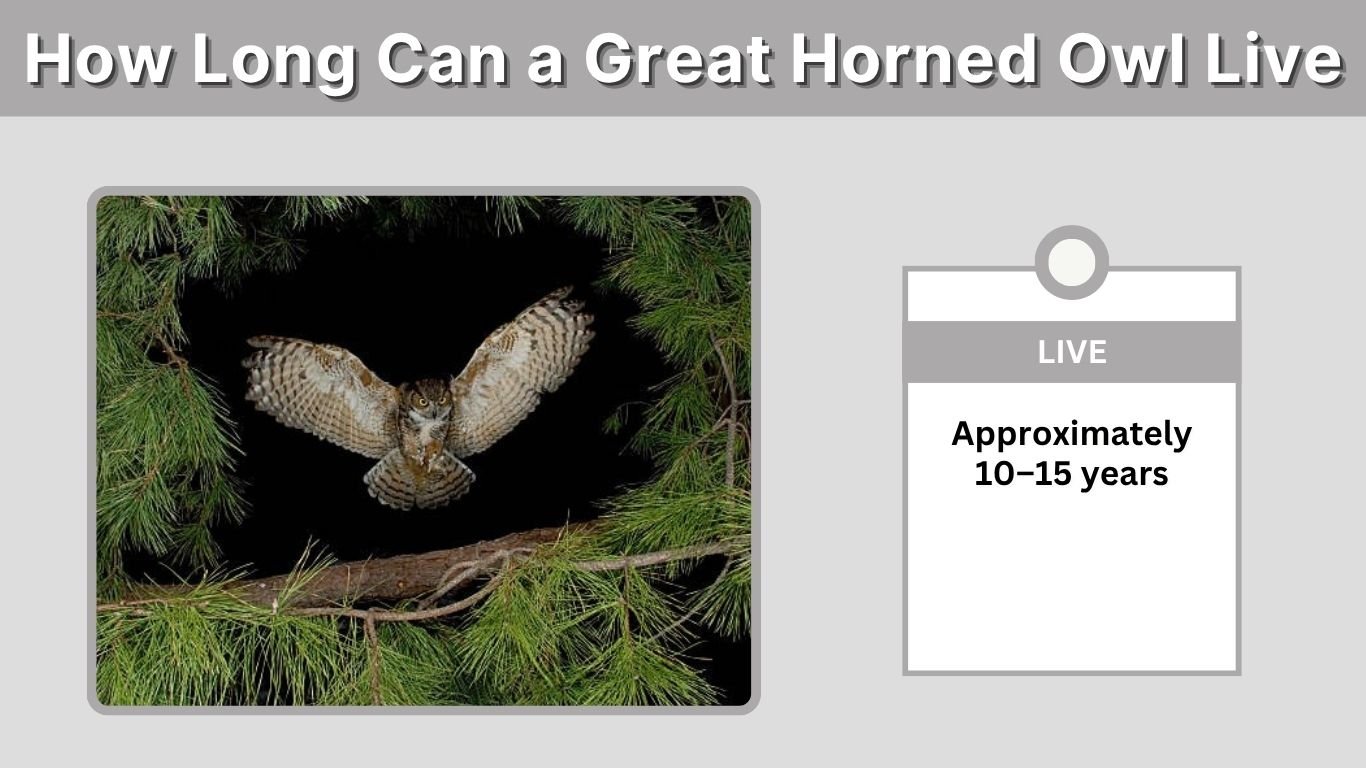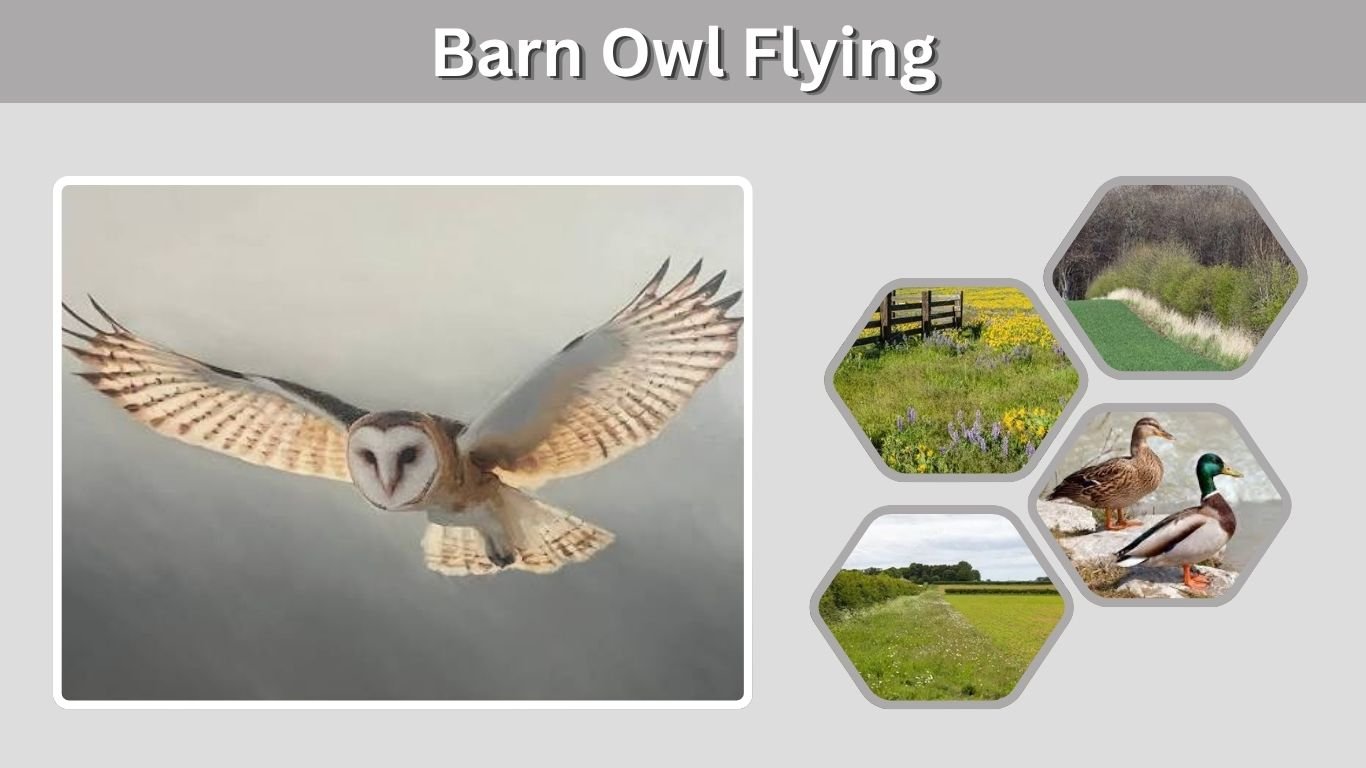
A barn owl flying across an open field is one of nature’s quietest and most graceful sights. Its broad wings, lightweight body, pale feathers, and slow wingbeats allow it to move through the darkness with very little sound. Barn owls usually fly at night while searching for mice, voles, shrews, and other small animals. Their specialized feathers, sharp hearing, and ability to fly close to the ground make them exceptionally effective nocturnal hunters.
How Do Barn Owls Fly?
Barn owls use a combination of flapping, gliding, hovering, and low-level cruising. Their wings are broad and rounded compared with their relatively light bodies, allowing them to remain airborne at low speeds.
While travelling between locations, a barn owl may fly in a fairly direct line. During hunting, however, it often moves slowly back and forth across grassland. This systematic search pattern is known as quartering. The owl listens carefully for movement below before slowing, hovering briefly, or dropping toward its prey.
Common Flight Behaviors
A flying barn owl may:
- Glide with its wings fully extended
- Flap slowly while travelling
- Hover briefly over suspected prey
- Fly low above grass and fields
- Make repeated turns while hunting
- Drop suddenly with its talons extended
Its long legs usually remain tucked against the body during ordinary flight. Just before landing or striking prey, the owl extends its feet and spreads its talons forward.
How Do Barn Owls Fly Silently?
Barn owls are famous for their nearly silent flight. Their wings do not eliminate every sound, but they produce far less noise than the wings of many similarly sized birds.
This quietness comes from a combination of feather structure, wing shape, low flight speed, and a lightweight body. Silent flight helps the owl hear tiny prey movements and reduces the chance that a mouse will detect an approaching attack.
Comb-Like Leading Edges
The outer edge of a barn owl’s primary wing feathers has fine, comb-like projections. These structures divide the airflow passing over the wing into smaller currents, reducing some of the turbulence that would otherwise create noticeable sound.
Fringed Trailing Edges
The rear edges of the flight feathers are soft and fringed rather than stiff and sharply defined. These fringes help smooth the air leaving the wing and reduce noise at the trailing edge.
Soft Feather Surfaces
Barn owl feathers have unusually soft, velvety surfaces. This texture helps dampen friction and sound as feathers rub against one another and air moves across the wing.
Large Wings and Slow Flight
Broad wings generate substantial lift without requiring fast, forceful wingbeats. The owl can therefore fly slowly and remain airborne while making relatively gentle movements. Scientific studies describe barn owl flight as low-speed, highly maneuverable, and unusually quiet.
How Fast Can a Barn Owl Fly?
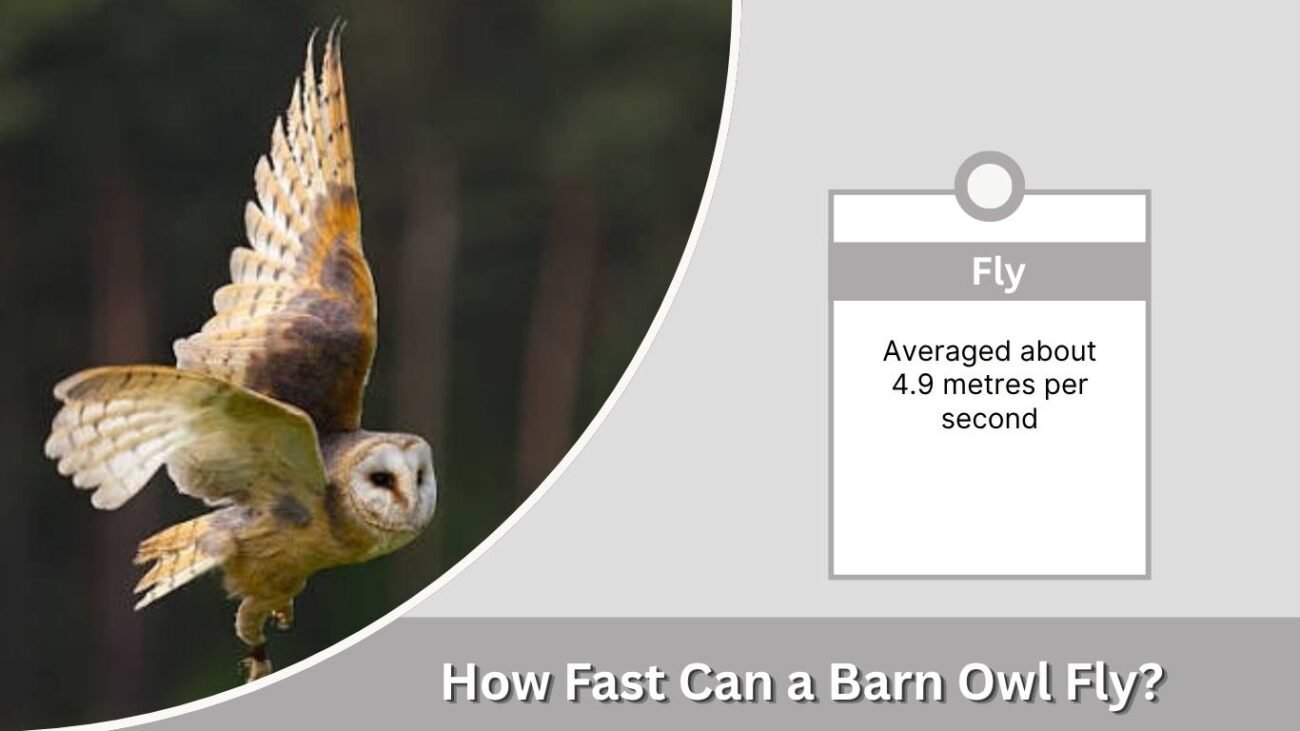
Barn owls are not built for extreme speed. Their flight is optimized for control, quietness, and careful searching.
Tracking research found that hunting flights averaged about 4.9 metres per second, equivalent to roughly 11 miles per hour. More direct commuting flights averaged approximately 6.6 metres per second, or nearly 15 miles per hour. Individual birds sometimes travelled faster, with recorded commuting speeds reaching about 13.4 metres per second, or 30 miles per hour.
| Type of flight | Approximate average speed |
| Hunting flight | 11 mph |
| Direct commuting flight | 15 mph |
| Faster recorded movement | Up to about 30 mph |
These figures should not be treated as a single fixed top speed. Wind, terrain, urgency, prey movement, and flight direction can all affect how fast an individual travels.
Barn Owl Flying at Night
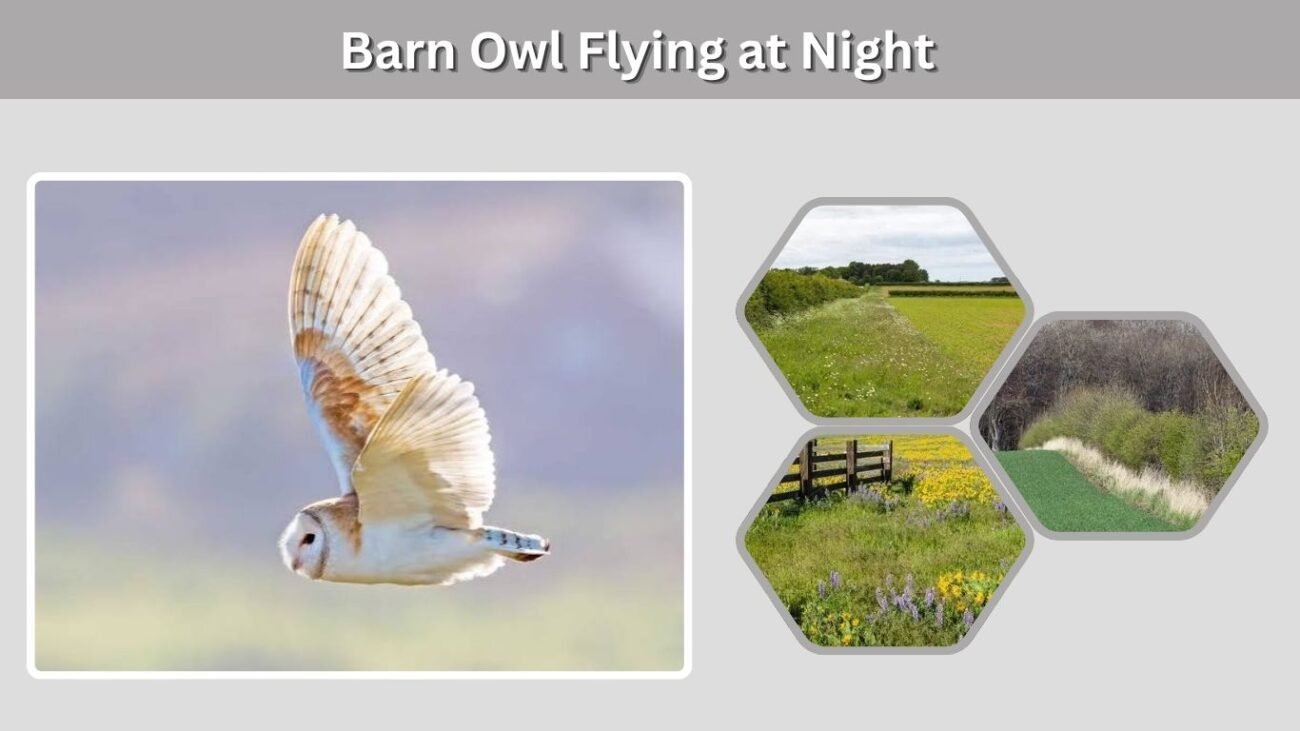
Barn owls are primarily nocturnal. They usually leave their roosts around dusk and hunt through the evening or night, especially when weather conditions are calm and dry.
They commonly fly over:
- Rough grassland
- Agricultural fields
- Marshes
- Meadows
- Field margins
- Pastures
- Roadsides
- Open woodland edges
The owl may fly only a few feet above the vegetation while listening for rodents. Its heart-shaped facial disc directs sound toward asymmetrically positioned ears, helping it determine the horizontal and vertical location of prey. Cornell describes the American Barn Owl as a normally nocturnal predator often seen as a pale shape crossing open country at night.
How Barn Owls Hunt While Flying
Once an owl hears a small animal, it adjusts its course and positions itself above the sound. It may hover briefly or continue gliding before dropping feet-first.
The talons usually contact the prey before the beak. The owl may eat a small animal where it was captured or carry it to a perch, nest, or roost. Its quiet approach gives prey little warning before the final strike.
Do Barn Owls Fly During the Day?
Barn owls can fly during the day, although most regular activity occurs between dusk and dawn. Daytime flight does not automatically mean that the bird is sick or lost.
A barn owl may appear during daylight when:
- It has hungry chicks to feed
- Nighttime hunting was unsuccessful
- It was disturbed from its roost
- Winter nights provided too little food
- Prey is unusually abundant
- It is moving to another shelter
Day-flying owls can attract crows, gulls, and other birds that chase or mob them. Because the owl’s pale plumage is highly visible in daylight, it loses some of the concealment provided by darkness.
Can Barn Owls Fly in the Rain?
Barn owls can physically fly through rain, but they generally avoid hunting during heavy or prolonged rainfall.
Their soft feathers are excellent for suppressing noise but are not particularly water-resistant. Wet plumage becomes heavier, loses insulation, and produces more flight noise. Rain also creates background sound that can hide the movements of rodents. These conditions make hunting less efficient.
Extended wet weather can be dangerous because barn owls have high energy requirements. An owl that cannot hunt successfully for several nights may lose weight quickly, especially during winter or while feeding young.
What Does a Barn Owl Look Like in Flight?
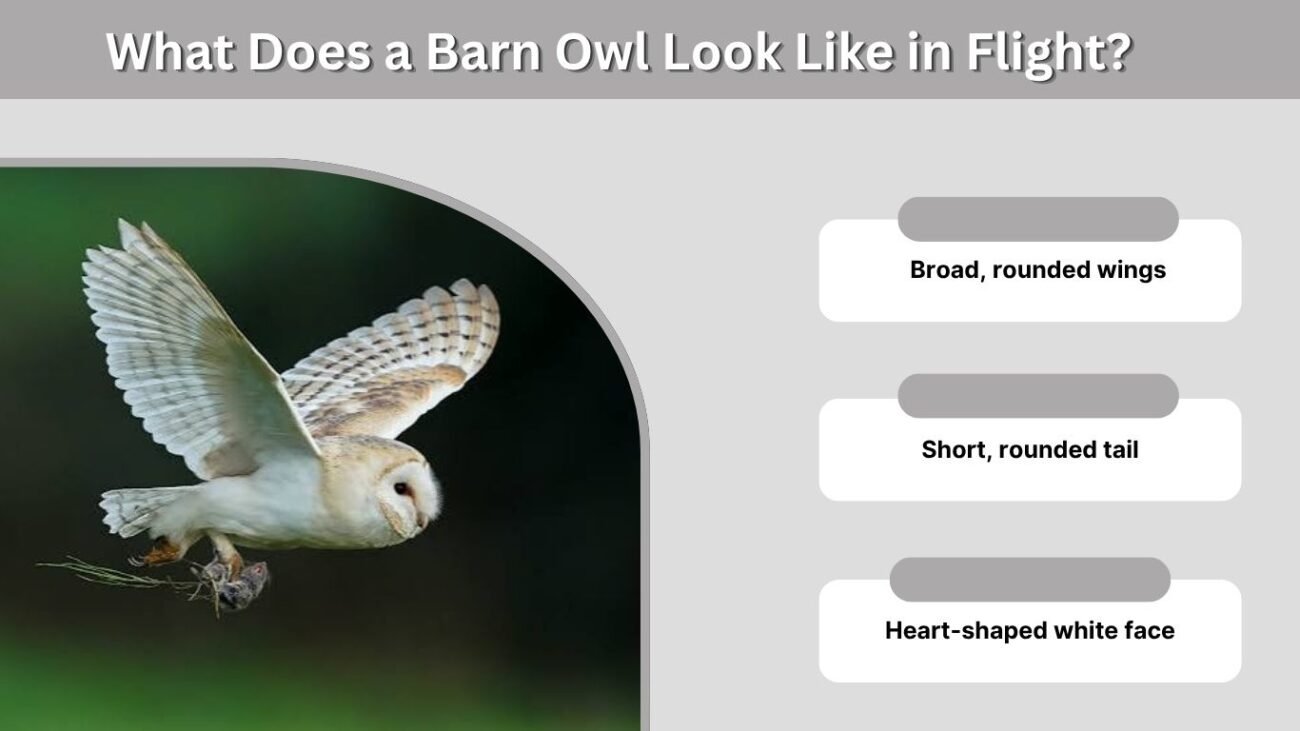
A flying barn owl has a distinctive pale, broad-winged appearance. From below, it may look almost completely white, particularly when briefly illuminated by headlights or moonlight.
Important flight-identification features include:
- Broad, rounded wings
- Pale or white underwings
- Golden-brown upper wings
- Short, rounded tail
- Heart-shaped white face
- Lightweight, floating appearance
- Slow, buoyant wingbeats
- Low flight over open ground
From the side, the head may appear large and rounded because of the facial disc. When flying toward an observer, the heart-shaped face and dark eyes can be especially noticeable.
How Do Young Barn Owls Learn to Fly?
Young barn owls are called owlets. Before making their first proper flights, they strengthen their muscles by stretching, flapping, jumping, and moving around the nest area.
Early flights may be short and poorly controlled. A fledgling may travel from the nest entrance to a nearby beam, branch, roof, or ledge. Landing accurately can take practice, and young birds may occasionally end up on the ground.
Parents continue feeding fledglings while they improve their flying and hunting abilities. Over the following weeks, the young owls begin exploring farther from the nest and gradually learn to catch prey independently.
Barn Owl Flight vs Other Birds
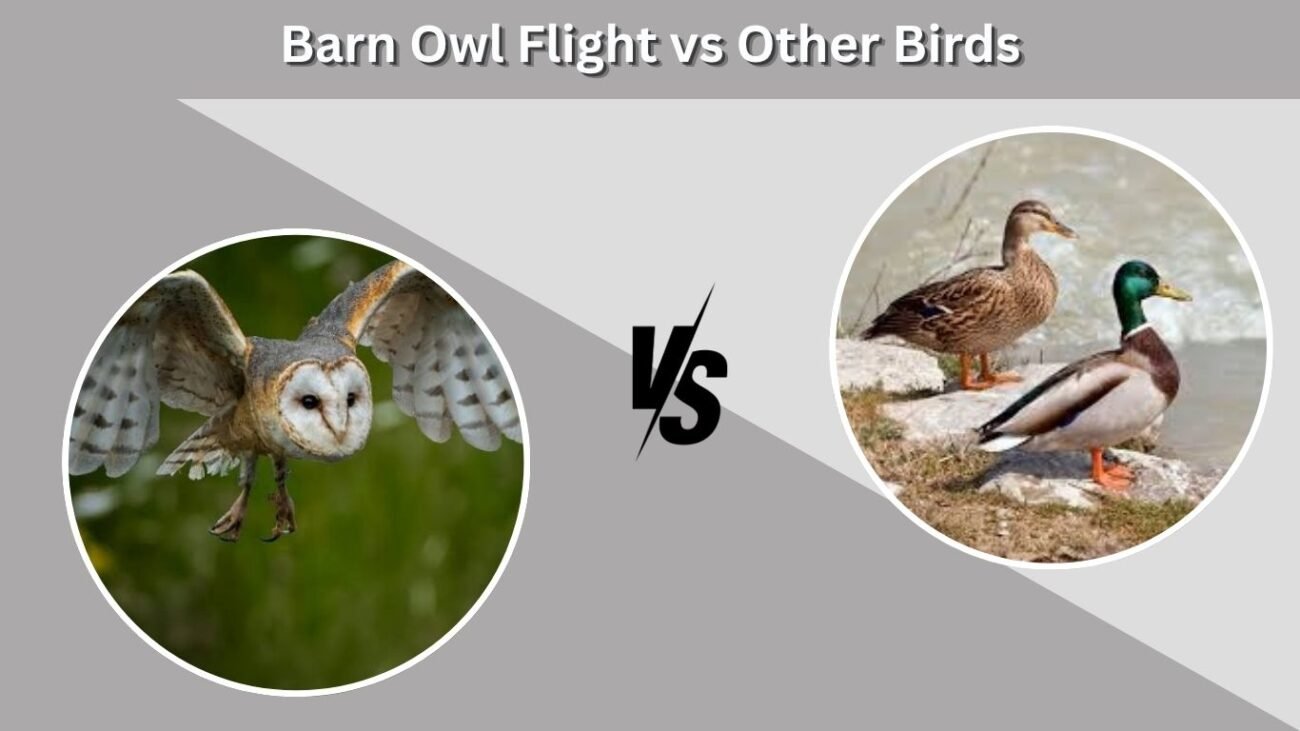
The barn owl’s flight differs noticeably from that of pigeons, ducks, hawks, and many other birds.
| Feature | Barn Owl | Many daytime birds |
| Wingbeats | Slow and soft | Often faster and louder |
| Primary purpose | Quiet searching and listening | Speed, travel or visual hunting |
| Feather texture | Soft and velvety | Generally firmer |
| Typical hunting height | Low over vegetation | Varies widely |
| Flight noise | Extremely low | Usually more noticeable |
Barn owls sacrifice some feather durability and water resistance in exchange for quiet flight. This is highly valuable to an owl that depends heavily on hearing prey in darkness.
FAQs
Do barn owls always fly silently?
Barn owls fly extremely quietly, but they are not completely soundless. Rapid turns, wing contact with vegetation, strong flapping, landing, or calls can produce noise. Their specialized feathers mainly reduce the aerodynamic sounds created during ordinary hunting flight.
Do barn owls fly every night?
Healthy wild barn owls normally become active on most nights, but their activity varies with weather, food needs, season, and breeding status. Heavy rain or strong wind may keep them sheltered for part of the night.
Can barn owls hover while flying?
Yes. A barn owl can hover briefly when wind and air conditions provide enough lift. Hovering helps it investigate a sound or prepare to descend, but much of its hunting involves slow forward flight and gliding rather than continuous hovering.
Why does a barn owl fly so close to the ground?
Flying close to the ground helps the owl hear rodents moving through vegetation and reduces the distance required for its final strike. Low flight also allows it to search grassland methodically while using minimal energy.
When do baby barn owls begin flying?
The exact timing varies with development and conditions, but young barn owls generally begin making early flights at around eight to nine weeks old. They remain dependent on their parents afterward while improving their flight control and learning to hunt.