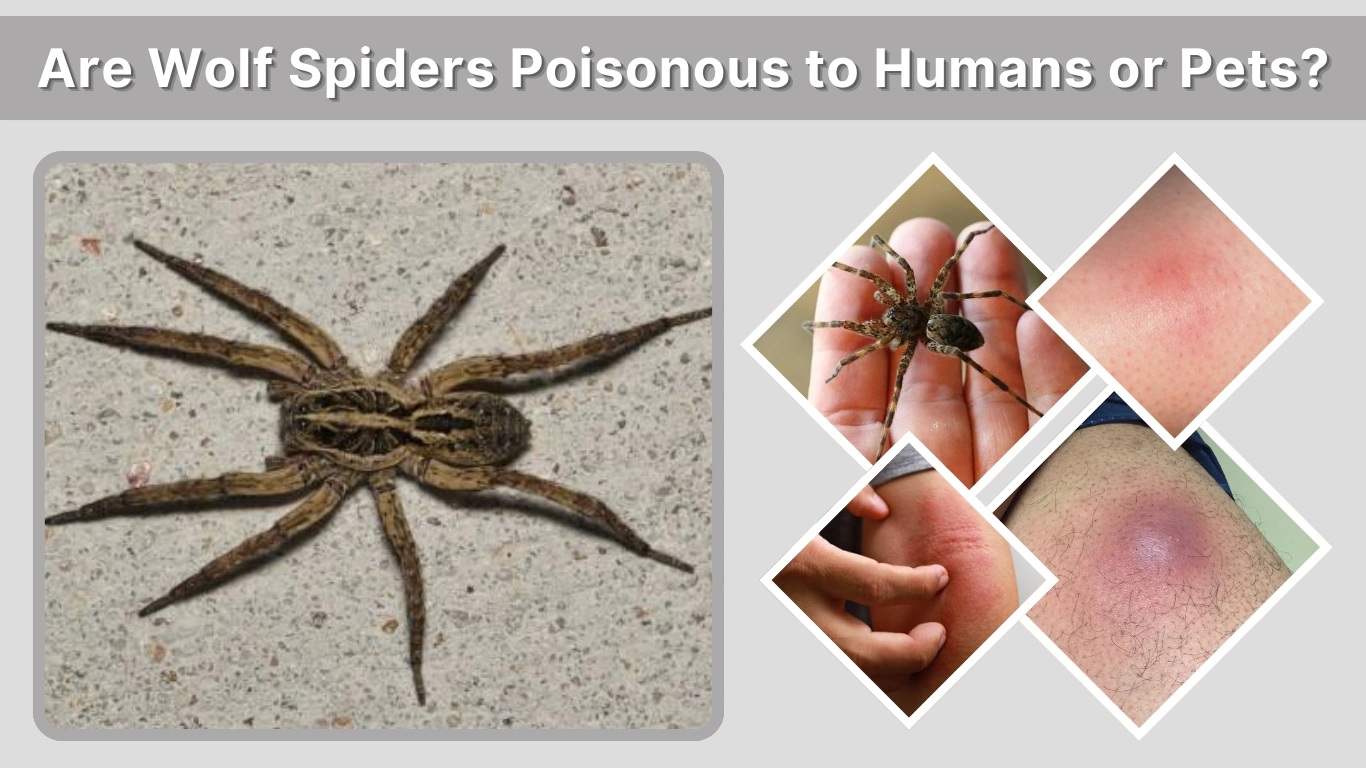
If you’ve spotted a large, fast-moving spider in your home or yard, you may be wondering: are wolf spiders poisonous? Their size and hairy appearance can certainly make them look intimidating. However, there’s a lot of confusion surrounding wolf spiders and the risks they pose to humans. The short answer is that wolf spiders are not poisonous — but they are venomous. Fortunately, their venom is mild and rarely causes serious harm. In this guide, we’ll explain the difference, what happens if one bites you, and whether you should be concerned.
Are Wolf Spiders Poisonous or Venomous?
To properly answer this question, it’s important to understand the difference between poisonous and venomous.
A creature is poisonous if it releases toxins when touched, eaten, or absorbed. For example, certain frogs or plants are poisonous because they can harm you if ingested or handled.
A creature is venomous, on the other hand, injects toxins through a bite or sting. Snakes, scorpions, and many spiders fall into this category.
Wolf spiders are venomous, not poisonous. They use venom to immobilize and digest their prey — mainly insects and other small arthropods. However, their venom is not considered dangerous to healthy humans.
Why the Confusion Happens
Many people use the words poisonous and venomous interchangeably. Because wolf spiders look large and somewhat similar to more dangerous spiders like the brown recluse, they’re often assumed to be highly toxic.
Media portrayals and online myths also exaggerate spider dangers, leading to unnecessary fear. In reality, wolf spiders are not aggressive and rarely bite unless provoked.
What Happens If a Wolf Spider Bites You?
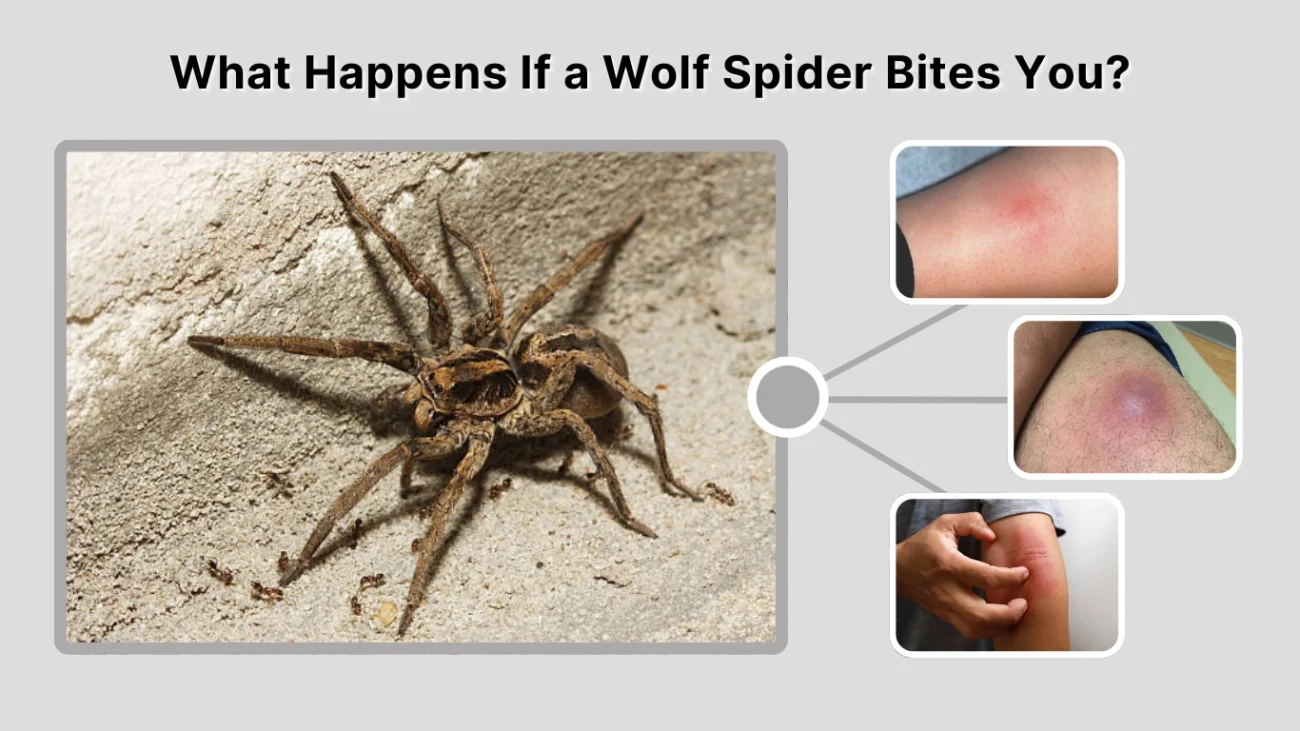
Although wolf spiders are venomous, bites are uncommon. These spiders prefer to run away rather than confront humans. Most bites occur when the spider becomes trapped against the skin, such as inside clothing, bedding, or shoes.
When a wolf spider bites, its fangs puncture the skin and inject a small amount of venom. The reaction is usually mild and localized.
Common Symptoms
Typical symptoms of a wolf spider bite include:
- Immediate sharp or stinging pain
- Redness around the bite area
- Mild swelling
- Itching or irritation
Many people describe the sensation as similar to a bee sting. The discomfort often decreases within a few hours, though mild swelling may last a couple of days.
The bite usually appears as a small red bump. In some cases, two tiny puncture marks from the fangs may be visible, though they are often difficult to see.
Rare Reactions
In rare cases, individuals may experience slightly stronger reactions, such as:
- Headache
- Nausea
- Dizziness
- Mild fever
Allergic reactions are extremely uncommon but possible. Signs of a serious allergic reaction include difficulty breathing, swelling of the face or throat, and widespread hives. These symptoms require immediate medical attention.
Importantly, wolf spider bites are not known to cause necrosis (tissue death), which is sometimes associated with brown recluse bites.
Are Wolf Spiders Dangerous to Humans?
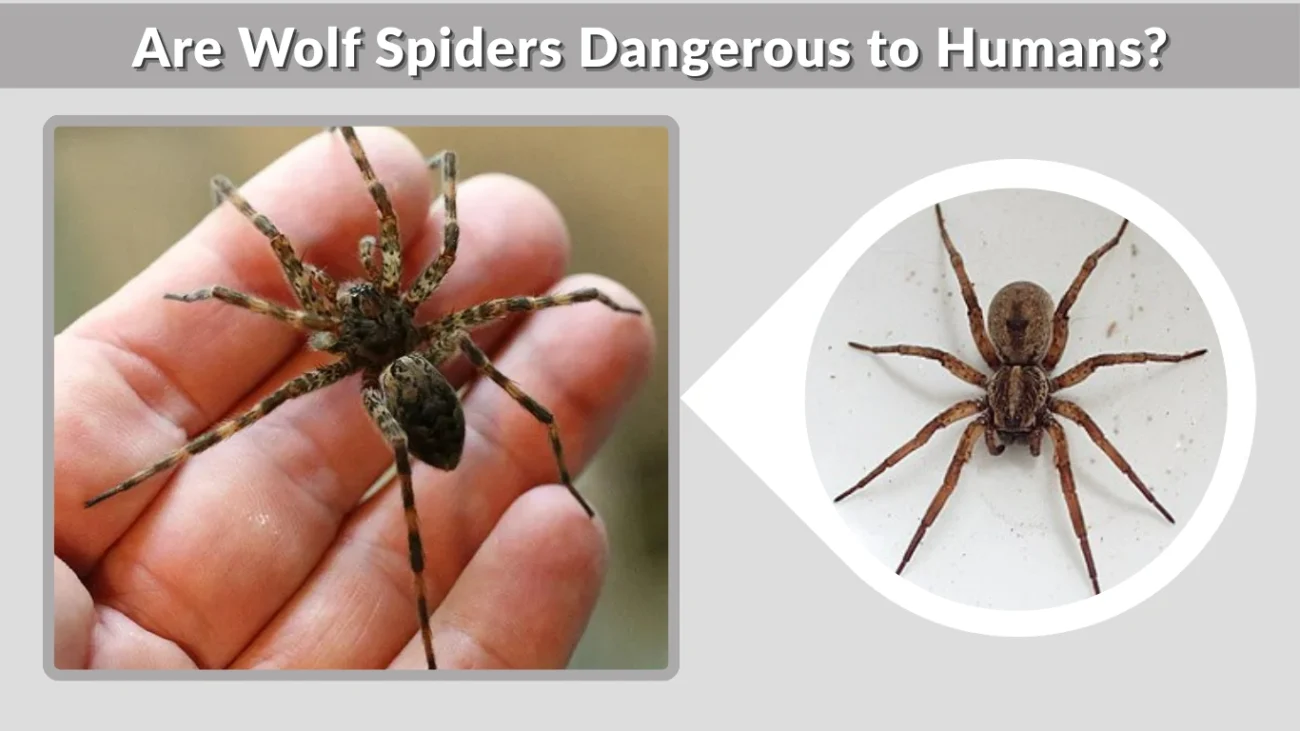
For most healthy adults, wolf spiders are not dangerous. Their venom is designed to affect insects, not large mammals. Medical experts generally consider wolf spider bites to be minor injuries that resolve on their own.
The pain and swelling are usually temporary and manageable with basic first aid. Washing the area with soap and water, applying a cold compress, and using over-the-counter pain relief can help reduce discomfort.
Certain individuals may want to be more cautious, including:
- Young children
- Elderly individuals
- People with weakened immune systems
- Those with known insect or venom allergies
Even in these groups, severe complications are rare. Most reactions remain mild and improve within a few days.
If symptoms worsen, spread, or show signs of infection — such as increasing redness, warmth, or pus — it’s wise to consult a healthcare provider.
Are Wolf Spiders Poisonous to Pets?
Pet owners sometimes worry about whether wolf spiders pose a risk to dogs or cats. Like humans, pets can be bitten if they disturb or attempt to play with a spider.
In most cases, a wolf spider bite causes only mild irritation in pets. You might notice slight swelling, redness, or your pet licking the affected area. Serious reactions are uncommon.
However, if your pet shows unusual symptoms such as excessive swelling, lethargy, vomiting, or difficulty breathing, you should contact a veterinarian promptly.
Wolf Spider vs Brown Recluse: Which Is More Dangerous?
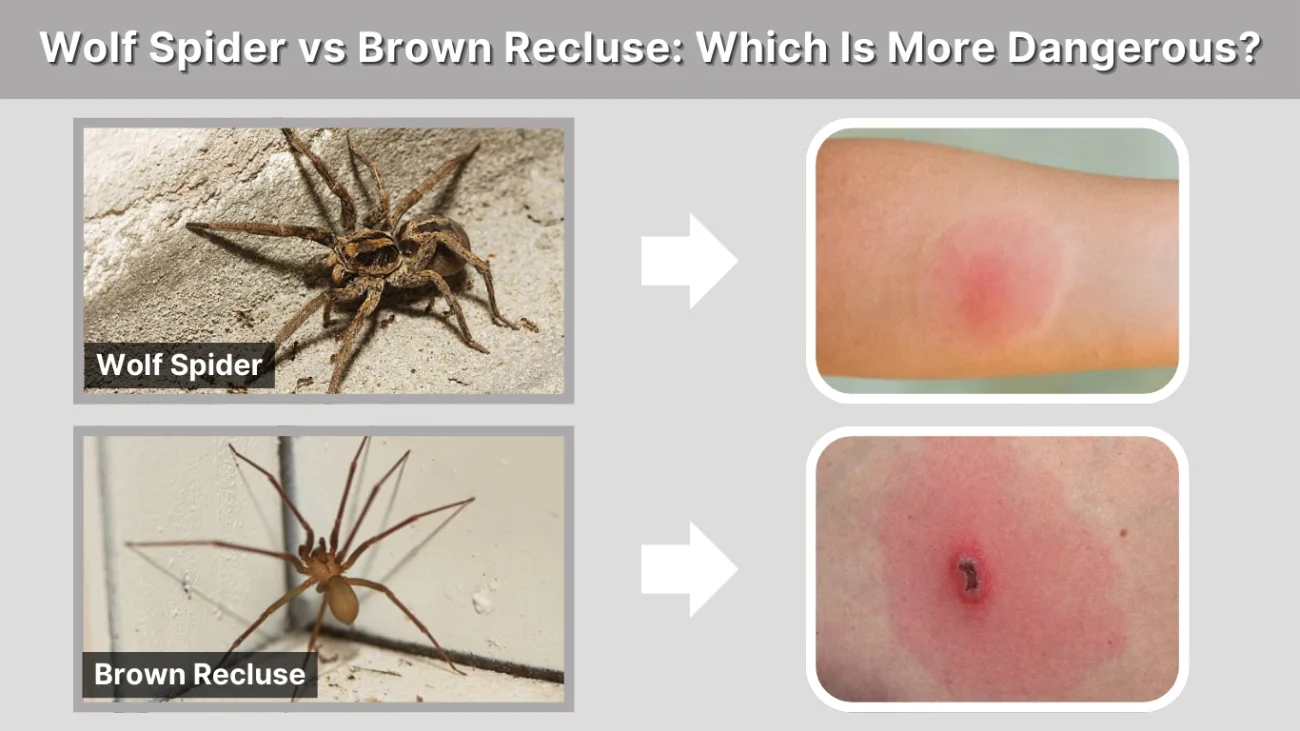
Wolf spiders are often confused with brown recluse spiders because of their similar size and brown coloring. However, their level of danger is very different.
Venom Strength Comparison
Brown recluse spiders have medically significant venom that can damage skin tissue in some cases. Their bites may lead to necrosis (tissue death), forming a deep ulcer that can take weeks or even months to heal.
Wolf spider venom, on the other hand, is mild. It is designed to subdue insects and does not typically cause tissue damage in humans. Most wolf spider bites remain localized and heal within a few days.
Bite Severity Differences
Another key difference is how symptoms develop.
- Wolf spider bites usually cause immediate pain, redness, and mild swelling.
- Brown recluse bites may be painless at first but become increasingly painful hours later.
If a bite becomes progressively worse, forms a dark or blistered center, or spreads significantly, medical evaluation is important to rule out a more serious spider bite.
Why Wolf Spiders Enter Homes
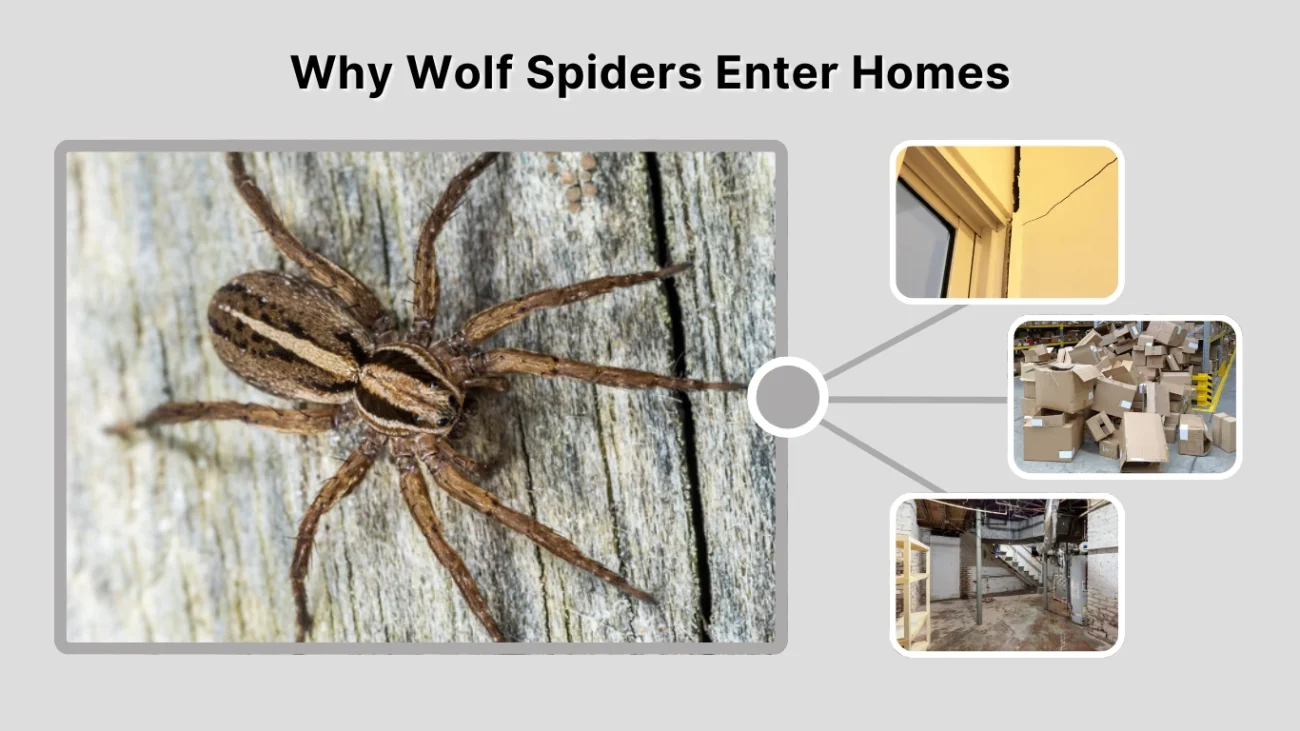
If wolf spiders aren’t dangerous, why do they show up inside homes?
Unlike web-building spiders, wolf spiders actively hunt prey. They may enter homes in search of insects, shelter, or warmth — especially during colder months.
Common reasons they enter include:
- Open cracks and gaps around doors or windows
- High indoor insect populations
- Cluttered storage areas
- Basements and garages with easy access points
Because they are ground hunters, wolf spiders are often found along floors, baseboards, or near entryways.
How to Prevent Wolf Spider Encounters
Preventing wolf spider encounters mostly involves reducing their access to your home and limiting their food supply.
Here are practical steps you can take:
- Seal cracks and gaps around doors, windows, and foundations
- Install tight-fitting door sweeps
- Reduce outdoor lighting that attracts insects
- Keep basements and garages clean and clutter-free
- Remove leaf litter and debris near the foundation
Since wolf spiders feed on insects, lowering the insect population around your home will naturally reduce spider activity.
If you find a wolf spider indoors, it’s generally safe to remove it using a cup-and-card method or by contacting pest control if infestations become frequent.
FAQs
Can a wolf spider kill you?
No, a wolf spider cannot kill a healthy person. Their venom is mild and not considered medically significant. Severe complications are extremely rare and typically involve allergic reactions rather than venom toxicity.
Is a wolf spider bite worse than a bee sting?
Most people describe a wolf spider bite as similar to, or slightly less painful than, a bee sting. The pain is usually immediate but fades within a few hours, with mild swelling lasting a few days.
Do wolf spiders chase people?
Wolf spiders do not chase humans. They may appear to run toward you, but they are usually trying to escape. Their fast speed can make them seem aggressive, even though they prefer to avoid confrontation.
Should I kill wolf spiders in my house?
Wolf spiders actually help control insect populations. If you’re comfortable doing so, safely relocating them outdoors is an option. However, if you’re concerned or notice frequent sightings, professional pest control can help address the underlying cause.
How long do wolf spider bite symptoms last?
Symptoms from a wolf spider bite typically last a few hours to a few days. Mild redness and swelling may remain for up to a week. If symptoms worsen instead of improving, medical evaluation is recommended.
Conclusion
So, are wolf spiders poisonous? No — they are venomous, but their venom is mild and rarely dangerous to humans or pets. While their large size can make them seem intimidating, wolf spiders are generally harmless and prefer to avoid people. In the rare event of a bite, symptoms are usually minor and resolve quickly. Understanding the facts can help replace fear with confidence and ensure you respond calmly if you encounter one.