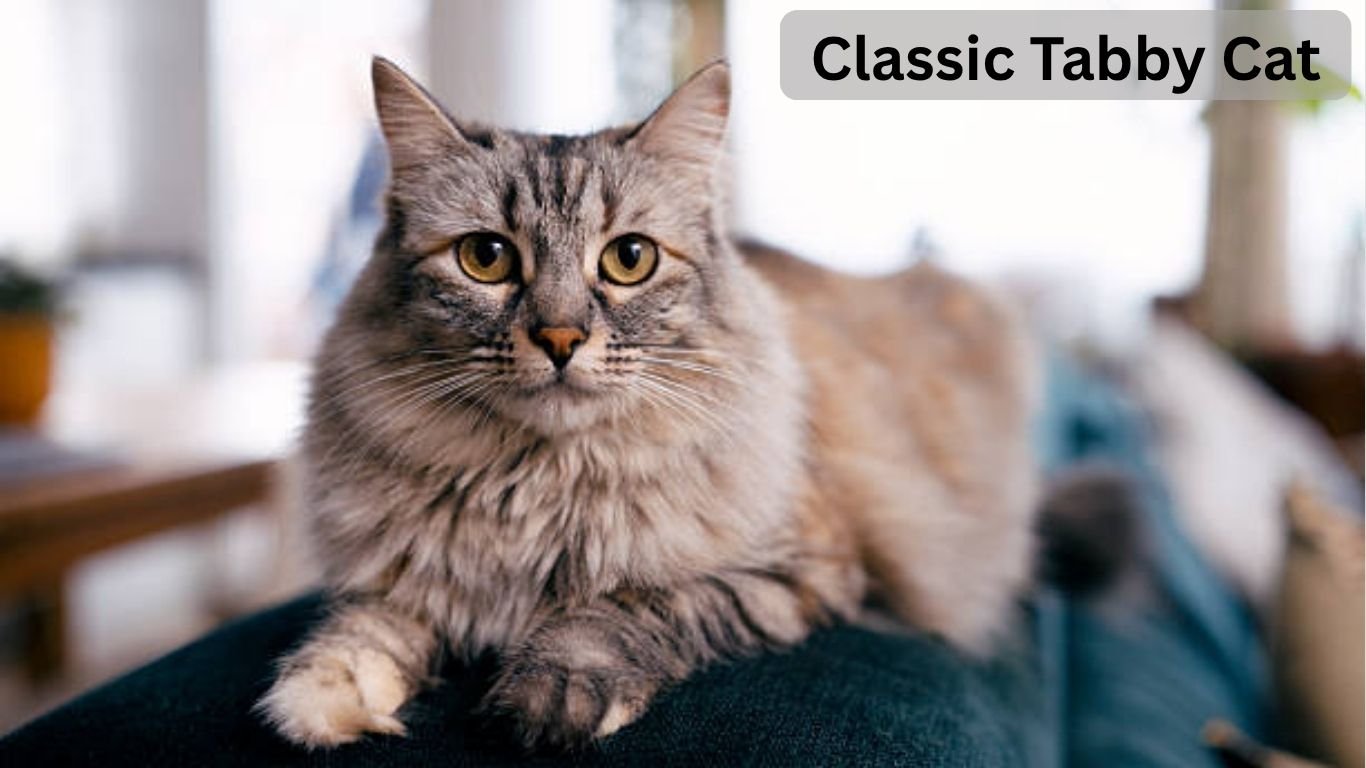
Classic tabby cats are admired for their bold swirls, striking coat patterns, and charming personalities. Their distinctive appearance has made them one of the most recognizable cats worldwide. Although many people think “classic tabby” refers to a breed, it actually describes a coat pattern found in several cat breeds. From their famous bullseye markings to their affectionate nature, classic tabby cats continue to attract cat lovers looking for beauty, intelligence, and companionship in one lovable feline.
What Is a Classic Tabby Cat?
A classic tabby cat is a feline with a specific coat pattern known for large swirling markings and marbled designs along the body. This pattern is different from the narrow stripes seen on mackerel tabbies. The classic tabby pattern can appear in both mixed-breed cats and purebred cats, making it one of the most widespread coat styles in the feline world.
The pattern is often called a “blotched tabby” because the markings appear thick, curved, and connected in circular shapes. Most classic tabbies also have a dark line running along the spine and the familiar “M” marking on the forehead.
Main Features of a Classic Tabby
- Large swirling or marbled body markings
- Bullseye-shaped patterns on the sides
- Dark stripes along the back and legs
- Distinct “M” marking on the forehead
- Thick and bold coat contrasts
Common Coat Colors
Classic tabby cats appear in many beautiful color combinations. Some shades are more common in certain breeds, while others are highly valued for their unique appearance.
- Brown classic tabby
- Silver classic tabby
- Orange or red classic tabby
- Blue classic tabby
- Cream classic tabby
The Genetics Behind the Classic Tabby Pattern
The classic tabby pattern is created through inherited genetic traits that influence how pigment appears on a cat’s coat. Specific genes determine whether a cat develops stripes, swirls, spots, or ticked fur patterns. In classic tabbies, recessive genes produce the bold marbled appearance that distinguishes them from other tabby variations.
Selective breeding has helped strengthen these patterns in many cat breeds over time. Breeders often pair cats with strong tabby markings to produce kittens with clearer swirls and darker contrasts. Although genetics control the coat design, environmental factors and age can slightly affect how vivid the markings appear throughout a cat’s life.
The tabby pattern itself is ancient and has existed in domestic cats for centuries. Researchers believe tabby markings developed naturally because they provided camouflage for wild ancestors. Even today, the classic tabby pattern still resembles the protective coat markings seen in wild feline species.
Classic Tabby vs Other Tabby Patterns
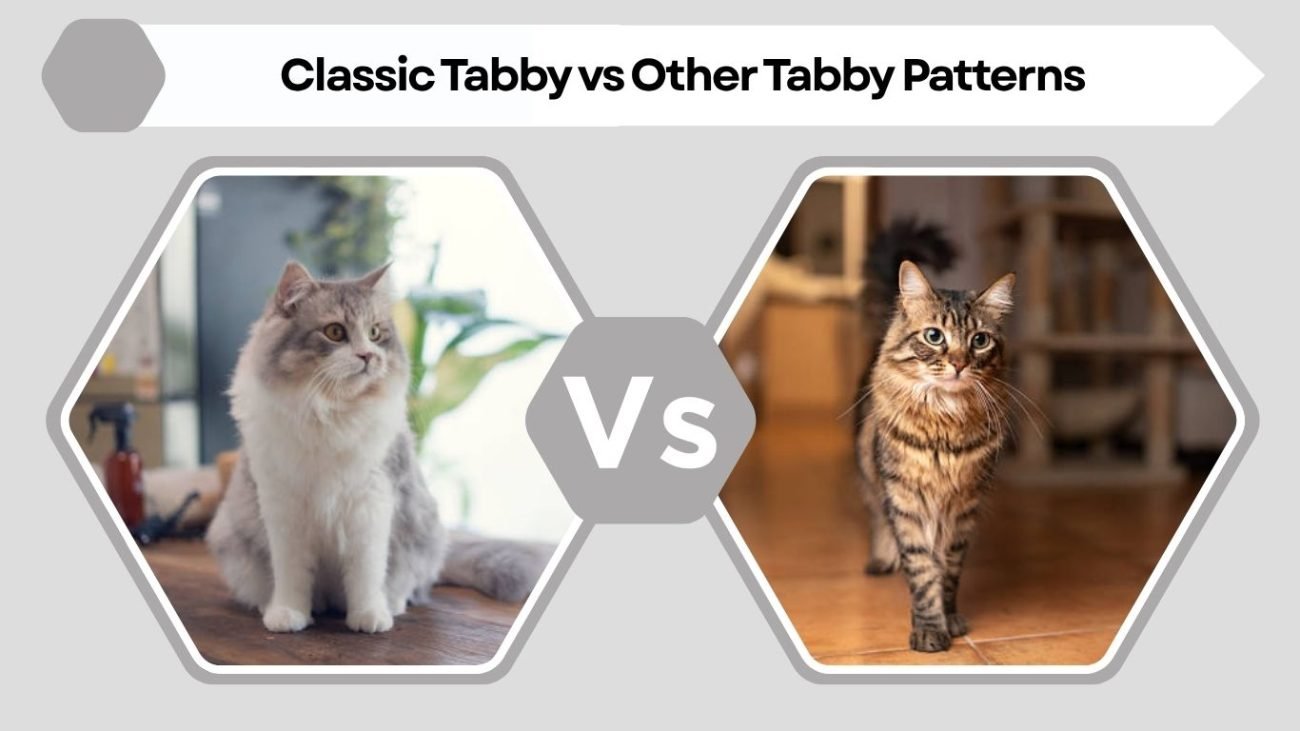
Many people confuse classic tabbies with other tabby types because all tabbies share certain features, such as forehead markings and striped legs. However, the body pattern clearly separates the classic tabby from the rest.
Classic Tabby vs Mackerel Tabby
The mackerel tabby has narrow vertical stripes that resemble a fish skeleton. In contrast, the classic tabby displays thick swirling patterns and circular shapes across the body. Mackerel tabbies usually appear more striped, while classic tabbies have a marbled appearance.
Classic Tabby vs Spotted Tabby
Spotted tabbies feature broken stripes that form small spots along the sides and back. Classic tabbies do not have separated spots. Instead, their markings create connected swirls and bold curved patterns.
Classic Tabby vs Ticked Tabby
Ticked tabbies have very few visible body stripes because each individual hair contains bands of color. Their coats appear smoother and more evenly blended. Classic tabbies are much bolder and easier to identify because of their dramatic markings.
Cat Breeds Commonly Found With Classic Tabby Patterns
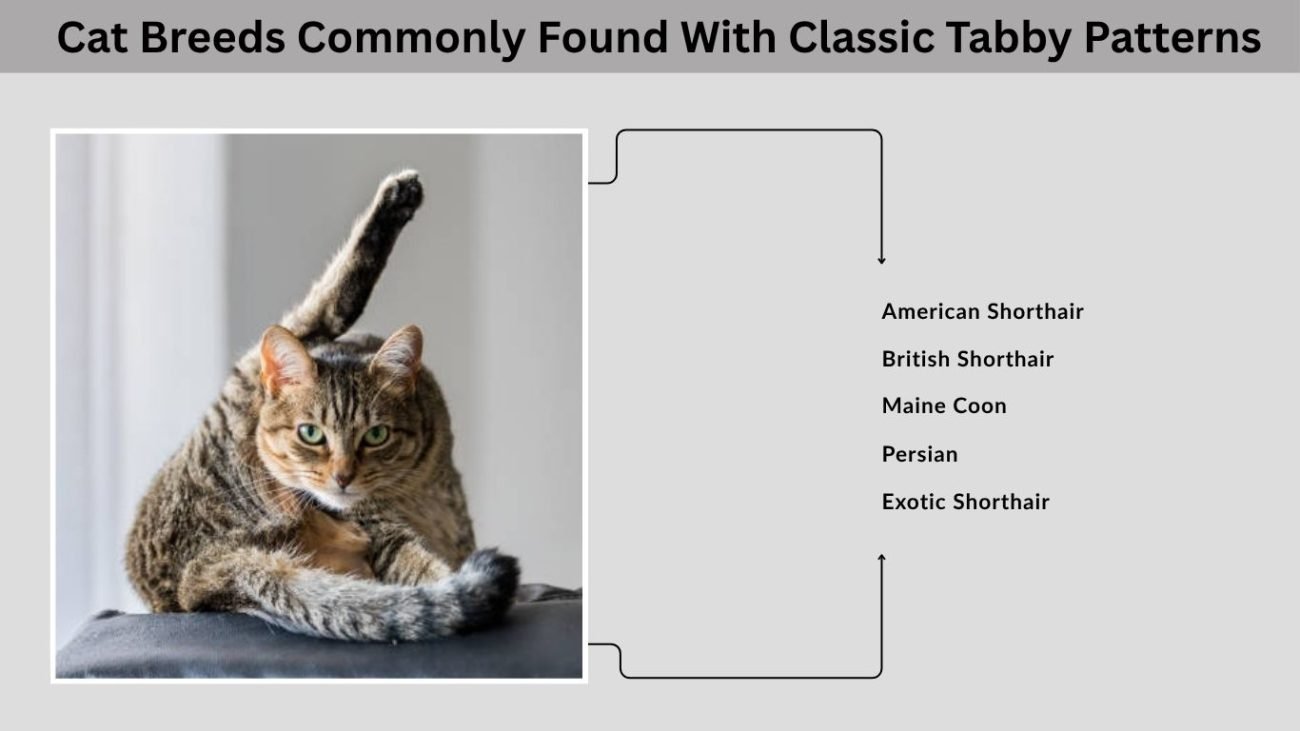
Several popular cat breeds can display the classic tabby coat pattern. In some breeds, the pattern is extremely common and even considered a preferred appearance in cat shows.
Popular Breeds With Classic Tabby Markings
- American Shorthair
- British Shorthair
- Maine Coon
- Persian
- Exotic Shorthair
- Norwegian Forest Cat
These breeds may have short or long fur, but the swirling tabby pattern often remains clearly visible regardless of coat length. Long-haired breeds may show softer and more blended swirls, while short-haired breeds usually display sharper contrasts.
Personality Traits of Classic Tabby Cats
Classic tabby cats are often described as friendly, curious, and playful companions. While coat patterns do not directly determine behavior, many owners associate tabby cats with outgoing personalities and affectionate habits. Their intelligence and adaptability make them excellent pets for families, singles, and multi-pet households.
Many classic tabbies enjoy interactive toys, climbing structures, and spending time near their owners. They tend to adapt well to indoor living and usually form strong bonds with humans. Early socialization and proper care also play an important role in shaping a cat’s personality and confidence.
Some classic tabbies are highly energetic and enjoy active play sessions, while others prefer quiet relaxation around the home. Their behavior often depends more on breed background, training, and environment than coat markings alone.
Caring for a Classic Tabby Cat
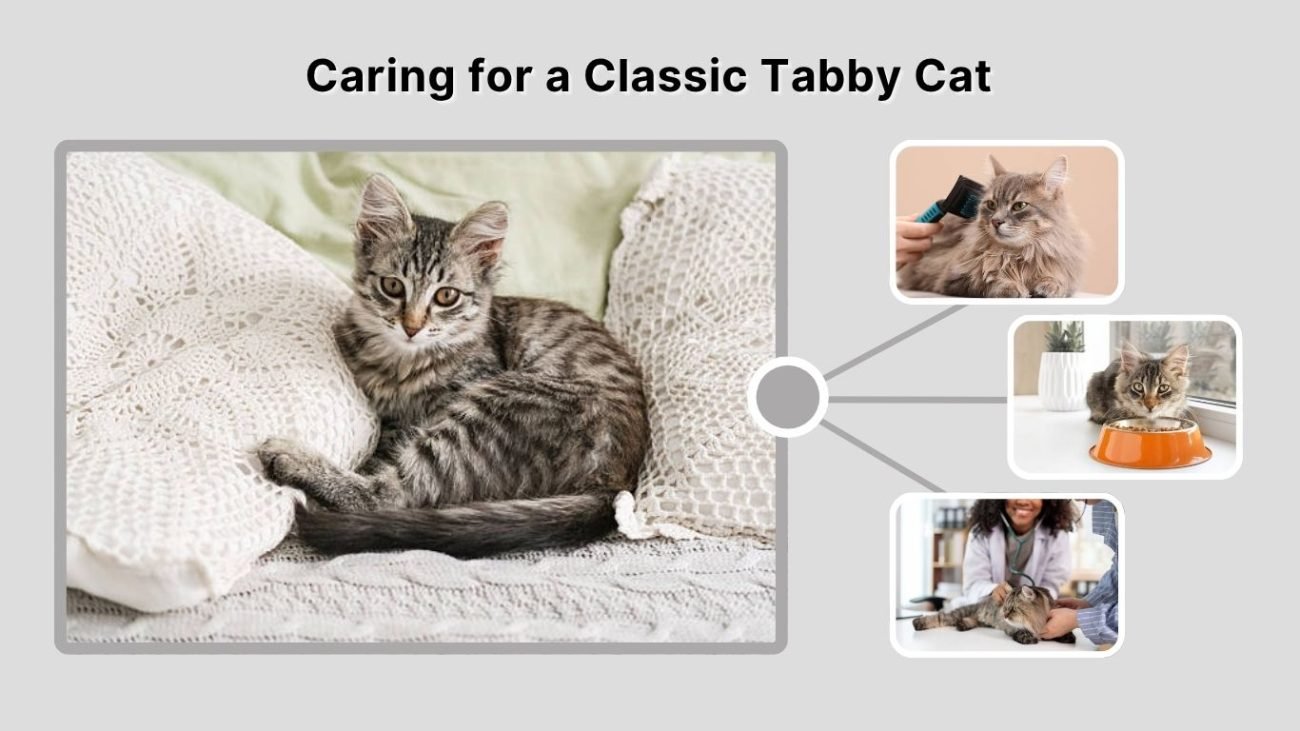
Proper care helps classic tabby cats stay healthy, active, and comfortable throughout their lives. Their grooming, nutrition, and exercise needs depend more on breed and coat length than on the tabby pattern itself. Long-haired classic tabbies may require more brushing, while short-haired cats are usually easier to maintain.
A balanced diet is essential for maintaining healthy skin and a shiny coat. High-quality cat food with proper protein levels supports muscle development and energy. Fresh water should always be available because hydration plays a major role in overall feline health.
Regular exercise is equally important. Interactive toys, climbing trees, and scratching posts provide mental stimulation and help prevent boredom. Cats that remain active are less likely to develop obesity-related health problems later in life.
Basic Care Tips
- Brush the coat regularly to reduce shedding
- Provide nutritious, protein-rich food
- Keep fresh water available at all times
- Schedule routine veterinary checkups
- Use toys and climbing spaces for enrichment
Indoor vs Outdoor Living
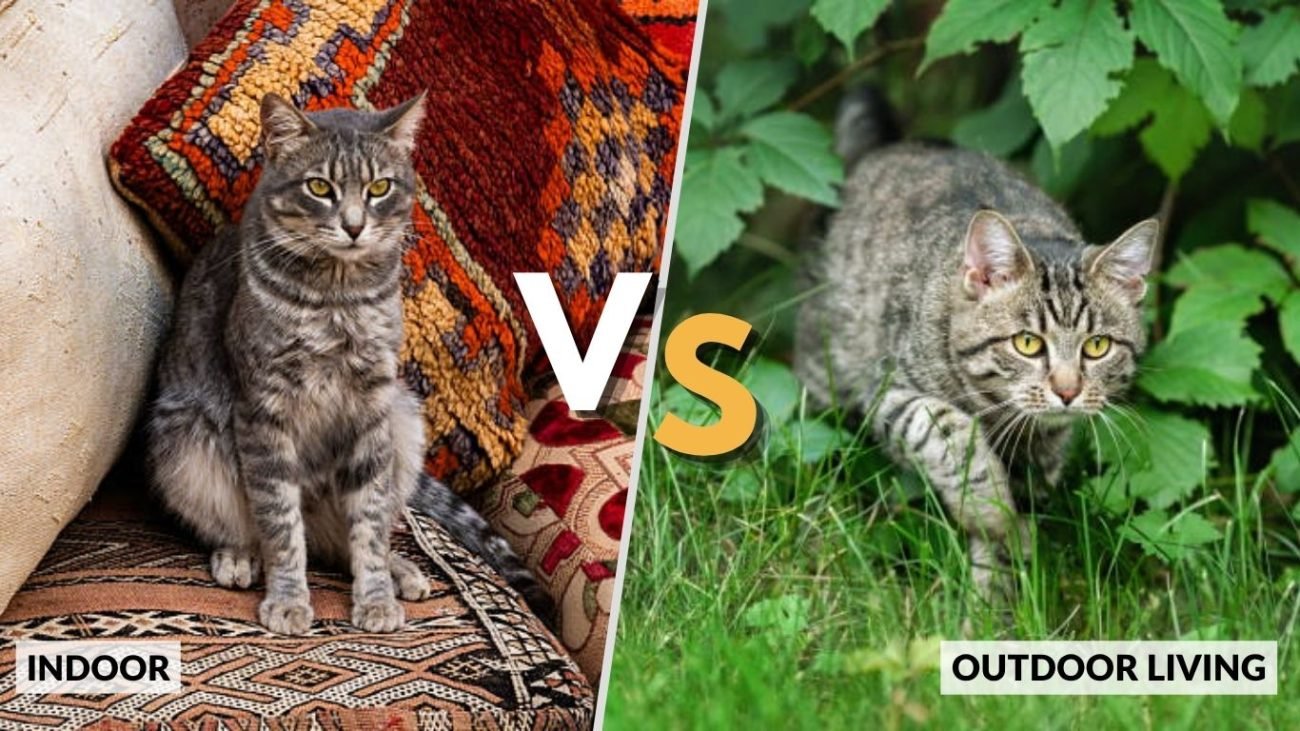
Classic tabby cats can thrive as indoor pets, outdoor cats, or a combination of both depending on their environment and supervision. Indoor living is generally considered safer because it protects cats from traffic, predators, diseases, and harsh weather conditions.
Outdoor cats may enjoy greater freedom and natural stimulation, but they also face increased risks. Many owners choose supervised outdoor activities or enclosed cat patios to provide fresh air without exposing their pets to unnecessary danger.
Indoor cats benefit greatly from environmental enrichment. Window perches, scratching posts, puzzle feeders, and interactive games help prevent boredom and encourage natural feline behaviors. Keeping a cat mentally stimulated is just as important as physical activity.
Common Health Concerns
Classic tabby cats are not linked to one specific health condition because the pattern appears in many breeds. However, they can still experience common feline health problems that affect domestic cats in general.
Health Issues Owners Should Watch For
- Obesity from overeating or inactivity
- Dental disease and gum infections
- Hairballs in long-haired breeds
- Joint problems in older cats
- Breed-specific inherited conditions
Routine veterinary visits help detect potential issues early. Vaccinations, parasite prevention, and dental care all contribute to a healthier and longer life for classic tabby cats.
How to Identify a True Classic Tabby Pattern
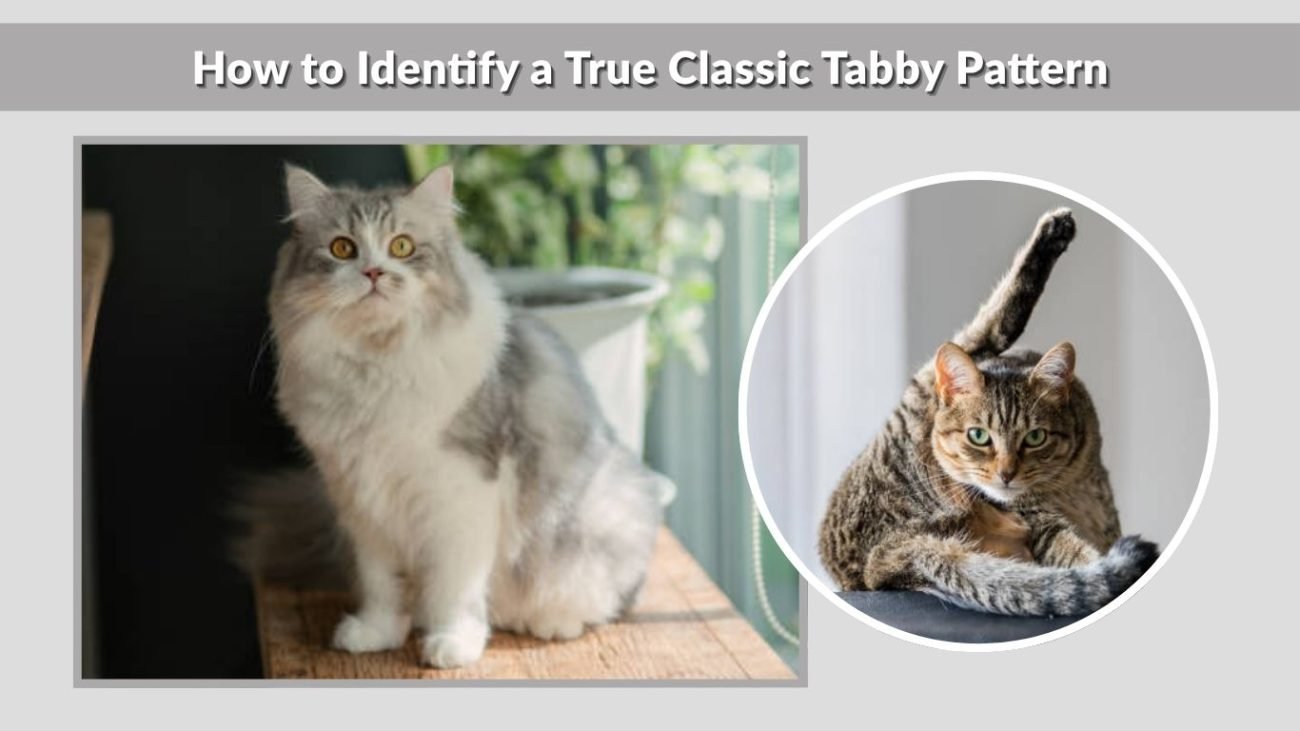
Identifying a classic tabby pattern becomes easier once you know what features to examine. The coat should display bold swirls instead of narrow stripes. Many classic tabbies also have circular or target-like shapes on both sides of the body.
The shoulder area often contains markings that resemble a butterfly shape, while the tail and legs usually have dark bands. The forehead nearly always displays the famous “M” marking shared by all tabby cats.
Cats with strong contrast between their base color and markings tend to show the classic pattern most clearly. In some long-haired breeds, the swirls may appear softer because of thick fur, but the circular design remains visible.
Are Classic Tabby Cats Rare?
Classic tabby cats are not considered rare because the pattern appears in many domestic and purebred cats worldwide. However, certain color combinations and breed pairings may be more difficult to find than others.
Silver classic tabbies and highly defined marbled coats are often especially popular among cat enthusiasts. Show-quality cats with symmetrical markings may also have higher value through professional breeders.
Animal shelters frequently have tabby cats available for adoption, making them one of the easiest and most affordable cat types to find. Many mixed-breed shelter cats display beautiful classic tabby patterns that are just as striking as those seen in purebred cats.
Conclusion
Classic tabby cats remain one of the most admired feline patterns because of their bold swirls, distinctive markings, and wide variety of coat colors. Their marbled appearance sets them apart from other tabby types and gives them a unique visual charm that cat lovers instantly recognize.
Whether found in a mixed-breed rescue cat or a pedigreed show cat, the classic tabby pattern continues to capture attention around the world. With proper care, regular veterinary visits, and a loving environment, these beautiful cats can become loyal and affectionate companions for many years.
FAQs
Is a classic tabby cat a specific breed?
No, a classic tabby is a coat pattern rather than a breed. The pattern can appear in many different cat breeds as well as mixed-breed domestic cats.
What makes a classic tabby different from other tabbies?
Classic tabbies have bold swirling or marbled markings instead of narrow vertical stripes. Their sides often display circular patterns that resemble a bullseye.
Are classic tabby cats good family pets?
Many classic tabby cats are affectionate, playful, and adaptable. Their personality depends more on breed, upbringing, and socialization than on coat pattern alone.
Do classic tabby cats need special grooming?
Grooming needs depend on coat length. Short-haired tabbies usually require weekly brushing, while long-haired cats may need more frequent grooming to prevent tangles.
Can classic tabby cats live indoors only?
Yes, classic tabby cats can live happily indoors when provided with toys, scratching posts, climbing areas, and regular interaction to keep them mentally and physically active.