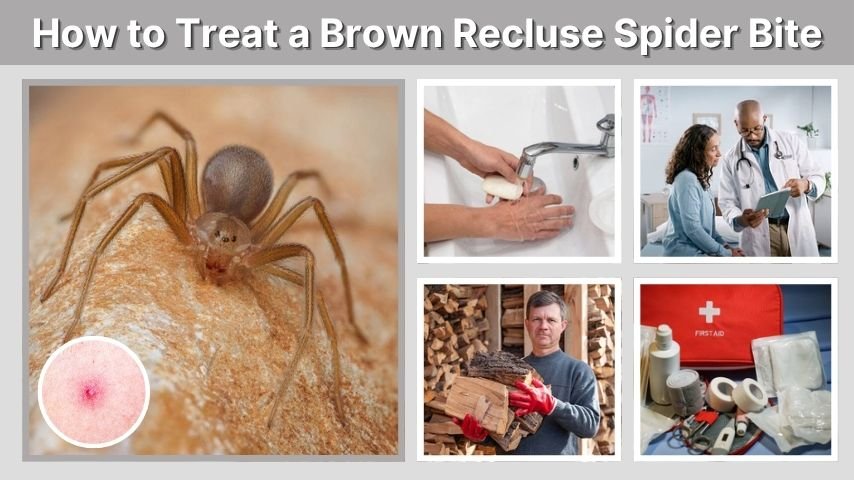
A brown recluse spider bite should be treated carefully because some bites can damage the skin and take a long time to heal. Many suspected bites turn out to be other skin problems, but you should still act quickly if you think a brown recluse bit you. The safest approach is to clean the bite, reduce swelling, watch symptoms closely, and get medical help if the wound worsens or you feel sick.
Step 1: Stay Calm and Move Away From the Spider
The first step is to avoid another bite. Brown recluse spiders are not aggressive, but they may bite when trapped against the skin, clothing, bedding, shoes, or stored items. Move away from the area and avoid touching the spider with bare hands.
If you can safely take a photo of the spider, do so. A clear photo may help a doctor identify it. Do not risk another bite trying to catch it. If the spider is already dead or safely trapped in a container, you may bring it for identification, but this is not required.
Why Identification Matters
Brown recluse bites are often misdiagnosed because many skin infections, boils, allergic reactions, and other insect bites can look similar. If a doctor can identify the spider, treatment decisions may be easier. Still, treatment should be based on your symptoms, not only on whether you saw a spider.
Step 2: Wash the Bite With Soap and Water
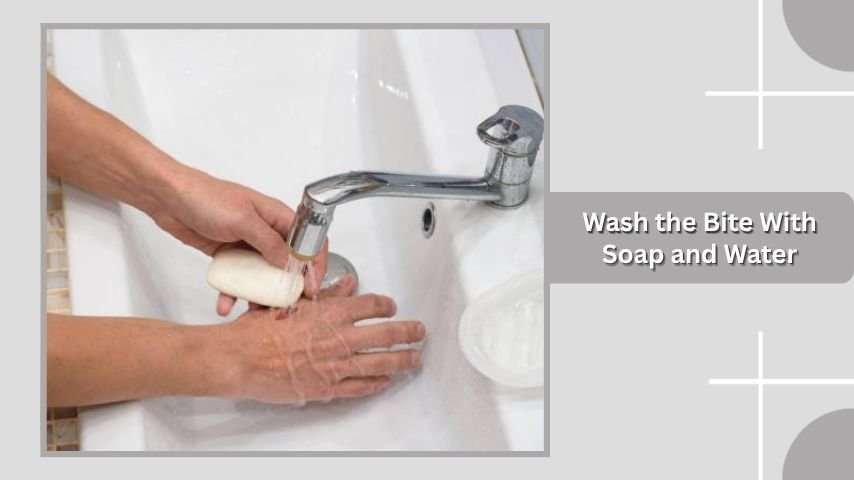
Clean the bite as soon as possible. Use mild soap and running water. Gently wash around the bite without scrubbing hard. Pat the area dry with a clean towel.
Cleaning helps reduce bacteria on the skin and lowers the chance of infection. It will not remove all venom, but it is an important first-aid step. Avoid using harsh chemicals such as bleach, strong alcohol, or hydrogen peroxide repeatedly, as these can irritate the skin and slow healing.
What Not to Do While Cleaning
Do not cut the bite open. Do not squeeze it. Do not try to suck out venom. These methods do not help and can make the wound worse. A brown recluse bite needs gentle care, not aggressive home treatment.
Step 3: Apply a Cool Compress
After washing the bite, apply a cool compress. Wrap ice or a cold pack in a clean cloth and place it on the bite area for about 10 to 15 minutes at a time. Repeat as needed, allowing breaks between applications.
Cold therapy may help reduce pain, swelling, and inflammation. Never place ice directly on the skin, because direct ice contact can damage tissue, especially if the bite area is already irritated.
Simple Cooling Method
Use this approach:
- Wrap ice in a towel or use a cool damp cloth.
- Apply it for 10 to 15 minutes.
- Remove it and let the skin rest.
- Repeat several times during the first day if needed.
If cooling increases pain or the skin becomes numb, stop and let the area warm naturally.
Step 4: Elevate the Bitten Area
If the bite is on an arm or leg, keep the area elevated when possible. Elevation may help reduce swelling and throbbing. For example, if the bite is on your hand, rest your arm on pillows. If it is on your ankle or foot, lie down and raise your leg.
Elevation is especially useful during the first 24 hours. It is not a cure, but it can make symptoms easier to manage while you monitor the bite.
Step 5: Protect the Skin With a Clean Bandage
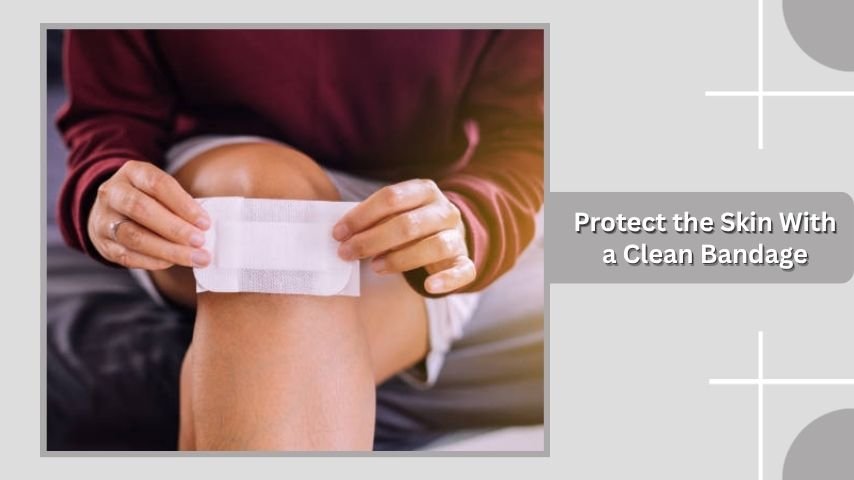
If the skin is irritated, blistered, or open, cover it with a clean, dry bandage. Change the bandage daily or sooner if it becomes wet or dirty. Wash your hands before and after touching the bite.
A covered wound is less likely to be scratched or contaminated. If the bite is closed and mild, a bandage may not be necessary, but it can still protect the area from rubbing against clothing.
Bandage Tips
Keep the dressing simple:
- Use clean gauze or a nonstick pad.
- Avoid wrapping too tightly.
- Change the bandage regularly.
- Watch for drainage, odor, or spreading redness.
If the wound begins leaking pus or has a bad smell, contact a healthcare provider.
Step 6: Track Changes With Photos
Take a clear photo of the bite after cleaning it. Take another photo every few hours during the first day, then daily if symptoms continue. This helps you see whether the bite is improving or getting worse.
You can also lightly mark the edge of redness with a pen. If redness spreads beyond the mark, that may be a sign the reaction is getting worse or an infection is developing.
Step 7: Use Pain Relief Carefully
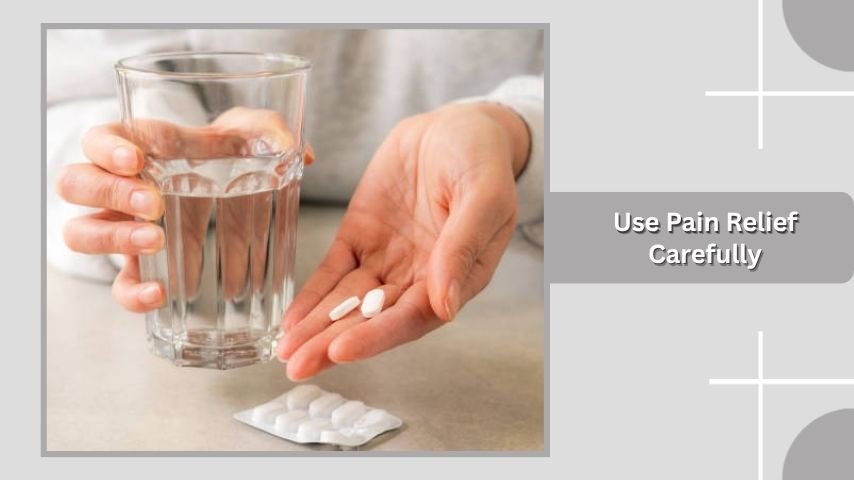
A brown recluse bite may hurt more several hours after the bite. Over-the-counter pain relievers may help, but you should follow the label and avoid medicines that are not safe for you.
Some people use acetaminophen or ibuprofen for discomfort. People with kidney disease, stomach ulcers, blood-thinning medication, liver disease, pregnancy, or other health conditions should ask a medical professional before taking pain relievers.
Do Brown Recluse Bites Hurt Right Away?
Not always. Some people feel little or no pain at first. Pain, burning, itching, or tenderness may develop later. Worsening pain is one reason to take the bite seriously.
Step 8: Do Not Rely on Natural Remedies Alone
Many people search for natural ways to treat a brown recluse spider bite, but natural remedies should not replace medical care. A mild bite may improve with cleaning, cooling, and rest, but a worsening bite needs professional evaluation.
Avoid applying strong essential oils, baking soda paste, mud, tobacco, bleach, or other harsh substances to the bite. These can irritate the skin and may increase infection risk. Aloe vera or a gentle moisturizer may soothe nearby irritated skin, but do not put products into an open wound unless a healthcare provider says it is safe.
Safe Home Care vs Risky Home Care
| Home Care Choice | Safer or Risky? | Why It Matters |
|---|---|---|
| Washing with soap and water | Safer | Helps reduce bacteria |
| Cool compress | Safer | May reduce pain and swelling |
| Elevating the area | Safer | May reduce swelling |
| Cutting the bite open | Risky | Can worsen tissue damage |
| Squeezing the wound | Risky | Can irritate tissue and spread bacteria |
| Harsh chemicals | Risky | May delay healing |
| Waiting despite worsening symptoms | Risky | Serious bites need medical care |
Home care is only appropriate when symptoms are mild and improving.
Step 9: Know When to Call a Doctor

You should contact a doctor if you suspect a brown recluse bite, especially if symptoms are more than mild. Early guidance is helpful because the bite can change over time. Some wounds worsen after the first few hours.
Get medical advice if you notice increasing pain, spreading redness, blistering, dark discoloration, an open sore, fever, chills, nausea, vomiting, muscle aches, weakness, or red streaks from the wound.
Seek Urgent Care If Symptoms Are Severe
Go to urgent care or emergency care if:
- The bite is rapidly getting worse.
- The center turns blue, purple, black, or sunken.
- A blister grows or breaks open.
- You develop fever, chills, vomiting, or severe body aches.
- The bite is on the face, hand, genitals, or near a joint.
- The person bitten is a child, older adult, pregnant, or medically fragile.
- There are signs of an allergic reaction, such as trouble breathing or swelling of the lips or throat.
A serious brown recluse bite can require wound care and monitoring. Do not wait for the wound to become severe before asking for help.
Step 10: Understand How Doctors Treat Brown Recluse Bites
Doctors treat brown recluse bites based on symptoms. There is no single instant cure that works for every bite. Treatment may include wound cleaning, pain control, monitoring, tetanus protection, and treatment for infection if one develops.
A healthcare provider may examine the bite, ask when symptoms started, check for fever, and decide whether the wound looks infected or necrotic. If the bite is mild, they may recommend continued home care and follow-up. If the wound is worsening, they may provide more advanced care.
Medical Treatments May Include
Doctors may use:
- Professional wound cleaning
- Pain relievers
- Anti-inflammatory medicine when appropriate
- Tetanus booster if needed
- Antibiotics if there is bacterial infection
- Special wound dressings
- Follow-up visits to monitor healing
- Referral to wound care for severe ulcers
Surgery is not usually the first treatment. If tissue damage occurs, doctors often wait until the wound is clearly defined before considering removal of dead tissue. Early cutting can sometimes make the injury worse.
What Antibiotics Treat Brown Recluse Spider Bites?
Antibiotics do not treat the venom itself. They are used only if there is a bacterial infection or a strong concern for infection. A doctor decides which antibiotic is appropriate based on the wound, symptoms, allergy history, and local infection risks.
Do not take leftover antibiotics or someone else’s prescription. Penicillin or any other antibiotic should not be used unless a healthcare provider recommends it. Taking the wrong antibiotic may not help and can cause side effects or resistance.
Should Clobetasol Be Used for a Brown Recluse Bite?
Clobetasol is a strong prescription steroid cream. It should not be used on a suspected brown recluse bite unless a healthcare provider specifically tells you to use it. Strong steroid creams can be inappropriate for infected or open wounds and may delay proper treatment.
If the bite is itchy or inflamed, ask a doctor or pharmacist what is safe. Do not apply powerful prescription creams to a bite just because they are available at home.
Can You Treat a Brown Recluse Bite at Home?
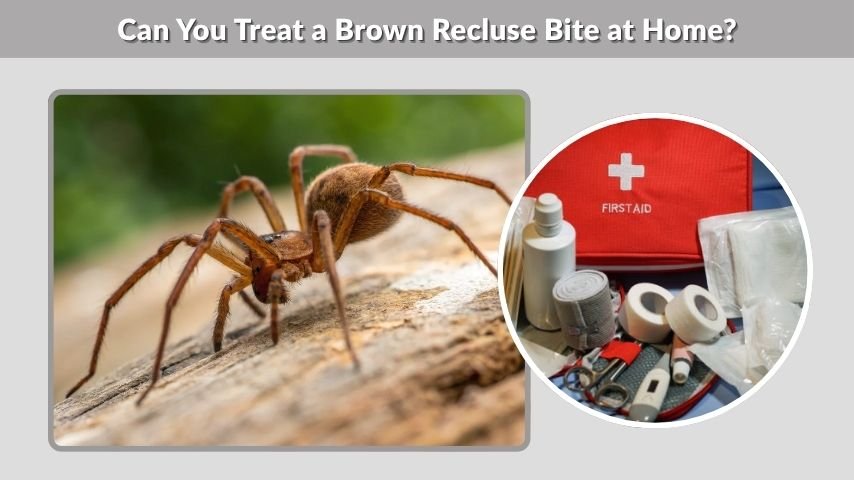
You may start treatment at home with first aid, but you should be cautious. Home care may be enough when the bite remains small, symptoms are mild, and the area improves over time. However, suspected brown recluse bites deserve close monitoring.
Home care is not enough if the bite grows, darkens, blisters, opens, becomes very painful, or causes fever or body-wide symptoms. In those cases, medical evaluation is the safer choice.
How Long Does Treatment Take?
Healing time depends on the severity of the bite. A mild bite may improve within a few days and heal in one to two weeks. A more serious brown recluse bite can take several weeks or even months to heal, especially if it forms an ulcer or damages deeper skin.
A slow-healing wound should be monitored by a healthcare provider. Proper wound care can reduce complications and scarring.
How to Treat a Brown Recluse Spider Bite on a Dog
Dogs can also be bitten by brown recluse spiders. Signs may include swelling, pain, licking at the area, redness, a blister, tiredness, fever, or a wound that becomes dark or open. Because pets cannot explain symptoms, it is best to call a veterinarian if you suspect a bite.
Do not give human pain medicine to a dog unless a veterinarian tells you to. Some common human medications are dangerous or deadly for pets. Keep the dog from licking or scratching the bite and follow your vet’s instructions.
How to Treat a Brown Recluse Infestation in the House
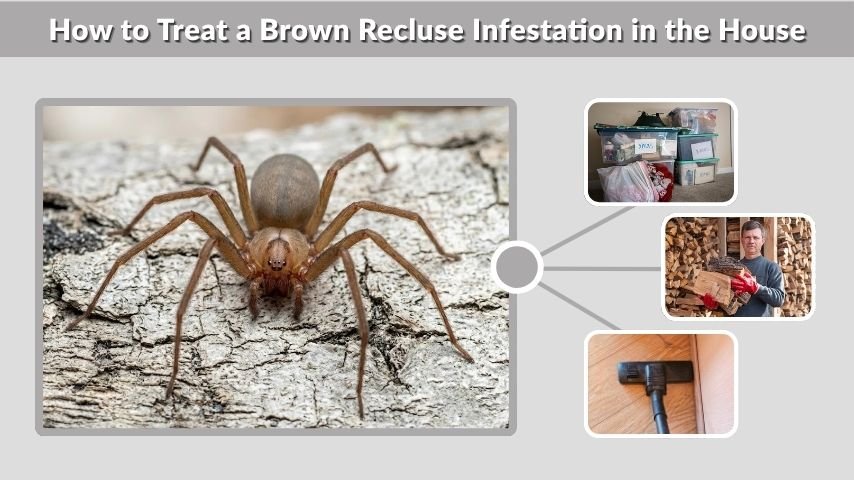
Treating the bite is only part of the problem if brown recluse spiders are in your home. You also need to reduce hiding places and prevent future contact.
Home Prevention Steps
To lower the risk of more bites:
- Shake out shoes, clothing, gloves, and towels before use.
- Keep clothes and bedding off the floor.
- Store items in sealed plastic bins instead of cardboard boxes.
- Reduce clutter in closets, garages, attics, and basements.
- Wear gloves when moving stored items or firewood.
- Seal cracks around doors, windows, baseboards, and utility openings.
- Vacuum corners, under furniture, and storage areas.
- Move beds away from walls if spiders are a concern.
If you find many brown recluse spiders, contact a licensed pest control professional. Brown recluse infestations can be difficult to manage without a targeted plan.
Common Mistakes to Avoid
A brown recluse bite can become worse if it is handled the wrong way. Avoid these common mistakes:
- Ignoring a bite that is getting worse
- Scratching the area
- Cutting or squeezing the wound
- Using harsh chemicals
- Taking random antibiotics
- Applying strong prescription creams without advice
- Waiting too long to seek medical care
- Assuming every skin sore is a spider bite
The safest treatment plan is simple first aid followed by careful monitoring and medical help when needed.
FAQs
How do you treat a brown recluse spider bite right away?
Wash the bite with mild soap and water, apply a cool compress, elevate the area, and cover it with a clean bandage if needed. Take a photo and monitor changes. Contact a healthcare provider if pain, redness, blistering, discoloration, or body-wide symptoms develop.
Can a brown recluse bite be treated naturally?
Basic home care can help mild symptoms, but natural remedies should not replace medical care. Cleaning, cooling, rest, and elevation are safer than harsh home remedies. Avoid cutting the wound, squeezing it, or applying strong oils or chemicals. Seek medical help if the bite worsens.
How do doctors treat brown recluse spider bites?
Doctors may clean the wound, manage pain, update tetanus protection, monitor skin damage, prescribe antibiotics for infection, and recommend special dressings or wound care. Severe bites may need follow-up visits. Surgery is usually not the first step and depends on how the wound develops.
What antibiotics are used for brown recluse bites?
Antibiotics are only used when there is a bacterial infection or significant infection risk. They do not neutralize brown recluse venom. The right antibiotic depends on the wound and the patient’s medical history. Do not use penicillin or any leftover antibiotic without a doctor’s instruction.
When should I go to the hospital for a brown recluse bite?
Seek urgent care if the bite rapidly worsens, turns blue, purple, or black, forms a growing blister, becomes very painful, or causes fever, chills, vomiting, weakness, or muscle aches. Also get urgent care for bites on children, older adults, pregnant people, or medically fragile individuals.