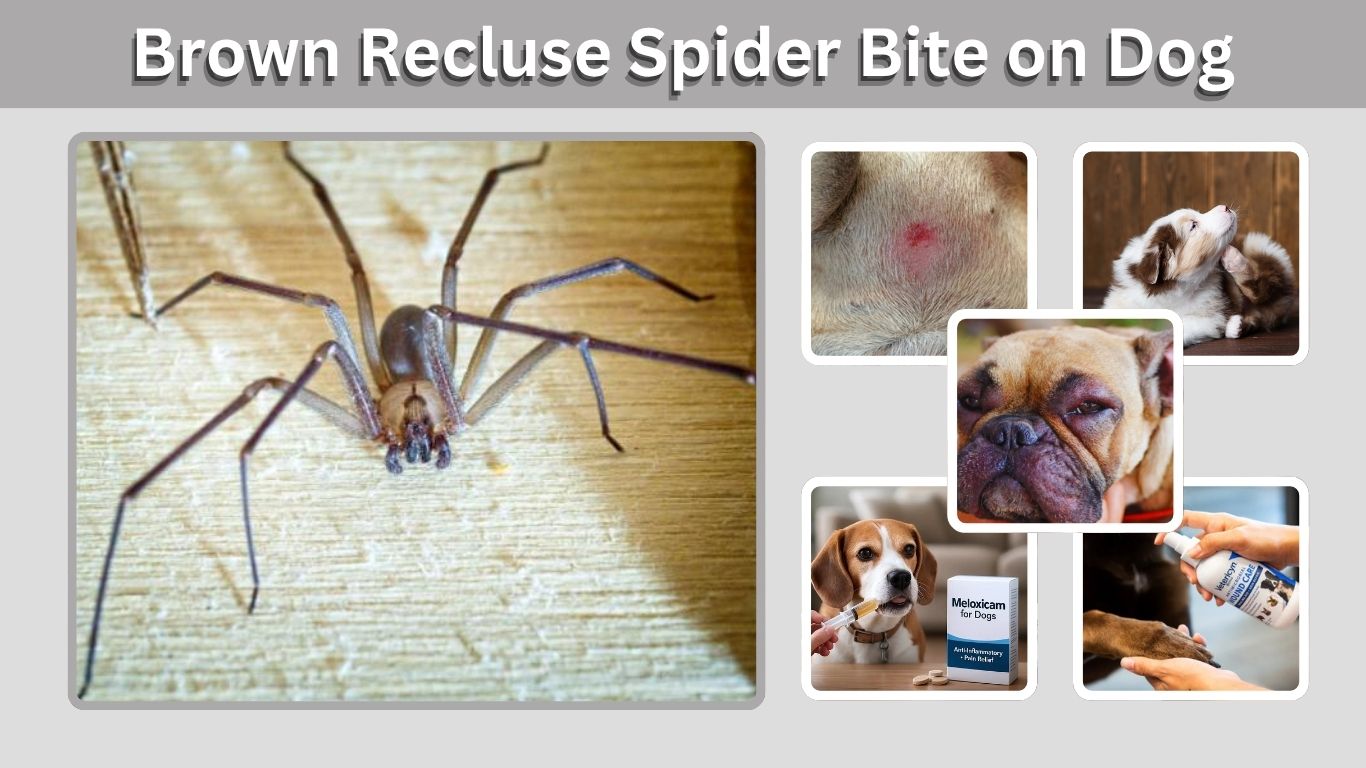
A brown recluse spider bite on a dog can be serious, especially if the bite causes swelling, pain, skin discoloration, or tissue damage. Some bites may look mild at first, but symptoms can worsen over the next 24 to 72 hours. If you suspect your dog was bitten by a brown recluse spider, contact a veterinarian as soon as possible. Early care can help reduce complications and protect your dog from infection, pain, and worsening skin injury.
What Is a Brown Recluse Spider Bite on a Dog?
A brown recluse spider bite happens when the spider injects venom into the dog’s skin. Brown recluse spiders are shy and usually bite only when trapped, stepped on, or pressed against the body. Dogs may be bitten when they sniff around dark corners, crawl spaces, garages, woodpiles, sheds, closets, or storage boxes.
The venom can damage small blood vessels and surrounding tissue. In some cases, this may lead to a painful wound, blister, dark skin, or an open sore. Not every bite becomes severe, but brown recluse bites should always be taken seriously in dogs.
What Does a Brown Recluse Spider Bite Look Like on a Dog?
A brown recluse spider bite on a dog may look like a small red bump at first. It can be hard to see under fur, especially on long-haired dogs. The bite may become more noticeable when the dog licks, chews, limps, or reacts painfully when the area is touched.
Possible signs on the skin include redness, swelling, tenderness, a small blister, bruising, a purple or black center, or an open sore. Some bites may look like a pimple, abscess, hot spot, tick bite, or infected wound. Because many skin problems look similar, a veterinarian should examine suspicious wounds.
Common Places Dogs Get Bitten
Dogs may get brown recluse bites on areas that touch the ground or explore hidden spaces. Common locations include:
- Paws
- Legs
- Nose
- Face
- Belly
- Ears
- Chest
- Groin area
A brown recluse spider bite on a dog’s paw may cause limping, licking, swelling, or reluctance to walk. A bite on the nose or face may cause visible swelling, pain, pawing at the face, or sudden sensitivity.
Brown Recluse Spider Bite Symptoms in Dogs
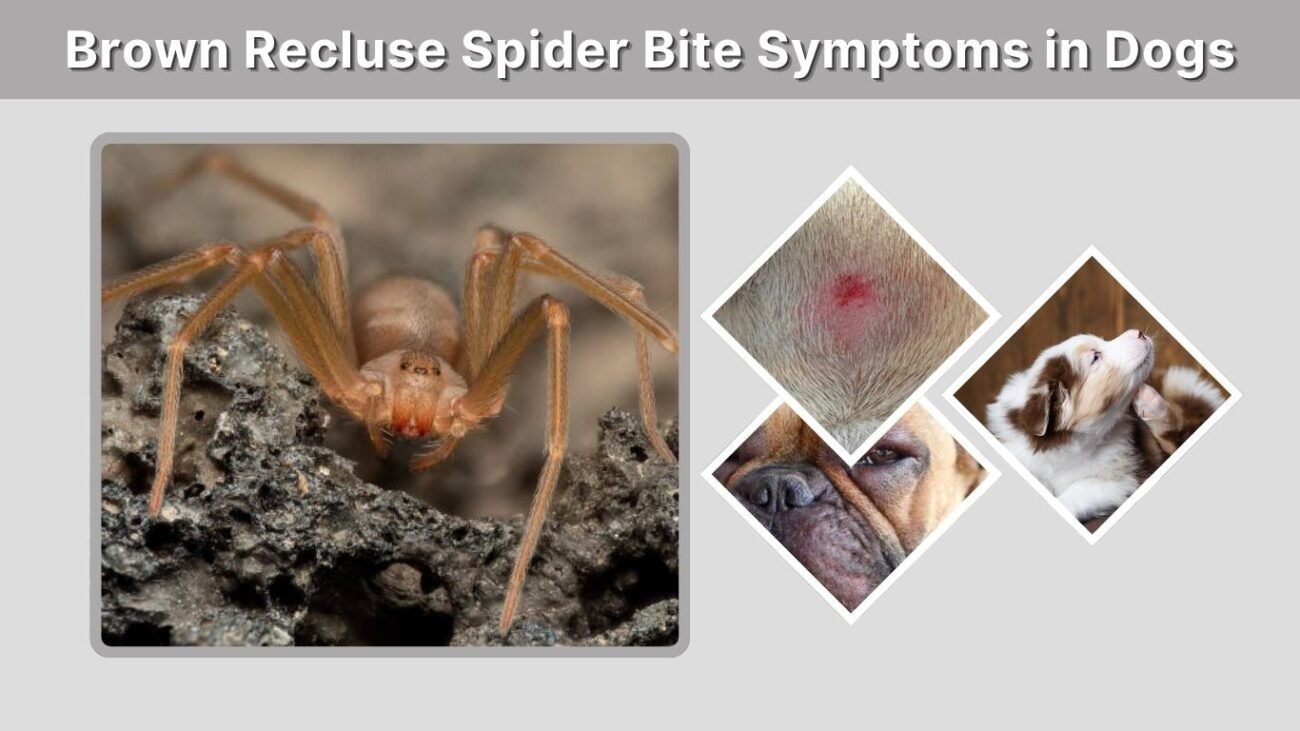
Symptoms can vary depending on the size of the dog, bite location, amount of venom, and how the dog’s body reacts. Small dogs may be more vulnerable to serious effects than large dogs.
Skin Symptoms
Local skin symptoms may include:
- Redness
- Swelling
- Pain
- Itching
- Warm skin
- Tenderness
- Blistering
- Bruising
- Dark purple or black skin
- Open wound
- Oozing or crusting
- Hair loss around the bite
Some dogs may lick or chew the bite area repeatedly. This can make the wound worse and increase the risk of infection.
Body-Wide Symptoms
A more serious bite may cause symptoms beyond the skin. Watch for:
- Fever
- Weakness
- Lethargy
- Vomiting
- Loss of appetite
- Shaking
- Restlessness
- Pale gums
- Dark urine
- Rapid breathing
- Collapse
If your dog shows body-wide symptoms, seek veterinary care immediately.
Brown Recluse Spider Bite Stages on Dogs
Brown recluse bite stages are not the same for every dog. Some bites remain mild, while others worsen over time. Still, many owners notice changes during the first few days.
| Time After Bite | Possible Signs on a Dog | What to Do |
|---|---|---|
| Day 1 | Red bump, mild swelling, licking, pain, or no obvious mark | Call your vet for advice and monitor closely |
| Day 2 | More swelling, tenderness, blistering, bruising, or color change | Veterinary exam is strongly recommended |
| Days 3–5 | Dark center, open sore, scab, drainage, or worsening pain | Urgent vet care may be needed |
| 1–2 weeks | Slow healing, skin loss, wound care needs, possible infection | Follow vet treatment plan |
| Several weeks | Healing wound, scar, or ongoing tissue repair | Recheck with vet if not improving |
A day 2 brown recluse spider bite on a dog can be especially concerning because this is when swelling, bruising, blistering, or skin darkening may become more obvious. If the bite looks worse on the second day, do not wait to see if it heals on its own.
Brown Recluse Spider Bite Pictures on Dogs: What to Know
Many people search for pictures of brown recluse spider bites on dogs to compare their pet’s wound. Pictures can be useful, but they can also be misleading. A true brown recluse bite can look like many other problems, including bacterial infection, abscess, allergic reaction, tick bite, burn, pressure sore, snake bite, or trauma.
Instead of relying only on photos, look at your dog’s behavior and how fast the wound is changing. If your dog is painful, limping, lethargic, feverish, vomiting, or developing a dark or open wound, contact a veterinarian.
Is a Brown Recluse Spider Bite Poisoning in Dogs?
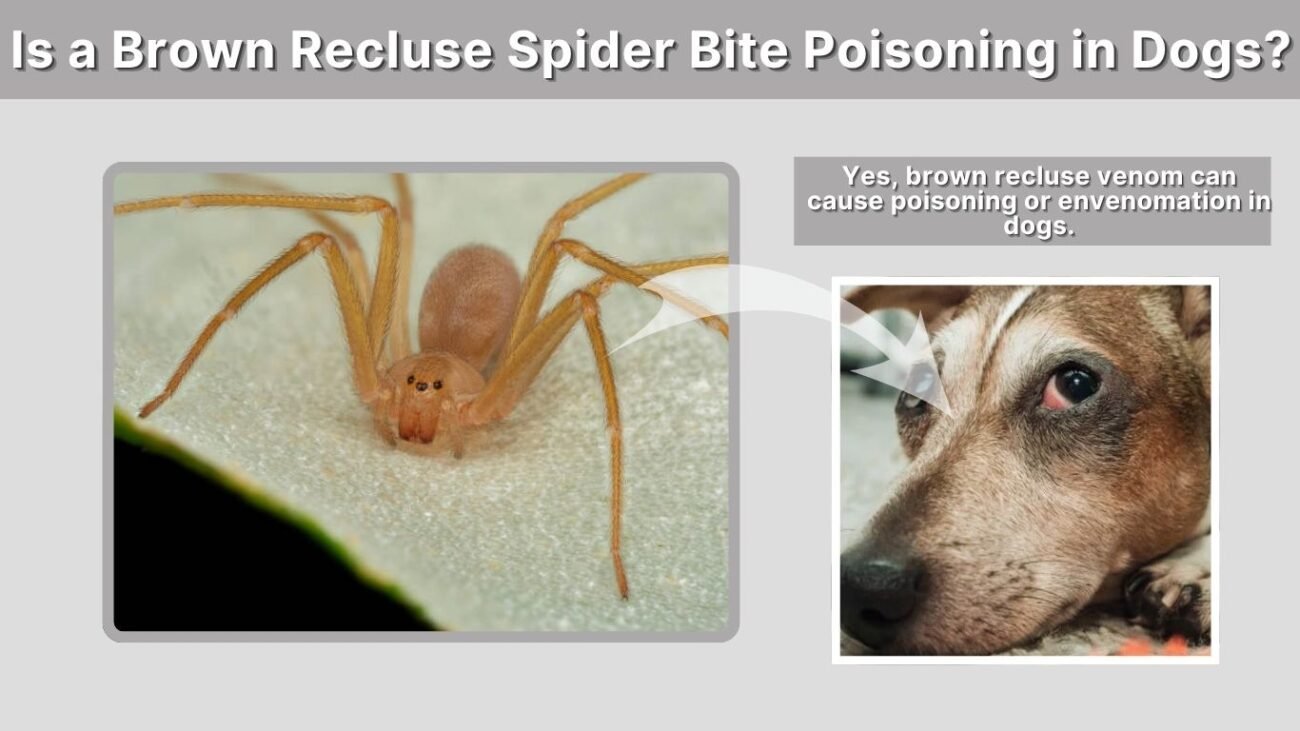
Yes, brown recluse venom can cause poisoning or envenomation in dogs. The venom is not just a surface irritation. It can affect tissue and, in more serious cases, the dog’s overall health.
The main concern is tissue injury around the bite. Some bites may also trigger inflammation, blood cell damage, or systemic illness. This is why a bite that seems small at first can become more serious later.
Can a Brown Recluse Spider Bite Kill a Dog?
It is possible but uncommon for a brown recluse spider bite to be fatal in dogs. The risk is higher for small dogs, puppies, elderly dogs, and dogs with existing health problems. Severe venom reactions, infection, tissue damage, anemia, or systemic illness can become dangerous if untreated.
Even if death is rare, a suspected bite should not be ignored. Early veterinary care gives your dog the best chance of a smooth recovery.
What to Do If a Brown Recluse Spider Bit Your Dog
If you think your dog was bitten, act quickly but calmly. Do not try risky home remedies. The goal is to reduce irritation, prevent your dog from making the wound worse, and get professional guidance.
Step 1: Move Your Dog Away From the Area
Take your dog away from the place where the bite may have happened. Check the area for spiders, webs, boxes, shoes, bedding, or clutter. Do not reach into dark spaces with bare hands.
If you safely see the spider, take a photo. Do not risk being bitten while trying to catch it.
Step 2: Check Your Dog’s Skin
Look closely at the area your dog is licking, favoring, or scratching. Part the fur gently. Check paws, between toes, legs, belly, face, nose, and ears.
Look for redness, swelling, tenderness, a blister, bruising, or a dark center. If your dog is in pain or snaps when touched, stop and call your vet.
Step 3: Call Your Veterinarian
A suspected brown recluse spider bite should be discussed with a veterinarian. Describe your dog’s size, symptoms, bite location, and when you first noticed the problem. Mention if your dog is vomiting, weak, feverish, limping, or not eating.
Your vet may advise an urgent visit, especially if the bite is on the face, paw, or near a joint.
Step 4: Clean the Area Gently
If your vet says it is okay and the wound is easy to access, gently clean the area with mild soap and water. Do not scrub hard. Pat dry with a clean towel.
Do not use hydrogen peroxide, alcohol, bleach, essential oils, or harsh chemicals. These can irritate tissue and may slow healing.
Step 5: Prevent Licking and Chewing
Dogs often make wounds worse by licking or chewing. Use an Elizabethan collar, soft cone, or recovery collar if needed. Keep the bite area clean and dry.
If the bite is on the paw, your vet may recommend a protective covering. Do not wrap the paw tightly unless your vet gives instructions, because tight bandages can cause swelling or circulation problems.
Step 6: Go to the Vet if Symptoms Worsen
If the bite becomes darker, larger, more painful, swollen, or open, your dog needs veterinary care. Also seek help if your dog develops vomiting, fever, weakness, pale gums, dark urine, shaking, or collapse.
Brown Recluse Spider Bite Treatment for Dogs
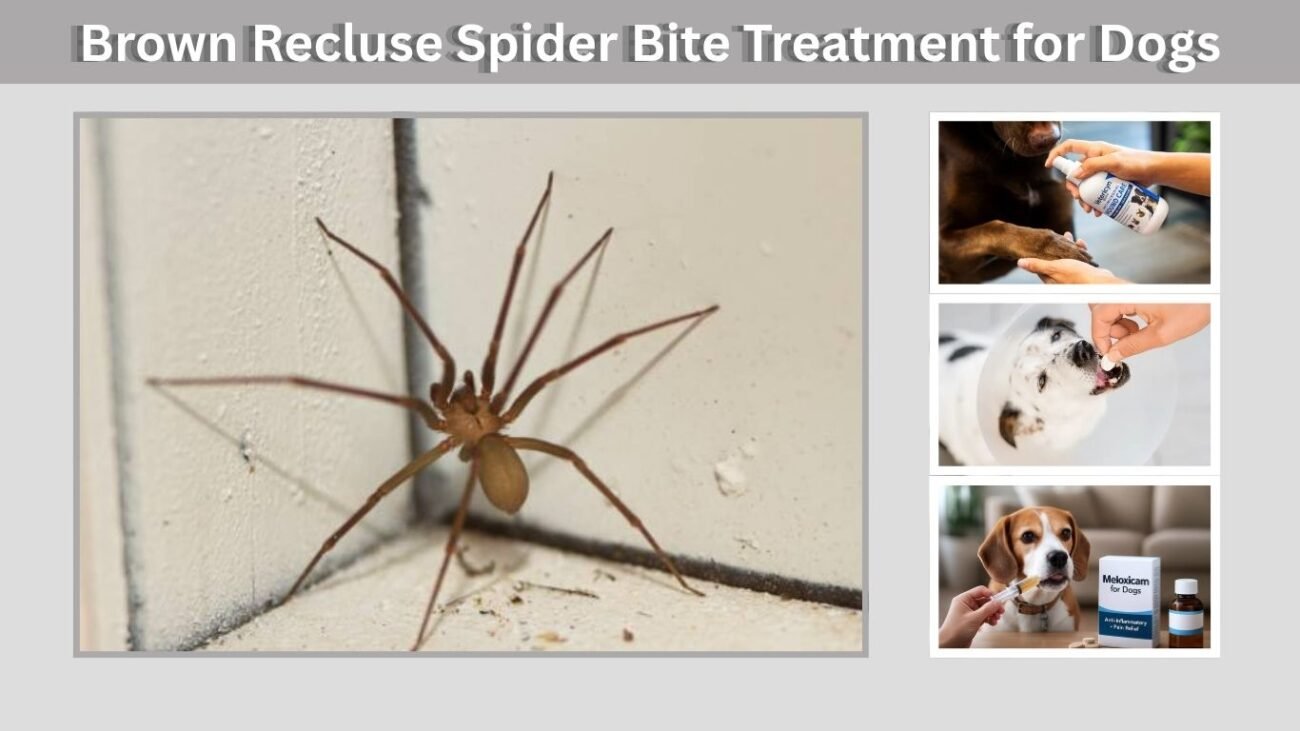
Veterinary treatment depends on the severity of the bite. There is no single home cure for a brown recluse bite. Treatment usually focuses on pain control, wound care, infection prevention, and monitoring for systemic effects.
A veterinarian may provide:
- Wound cleaning
- Pain medication
- Anti-inflammatory medication when appropriate
- Antibiotics if infection is present or likely
- Fluids if the dog is dehydrated or systemically ill
- Blood tests if systemic signs appear
- Bandaging or wound dressings
- Medication to reduce nausea or discomfort
- Follow-up wound checks
- Surgical care for severe dead tissue in some cases
Never give your dog human pain medicine unless your veterinarian specifically tells you to. Medicines such as ibuprofen, naproxen, and some doses of acetaminophen can be dangerous or deadly to dogs.
Can You Treat a Brown Recluse Spider Bite on a Dog at Home?
You can start basic supportive care at home only while contacting your vet. Home care may include keeping your dog calm, gently cleaning the area if advised, preventing licking, and watching symptoms closely.
Home treatment is not enough if the bite is painful, swollen, blistered, dark, open, spreading, or affecting your dog’s behavior. A brown recluse bite can worsen over time, so waiting too long may make treatment harder.
Brown Recluse Bite on Dog Paw
A bite on the paw can be painful because dogs put weight on their feet. You may notice limping, licking, swelling between toes, holding the paw up, or refusing to walk. Paw bites can also become dirty quickly because paws touch floors, soil, and outdoor surfaces.
Call your vet if your dog has a swollen or painful paw. Do not assume it is only a thorn, nail injury, or allergy. Paw wounds need careful care to prevent infection and further damage.
Brown Recluse Bite on Dog Nose or Face
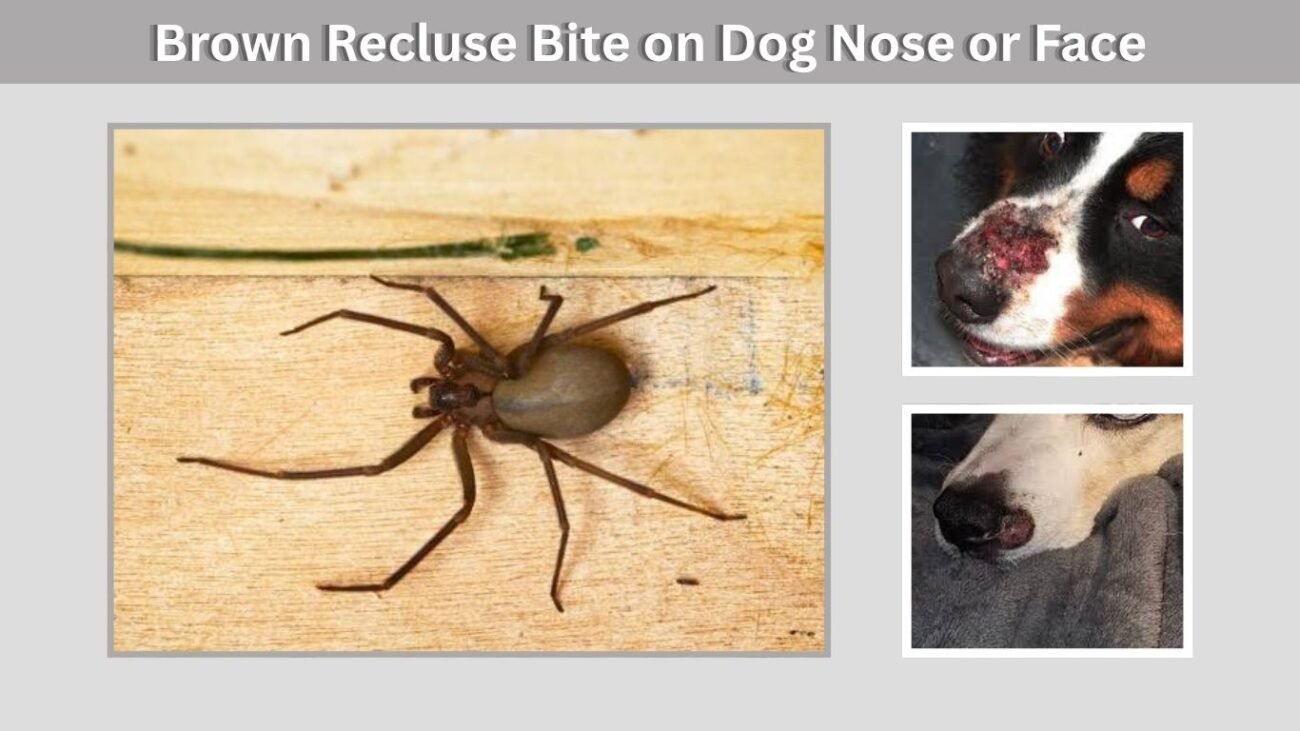
A bite on the nose or face may cause swelling, tenderness, pawing at the face, drooling, or trouble eating. Facial swelling can be concerning because it may affect breathing, the mouth, or the eyes.
If your dog’s face, lips, nose, or throat swells quickly, seek urgent veterinary care. Sudden swelling can also be caused by allergic reactions, bee stings, or other emergencies.
Brown Recluse vs Black Widow Bite on Dogs
Some searches mention brown recluse and black widow spider bites together. These bites can be very different.
A brown recluse bite usually causes more local skin damage, such as redness, swelling, blistering, dark tissue, or an open sore. A black widow bite is more likely to cause nerve-related signs such as muscle pain, tremors, stiffness, weakness, drooling, or trouble breathing.
Both can be serious. If you are not sure which spider bit your dog, call your veterinarian immediately.
Recovery Time for Dogs
Recovery depends on how severe the bite is. Mild bites may improve within a few days. Moderate wounds may take one to three weeks. Severe wounds with tissue death can take several weeks or longer and may leave a scar.
Follow-up visits are important if the wound is open, infected, or slow to heal. Your vet may adjust medication, change bandages, or recommend further care based on progress.
How to Prevent Brown Recluse Spider Bites on Dogs
Prevention focuses on reducing spider hiding places and keeping dogs away from risky areas.
Practical Prevention Tips
- Shake out dog bedding stored in garages or sheds.
- Keep pet beds away from cluttered corners.
- Store blankets, towels, and toys in sealed bins.
- Vacuum under furniture and along baseboards.
- Reduce cardboard boxes in storage areas.
- Wear gloves when cleaning sheds, garages, or woodpiles.
- Seal cracks around doors, windows, and baseboards.
- Keep dogs out of crawl spaces and cluttered storage rooms.
- Use sticky traps in safe places where pets cannot reach them.
- Contact pest control if you find repeated brown recluse activity.
Do not place insecticides, glue traps, or spider control products where your dog can lick, chew, or step on them.
FAQs
What does a brown recluse spider bite look like on a dog?
It may look like a red bump, swollen area, blister, bruise, dark center, or open sore. Under fur, it can be hard to see at first. Many wounds look similar, so a veterinarian should check any painful, spreading, dark, or worsening spot.
What are the symptoms of a brown recluse spider bite in dogs?
Symptoms may include redness, swelling, pain, itching, licking, limping, blistering, bruising, dark skin, an open wound, fever, vomiting, weakness, loss of appetite, or lethargy. Severe symptoms need urgent veterinary care, especially in small dogs or puppies.
How do you treat a brown recluse spider bite on a dog?
Call your veterinarian, keep your dog calm, prevent licking, and gently clean the area only if advised. Veterinary treatment may include pain medicine, wound care, antibiotics for infection, fluids, blood tests, bandaging, and follow-up care. Do not use human medications without vet approval.
Can a dog die from a brown recluse spider bite?
Death is rare, but it can happen in severe cases, especially in small, young, elderly, or medically fragile dogs. Serious bites may cause tissue damage, infection, systemic illness, or blood-related complications. Any worsening bite should be treated as urgent.
Should I use home remedies for a brown recluse bite on my dog?
Avoid home remedies such as essential oils, alcohol, hydrogen peroxide, herbal pastes, or human pain medicine. These can harm your dog or delay care. Basic steps like preventing licking and calling your vet are safer. A suspected brown recluse bite should be professionally evaluated.