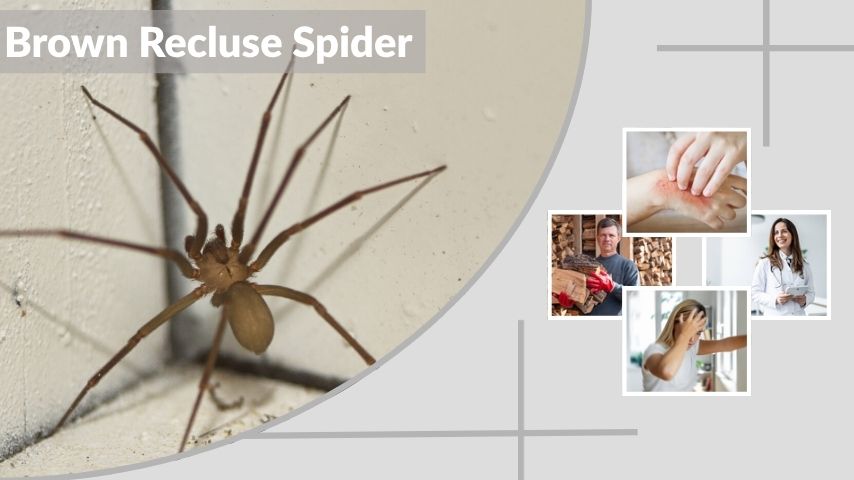
A brown recluse spider bite can be hard to identify at first because it may look like a common insect bite, skin irritation, or small red bump. Some bites stay mild, while others develop pain, itching, swelling, blistering, or an open sore over time. Because skin infections and other bites can look similar, it is important to watch symptoms carefully and seek medical care if the area worsens.
Understanding Brown Recluse Spider Bites
Brown recluse spiders are venomous spiders found mainly in parts of the United States. They are known for hiding in quiet, dark, undisturbed places such as closets, basements, attics, garages, storage boxes, shoes, bedding, and piles of clothing. They usually do not bite unless they are trapped against the skin.
A bite from a brown recluse spider does not always cause severe damage. In many cases, symptoms remain local and improve with basic care. However, some bites can damage skin tissue and may need medical treatment. This is why it is useful to know what a bite may look like, how it may feel, and when to get help.
What a Brown Recluse Spider Bite Looks Like at First
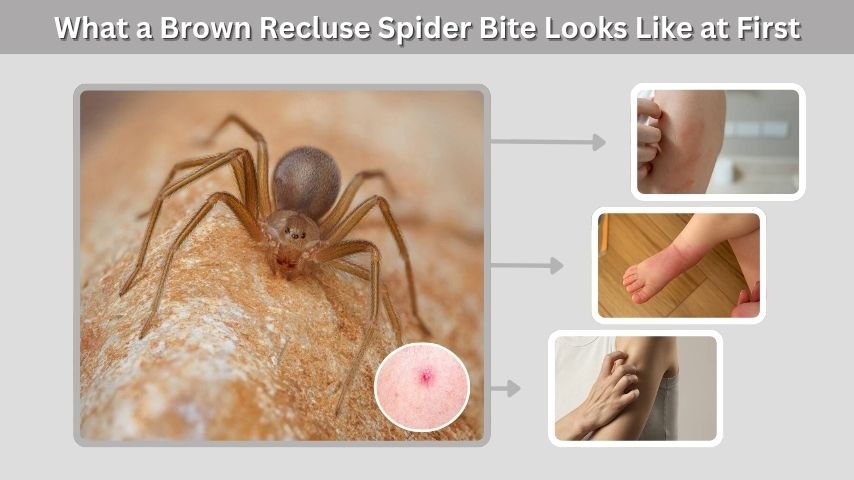
At first, a brown recluse bite may not look dramatic. Some people do not notice the bite when it happens. Others may feel a small sting, pinch, or burning sensation. The early mark may look like a small red bump, similar to a mosquito bite or pimple.
During the first few hours, the bite area may show:
- Mild redness
- Slight swelling
- Tenderness
- Itching
- A small blister
- A pale center
- Warmth around the skin
The bite may not hurt immediately. Pain can develop gradually over several hours. This delayed reaction is one reason people may not realize they were bitten until the skin starts to change.
How the Bite May Change Over Time
A brown recluse bite may change over the first 24 to 72 hours. Some bites stay small and heal without major problems. Others may become more painful and develop a dark center, blister, or ulcer.
In more concerning cases, the skin may show a pattern sometimes described as red, white, and blue. This means there may be redness around the bite, pale or white skin near the center, and bluish or purple discoloration where tissue damage is occurring. Not every bite develops this pattern.
Possible Skin Changes
A more serious bite may develop:
- Increasing redness around the bite
- A blister or fluid-filled bump
- Blue, purple, or dark discoloration
- A sunken center
- An open sore
- A scab or blackened area
- Spreading pain or tenderness
If the bite continues to worsen instead of slowly improving, it should be checked by a healthcare professional.
Brown Recluse Bite Stages
Not every brown recluse bite follows the same pattern. Still, many people search for bite stages because the appearance can change day by day.
| Time After Bite | Possible Appearance | What It May Mean |
|---|---|---|
| First few hours | Small red bump, mild swelling, itching, or little visible change | The bite may be mild or still developing |
| 6 to 24 hours | Pain, redness, blistering, pale center, or purple color | Venom reaction may be increasing |
| 1 to 3 days | Dark center, larger blister, open sore, or spreading redness | Medical evaluation may be needed |
| Several days to weeks | Scab, ulcer, slow healing wound, or skin breakdown | More serious bites may need ongoing care |
| Weeks to months | Gradual healing, possible scar in severe cases | Deep wounds can take longer to close |
This table is only a general guide. A bite that spreads quickly, becomes very painful, leaks pus, or causes fever should not be managed by appearance alone.
Does a Brown Recluse Spider Bite Hurt?
A brown recluse spider bite may or may not hurt at the moment it happens. Some people feel nothing. Others notice a sharp pinch, mild sting, or burning feeling. Pain often becomes more noticeable later, especially after several hours.
The pain can range from mild soreness to deep aching. If the bite becomes severe, the area may feel increasingly tender and painful as the skin changes. Pain that keeps getting worse is a warning sign, especially if it comes with spreading redness, a blister, dark skin, or fever.
Does a Brown Recluse Spider Bite Itch?
Yes, a brown recluse bite can itch. Itching may appear early and may be accompanied by redness or swelling. However, itching alone does not prove that the bite came from a brown recluse. Many insect bites, allergic reactions, and skin irritations can itch.
Avoid scratching the bite. Scratching can break the skin and increase the risk of infection. If itching is bothersome, a healthcare provider or pharmacist may recommend an appropriate antihistamine or topical treatment.
Symptoms of a Brown Recluse Spider Bite
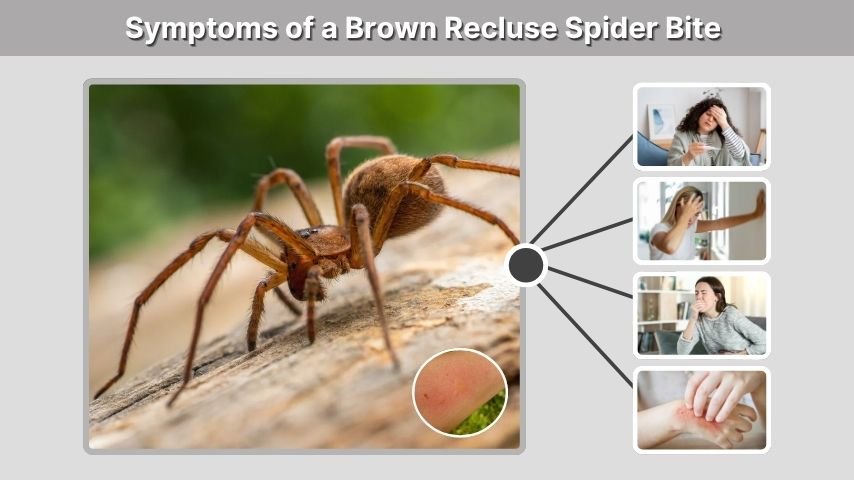
Symptoms may be mild or severe depending on the person, the amount of venom, the bite location, and how the body reacts. Many bites affect only the skin, but some people can develop symptoms throughout the body.
Local Symptoms
Local symptoms happen around the bite area. They may include redness, swelling, itching, pain, blistering, discoloration, or an open sore. The skin may become firm, warm, or tender. In more serious cases, the center of the wound may darken and break down.
Body-Wide Symptoms
Some people may feel sick after a bite. More serious symptoms can include:
- Fever
- Chills
- Nausea
- Vomiting
- Muscle aches
- Weakness
- Rash
- Dizziness
- Dark urine
Body-wide symptoms are more concerning and should be evaluated by a medical professional, especially in children, older adults, or people with existing health conditions.
How Dangerous Is a Brown Recluse Spider Bite?
A brown recluse spider bite can be dangerous, but most bites are not fatal. The main concern is skin damage near the bite. In some cases, the venom may cause tissue breakdown, leading to a wound that heals slowly.
Severe reactions are less common, but they can happen. Children, older adults, and people with weakened health may be at higher risk for complications. A bite on the face, neck, hand, or near a joint may also require closer attention because swelling and tissue damage can affect function or appearance.
Can You Die From a Brown Recluse Spider Bite?
Death from a brown recluse spider bite is very rare. Most people survive and recover. However, rare serious complications can occur, especially if there is a severe systemic reaction, delayed treatment, infection, or a bite in a high-risk person.
Instead of focusing only on whether the bite is deadly, it is better to focus on warning signs. If symptoms worsen, if the wound turns dark or open, or if the person develops fever, weakness, vomiting, or dark urine, medical care is important.
How to Treat a Brown Recluse Spider Bite
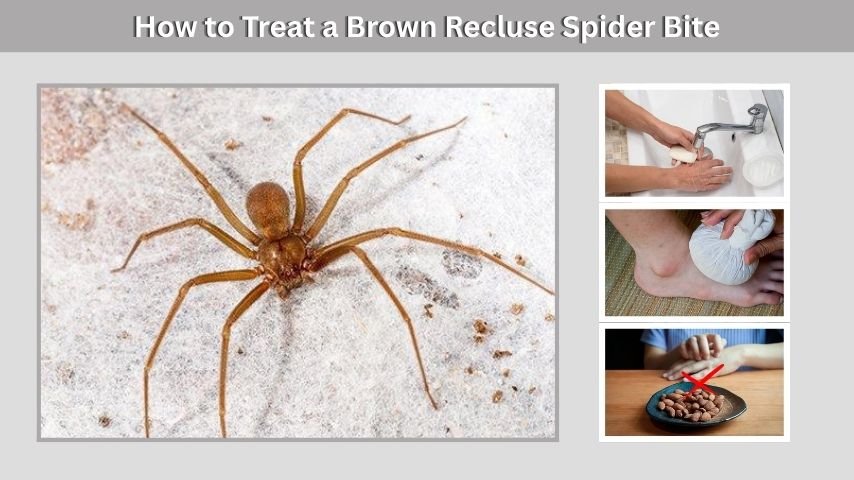
If you think you were bitten by a brown recluse spider, start with basic first aid and monitor the bite closely. Do not cut the wound, squeeze it, or try to remove venom. These methods can damage the skin and make the problem worse.
First Aid Steps
Take these steps as soon as possible:
- Wash the bite gently with soap and water.
- Apply a cool compress wrapped in cloth.
- Keep the bitten area elevated if possible.
- Avoid scratching or picking at the skin.
- Remove tight jewelry or clothing near the bite.
- Take a clear photo to track changes.
- Seek medical advice if symptoms worsen.
If you safely captured or photographed the spider, show it to a healthcare provider. Do not risk another bite trying to catch it.
How to Treat a Brown Recluse Bite at Home
Mild bites may be cared for at home at first, but only if symptoms are not worsening. Home care should focus on cleaning, cooling, protecting the skin, and watching for changes.
You may cover the bite with a clean bandage if the skin is irritated or open. Change the bandage regularly and keep the area clean. Over-the-counter pain relievers may help with discomfort, but follow label instructions and avoid medicines that are unsafe for you.
Natural remedies should be used with caution. Oils, harsh chemicals, alcohol, hydrogen peroxide, or strong herbal mixtures may irritate the wound. A brown recluse bite is not something to “burn out” or treat aggressively at home.
When to See a Doctor
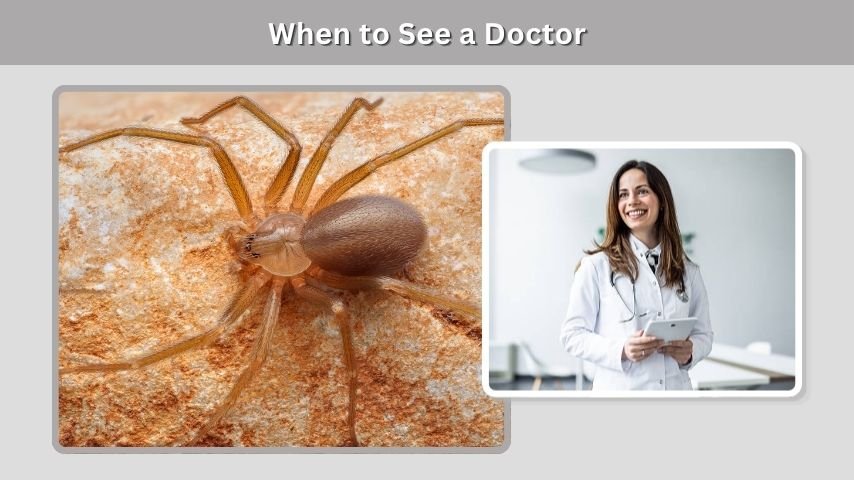
You should contact a healthcare professional if you suspect a brown recluse bite and symptoms are more than mild. Early medical advice can help rule out infection, allergic reactions, or other skin conditions.
Get Medical Help If You Notice
- Increasing pain
- Spreading redness
- A blister that grows
- Blue, purple, or black skin
- An open sore
- Fever or chills
- Nausea or vomiting
- Muscle aches
- Red streaks from the bite
- Pus or bad odor
- Bite on the face, hand, or genitals
- Symptoms in a child or older adult
Emergency care is needed if the person has trouble breathing, severe weakness, confusion, fainting, widespread rash, or signs of a serious allergic reaction.
What Doctors May Do for Treatment
Medical treatment depends on the bite’s appearance and the person’s symptoms. There is no simple instant cure that makes all brown recluse bites disappear. Treatment usually focuses on wound care, pain control, infection prevention, and monitoring.
A healthcare provider may clean the wound, recommend pain medicine, update a tetanus shot if needed, or treat infection if one develops. Antibiotics are not always needed unless there is evidence of bacterial infection. Severe wounds may require follow-up visits, special dressings, or referral to a wound care specialist.
Surgery is not usually the first step. In many cases, doctors wait to see how the wound develops before considering procedures, because early cutting may worsen tissue damage.
How Long Does a Brown Recluse Bite Last?
Healing time depends on the severity of the bite. A mild bite may improve within a few days and heal over one to two weeks. A more serious bite with blistering or an open sore may take several weeks. Deep wounds can take months and may leave a scar.
If the wound is not improving, keeps growing, or becomes more painful after the first few days, it should be rechecked. Slow healing does not always mean the bite is getting worse, but ongoing changes need medical attention.
Can a Brown Recluse Bite Heal on Its Own?
Some brown recluse bites can heal on their own with basic care. However, you should not assume every suspected bite is safe to ignore. A bite that becomes darker, larger, more painful, or open should be examined.
Also, many wounds blamed on brown recluse spiders are actually bacterial infections, boils, allergic reactions, tick bites, or other skin conditions. Getting the right diagnosis matters because different problems need different treatment.
How to Identify the Spider
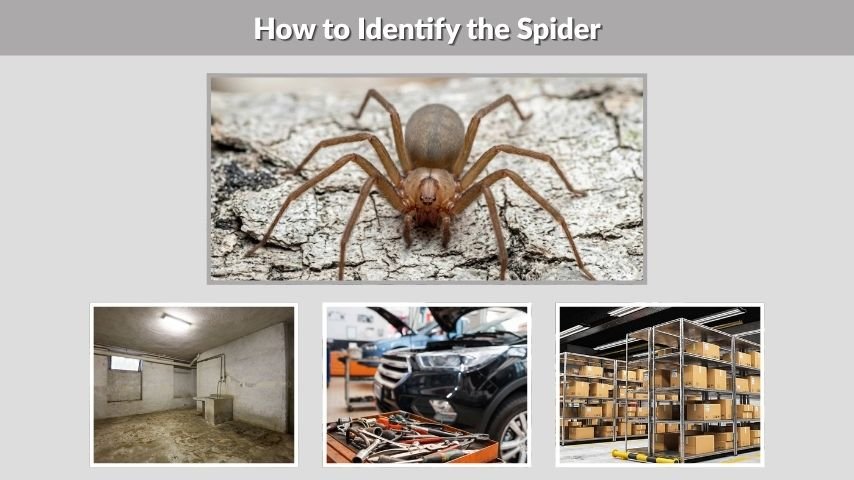
Identifying the spider can help, but it is often difficult. Brown recluse spiders are usually light to medium brown and may have a violin-shaped marking on the upper body. They also have six eyes arranged in pairs, unlike many spiders that have eight eyes.
However, many harmless brown spiders are mistaken for brown recluses. The violin marking alone is not enough for a definite identification. Location matters too, because brown recluse spiders are not established everywhere.
Common Places They Hide
Brown recluse spiders often hide in:
- Closets
- Attics
- Basements
- Garages
- Cardboard boxes
- Shoes
- Clothing piles
- Bedding
- Woodpiles
- Storage areas
Shake out clothing, gloves, towels, and shoes that have been stored or left on the floor, especially in areas where brown recluse spiders are common.
How to Prevent Brown Recluse Bites
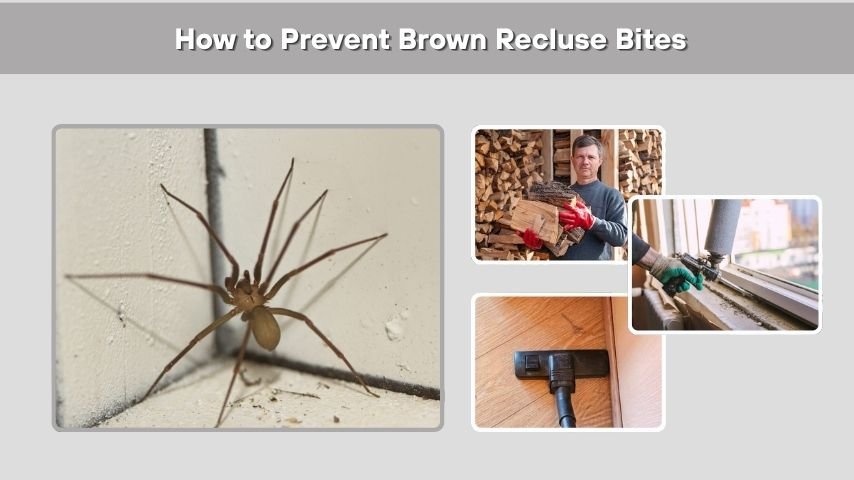
Prevention is mostly about reducing hiding places and avoiding accidental contact. Brown recluse spiders are shy and prefer to stay hidden. Bites often happen when a spider is trapped against the skin.
Prevention Tips
Use these habits to lower risk:
- Wear gloves when moving boxes or firewood.
- Shake out shoes and clothing before wearing them.
- Keep beds away from walls if spiders are a concern.
- Avoid leaving clothes on the floor.
- Reduce clutter in closets, basements, and garages.
- Seal cracks around doors, windows, and baseboards.
- Use storage bins with tight lids.
- Vacuum corners and storage areas regularly.
If you keep seeing brown recluse spiders indoors, consider contacting a pest control professional, especially if there are children or vulnerable adults in the home.
FAQs
What does a fresh brown recluse spider bite look like?
A fresh brown recluse bite may look like a small red bump, mild swelling, or a tiny blister. Some people see very little at first. Pain and discoloration may develop later, often over several hours. Because many skin problems look similar, appearance alone cannot confirm the bite.
Do brown recluse spider bites always cause necrosis?
No, brown recluse bites do not always cause necrosis. Many bites stay mild and heal without major tissue damage. Necrosis is more likely in serious cases where venom damages the skin. Any bite that turns blue, purple, black, or forms an open sore should be checked by a doctor.
Can you put Neosporin on a brown recluse bite?
An over-the-counter antibiotic ointment may be used on minor broken skin if you are not allergic to it, but it is not a cure for venom damage. Clean the area gently and watch for worsening symptoms. If the wound spreads, darkens, drains pus, or becomes very painful, seek medical care.
Are brown recluse spider bites contagious?
No, a brown recluse spider bite itself is not contagious. You cannot spread venom from one person to another. However, an open wound can become infected with bacteria, and infected drainage should be handled carefully. Keep the area clean, covered if needed, and wash hands after touching it.
What should I do if I think a brown recluse bit me?
Wash the bite with soap and water, apply a cool compress, elevate the area, and monitor it closely. Take photos to track changes. Contact a healthcare provider if pain increases, discoloration appears, a blister grows, or you develop fever, nausea, weakness, or other body-wide symptoms.