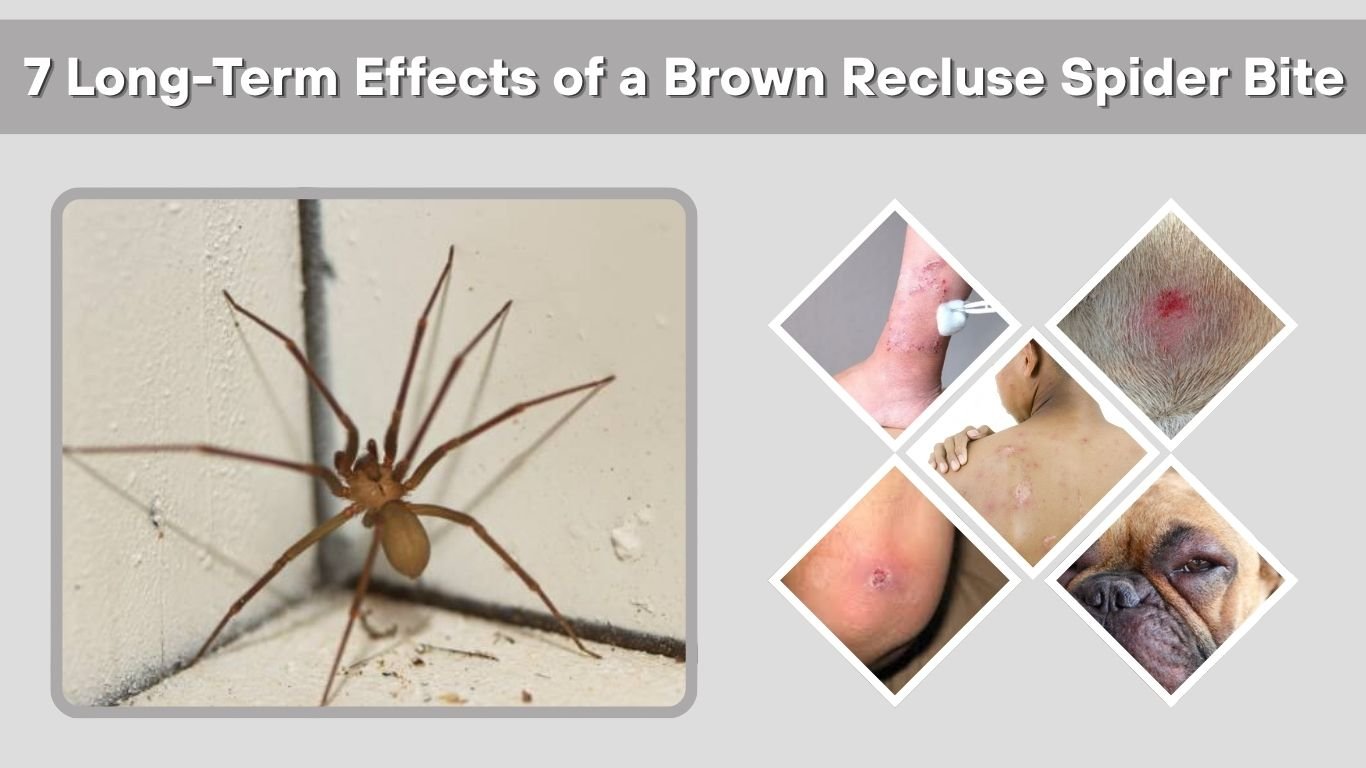
A brown recluse spider bite can range from a mild skin reaction to a serious wound that takes weeks or months to heal. Many suspected bites are actually caused by infections or other skin conditions, but a true brown recluse bite can sometimes lead to lasting effects. The most common long-term concerns include scarring, skin discoloration, slow wound healing, infection, pain, sensitivity, and rare systemic complications.
What Makes Brown Recluse Bites Different?
Brown recluse spiders have venom that can damage skin tissue in some cases. This local tissue injury is sometimes called dermonecrotic arachnidism. When the venom causes symptoms throughout the body, the reaction is called loxoscelism. Systemic illness is uncommon, but it can be serious, especially in children.
Most bites do not lead to major long-term damage. Some people have only redness, itching, swelling, or mild pain. However, bites that blister, darken, ulcerate, or become infected may leave after effects even after the wound closes.
7 Common Effects of a Brown Recluse Spider Bite
The effects of a brown recluse bite depend on the amount of venom, bite location, age, health status, and how quickly the wound is treated. Below are seven common or important effects people should know.
1. Slow-Healing Wound
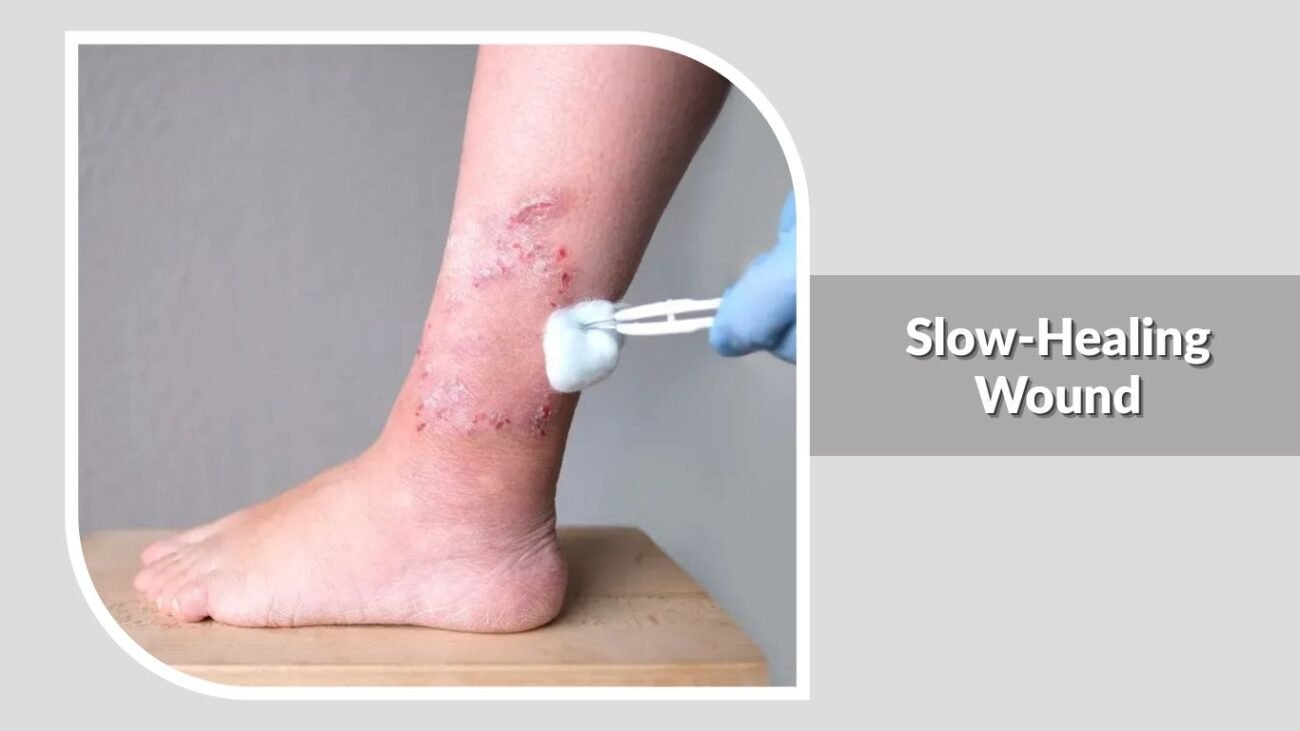
One of the most common long-term effects is a wound that takes longer than expected to heal. Mayo Clinic notes that most spider bites heal in about a week, but a recluse bite takes longer and can sometimes leave a scar.
A slow-healing bite may begin as a small red bump, then develop a blister, scab, or open sore. If the skin breaks down, healing may take several weeks. Deeper wounds can take months, especially if the bite becomes infected or if dead tissue forms.
Signs the Wound Is Not Healing Well
Watch for these changes:
- The sore keeps getting larger
- Pain increases instead of improving
- The center turns purple, blue, black, or sunken
- Drainage or odor develops
- Redness spreads around the wound
- Fever or chills appear
A wound that is not improving should be checked by a healthcare provider.
2. Scarring
Scarring is another possible after effect of a brown recluse spider bite. Scars are more likely when the bite causes an ulcer, tissue death, or a deep wound. Small bites may heal with little or no visible mark, but larger wounds can leave a depressed, discolored, or thickened scar.
The appearance of the scar can depend on the size of the damaged area, wound care, infection, skin type, and whether the person scratches or picks at the bite. Scars may fade over time, but some remain visible.
How to Reduce Scarring Risk
Good wound care may reduce scarring. Keep the wound clean, follow medical advice, avoid scratching, and protect healing skin from sun exposure. Do not cut the wound, squeeze it, or use harsh chemicals, because these actions may increase tissue damage.
3. Skin Discoloration
Skin discoloration can remain after the wound heals. The area may look darker, lighter, reddish, brown, or purple compared with surrounding skin. This is more likely after inflammation, blistering, bruising, or an open sore.
Discoloration may improve slowly over months. In some cases, it becomes long lasting. People with deeper skin tones may notice more obvious dark marks after inflammation. This is called post-inflammatory hyperpigmentation.
When Discoloration Is Concerning
Some color change is common during healing, but certain changes need attention. If the center of the bite becomes black, spreads, or forms a painful scab while the wound is active, that may suggest tissue damage rather than simple discoloration. Medical care is important in that situation.
4. Tissue Damage or Necrosis
Some brown recluse bites can cause necrosis, which means tissue death. This is one of the most concerning effects. Vanderbilt’s toxicology resource notes that skin necrosis can occur in a minority of cases and may progress over several days, with an eschar that eventually ulcerates and heals over weeks to months.
Necrosis may look like a dark, firm, or sunken area in the center of the bite. The surrounding skin may be red, swollen, painful, or blistered. Not every brown recluse bite causes necrosis, and not every necrotic wound is from a spider. Bacterial infections and other medical conditions can look similar.
Why Necrosis Needs Medical Care
Necrotic wounds need careful management. A doctor may monitor the wound, treat infection if present, provide pain control, update tetanus protection, and recommend wound care. Surgery is not always done early, because the damaged area may need time to fully declare itself before dead tissue is removed.
5. Infection
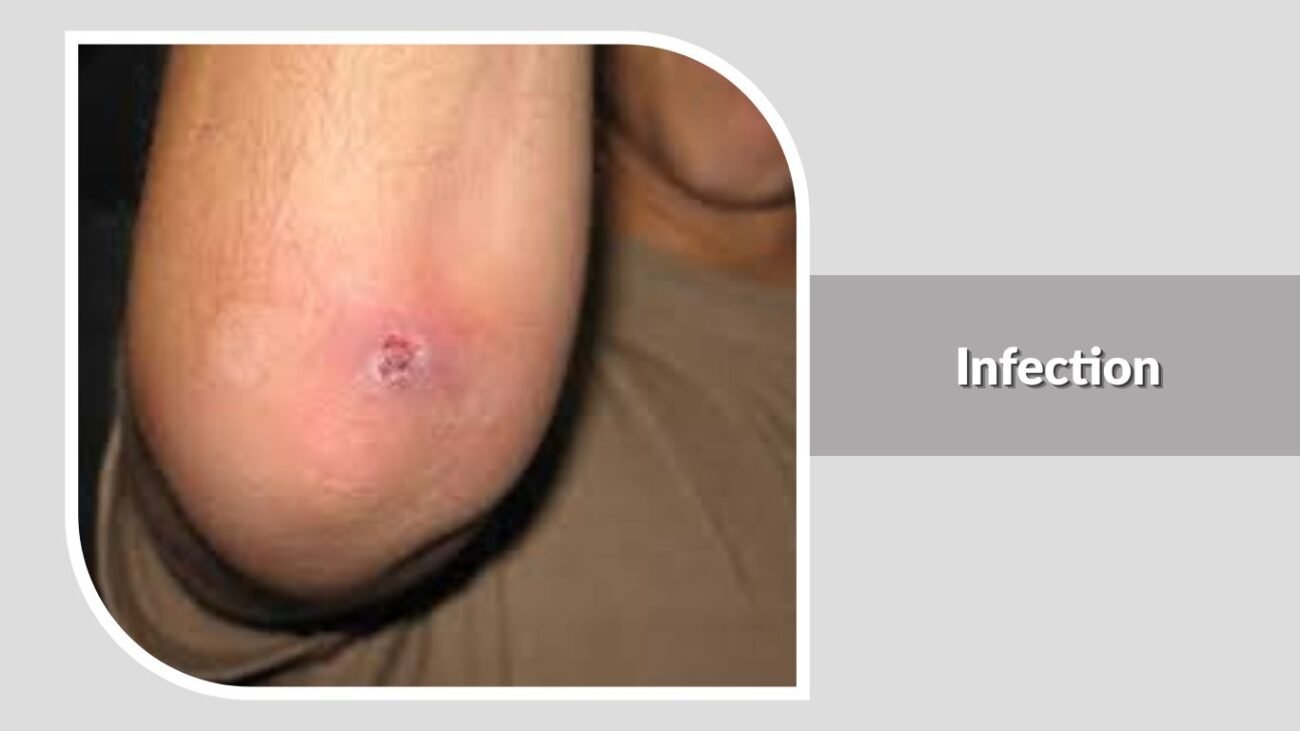
A brown recluse bite itself is caused by venom, not bacteria, but the wound can become infected if the skin breaks open. Infection risk increases when the bite is scratched, picked, poorly cleaned, or exposed to dirt.
Signs of infection include spreading redness, warmth, pus, worsening swelling, bad smell, fever, and red streaks. Antibiotics may be needed if a healthcare provider confirms or strongly suspects infection. Antibiotics do not neutralize brown recluse venom, so they are not automatically used for every bite.
Why Some “Spider Bites” Are Actually Infections
Many people blame skin infections on spider bites. Mayo Clinic notes that many skin sores look the same but may have other causes, including bacterial infection. This is one reason a worsening wound should be evaluated instead of self-diagnosed.
6. Lingering Pain, Itching, or Sensitivity
Pain and itching can continue during healing, especially if the bite caused inflammation or an open wound. Some people may feel tenderness, burning, tightness, or sensitivity around the healed area. The skin may feel uncomfortable when touched or rubbed by clothing.
Lingering symptoms are usually related to inflammation, slow tissue repair, scarring, or nerve irritation in the damaged skin. These symptoms often improve gradually, but persistent or worsening pain should be checked.
What Can Help During Healing
Helpful steps may include cool compresses early on, keeping the wound covered if advised, avoiding scratching, and following a clinician’s pain-control plan. Do not apply strong steroid creams, essential oils, or harsh products to an open wound unless a healthcare professional recommends them.
7. Rare Systemic Effects

Most brown recluse bites remain local, but systemic effects can happen. StatPearls notes that systemic involvement is rare and more likely in children than adults. Reported systemic effects can include fever, nausea, vomiting, malaise, muscle aches, hemolytic anemia, kidney injury, and blood-clotting problems in severe cases.
Systemic symptoms may develop over several days. A person can feel sick even if the skin wound does not look severe, so body-wide symptoms should be taken seriously.
Warning Signs of Systemic Illness
Seek urgent medical care for:
- Fever or chills
- Nausea or vomiting
- Weakness or faintness
- Muscle aches
- Yellowing of the skin or eyes
- Dark urine
- Shortness of breath
- Confusion
- Widespread rash
- Severe swelling, especially on the face or neck
These symptoms are not typical of a simple bug bite.
Brown Recluse Bite Effects on the GI Tract and Liver
Some people search for effects on the gastrointestinal tract or liver. A serious systemic reaction may include nausea, vomiting, abdominal discomfort, jaundice, dark urine, or signs of blood cell breakdown. These symptoms require medical evaluation. They are not the usual course for most bites, but they can happen in rare severe loxoscelism.
Can Long-Term Effects Lead to Death?
Death from a brown recluse spider bite is rare, but severe systemic loxoscelism has been associated with serious complications such as hemolytic anemia, disseminated intravascular coagulation, acute renal failure, and rare reports of multiorgan failure. Children and medically vulnerable people may be at higher risk.
A person should not wait for severe symptoms to appear. Early care is important if the bite worsens, the wound darkens, or body-wide symptoms develop.
Brown Recluse Spider Bite Effects on Dogs and Cats
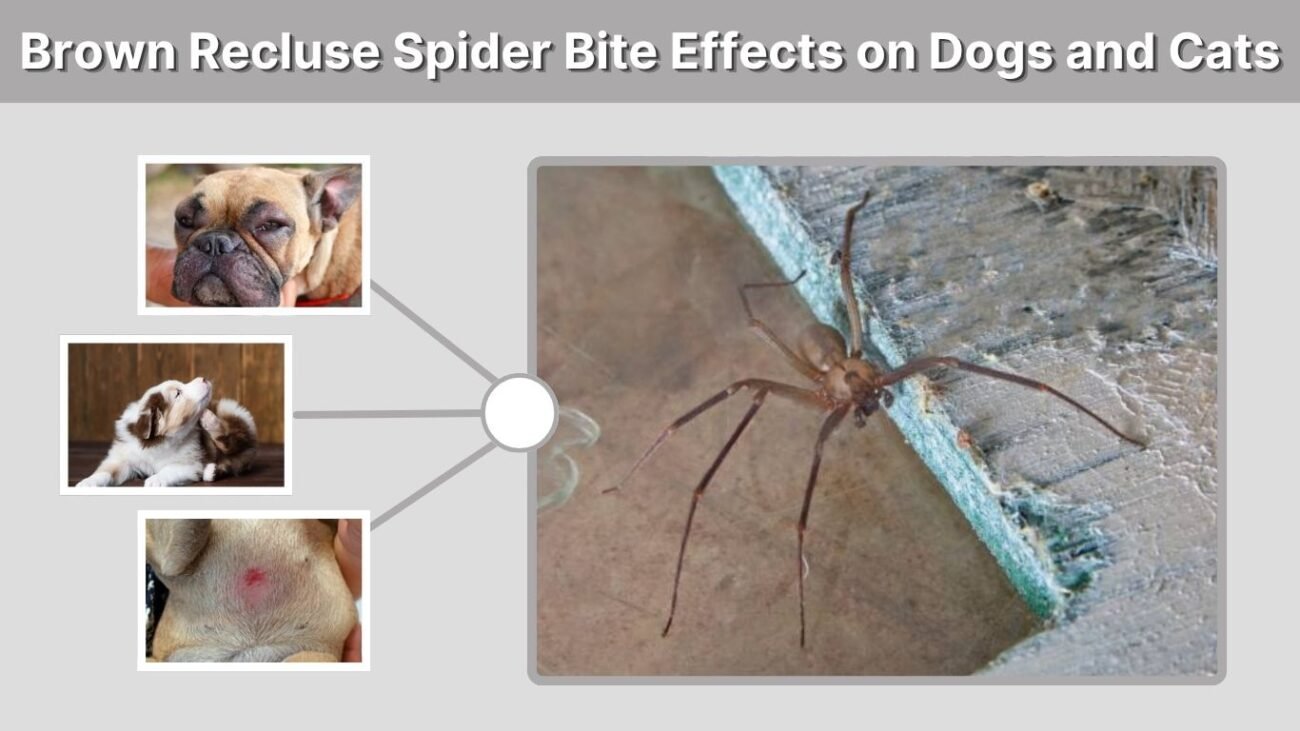
Dogs and cats can also be affected by brown recluse bites. In pets, possible effects include swelling, pain, skin discoloration, an open wound, lethargy, fever, vomiting, or loss of appetite. A bite on a dog’s paw, face, or nose may be especially noticeable because of limping, licking, swelling, or pain.
Pet owners should contact a veterinarian if they suspect a brown recluse bite. Do not give human pain medicine to dogs or cats. Some human medications can be dangerous or fatal to pets.
When to See a Doctor
Get medical care if the bite is worsening, painful, blistering, turning dark, forming an open sore, or showing signs of infection. Also seek care if the person develops fever, vomiting, weakness, dark urine, yellowing of the skin or eyes, or other body-wide symptoms.
For any suspected bite in a child, older adult, pregnant person, or someone with a weakened immune system, it is safer to contact a healthcare provider early.
FAQs
What are the long-term effects of a brown recluse spider bite?
Possible long-term effects include slow wound healing, scarring, skin discoloration, tissue damage, infection, lingering pain, and rare systemic complications. Many bites heal without major problems, but deeper wounds can take weeks or months and may leave a visible scar.
Are brown recluse spider bite side effects permanent?
Some side effects are temporary, such as redness, swelling, itching, and pain. Others, like scarring or skin discoloration, may last much longer. Severe tissue damage can leave a permanent mark, especially if the bite forms an ulcer or becomes infected.
Can a brown recluse bite affect internal organs?
Most bites affect only the skin, but rare systemic loxoscelism can affect the body more widely. Severe cases have been linked with blood cell destruction, kidney injury, clotting problems, and other complications. Seek urgent care for fever, dark urine, jaundice, weakness, or severe illness.
How long do after effects last after a brown recluse bite?
Mild after effects may improve within days to weeks. A more serious wound can take several weeks or months to heal. Scars and discoloration may fade slowly but can remain long term, depending on the depth of tissue damage and how well the wound heals.
What should I do if a brown recluse bite is not healing?
See a healthcare provider if the wound is not improving, keeps growing, becomes darker, drains pus, smells bad, or causes increasing pain. A non-healing wound may need professional wound care, infection treatment, or evaluation for causes other than a spider bite.