Penguins are flightless seabirds known for their tuxedo-like feathers, charming waddles, and excellent swimming skills. From the towering Emperor Penguin of Antarctica to the tiny Little Blue Penguin of Australia, each species has its own unique traits. In this guide, we’ll explore 15 types of penguins, covering how to identify them, where they live, and what makes each one special.
1. Emperor Penguin
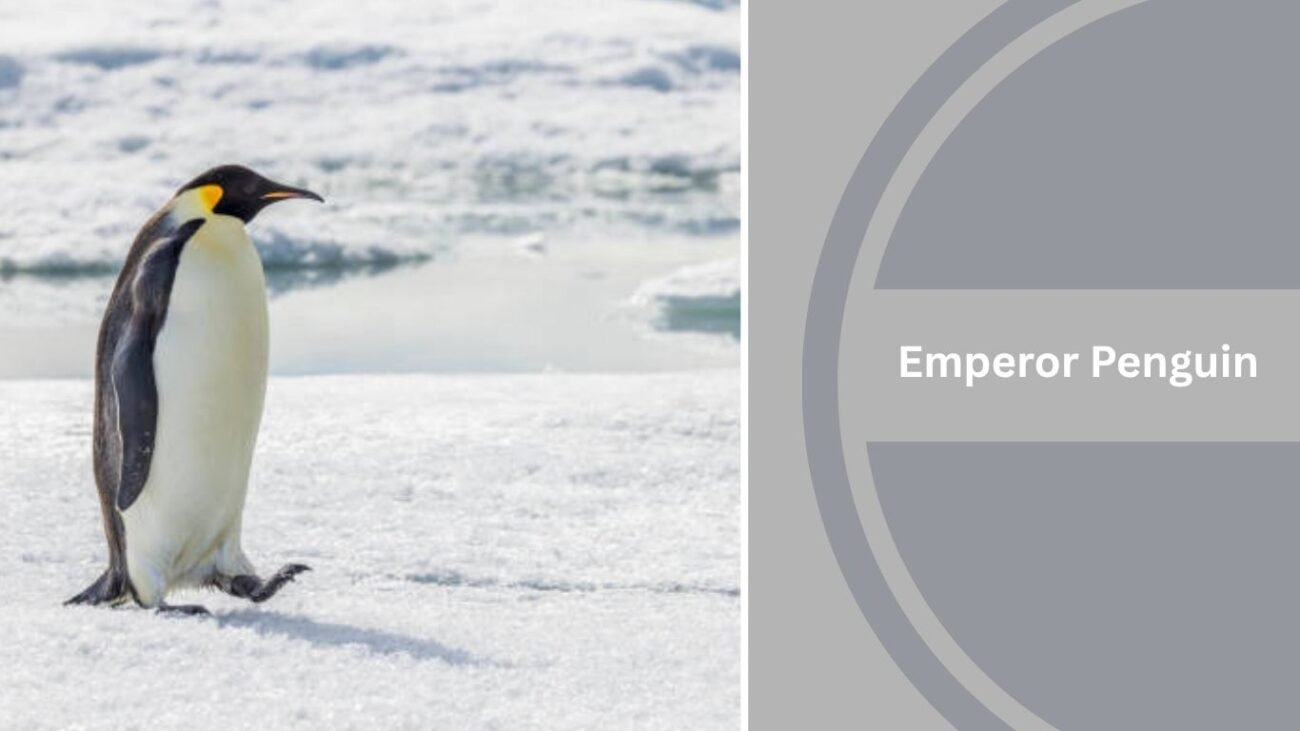
The Emperor Penguin (Aptenodytes forsteri) is the tallest and heaviest of all living penguin species. Endemic to Antarctica, it is famous for its extreme breeding cycle, where it nests during the continent’s harsh winter.
Identification
- Tall stature, up to 120 cm (4 ft)
- Black head, back, and flippers
- Pale yellow to orange patches on the neck and upper chest
- White belly
- Sturdy beak with a pink or orange stripe
Habitat
Exclusively found on the Antarctic ice and surrounding waters. They form large colonies on stable sea ice during breeding season.
Behavior
Emperor Penguins are strong swimmers and deep divers, reaching depths over 500 meters in search of fish, squid, and krill. Males incubate the single egg on their feet for about two months while females hunt. Known for their huddling behavior to survive freezing winds and temperatures.
2. King Penguin
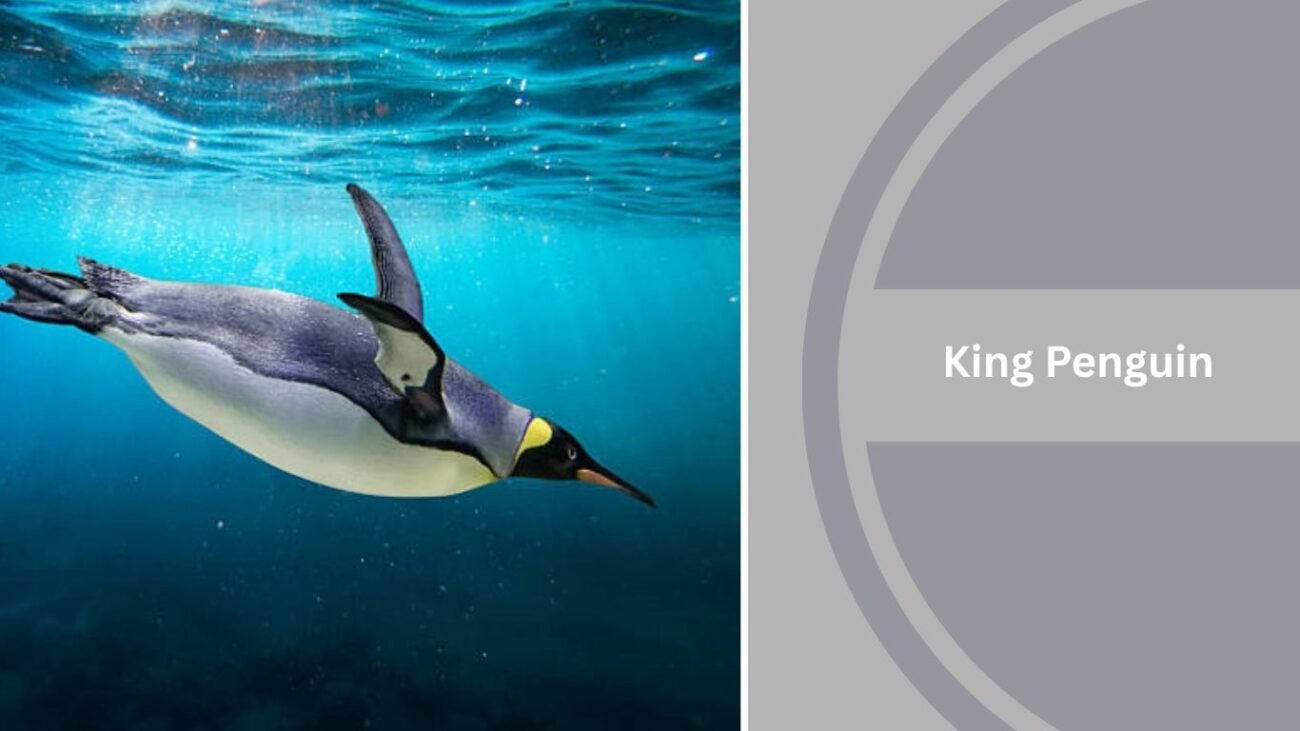
The King Penguin (Aptenodytes patagonicus) is the second-largest penguin species and is known for its elegant appearance and vibrant coloration. It breeds on sub-Antarctic islands in large, noisy colonies.
Identification
- Tall body, up to 95 cm (3.1 ft)
- Sleek black back and head
- Bright orange patches on the sides of the head and upper chest
- Silvery-white belly
- Long, slender bill with an orange stripe
Habitat
Found on sub-Antarctic islands like South Georgia, the Falklands, and parts of the southern Indian Ocean. Prefers beaches and flat coastal areas for breeding.
Behavior
Feeds on lanternfish and squid, diving to great depths. Breeding lasts over a year, and chicks take a long time to fledge. Both parents share feeding duties. Unlike Emperor Penguins, they breed during warmer months.
3. Adélie Penguin
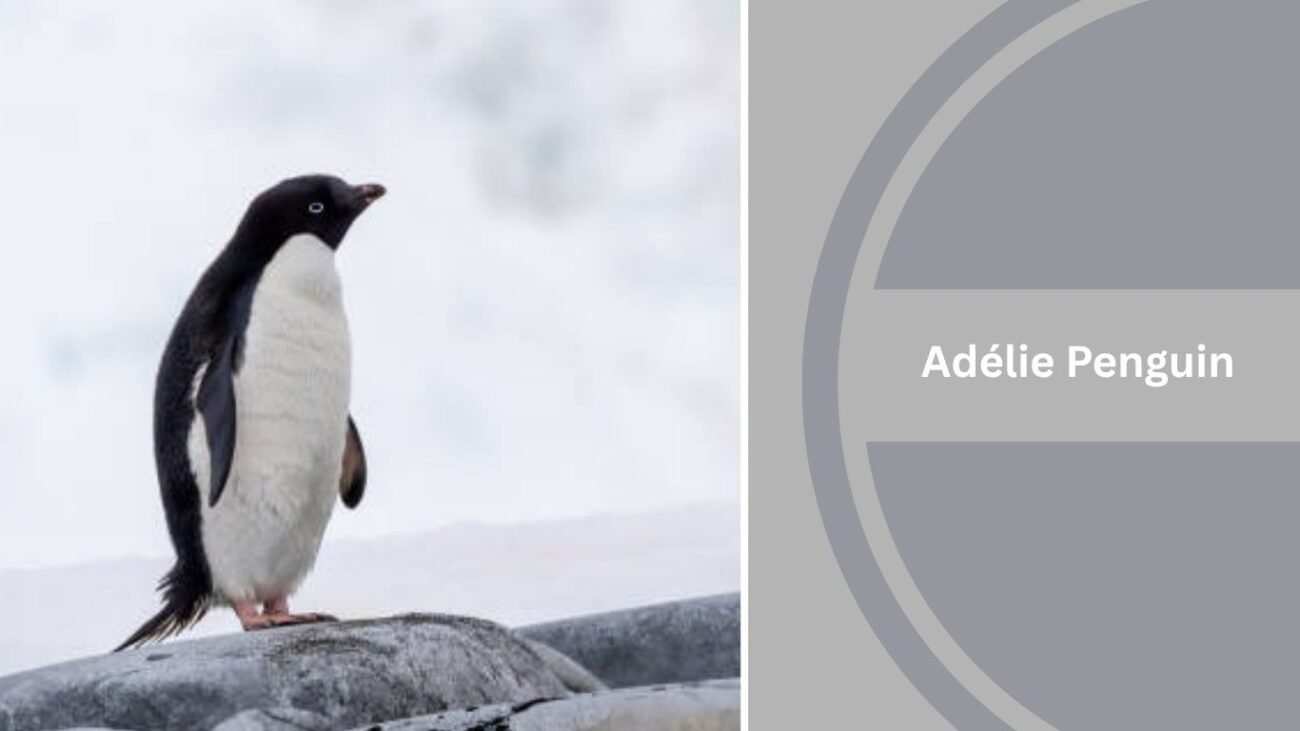
The Adélie Penguin (Pygoscelis adeliae) is a small but hardy species that breeds along the entire Antarctic coast. It’s one of the most iconic and widespread penguins in Antarctica.
Identification
- Medium size, around 70 cm (27.5 in)
- White belly and black back
- Distinct white eye ring
- Short, stubby bill and pinkish feet
- Compact, upright posture
Habitat
Nests on rocky, ice-free coasts of Antarctica. Forms large breeding colonies on the continent and nearby islands.
Behavior
Excellent swimmers and fast on land, often seen tobogganing across ice. Feeds mainly on krill and small fish. Highly social and vocal, especially during breeding season. Both parents take turns incubating eggs and feeding chicks.
4. Chinstrap Penguin
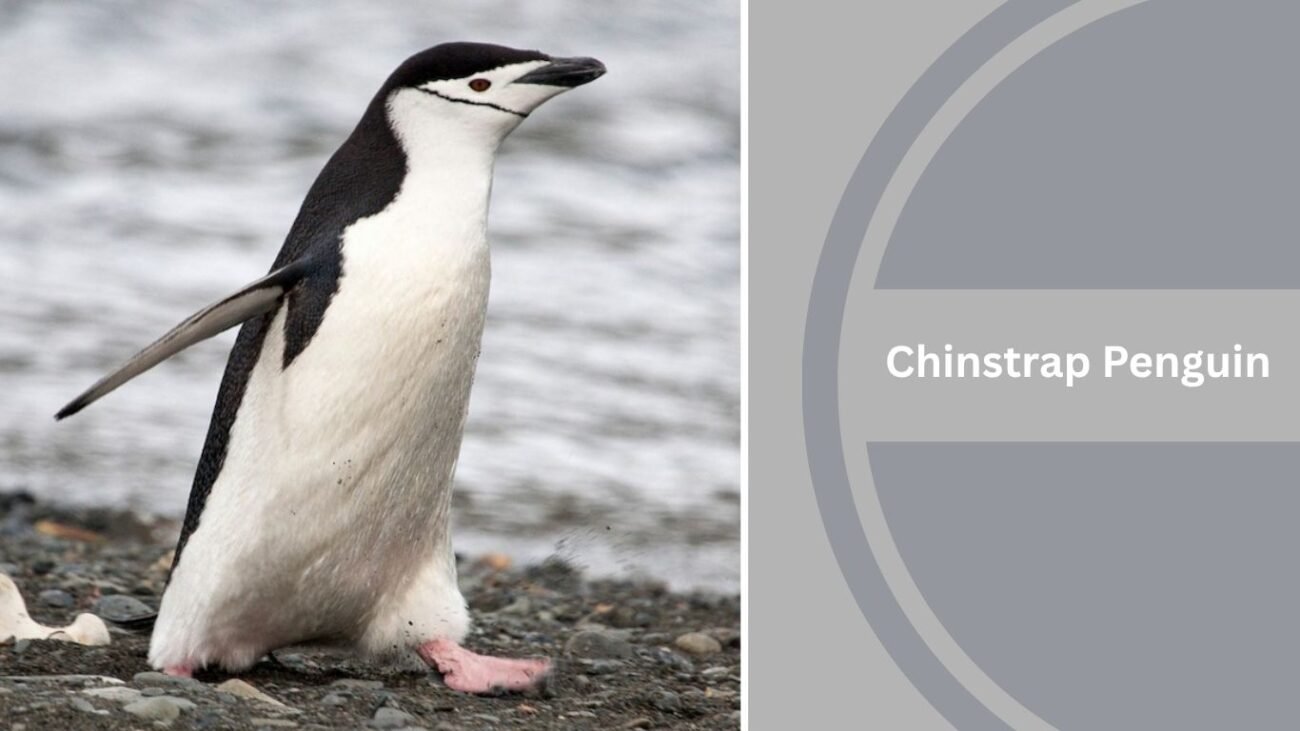
The Chinstrap Penguin (Pygoscelis antarcticus) is easily recognized by the narrow black band under its head that looks like a chinstrap. It is one of the most numerous penguin species and thrives in sub-Antarctic and Antarctic regions.
Identification
- Medium size, about 68–76 cm (27–30 in)
- White face and belly with a black back
- Distinct black line running under the chin
- Short orange beak and pink feet
- Upright posture and fast waddling gait
Habitat
Breeds on rocky coasts of the South Shetland Islands, South Orkneys, and Bouvet Island. Prefers ice-free shores and steep cliffs.
Behavior
Feeds mainly on krill, diving up to 70 meters deep. Forms large colonies with loud, aggressive interactions. Both parents share nesting and feeding responsibilities. Known for their noisy, energetic behavior.
5. Gentoo Penguin
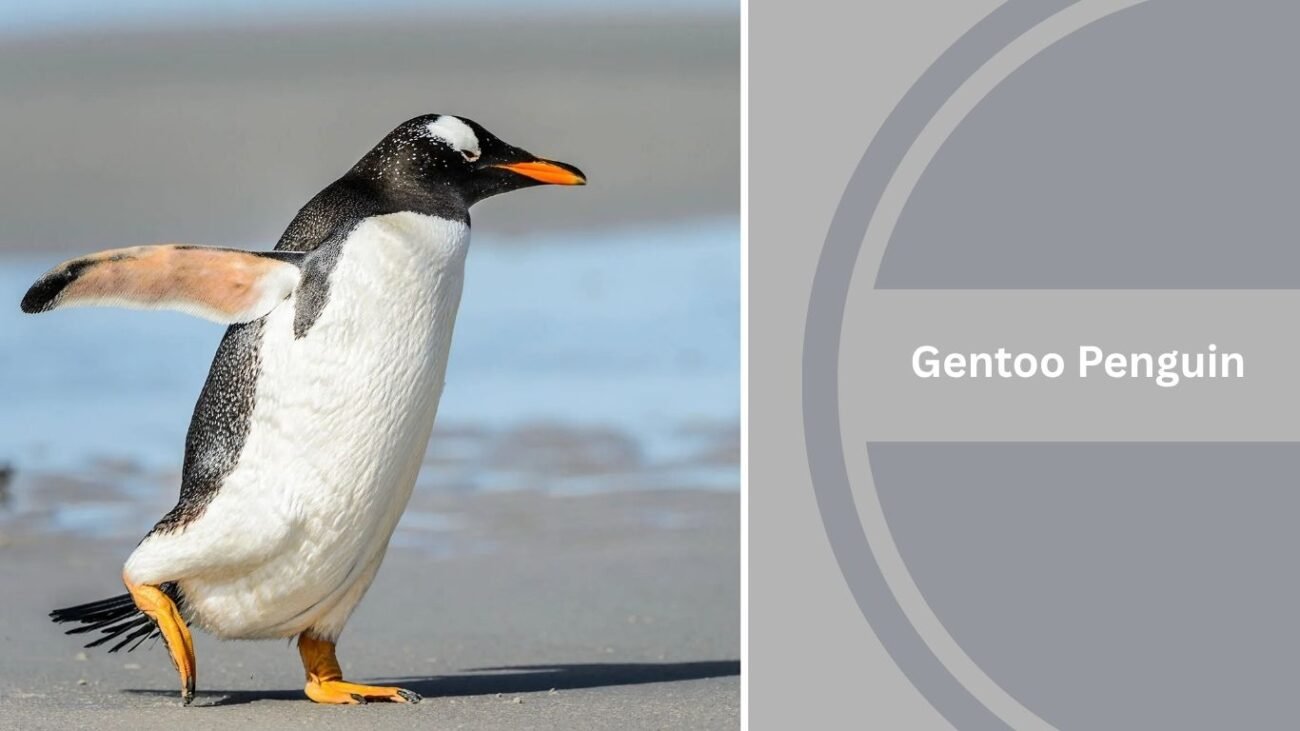
The Gentoo Penguin (Pygoscelis papua) is known for its bright orange bill and the fastest swimming speed of any penguin species. It inhabits sub-Antarctic islands and the Antarctic Peninsula.
Identification
- Medium to large size, 75–90 cm (30–35 in)
- White belly and black back
- Prominent white stripe across the top of the head
- Bright orange-red bill and pinkish feet
- Long tail feathers that stick out when walking
Habitat
Nests on grassy, rocky coastal areas on islands like the Falklands, South Georgia, and the Antarctic Peninsula.
Behavior
Feeds on krill, squid, and fish, diving up to 200 meters deep. Builds nests with stones and vegetation. Gentoo Penguins are less aggressive and more laid-back than other species. Chicks fledge quickly, and breeding pairs often return to the same nest sites each year.
6. Little Blue Penguin
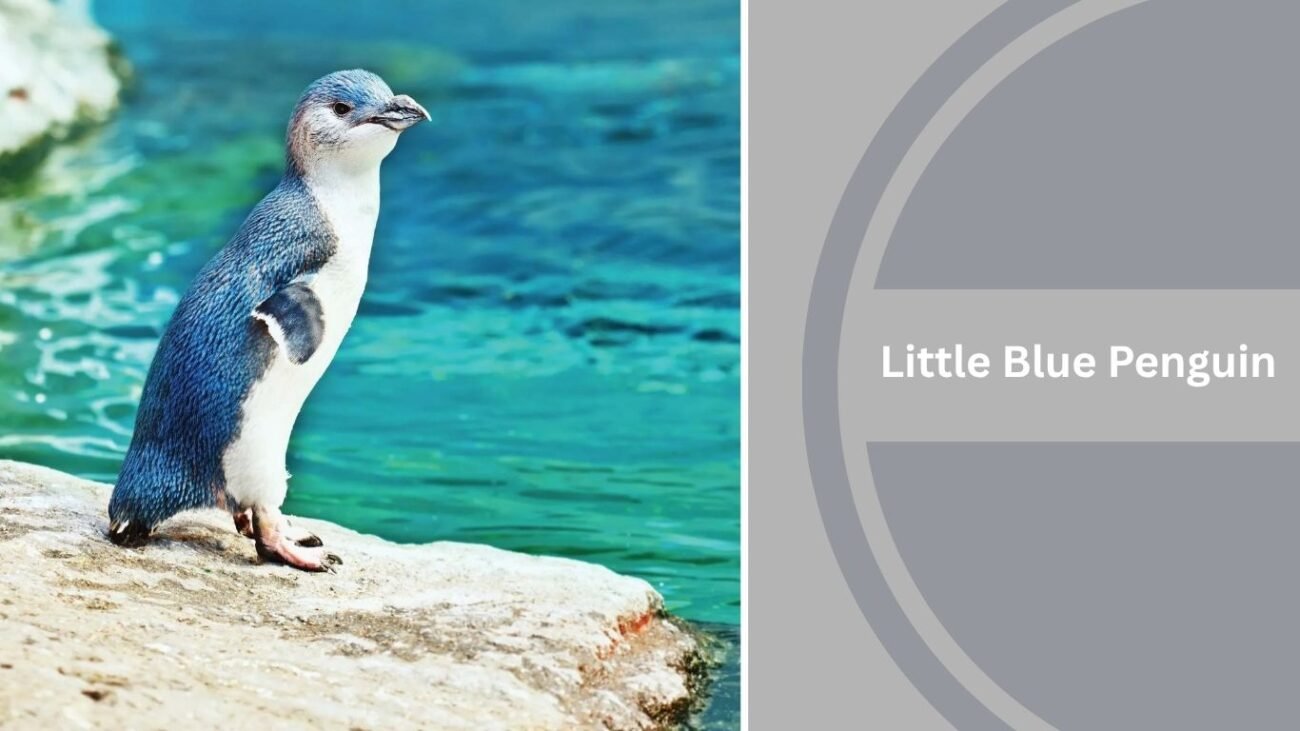
The Little Blue Penguin (Eudyptula minor), also known as the Fairy Penguin, is the smallest penguin species in the world. Native to Australia and New Zealand, it is known for its charming appearance and nocturnal habits on land.
Identification
- Very small size, about 30–33 cm (12–13 in)
- Slate-blue back and head
- White belly
- Dark gray beak and pale legs
- High-pitched, squeaky vocalizations
Habitat
Inhabits coastal areas, rocky shores, and dunes across southern Australia, Tasmania, and New Zealand. Nests in burrows, crevices, or man-made shelters.
Behavior
Feeds close to shore on small fish, squid, and crustaceans. Returns to land at dusk in groups called “rafts.” Both parents care for the chicks. Popular in coastal tourism and conservation programs.
7. Fiordland Penguin
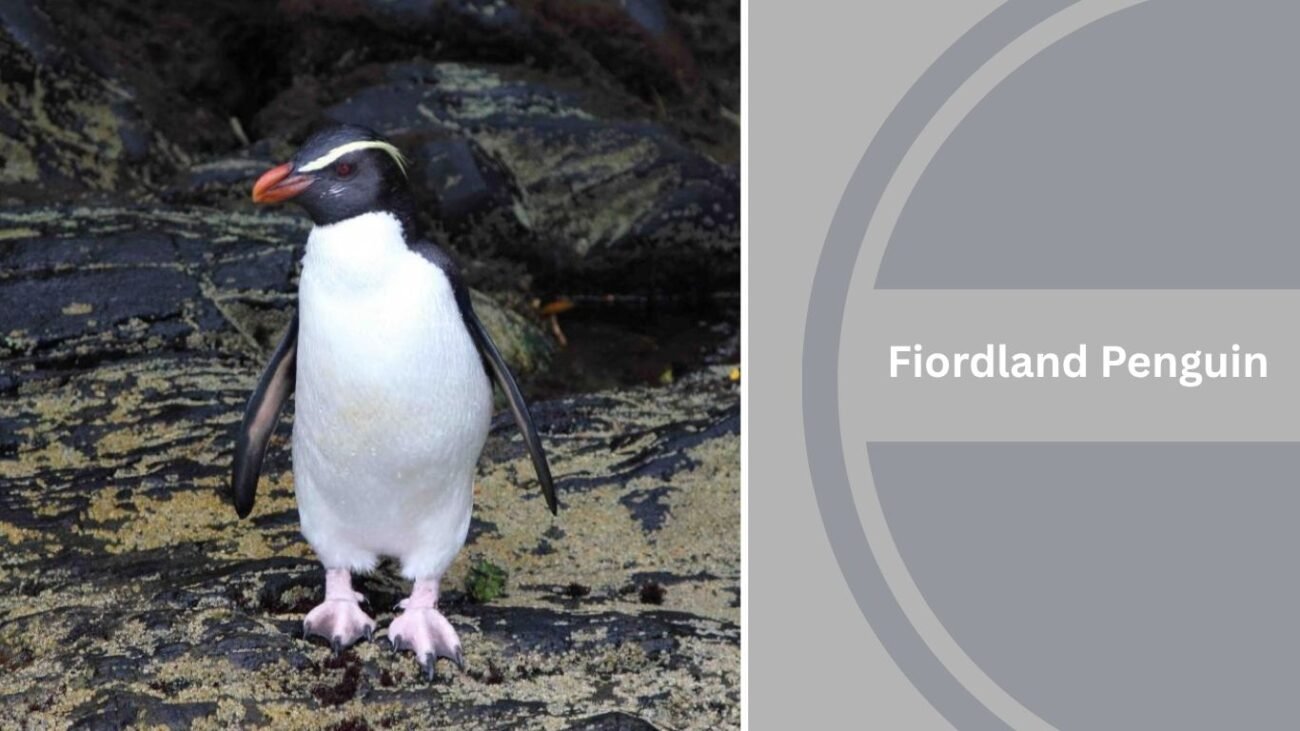
The Fiordland Penguin (Eudyptes pachyrhynchus), also called the Fiordland Crested Penguin, is a shy and secretive species native to the rainforested coasts of southwestern New Zealand.
Identification
- Medium size, around 60 cm (24 in)
- Dark bluish-black upperparts with white underparts
- Thick yellow eyebrow-like stripe that curves behind the eyes
- Pink feet and a heavy orange bill
- Short tail and strong legs for climbing rugged terrain
Habitat
Lives along rocky, forested shorelines and remote coastal cliffs of Fiordland and nearby islands in New Zealand.
Behavior
Nests in dense vegetation or caves, often hidden from view. Breeds in isolated colonies. Feeds on squid, krill, and fish, usually close to shore. Rarely seen, making it one of the least studied penguins.
8. Erect-crested Penguin
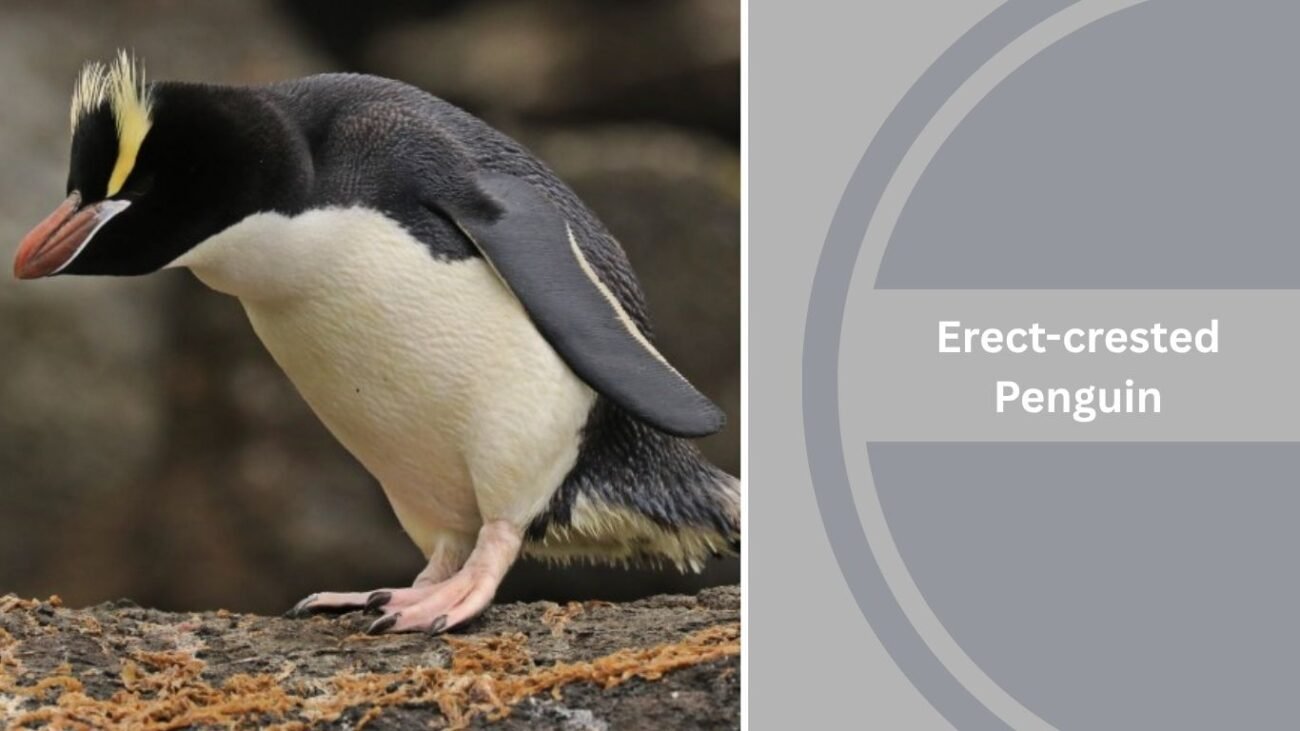
The Erect-crested Penguin (Eudyptes sclateri) is a rare and little-known species that breeds only on remote sub-Antarctic islands of New Zealand. It’s recognized by its stiff yellow crest feathers that stand upright.
Identification
- Medium to large size, about 65–70 cm (25–28 in)
- Black upperparts and white underparts
- Bright yellow crest that stands erect above the eyes
- Thick reddish-orange bill
- Red eyes and pale pink feet
Habitat
Breeds exclusively on the Antipodes and Bounty Islands southeast of New Zealand. Prefers rocky coastal terrain and cliffs.
Behavior
Feeds on krill, squid, and small fish, diving in cold sub-Antarctic waters. Nesting behavior is poorly documented due to remote location. Nests in dense colonies, often among rocks. Population is declining, and it is considered endangered.
9. Snares Penguin
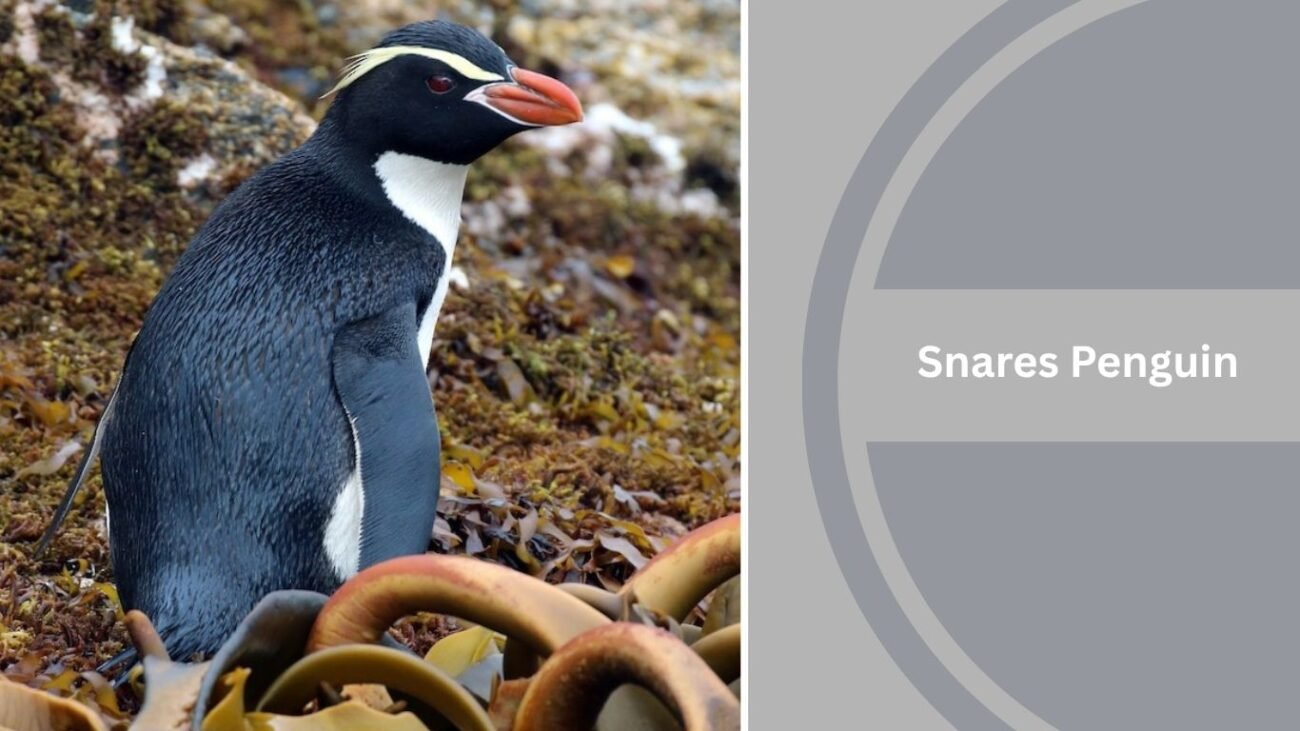
The Snares Penguin (Eudyptes robustus) is a crested penguin endemic to the Snares Islands off the southern coast of New Zealand. It’s closely related to the Fiordland Penguin and is also known as the Snares Crested Penguin.
Identification
- Medium size, about 60–70 cm (24–28 in)
- Dark blue-black upperparts with white underparts
- Bright yellow crest that starts above the eyes and sweeps back
- Thick orange bill and pink feet
- Red eyes with a bushy facial appearance
Habitat
Exclusively found on the forested Snares Islands. Breeds in thick vegetation and under tree canopies, close to freshwater streams.
Behavior
Highly social and vocal during breeding. Feeds on krill, squid, and fish in nearby ocean waters. Nests in tight colonies, often along forested slopes. Protected by New Zealand law, and the islands are off-limits to the public.
10. Yellow-eyed Penguin
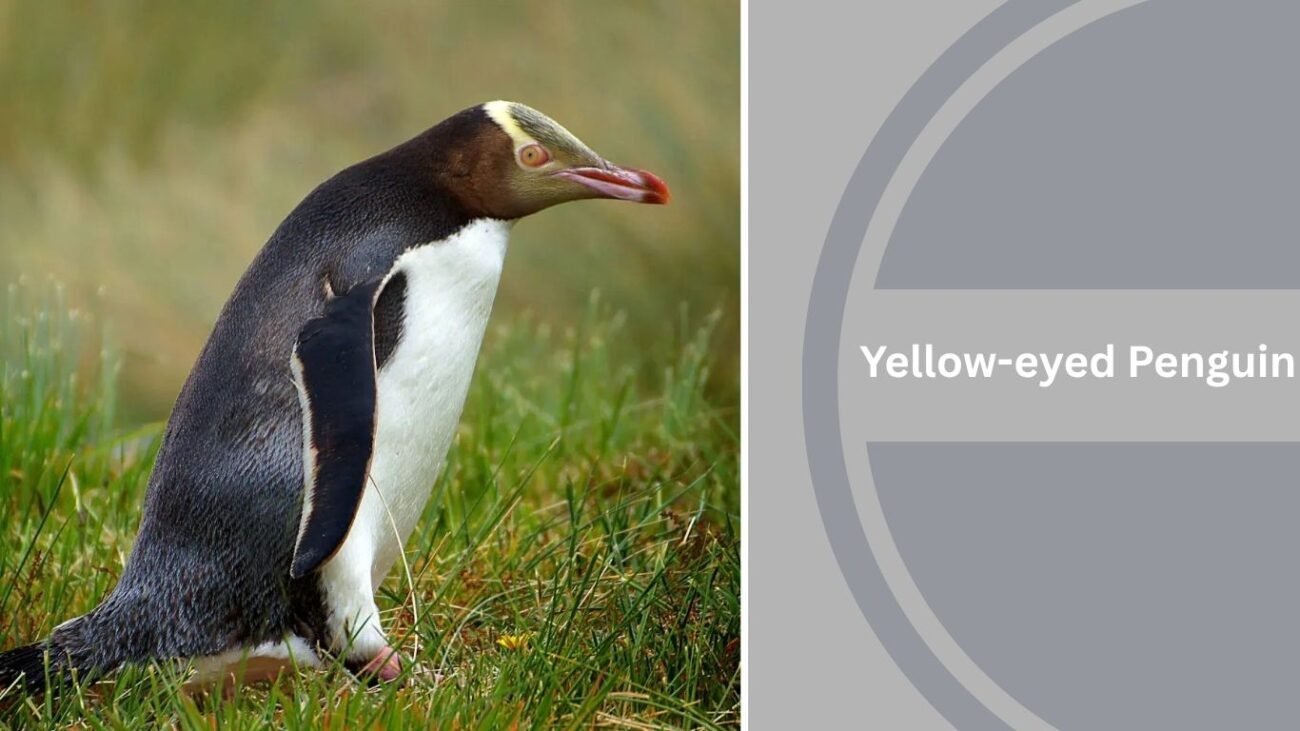
The Yellow-eyed Penguin (Megadyptes antipodes) is one of the rarest and most endangered penguin species in the world. Native to New Zealand, it is known for its shy nature and striking yellow eyes and head markings.
Identification
- Medium to large size, about 65–70 cm (25–28 in)
- Pale yellow eyes and head with yellow feather band extending from eye to eye
- Slate-grey back and white underside
- Long, pale orange bill and pink feet
- Upright and slender posture
Habitat
Inhabits coastal forests and scrublands along New Zealand’s South Island, Stewart Island, and sub-Antarctic islands.
Behavior
Solitary nesters, unlike most penguins. Nests in hidden forest clearings far from the shore. Feeds alone, diving for fish and squid. Extremely sensitive to human disturbance, disease, and introduced predators. Conservation efforts include habitat protection and predator control.
11. Royal Penguin
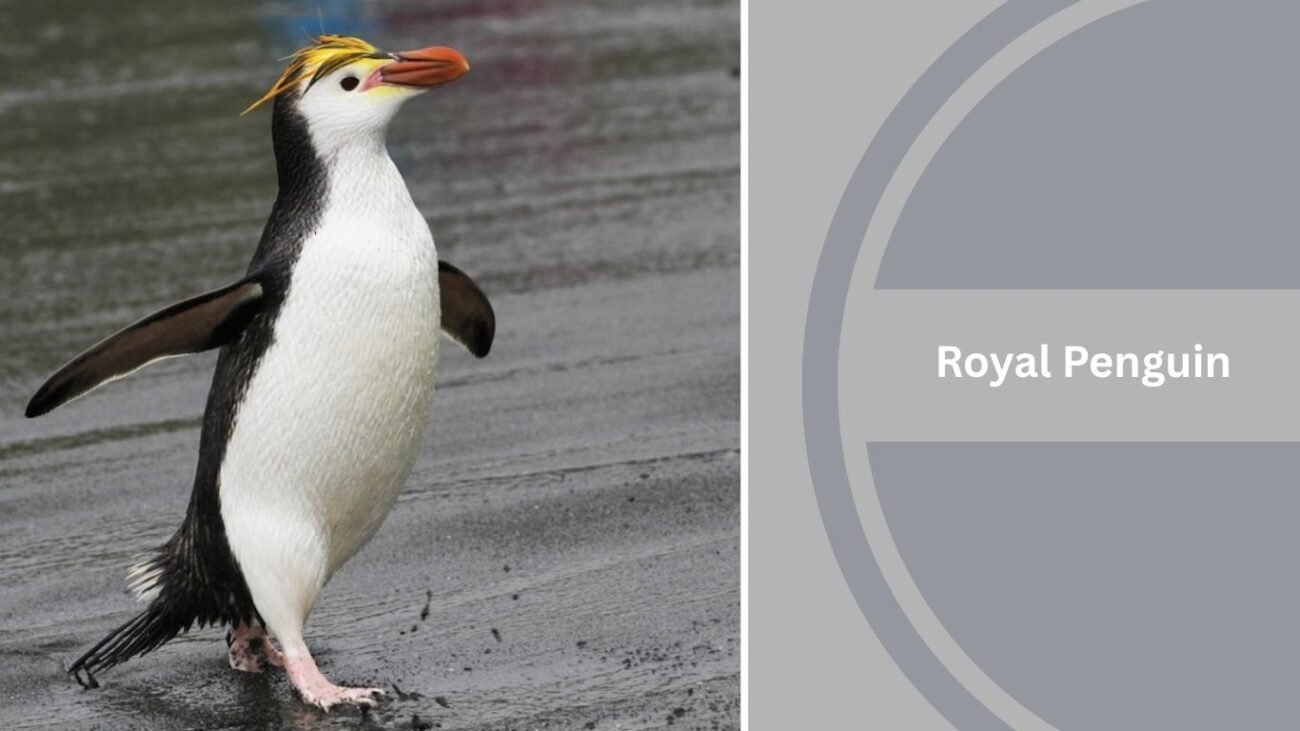
The Royal Penguin (Eudyptes schlegeli) is a crested penguin that breeds exclusively on Macquarie Island, south of New Zealand. It’s often confused with Macaroni Penguins but is distinguished by its white face.
Identification
- Medium size, about 65–76 cm (26–30 in)
- White face and underparts
- Bright yellow crest extending from forehead over the eyes
- Orange beak and red eyes
- Thick, strong build and pink feet
Habitat
Breeds only on Macquarie Island in large colonies on beaches and tussock grass slopes. Forages in surrounding sub-Antarctic waters.
Behavior
Feeds mainly on krill, fish, and squid. Highly social and noisy during breeding season. Nests in large, dense colonies. After breeding, migrates into the open ocean for the winter months.
12. Macaroni Penguin
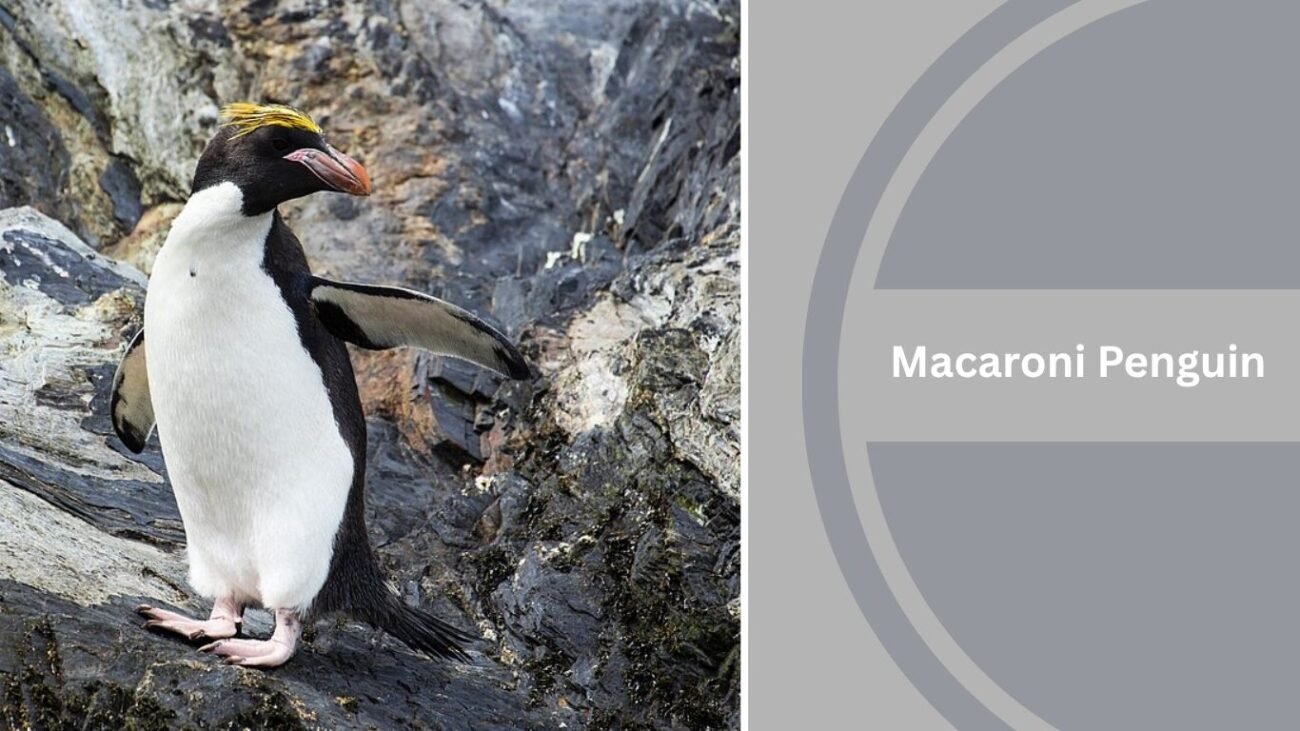
The Macaroni Penguin (Eudyptes chrysolophus) is one of the most numerous penguin species, known for its flamboyant golden crest. It breeds on sub-Antarctic islands and is closely related to the Royal Penguin.
Identification
- Medium size, about 70 cm (28 in)
- Black upperparts and white underparts
- Distinctive long yellow-orange crest feathers starting from the forehead
- Red eyes and a large orange bill
- Pink legs and webbed feet
Habitat
Found on sub-Antarctic islands such as South Georgia, the South Shetlands, and the Falklands. Nests in rocky, often steep coastal terrain.
Behavior
Forms massive colonies, sometimes numbering in the millions. Feeds mainly on krill, fish, and squid, often diving deep. Loud and aggressive during breeding season. Both parents share egg incubation and chick feeding duties.
13. Northern Rockhopper Penguin
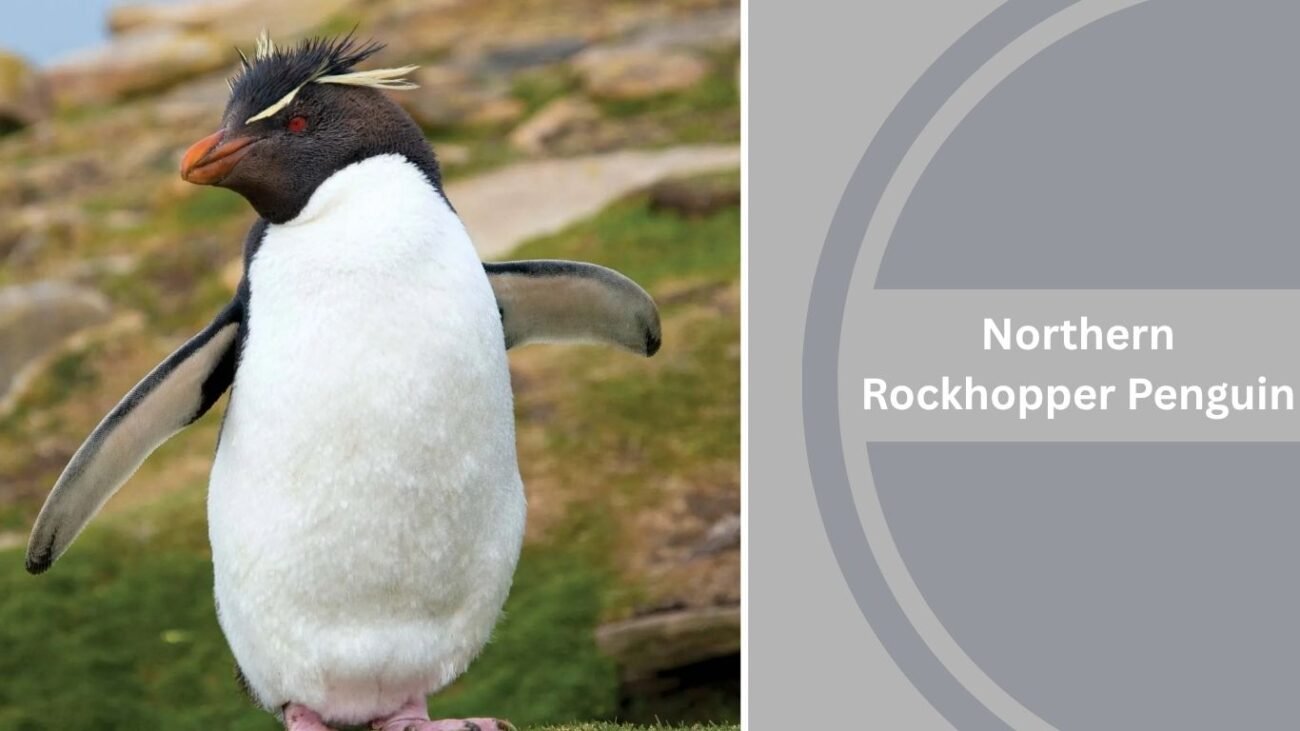
The Northern Rockhopper Penguin (Eudyptes moseleyi) is a highly endangered crested penguin found only on a few islands in the South Atlantic and Indian Oceans. It’s known for its dramatic spiky yellow crest and acrobatic movements on rocky shores.
Identification
- Medium size, about 55–65 cm (22–26 in)
- Black upperparts and white belly
- Long yellow crest feathers that extend sideways above red eyes
- Thick orange bill and pink feet
- Shaggy, unkempt appearance
Habitat
Breeds on remote islands like Tristan da Cunha and Gough Island. Prefers rocky shorelines and grassy cliff edges.
Behavior
Excellent climbers and jumpers—hence the name “rockhopper.” Feeds on small fish, squid, and krill. Breeds in large colonies in rough terrain. Population is in decline due to climate change, overfishing, and pollution.
14. Southern Rockhopper Penguin
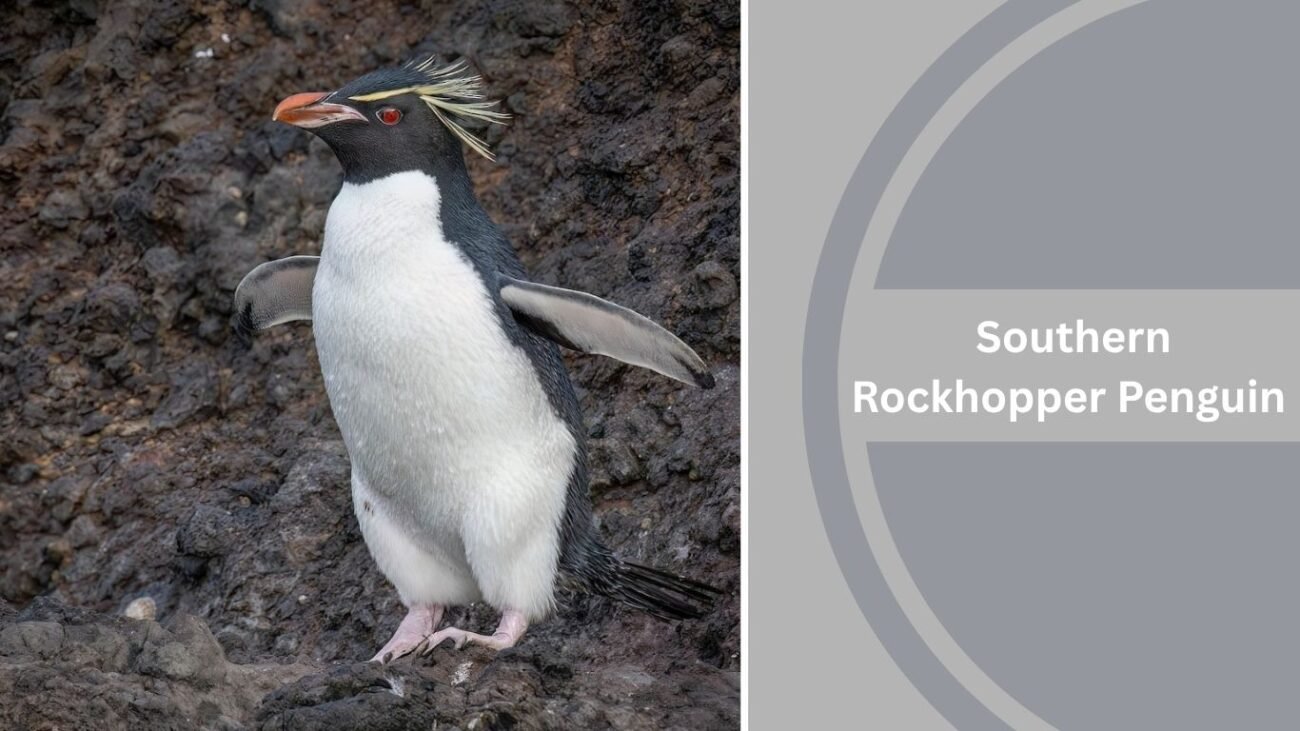
The Southern Rockhopper Penguin (Eudyptes chrysocome) is a small, energetic penguin known for its striking yellow crest and red eyes. It’s closely related to the Northern Rockhopper but found further south in cooler climates.
Identification
- Small to medium size, about 50–60 cm (20–24 in)
- Black upperparts and white underparts
- Prominent spiky yellow crest starting above the eyes
- Bright red eyes and thick orange beak
- Short pink legs and a sturdy build
Habitat
Breeds on rocky sub-Antarctic islands including the Falklands, Kerguelen, and southern Chile. Nests in rocky crevices, grass tussocks, or cliff ledges.
Behavior
Named for its hopping movement across rugged terrain. Feeds on krill, squid, and fish, diving up to 100 meters. Breeds in dense colonies with loud calls and aggressive displays. Populations have declined due to fishing pressure and habitat changes.
15. Galápagos Penguin
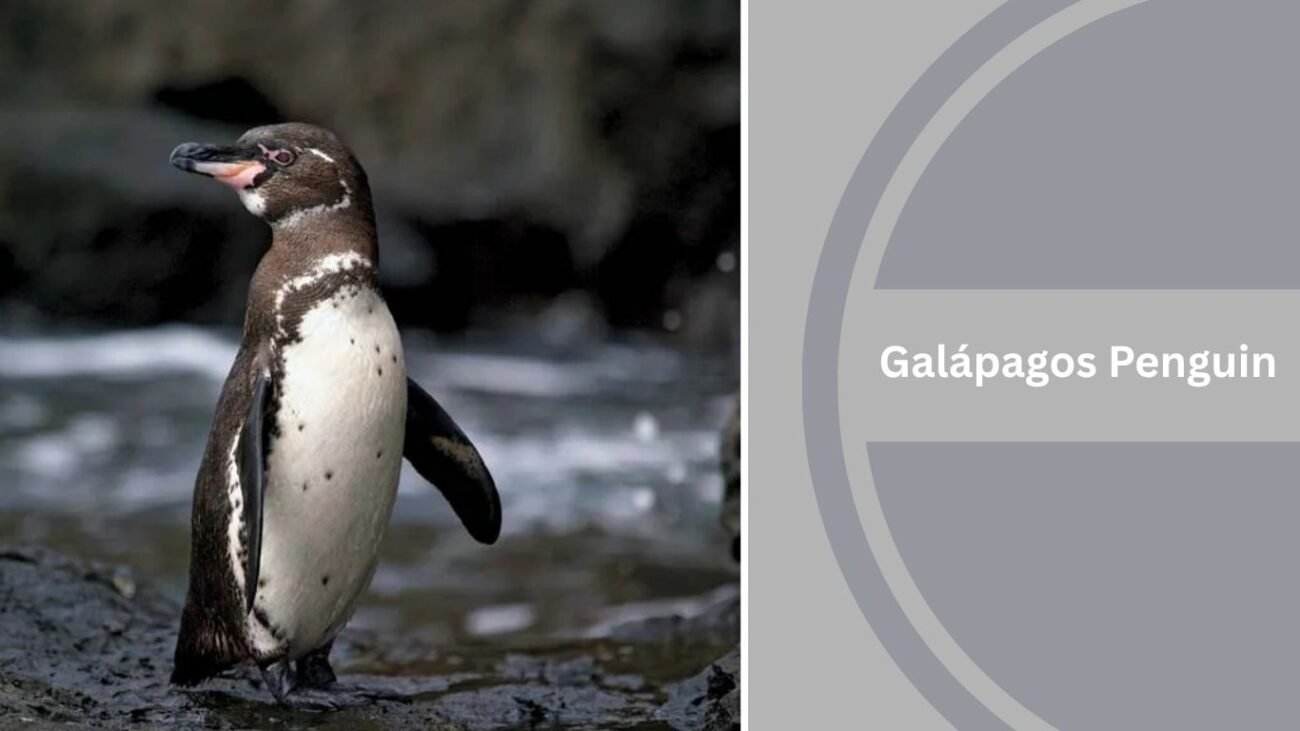
The Galápagos Penguin (Spheniscus mendiculus) is the only penguin species found north of the equator. It lives exclusively on the Galápagos Islands and is adapted to warm, tropical conditions.
Identification
- Small size, about 48–53 cm (19–21 in)
- Black head with a white border that runs from eye to chin
- Black back and flippers, with a white belly and black band across the chest
- Short, narrow bill and pink feet
- Sparse feathering on legs to help with cooling
Habitat
Found on rocky shores and lava outcrops of the Galápagos Islands, especially Fernandina and Isabela. Prefers cool waters from the Humboldt and Cromwell Currents.
Behavior
Feeds close to shore on small fish and marine invertebrates. Nests in caves or crevices to avoid overheating. One of the most endangered penguin species due to climate fluctuations and introduced predators. Breeds year-round, depending on food availability.