Feeding your cat the right amount of food is essential for maintaining its health, weight, and overall well-being. Too much food can lead to obesity and serious health problems, while too little can cause weakness and malnutrition.
Many cat owners are unsure about the correct portion sizes, especially with so many options like wet food, dry food, and mixed diets. In this guide, you’ll learn how much food your cat needs daily, how to adjust portions, and what factors influence feeding amounts.
How Much Food Should I Feed My Cat Daily?
The amount of food your cat needs each day depends on several factors, including weight, age, and activity level. While there are general guidelines, every cat is different, and feeding should be adjusted based on individual needs.
General Feeding Guidelines
On average, an adult cat requires about 200 to 250 calories per day. This typically translates to:
- Around ⅓ to ½ cup of dry food, or
- About 1 to 2 cans of wet food, depending on calorie content
Always check the food label, as calorie levels vary between brands. Feeding guidelines on packaging can be helpful but should not be followed blindly.
Feeding Based on Body Weight
A cat’s weight is one of the most important factors when determining portion size. Smaller cats need fewer calories, while larger cats require more to maintain their energy levels.
For example, a 5-pound cat will eat significantly less than a 15-pound cat. Adjusting food intake based on weight helps prevent overfeeding and supports a healthy body condition.
How Often Should You Feed Your Cat?
Most adult cats do well with two meals per day, typically morning and evening. Some owners prefer free feeding (leaving food out all day), but this can lead to overeating, especially with dry food.
Scheduled feeding is usually the better option because it allows you to monitor how much your cat is eating and notice changes in appetite quickly.
Cat Feeding Chart by Weight (Quick Guide)
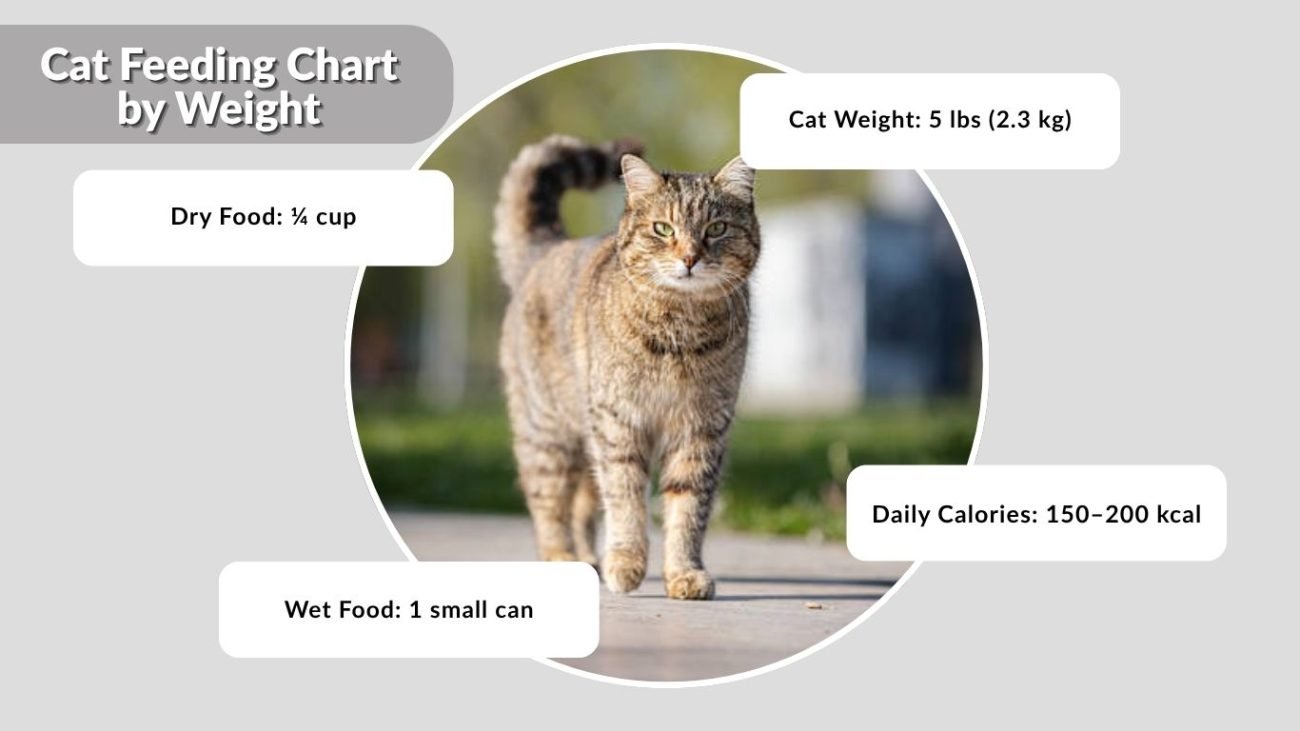
Understanding portion sizes becomes easier with a simple reference. The table below provides a general guideline based on weight.
| Cat Weight | Daily Calories | Dry Food (Approx) | Wet Food (Approx) |
| 5 lbs (2.3 kg) | 150–200 kcal | ¼ cup | 1 small can |
| 10 lbs (4.5 kg) | 200–250 kcal | ⅓–½ cup | 1–2 cans |
| 15 lbs (6.8 kg) | 250–300 kcal | ½–⅔ cup | 2 cans |
| 20 lbs (9 kg) | 300–350 kcal | ⅔–¾ cup | 2–3 cans |
This chart serves as a starting point. You may need to adjust portions depending on your cat’s metabolism and lifestyle.
Key Factors That Affect How Much You Should Feed Your Cat
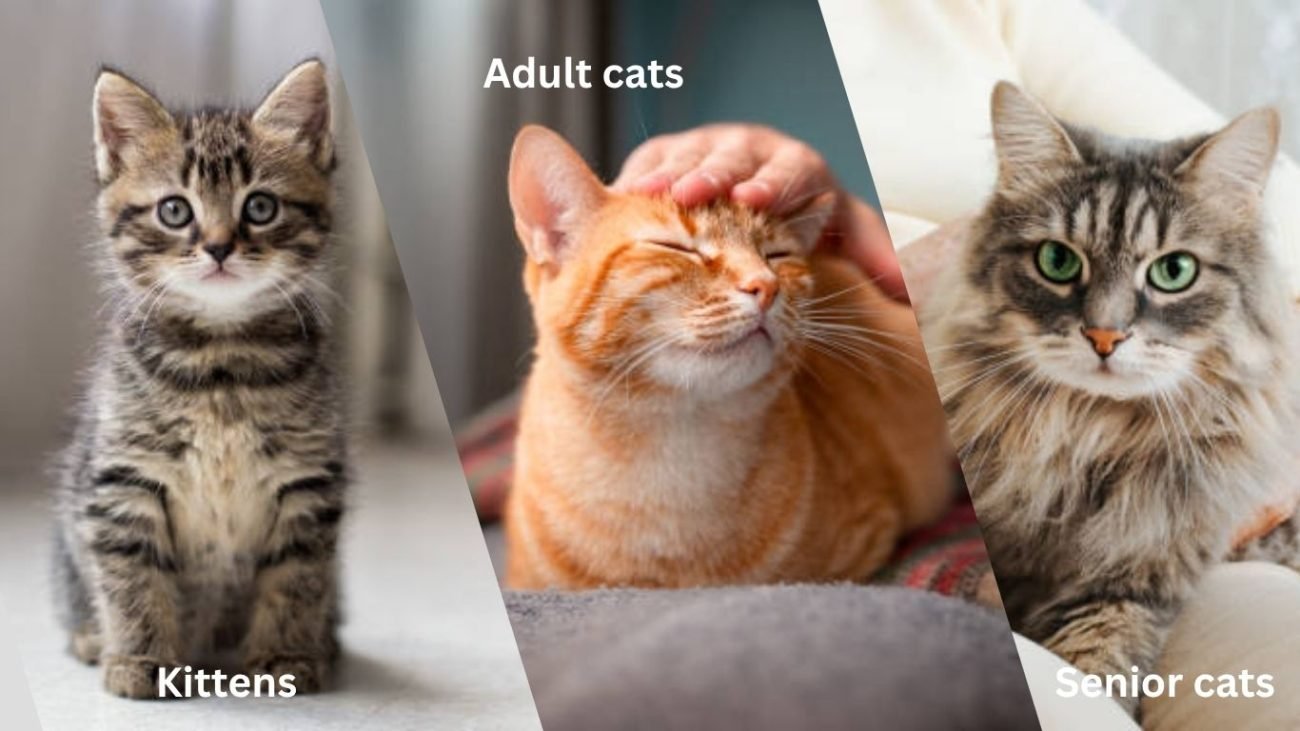
Feeding your cat isn’t just about weight. Several factors influence how much food your cat actually needs.
Age and Life Stage
- Kittens require more food because they are growing rapidly and need extra energy
- Adult cats need balanced portions to maintain their weight
- Senior cats may need fewer calories due to lower activity levels
As your cat ages, its nutritional needs change, so feeding amounts should be adjusted accordingly.
Activity Level
- Highly active cats burn more calories and require larger portions
- Indoor cats are usually less active and need fewer calories
If your cat spends most of its time indoors and doesn’t exercise much, overfeeding can quickly lead to weight gain.
Health and Body Condition
- Overweight cats need reduced portions and controlled feeding
- Cats with medical conditions may require special diets
Monitoring your cat’s body condition is important. You should be able to feel the ribs without excessive fat covering them, but they should not be visibly protruding.
How Much Wet vs Dry Food Should You Feed Your Cat?
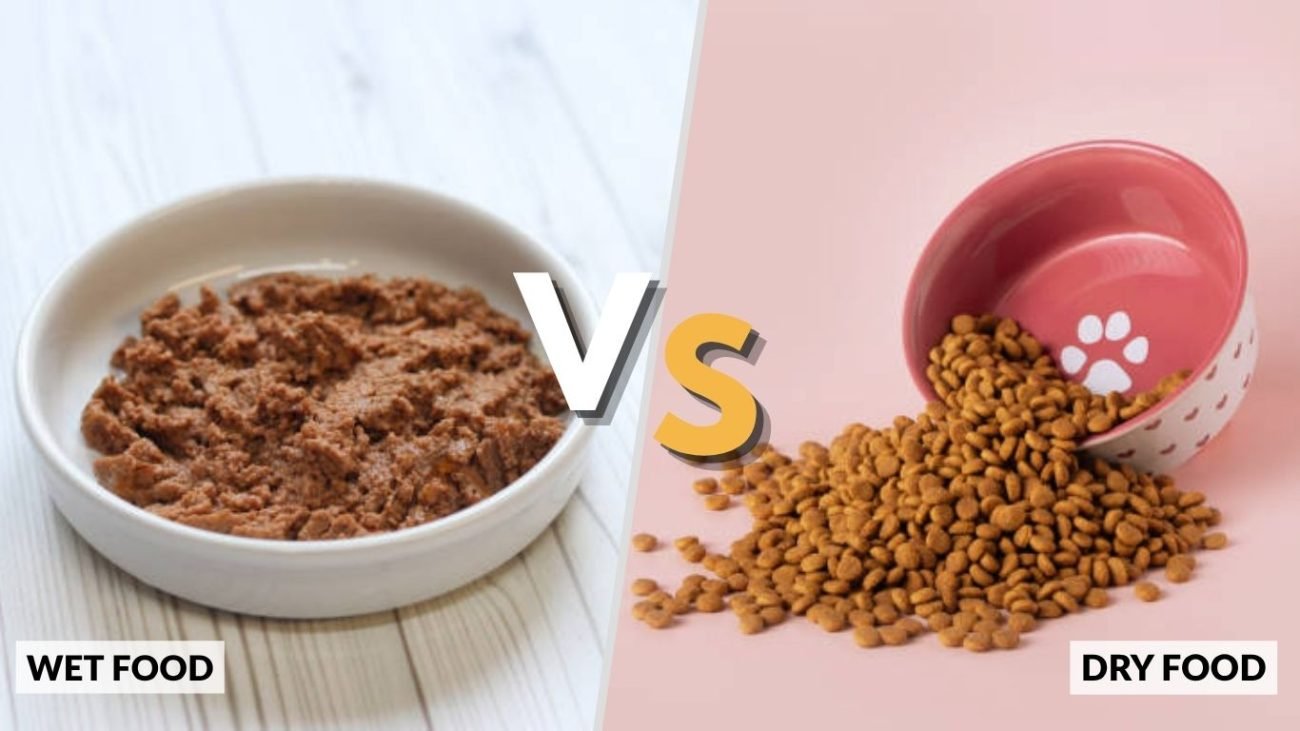
Choosing between wet and dry food—or combining both—can affect how much you feed your cat. Each type has different calorie density and benefits.
Wet Food Feeding Guidelines
Wet food contains more moisture and is generally lower in calories per serving. This makes it a good option for cats that need hydration support or weight control.
Most cats will need 1 to 2 cans per day, depending on size and calorie needs. Wet food is also often more appealing, especially for picky eaters.
Dry Food Feeding Guidelines
Dry food is more calorie-dense, meaning smaller portions provide more energy. This makes portion control very important.
Typically, cats need about ¼ to ½ cup per day, but this varies depending on the brand. Overfeeding dry food is common because it is easy to leave out all day.
Mixed Feeding (Wet + Dry)
Many owners choose to combine wet and dry food. This approach provides the benefits of both—hydration from wet food and convenience from dry food.
When mixing, reduce the portion of each type to avoid overfeeding. For example, if you give half the daily calories from wet food, the dry food portion should be reduced accordingly.
Signs You Are Feeding Your Cat Too Much or Too Little
Feeding the right amount isn’t always easy, but your cat’s body and behavior can give clear signals. Paying attention to these signs helps you adjust portions before problems develop.
Signs of Overfeeding
- Gradual weight gain over time
- Reduced activity or laziness
- Difficulty jumping or moving normally
Overfeeding is one of the most common issues among indoor cats. Extra calories that are not burned through activity are stored as fat, leading to obesity and related health problems.
Signs of Underfeeding
- Noticeable weight loss
- Constant hunger or begging for food
- Weakness or low energy
If your cat seems unusually hungry or is losing weight, it may not be getting enough nutrients. Underfeeding can weaken the immune system and affect overall health.
Ideal Body Condition
A healthy cat should have a visible waist when viewed from above and a slight tuck in the abdomen. You should be able to feel the ribs easily without pressing hard, but they should not be clearly visible.
Regularly checking your cat’s body condition is one of the best ways to ensure proper feeding.
What Happens If You Feed Your Cat Incorrectly?
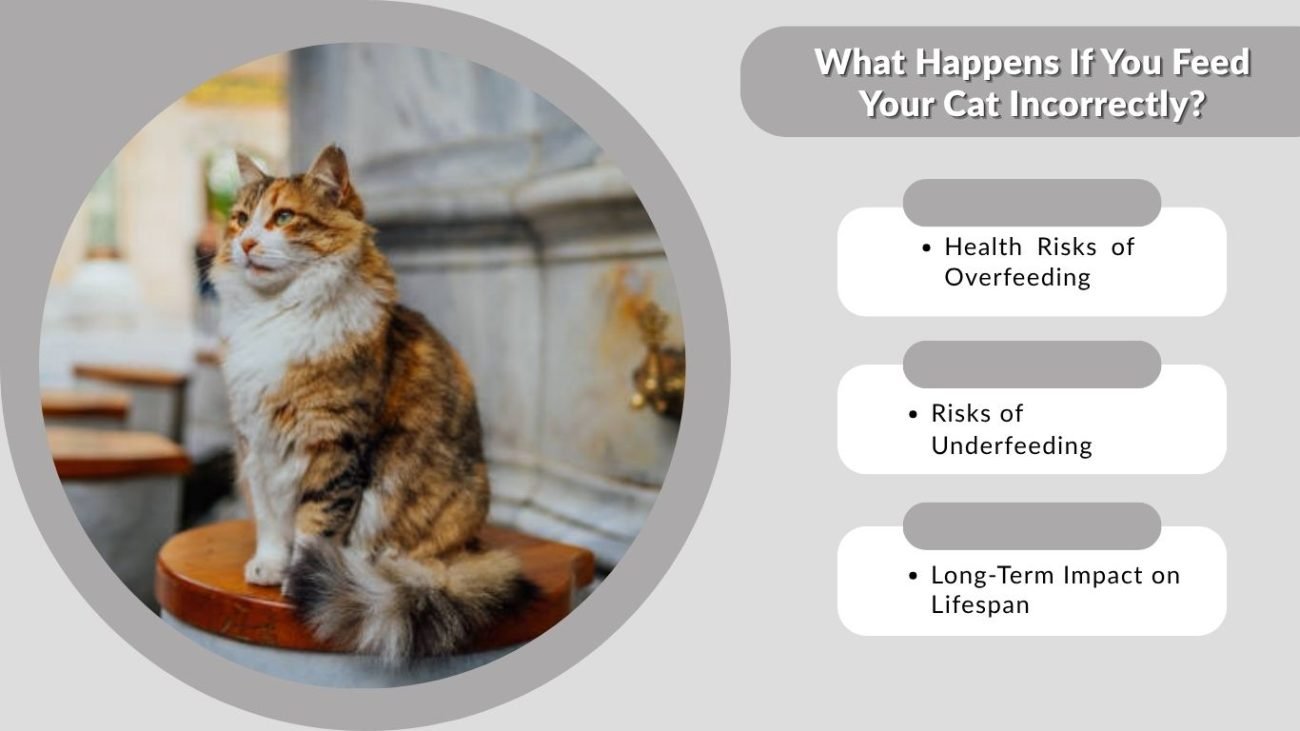
Feeding your cat too much or too little can lead to serious long-term health problems. Maintaining the right balance is essential for a healthy life.
Health Risks of Overfeeding
Overfeeding can cause obesity, which increases the risk of conditions such as diabetes, joint problems, and heart disease. Overweight cats are also less active, which can create a cycle of weight gain and declining health.
Risks of Underfeeding
Underfeeding deprives your cat of essential nutrients needed for energy and body function. This can result in muscle loss, weakness, and poor immune response, making your cat more vulnerable to illness.
Long-Term Impact on Lifespan
Improper feeding habits can shorten your cat’s lifespan. A balanced diet and correct portion sizes help maintain a healthy weight, support organ function, and improve overall quality of life.
Special Feeding Needs for Different Cats
Not all cats have the same dietary requirements. Certain groups need special attention when it comes to feeding amounts.
How Much Should You Feed a Kitten?
Kittens require significantly more calories than adult cats because they are growing quickly. They should be fed 3 to 4 small meals per day with nutrient-rich food.
Unlike adults, kittens should not go long periods without eating, as their energy reserves are limited.
How Much Should You Feed an Indoor Cat?
Indoor cats are generally less active and burn fewer calories. This means they require smaller portions compared to outdoor cats.
Controlled feeding is especially important for indoor cats to prevent weight gain and maintain a healthy body condition.
How Much Should You Feed an Overweight Cat?
Overweight cats need carefully managed portions to lose weight safely. Reducing food too quickly can be harmful, so gradual changes are recommended.
A veterinarian can help determine the ideal calorie intake and create a safe weight-loss plan.
FAQs
How much food should I feed my cat per day?
Most adult cats need about 200 to 250 calories daily, which equals roughly ⅓ to ½ cup of dry food or 1 to 2 cans of wet food. The exact amount depends on your cat’s weight, age, and activity level.
How much wet food should I feed my cat?
Wet food portions depend on calorie content, but most cats need 1 to 2 cans per day. Larger or more active cats may need more. Always check the label and adjust based on your cat’s weight and condition.
Can I feed my cat only dry food?
Yes, cats can eat only dry food, but it’s important to ensure they drink enough water. Dry food is calorie-dense, so portion control is essential. Many owners prefer mixing wet and dry food for better hydration and balance.
How do I know if I’m feeding my cat enough?
You can tell by monitoring your cat’s weight, energy levels, and body shape. A healthy cat maintains a stable weight, stays active, and has a visible waist with ribs that are easy to feel but not visible.
Conclusion
Feeding your cat the right amount of food is one of the most important parts of responsible pet care. While general guidelines can help, every cat is different, and factors like age, weight, and activity level must be considered.