Long-beaked white birds are not only elegant to watch, but also fascinating in how they hunt, forage, and survive in diverse environments. From graceful egrets and spoonbills to bold pelicans and storks, their beaks aren’t just tools—they’re specialized instruments evolved for different feeding techniques. In this article, you’ll discover 13 stunning white birds with long beaks, each explained with identification tips and a close look at how their unique beak shapes help them thrive.
1. Great Egret
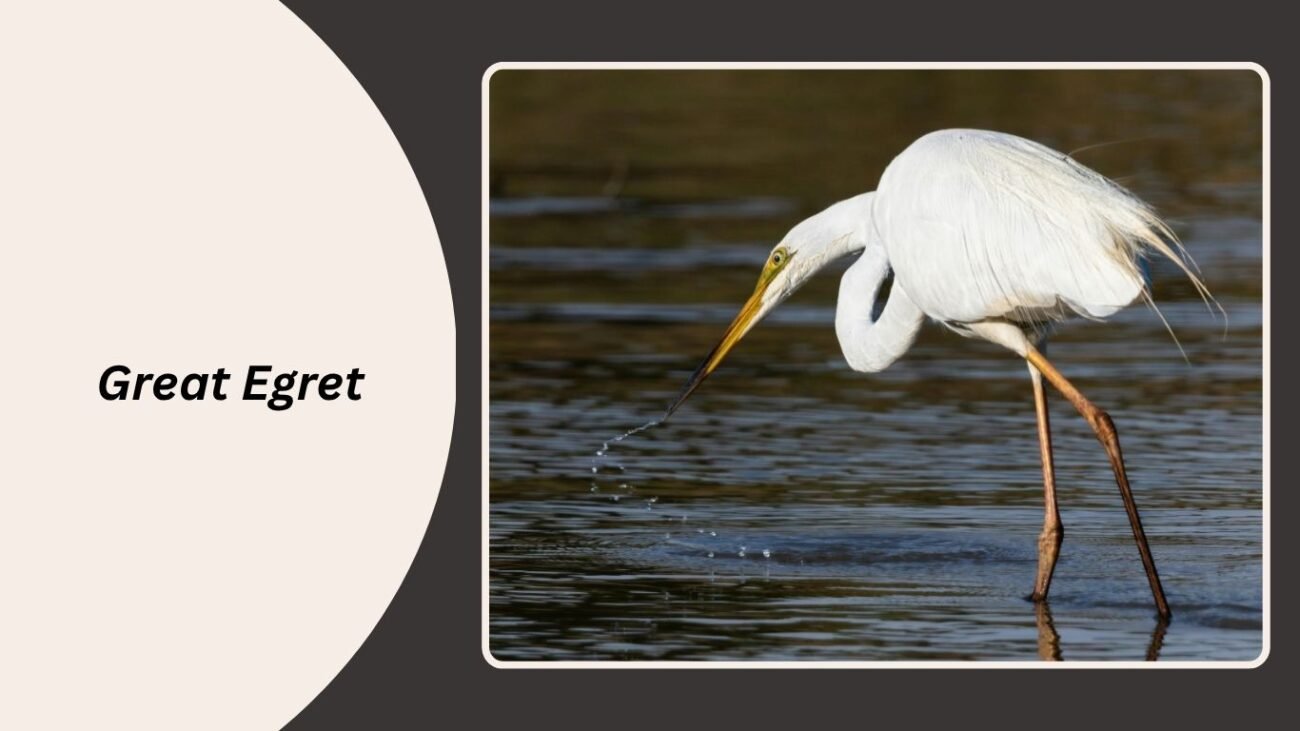
The Great Egret (Ardea alba) is a large, majestic white bird commonly seen in wetlands, marshes, and shallow waters across many continents. Its elegant posture, bright white feathers, and long yellow beak make it one of the most iconic wading birds in the world. This bird uses its sharp beak as a powerful hunting tool, swiftly striking prey such as fish and frogs in a flash.
Identification
- Large, slender white bird
- Long yellowish-orange bill
- Black legs and feet
- S-curved neck often retracted in flight
- Wingspan up to 57 inches (145 cm)
Beak Features and Function
The Great Egret’s long, pointed yellow beak is perfectly designed for precision hunting. It uses a “stand and strike” technique, where it waits patiently in shallow water, then thrusts its beak like a spear to capture fish, amphibians, and insects. The beak also plays a role in display behaviors during the breeding season.
Hunting and Feeding Behavior
Great Egrets often stalk their prey slowly and silently, stepping carefully through the water. Their keen eyesight allows them to spot movement beneath the surface, and their quick stabbing motion delivers a deadly strike. They swallow prey whole, using the length of their beak and neck to position food before consumption.
Habitat and Range
Found worldwide, especially in North America, South America, Asia, Africa, and Europe. Preferred habitats include freshwater and saltwater marshes, lakesides, tidal flats, and rice paddies.
Behavior and Breeding
During mating season, Great Egrets develop long lacy plumes on their back and engage in graceful display rituals. Nests are built in colonies, often high in trees near water. Both male and female share incubation duties.
2. Snowy Egret
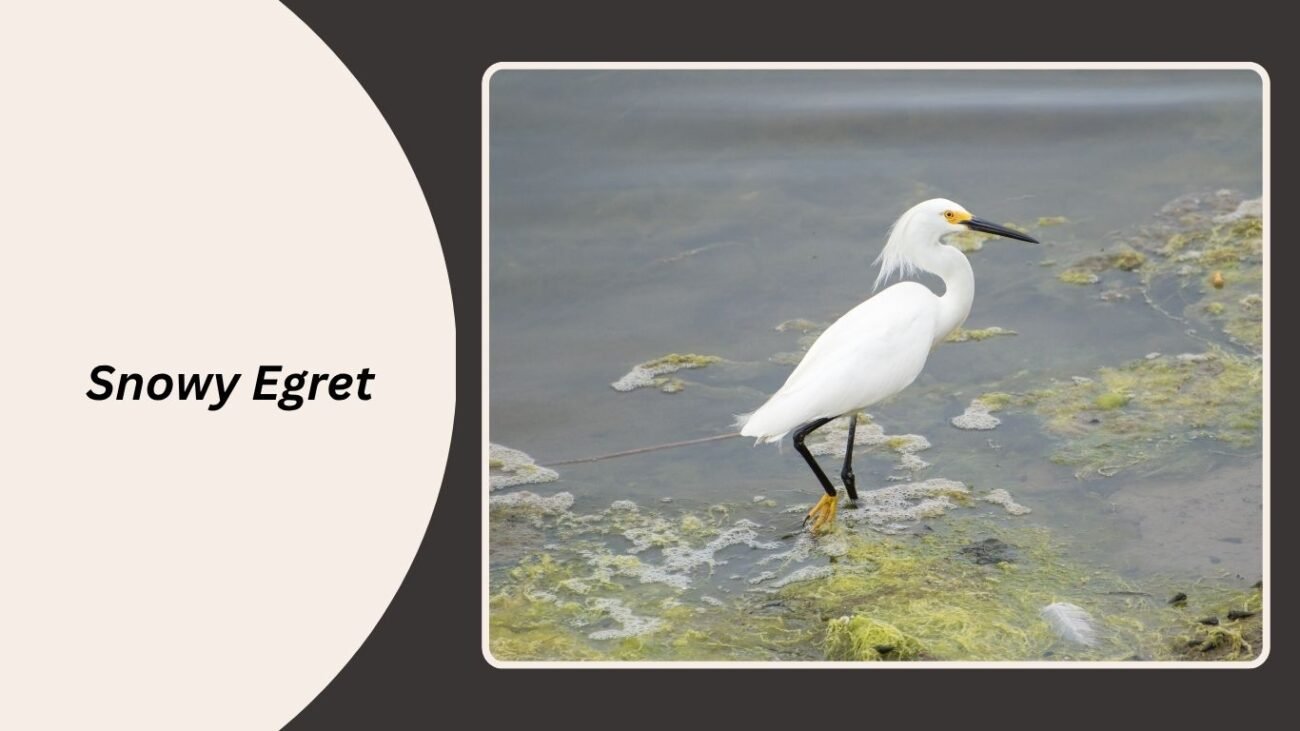
The Snowy Egret (Egretta thula) is a smaller, more delicate cousin of the Great Egret. It stands out with its snowy white plumage, black beak, and bright yellow feet, which it uses in a clever way to attract prey while hunting in shallow water.
Identification
- Medium-sized white heron
- Slender black beak
- Black legs with bright yellow feet
- Slim S-shaped neck
- Distinct breeding plumes on head and back
Beak Features and Function
Its long, thin black beak is ideal for grasping small aquatic prey like fish, crustaceans, and insects. Unlike the spear-like attack of the Great Egret, the Snowy Egret often uses quick jabs and snaps to pick off food items. The black coloration helps reduce sun glare while hunting.
Hunting and Feeding Behavior
The Snowy Egret is an active hunter. It uses its bright yellow feet to stir the water, flushing out hidden prey. Then, with a rapid strike of its slender beak, it grabs the prey from the surface or just below it. It’s agile, fast, and often seen dashing through the water.
Habitat and Range
Common in the Americas—North, Central, and South. Found in marshes, mudflats, lagoons, and estuaries. Often forages in groups with other wading birds.
Behavior and Breeding
Breeds in colonies on islands or secluded wetland groves. Males display fine plumes and perform flight rituals to attract females. Both parents help care for the chicks.
3. White Ibis
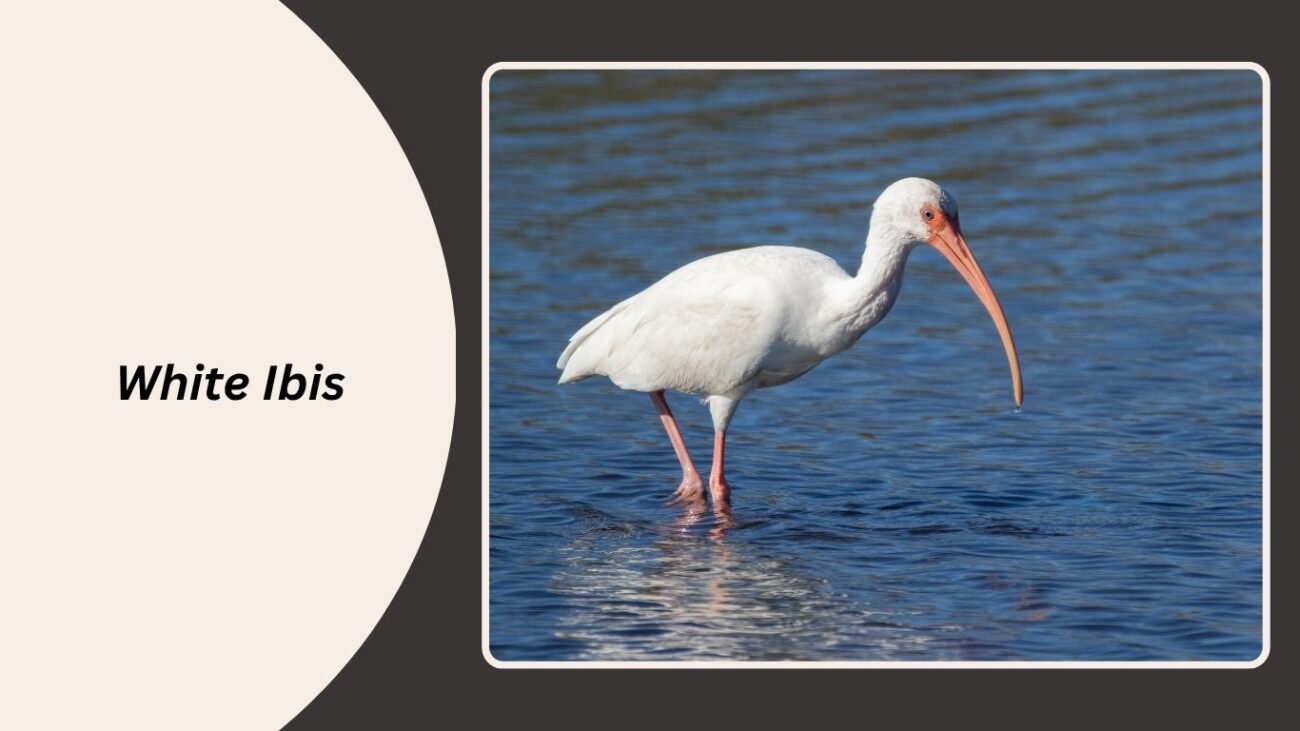
The White Ibis (Eudocimus albus) is a striking bird with an unmistakable down-curved reddish-orange beak and all-white body. It is commonly seen probing muddy shores and marshes in search of invertebrates.
Identification
- Medium-sized white bird
- Long, curved red-orange beak
- Pinkish-red face and legs
- Black wing tips visible in flight
- Slender neck and compact body
Beak Features and Function
The curved beak of the White Ibis is specially adapted for probing soft mud and shallow water. Its long, downward arc allows it to reach buried crustaceans, worms, and insects. The bill is highly sensitive, helping the bird detect prey by touch rather than sight.
Hunting and Feeding Behavior
Unlike egrets, the White Ibis rarely stalks or chases. Instead, it walks slowly and probes into mud or sand. It uses its beak like a pair of forceps, pulling up food from beneath the surface. It often feeds in flocks, stirring up prey collectively.
Habitat and Range
Found along coastal and inland wetlands of the southeastern United States, Central America, and parts of South America. Prefers freshwater marshes, swamps, rice fields, and shallow coastal lagoons.
Behavior and Breeding
Breeds in large colonies with hundreds of nests in trees or shrubs over water. Courtship includes ritualized preening and bowing. Both parents share chick-rearing duties.
4. Royal Spoonbill
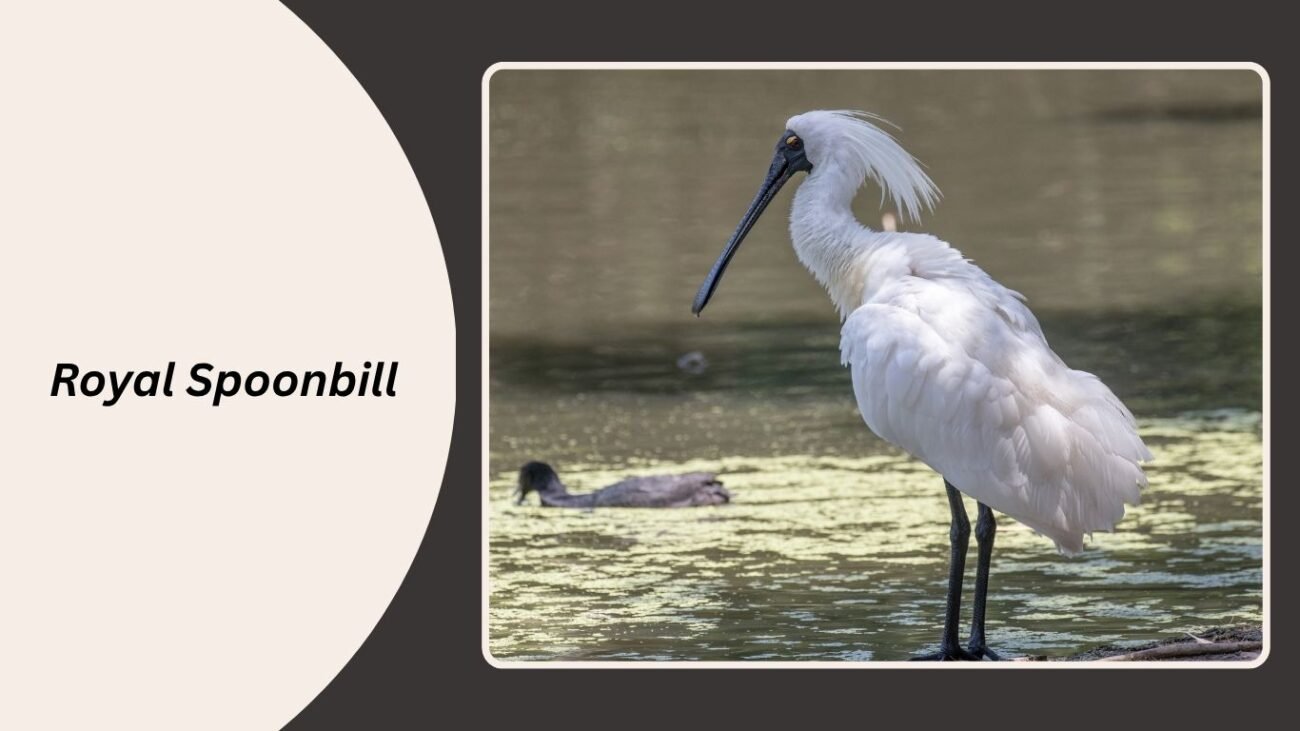
The Royal Spoonbill (Platalea regia) is a large, eye-catching bird known for its unique spoon-shaped beak and pure white feathers. Native to Australasia, it thrives in both coastal and inland wetlands.
Identification
- Large white bird with a long neck
- Distinct flat, spoon-shaped black beak
- Black legs and facial skin with a yellow patch above the eye
- Crest of feathers on the back of the head during breeding
Beak Features and Function
The broad, spatula-like beak is designed for sweeping side-to-side in shallow waters, detecting prey by touch. This adaptive feature allows the Royal Spoonbill to feed even in muddy or cloudy conditions, capturing crustaceans, small fish, and aquatic insects.
Hunting and Feeding Behavior
The bird sweeps its beak through the water with its head lowered, feeling for movement. When it senses prey, it quickly snaps its beak shut. This tactile foraging method is highly effective in wetlands with low visibility.
Habitat and Range
Found across Australia, New Zealand, Indonesia, and Papua New Guinea. Prefers shallow freshwater and saltwater environments like swamps, mangroves, mudflats, and floodplains.
Behavior and Breeding
Breeds in colonies, often alongside other waterbirds. Nests are built in trees or reed beds. Both parents feed the chicks with regurgitated food caught with their specialized beaks.
5. Eurasian Spoonbill
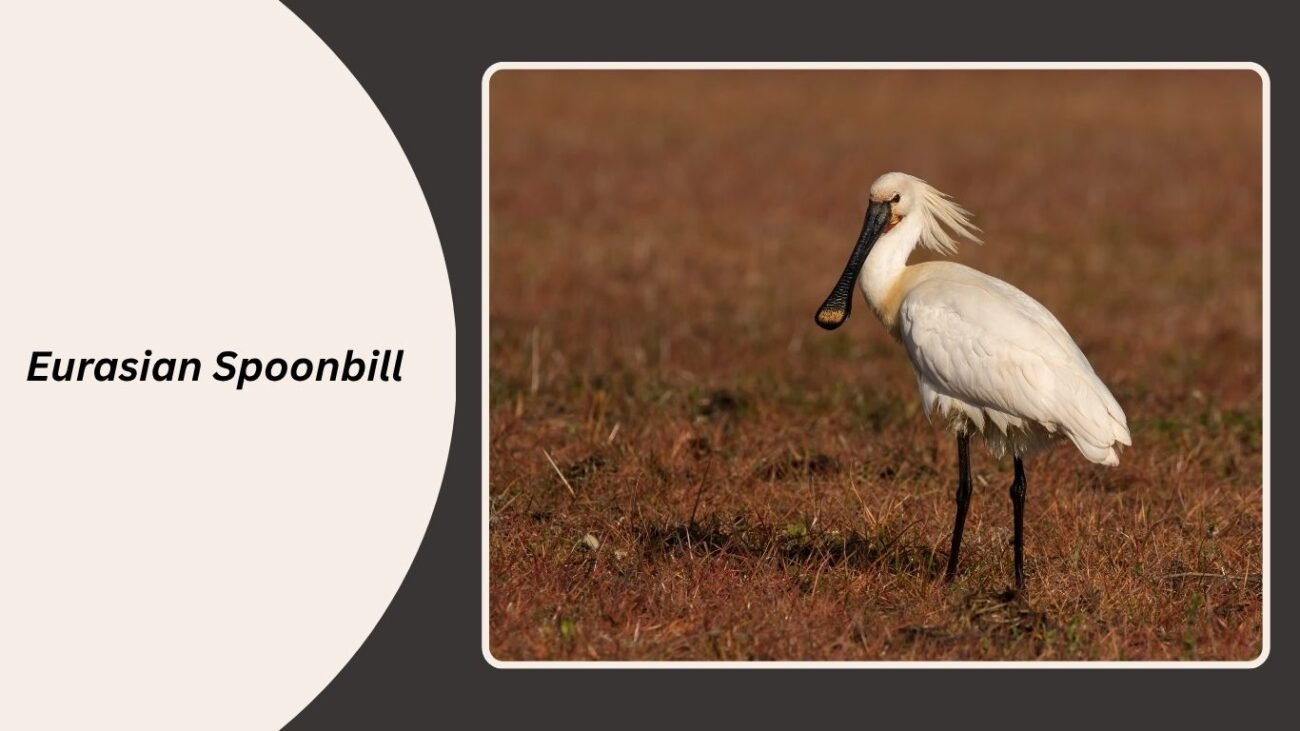
The Eurasian Spoonbill (Platalea leucorodia) shares a similar shape with its royal cousin but inhabits wetlands across Europe, Africa, and Asia. Its white body and long, flattened bill make it easy to recognize.
Identification
- Large white bird with a plumed crest
- Long, black spoon-shaped beak with yellow tip
- Long black legs
- Yellowish breast patch in breeding season
Beak Features and Function
Its long, flat-tipped bill is adapted for non-visual feeding. As it sweeps the beak in shallow water, it detects prey by touch. The beak’s sensitive tip snaps closed when it comes into contact with aquatic life.
Hunting and Feeding Behavior
Feeds mainly by wading and sweeping its beak from side to side. It eats small fish, insects, amphibians, and crustaceans. The spoon-like tip increases surface area, helping it trap more prey with each movement.
Habitat and Range
Found in Europe, North Africa, the Middle East, and parts of Asia. Habitats include river deltas, marshes, tidal flats, and lakeshores.
Behavior and Breeding
Nests in colonies in trees or reed beds, often near herons or cormorants. During courtship, the birds display elaborate bill-waving and feather-raising behavior. Chicks are fed by regurgitation from both parents.
6. American White Pelican
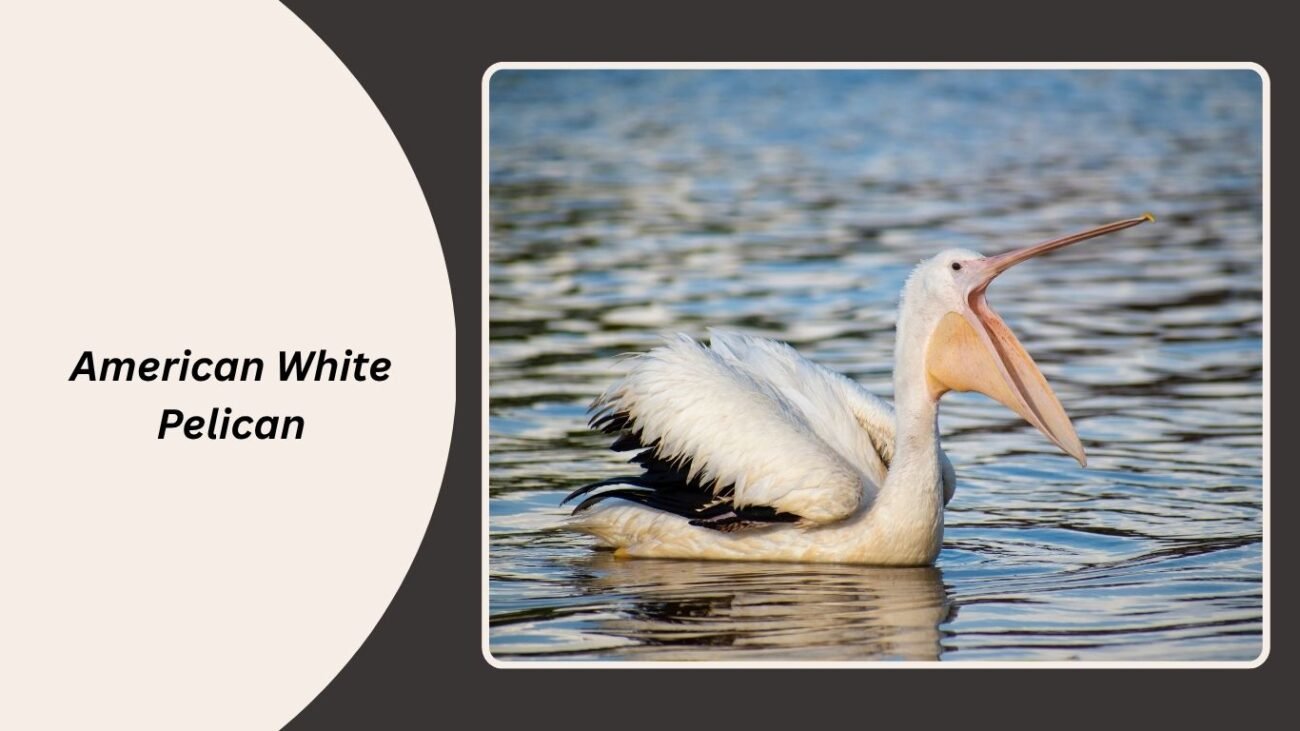
The American White Pelican (Pelecanus erythrorhynchos) is one of the largest white birds in North America, known for its massive orange beak with a flexible throat pouch used for catching and draining water from fish.
Identification
- Huge white body with black flight feathers
- Enormous orange beak with expandable pouch
- Short orange legs and webbed feet
- Wingspan can reach up to 9 feet (2.7 meters)
Beak Features and Function
The American White Pelican’s giant beak with a deep pouch is designed for scooping fish out of the water. It doesn’t dive like the Brown Pelican—instead, it glides over the surface or cooperates with others to herd fish into shallow areas before scooping them up. During breeding season, males grow a prominent horn-like ridge on the upper bill.
Hunting and Feeding Behavior
Feeds mostly in groups, working together to corral fish. It plunges its bill into the water and scoops up several liters at a time, then drains the water before swallowing the fish whole. Diet includes small fish, amphibians, and occasionally crustaceans.
Habitat and Range
Breeds in inland lakes and marshes across the U.S. and Canada, then migrates to coastal lagoons, estuaries, and freshwater bodies in the southern U.S., Mexico, and Central America.
Behavior and Breeding
Breeds in large colonies on remote islands. Both parents share incubation and chick-feeding duties. They regurgitate partially digested fish directly into the chick’s mouth using their beak pouch.
7. Wood Stork
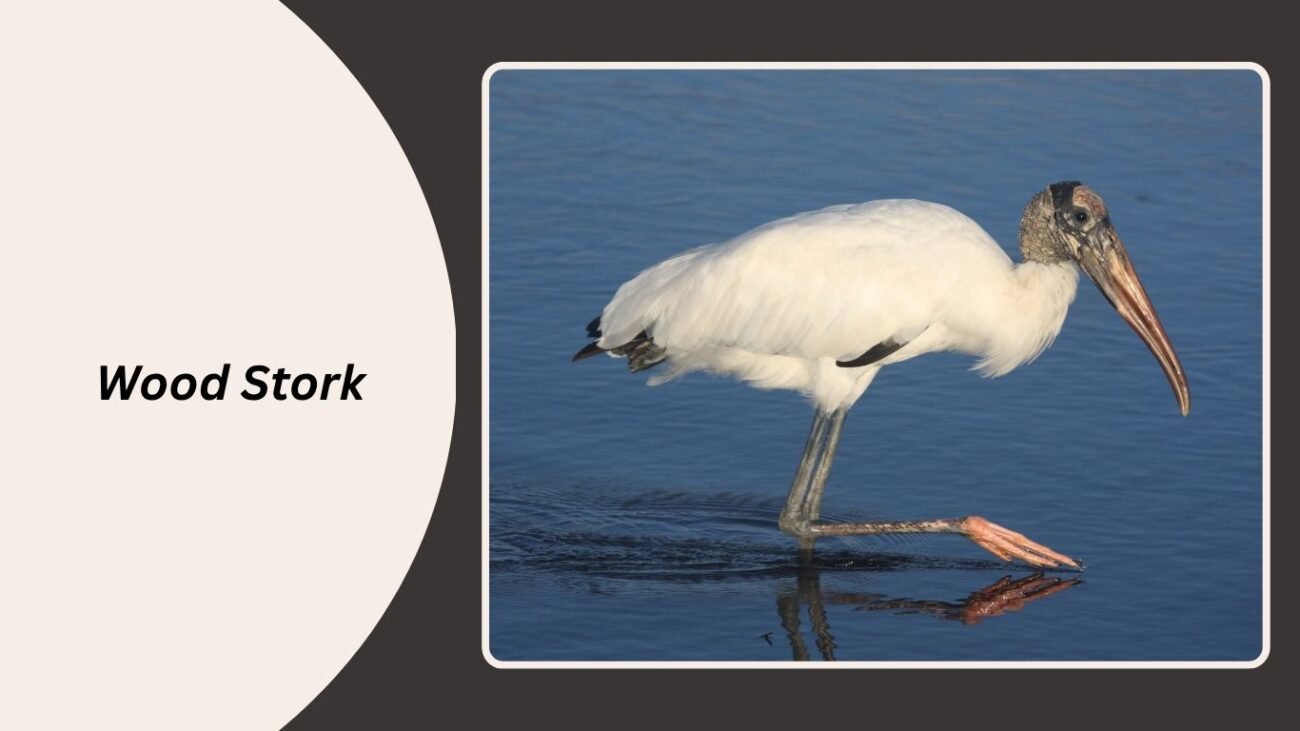
The Wood Stork (Mycteria americana) is a large white wading bird with a long, thick, slightly down-curved beak and a bald, dark gray head. It is the only stork that breeds in North America.
Identification
- White body with black flight feathers
- Long, thick, curved grayish bill
- Bald dark-gray or black head
- Long legs with pinkish feet
Beak Features and Function
The Wood Stork’s powerful beak is uniquely adapted for “tactile feeding.” It hunts with its beak open underwater, waiting to snap it shut the moment it feels prey touch the inside. The reaction is one of the fastest known in birds—about 25 milliseconds.
Hunting and Feeding Behavior
Wades slowly through shallow wetlands with its bill partially open in the water. Feeds mostly on small fish, insects, and crustaceans. Often feeds in flocks, and water disturbance from other birds can help stir up prey.
Habitat and Range
Found in the southeastern United States, especially in Florida, as well as parts of Central and South America. Prefers freshwater swamps, marshes, and wet prairies.
Behavior and Breeding
Breeds in colonies, usually in trees over water. Nests are made from sticks. Both parents share feeding responsibilities, and chicks are fed by regurgitation. Breeding success depends on adequate water levels to concentrate fish populations.
8. Little Egret
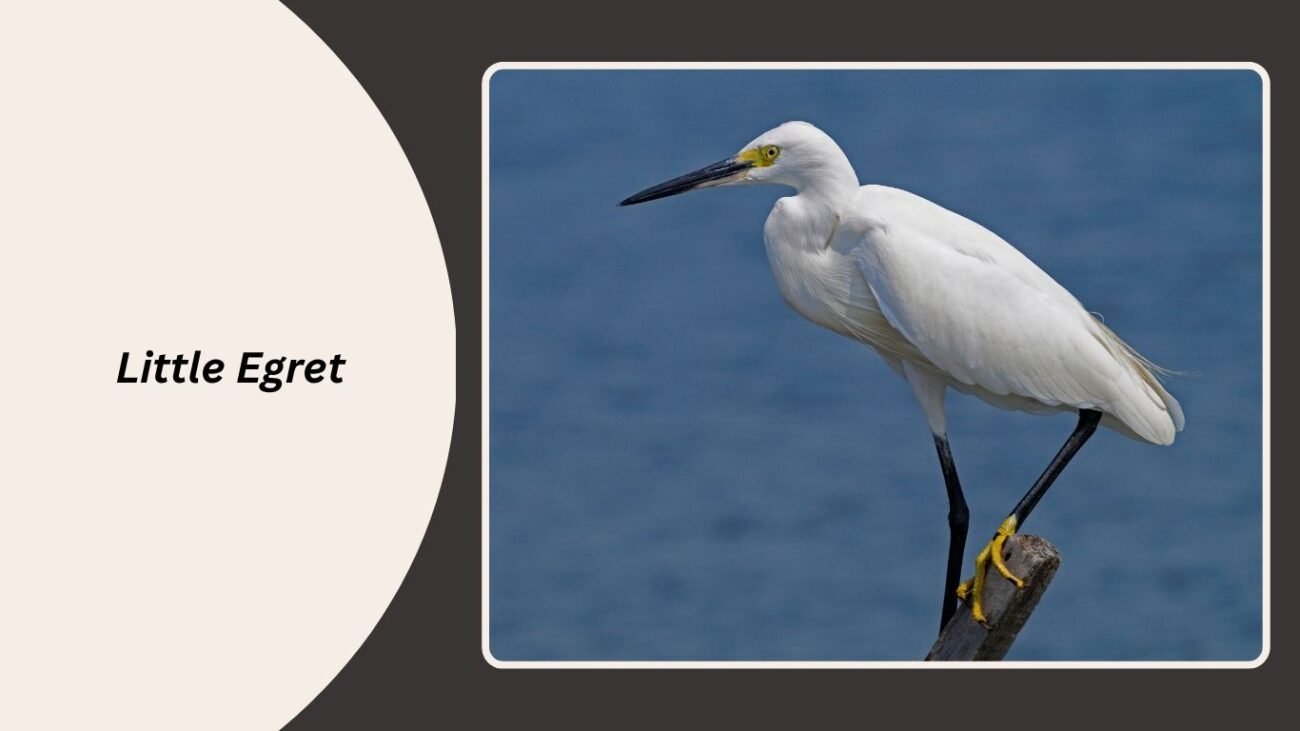
The Little Egret (Egretta garzetta) is a small, elegant white heron with a slender black beak and striking black legs with yellow feet. Its graceful movement and delicate features make it easy to distinguish from larger egrets.
Identification
- Small white heron
- Long, thin black beak
- Black legs with bright yellow feet
- Slender S-shaped neck
- Filamentous plumes on head and chest during breeding
Beak Features and Function
The fine, pointed black beak is excellent for quick precision strikes. Unlike the stabbing technique of larger egrets, the Little Egret uses swift, delicate pecks to catch small fish, insects, and crustaceans. The beak’s sleek shape enhances speed and control during feeding.
Hunting and Feeding Behavior
A very active hunter, often seen stirring the water with its feet or fluttering its wings to startle prey. It then lunges or pecks quickly with its sharp beak. Frequently feeds alone or in small groups in shallow waters.
Habitat and Range
Found across Europe, Africa, Asia, and Australia. Prefers shallow lakes, estuaries, saltmarshes, and riverbanks.
Behavior and Breeding
Breeds in colonies with other waterbirds. Nests are built in trees, reed beds, or mangroves. Both male and female share incubation and chick-rearing duties.
9. Great White Heron (White Morph of Great Blue Heron)
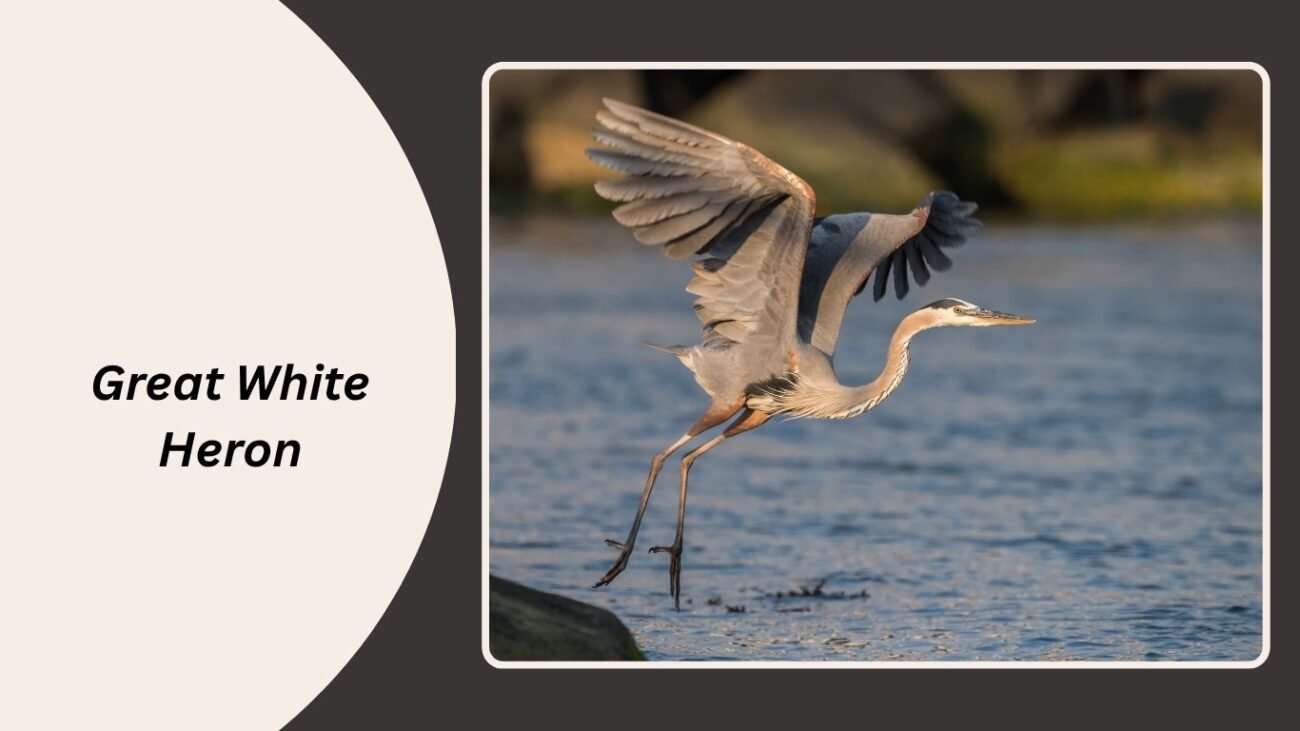
The Great White Heron is a white color morph of the Great Blue Heron (Ardea herodias occidentalis), found primarily in southern Florida. It is the largest white heron in North America, with a heavy yellow beak and broad wings.
Identification
- Large, all-white heron
- Long yellow beak
- Long grayish legs
- Thick neck with slow, fluid movement
- Larger than the Great Egret
Beak Features and Function
Its thick, dagger-like yellow beak is built for powerful spearing. This strong bill is used to catch larger prey, including fish, frogs, snakes, and even small mammals. The heron delivers a forceful strike to stun or kill before swallowing its catch.
Hunting and Feeding Behavior
Solitary hunter, often stands motionless before striking. Uses stealth and slow, calculated movements before a lightning-fast beak thrust. Can hunt in both saltwater and freshwater.
Habitat and Range
Endemic to southern Florida, especially the Florida Keys and Everglades. Prefers mangroves, shallow bays, tidal creeks, and estuarine wetlands.
Behavior and Breeding
Nests in trees or mangroves in small colonies. Courtship involves mutual grooming and bill clacking. Both parents share incubation and chick care.
10. Sacred Ibis
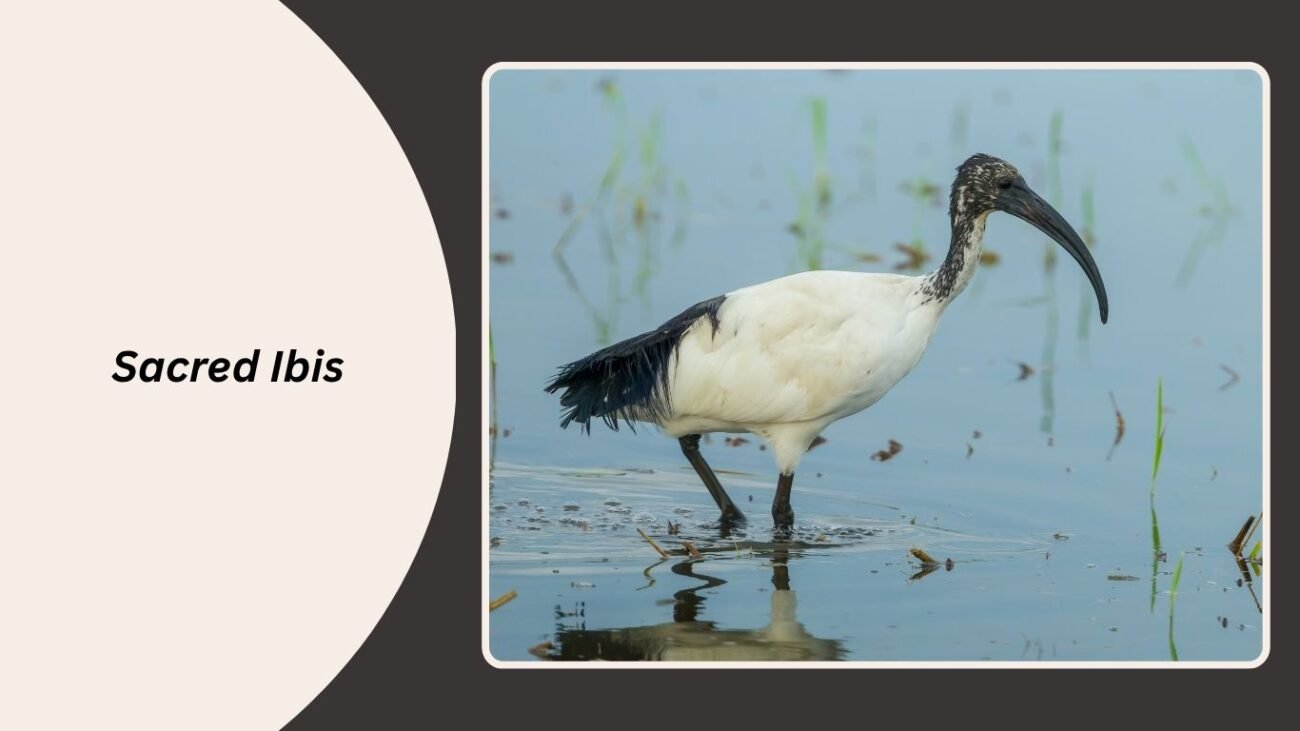
The Sacred Ibis (Threskiornis aethiopicus) is a striking white bird with a long, downward-curved black beak and a bald black head. Revered in ancient Egyptian culture, it’s now commonly seen in wetlands and grasslands of Africa and the Middle East.
Identification
- White plumage with black wing tips
- Long, arched black beak
- Bare black head and neck
- Long legs with blackish-gray feet
Beak Features and Function
Its curved beak is perfectly adapted for probing soft mud, allowing it to reach worms, insects, crustaceans, and small fish. The curve gives it an advantage in rooting through thick vegetation and sediment where prey might hide.
Hunting and Feeding Behavior
Forages in shallow waters and on land, probing and sweeping with its beak. It’s an opportunistic feeder and may also scavenge near human settlements. Often feeds in groups, increasing foraging efficiency.
Habitat and Range
Found across sub-Saharan Africa, parts of the Middle East, and introduced populations in Europe. Inhabits lakeshores, marshes, estuaries, and garbage dumps.
Behavior and Breeding
Breeds in large colonies near water. Nests are made in trees or reed beds. Both parents care for the young and are known for noisy, social nesting behavior.
11. Cattle Egret (Breeding Plumage)
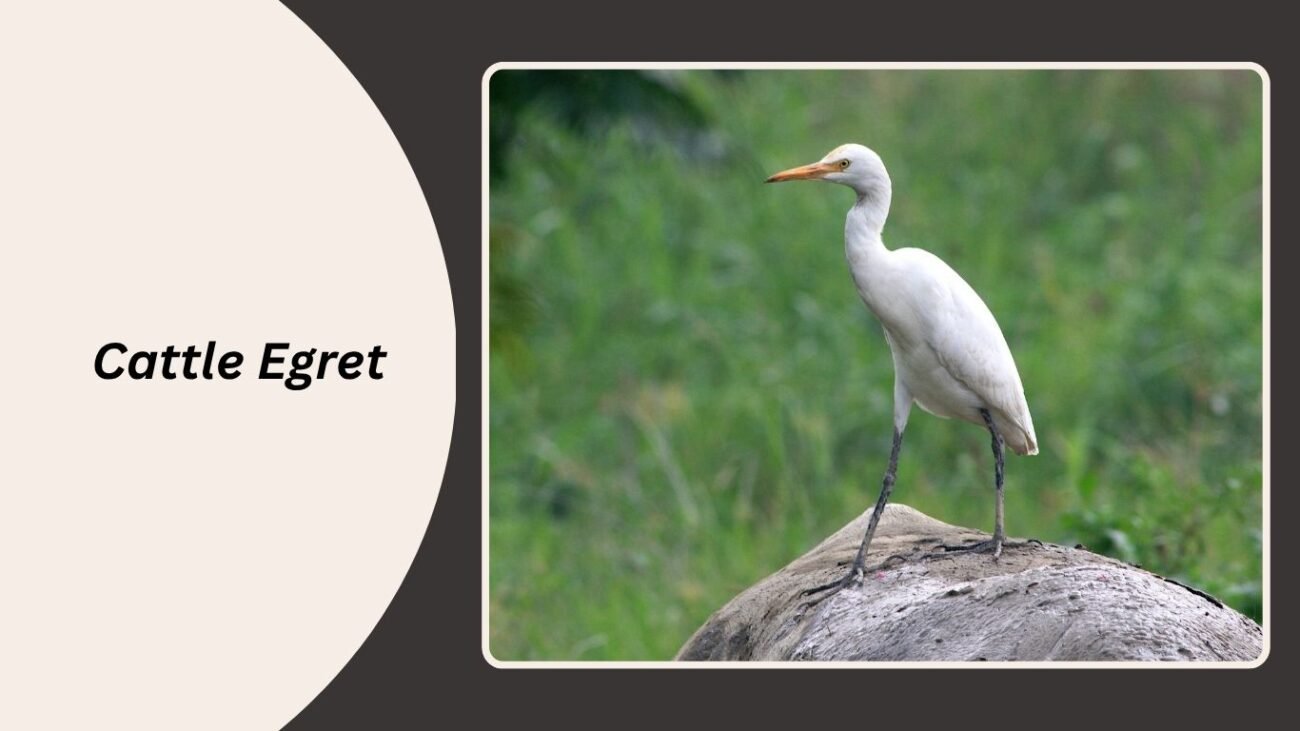
The Cattle Egret (Bubulcus ibis) is a small, compact white heron best known for following cattle and large animals to catch disturbed insects. In breeding season, it displays buff-orange plumes and a sturdy yellow beak used for quick insect snatching.
Identification
- Mostly white body
- Yellow beak and legs (reddish during breeding)
- Buff patches on head, chest, and back during breeding
- Shorter neck compared to other egrets
Beak Features and Function
The shorter, thicker beak is suited for snatching insects and small vertebrates with speed. Unlike the longer, more spear-like beaks of other egrets, this beak enables rapid, repeated grabs rather than deep thrusts—ideal for terrestrial hunting.
Hunting and Feeding Behavior
Often seen walking among cattle or machinery to catch flushed prey. It feeds on grasshoppers, flies, frogs, and small rodents. Also forages in fields, garbage dumps, and along roadsides.
Habitat and Range
Widely distributed globally—found in Africa, Asia, Europe, and the Americas. Common in open grasslands, agricultural fields, and wetlands.
Behavior and Breeding
Nests in large colonies, often with other waterbirds. Builds platform nests in trees. Both sexes care for the chicks. Known for adaptability to urban and rural areas.
12. White Stork
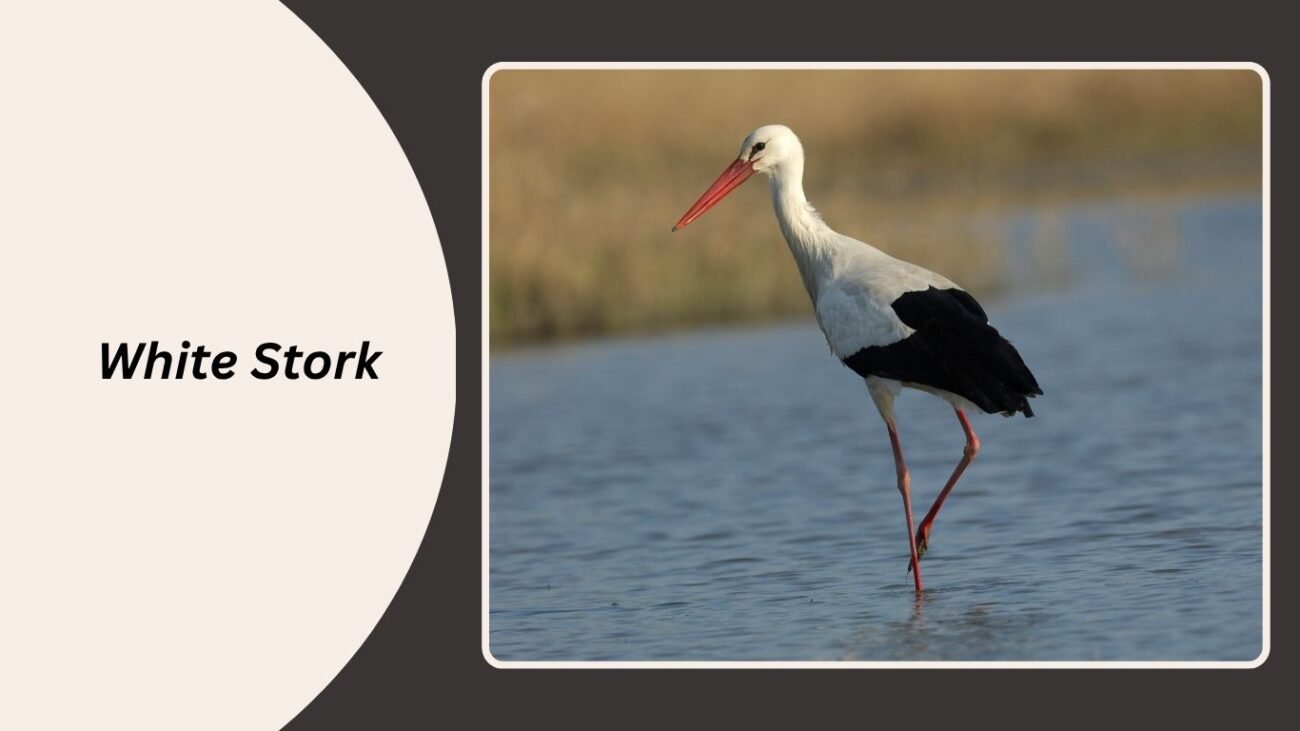
The White Stork (Ciconia ciconia) is a large, graceful bird known for its bright red, straight, and strong beak. A familiar sight in Europe, it is famous for nesting on rooftops and chimneys in villages and towns.
Identification
- White body with black flight feathers
- Long, red straight beak
- Long red legs
- Large wingspan, up to 7 feet (2.1 meters)
Beak Features and Function
The long, pointed red beak is excellent for grabbing a wide variety of prey, including fish, insects, amphibians, small reptiles, and mammals. It uses the beak to grasp and shake prey before swallowing it whole.
Hunting and Feeding Behavior
Forages in open fields, wetlands, and shallow waters. Hunts by walking slowly and pecking quickly, relying on visual detection. Opportunistic feeder, even seen scavenging in some areas.
Habitat and Range
Native to Europe, North Africa, and western Asia. Migrates to sub-Saharan Africa in winter. Prefers open grasslands, farmlands, and wetlands.
Behavior and Breeding
Builds large nests on man-made structures and tall trees. Returns to the same nesting site each year. Pairs are monogamous and engage in bill-clattering courtship displays.
FAQs
1. Why do some white birds have long curved beaks while others have straight ones?
Different beak shapes are adaptations to specific feeding habits. Curved beaks (like those of ibises) help in probing mud for invertebrates, while straight beaks (like egrets) are better for stabbing or grabbing prey in open water.
2. Can the beak color help identify bird species?
Yes. Beak color, shape, and size are key identifiers. For example, the White Ibis has a reddish curved beak, while the Snowy Egret has a slender black one. These features help birdwatchers distinguish between similar white birds.
3. Do all long-beaked white birds live near water?
Most do, but not all. Birds like the Cattle Egret often forage in fields and dry grasslands near livestock. However, the majority—like egrets, pelicans, and spoonbills—prefer wetlands, marshes, and coastal areas.
4. Are long beaks dangerous or used for defense?
While not primarily weapons, some birds (like herons or storks) can use their beaks defensively. Their main purpose is for feeding, but in self-defense, birds may use their beaks to jab at threats.
5. What is the longest beak among white birds?
The American White Pelican has one of the longest beaks, often reaching over 13 inches (33 cm). Its large pouch-like beak is specialized for scooping up fish during cooperative feeding.