




Small, scaled, and often overlooked, the Inca Dove (Columbina inca) is a charming ground-dwelling bird found across the southwestern United States and parts of Central America. Known for its soft, rolling calls and intricate feather pattern, the Inca Dove is both a suburban regular and a desert specialist.
Whether you’ve spotted one in Arizona, heard its unique “no-hope” song, or wondered how it compares to the Mourning Dove, this guide will walk you through everything you need to know—from identification and eggs to range maps and sounds.
Inca Dove Identification
Physical Description
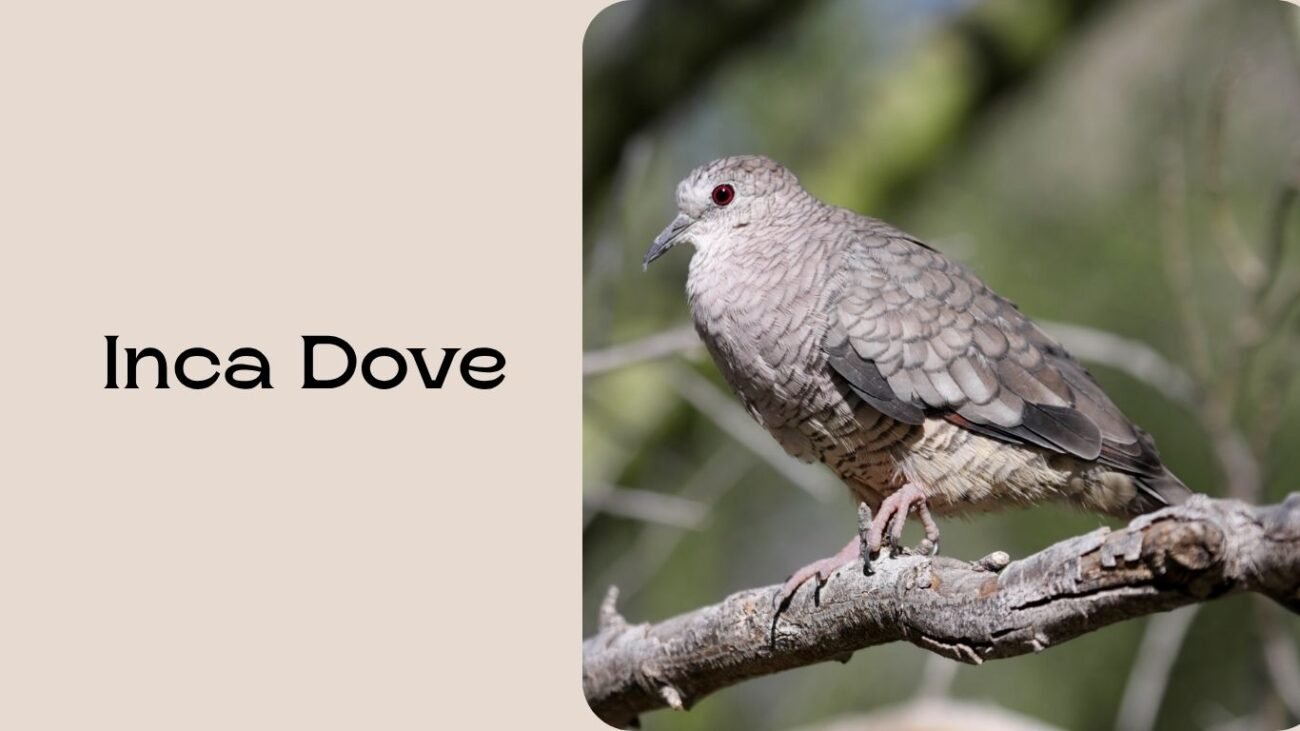
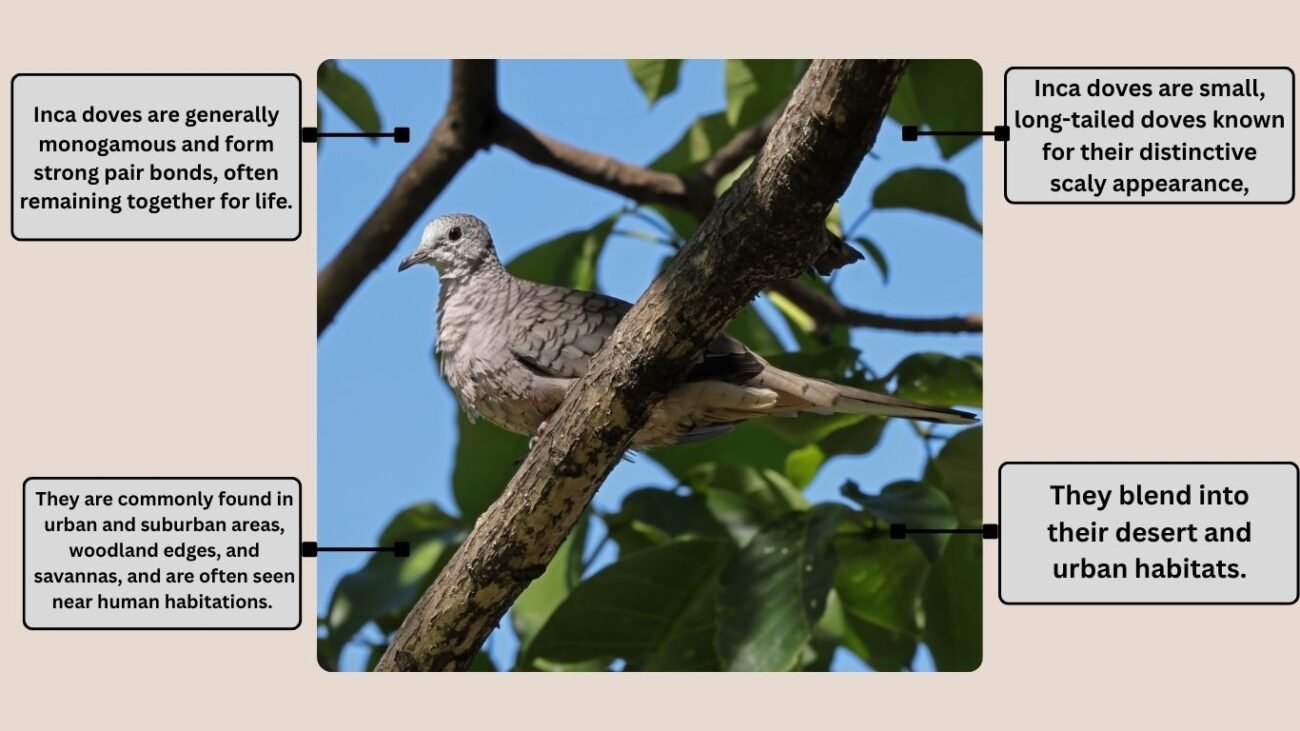
The Inca Dove is a small, slender bird measuring about 6.5 to 9 inches in length. Its most distinctive feature is its pale gray-brown plumage with dark, scaly edges on the feathers—giving it a “scaled” appearance. It has a long, square-tipped tail edged with white, and when it flies, the tail flashes in a fan-like shape.
Despite its name, the Inca Dove is not native to regions once ruled by the Inca Empire, but instead is found across North and Central America.
How to Identify in the Field
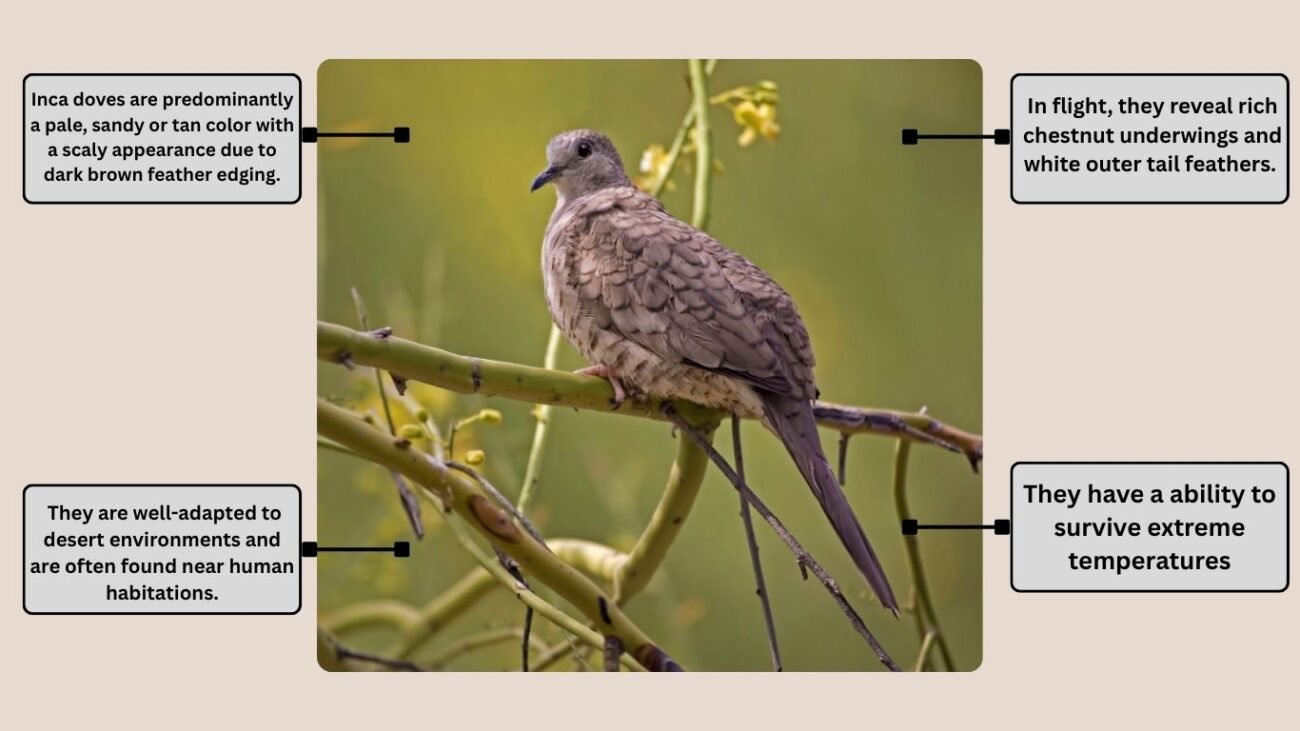
Inca Doves often forage on the ground, making them easy to spot in open areas like lawns, sidewalks, or gravel paths. Their flight is fluttery and low, and they may perform short glides when startled.
Look for:
- Compact body
- Pinkish legs
- Pale facial features with a small, black bill
- Tendency to sunbathe or huddle in groups for warmth
Inca Dove Scientific Name and Classification
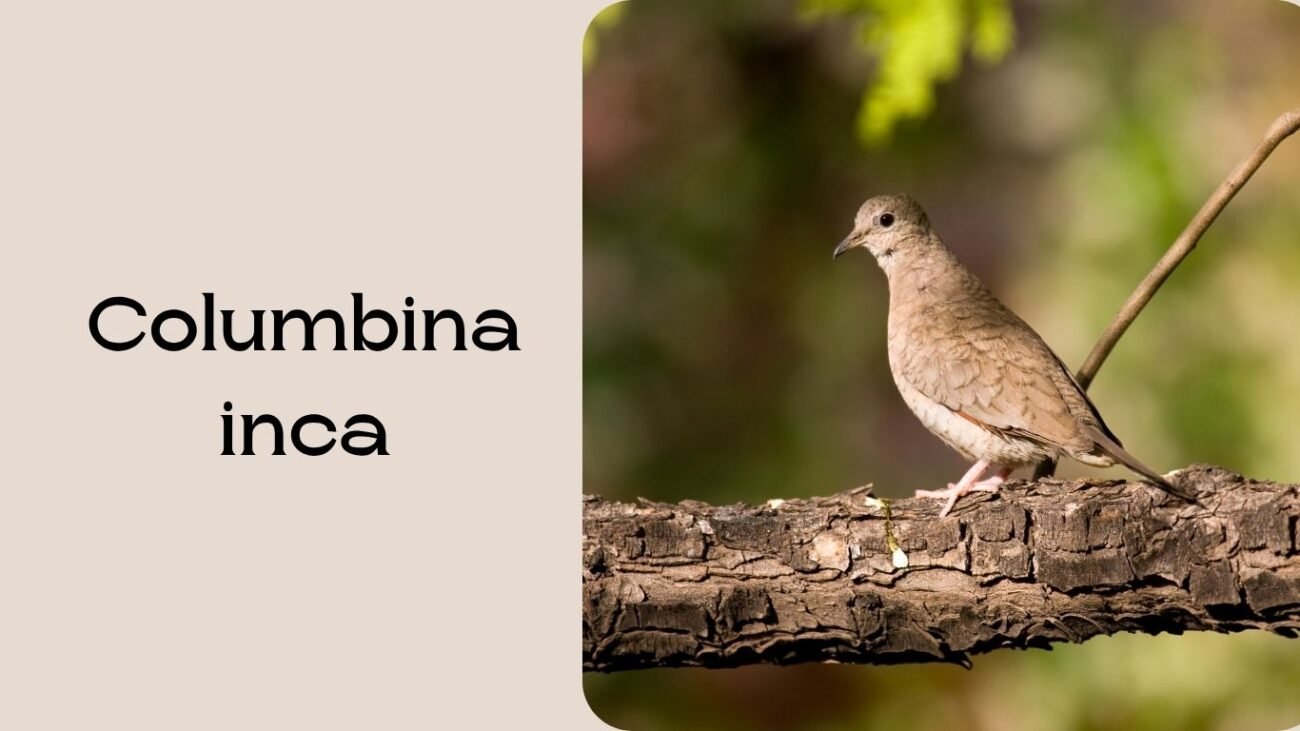
The scientific name of the Inca Dove is Columbina inca.
It belongs to the Columbidae family, which includes all doves and pigeons. Within this group, it is classified as a ground dove, meaning it prefers to forage and rest on the ground rather than perching high in trees.
Here’s a quick breakdown:
- Order: Columbiformes
- Family: Columbidae
- Genus: Columbina
- Species: C. inca
Its closest relatives include the Common Ground Dove (Columbina passerina) and the *Plain-breasted Ground Dove, all sharing similar behaviors and size traits.
Inca Dove Range and Habitat
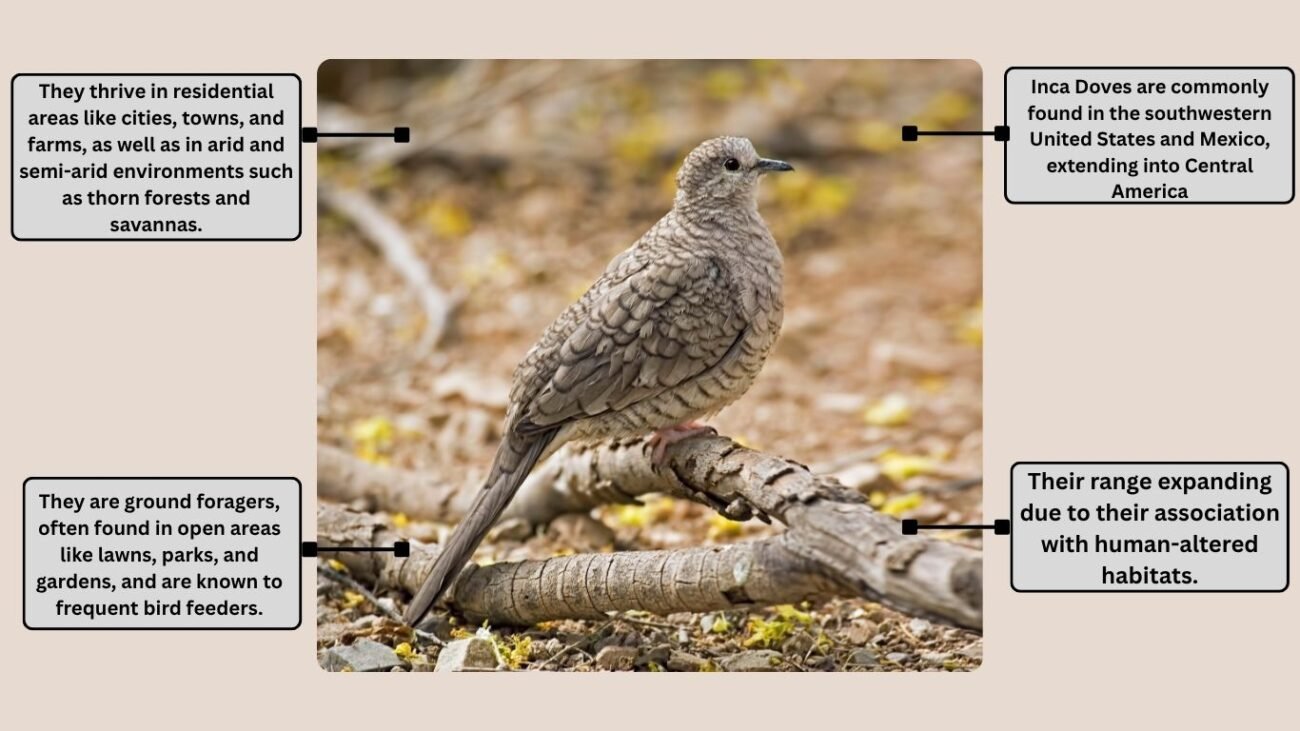
Geographic Range
The Inca Dove’s range includes the southwestern United States, Mexico, and parts of Central America. In the U.S., they are most commonly seen in:
- Arizona
- Texas
- New Mexico
- Occasionally in Colorado, particularly in warmer urban areas like Loveland
Their range is expanding northward, especially in suburban landscapes with reliable food and shelter.
Preferred Habitat
Inca Doves thrive in urban, suburban, and desert-edge environments. They prefer areas with:
- Open ground for foraging
- Low shrubs or trees for nesting
- Proximity to human activity like parks, gardens, and neighborhoods
They are incredibly adaptable and are often seen around feeders, patios, or even nesting in carports or eaves.
Inca Dove Call and Song
What Does an Inca Dove Sound Like?
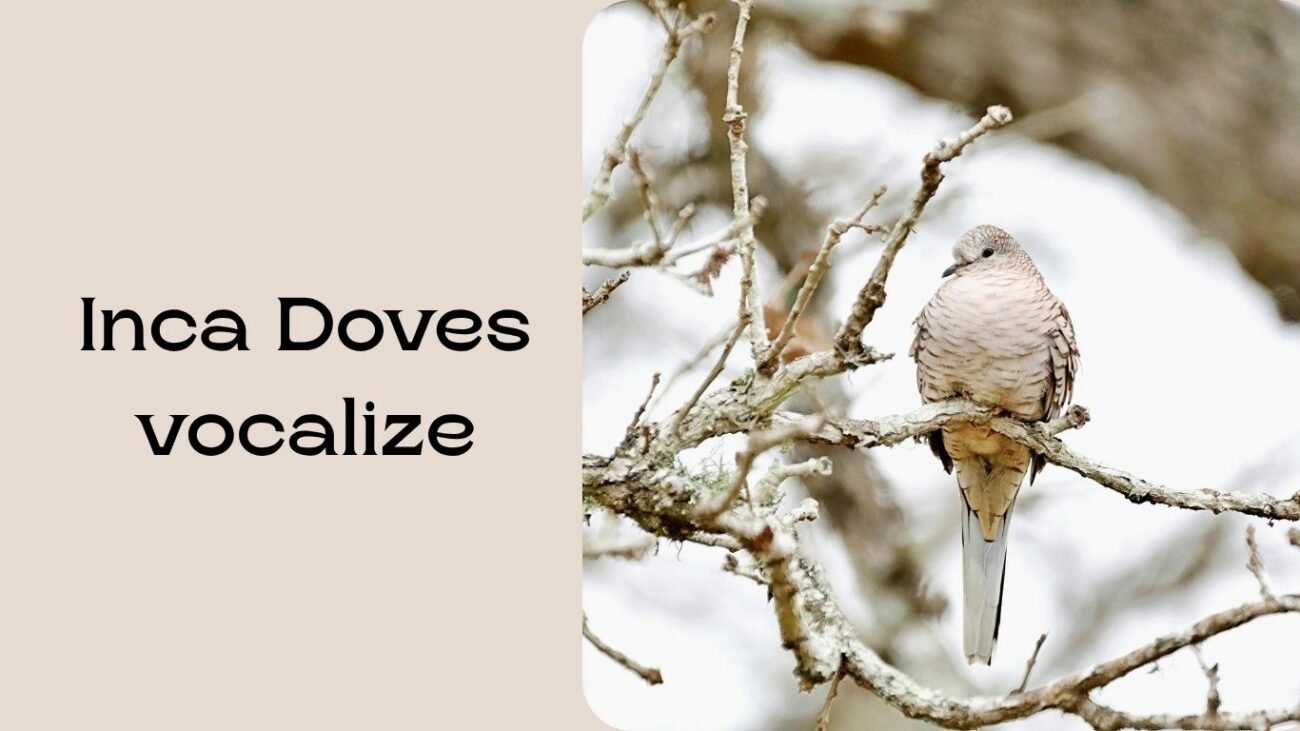
The Inca Dove has a soft, repetitive “no-hope, no-hope” call that gives it a calm and almost melancholic tone. This three-syllable coo is lower and more nasal than the call of a Mourning Dove. Some birders describe it as sounding like a muted version of a human sigh.
These doves also make wing-produced sounds—a light fluttering or whistling noise when they take off, which adds to their quiet presence in urban gardens or open spaces.
When and Why They Call
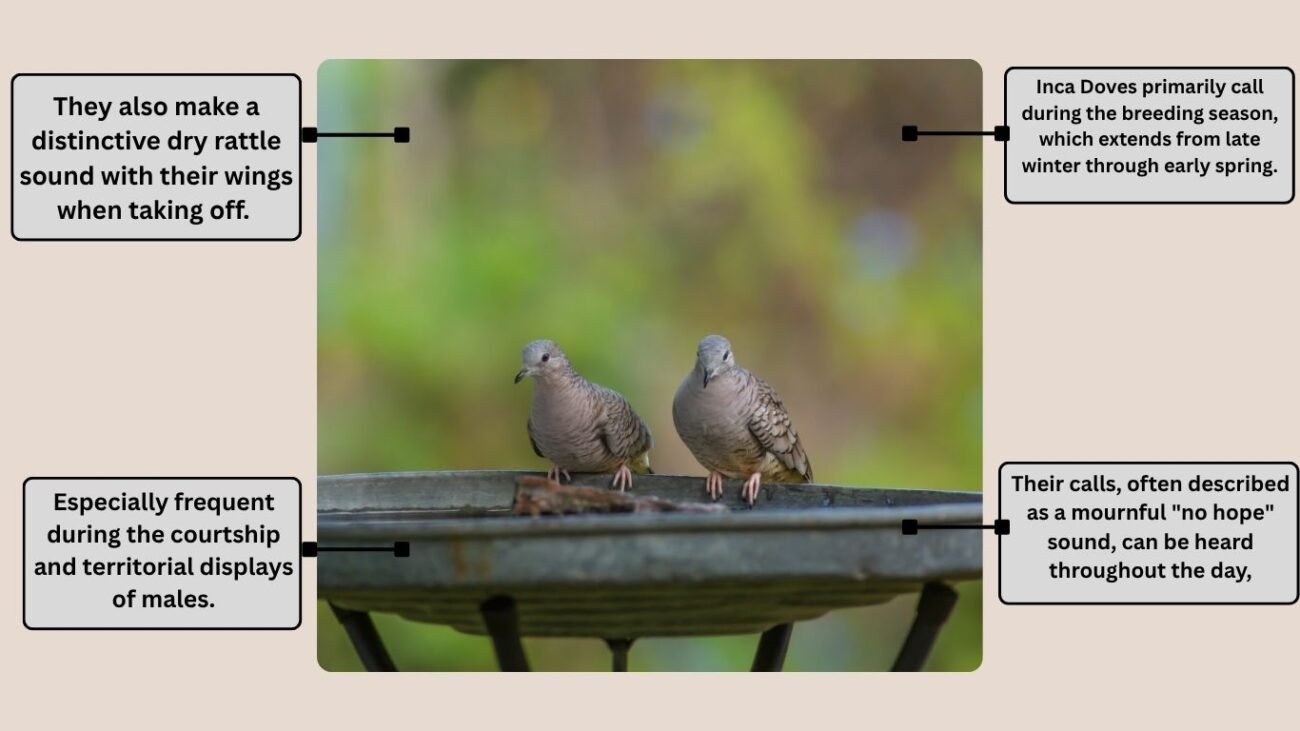
Inca Doves vocalize mostly during:
- Early mornings and late afternoons
- Courtship or mating displays
- Territorial announcements to other doves
Males often sing from exposed perches to attract females, and pairs may call back and forth softly while nesting or roosting.
Inca Dove Lifecycle and Lifespan
Lifecycle of an Inca Dove
The Inca Dove follows a fairly rapid and productive lifecycle, especially in warmer regions where breeding can occur year-round. Mated pairs build flimsy twig nests, often reusing the same site multiple times throughout the year.
After laying two white eggs, both parents take turns incubating them for about 13 to 15 days. Once hatched, chicks remain in the nest for around 11 to 15 days before fledging. Parents continue to feed and protect them for a short time after fledging.
In warm climates, Inca Doves may raise up to 5–6 broods per year, making them one of the more prolific dove species in their range.
Lifespan of an Inca Dove
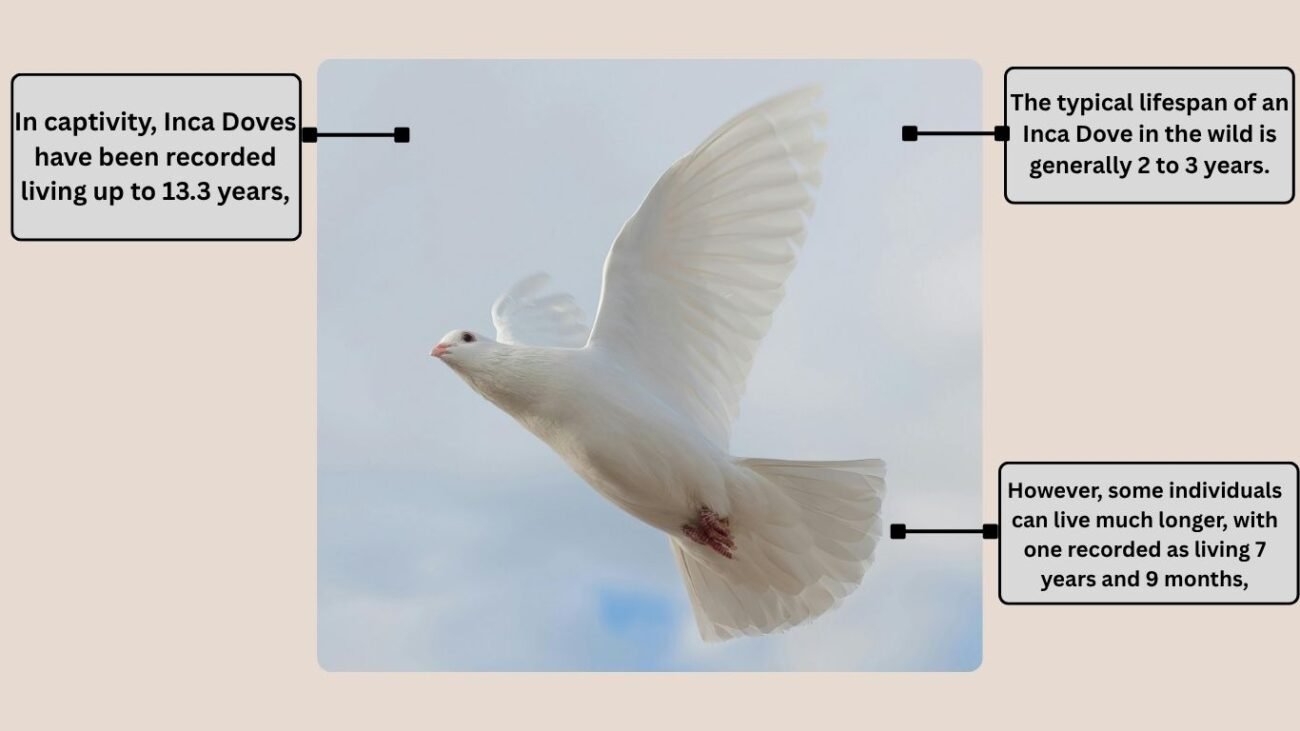
In the wild, Inca Doves typically live 2 to 4 years. However, some individuals may survive up to 5 years under favorable conditions with steady food sources and limited predator exposure. In captivity, their lifespan may extend slightly with proper care, though they are rarely kept as pets.
Common threats that affect their longevity include:
- Predation from cats, hawks, and snakes
- Exposure to cold temperatures in northern parts of their range
- Habitat loss due to urban development
Despite these risks, their adaptability to urban environments has helped them thrive across much of the southwestern U.S.
Inca Dove Eggs and Nesting Habits
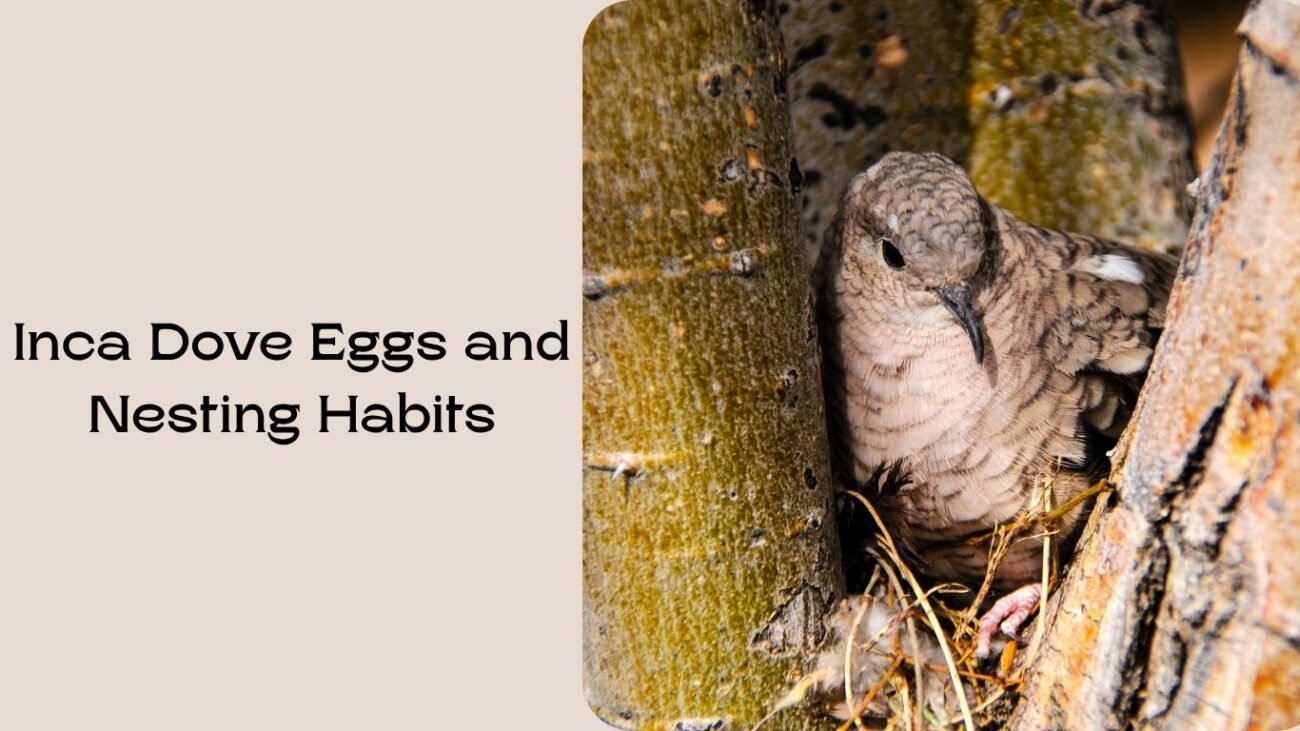
Nesting Behavior
Inca Doves are year-round nesters in warm climates, often raising multiple broods a year. They prefer low trees, shrubs, ledges, or even artificial structures like hanging flower pots or outdoor shelves. Nests are constructed with twigs, grass stems, and lined with softer materials like feathers.
Nests may seem flimsy and loosely woven, yet they often go undisturbed in human-populated areas.
Egg Description and Incubation
- Typically lay 2 small white eggs per clutch
- Both male and female share incubation duties
- Incubation lasts 13 to 15 days
- Chicks fledge approximately 11 to 15 days after hatching
Parents are known to reuse the same nesting sites multiple times throughout the year.
Inca Dove vs Mourning Dove
Physical Differences
| Feature | Inca Dove | Mourning Dove |
| Size | 6.5–9 inches (smaller) | 9–13 inches (larger) |
| Tail | Long, square-tipped | Long, pointed |
| Plumage | Scaled gray-brown pattern | Smooth tan with dark spots |
| Flight | Fluttery, close to the ground | Fast and graceful |
Call and Behavior Differences
The Inca Dove’s call is soft and repetitive, while the Mourning Dove’s song is more melodic and mournful. Mourning Doves often fly higher and faster and are less likely to be seen walking on sidewalks or in tight urban areas.
Habitat Overlap
Both species coexist in the Southwest but prefer different niches. Inca Doves stay closer to buildings, patios, and feeders, while Mourning Doves may favor open fields, utility lines, or rural edges.
Inca Dove in Arizona and Other U.S. States
In Arizona, the Inca Dove is a familiar sight in urban backyards, desert towns, and dry parks. Thanks to its preference for warm, dry climates, it thrives in the state’s lowland cities such as Phoenix, Tucson, and Yuma. It’s also regularly seen in southern Texas and southern New Mexico.
Though traditionally a southern species, the Inca Dove’s range has expanded northward. In Colorado, it’s been reported in places like Loveland, especially near feeders or warm microclimates in cities. However, its presence in these areas tends to be seasonal or irregular due to winter cold.
Inca Dove Images and Observation Tools
Pictures and Key Visual Traits
Photographs of Inca Doves highlight their unique scaly feather pattern, a feature that distinguishes them from other small doves. From above, the feathers appear almost fish-like, with dark edges giving a lace-like appearance. Their long, white-edged tail also helps with ID in flight.
Young Inca Doves often have duller coloring and less pronounced scaling but show the same slender body and ground-walking behavior. They’re most easily observed when feeding or sunbathing in open spaces.
Using eBird and Other Birding Tools
Birdwatchers can use eBird, the Merlin Bird ID app, or local birding checklists to track Inca Dove sightings. These platforms provide maps, real-time updates, and audio recordings of their calls—perfect for beginners and experts alike trying to locate or identify them.
Fun Facts About Inca Doves
- Inca Doves are known to roost communally, especially in colder weather. They stack together in rows, forming a huddled column for warmth—sometimes up to 10 or more birds.
- Their flight creates a subtle whistling sound caused by wing vibrations, especially when taking off rapidly.
- Unlike other doves, Inca Doves often appear tame or unafraid of people, commonly seen on sidewalks, patios, and rooftops.
- They can raise multiple broods per year, with some pairs nesting nearly year-round in favorable climates.
Related Species to Know
The Inca Dove belongs to a group of small, ground-dwelling doves often seen in dry habitats:
Common Ground Dove (Columbina passerina)
- Slightly smaller and rounder than the Inca Dove
- Pinkish tone with spotted wings
- Found in the southeastern U.S. and Central America
Plain-breasted Ground Dove
- Less common, with limited U.S. presence
- Pale brown body and less scaling
- Primarily found in Central and South America
These doves share behavioral similarities with the Inca Dove but differ in size, markings, and range.
FAQs About Inca Doves
1. Are Inca Doves rare in the United States?
Inca Doves are not rare in the Southwest, especially in states like Arizona and Texas. However, they’re considered uncommon or vagrant in northern states where colder winters limit their year-round survival.
2. How can I tell the difference between an Inca Dove and a Mourning Dove?
The Inca Dove is smaller, with a squared tail and scaly feather pattern, while the Mourning Dove has a longer, tapered tail and smooth tan-brown body. Their calls and flight behavior also differ noticeably.
3. What do Inca Doves sound like?
Their call is a soft, repetitive “no-hope, no-hope” coo, quieter and more nasal than a Mourning Dove. These sounds are usually heard at dawn or dusk during mating or territorial interactions, especially in warmer months.
4. Do Inca Doves migrate?
Inca Doves are generally non-migratory and remain in their home range year-round. However, they may retreat slightly southward or into cities during cold winters to seek warmth, food, and sheltered roosting spots.
5. Where can I see Inca Doves in Arizona?
You can find them in urban neighborhoods, desert parks, botanical gardens, and around feeders across cities like Phoenix, Tucson, and Mesa. They prefer open, sunny spots with access to seeds, shrubs, and human structures for nesting.