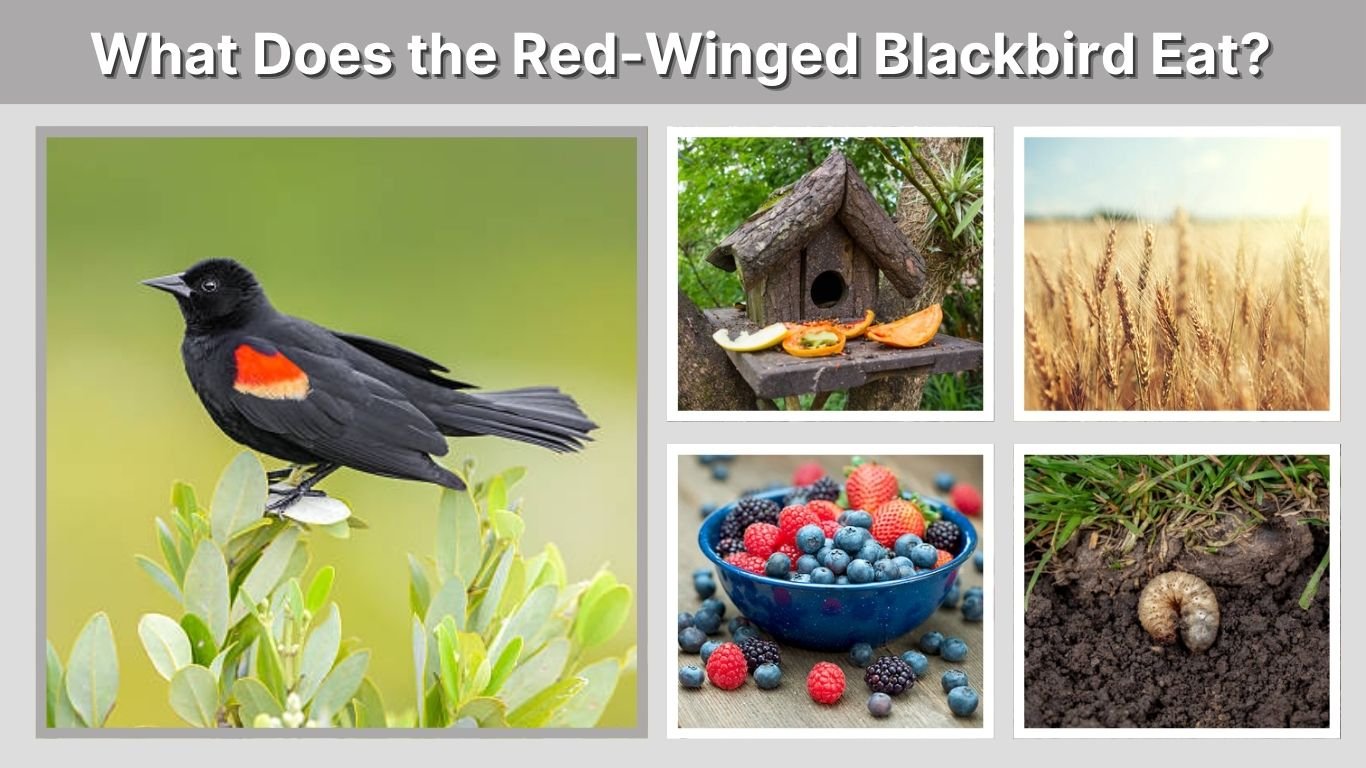
Red-winged blackbirds are highly adaptable birds known for their striking appearance and loud calls. One reason they thrive in so many environments—especially wetlands, fields, and farmlands—is their flexible diet. They eat a wide variety of foods depending on the season, availability, and habitat. Below is the first half of the article, covering three of the most common foods they love to eat.
1. Insects and Larvae
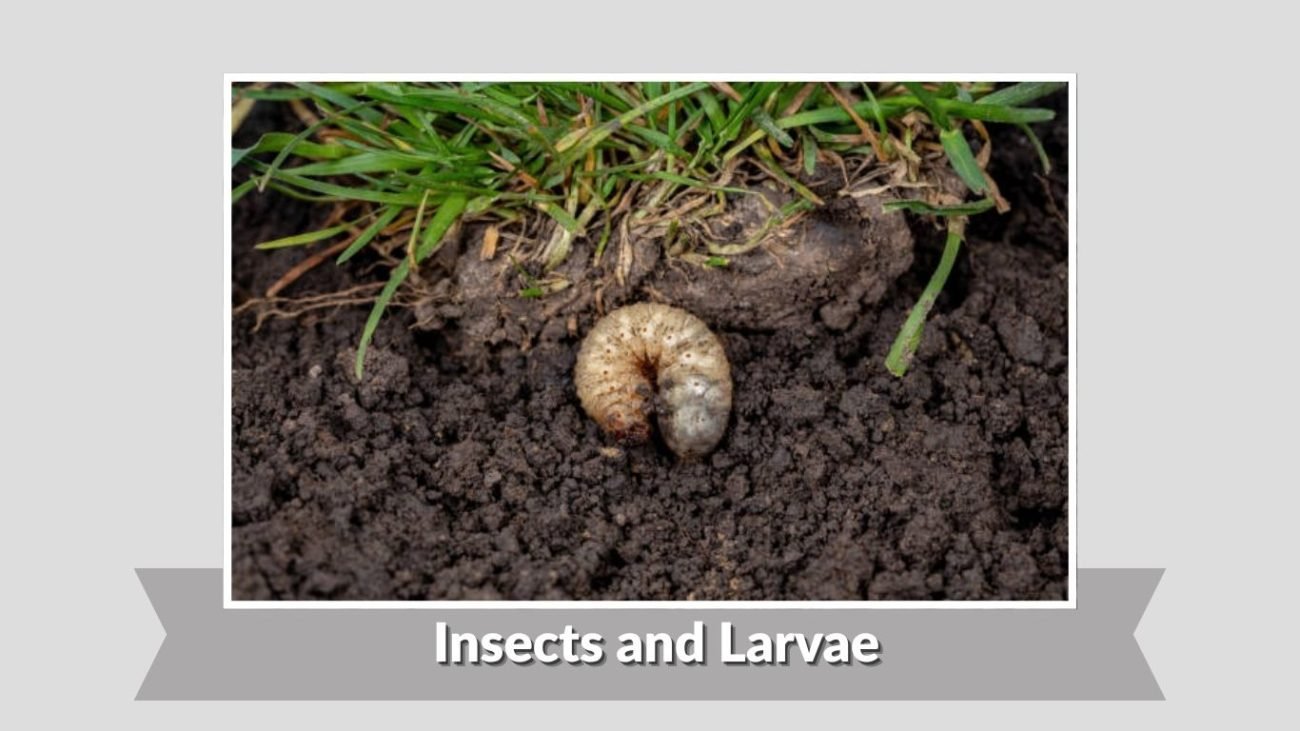
Insects and larvae are one of the most important parts of a red-winged blackbird’s diet, especially during spring and summer. These foods are rich in protein, which is essential for breeding adults and growing chicks. During nesting season, blackbirds actively hunt insects to ensure their young develop quickly and stay healthy.
Beetles and Caterpillars
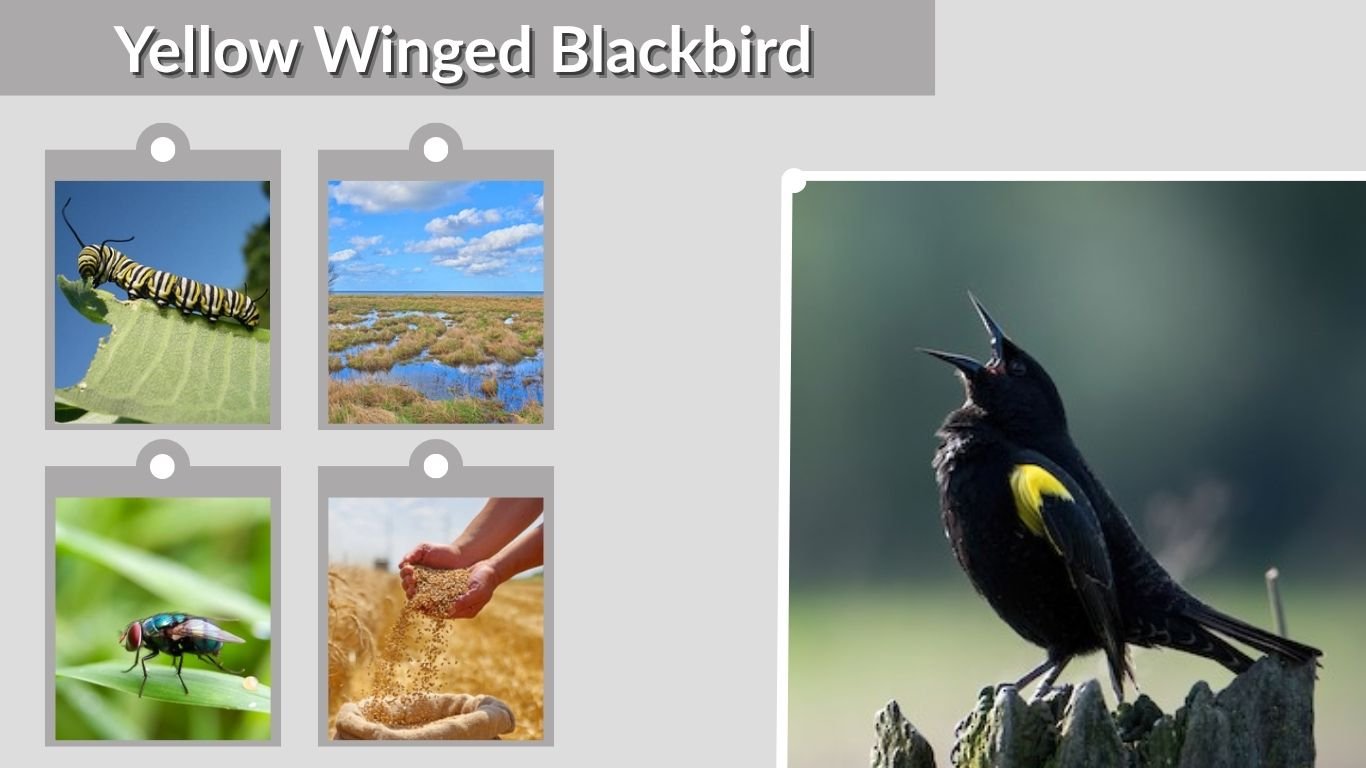
Beetles and caterpillars are among the most commonly consumed insects by red-winged blackbirds. These insects are abundant in grassy fields, forests, and agricultural lands, making them easy targets. Caterpillars, in particular, are soft-bodied and easy for chicks to digest, which makes them a preferred food when feeding young birds. Beetles, although harder, are still packed with nutrients and energy.
Grasshoppers and Crickets
Grasshoppers and crickets become a major food source during warmer months. Red-winged blackbirds are skilled hunters and can quickly snatch these insects from grass or low vegetation. These insects are not only plentiful but also provide a high level of protein and fat, which supports energy needs during active periods like breeding and territorial defense.
Aquatic Insects and Larvae
Because red-winged blackbirds often live near wetlands, they frequently feed on aquatic insects and larvae. Mosquito larvae, dragonfly nymphs, and other water-dwelling insects are easy to find in marshy areas. These insects are especially important for birds that spend most of their time near water, offering a reliable and consistent food source.
2. Seeds and Grains
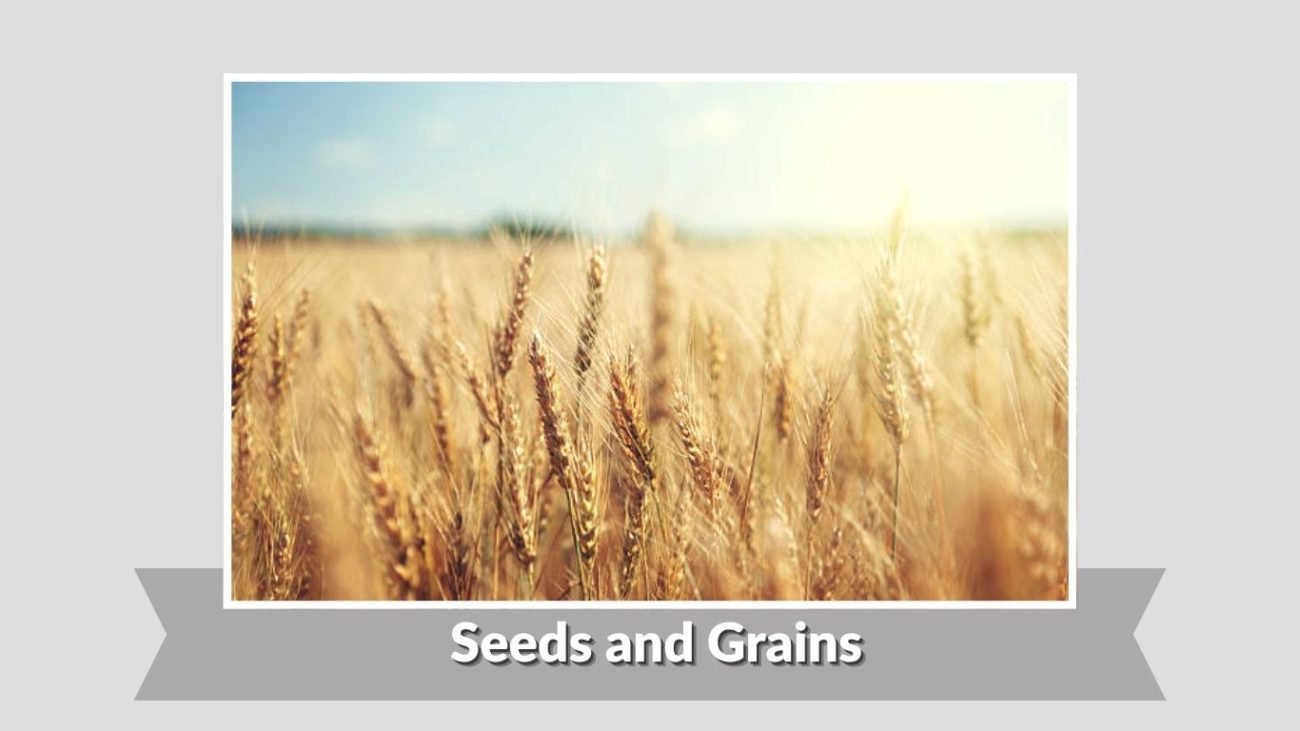
Seeds and grains make up a large portion of the red-winged blackbird’s diet, particularly during fall and winter. When insects become scarce, these birds rely on plant-based foods for energy. Seeds are rich in carbohydrates, helping them survive colder temperatures and maintain their activity levels.
Wild Grass Seeds
Wild grass seeds are one of the most accessible food sources in natural habitats. Red-winged blackbirds forage on the ground or perch on grasses to pick seeds directly. These seeds are especially important in open fields and meadows where other food sources may be limited.
Agricultural Grains
Red-winged blackbirds are often seen in farmland because they are attracted to crops like corn, rice, and wheat. These grains provide a dense source of energy and are easy to consume. However, their feeding habits sometimes bring them into conflict with farmers, as large flocks can damage crops during harvest seasons.
Weed Seeds
Weed seeds such as ragweed and smartweed are another common part of their diet. These plants grow abundantly in disturbed areas like roadsides and fields. By eating these seeds, red-winged blackbirds also play a role in controlling weed populations, which can benefit the surrounding ecosystem.
3. Fruits and Berries
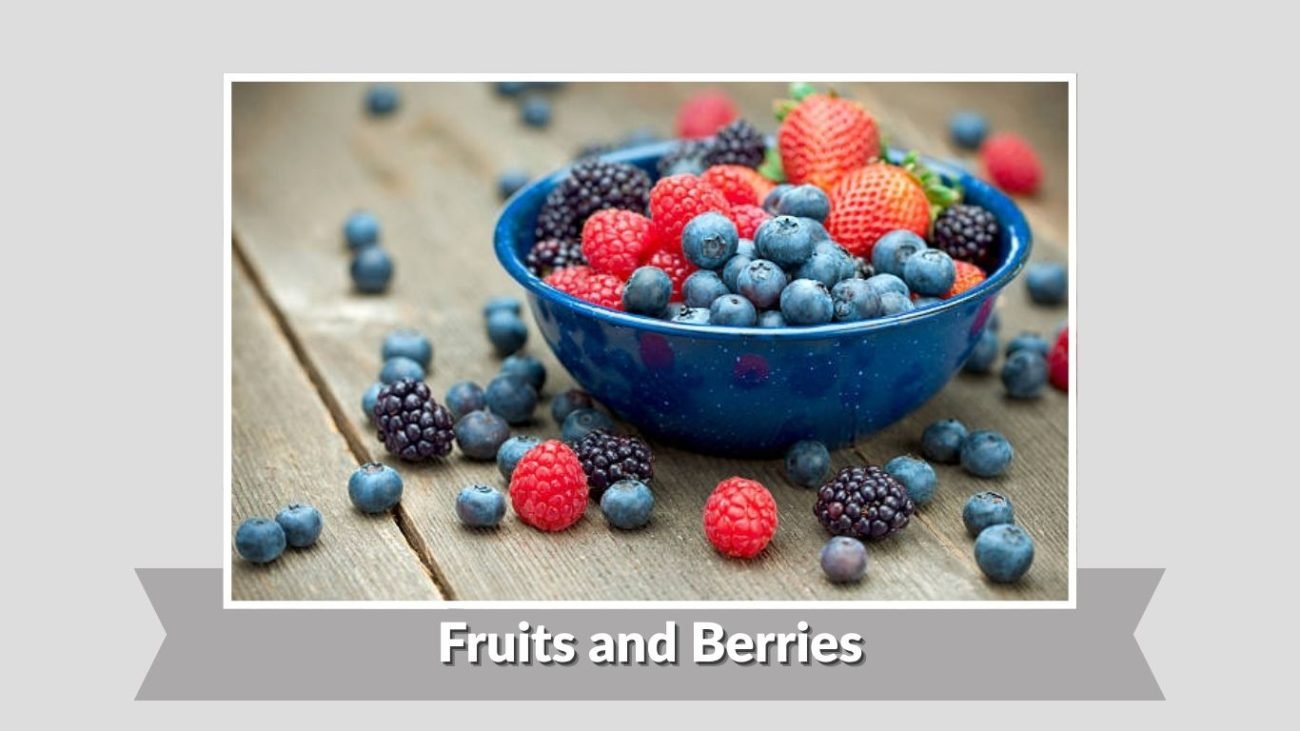
Although not their primary food, fruits and berries are a valuable seasonal addition to the red-winged blackbird’s diet. They are especially important during late summer and fall when many plants produce ripe fruit. These foods provide natural sugars, vitamins, and hydration.
Wild Berries
Wild berries such as elderberries, blackberries, and mulberries are commonly eaten by red-winged blackbirds. These berries grow in hedgerows, forests, and wetlands, making them easy to access. Birds often gather in small groups to feed on berry-rich shrubs during peak seasons.
Orchard Fruits
In some areas, red-winged blackbirds may visit orchards to feed on fruits like apples, cherries, and grapes. While this behavior is less common than eating wild berries, it shows how adaptable these birds are. Their presence in orchards can sometimes be seen as a nuisance by farmers.
Soft Fruits in Wetlands
Wetland environments also provide soft fruits from shrubs and aquatic plants. These fruits are easy to digest and provide additional nutrients that support overall health. Although not a primary food source, they help diversify the bird’s diet.
4. Aquatic Plants and Plant Matter
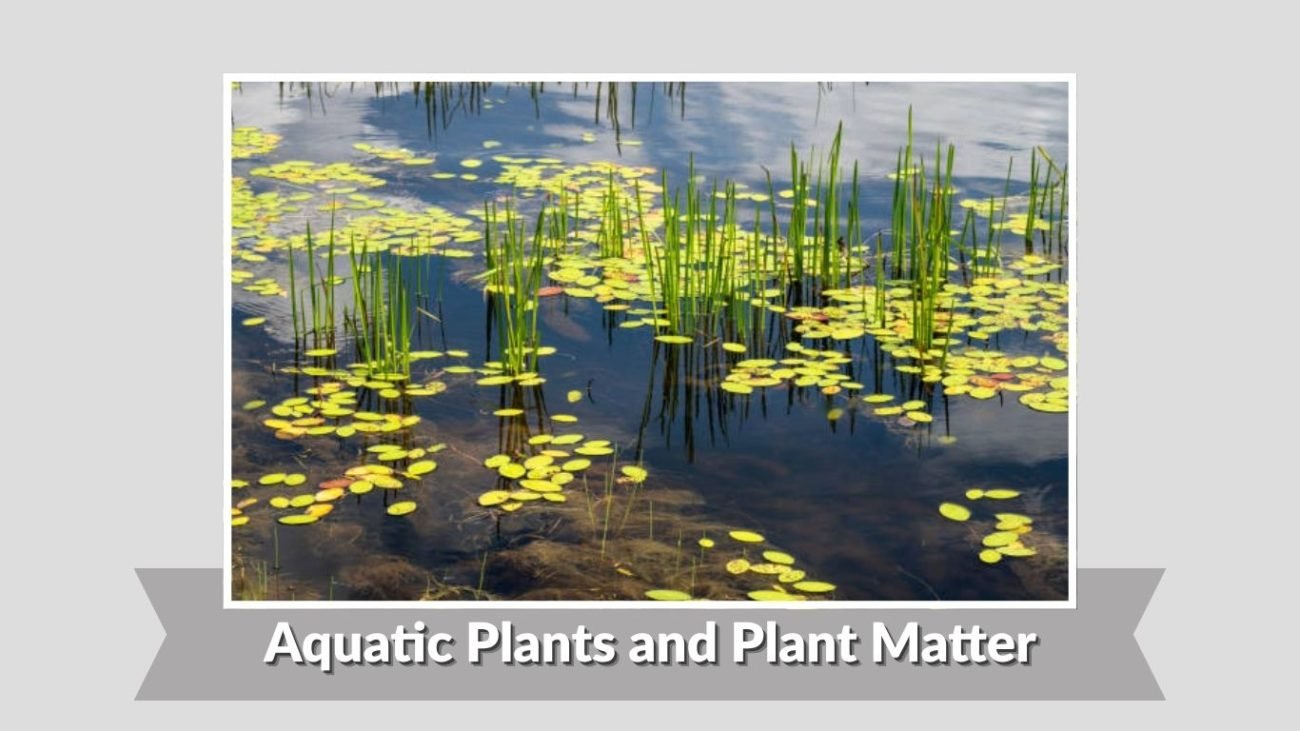
Red-winged blackbirds are closely tied to wetland habitats, so it’s no surprise that aquatic plants and plant matter form part of their regular diet. These foods are especially useful when insects are less available. While not as nutrient-dense as insects, plant materials provide a steady and reliable source of energy throughout the year.
Seeds of Aquatic Plants
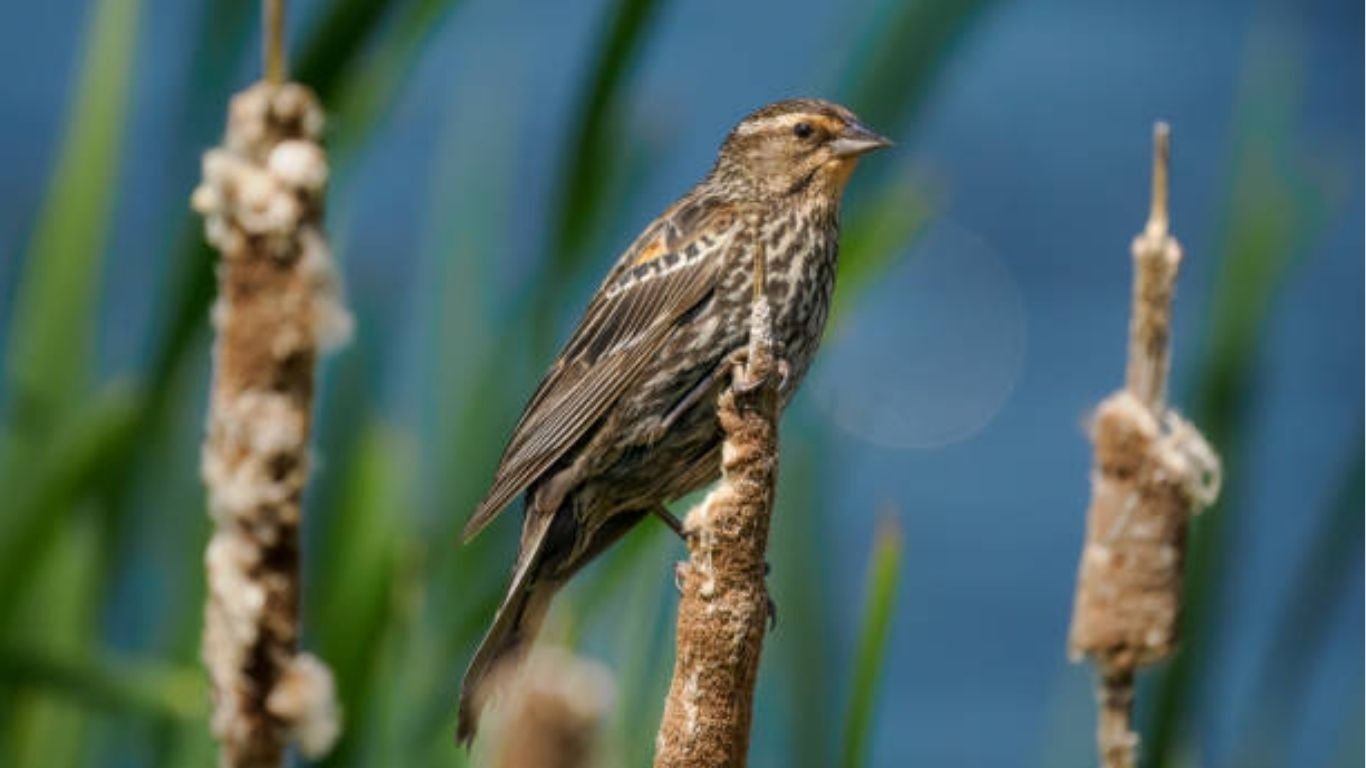
Seeds from aquatic plants such as cattails and sedges are commonly eaten by red-winged blackbirds. These plants grow abundantly in marshes and along water edges. The birds skillfully cling to plant stems and extract seeds using their sharp beaks. During colder months, these seeds become an important fallback food source when other options are limited.
Tender Plant Shoots
Young shoots of aquatic and semi-aquatic plants are also part of their diet. These tender shoots are easier to digest and contain moisture, which is beneficial in dry conditions. Red-winged blackbirds often nibble on these fresh growths while foraging in marshy environments.
Algae and Plant Debris
While feeding in wetlands, red-winged blackbirds may accidentally or intentionally consume algae and small bits of plant debris. Although these are not a major part of their diet, they still contribute small amounts of nutrients. This behavior highlights how opportunistic these birds are when it comes to feeding.
5. Small Animals and Invertebrates
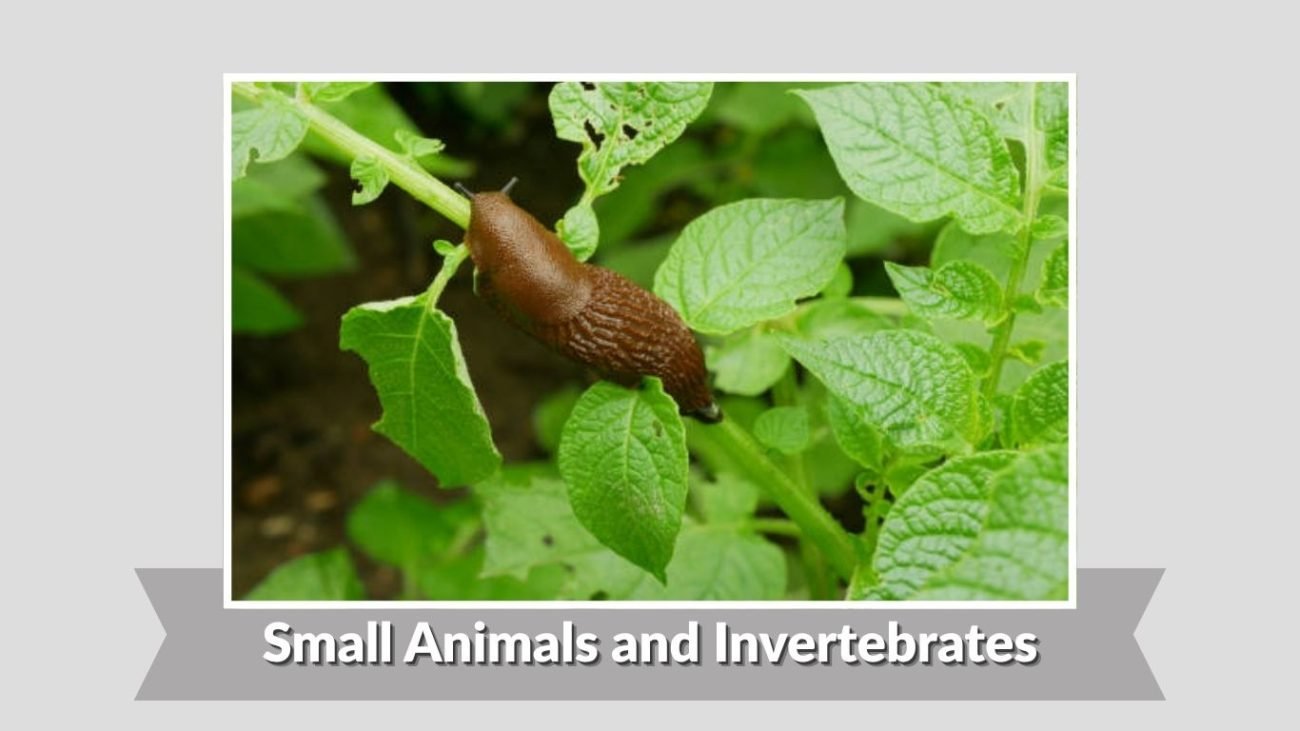
In addition to insects, red-winged blackbirds sometimes eat small animals and other invertebrates. These foods provide extra protein and nutrients, particularly during the breeding season. Their opportunistic feeding behavior allows them to take advantage of whatever is available in their environment.
Snails and Worms
Snails and earthworms are commonly found in moist soil and wetland areas where these birds live. Red-winged blackbirds use their beaks to pull worms from the ground or pick up small snails. These soft-bodied creatures are easy to eat and provide valuable nutrients.
Spiders and Small Arthropods
Spiders and other small arthropods are often found in vegetation, making them easy prey. Red-winged blackbirds hunt them by searching through grass, shrubs, and reeds. These small creatures add variety to their diet and help meet their nutritional needs.
Small Amphibians (Rare Cases)
In rare situations, red-winged blackbirds may consume tiny amphibians such as tadpoles or very small frogs. This usually happens in wetland habitats where such prey is easily accessible. However, this is not a primary food source and occurs only occasionally.
6. Human-Provided Foods
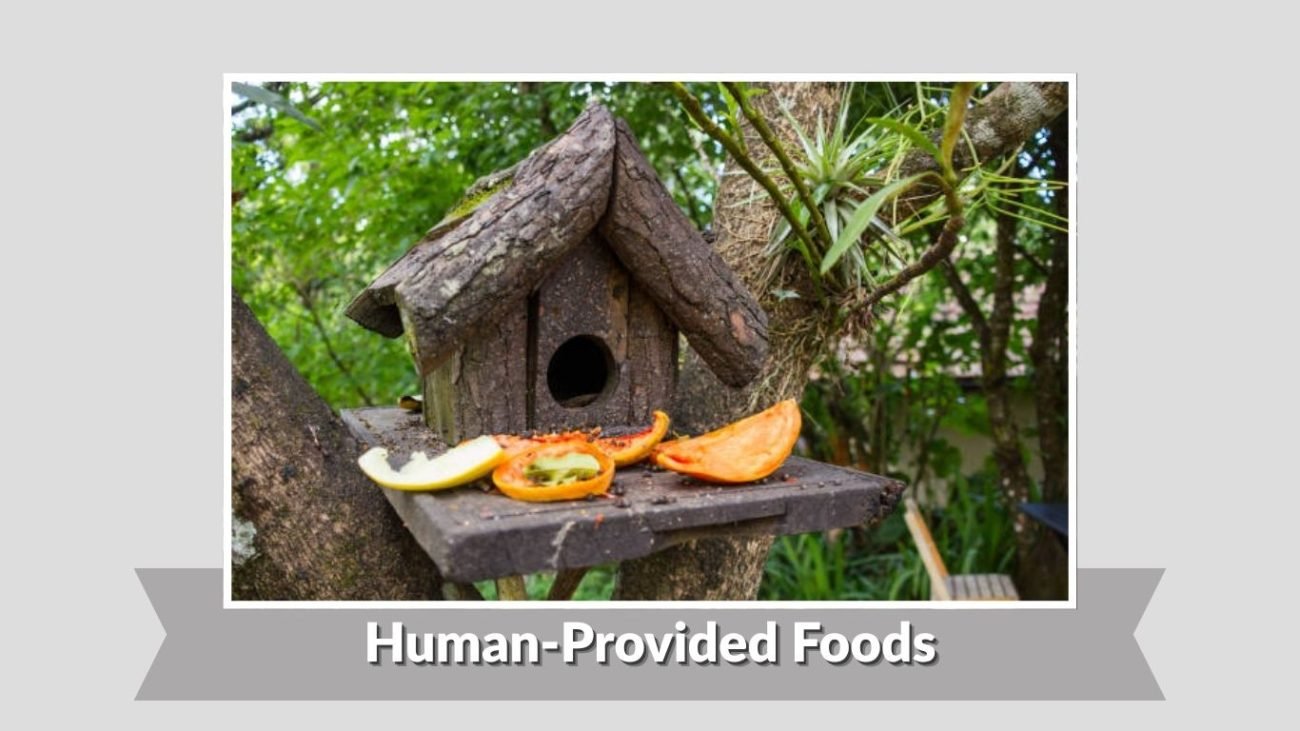
As adaptable birds, red-winged blackbirds often take advantage of food sources created by humans. In urban and agricultural areas, they can find plenty of easy meals. While these foods are not always part of their natural diet, they help the birds survive in changing environments.
Bird Feeders
Red-winged blackbirds frequently visit bird feeders, especially during winter. They are attracted to seeds like sunflower, millet, and cracked corn. These birds often feed in groups, sometimes dominating feeders and consuming large quantities of food in a short time.
Crop Fields
Farmlands provide an abundant supply of grains such as corn and rice. Red-winged blackbirds are known to gather in large flocks and feed on these crops. While this behavior provides them with a rich food source, it can lead to conflicts with farmers due to crop damage.
Food Scraps and Waste
In urban areas, red-winged blackbirds may also eat leftover food scraps or waste. They are opportunistic feeders and will take advantage of any easy meal. However, relying too much on human waste can expose them to unhealthy or unsafe food sources.
FAQ
What is the main food of red-winged blackbirds?
The main food depends on the season. During spring and summer, they mostly eat insects and larvae because of their high protein needs. In fall and winter, they switch to seeds and grains, which provide energy and are more readily available.
Do red-winged blackbirds eat from bird feeders?
Yes, they commonly visit bird feeders, especially in colder months. They prefer seeds like sunflower and millet. Because they often travel in flocks, they can quickly take over feeders and consume a large amount of food at once.
Are red-winged blackbirds beneficial to the environment?
They play both positive and negative roles. On one hand, they help control insect populations by eating pests. On the other hand, they can damage crops when feeding in large groups. Overall, they contribute to ecological balance in their habitats.