Thrips are tiny, slender insects that feed on a wide variety of plants, causing damage to leaves, flowers, and fruits. Many species are also vectors of serious plant viruses, making them a significant threat to agriculture, horticulture, and forestry. From common greenhouse pests to crop-specific species, thrips vary in appearance, behavior, and host range. In this guide, we cover 21 types of thrips, detailing their identifying features, preferred habitats, and feeding habits.
1. Western Flower Thrips

The western flower thrips is one of the most economically important thrips species worldwide, known for damaging a wide range of crops and ornamental plants. They are tiny, slender insects that feed on plant tissues, causing scarring, deformation, and reduced yields. Additionally, they are major vectors of plant viruses, making them a serious agricultural pest.
Identification
- Scientific Name: Frankliniella occidentalis
- Body Size: 1–1.5 mm long
- Color: Pale yellow to light brown, sometimes darker in adults
- Wings: Narrow, fringed with long hairs
- Antennae: Short with distinct segments
Habitat and Distribution
Western flower thrips are found globally, thriving in greenhouses, crop fields, and gardens. They prefer warm, dry conditions and can be found on leaves, flowers, and fruits of many plant species.
Behavior and Diet
They feed by puncturing plant cells and sucking out their contents, which leads to silvery patches, curling, and spotting on leaves and petals. Besides direct damage, they transmit several plant viruses such as Tomato spotted wilt virus, making them a double threat to agriculture.
2. Onion Thrips

The onion thrips is a common and destructive pest affecting onions, garlic, leeks, and many other crops. Its small size allows it to hide deep within plant tissues, making detection and control challenging. Heavy infestations can cause severe yield losses, especially in hot, dry climates where thrips populations multiply quickly.
Identification
- Scientific Name: Thrips tabaci
- Body Size: 1–1.3 mm long
- Color: Pale yellow to light brown
- Wings: Narrow with fine fringes
- Antennae: Short with 7–8 segments
Habitat and Distribution
Onion thrips are found worldwide, thriving in both field and greenhouse conditions. They prefer warm, dry weather and are often located between leaf layers, where they are protected from natural enemies and sprays.
Behavior and Diet
These thrips feed by scraping the plant’s surface and sucking out sap, causing silvery streaks, curling, and drying of leaves. They can also transmit plant viruses, such as Iris yellow spot virus, making them a significant threat to commercial onion and related crops.
3. Melon Thrips

The melon thrips is a serious pest of many fruiting vegetables and ornamental plants, particularly in tropical and subtropical climates. It is notorious for infesting crops like melons, cucumbers, eggplants, and peppers, causing direct feeding damage and transmitting plant viruses. Its rapid reproduction makes it a challenge for growers to manage.
Identification
- Scientific Name: Thrips palmi
- Body Size: 0.8–1.0 mm long
- Color: Pale yellow to light straw-colored
- Wings: Narrow with fine fringes
- Antennae: Short, typically with 7 segments
Habitat and Distribution
Melon thrips are widely distributed in Asia, the Pacific Islands, the Caribbean, and parts of North and South America. They thrive in warm, humid environments and are common in both open fields and greenhouses.
Behavior and Diet
They feed on leaves, flowers, and fruits by piercing and sucking plant cell contents, resulting in silvery scars, leaf curling, and stunted growth. In addition to physical damage, they are efficient vectors of plant viruses such as Groundnut bud necrosis virus, making them a significant threat to crop production.
4. Greenhouse Thrips

The greenhouse thrips is a common pest of ornamental plants, fruits, and some vegetables, particularly in protected cultivation. Its slow-moving nature and tendency to feed in groups make infestations easy to spot once established. This species is especially damaging to soft fruits and tender foliage, causing cosmetic and marketability issues.
Identification
- Scientific Name: Heliothrips haemorrhoidalis
- Body Size: 1.2–1.5 mm long
- Color: Dark brown to black body with pale legs
- Wings: Narrow, fringed with pale hairs
- Antennae: Short, with distinct segmentation
Habitat and Distribution
Greenhouse thrips occur worldwide in tropical, subtropical, and greenhouse environments. They are especially prevalent in regions with mild winters and year-round plant growth, infesting leaves, flowers, and fruits.
Behavior and Diet
They feed by piercing and sucking plant cell sap, leaving silvery patches or bronzed discoloration on leaves and fruits. Greenhouse thrips prefer shaded, humid conditions and often form colonies on the undersides of leaves. While they cause less viral transmission than some thrips species, their feeding damage greatly reduces crop and ornamental quality.
5. Cuban Laurel Thrips

The Cuban laurel thrips is a specialized pest primarily associated with ornamental Ficus plants, especially Ficus benjamina (weeping fig). Its feeding causes distinctive leaf galls or curled edges, making infestations easy to recognize. In addition to aesthetic damage, heavy infestations can weaken plants over time.
Identification
- Scientific Name: Gynaikothrips ficorum
- Body Size: 1.5–2 mm long
- Color: Dark brown to black body with pale yellow legs
- Wings: Narrow and fringed with fine hairs
- Antennae: Short, with visible segmentation
Habitat and Distribution
This thrips species is widely distributed in tropical and subtropical regions around the world, thriving in urban landscapes, gardens, and nurseries where ornamental Ficus plants are grown.
Behavior and Diet
Cuban laurel thrips feed on young leaves by piercing the tissue and sucking out sap. This feeding stimulates the formation of leaf rolls or galls, where the insects live and reproduce. While not typically a vector for plant viruses, their damage is highly visible and can reduce the ornamental value of Ficus plants.
6. Citrus Thrips

The citrus thrips is a small but highly damaging pest that primarily attacks citrus crops, although it can also feed on other fruit trees and ornamental plants. It is notorious for causing scarring on fruit surfaces and deformities in young leaves and shoots, significantly impacting the market value of produce.
Identification
- Scientific Name: Scirtothrips citri
- Body Size: 0.6–1.0 mm long
- Color: Pale yellow to orange
- Wings: Narrow and fringed with fine hairs
- Antennae: Short, with distinct segments
Habitat and Distribution
Citrus thrips are found in many citrus-growing regions worldwide, including North America, South America, Australia, and parts of Asia. They thrive in warm, dry climates and are most active during new plant growth flushes.
Behavior and Diet
These thrips feed on tender young leaves, shoots, and immature fruit by puncturing the surface and sucking out plant sap. This causes silvering, curling, and fruit scarring, which can reduce both yield and quality. While they do not typically transmit plant viruses, their feeding damage can make fruits unmarketable in commercial production.
7. Banana Rust Thrips
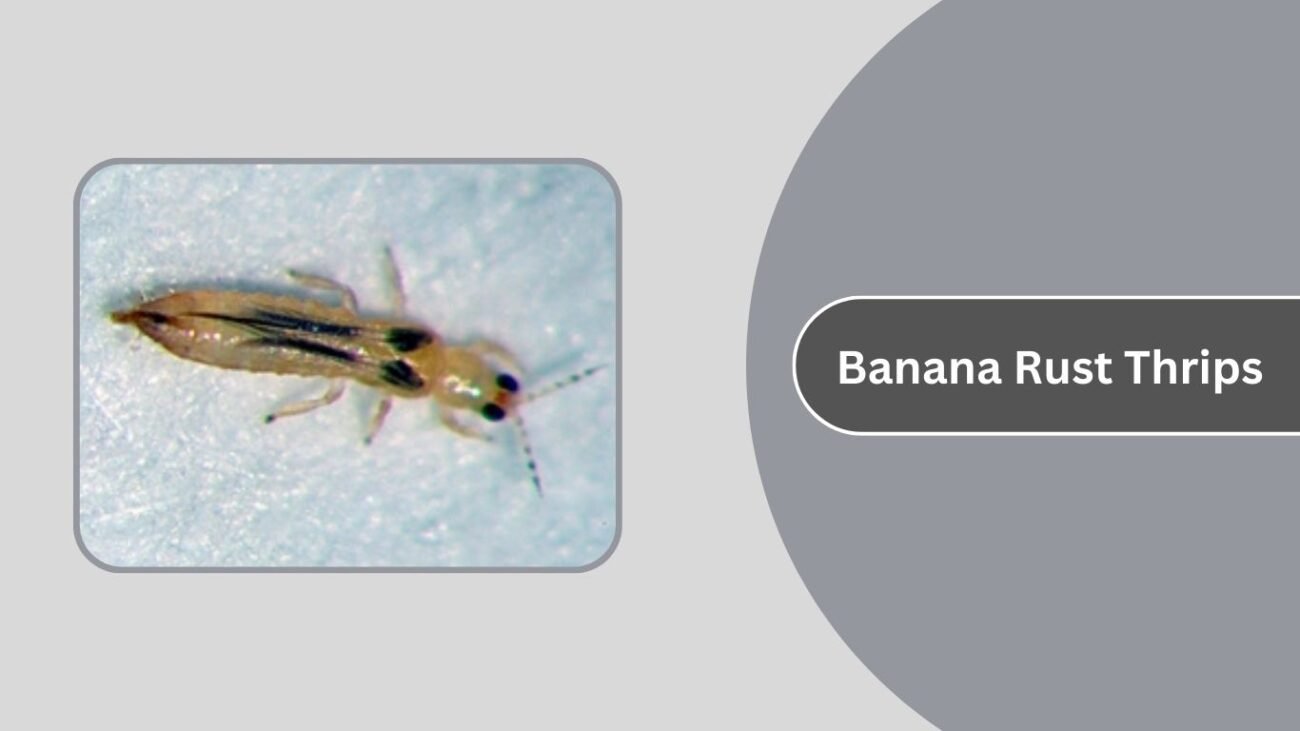
The banana rust thrips is a specialized pest of bananas and plantains, best known for causing rust-like blemishes on fruit skins. While the damage is mostly cosmetic, it can significantly reduce the market value of fruit, especially for export. Infestations often go unnoticed until fruits are harvested, making monitoring crucial in banana production areas.
Identification
- Scientific Name: Chaetanaphothrips signipennis
- Body Size: 1.0–1.3 mm long
- Color: Yellowish-brown to dark brown
- Wings: Narrow, fringed with fine hairs
- Antennae: Short, with distinct segments
Habitat and Distribution
This species is found in tropical and subtropical banana-growing regions worldwide, including Southeast Asia, Africa, Central America, and parts of Australia. They thrive in warm, humid climates and shelter under the bracts and between fingers of developing banana bunches.
Behavior and Diet
Banana rust thrips feed on the surface of banana skins by puncturing and sucking sap from epidermal cells. This creates brown to rusty-red streaks and spots, reducing fruit quality. While they do not transmit plant viruses, their feeding damage can make fruit unappealing to consumers, especially in fresh markets.
8. Redbanded Thrips
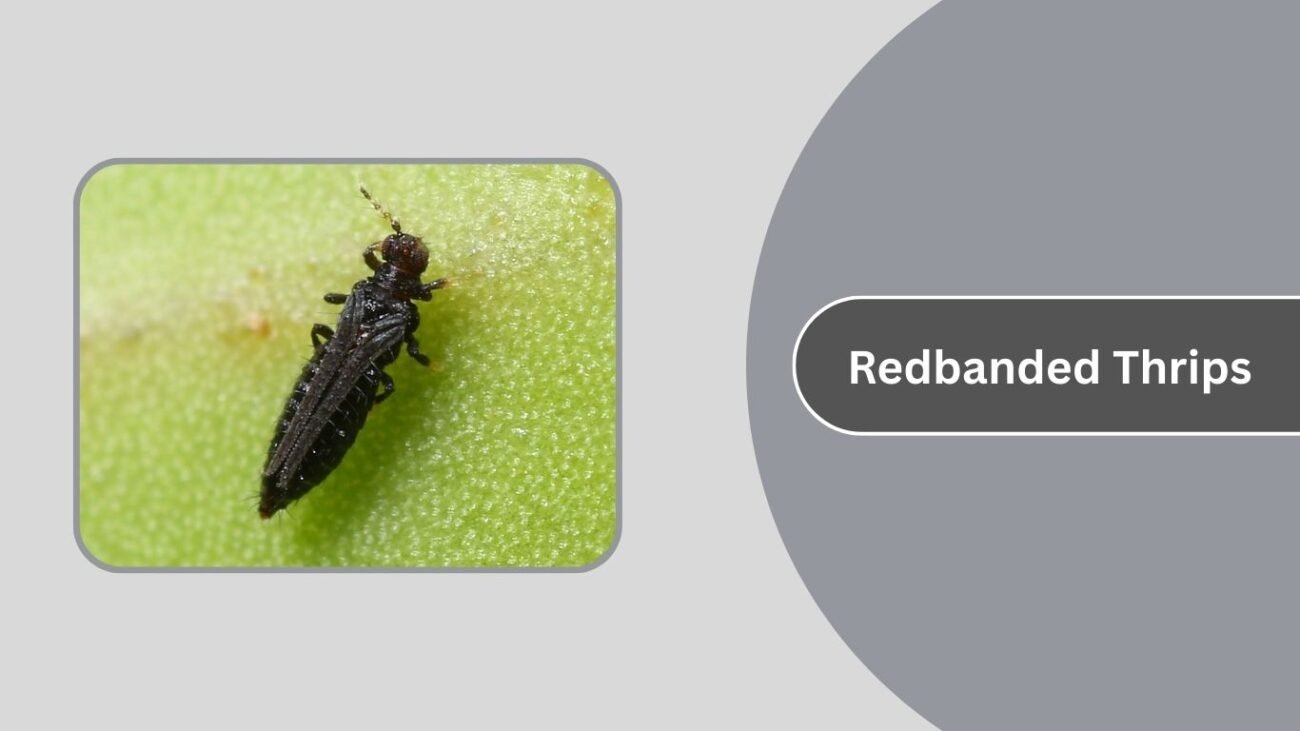
The redbanded thrips is a distinctive pest known for the reddish bands across its dark body. It attacks a variety of crops and ornamental plants, particularly in warm, humid climates. While feeding damage is its primary concern, this species can also cause leaf drop and reduced plant vigor in severe infestations.
Identification
- Scientific Name: Selenothrips rubrocinctus
- Body Size: 1.2–1.5 mm long
- Color: Dark brown to black body with prominent reddish bands across the abdomen
- Wings: Narrow, with fine fringes
- Antennae: Short, with clear segmentation
Habitat and Distribution
Redbanded thrips are found mainly in tropical and subtropical regions, including parts of Africa, Asia, the Americas, and the Caribbean. They thrive in shaded, humid environments and are often found on fruit trees, ornamentals, and shrubs.
Behavior and Diet
They feed on the undersides of leaves by piercing plant cells and sucking out sap, leading to silvering, bronzing, or stippling of foliage. Heavy infestations can cause leaf curling, premature drop, and overall decline in plant health. In fruit trees, this can result in reduced yield and lower fruit quality.
9. Avocado Thrips

The avocado thrips is a specialized pest that primarily attacks avocado trees, causing damage to leaves and young fruit. Its feeding can result in significant economic losses in commercial avocado production, as even minor scarring can make fruit less marketable for fresh sale.
Identification
- Scientific Name: Scirtothrips perseae
- Body Size: 0.6–1.0 mm long
- Color: Pale yellow to light orange
- Wings: Narrow with fine fringes
- Antennae: Short, segmented
Habitat and Distribution
Native to Mexico and Central America, the avocado thrips is now found in several avocado-growing regions, including California, Chile, and parts of South Africa. They thrive in warm, dry conditions and are most active during periods of new leaf and fruit growth.
Behavior and Diet
Avocado thrips feed by puncturing the epidermal cells of young leaves and fruits, sucking out the contents. This causes scarring, leaf curling, and bronzing, especially on developing fruit. While they are not known to transmit viruses, their feeding damage can significantly reduce both yield and fruit quality in avocado orchards.
10. Rose Thrips
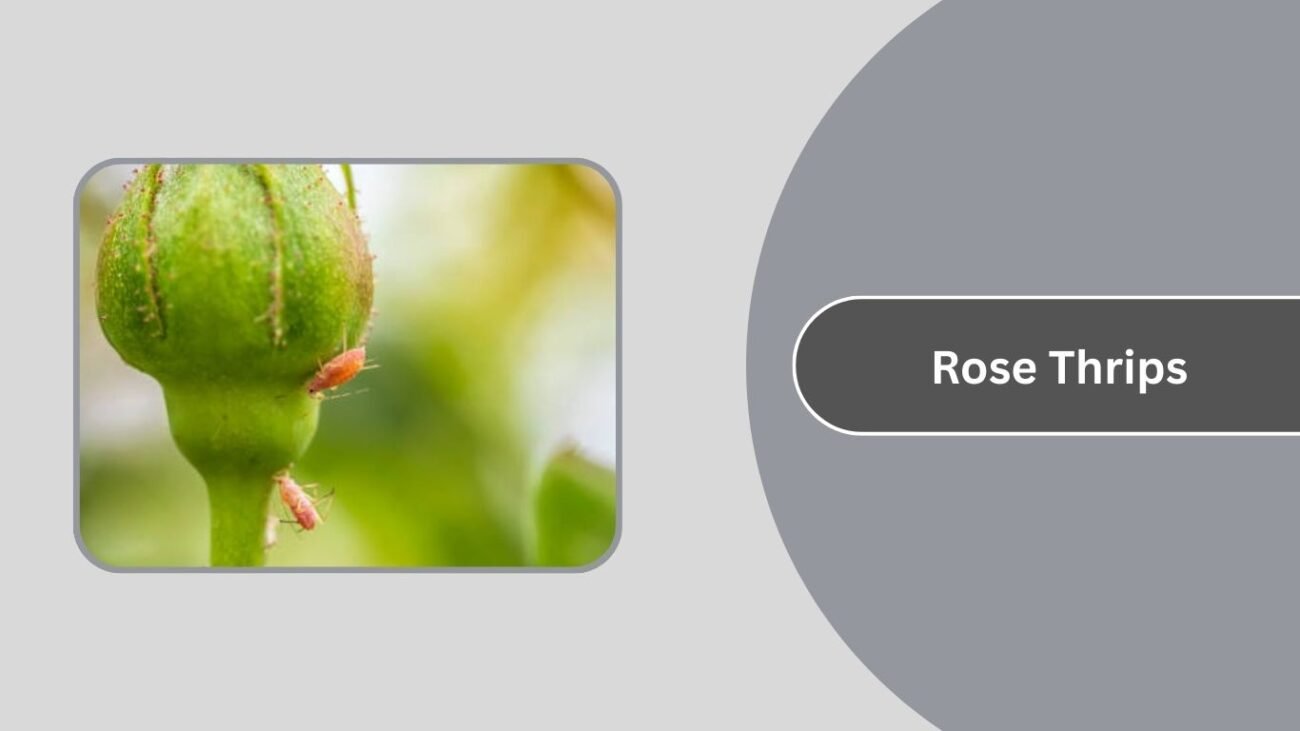
The rose thrips is a common pest of roses and other ornamental flowering plants, known for damaging buds, petals, and young leaves. Its feeding not only distorts flowers but can also reduce bloom quality, making it a major concern for gardeners, landscapers, and floriculture industries.
Identification
- Scientific Name: Thrips fuscipennis
- Body Size: 1.2–1.5 mm long
- Color: Yellowish-brown to dark brown
- Wings: Narrow with fine fringes
- Antennae: Short, clearly segmented
Habitat and Distribution
Rose thrips are widely distributed in Europe, Asia, and North America, thriving in gardens, nurseries, and greenhouses. They prefer warm, dry environments and are most active during the flowering season when blooms are abundant.
Behavior and Diet
They feed by piercing and sucking plant cell contents from flower buds, petals, and leaves, resulting in browning, streaking, and petal deformation. Heavy infestations can prevent flowers from opening properly, severely impacting ornamental plant quality. While they are not significant virus vectors, their damage can greatly reduce the aesthetic value of blooms.
11. Gladiolus Thrips

The gladiolus thrips is a specialized pest that primarily infests gladiolus plants but can also attack other ornamental flowers. It causes significant damage to both flowers and leaves, reducing the aesthetic quality and market value of blooms. Infestations often intensify in warm, dry weather, particularly in greenhouse environments.
Identification
- Scientific Name: Thrips simplex
- Body Size: 1.0–1.3 mm long
- Color: Yellowish to dark brown
- Wings: Narrow and fringed with fine hairs
- Antennae: Short, segmented
Habitat and Distribution
Gladiolus thrips are found worldwide wherever gladiolus flowers are cultivated, including North America, Europe, Asia, and parts of Africa. They are common in greenhouses, nurseries, and home gardens.
Behavior and Diet
They feed by piercing and sucking cell sap from leaves, buds, and flowers, causing streaks, silvery patches, and browning of tissues. Severe infestations can cause flower buds to fail to open and leaves to become distorted. While they are not major virus vectors, their feeding damage can render flowers unmarketable for both cut-flower and ornamental display purposes.
12. Chilli Thrips

The chilli thrips is a highly destructive pest that attacks a wide variety of crops, including chillies, peppers, cotton, strawberries, and numerous ornamental plants. Its small size and broad host range make it a serious threat to both agriculture and horticulture in tropical and subtropical regions.
Identification
- Scientific Name: Scirtothrips dorsalis
- Body Size: 0.8–1.2 mm long
- Color: Pale yellow to light brown
- Wings: Narrow with fine fringes
- Antennae: Short, with clear segmentation
Habitat and Distribution
Chilli thrips are found in Asia, Africa, the Caribbean, and increasingly in the Americas. They thrive in warm climates and can survive in greenhouses, making them a persistent pest for year-round production systems.
Behavior and Diet
They feed on young leaves, buds, flowers, and fruits by puncturing plant cells and sucking out sap. This results in leaf curling, bronzing, stunted growth, and scarring on fruits. Chilli thrips are also capable of transmitting plant viruses, further increasing their economic impact on crop production.
13. Sorghum Thrips

The sorghum thrips is a common pest of sorghum and related cereal crops, where it feeds on young leaves and developing grains. Heavy infestations can significantly reduce yields, especially in dry conditions when plant stress is already high. This pest is often more problematic in large-scale grain production systems.
Identification
- Scientific Name: Haplothrips aculeatus
- Body Size: 1.0–1.5 mm long
- Color: Dark brown to black
- Wings: Narrow, fringed with fine hairs
- Antennae: Short, with visible segmentation
Habitat and Distribution
Sorghum thrips are found in Africa, Asia, Australia, and parts of the Americas wherever sorghum and millet are cultivated. They prefer hot, dry climates and often hide within tightly rolled young leaves, making them difficult to detect early.
Behavior and Diet
They feed by puncturing and sucking sap from tender plant tissues, leading to leaf curling, silvering, and reduced growth. Infestations during the early growth stages can stunt plants and lower grain production. While they are not major virus vectors, their feeding damage alone can cause considerable economic losses in cereal crop farming.
14. Bean Thrips

The bean thrips is a polyphagous pest that attacks beans, cotton, citrus, and many other crops. Although small, it can cause significant economic losses by damaging leaves, flowers, and fruit, as well as by transmitting plant viruses. Its ability to survive on a wide range of host plants makes it a persistent agricultural problem.
Identification
- Scientific Name: Caliothrips fasciatus
- Body Size: 1.0–1.3 mm long
- Color: Dark brown to black body with lighter banded wings
- Wings: Narrow, fringed with fine hairs, often with light cross-banding
- Antennae: Short, segmented
Habitat and Distribution
Bean thrips are found in many warm and temperate regions, including parts of North America, South America, and the Mediterranean. They thrive in agricultural areas, orchards, and gardens where multiple host plants are available.
Behavior and Diet
They feed by puncturing and sucking plant cell sap from leaves, buds, and flowers, causing silvering, distortion, and stunted growth. In citrus, they can cause scarring on fruit surfaces, reducing market quality. Bean thrips are also known vectors of several plant viruses, compounding their threat to crop production.
15. Tea Thrips

The tea thrips is a major pest of tea plantations and also infests a variety of other crops and ornamental plants. It is well known for causing “leaf bronzing” and reduced photosynthesis, which leads to decreased yield and quality of tea leaves. In severe infestations, it can cause significant economic losses to the tea industry.
Identification
- Scientific Name: Scirtothrips dorsalis
- Body Size: 0.8–1.2 mm long
- Color: Pale yellow to light brown
- Wings: Narrow, fringed with fine hairs
- Antennae: Short, clearly segmented
Habitat and Distribution
Tea thrips are widely distributed across Asia, Africa, and the Caribbean, and have spread to other tropical and subtropical regions. They thrive in warm, humid climates and are common in tea-growing areas, greenhouses, and ornamental gardens.
Behavior and Diet
They feed on young leaves, buds, and tender shoots by piercing cell walls and sucking out sap, leading to curling, bronzing, and drying of foliage. This damage not only reduces leaf quality but can also weaken the entire plant. Tea thrips are also capable of transmitting plant viruses, further amplifying their impact on crops.
16. Pea Thrips

The pea thrips is a pest that primarily attacks peas but can also infest beans, clover, and other legumes. It is known for damaging flowers and developing pods, leading to poor seed set and reduced crop quality. Infestations are often most severe in dry, warm conditions, which favor thrips population growth.
Identification
- Scientific Name: Kakothrips pisivorus
- Body Size: 1.2–1.5 mm long
- Color: Dark brown to black with lighter legs
- Wings: Narrow, fringed with fine hairs
- Antennae: Short, distinctly segmented
Habitat and Distribution
Pea thrips are common in Europe and parts of Asia, with occasional reports from other temperate regions where peas are grown. They thrive in open agricultural fields and are especially problematic in areas with dry summers.
Behavior and Diet
They feed on flowers and young pods by puncturing and sucking plant sap, resulting in scarring, pod distortion, and reduced seed size. Severe infestations can cause flowers to drop prematurely, leading to significant yield losses in commercial pea production. While they are not major virus vectors, their feeding damage alone can severely impact legume crops.
17. Australian Tomato Thrips

The Australian tomato thrips is a significant pest of tomatoes and other solanaceous crops, as well as various ornamental plants. It causes both direct feeding damage and transmits several serious plant viruses, making it a dual threat to commercial crop production.
Identification
- Scientific Name: Frankliniella schultzei
- Body Size: 1.0–1.3 mm long
- Color: Variable—light yellow in cooler conditions, darker brown or black in warmer weather
- Wings: Narrow, fringed with fine hairs
- Antennae: Short, with distinct segmentation
Habitat and Distribution
Native to Australia, this thrips species has spread to Africa, Asia, and other tropical and subtropical regions. It thrives in warm, dry climates and is a common problem in both open fields and greenhouses.
Behavior and Diet
Australian tomato thrips feed on leaves, flowers, and developing fruits by piercing and sucking cell contents, leading to silvering, curling, and stunted growth. More importantly, they are efficient vectors of Tomato spotted wilt virus (TSWV) and other tospoviruses, causing significant yield losses in infected crops.
18. Corn Thrips
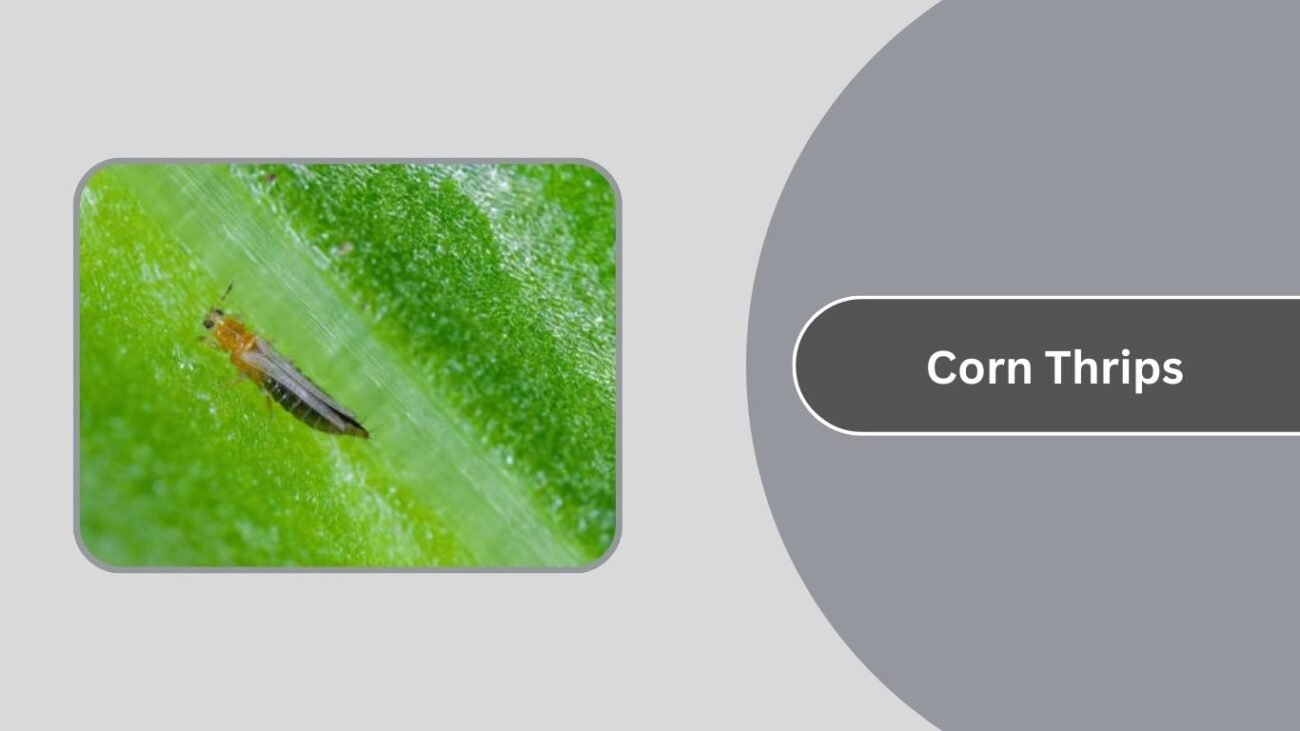
The corn thrips is a common pest of maize and other cereal crops, capable of causing significant damage during seedling and early growth stages. While often considered a secondary pest, its impact can be severe when infestations occur in hot, dry conditions, especially in combination with other crop stresses.
Identification
- Scientific Name: Frankliniella williamsi
- Body Size: 1.0–1.2 mm long
- Color: Pale yellow to light brown
- Wings: Narrow with fine fringes
- Antennae: Short, segmented
Habitat and Distribution
Corn thrips are found in maize-growing regions worldwide, including the Americas, Africa, and parts of Asia. They are most abundant in dry climates and are commonly found on the undersides of young leaves.
Behavior and Diet
They feed by puncturing young leaf tissue and sucking out cell contents, resulting in silvery streaks, leaf curling, and stunted growth. While corn thrips rarely kill plants outright, heavy infestations can delay crop development and reduce yields. They also occasionally attack other crops, making them a minor but widespread agricultural pest.
19. Barley Thrips
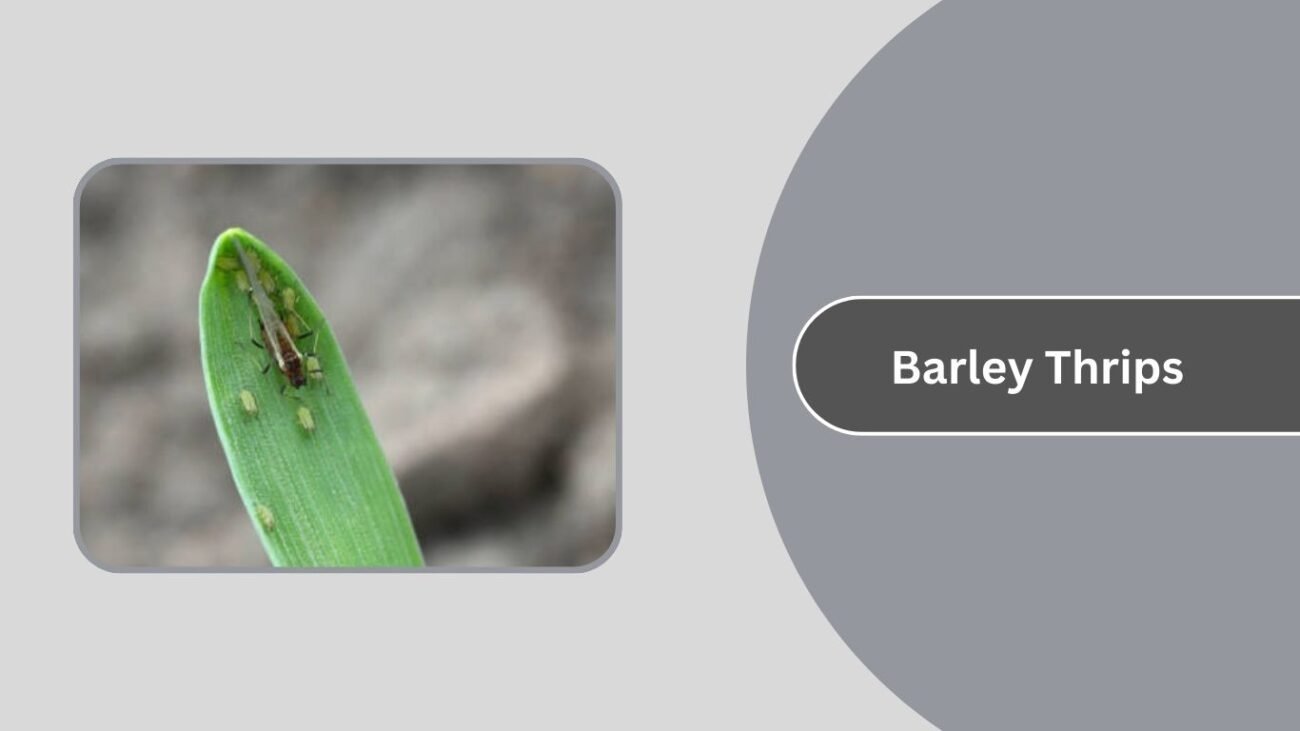
The barley thrips is a cereal crop pest that primarily attacks barley but can also infest wheat, rye, and other grasses. While often present in low numbers, outbreaks during dry seasons can lead to significant crop losses, particularly when plants are under drought stress.
Identification
- Scientific Name: Limothrips denticornis
- Body Size: 1.2–1.5 mm long
- Color: Dark brown to black body with pale legs
- Wings: Narrow, fringed with fine hairs
- Antennae: Short, segmented, with a distinct tooth-like projection on one segment
Habitat and Distribution
Barley thrips are common in Europe, parts of Asia, and cooler regions of North America where cereal crops are widely grown. They thrive in dry, sunny conditions and tend to be more problematic during prolonged warm spells.
Behavior and Diet
They feed by piercing and sucking the sap from young leaves and developing grain heads. This causes leaf silverying, curling, and reduced seed development. In severe infestations, plants can suffer stunted growth and lower yields, making early detection and management important for cereal production.
20. Wheat Thrips
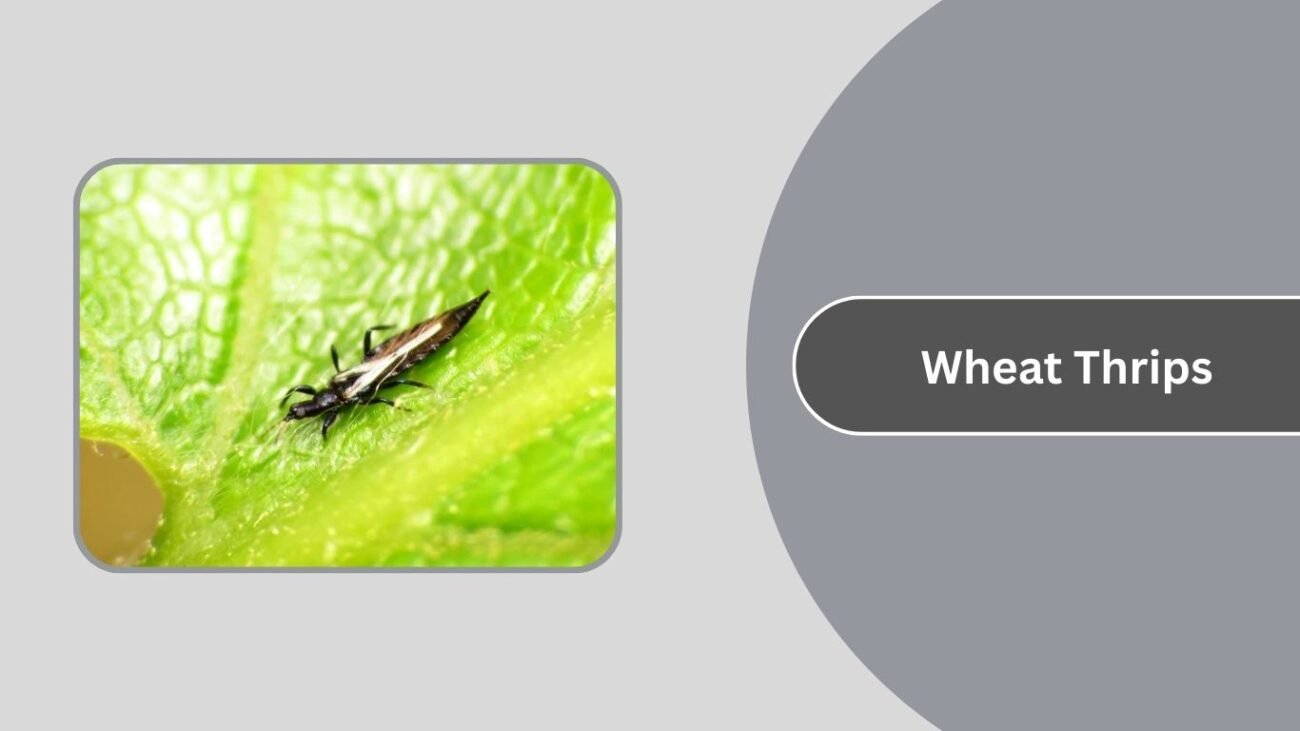
The wheat thrips is a common pest of wheat and other cereal crops, capable of causing significant yield losses during dry and warm growing seasons. While often overlooked at low populations, large outbreaks can seriously impact grain quality and quantity.
Identification
- Scientific Name: Haplothrips tritici
- Body Size: 1.2–1.5 mm long
- Color: Dark brown to black body with pale or yellowish legs
- Wings: Narrow, fringed with fine hairs
- Antennae: Short, segmented, with distinct features for species identification
Habitat and Distribution
Wheat thrips are widely distributed across Europe, Asia, North America, and other wheat-growing regions. They are most problematic in hot, dry weather, particularly in areas with low rainfall during the crop’s heading and flowering stages.
Behavior and Diet
They feed by puncturing and sucking sap from developing wheat heads and flag leaves, causing silver streaks, reduced photosynthesis, and grain shriveling. Infestations during critical growth stages can lower yields and reduce grain quality, making monitoring and timely control essential in commercial wheat production.
21. Pine Thrips
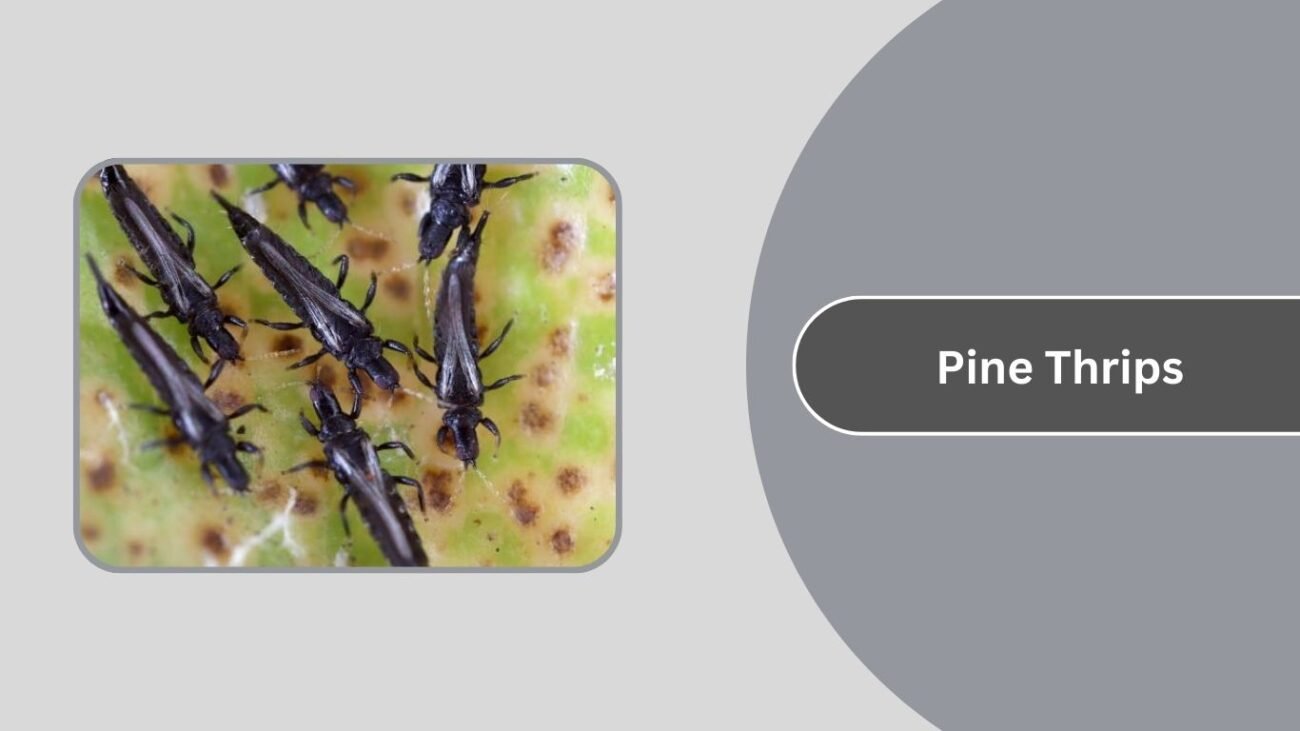
The pine thrips is a pest that targets pine trees and other conifers, causing damage to needles and reducing overall tree vigor. While less economically damaging than agricultural thrips, infestations can impact forestry operations, nursery stock, and ornamental conifers in landscaping.
Identification
- Scientific Name: Pseudothrips spp.
- Body Size: 1.0–1.5 mm long
- Color: Dark brown to black, sometimes with lighter legs
- Wings: Narrow, fringed with fine hairs
- Antennae: Short, with distinct segmentation
Habitat and Distribution
Pine thrips are found in coniferous forests and plantations worldwide, particularly in temperate and subtropical regions. They are common in pine-growing areas of North America, Europe, and Asia.
Behavior and Diet
They feed on pine needles by piercing the outer layers and sucking out sap, causing needles to turn yellow or brown and drop prematurely. Heavy infestations can weaken trees, making them more vulnerable to other pests and environmental stresses. In nurseries and ornamental plantings, their damage can reduce plant quality and aesthetic value.