Tiger beetles are fascinating, fast-moving predators admired for their metallic colors and incredible speed. Found across diverse habitats—from sandy riverbanks to open woodlands—they play an important role in controlling insect populations. Each species has unique markings, body structures, and hunting behaviors that make them easily distinguishable. In this guide, we explore 17 types of tiger beetles, highlighting their identification, natural habitats, and dietary preferences for enthusiasts and researchers alike.
1. Cicindela campestris
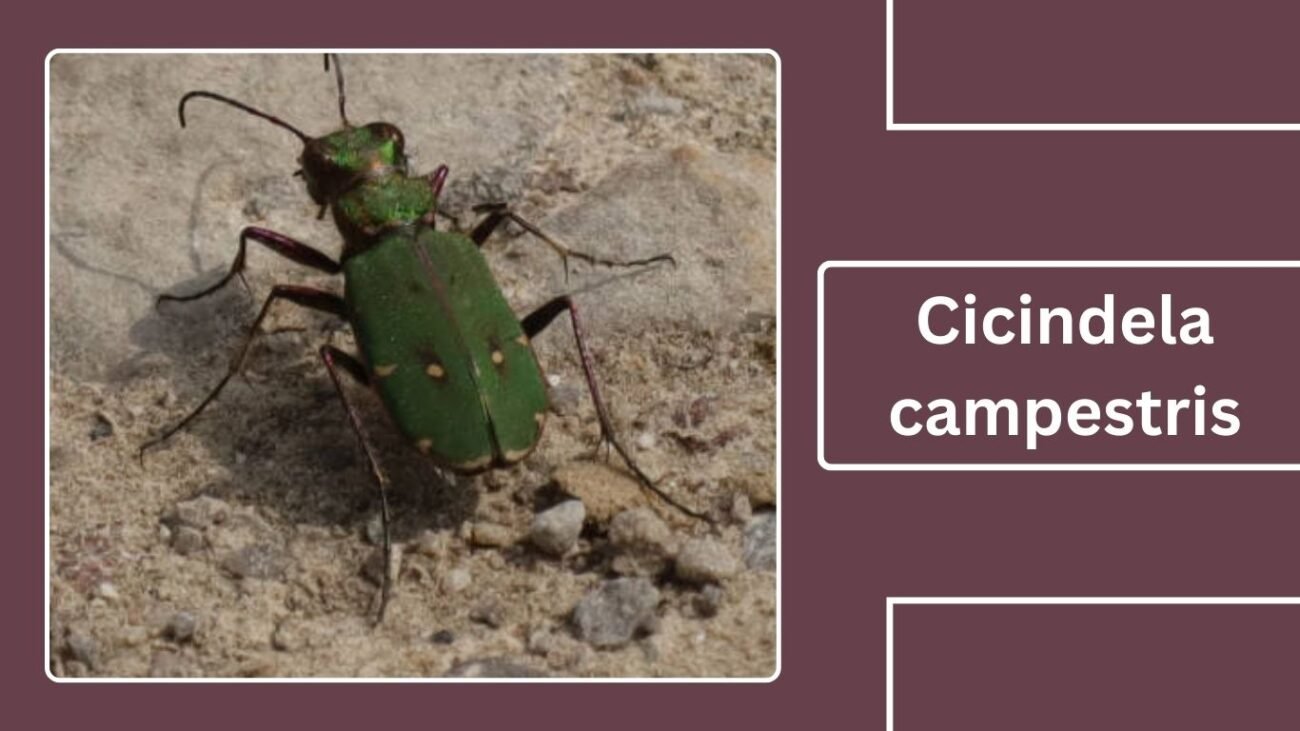
Cicindela campestris, commonly known as the Green Tiger Beetle, is a fast-moving and brightly colored beetle found across Europe and parts of Asia. Known for its metallic green body and aggressive predatory behavior, it thrives in sunny, sandy habitats and is a skilled hunter of small insects. This beetle is often seen running swiftly over open ground in search of prey.
Identification
- Metallic green elytra with yellowish spots
- Slender body, approximately 10–15 mm in length
- Long, thin legs adapted for fast running
- Prominent mandibles for capturing prey
- Large bulging eyes for excellent vision
Habitat
Cicindela campestris prefers sandy or gravelly open areas, including heathlands, grasslands, and riverbanks. They are commonly seen in sunny environments where they can hunt effectively during the day.
Diet
This beetle is carnivorous, feeding primarily on small insects such as ants, spiders, and other soft-bodied arthropods. It uses its speed and keen eyesight to catch prey efficiently.
2. Cicindela hybrida
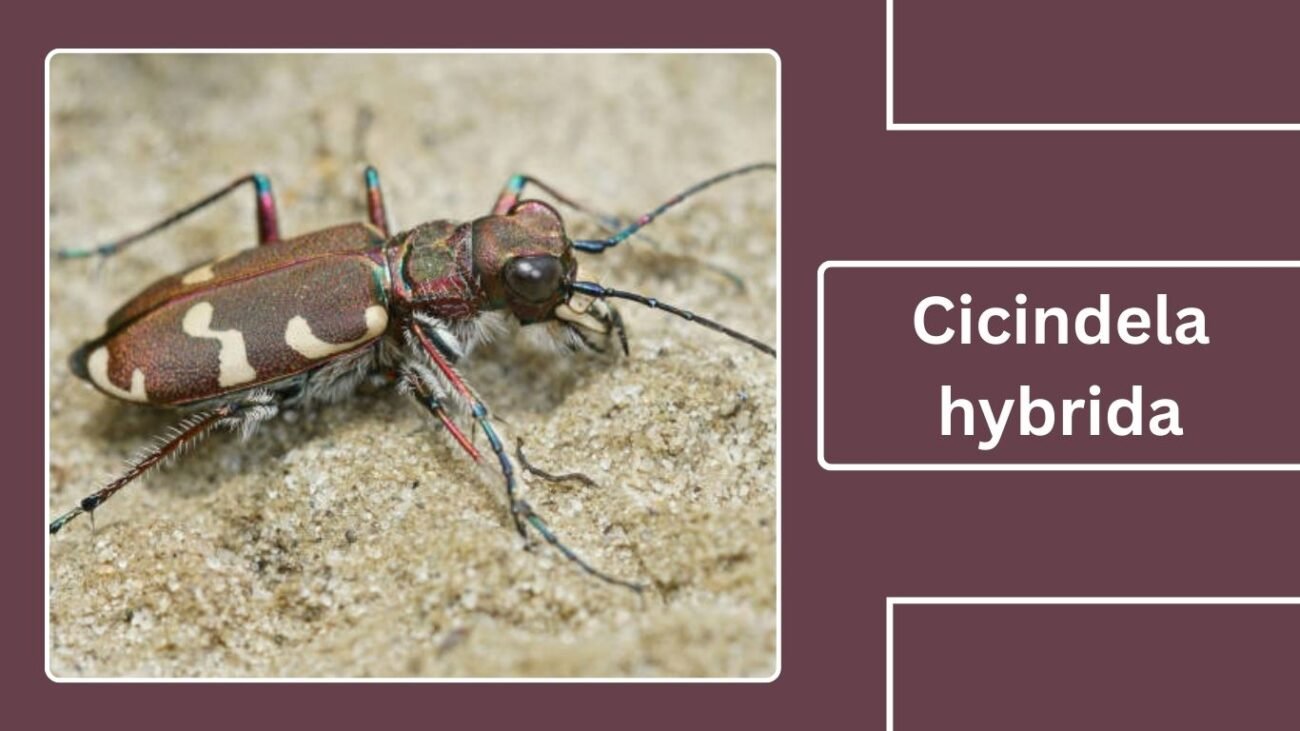
Cicindela hybrida, commonly known as the Northern Dune Tiger Beetle, is a striking beetle recognized for its agile hunting skills and shiny, metallic appearance. It is widespread across Europe and favors sandy habitats where it can run quickly to catch prey. This beetle is active during the day and is known for its impressive speed and sharp mandibles.
Identification
- Metallic green or bronze-colored elytra with pale spots
- Slender and elongated body, about 10–14 mm in length
- Long legs built for rapid running
- Large, curved mandibles for hunting insects
- Prominent compound eyes for excellent vision
Habitat
Cicindela hybrida prefers sandy dunes, open heathlands, and riverbanks. They thrive in sunny areas with sparse vegetation that allows them to hunt effectively.
Diet
This species is carnivorous, feeding on small insects like ants, flies, and other arthropods. Its speed and keen eyesight make it a highly efficient predator.
3. Cicindela aurofasciata
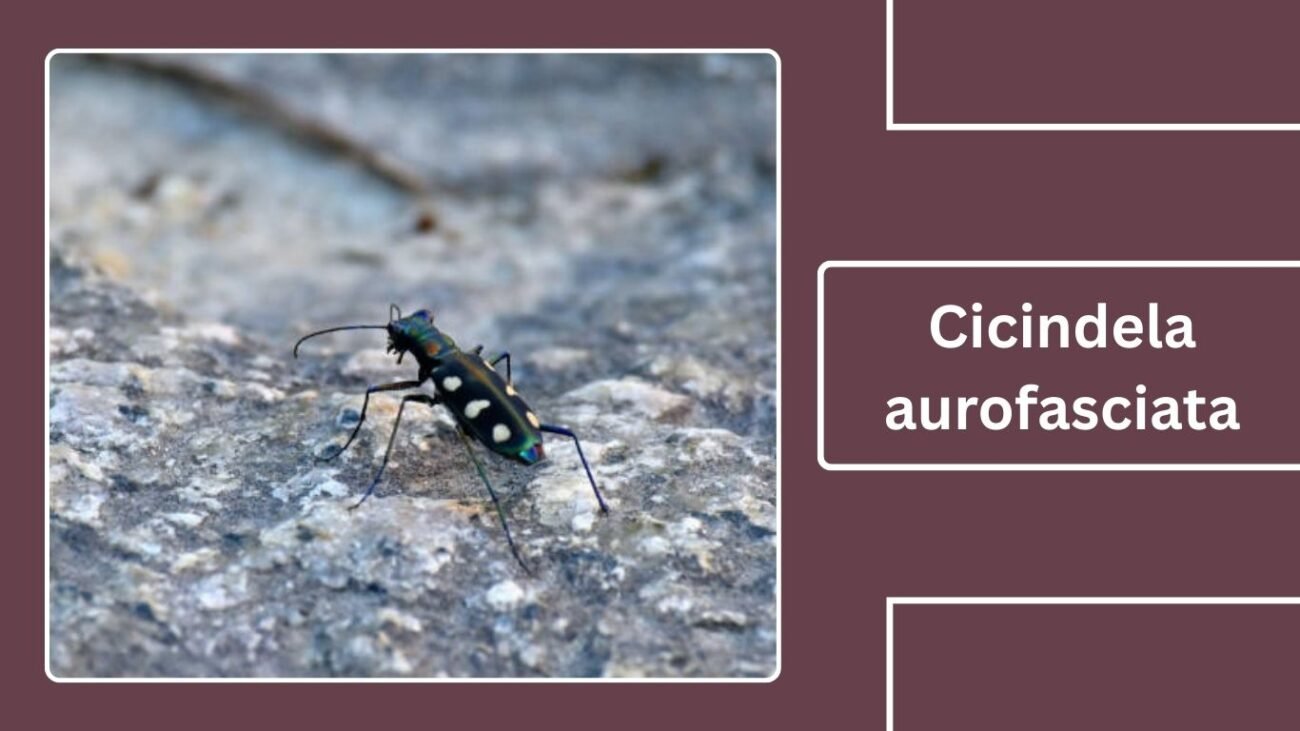
Cicindela aurofasciata, commonly called the Golden-banded Tiger Beetle, is known for its vibrant metallic green or bronze body with distinctive golden bands across its elytra. This beetle is an active daytime predator, often found in sandy and open habitats where it chases down small insects with remarkable speed.
Identification
- Metallic green or bronze elytra with golden transverse bands
- Slender body, around 9–12 mm in length
- Long, spindly legs for fast running
- Sharp, curved mandibles for capturing prey
- Large, bulging eyes for excellent vision
Habitat
Cicindela aurofasciata inhabits sandy riverbanks, open fields, and heathlands. It prefers sunny areas with minimal vegetation that allow it to hunt efficiently.
Diet
This beetle is carnivorous, feeding primarily on ants, small flies, and other soft-bodied arthropods. Its hunting relies on speed, agility, and acute vision.
4. Cicindela chinensis
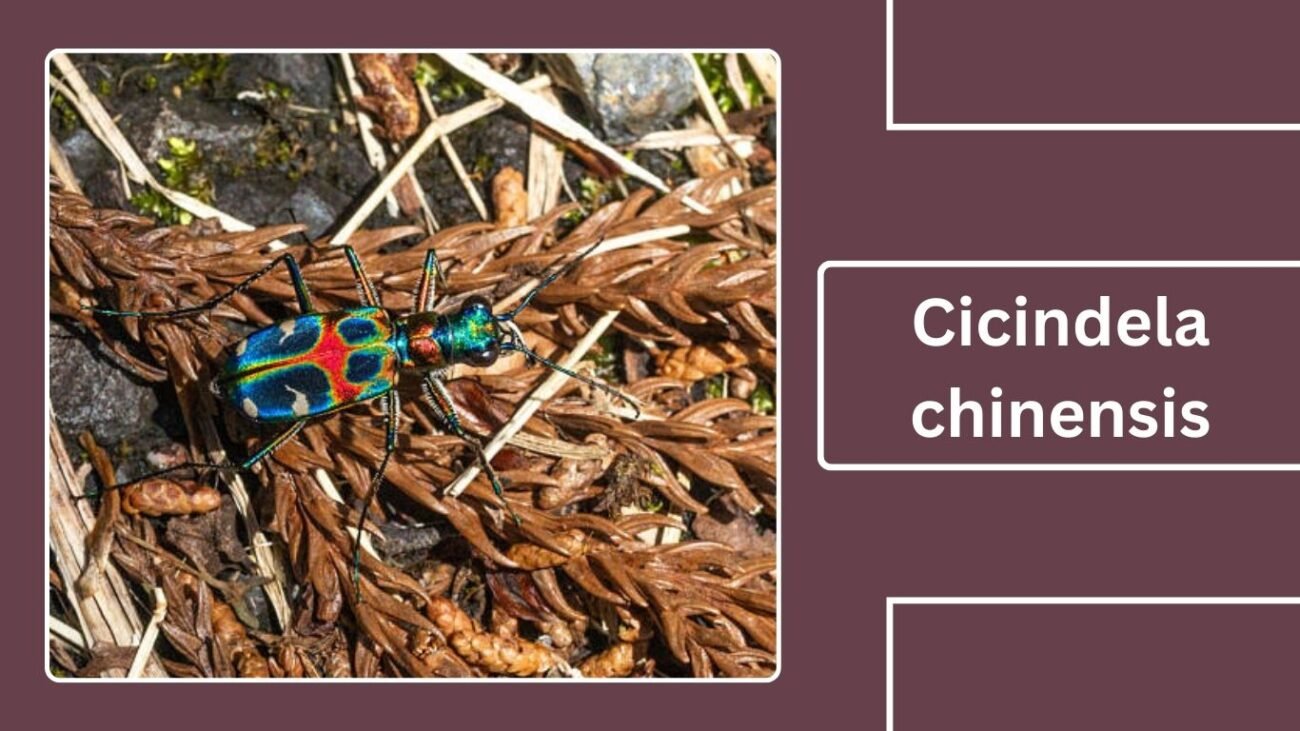
Cicindela chinensis, commonly known as the Chinese Tiger Beetle, is a brightly colored beetle found across East Asia. It is admired for its metallic green or blue sheen and its incredible speed, making it an effective predator of small insects in open, sandy areas.
Identification
- Metallic green or bluish elytra with small pale spots
- Slender body, approximately 10–13 mm in length
- Long legs adapted for rapid running
- Strong, curved mandibles for hunting prey
- Large, prominent compound eyes for excellent vision
Habitat
Cicindela chinensis prefers sandy riverbanks, grasslands, and open woodlands. It is commonly seen in sunny, open areas where it can hunt efficiently during the day.
Diet
This species is carnivorous, feeding on small insects such as ants, flies, and other soft-bodied arthropods. Its speed and keen eyesight allow it to capture prey effectively.
5. Cicindela hirticollis
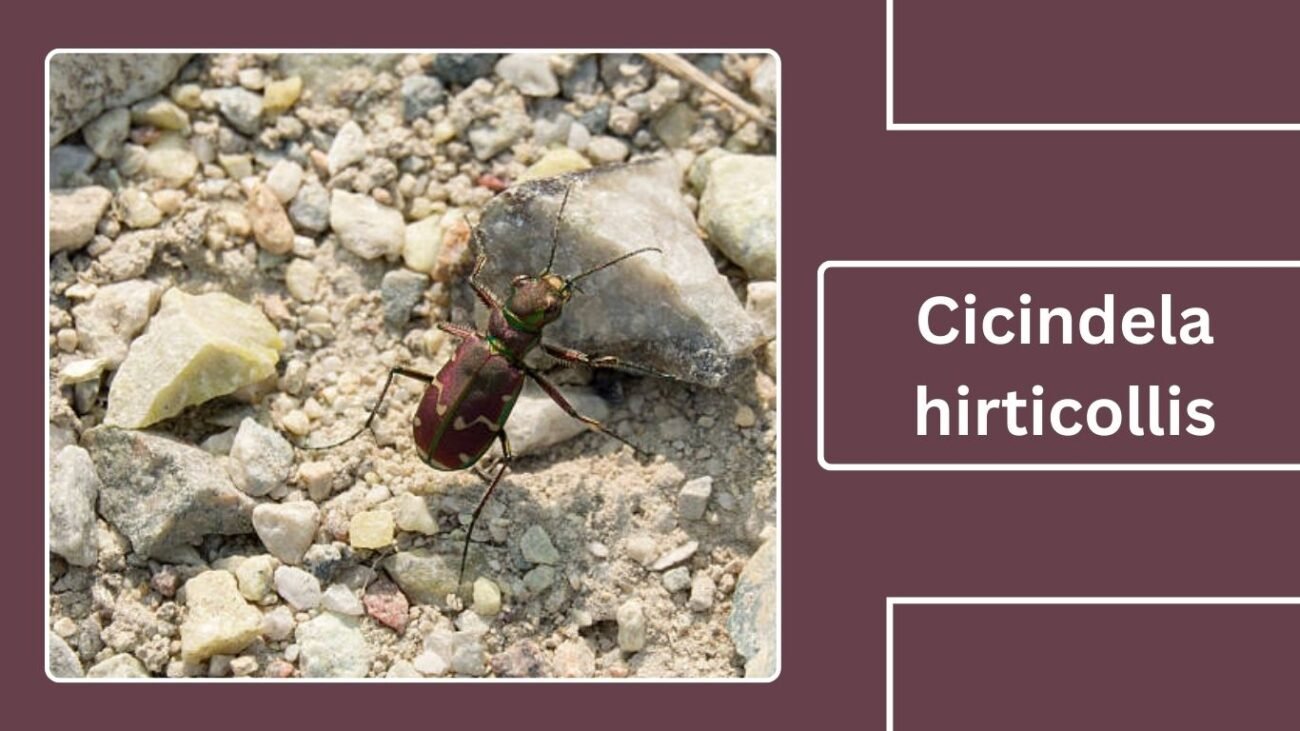
Cicindela hirticollis, commonly called the Hairy-necked Tiger Beetle, is a fast and agile predator found primarily in sandy coastal areas of North America. It is recognized for its metallic green to bronze body and distinctive hairy pronotum, which gives it its name.
Identification
- Metallic green to bronze elytra, sometimes with small white spots
- Pronotum covered with fine hairs
- Slender body, about 10–15 mm in length
- Long, powerful legs for running at high speeds
- Strong, curved mandibles for capturing prey
- Large, well-developed compound eyes
Habitat
Cicindela hirticollis inhabits sandy beaches, dunes, and open sandy fields, often near water. It prefers sunny, open areas where it can actively hunt.
Diet
This beetle is carnivorous, feeding on small insects like ants, flies, and other arthropods. Its speed and sharp vision make it a highly effective predator.
6. Cicindela sexguttata
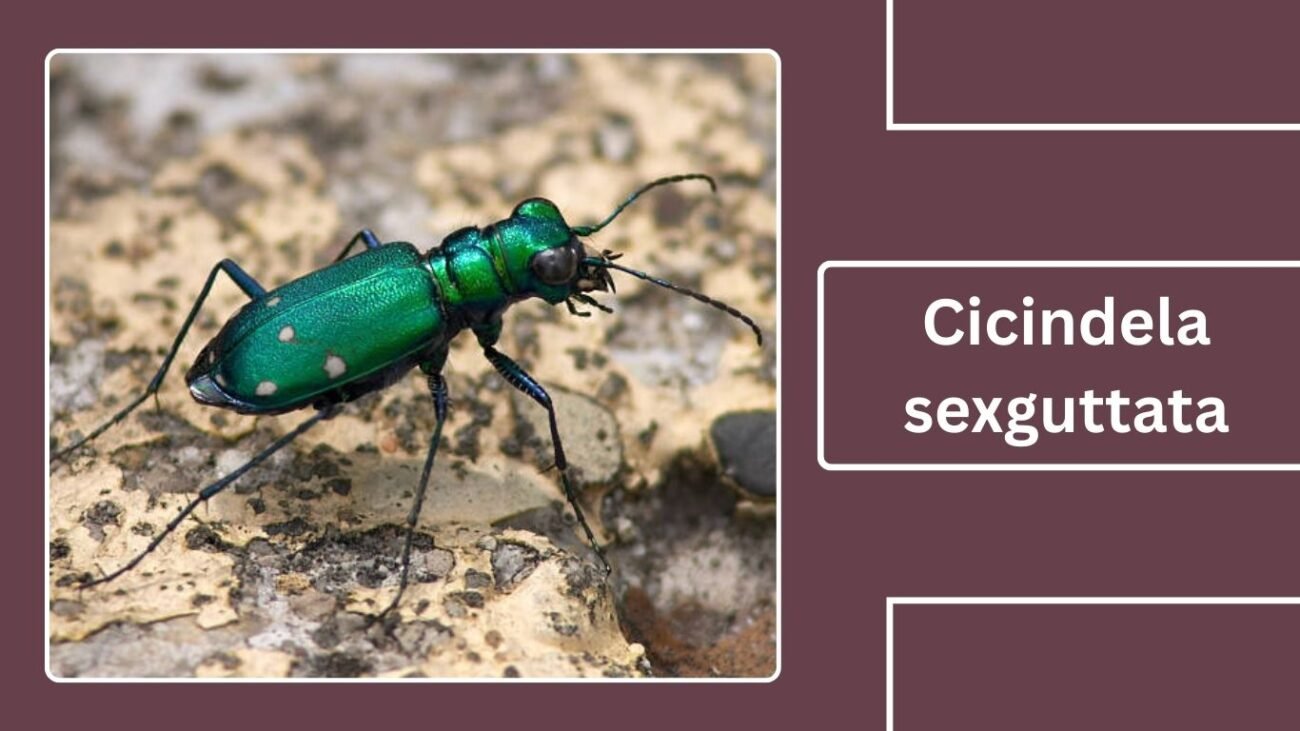
Cicindela sexguttata, commonly known as the Six-spotted Tiger Beetle, is a striking beetle native to North America. It is easily recognized by its metallic green body adorned with six distinctive white spots on the elytra. This active hunter is most often seen running rapidly across open, sunny ground in forests and fields.
Identification
- Bright metallic green elytra with six white spots
- Slender body, approximately 10–12 mm in length
- Long legs built for fast running
- Sharp mandibles for capturing prey
- Prominent compound eyes for keen vision
Habitat
Cicindela sexguttata prefers open wooded areas, forest edges, and clearings. It thrives in sunny patches of ground where it can hunt efficiently during the day.
Diet
This beetle is carnivorous, feeding on small insects such as ants, spiders, and other soft-bodied arthropods. Its agility and speed make it a formidable predator.
7. Cicindela dorsalis
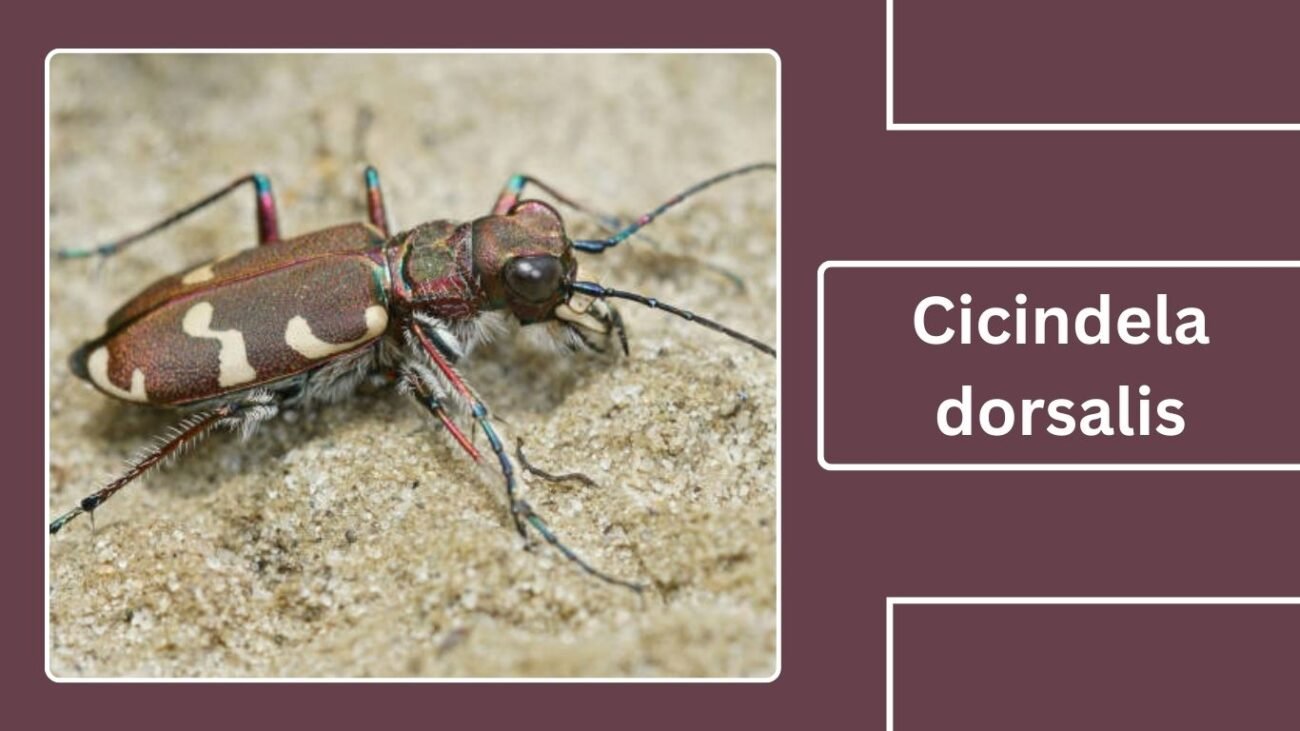
Cicindela dorsalis, commonly known as the Dunes Tiger Beetle, is a medium-sized, fast-moving beetle found along sandy coastal regions of North America. Its striking coloration and rapid hunting behavior make it a notable predator in its habitat.
Identification
- Shiny green or bluish-green elytra with white or cream-colored markings
- Slender body, about 10–14 mm in length
- Long legs adapted for high-speed running
- Strong mandibles for catching prey
- Large, prominent compound eyes
Habitat
Cicindela dorsalis inhabits sandy beaches, coastal dunes, and open sandy areas. It is typically found in sunny environments where it can actively pursue prey.
Diet
This beetle is carnivorous, feeding on small insects and arthropods. Its hunting relies on speed, keen eyesight, and agility to capture prey effectively.
8. Cicindela oregona
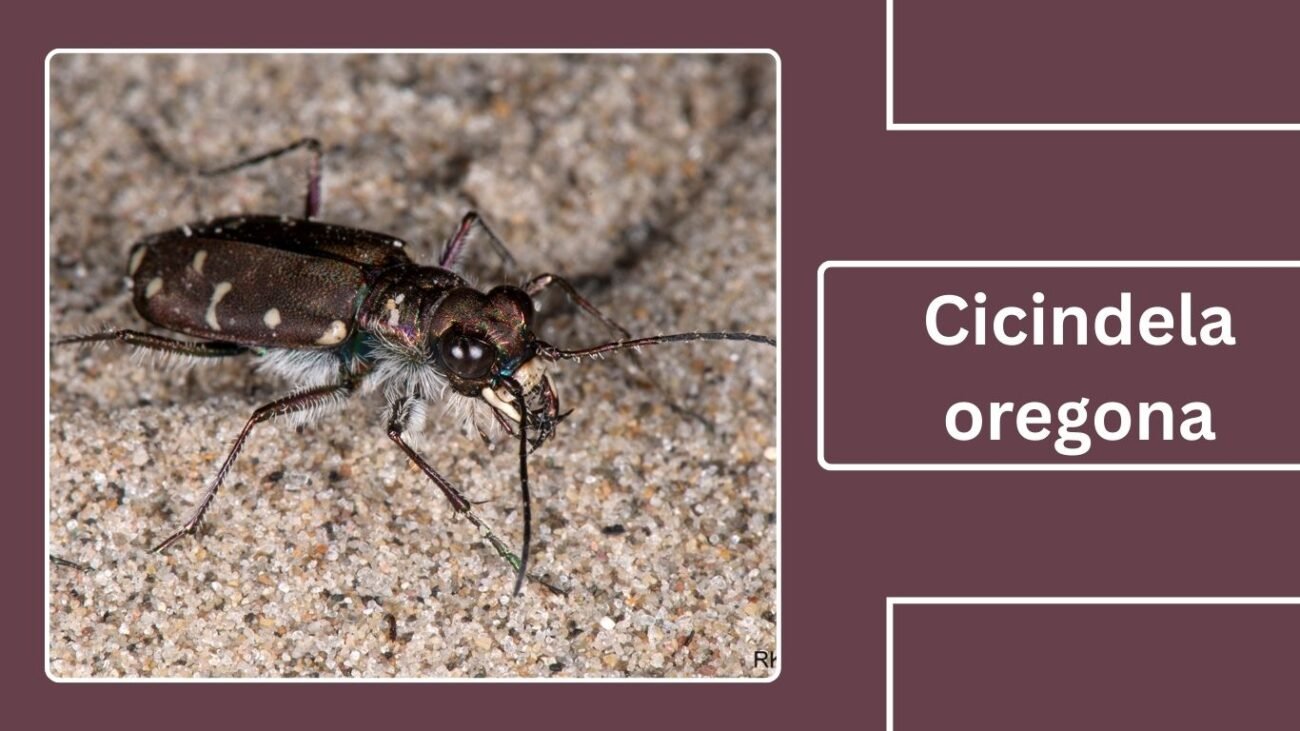
Cicindela oregona, commonly known as the Western Tiger Beetle, is a vibrant and fast-moving beetle native to western North America. It is admired for its metallic green to bronze body and remarkable agility, which make it an effective predator of small insects.
Identification
- Metallic green to bronze elytra, sometimes with small white or yellowish spots
- Slender body, approximately 11–14 mm in length
- Long, strong legs for rapid running
- Sharp, curved mandibles for hunting prey
- Large, well-developed compound eyes
Habitat
Cicindela oregona prefers sandy riverbanks, open fields, and dry grassy areas. It is most active in sunny locations where it can hunt efficiently.
Diet
This species is carnivorous, preying on small insects such as ants, flies, and other arthropods. Its speed and keen vision make it a highly effective predator.
9. Cicindela longilabris
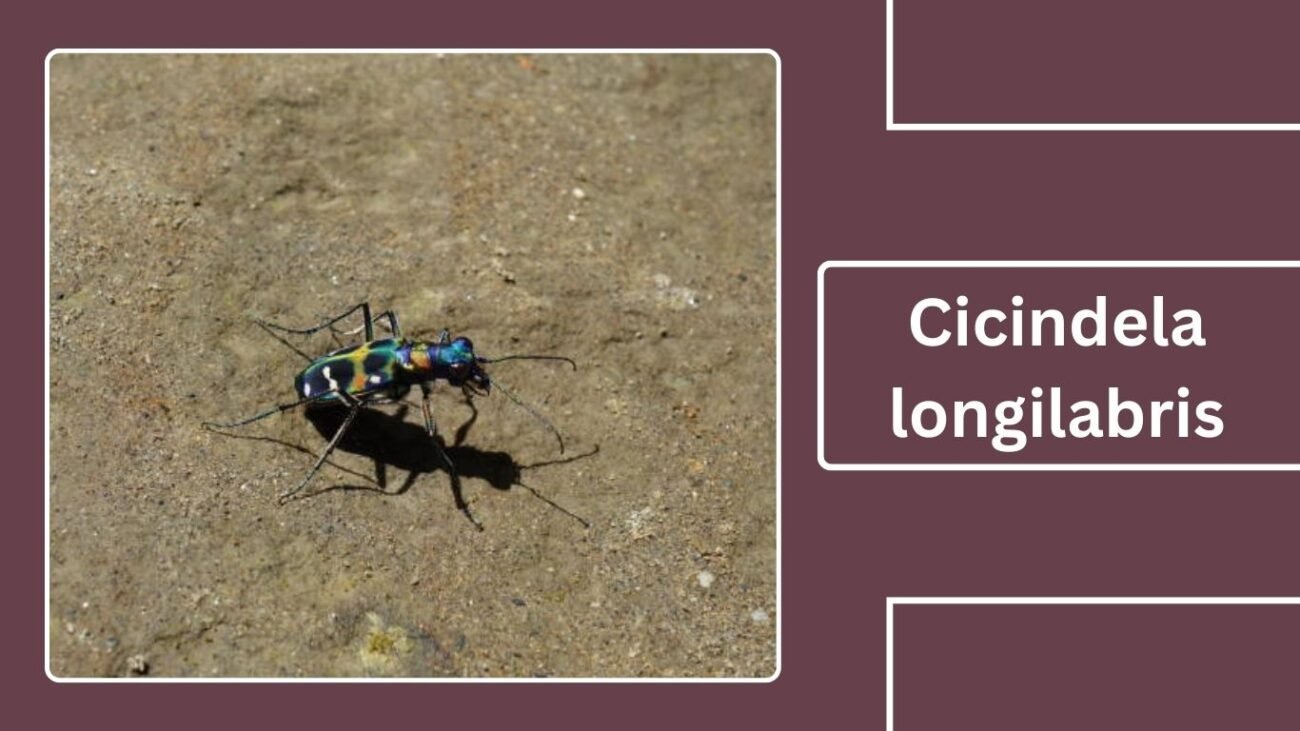
Cicindela longilabris, commonly called the Long-lipped Tiger Beetle, is a slender, agile beetle known for its elongated mandibles and fast running abilities. It is found primarily in North American forests and open sandy areas, where it actively hunts small insects.
Identification
- Metallic green or bronze elytra with faint markings
- Slender body, approximately 10–13 mm in length
- Long legs built for rapid running
- Distinctively long mandibles for capturing prey
- Large, prominent compound eyes
Habitat
Cicindela longilabris inhabits sandy forest paths, open woodlands, and riverbanks. It prefers sunny patches that allow quick movement while hunting.
Diet
This beetle is carnivorous, feeding on ants, small flies, and other soft-bodied arthropods. Its speed and vision make it an effective predator.
10. Cicindela formosa
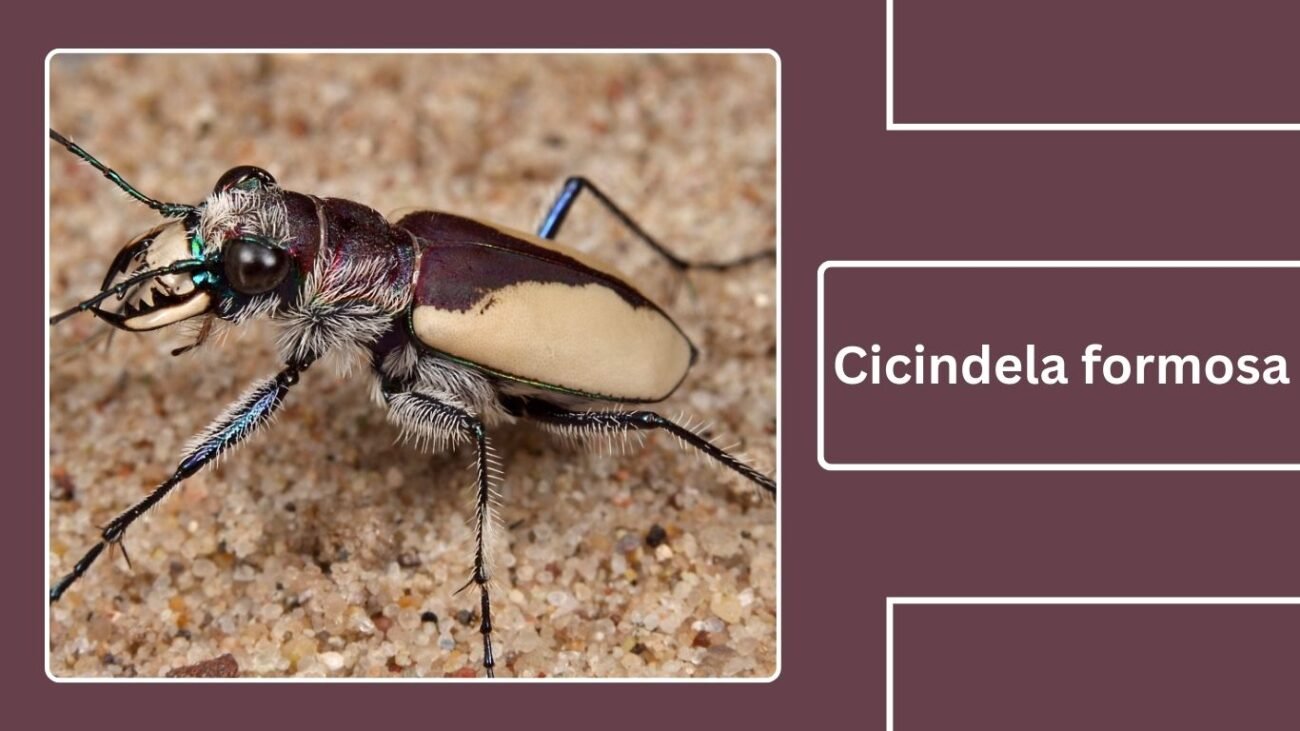
Cicindela formosa, commonly known as the Big Sand Tiger Beetle, is a large, brightly colored beetle native to North America. It is renowned for its impressive speed and predatory skills, often seen hunting on sandy riverbanks and open fields.
Identification
- Metallic green or bluish-green elytra with distinct yellowish or white markings
- Large, elongated body, approximately 12–16 mm in length
- Long, powerful legs for rapid running
- Strong, curved mandibles for capturing prey
- Prominent compound eyes for excellent vision
Habitat
Cicindela formosa prefers sandy riverbanks, open fields, and dune areas. Sunny, open spaces allow it to move quickly and hunt efficiently.
Diet
This species is carnivorous, feeding on small insects such as ants, flies, and other soft-bodied arthropods. Its speed and agility make it a formidable hunter.
11. Cicindela repanda

Cicindela repanda, commonly known as the Bronze Tiger Beetle, is a small, fast-moving beetle native to North America. It is recognized for its metallic bronze or copper-colored body and active hunting behavior in open, sandy habitats.
Identification
- Metallic bronze or copper elytra, sometimes with pale markings
- Slender body, approximately 8–11 mm in length
- Long legs adapted for swift running
- Sharp, curved mandibles for catching prey
- Large, well-developed compound eyes
Habitat
Cicindela repanda inhabits sandy fields, forest edges, and open grasslands. It prefers sunny areas where it can move quickly to hunt prey.
Diet
This beetle is carnivorous, feeding on small insects such as ants, flies, and other soft-bodied arthropods. Its speed and keen eyesight make it an efficient predator.
12. Cicindela tranquebarica
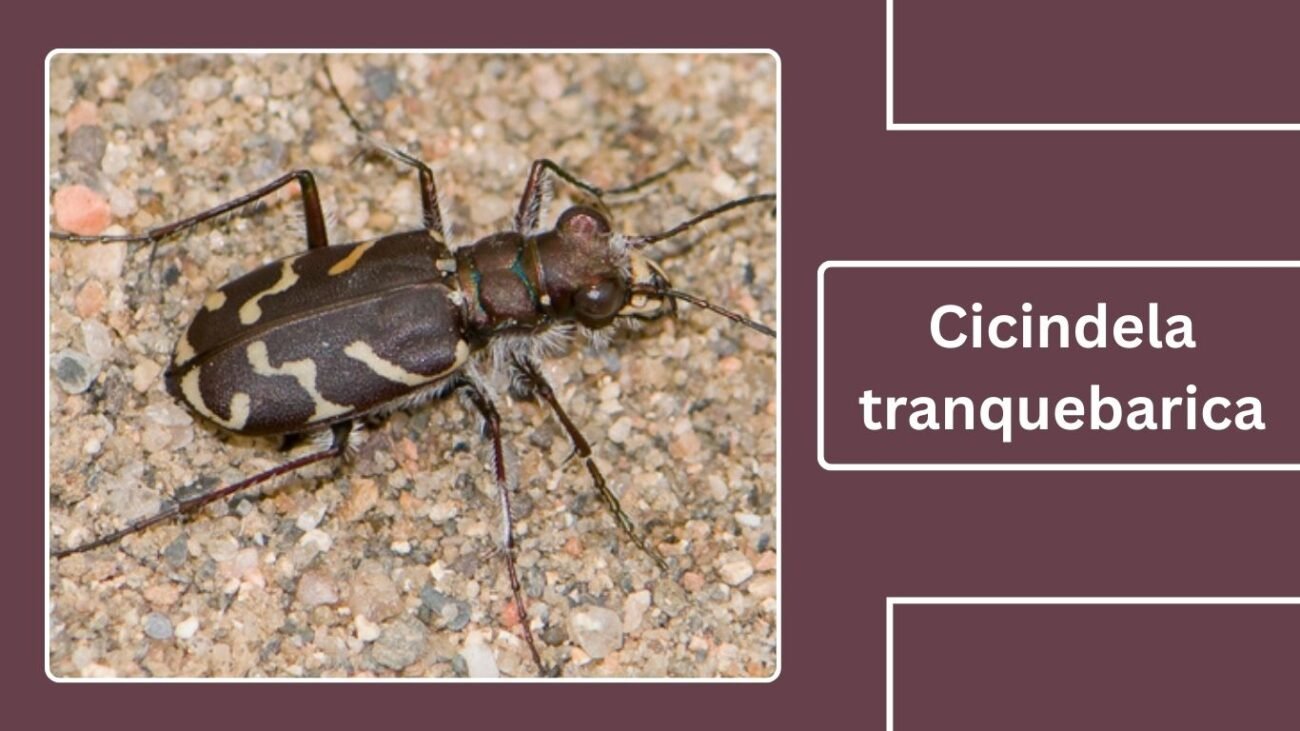
Cicindela tranquebarica, commonly known as the Oblique-lined Tiger Beetle, is a medium-sized beetle found in North America. It is recognized for its distinctive markings and remarkable speed, allowing it to hunt small insects efficiently in open habitats.
Identification
- Metallic green to bronze elytra with oblique white or cream-colored lines
- Slender body, approximately 10–13 mm in length
- Long, agile legs for rapid running
- Strong, curved mandibles for capturing prey
- Large, prominent compound eyes
Habitat
Cicindela tranquebarica prefers sandy fields, riverbanks, and open woodland areas. It thrives in sunny environments where it can move quickly while hunting.
Diet
This species is carnivorous, feeding on small insects like ants, flies, and other soft-bodied arthropods. Its speed and keen vision make it a skilled predator.
13. Cicindela limbalis
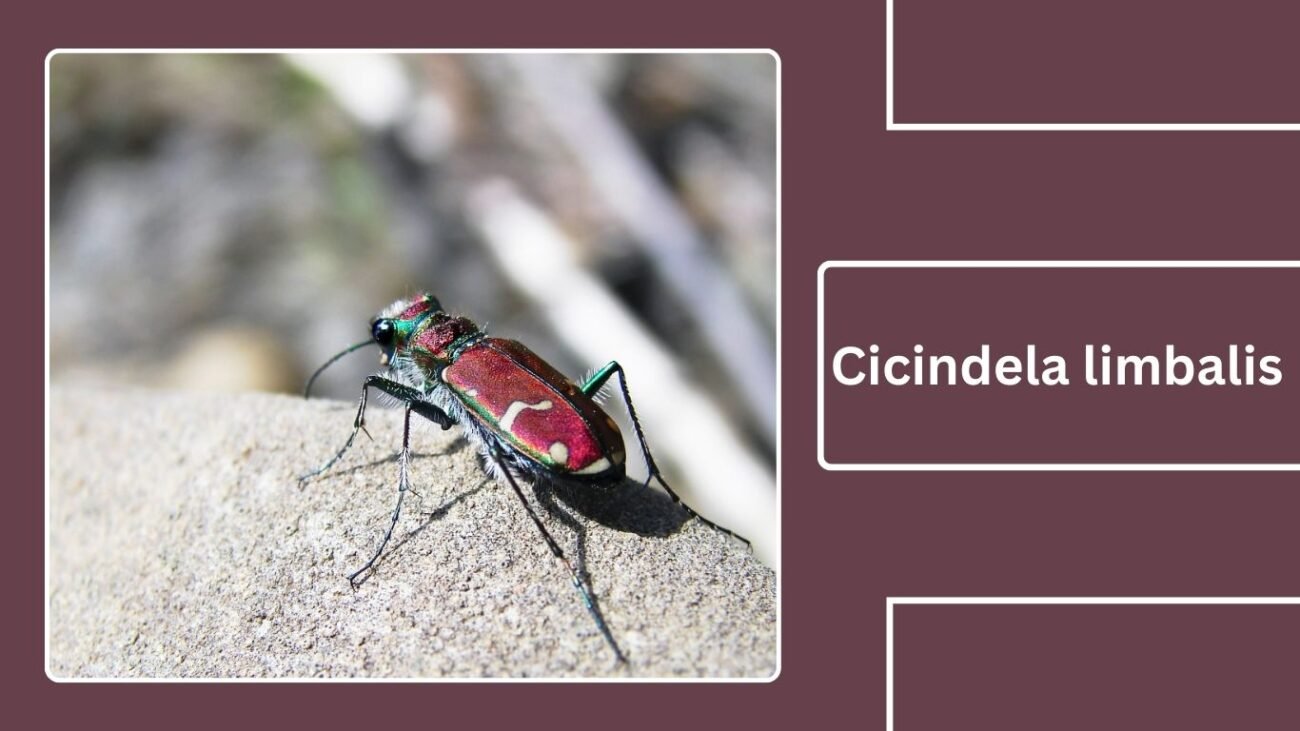
Cicindela limbalis, commonly known as the Coastal Tiger Beetle, is a fast-moving beetle found along sandy shorelines and coastal areas of North America. It is admired for its metallic green to bronze coloration and agile hunting behavior.
Identification
- Metallic green or bronze elytra with minimal or faint markings
- Slender body, approximately 9–12 mm in length
- Long legs adapted for rapid running
- Strong, curved mandibles for capturing prey
- Large, prominent compound eyes
Habitat
Cicindela limbalis inhabits sandy beaches, dunes, and coastal open areas. It prefers sunny locations where it can actively pursue prey.
Diet
This beetle is carnivorous, feeding on small insects such as ants, flies, and other arthropods. Its speed and keen eyesight make it an effective predator.
14. Cicindela rufiventris
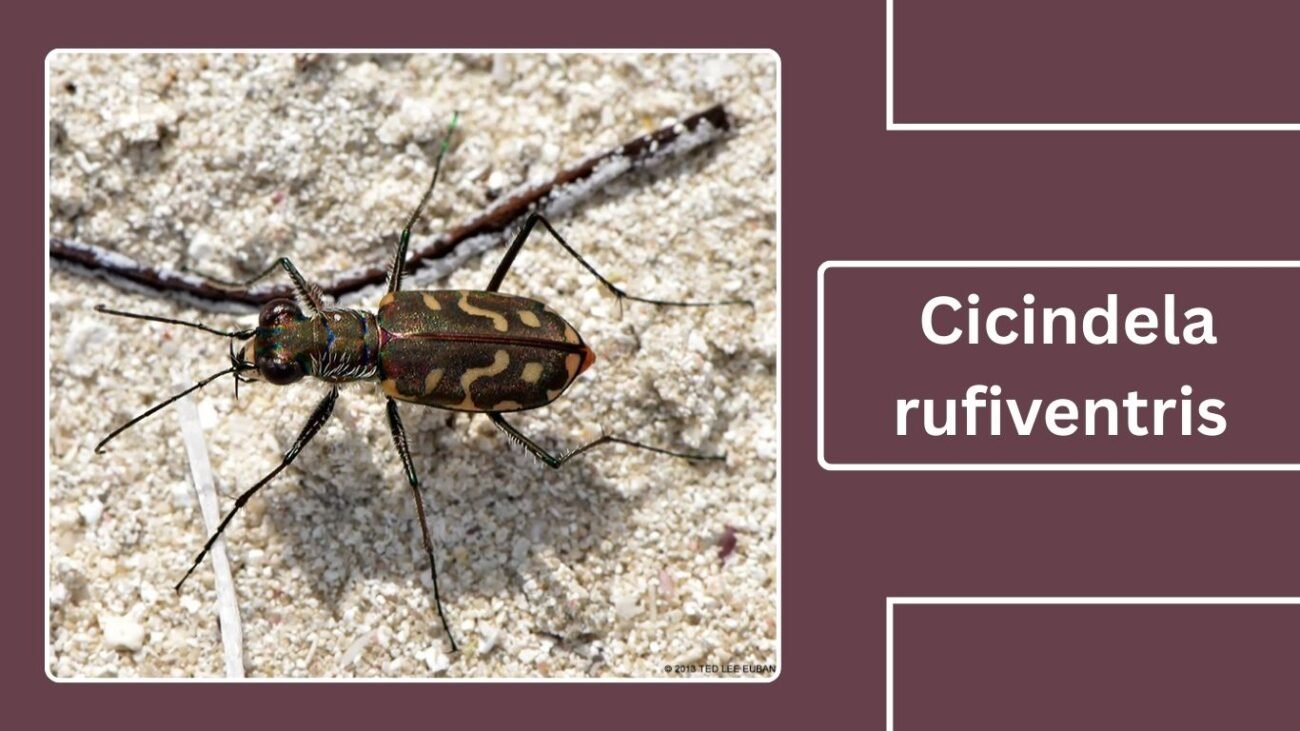
Cicindela rufiventris, commonly known as the Red-bellied Tiger Beetle, is a striking beetle native to North America. It is recognized for its metallic green or bronze elytra contrasted with a reddish-orange underside, and it is an agile predator in sandy and open habitats.
Identification
- Metallic green or bronze elytra with reddish-orange underside
- Slender body, approximately 10–13 mm in length
- Long, powerful legs for rapid running
- Strong, curved mandibles for capturing prey
- Large, prominent compound eyes
Habitat
Cicindela rufiventris inhabits sandy fields, riverbanks, and open woodlands. Sunny, open areas allow it to hunt efficiently and move quickly.
Diet
This beetle is carnivorous, preying on small insects like ants, flies, and other soft-bodied arthropods. Its speed and keen vision make it a skilled hunter.
15. Cicindela denverensis
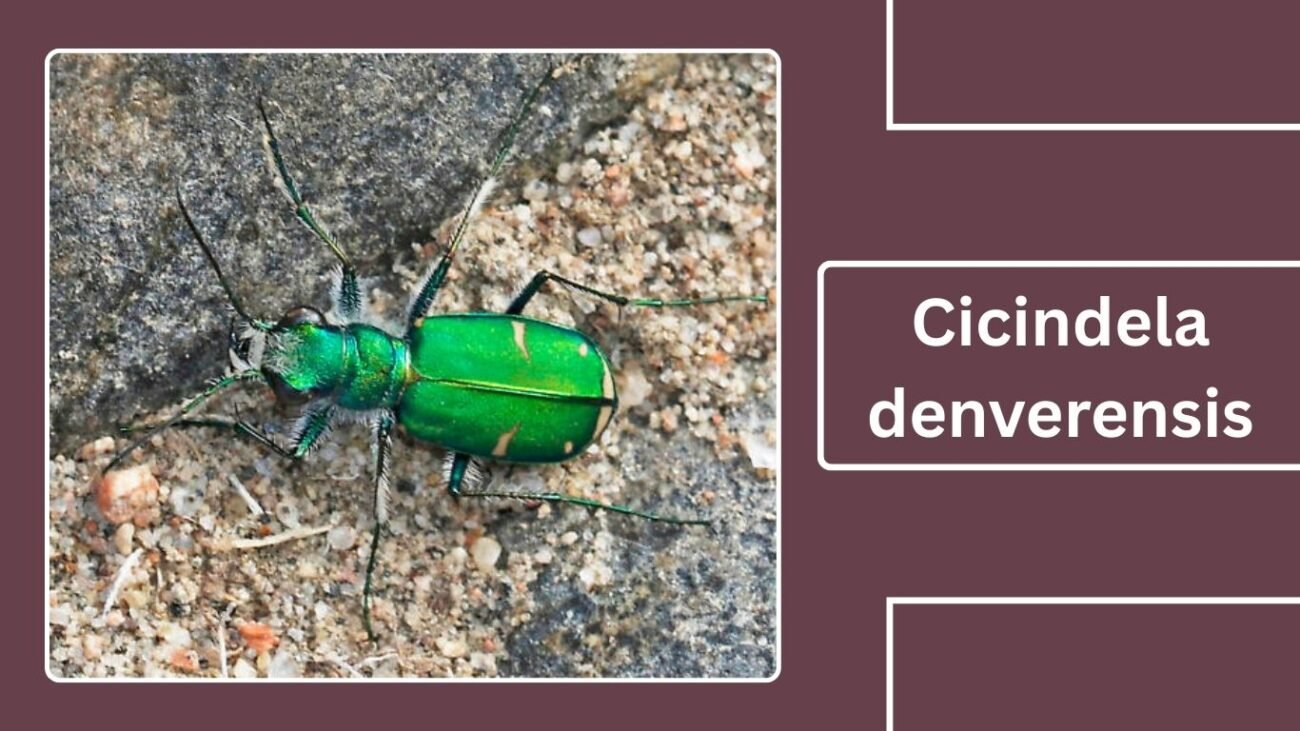
Cicindela denverensis, commonly known as the Denver Tiger Beetle, is a medium-sized, fast-moving beetle native to western North America. It is admired for its metallic green or bronze body and exceptional speed, making it an effective predator of small insects.
Identification
- Metallic green or bronze elytra, sometimes with faint white markings
- Slender body, approximately 10–13 mm in length
- Long, agile legs for rapid running
- Strong, curved mandibles for catching prey
- Large, prominent compound eyes
Habitat
Cicindela denverensis inhabits sandy riverbanks, open fields, and dry grasslands. It prefers sunny, open areas for hunting.
Diet
This beetle is carnivorous, feeding on small insects such as ants, flies, and other arthropods. Its speed and keen eyesight make it a highly efficient predator.
16. Cicindela arenicola
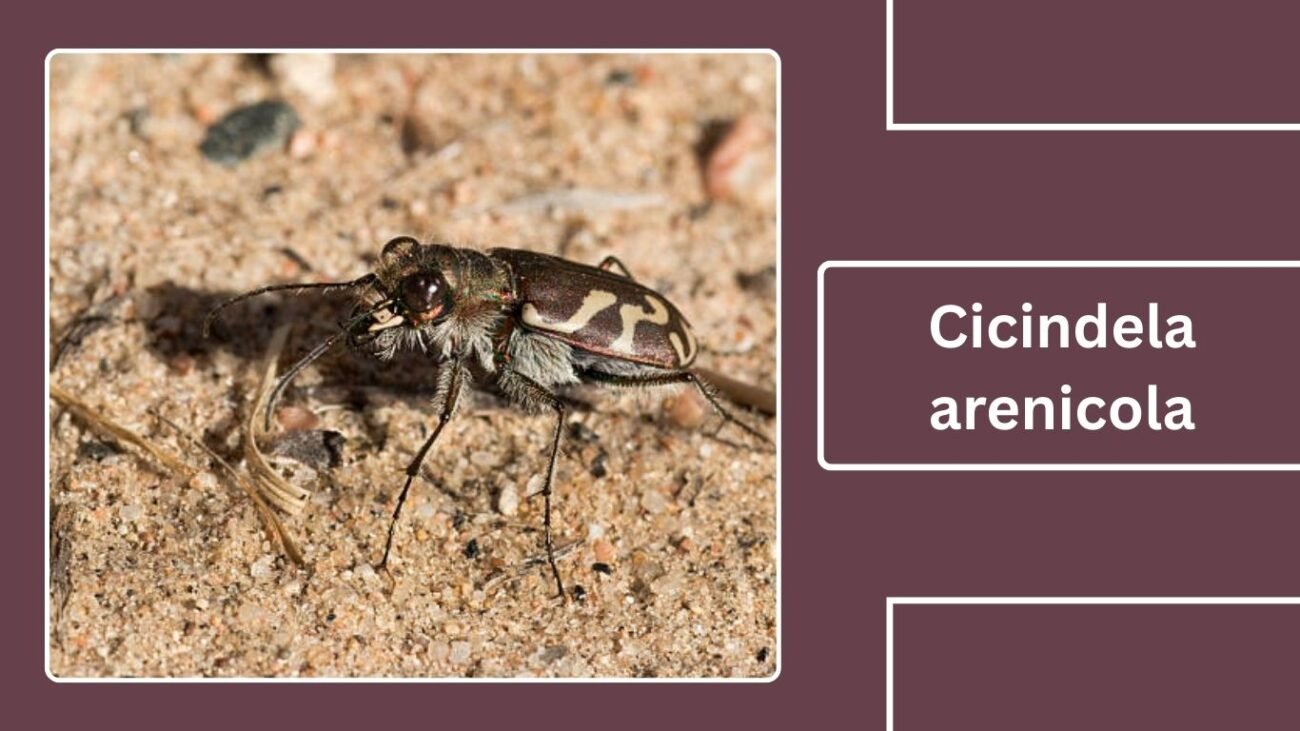
Cicindela arenicola, commonly known as the Sand Tiger Beetle, is a slender, fast-moving beetle found primarily in sandy habitats of North America. It is known for its agility and metallic sheen, making it a skilled predator of small insects.
Identification
- Metallic green or bronze elytra, sometimes with faint markings
- Slender body, approximately 9–12 mm in length
- Long legs adapted for rapid running
- Sharp, curved mandibles for capturing prey
- Large, well-developed compound eyes
Habitat
Cicindela arenicola inhabits sandy dunes, riverbanks, and open sandy areas. Sunny and open environments allow it to move quickly and hunt efficiently.
Diet
This species is carnivorous, feeding on small insects such as ants, flies, and other soft-bodied arthropods. Its speed and vision make it an effective predator.
17. Cicindela decemnotata
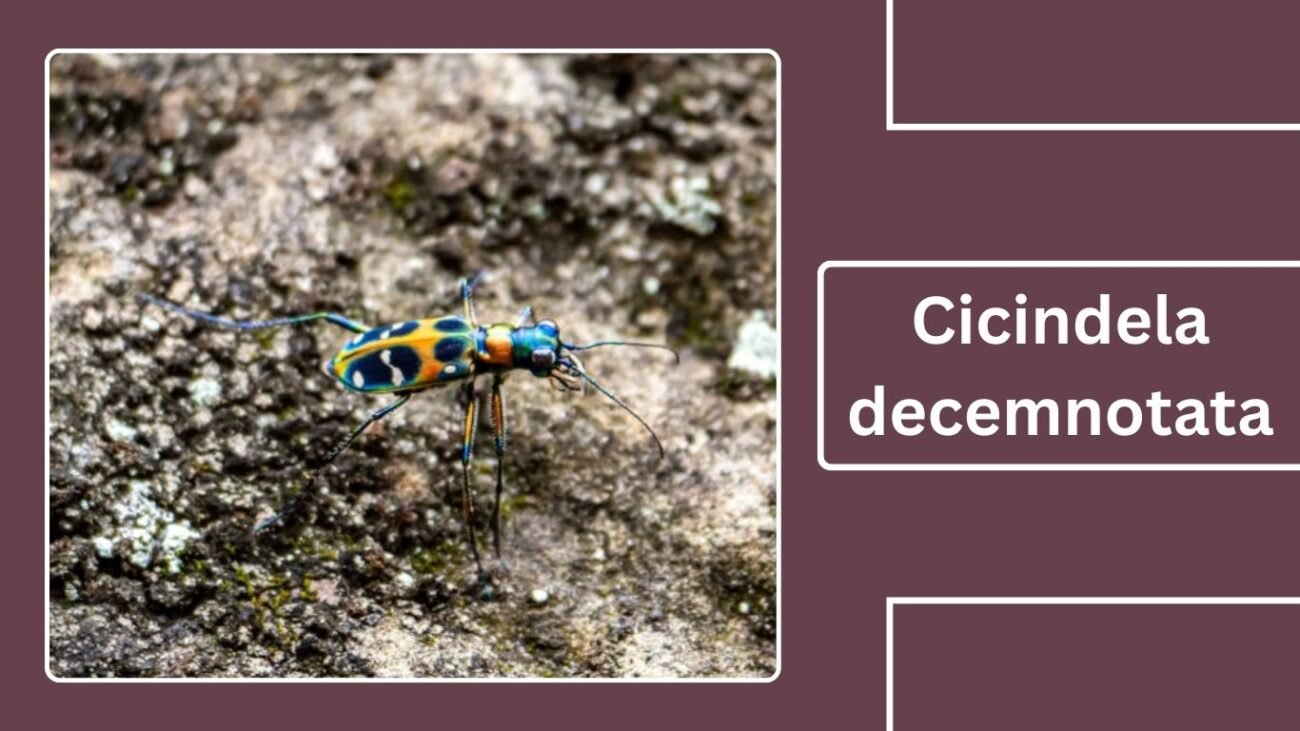
Cicindela decemnotata, commonly known as the Ten-spotted Tiger Beetle, is a striking beetle native to North America. It is recognized for its metallic green or bluish elytra adorned with ten distinct white spots, and for its remarkable speed and hunting prowess.
Identification
- Metallic green or bluish elytra with ten white spots
- Slender body, approximately 10–13 mm in length
- Long legs built for rapid running
- Strong, curved mandibles for capturing prey
- Large, prominent compound eyes
Habitat
Cicindela decemnotata prefers sandy fields, riverbanks, and open woodland areas. It thrives in sunny, open spaces where it can actively hunt.
Diet
This beetle is carnivorous, feeding on small insects such as ants, flies, and other soft-bodied arthropods. Its agility and keen eyesight make it a highly effective predator.