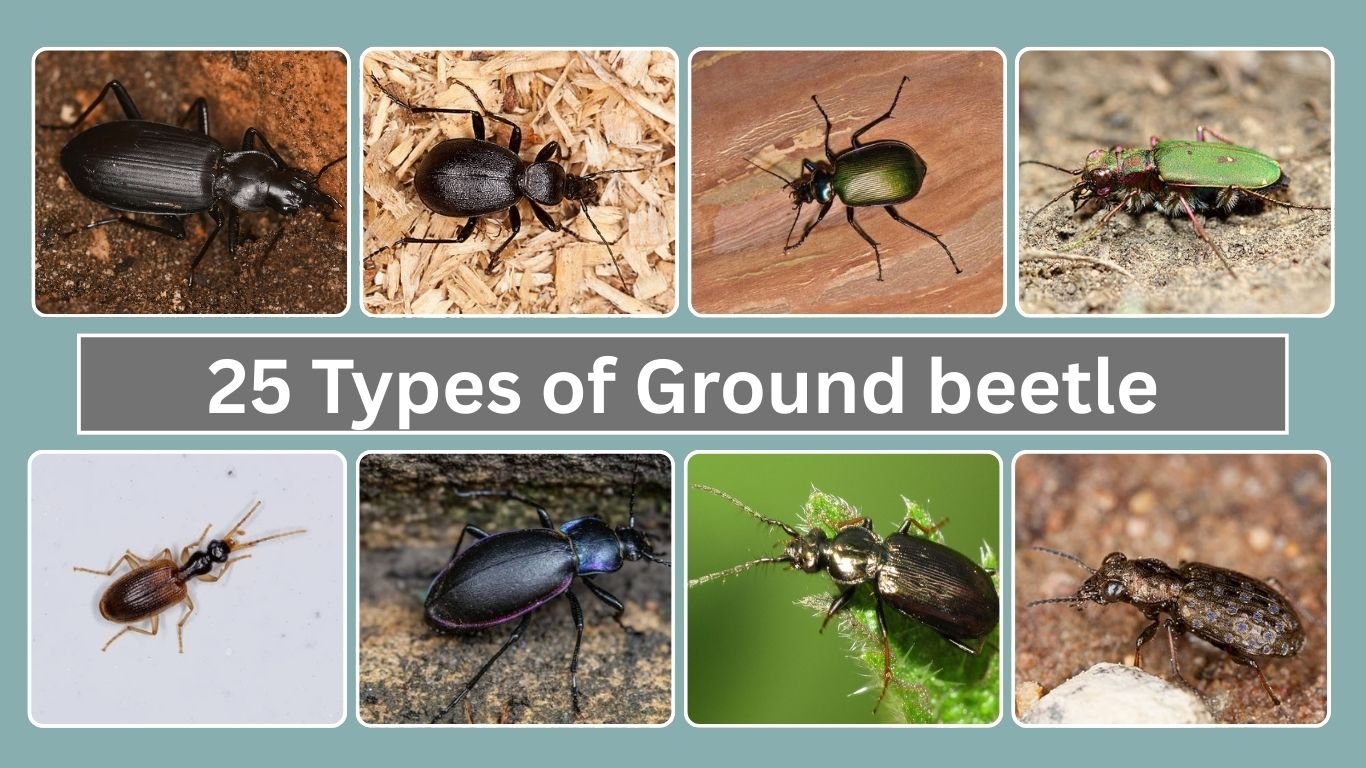
Ground beetles are fascinating creatures found in diverse environments worldwide. Known for their predatory nature, they play a crucial role in maintaining ecological balance by controlling pest populations. From vibrant colors to swift movements, each species of ground beetle has unique characteristics that enable it to thrive in its specific habitat. This guide highlights 25 distinct ground beetles, offering insights into their identification, habitat, behaviour, and lifecycle.
1. Carabus nemoralis
Overview
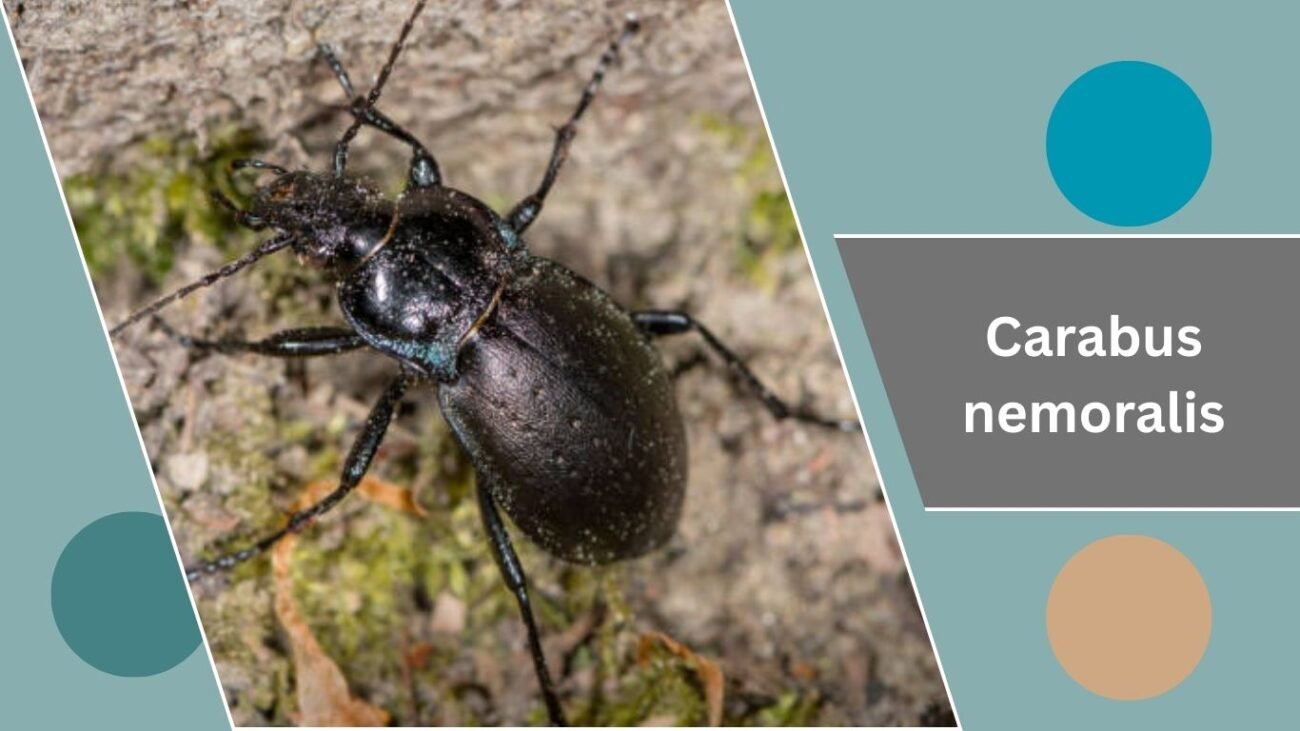
Carabus nemoralis, also known as the forest carabid beetle, is a medium-sized species of ground beetle commonly found in forested and wooded habitats. Its striking appearance, combined with its role as a predator of smaller insects, makes it an interesting beetle for entomologists and nature enthusiasts alike.
Identification
- Size: 15-22 mm in length.
- Color: Typically metallic green or bronze with a smooth, shiny body.
- Shape: Oval and somewhat flattened, with a pronounced, slightly arched thorax.
- Legs: Long, slender, and dark in color, adapted for fast movement.
- Antennae: Long and threadlike.
- Distinct Features: Large, sharp mandibles for hunting; grooved elytra (wing covers), which are slightly striated.
Habitat
Carabus nemoralis is most commonly found in woodland habitats, particularly in areas with dense undergrowth, leaf litter, and decaying vegetation. It prefers moist environments where it can find an abundance of prey, including snails, worms, and other smaller insects.
Behaviour
This beetle is a nocturnal predator, actively hunting at night for food. During the daytime, it hides under rocks, logs, or fallen leaves to avoid predators. It is known to be quite aggressive when disturbed and can quickly scuttle away if threatened.
Lifecycle
Carabus nemoralis undergoes a complete metamorphosis, with four stages: egg, larva, pupa, and adult. Eggs are laid under soil or debris, where the larvae hatch and begin to hunt. The larvae are predatory, feeding on small invertebrates before pupating in the soil. The adult beetle emerges in the spring, continuing its life cycle.
2. Harpalus rufipes
Overview
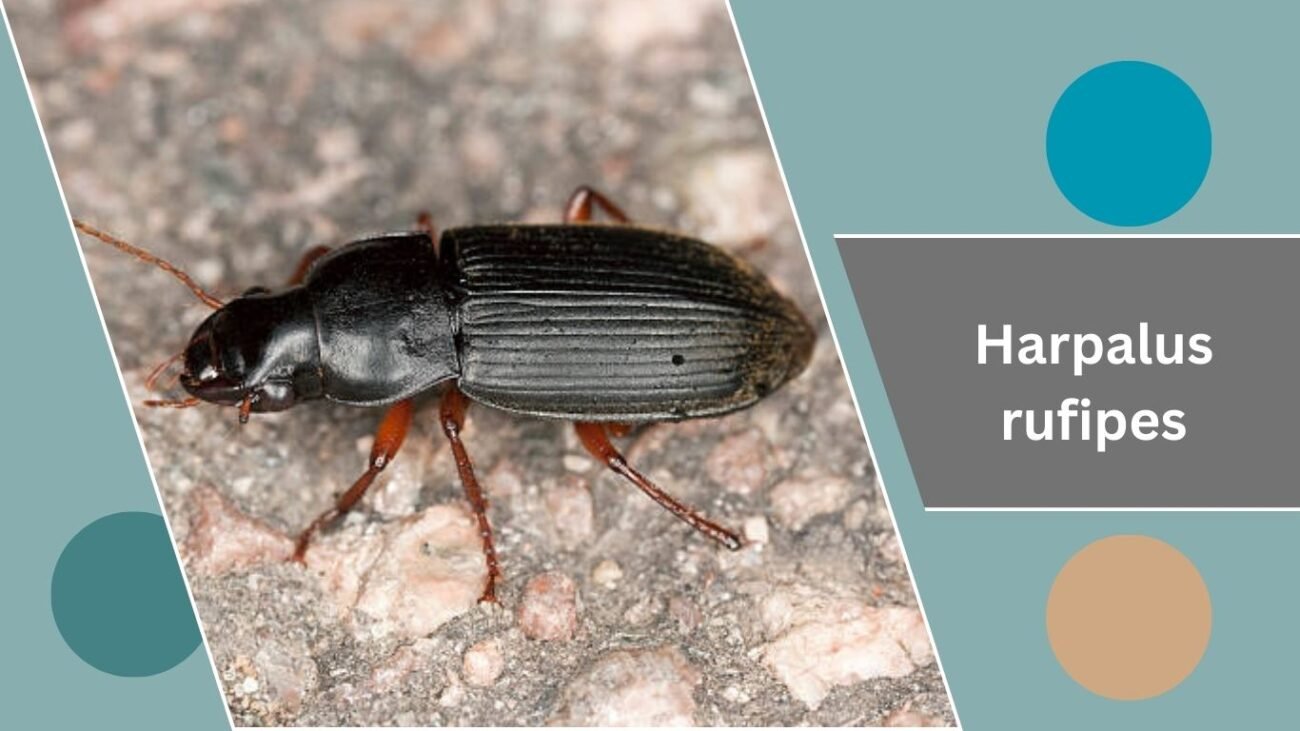
Harpalus rufipes, also known as the red-legged carabid, is a species of ground beetle commonly found in agricultural and grassland habitats. This beetle plays a vital role in controlling pests by feeding on insect larvae and other small invertebrates.
Identification
- Size: 10-18 mm in length.
- Color: Dark brown or black with bright red or orange legs, which gives it its common name.
- Shape: Elongated body with a slightly flattened appearance.
- Legs: Distinctive red legs that are a key identifying feature.
- Antennae: Long and thin, extending well beyond the body.
- Distinct Features: The red legs, together with the dark body, make it easily distinguishable from other ground beetles.
Habitat
Harpalus rufipes is often found in grasslands, fields, and agricultural areas where it resides under plant debris, soil, or among crops. It prefers areas with abundant vegetation that provide shelter and prey, such as smaller insects and larvae.
Behaviour
This beetle is a fast-moving predator that actively hunts at night. It is known for its aggressive behavior when it comes to defending its territory and will often flee to safety if disturbed. Harpalus rufipes is also a beneficial species in agriculture as it helps keep pest populations in check.
Lifecycle
Harpalus rufipes undergoes complete metamorphosis, transitioning through four stages: egg, larva, pupa, and adult. Females lay eggs in the soil or under debris, and the larvae are predatory, feeding on small invertebrates. The adults emerge in late spring and are active throughout the summer months.
3. Pterostichus melanarius
Overview
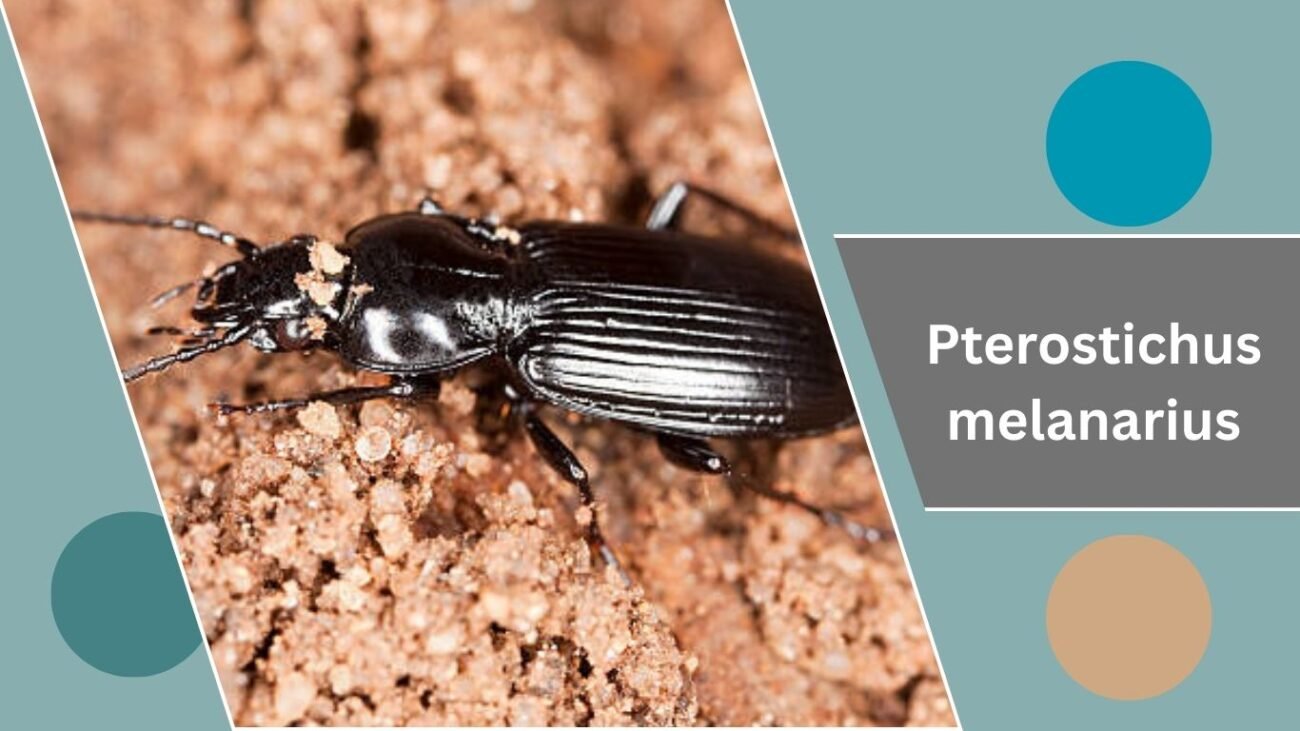
Pterostichus melanarius, commonly known as the black ground beetle, is a species that thrives in a variety of environments, including forests, grasslands, and gardens. Known for its adaptability and voracious predatory nature, this beetle plays a significant role in natural pest control.
Identification
- Size: 18-25 mm in length.
- Color: Typically black or very dark brown, with a smooth, shiny surface.
- Shape: Oval and elongated, with a distinct flattened body.
- Legs: Long and slender, dark in color, adapted for running.
- Antennae: Long and thin, typically reaching the middle of the body.
- Distinct Features: The smooth, glossy appearance and dark color distinguish it from many other ground beetles.
Habitat
Pterostichus melanarius is typically found in woodland areas, gardens, and fields. It prefers damp, sheltered environments, often under logs, rocks, and leaf litter where it can find both food and protection.
Behaviour
This beetle is nocturnal and predatory, hunting insects and other small invertebrates. It is known for its agility, quickly darting across the ground in search of prey. Pterostichus melanarius is a beneficial species for gardens and farms, as it helps control pest populations.
Lifecycle
Pterostichus melanarius undergoes complete metamorphosis. The adult beetle lays eggs in the soil, where the larvae develop. The larvae are active predators, feeding on small invertebrates, before pupating in the soil. The adults emerge in spring and live throughout the warmer months.
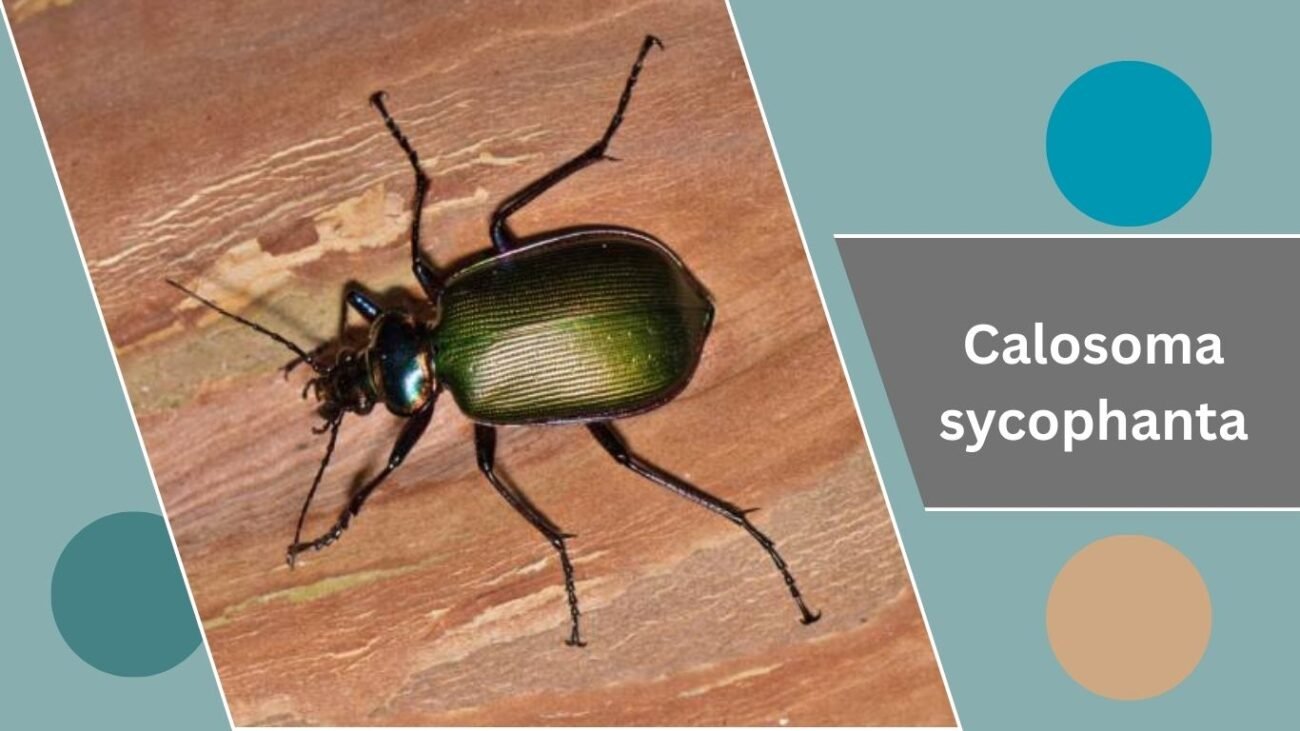
4. Calosoma sycophanta
Overview
Calosoma sycophanta, known as the European sap beetle or green tiger beetle, is a large and striking ground beetle with a reputation for its predatory behavior, particularly in the control of caterpillar populations. Its bold, iridescent green color and hunting prowess make it a notable species in forest ecosystems.
Identification
- Size: 25-35 mm in length.
- Color: Iridescent green or blue with a metallic sheen, often with reddish markings on the thorax.
- Shape: Elongated and somewhat flattened body.
- Legs: Long and robust, adapted for fast running.
- Antennae: Long and thin, extending beyond the length of the body.
- Distinct Features: Large size and striking green or blue coloration make it one of the most noticeable ground beetles.
Habitat
Calosoma sycophanta prefers woodland environments, especially in areas where caterpillars and other insect larvae are abundant. It is commonly found on the forest floor, under leaf litter, or near the trunks of trees, where it hunts for its prey.
Behaviour
This beetle is known for its aggressive and voracious hunting habits, particularly during the summer months when it preys on caterpillars. Calosoma sycophanta is often observed running quickly across the ground or climbing tree trunks in search of food. It is active during the day and night, especially when hunting.
Lifecycle
Calosoma sycophanta undergoes complete metamorphosis. The female lays eggs near the nests of caterpillars or in areas where larvae can easily be found. The larvae are predatory and feed on caterpillars before pupating. Adults emerge in the spring and continue their hunting activities throughout the summer.
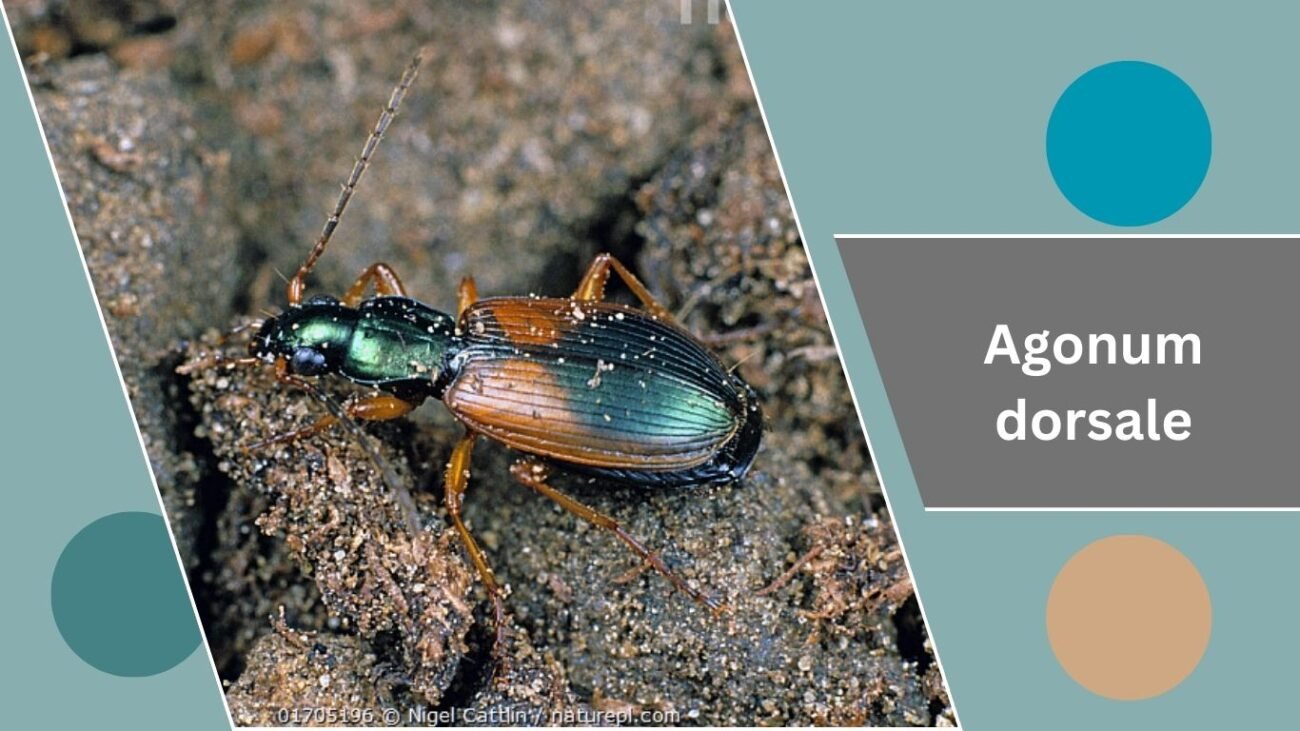
5. Agonum dorsale
Overview
Agonum dorsale is a ground beetle species commonly found in moist habitats, including wetlands, marshes, and damp forests. Known for its adaptability and strong predatory instincts, it plays a crucial role in maintaining the ecological balance by controlling small invertebrate populations.
Identification
- Size: 8-13 mm in length.
- Color: Typically dark brown or black, with a slight metallic sheen.
- Shape: Oval and slightly flattened body.
- Legs: Long, slender, and dark, suited for swift movement.
- Antennae: Long, thin, and extending past the body.
- Distinct Features: The smooth, shiny body and the distinct groove-like pattern on the elytra (wing covers) are key identifying characteristics.
Habitat
Agonum dorsale is most often found in wetland habitats, including marshes, ponds, and the edges of streams and lakes. It prefers damp environments with abundant vegetation and decaying plant matter, providing both shelter and a diverse food source.
Behaviour
This beetle is nocturnal and actively hunts at night. It preys on small invertebrates, including earthworms and other beetles. Agonum dorsale is known for its fast movements, which help it escape from potential predators, and its ability to thrive in a variety of moist environments.
Lifecycle
Agonum dorsale undergoes complete metamorphosis. The adult beetle lays eggs in moist soil or under debris where the larvae hatch and begin hunting small invertebrates. The larvae grow quickly, feeding on a variety of prey before entering the pupal stage. The adults emerge in the spring and are active through the warmer months.
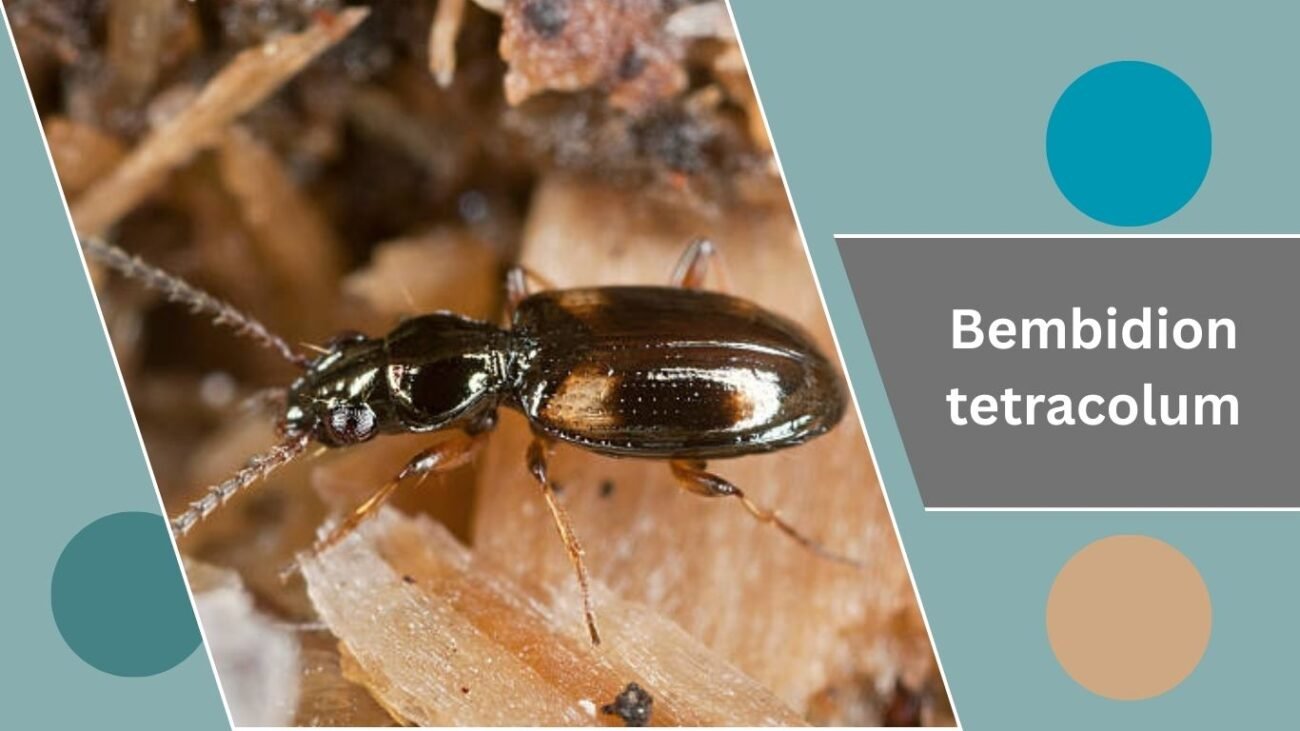
6. Bembidion tetracolum
Overview
Bembidion tetracolum, a small but agile ground beetle, is commonly found in damp, sandy habitats such as riverbanks and the edges of ponds. Its unique color pattern and quick movements make it a fascinating subject of study for entomologists and nature lovers alike.
Identification
- Size: 4-6 mm in length.
- Color: Typically dark brown or black with distinctive yellowish or orange markings on the elytra (wing covers).
- Shape: Small, oval, and slightly flattened body.
- Legs: Long and slender, adapted for rapid movement.
- Antennae: Short and threadlike.
- Distinct Features: The contrasting color pattern of the yellowish markings on the elytra makes this beetle easy to identify.
Habitat
Bembidion tetracolum is often found in moist, sandy or muddy habitats, such as the margins of rivers, streams, and ponds. It prefers areas with abundant decaying organic matter, where it can find a rich supply of prey, including small invertebrates and detritus.
Behaviour
This beetle is fast-moving and often seen darting across the ground in search of food. It is particularly active during the night, foraging among the damp soil and plant debris. Bembidion tetracolum is a scavenger as well as a predator, feeding on a variety of small invertebrates.
Lifecycle
Bembidion tetracolum undergoes complete metamorphosis. The adult beetle lays eggs in moist, sheltered areas, where the larvae hatch and begin feeding on small invertebrates. The larvae are carnivorous and develop rapidly, pupating in the soil before emerging as adults. The lifecycle is typically completed within a year.
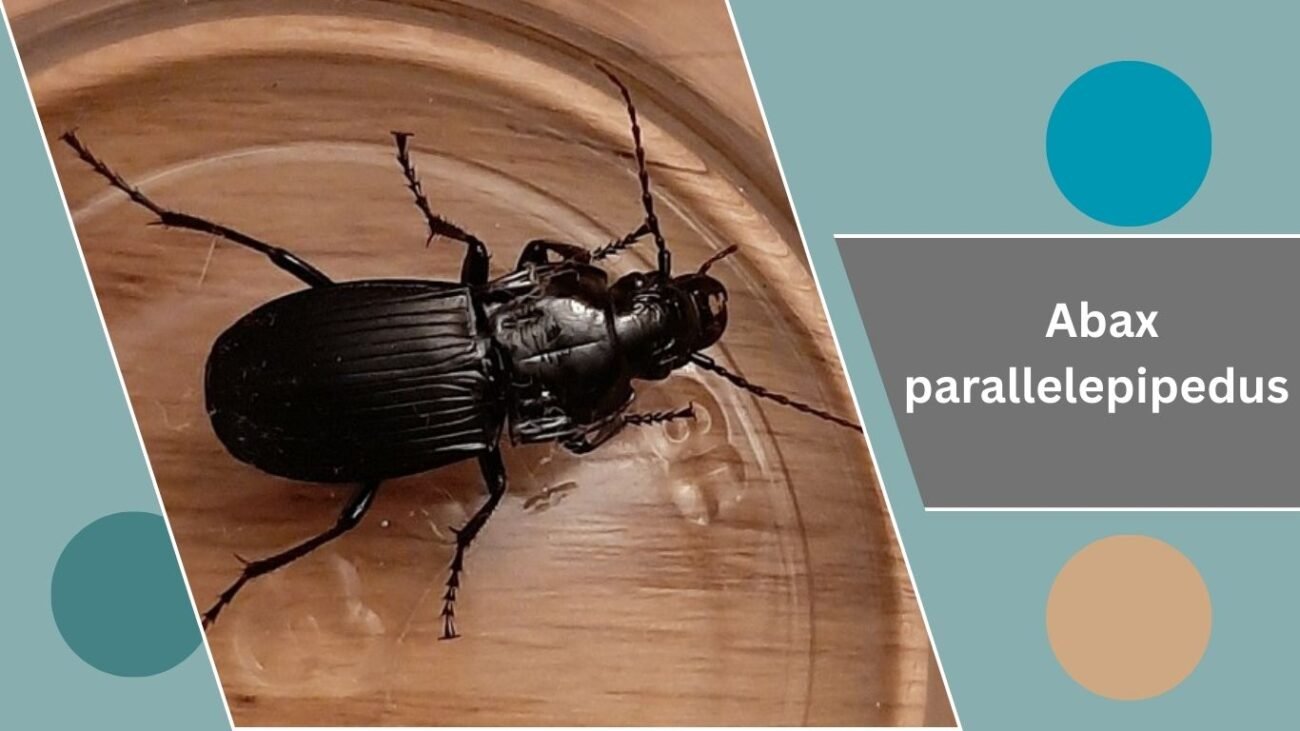
7. Abax parallelepipedus
Overview
Abax parallelepipedus is a large ground beetle species commonly found in forested and wooded environments. Known for its robust build and predatory nature, this beetle plays a significant role in controlling the populations of small invertebrates in its habitat.
Identification
- Size: 18-30 mm in length.
- Color: Generally dark brown or black with a shiny, smooth surface.
- Shape: Elongated and slightly flattened body with parallel sides.
- Legs: Long, strong, and dark-colored, adapted for fast running.
- Antennae: Long and thin, extending beyond the body.
- Distinct Features: The flattened body and parallel-sided thorax distinguish this beetle from similar species.
Habitat
Abax parallelepipedus is typically found in moist, forested habitats, often under leaf litter, decaying wood, or rocks. It thrives in areas with dense vegetation and ample shelter, such as woodlands and forests, where it can find both prey and protection.
Behaviour
This beetle is nocturnal, actively hunting small invertebrates such as worms, snails, and other beetles during the night. It is fast-moving and exhibits a strong territorial behavior, aggressively defending its space when disturbed.
Lifecycle
Abax parallelepipedus undergoes complete metamorphosis. The female lays eggs in soil or decaying organic matter, where the larvae hatch and feed on small invertebrates. The larvae are carnivorous and grow quickly before pupating in the soil. The adults emerge in the spring and are active throughout the warmer months.
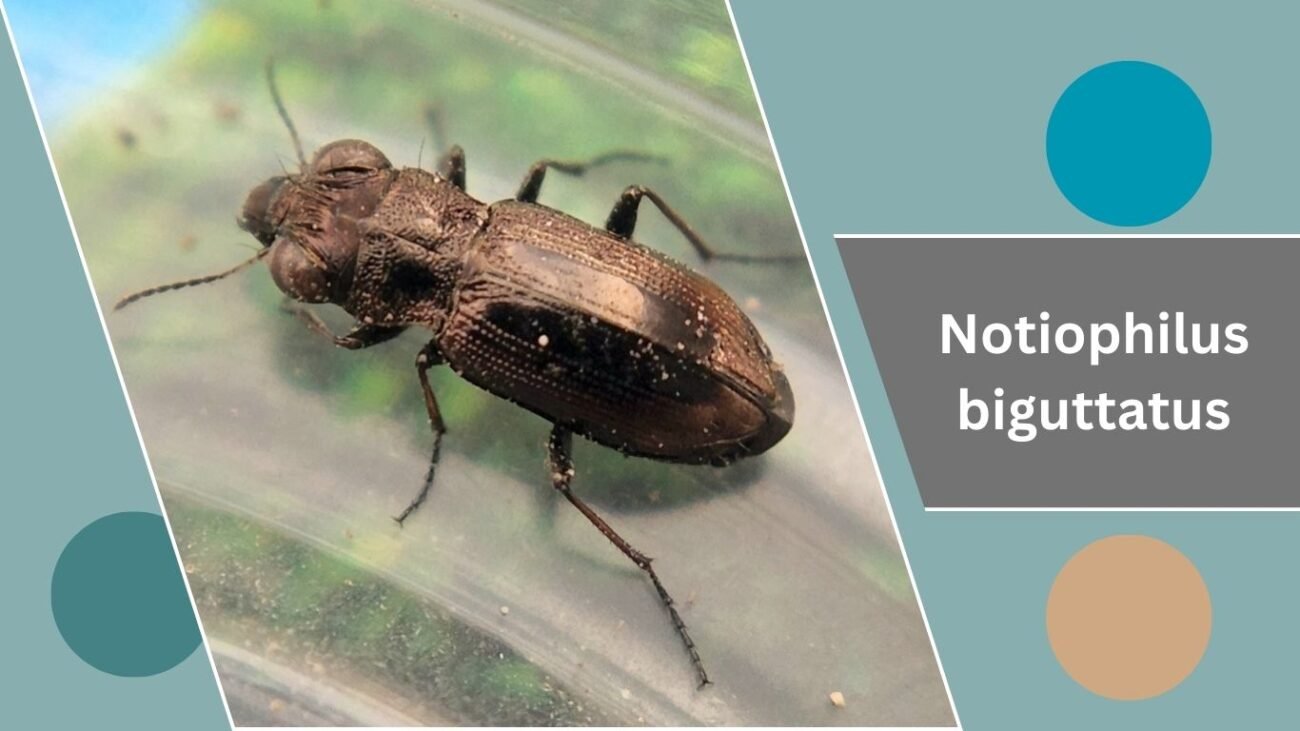
8. Notiophilus biguttatus
Overview
Notiophilus biguttatus, commonly known as the two-spotted ground beetle, is a small, predatory beetle found in moist habitats, particularly around the edges of wetlands and streams. It is recognized for its distinct markings and plays a key role in controlling pest populations in its environment.
Identification
- Size: 6-9 mm in length.
- Color: Typically dark brown or black with two prominent light-colored spots on the elytra.
- Shape: Small, oval, and flattened body.
- Legs: Long and slender, adapted for rapid movement.
- Antennae: Long and thin, extending beyond the body.
- Distinct Features: The two distinct light spots on the elytra are the key identifying feature.
Habitat
Notiophilus biguttatus prefers moist, shaded areas such as the edges of streams, ponds, and wetlands. It is often found in areas with dense vegetation, where it can find prey and shelter, particularly under leaf litter or other organic debris.
Behaviour
This beetle is primarily nocturnal, hunting at night for small invertebrates such as worms, insect larvae, and other soil-dwelling creatures. It is a fast mover, often darting across the ground in search of food, and is generally solitary, avoiding other beetles when possible.
Lifecycle
Notiophilus biguttatus undergoes complete metamorphosis. The female lays eggs in moist soil or decaying organic matter, where the larvae hatch and begin hunting small invertebrates. After several stages of growth, the larvae pupate in the soil, emerging as adults in the spring.
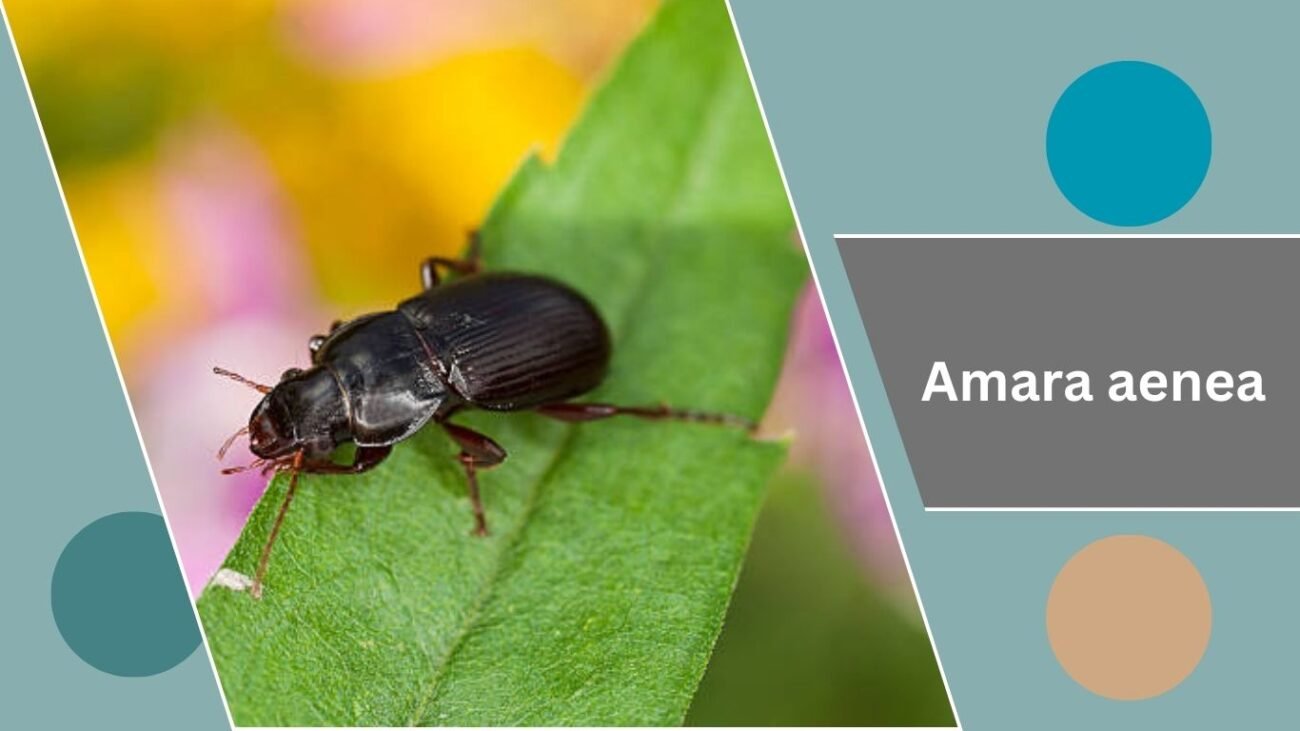
9. Amara aenea
Overview
Amara aenea is a small and versatile ground beetle that thrives in a variety of habitats, including gardens, grasslands, and woodlands. This beetle is known for its adaptability and is a beneficial species for controlling small insect populations.
Identification
- Size: 6-9 mm in length.
- Color: Typically a metallic green or bronze with a shiny, smooth body.
- Shape: Oval and somewhat flattened, with a slightly convex thorax.
- Legs: Slender and dark, adapted for quick movements.
- Antennae: Long and thin, extending well beyond the body.
- Distinct Features: The metallic sheen and smooth appearance make this beetle easily identifiable.
Habitat
Amara aenea is commonly found in a variety of habitats, including grasslands, woodlands, gardens, and agricultural areas. It prefers environments with moist soil, leaf litter, and decaying organic matter, which provide shelter and prey.
Behaviour
This beetle is nocturnal and predatory, hunting small invertebrates like insects, larvae, and worms during the night. It is fast-moving and can quickly scuttle away when disturbed. Amara aenea also plays a key role in pest control in gardens and agricultural settings.
Lifecycle
Amara aenea undergoes complete metamorphosis. The female lays eggs in soil or under plant debris, where the larvae hatch and begin to hunt small invertebrates. The larvae develop rapidly before pupating in the soil, and the adults emerge in the spring to continue their predatory activities.
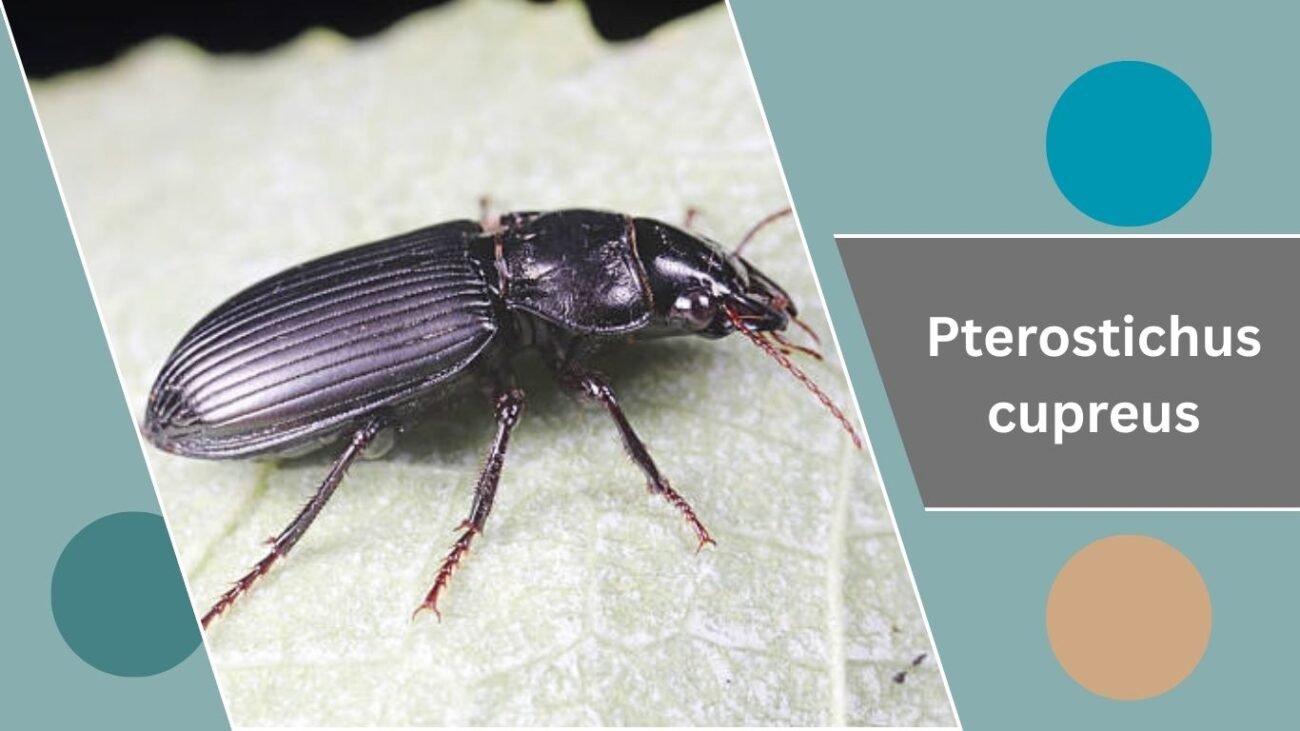
10. Pterostichus cupreus
Overview
Pterostichus cupreus is a predatory ground beetle known for its shiny copper-colored body and its role in controlling pest populations in woodlands and gardens. This beetle is active throughout the warmer months and is an important part of the ecosystem.
Identification
- Size: 15-22 mm in length.
- Color: Shiny metallic copper or bronze, giving it an iridescent appearance.
- Shape: Oval and slightly flattened, with a smooth body.
- Legs: Long and slender, adapted for running.
- Antennae: Long and threadlike, extending beyond the body.
- Distinct Features: The bright, copper-colored elytra (wing covers) distinguish this beetle from others.
Habitat
Pterostichus cupreus is commonly found in woodland environments, particularly in areas with leaf litter and decaying plant material. It prefers damp, shaded areas where it can find shelter and prey, including other insects, worms, and small invertebrates.
Behaviour
This beetle is nocturnal, actively hunting at night. It is a swift and efficient predator, preying on a variety of small invertebrates. Pterostichus cupreus is also known for its ability to burrow and hide under rocks, logs, or other debris during the day.
Lifecycle
Pterostichus cupreus undergoes complete metamorphosis. The adult female lays eggs in the soil or under decaying organic matter, where the larvae hatch and begin feeding on small invertebrates. The larvae grow rapidly before pupating in the soil, and the adults emerge in the spring to continue hunting.
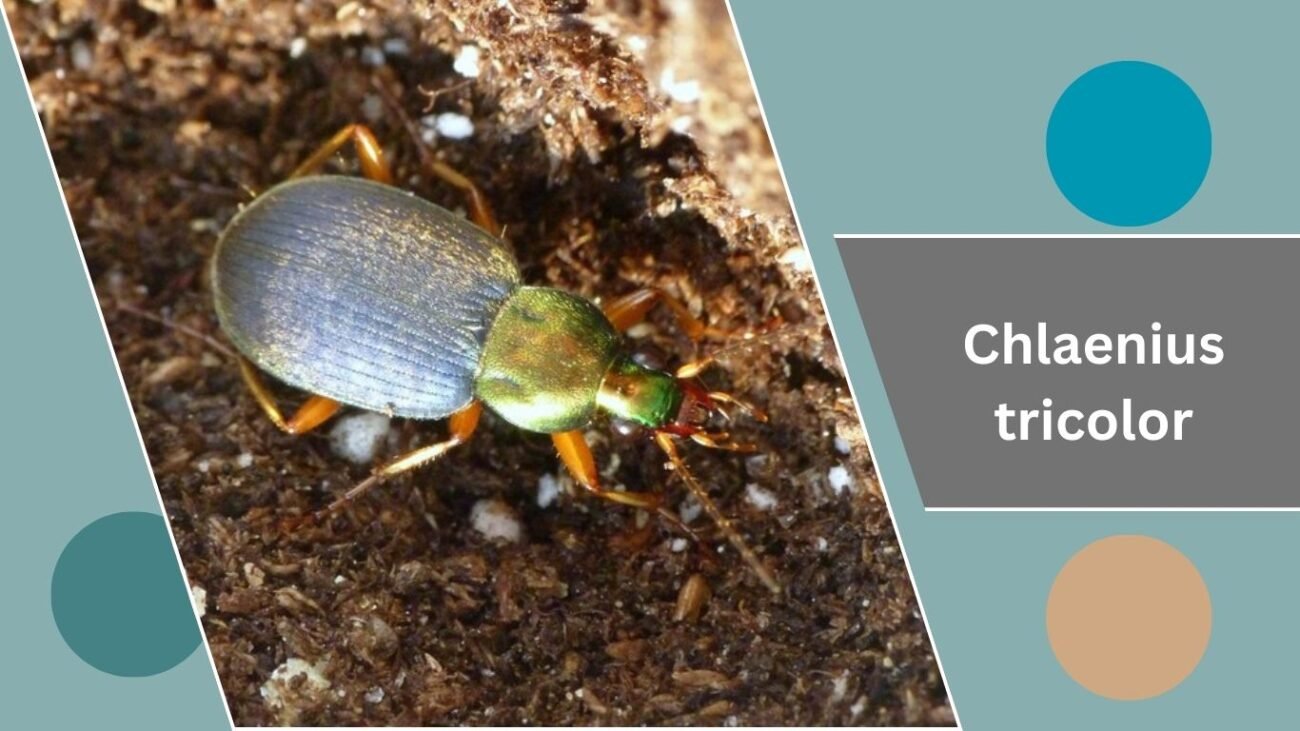
11. Chlaenius tricolor
Overview
Chlaenius tricolor is a striking ground beetle known for its bold color patterns and its role as a predator of other small invertebrates. This beetle is commonly found in a variety of habitats, including forests, meadows, and wetlands.
Identification
- Size: 12-16 mm in length.
- Color: The body is typically dark with bright green or yellow markings, especially on the legs and thorax.
- Shape: Oval and somewhat elongated, with a smooth surface.
- Legs: Long and slender, adapted for quick movements.
- Antennae: Long and threadlike, extending beyond the length of the body.
- Distinct Features: The bright, contrasting colors on the legs and thorax are the primary identifying features.
Habitat
Chlaenius tricolor is commonly found in a range of environments, particularly in damp, grassy areas, wetlands, and woodlands. It prefers areas with abundant vegetation and decaying organic matter, which provide both food and shelter.
Behaviour
This beetle is nocturnal and predatory, actively hunting small invertebrates, including worms, snails, and insect larvae. It is fast and agile, often seen running across the ground or hiding under debris during the day. Chlaenius tricolor is also known to be quite defensive when threatened.
Lifecycle
Chlaenius tricolor undergoes complete metamorphosis. The female lays eggs in moist soil or under decaying plant matter, where the larvae hatch and begin hunting small prey. The larvae grow quickly and pupate in the soil, emerging as adults to continue their predatory activities.
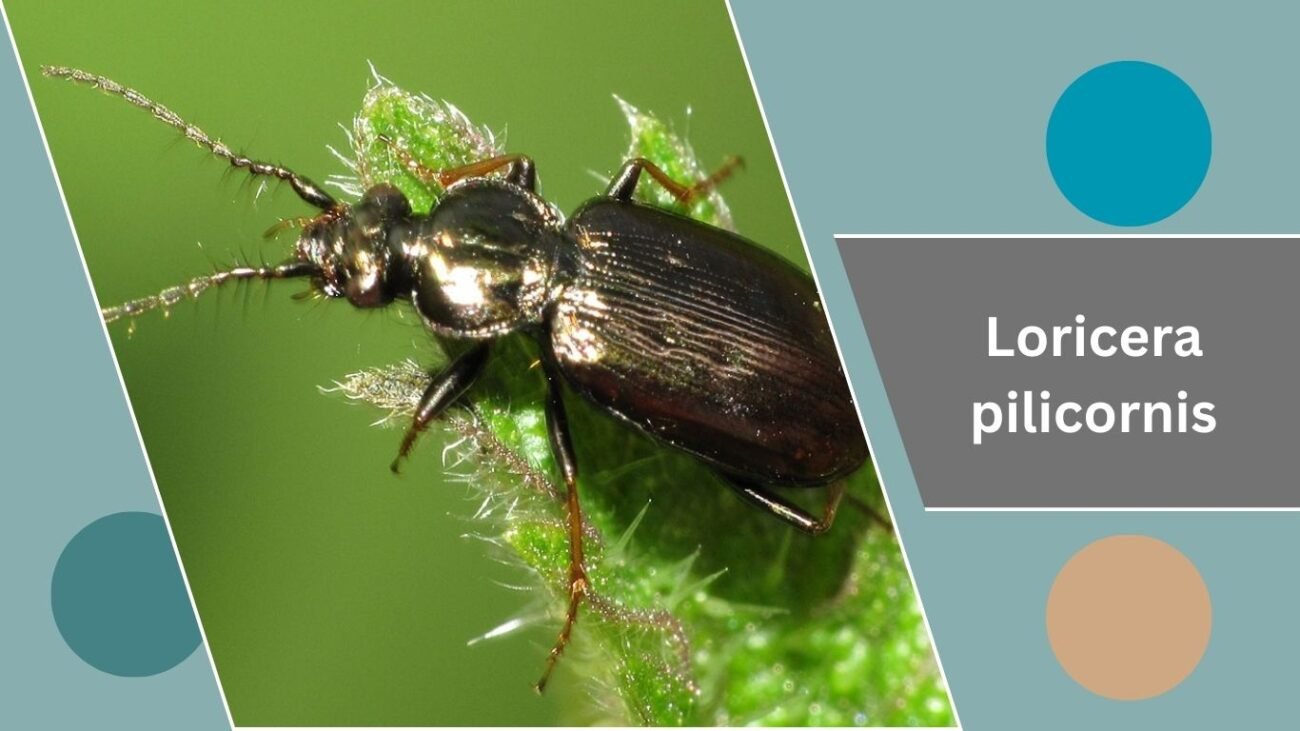
12. Loricera pilicornis
Overview
Loricera pilicornis is a predatory ground beetle commonly found in woodland and forest edge habitats. Known for its distinctive appearance and predatory behavior, it plays a significant role in controlling pest insect populations.
Identification
- Size: 10-15 mm in length.
- Color: Dark brown to black with a glossy appearance.
- Shape: Elongated and oval-shaped body with a slightly flattened thorax.
- Legs: Long and slender, suited for running quickly over the ground.
- Antennae: Relatively long, extending past the body.
- Distinct Features: Its long, narrow body and the distinct pattern of grooves on the elytra help in its identification.
Habitat
Loricera pilicornis is primarily found in wooded environments, particularly in moist, shaded areas with plenty of leaf litter and decaying wood. These habitats provide shelter and a constant food supply of small invertebrates, which the beetle preys upon.
Behaviour
This beetle is nocturnal and actively hunts during the night. Loricera pilicornis is fast-moving and exhibits an aggressive hunting style, feeding on a range of small invertebrates. During the day, it seeks shelter under logs, rocks, or fallen leaves to avoid predators.
Lifecycle
Loricera pilicornis undergoes complete metamorphosis. The female lays eggs in moist soil or decaying organic matter, where the larvae hatch and begin to feed on smaller invertebrates. The larvae grow quickly, pupate in the soil, and the adults emerge to continue their predatory life cycle.
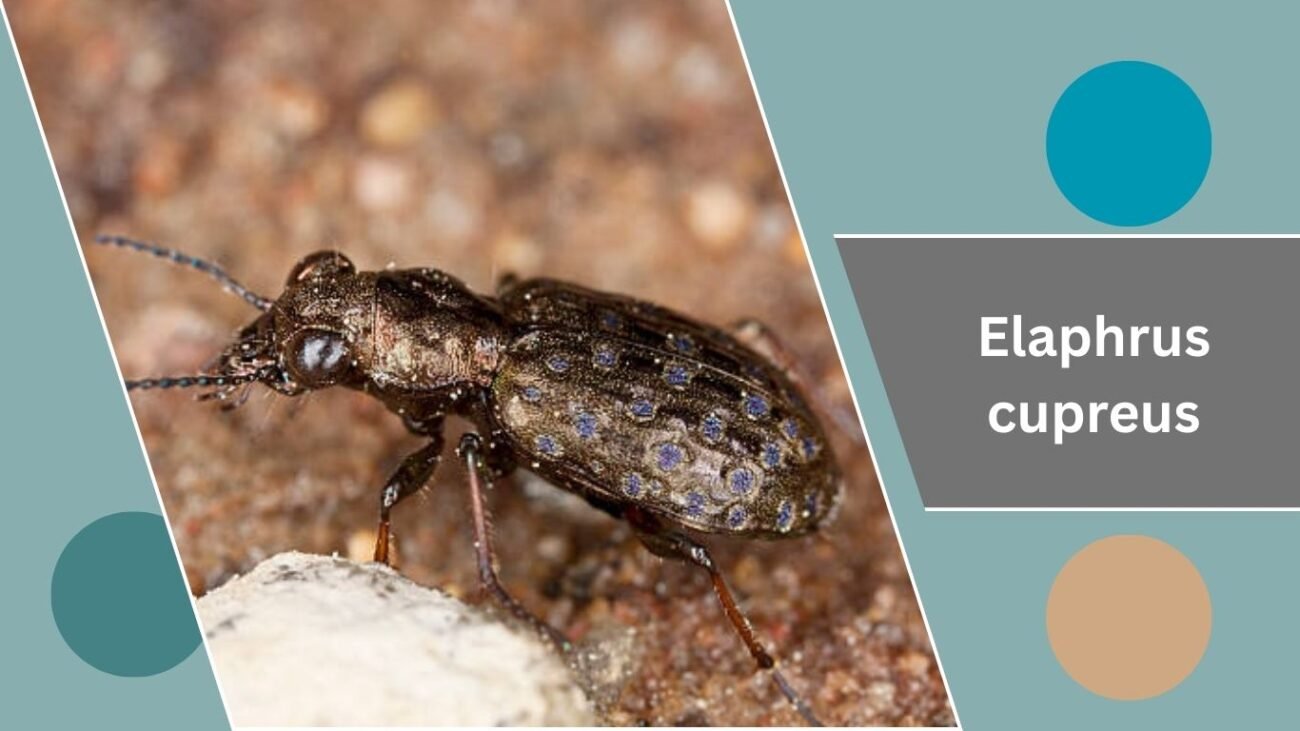
13. Elaphrus cupreus
Overview
Elaphrus cupreus is a small but striking ground beetle known for its beautiful coppery hue. Found in wetland areas, this beetle is not only aesthetically notable but also plays an important role in controlling pest insect populations, particularly in aquatic or semi-aquatic environments.
Identification
- Size: 6-8 mm in length.
- Color: Bright metallic copper or bronze, with a glossy finish.
- Shape: Oval and elongated body with smooth, shiny elytra.
- Legs: Slender and long, adapted for quick movements.
- Antennae: Long, extending well beyond the body.
- Distinct Features: The iridescent copper color and sleek body are key identifying characteristics.
Habitat
Elaphrus cupreus is typically found near water bodies, such as streams, ponds, and marshes, where it thrives in moist, muddy environments. It prefers areas with dense vegetation or decaying organic material, offering shelter and a rich food supply.
Behaviour
This beetle is primarily nocturnal and actively hunts small invertebrates, including aquatic larvae, snails, and worms. Elaphrus cupreus is a fast runner and can be seen darting quickly across damp surfaces or hiding under debris during the day. It is also known for its ability to dive and move quickly in wet environments.
Lifecycle
Elaphrus cupreus undergoes complete metamorphosis. The adult female lays eggs in wet, muddy areas where the larvae hatch and begin to hunt small aquatic organisms. The larvae are predatory and grow rapidly, pupating in the soil before the adults emerge, ready to continue the life cycle.
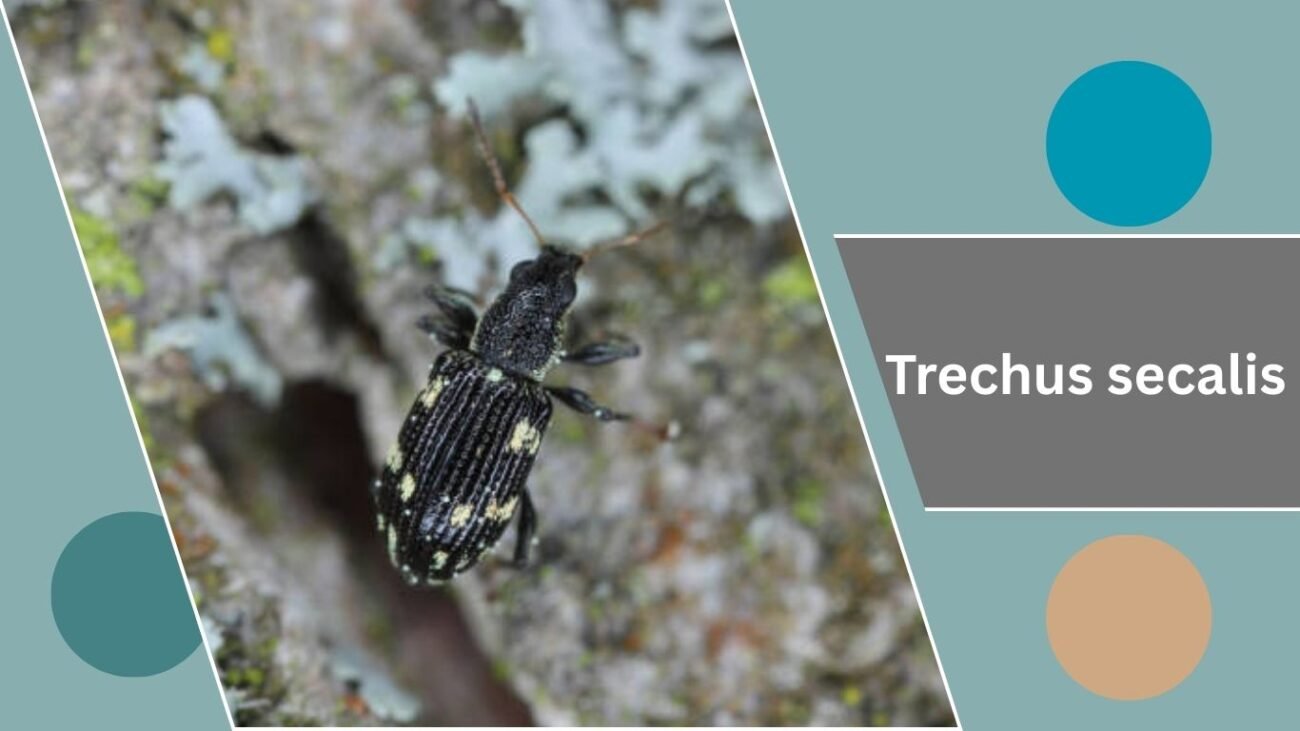
14. Trechus secalis
Overview
Trechus secalis is a small, adaptable ground beetle that is commonly found in a range of habitats, including grasslands, woodland edges, and agricultural fields. Its ability to thrive in both moist and dry conditions makes it a versatile predator and a beneficial beetle for pest control.
Identification
- Size: 6-9 mm in length.
- Color: Typically dark brown or black, with a slightly shiny surface.
- Shape: Oval, slightly flattened body with smooth elytra.
- Legs: Long and slender, well-suited for quick movement.
- Antennae: Long and threadlike, extending past the body.
- Distinct Features: Small size, combined with a smooth, dark body, helps in its identification.
Habitat
Trechus secalis can be found in a variety of habitats, from grassy meadows to woodland edges. It is often located under leaf litter, logs, or stones, where it can find shelter and hunt for small invertebrates. The species thrives in environments with moist soil or decaying organic matter.
Behaviour
This beetle is nocturnal and predatory, hunting small invertebrates such as insect larvae, earthworms, and other soil-dwelling creatures. Trechus secalis is fast-moving and capable of quickly scuttling to safety when threatened. It is generally solitary and prefers to remain hidden during the day.
Lifecycle
Trechus secalis undergoes complete metamorphosis. The female lays eggs in moist soil or under debris, where the larvae hatch and begin feeding on small invertebrates. After several stages of development, the larvae pupate in the soil, and the adults emerge to continue hunting.
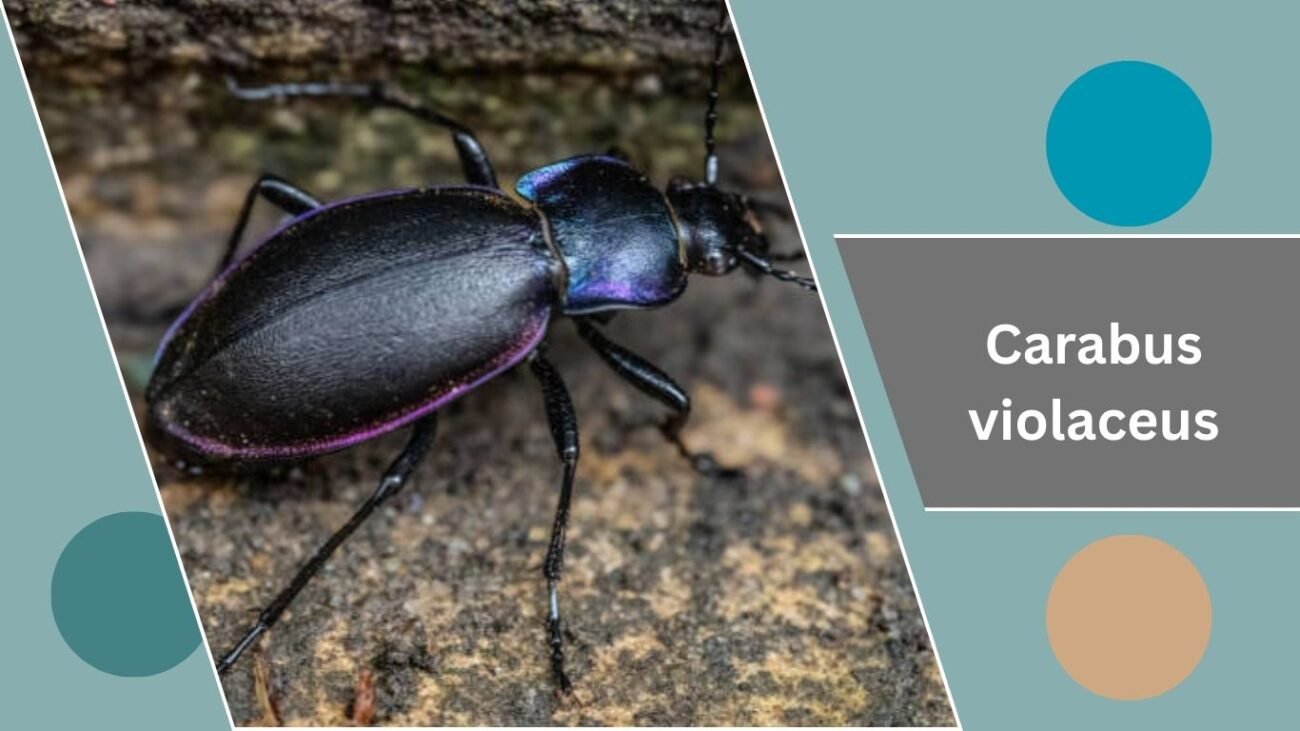
15. Carabus violaceus
Overview
Carabus violaceus, commonly known as the violet ground beetle, is a large and striking species known for its metallic violet or blue coloration. It is primarily found in forested and woodland habitats, where it serves as an important predator of various small invertebrates.
Identification
- Size: 30-40 mm in length.
- Color: Metallic violet or blue with a shiny, smooth body.
- Shape: Large, oval, and flattened body.
- Legs: Long, dark, and robust, adapted for fast movement.
- Antennae: Long and threadlike, extending well beyond the body.
- Distinct Features: The brilliant violet or blue coloration of the elytra is the key identifying feature.
Habitat
Carabus violaceus is typically found in woodlands, forest edges, and areas with dense vegetation and decaying organic matter. It prefers damp, shaded environments where it can find abundant prey, such as snails, worms, and other small invertebrates.
Behaviour
This beetle is nocturnal and predatory, hunting primarily at night. It is slow-moving compared to other ground beetles but compensates with its powerful jaws and ability to capture large prey. During the day, it seeks shelter under logs, stones, or fallen leaves to avoid predators.
Lifecycle
Carabus violaceus undergoes complete metamorphosis. Eggs are laid under soil or decaying organic matter, where the larvae hatch and begin hunting smaller invertebrates. The larvae grow rapidly before pupating in the soil. The adults emerge in the spring and continue their predatory lifestyle.
16. Harpalus affinis
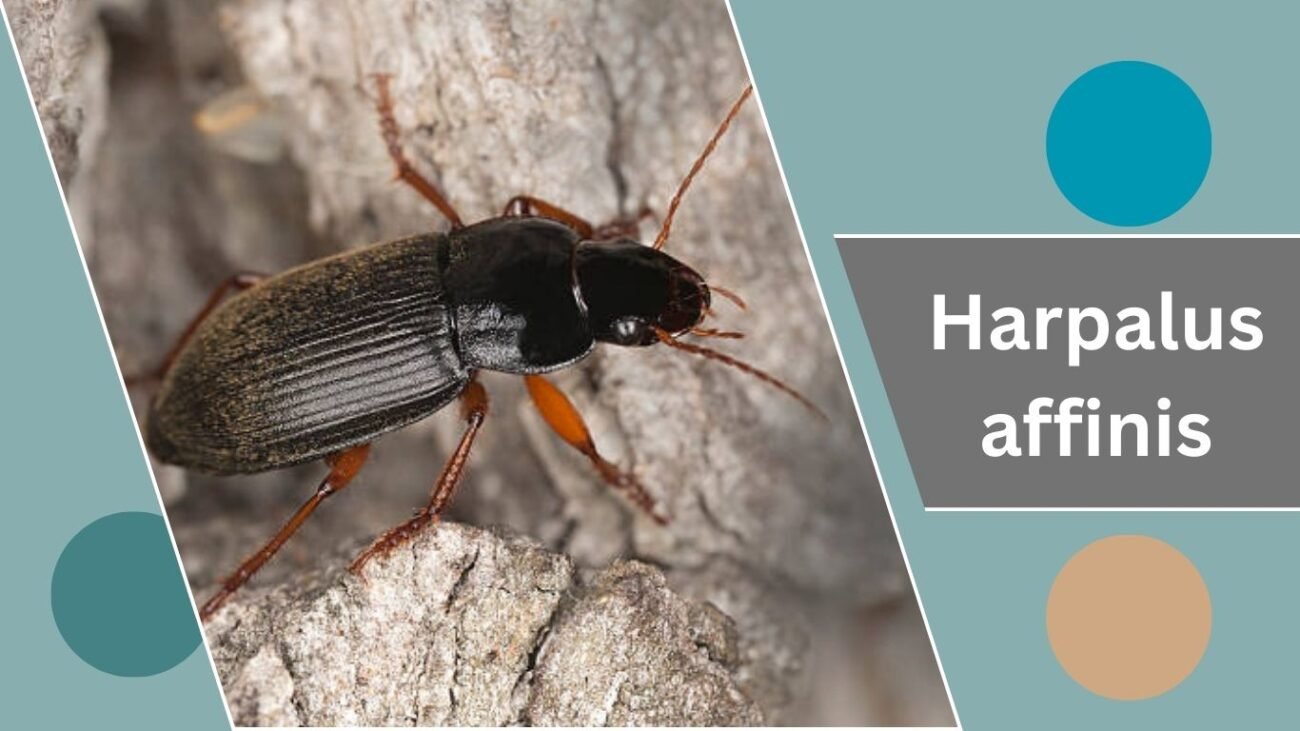
Overview
Harpalus affinis, also known as the common harpaline beetle, is a widespread and versatile species found in various environments. This beetle plays a key role in controlling pest populations in agricultural and garden settings, preying on insect larvae and other small invertebrates.
Identification
- Size: 10-15 mm in length.
- Color: Typically dark brown or black with a slightly shiny body.
- Shape: Elongated, slightly flattened body with well-developed legs.
- Legs: Long, slender, and dark in color, adapted for quick movement.
- Antennae: Long, threadlike, extending well beyond the body.
- Distinct Features: Its smooth, shiny body and long legs distinguish it from similar species.
Habitat
Harpalus affinis is commonly found in agricultural fields, gardens, and grasslands. It prefers areas with abundant vegetation and decaying organic matter, such as under rocks, logs, or plant debris, where it can find both food and shelter.
Behaviour
This beetle is nocturnal, actively hunting for prey during the night. It preys on small invertebrates, such as insect larvae, worms, and beetles. Harpalus affinis is a fast-moving and agile beetle that can quickly escape from predators or disturbances.
Lifecycle
Harpalus affinis undergoes complete metamorphosis. The female lays eggs in the soil or under debris, where the larvae hatch and begin hunting small invertebrates. The larvae develop rapidly, feeding on prey, before pupating in the soil. The adults emerge in the spring and are active throughout the warmer months.
17. Bembidion lampros
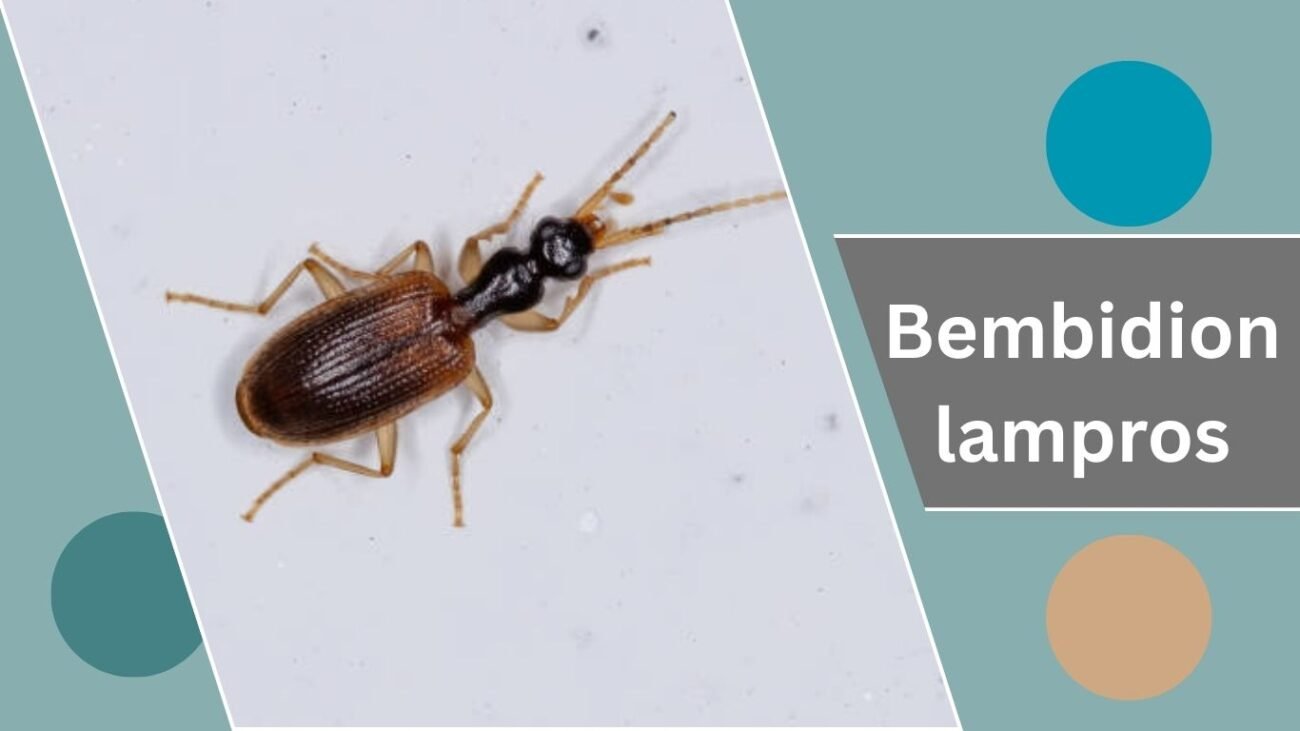
Overview
Bembidion lampros is a small, agile ground beetle commonly found in wetland habitats. Known for its quick movements and predatory nature, it plays a vital role in controlling pest insect populations in its ecosystem, particularly in aquatic environments.
Identification
- Size: 5-7 mm in length.
- Color: Dark brown or black with metallic green or blue highlights.
- Shape: Small, oval, and slightly flattened body with a smooth surface.
- Legs: Long and slender, adapted for rapid movement.
- Antennae: Long, thin, extending beyond the body.
- Distinct Features: The metallic sheen and small, quick-moving body distinguish it from other ground beetles.
Habitat
Bembidion lampros is typically found in moist, aquatic environments, such as the edges of streams, ponds, and marshes. It prefers areas with soft, wet soils and abundant decaying organic matter, which provide both shelter and a rich supply of prey.
Behaviour
This beetle is nocturnal and active during the night, hunting small invertebrates such as aquatic larvae and snails. Bembidion lampros is known for its fast, darting movements and is often seen skimming across wet surfaces in search of food.
Lifecycle
Bembidion lampros undergoes complete metamorphosis. The female lays eggs in moist soil or aquatic environments, where the larvae hatch and begin hunting small prey. The larvae grow quickly and pupate in the soil or water, emerging as adults during the warmer months.
18. Agonum griseum
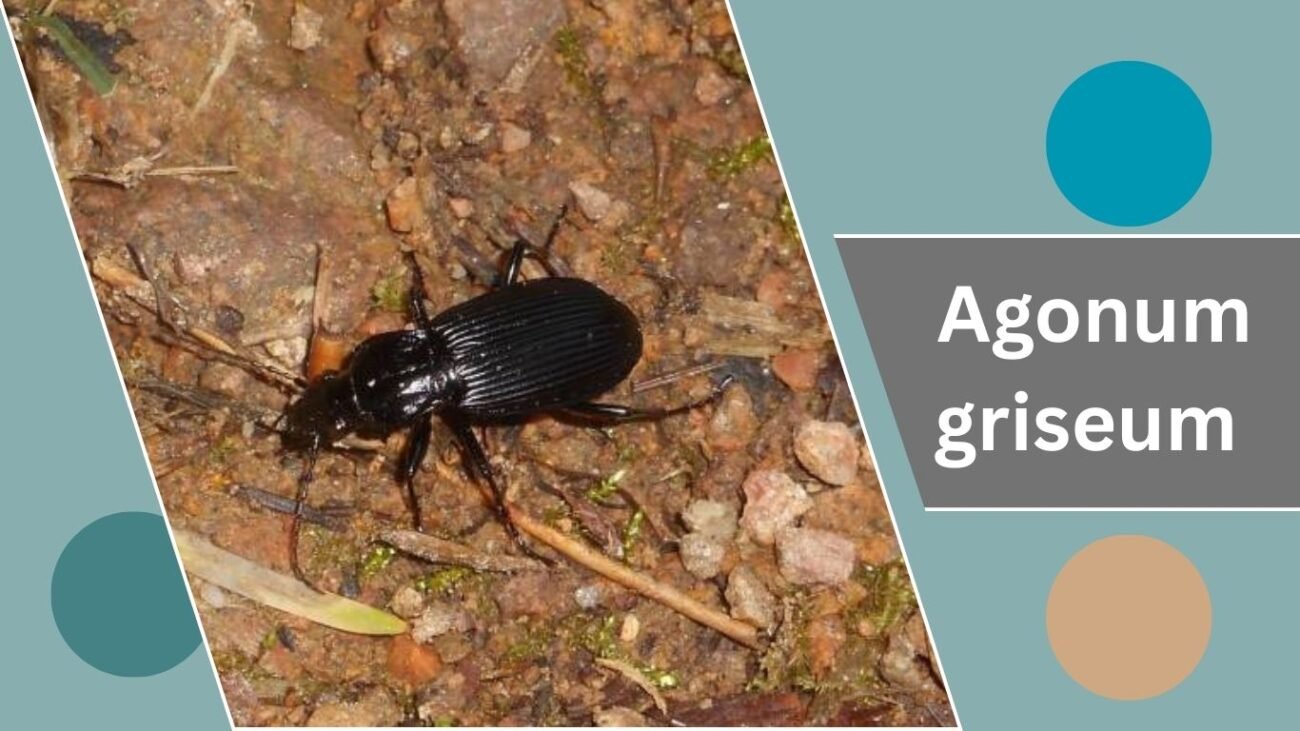
Overview
Agonum griseum is a small, predatory ground beetle that is commonly found in a variety of environments, including woodlands, grasslands, and wetland areas. It plays an important role in controlling pest populations by preying on small invertebrates and insect larvae.
Identification
- Size: 6-10 mm in length.
- Color: Typically dark brown or black with a slightly dull, grayish appearance.
- Shape: Oval and slightly flattened body with smooth, shiny elytra.
- Legs: Long, slender, and dark, suited for fast movement.
- Antennae: Long and thin, extending beyond the body.
- Distinct Features: The grayish appearance and smooth body make it easily distinguishable from similar species.
Habitat
Agonum griseum is found in a range of habitats, including damp woodlands, meadows, and the edges of wetlands. It prefers areas with moist soils and abundant plant debris, where it can find shelter and an ample food supply.
Behaviour
This beetle is nocturnal and predatory, hunting small invertebrates such as insect larvae, worms, and other soil-dwelling creatures. Agonum griseum is known for its quick movements, often scuttling across the ground in search of food. It hides under rocks, logs, or leaf litter during the day to avoid predators.
Lifecycle
Agonum griseum undergoes complete metamorphosis. The female lays eggs in moist soil or under decaying plant matter, where the larvae hatch and begin feeding on small invertebrates. The larvae grow quickly and pupate in the soil, with adults emerging in the spring to continue their predatory activities.
19. Anchomenus dorsalis
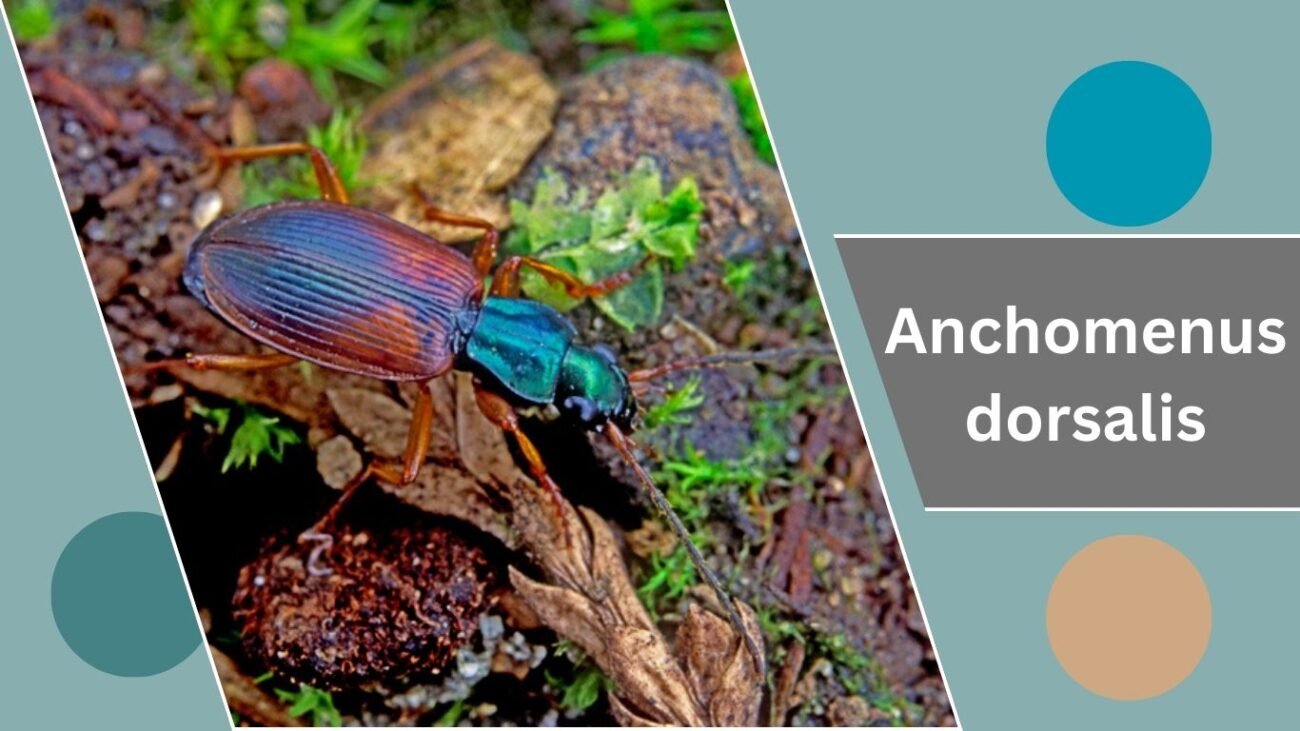
Overview
Anchomenus dorsalis is a medium-sized ground beetle typically found in forests, woodlands, and grasslands. Known for its swift movements and nocturnal hunting habits, it is an important predator in ecosystems, keeping small invertebrate populations in check.
Identification
- Size: 10-14 mm in length.
- Color: Dark brown to black with a smooth, shiny surface.
- Shape: Oval, slightly flattened body with well-developed legs.
- Legs: Long, slender, and adapted for rapid movement.
- Antennae: Long, threadlike, extending beyond the body.
- Distinct Features: Its smooth, shiny body and swift, agile movements distinguish it from similar species.
Habitat
Anchomenus dorsalis is commonly found in moist environments, such as woodland floors, grasslands, and along the edges of streams or ponds. It prefers areas with abundant leaf litter, plant debris, and decaying organic matter, where it can find both food and shelter.
Behaviour
This beetle is nocturnal, hunting primarily at night. It is an active predator, feeding on a variety of small invertebrates, including insect larvae, worms, and other beetles. Anchomenus dorsalis is fast-moving and often hides under debris or rocks during the day to avoid predators.
Lifecycle
Anchomenus dorsalis undergoes complete metamorphosis. The female lays eggs in moist soil or decaying organic material, where the larvae hatch and begin to hunt small invertebrates. The larvae grow quickly, pupate in the soil, and the adults emerge in the spring, continuing their predatory lifestyle.
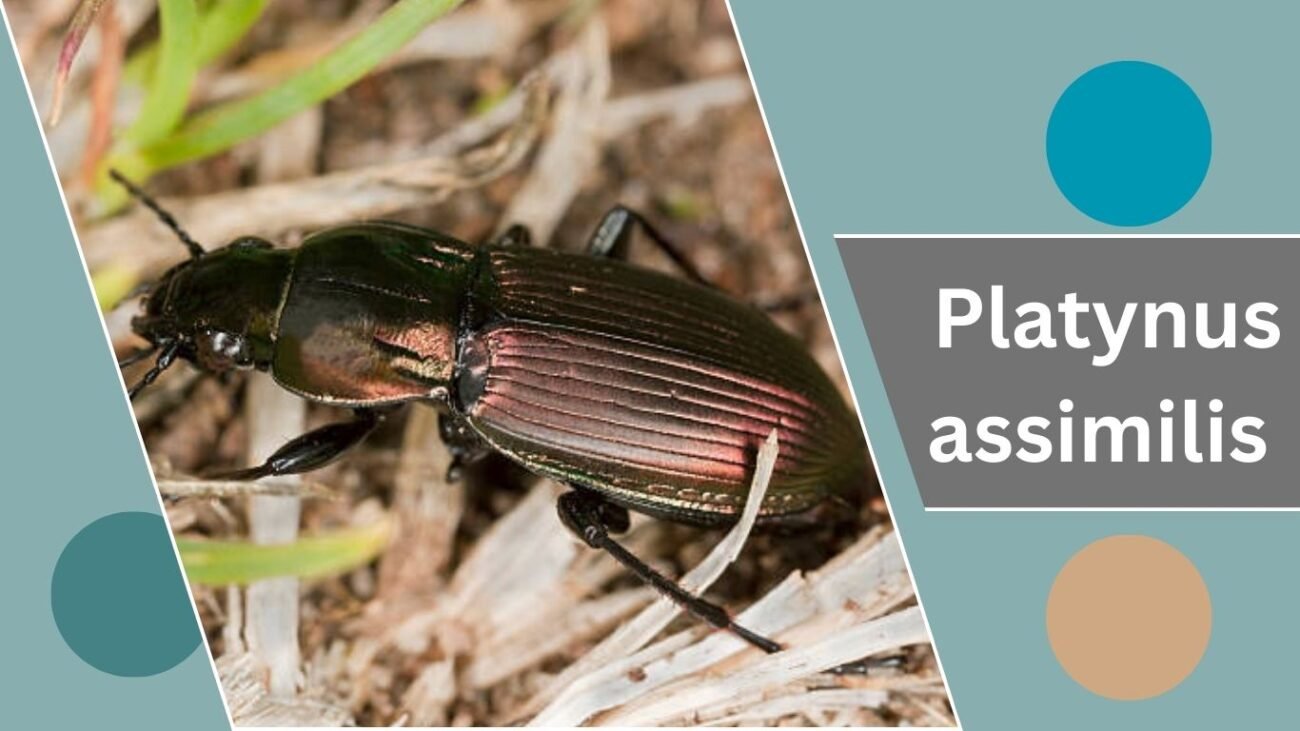
20. Platynus assimilis
Overview
Platynus assimilis is a ground beetle species that is primarily found in woodland and forested habitats. Known for its adaptability, it plays a crucial role in controlling pest populations by preying on smaller invertebrates and insect larvae.
Identification
- Size: 10-15 mm in length.
- Color: Typically dark brown or black, with a smooth, shiny appearance.
- Shape: Oval and slightly flattened body with distinct grooves on the elytra.
- Legs: Long, slender, and dark, suited for quick movement.
- Antennae: Long and threadlike, extending well beyond the body.
- Distinct Features: Its smooth, shiny body with grooved elytra distinguishes it from other similar ground beetles.
Habitat
Platynus assimilis is commonly found in forested habitats, particularly in moist, shaded areas with abundant leaf litter and decaying organic matter. These environments provide both shelter and a rich supply of prey, which is vital for its survival.
Behaviour
This beetle is nocturnal and predatory, hunting primarily at night. Platynus assimilis feeds on small invertebrates such as worms, beetle larvae, and other soil-dwelling creatures. It is fast-moving, often scurrying across the ground in search of prey, and tends to hide under rocks or logs during the day to avoid predators.
Lifecycle
Platynus assimilis undergoes complete metamorphosis. The female lays eggs in moist soil or under decaying organic matter, where the larvae hatch and begin hunting small invertebrates. After several stages of development, the larvae pupate in the soil, and the adults emerge in the spring.
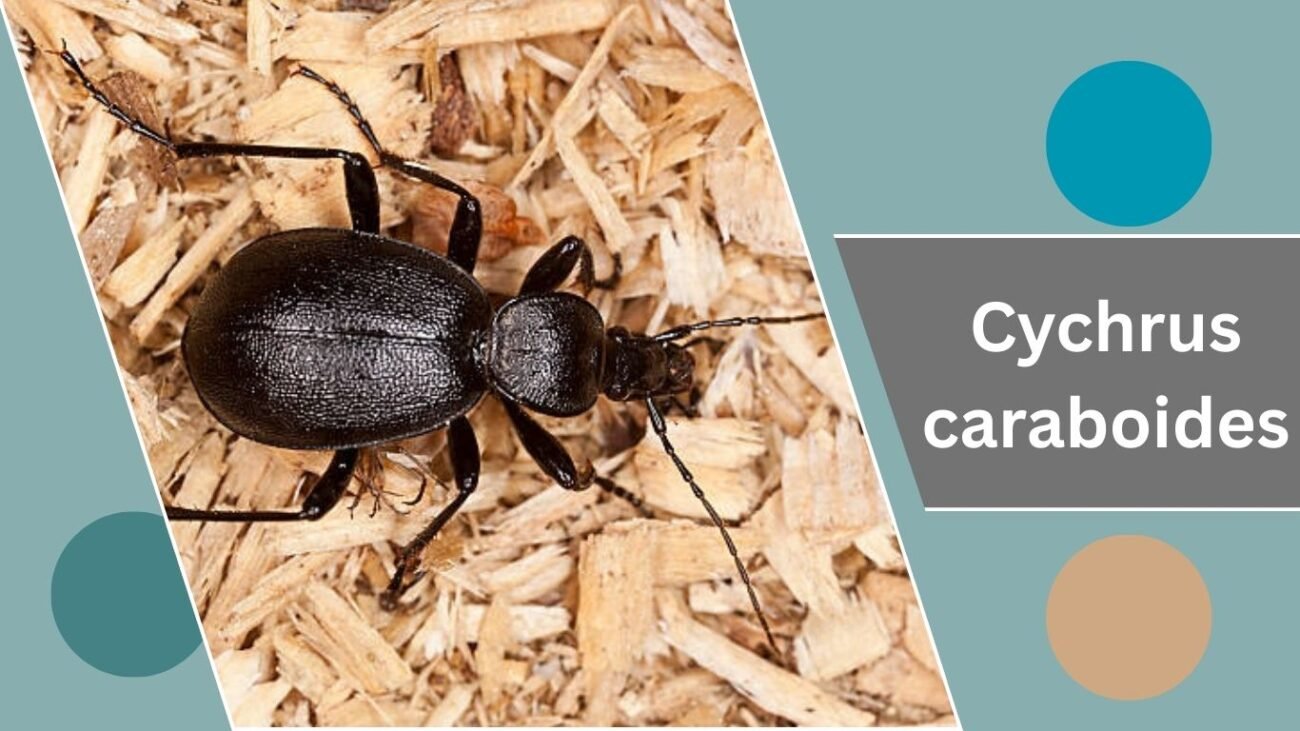
21. Cychrus caraboides
Overview
Cychrus caraboides is a large and powerful ground beetle, often found in forested environments. Its robust build and striking appearance make it one of the more impressive beetles. It plays an essential role in controlling invertebrate populations, particularly in areas with high biodiversity.
Identification
- Size: 20-30 mm in length.
- Color: Dark brown to black, with a glossy, smooth body.
- Shape: Elongated and robust body, slightly flattened.
- Legs: Long and muscular, adapted for strong movements.
- Antennae: Long and thick, extending beyond the body.
- Distinct Features: Its large size, strong mandibles, and broad thorax make it easy to identify.
Habitat
Cychrus caraboides are typically found in forested habitats, particularly in moist and shaded areas with abundant decaying organic matter, such as under logs and leaf litter. These environments provide the beetle with food and shelter, crucial for its survival.
Behaviour
This beetle is nocturnal, hunting small invertebrates, including snails, worms, and insect larvae, at night. Cychrus caraboides is a powerful and efficient predator, using its strong mandibles to capture and kill prey. During the day, it hides under rocks, logs, or other debris to avoid predators.
Lifecycle
Cychrus caraboides undergoes complete metamorphosis. Eggs are laid in moist soil or decaying organic material, where the larvae hatch and begin to hunt smaller invertebrates. The larvae develop quickly and pupate in the soil, with adults emerging in spring to continue hunting.
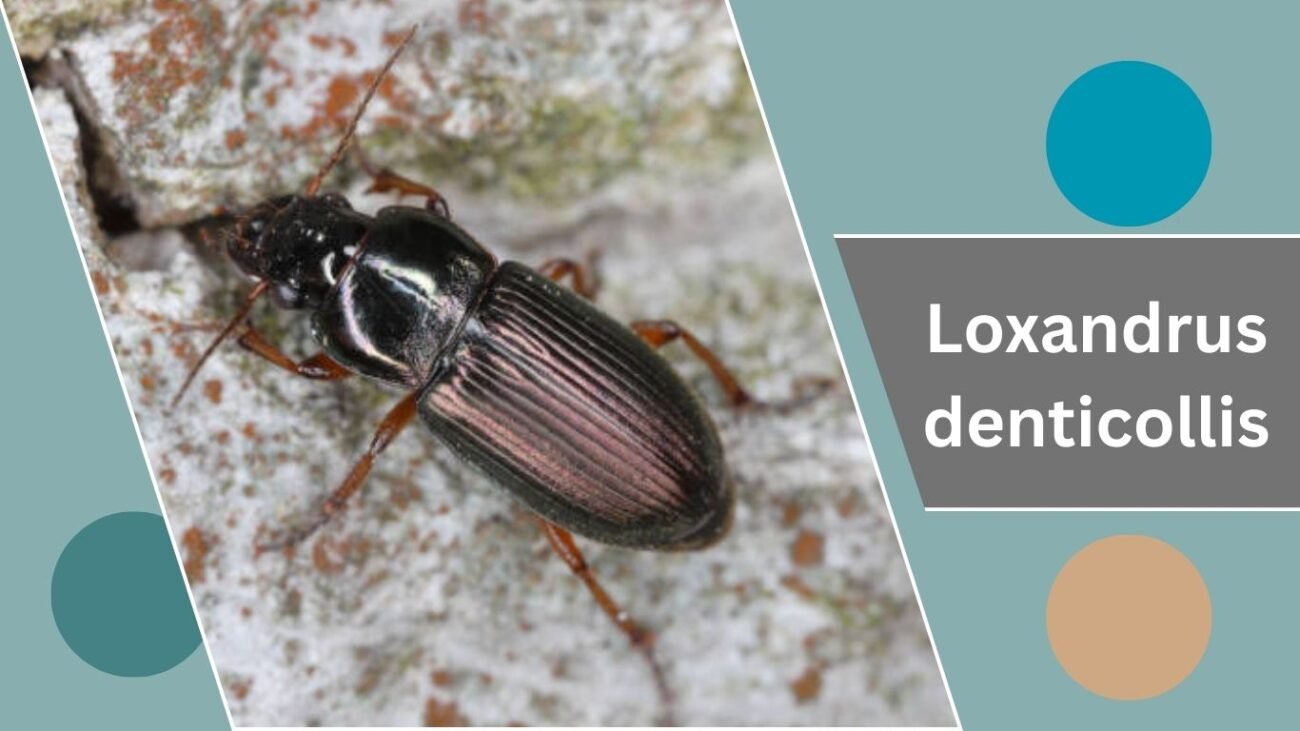
22. Loxandrus denticollis
Overview
Loxandrus denticollis is a small, but highly effective predatory ground beetle that thrives in a variety of environments, including forests, grasslands, and wetlands. Known for its speed and keen predatory instincts, this beetle is essential in regulating pest insect populations.
Identification
- Size: 8-12 mm in length.
- Color: Dark brown to black with a slightly shiny surface.
- Shape: Small, oval, and slightly flattened body.
- Legs: Long and slender, enabling fast movement.
- Antennae: Long and threadlike, extending beyond the body.
- Distinct Features: The species is recognizable by the characteristic notched or dentate appearance of its neck (thoracic region), which gives it its name.
Habitat
Loxandrus denticollis is typically found in moist environments, such as forest floors, grasslands, and the edges of wetlands. It prefers areas with abundant decaying organic matter or leaf litter, which provides shelter and a food source for the beetle.
Behaviour
This beetle is nocturnal, actively hunting small invertebrates like insect larvae, worms, and beetles during the night. Loxandrus denticollis is known for its fast movements and its ability to swiftly escape from predators. It hides under debris during the day and is usually solitary.
Lifecycle
Loxandrus denticollis undergoes complete metamorphosis. Eggs are laid in moist soil or under decaying organic matter, where the larvae hatch and start feeding on small invertebrates. The larvae grow quickly, pupate in the soil, and emerge as adults in the spring.
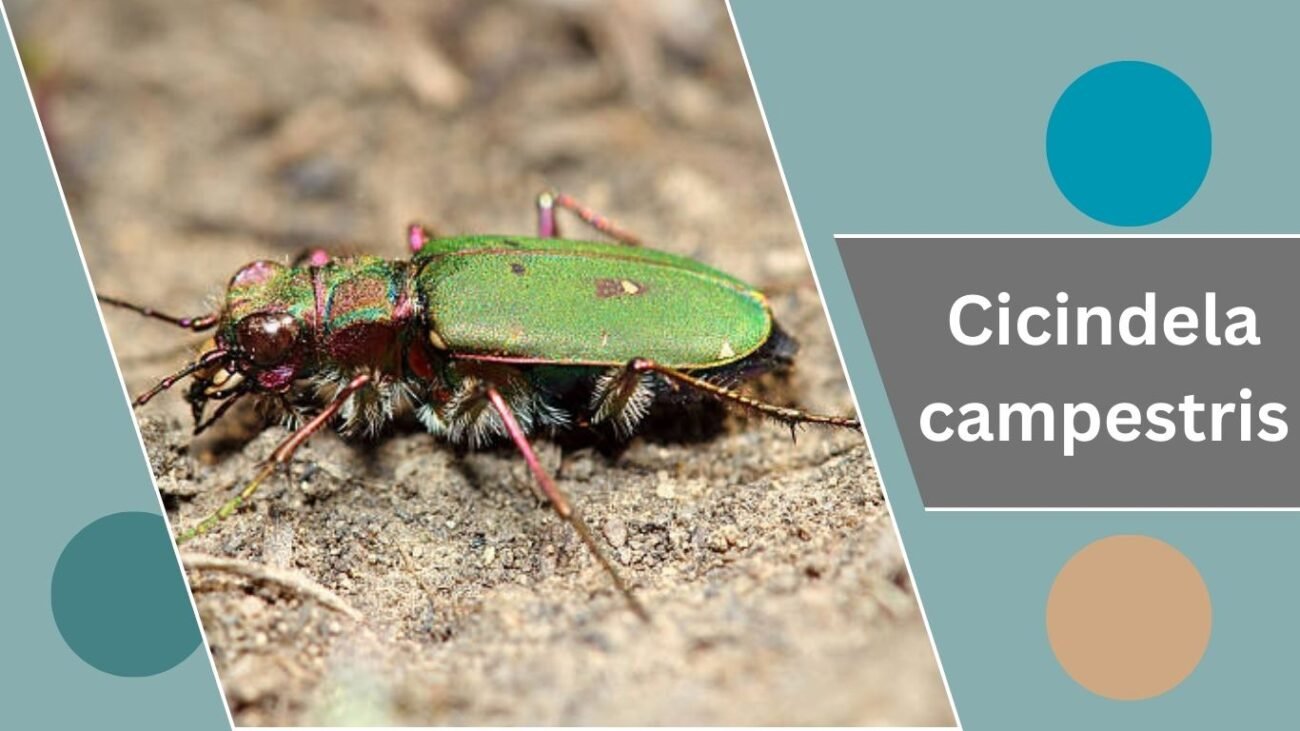
23. Cicindela campestris
Overview
Cicindela campestris, also known as the green tiger beetle, is one of the most visually striking ground beetles due to its vibrant green coloration. Known for its speed and hunting abilities, this beetle thrives in open, sandy habitats and is a formidable predator of smaller insects.
Identification
- Size: 10-15 mm in length.
- Color: Bright metallic green or blue with a shiny surface and often white markings on the elytra.
- Shape: Elongated and somewhat flattened body.
- Legs: Long and robust, built for running.
- Antennae: Long and threadlike, extending beyond the body.
- Distinct Features: The bright green or blue color and long, powerful legs for speed are key characteristics.
Habitat
Cicindela campestris is typically found in sandy or gravelly open habitats such as heathlands, sandy beaches, and grasslands. These areas provide plenty of space for running and offer abundant prey, including smaller insects and other invertebrates.
Behaviour
This beetle is extremely fast and aggressive, using its speed to capture prey and avoid predators. Cicindela campestris is diurnal, hunting during the day by running at high speeds to catch its food. It is an excellent predator, preying on other small insects, including ants and other beetles.
Lifecycle
Cicindela campestris undergoes complete metamorphosis. Eggs are laid in the ground, where the larvae hatch and burrow into the soil to hunt small invertebrates. The larvae grow quickly and undergo pupation in the soil. The adults emerge in late spring or early summer, continuing their predatory lifestyle.
24. Cymindis axillaris
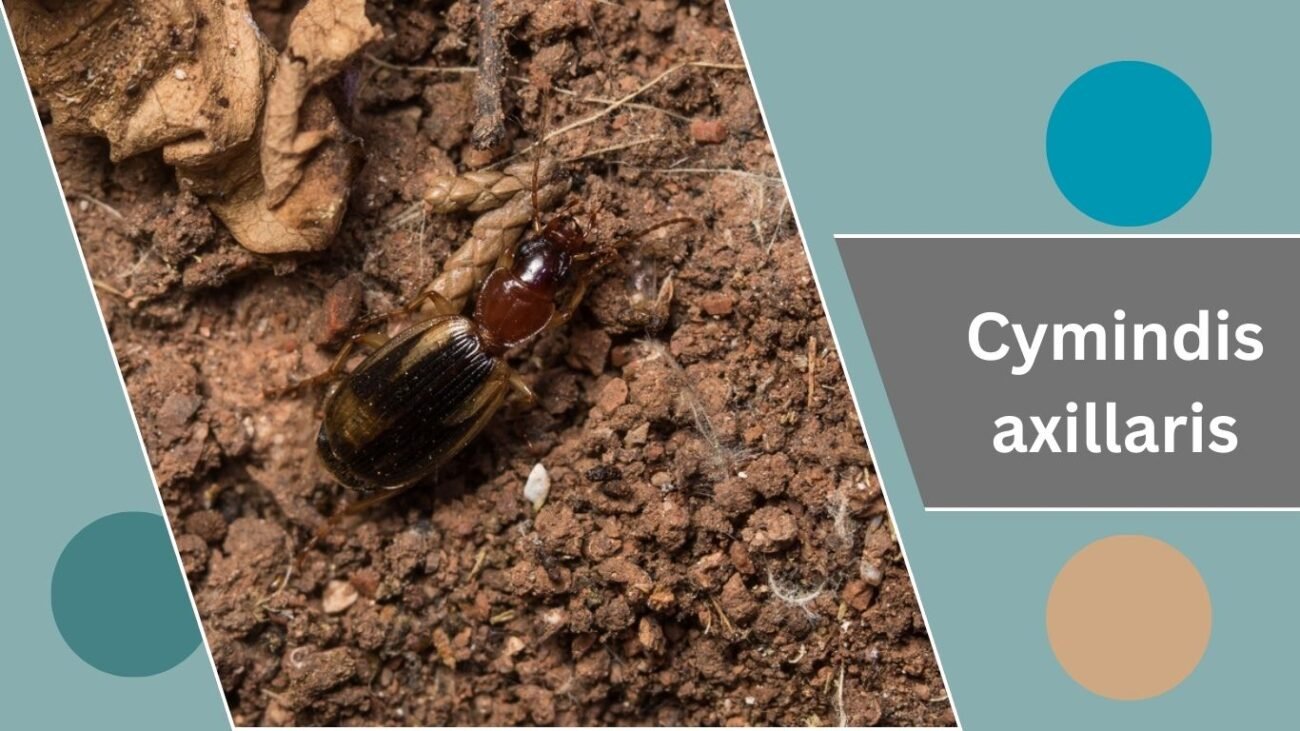
Overview
Cymindis axillaris is a small but highly efficient predatory beetle, often found in dry and semi-arid environments. Its agility and speed make it a highly effective hunter of smaller invertebrates, contributing to pest control in its natural habitat.
Identification
- Size: 8-12 mm in length.
- Color: Dark brown or black with a slightly shiny surface.
- Shape: Elongated, cylindrical body with a smooth appearance.
- Legs: Long and slender, adapted for fast movement.
- Antennae: Long, threadlike, extending beyond the body.
- Distinct Features: Its elongated body and fast, running movements distinguish this beetle from others in the same habitat.
Habitat
Cymindis axillaris is typically found in arid or semi-arid environments, including dry grasslands, sandy soils, and rocky areas. It prefers habitats with limited moisture, where it can hide under rocks or vegetation and hunt for prey.
Behaviour
This beetle is nocturnal, using its speed and agility to hunt at night. It preys on a variety of small invertebrates, such as ants, worms, and insect larvae. Its swift movements and ability to evade predators make it a resilient and effective predator in its environment.
Lifecycle
Cymindis axillaris undergoes complete metamorphosis. Eggs are laid in dry soil or under debris, where the larvae hatch and begin hunting small invertebrates. After several stages of development, the larvae pupate in the soil, and adults emerge to continue their predatory activities.
25. Sphodrus leucophthalmus
Overview
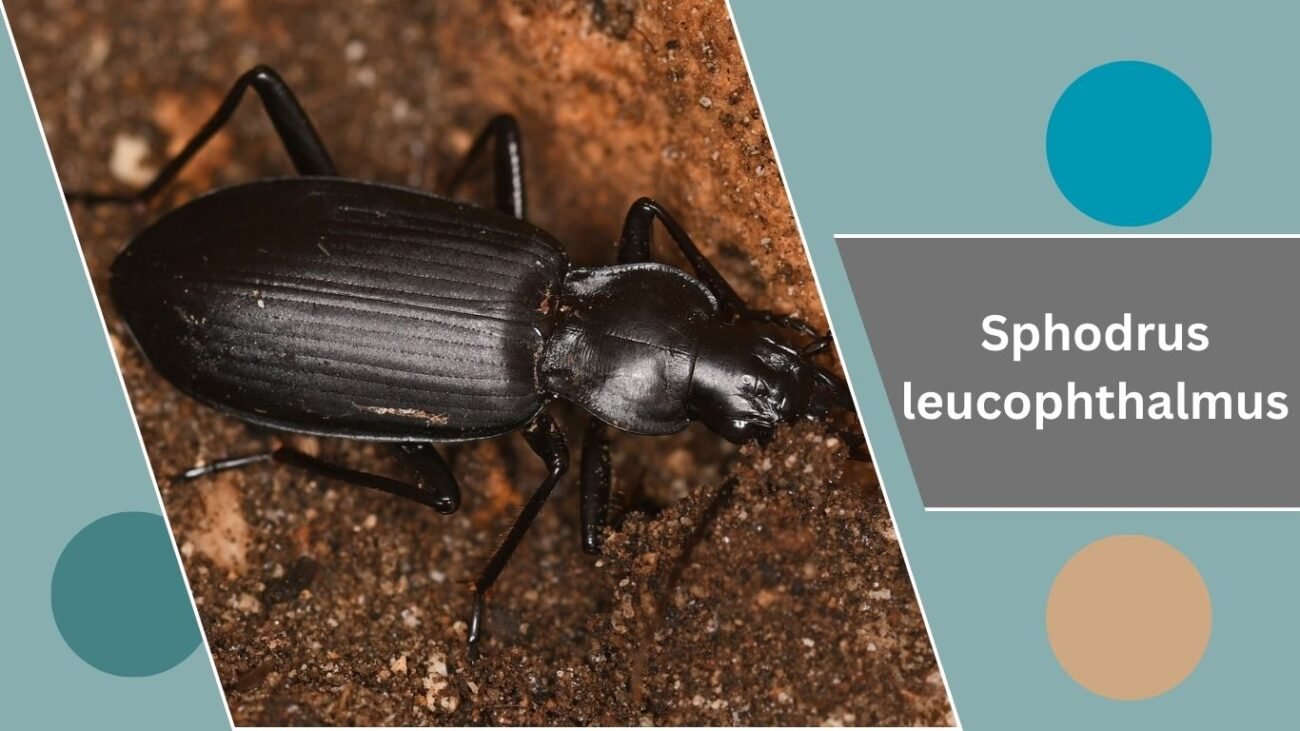
Sphodrus leucophthalmus is a striking ground beetle known for its large size and distinctive appearance. Commonly found in moist habitats, it is an efficient predator of small invertebrates and plays a crucial role in regulating pest populations.
Identification
- Size: 15-20 mm in length.
- Color: Dark brown or black with white markings around the eyes, giving it a distinctive appearance.
- Shape: Oval and somewhat flattened body with a smooth, shiny surface.
- Legs: Long and slender, well-suited for quick movements.
- Antennae: Long and threadlike, extending beyond the body.
- Distinct Features: The most notable feature is the large white or pale area around the eyes, which contrasts with its dark body.
Habitat
Sphodrus leucophthalmus prefers moist, shaded habitats such as woodland floors, marshes, and the edges of streams. These environments provide the beetle with a rich food supply, including worms, insects, and other small invertebrates, as well as ample shelter.
Behaviour
This beetle is nocturnal, actively hunting at night. It is a fast and agile predator, using its strong legs to quickly cover ground in search of prey. During the day, it hides under rocks, logs, or leaf litter to avoid predators.
Lifecycle
Sphodrus leucophthalmus undergoes complete metamorphosis. Eggs are laid in moist soil or under decaying organic matter, where the larvae hatch and begin feeding on small invertebrates. The larvae grow rapidly before pupating in the soil, and adults emerge in the spring to continue their predatory lifestyle.