


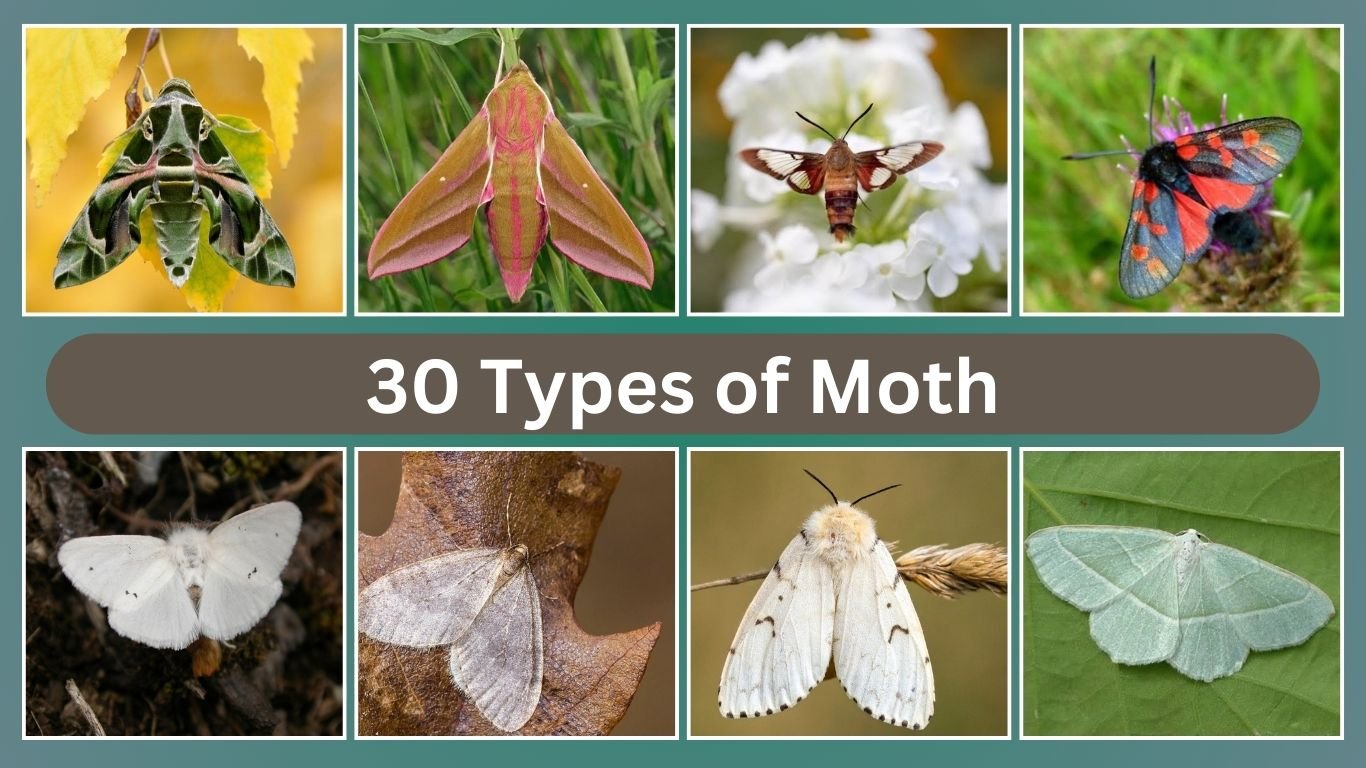
Moths are among the most diverse and fascinating insects in the world, with species ranging from tiny camouflaged forms to large, vibrantly colored giants. They play vital roles in ecosystems as pollinators, prey, and even natural pest controllers. This guide explores 30 remarkable moth species, highlighting their unique characteristics, habitats, behaviors, diets, and lifecycles to better understand and appreciate these often-overlooked nocturnal creatures.
1. Luna Moth (Actias luna)
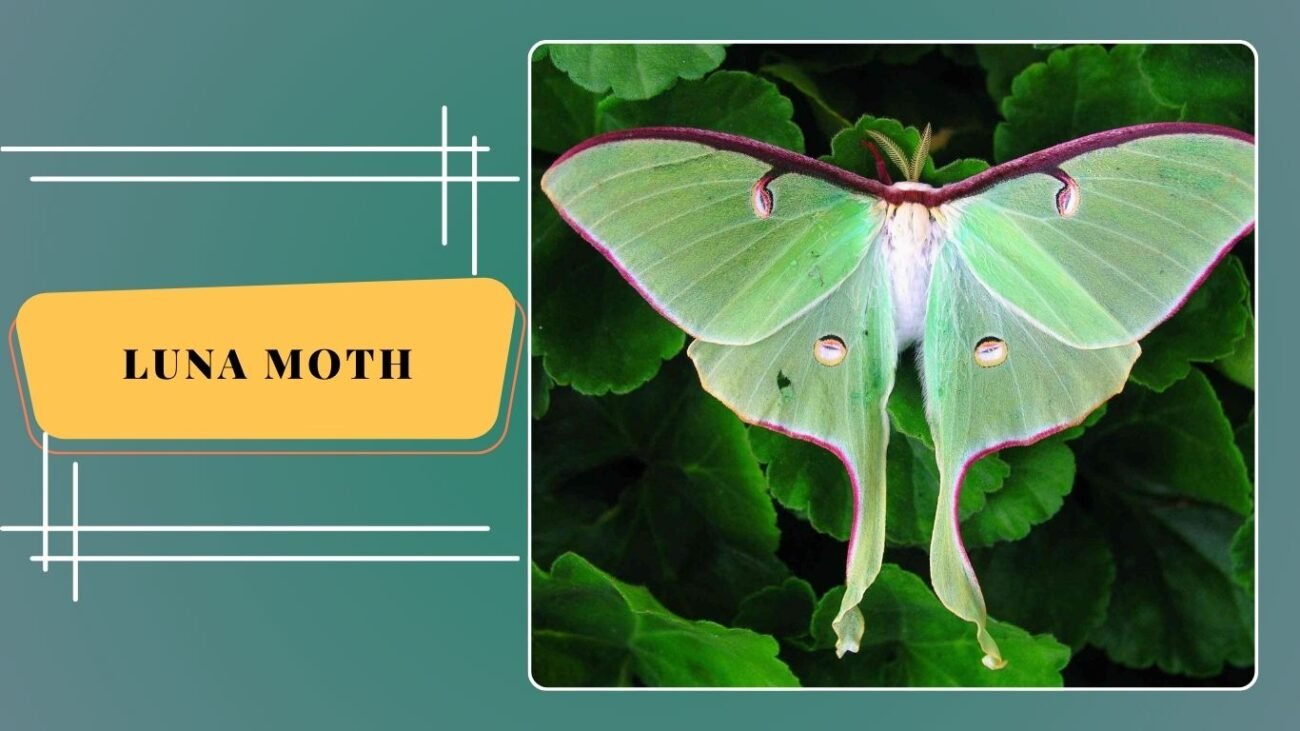
The Luna moth is one of the most iconic and beautiful moths in North America. Its large size, pale green wings, and long trailing tails make it a striking sight. Despite its impressive appearance, the adult moth has a very short lifespan.
Identification
- Wingspan: 3–4.5 inches (7.5–11.5 cm)
- Pale green wings with long hindwing tails
- Transparent eyespots on forewings and hindwings
- Furry white body
- Males have larger, feathery antennae than females
Habitat
Luna moths are typically found in deciduous hardwood forests across eastern North America. They prefer habitats where host trees such as hickory, walnut, sweetgum, and birch are abundant.
Behavior
Adults are nocturnal and are most active during warm summer nights. They are attracted to light sources, often spotted near porch lights. Males can detect female pheromones from several miles away.
Diet
Adult luna moths do not eat at all. They lack functional mouthparts and rely solely on stored energy reserves from their caterpillar stage. Caterpillars, however, feed on leaves of various host trees, including hickory, walnut, persimmon, and sweetgum.
Lifecycle
The lifecycle consists of four stages: egg, caterpillar, pupa, and adult. Caterpillars feed heavily before spinning a papery cocoon in which they pupate. Adults emerge, mate, and lay eggs within a short span—typically living only about a week. Depending on the region, they may produce one to three generations per year.
2. Atlas Moth (Attacus atlas)
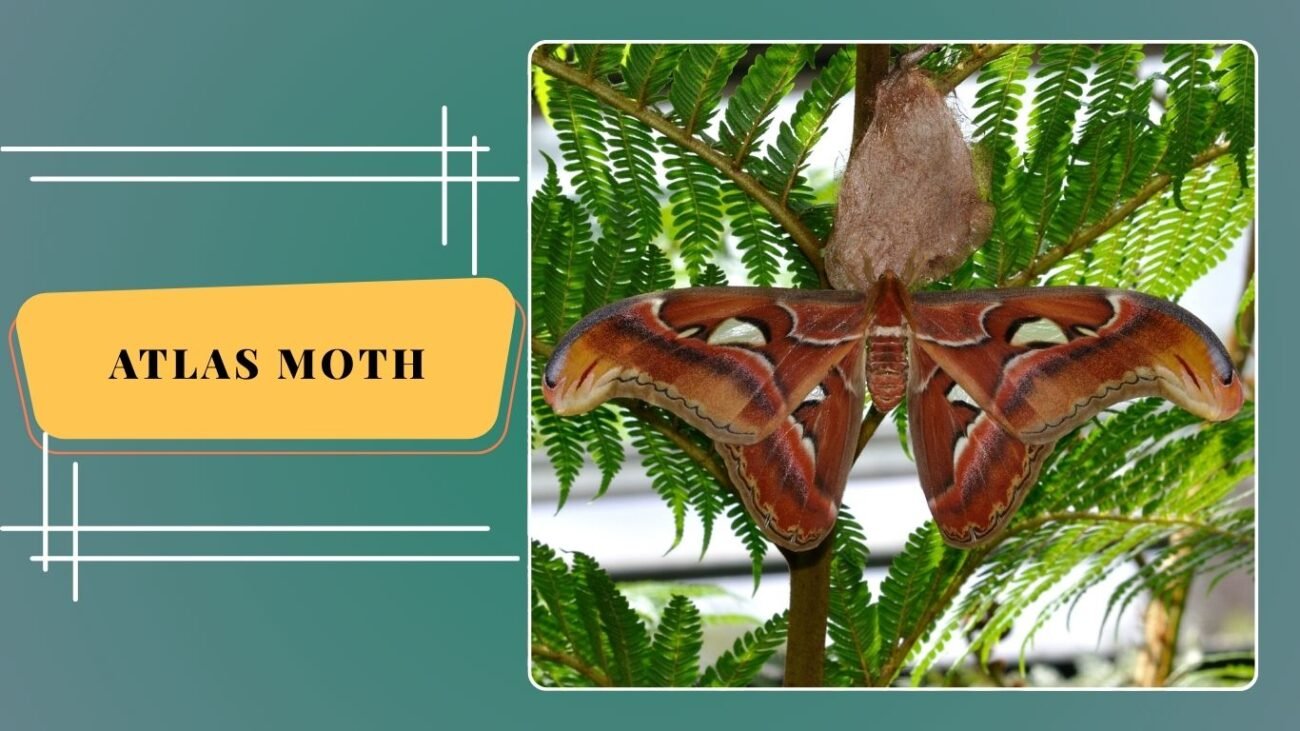
The Atlas moth is one of the largest moth species in the world, native to Asia. Its immense wingspan and distinctive wing patterns, which resemble snake heads at the tips, make it an extraordinary insect both in size and appearance.
Identification
- Wingspan: up to 10–12 inches (25–30 cm), among the largest of any moth
- Rusty brown wings with triangular, pale markings
- Wing tips resemble snake heads, a natural defense mechanism
- Thick, furry body with short legs
- Females are larger and heavier than males
Habitat
Atlas moths are found in tropical and subtropical forests of South and Southeast Asia, including India, Malaysia, Indonesia, and the Philippines. They thrive in warm, humid regions rich in host plants.
Behavior
They are nocturnal and most active during the evening. Adults have limited flight ability due to their large wings and heavy bodies, often resting motionless on tree trunks and foliage during the day for camouflage.
Diet
Adult atlas moths, like luna moths, lack functional mouthparts and do not feed. They survive entirely on fat reserves built up during their caterpillar stage. Caterpillars feed on a wide range of host plants such as citrus, guava, cinnamon, and evergreen trees.
Lifecycle
The lifecycle begins with eggs laid on the underside of leaves. The caterpillars are large, greenish-white, and covered with a waxy coating. After several molts, they spin tough silken cocoons to pupate. Adults emerge, live for just 1–2 weeks, and focus solely on reproduction. In tropical regions, multiple generations occur each year.
3. Polyphemus Moth (Antheraea polyphemus)
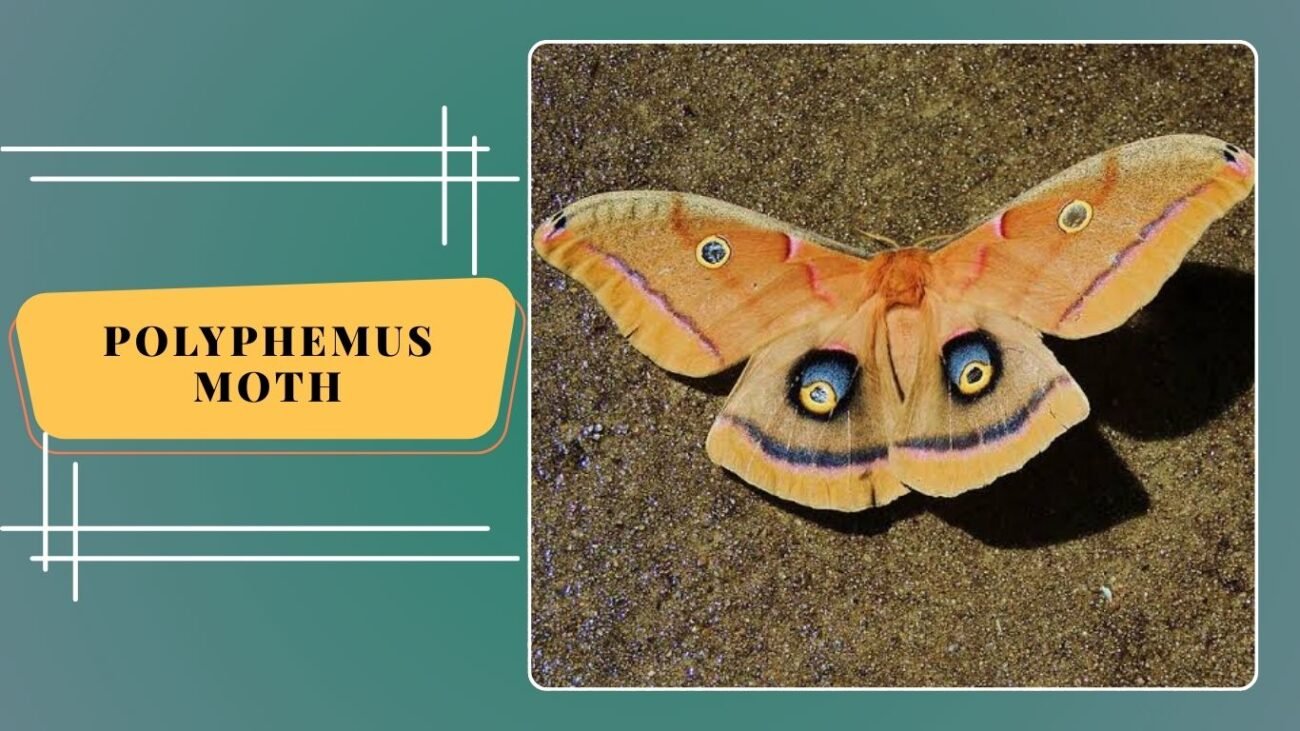
The Polyphemus moth is a giant silk moth native to North America. It is named after the one-eyed giant Polyphemus from Greek mythology, due to the large eyespots on its hindwings. This moth is well-known for its impressive size and striking wing patterns.
Identification
- Wingspan: 4–6 inches (10–15 cm)
- Light brown to tan wings with darker scalloped edges
- Prominent transparent eyespots on hindwings, ringed in yellow and blue
- Furry, stout body
- Males have wide, feathery antennae, while females have thinner ones
Habitat
Polyphemus moths inhabit forests, woodlands, and suburban areas throughout North America. They are commonly found near deciduous trees, which serve as host plants for their larvae.
Behavior
These moths are nocturnal and are most active during summer nights. When threatened, they flash their hindwings to display the eyespots, startling predators. Males are strong fliers and travel great distances to locate females using their pheromones.
Diet
Adult Polyphemus moths do not eat and lack functioning mouthparts. Their caterpillars, however, are voracious feeders, consuming leaves from a variety of trees including oak, maple, birch, willow, and hickory.
Lifecycle
The lifecycle includes egg, larva, pupa, and adult stages. The caterpillars are large, bright green, and can reach up to 3 inches in length. After feeding, they spin silken cocoons among leaves or branches. Adults emerge in late spring to summer, living only about a week to reproduce. In warmer regions, there may be two generations per year.
4. Cecropia Moth (Hyalophora cecropia)
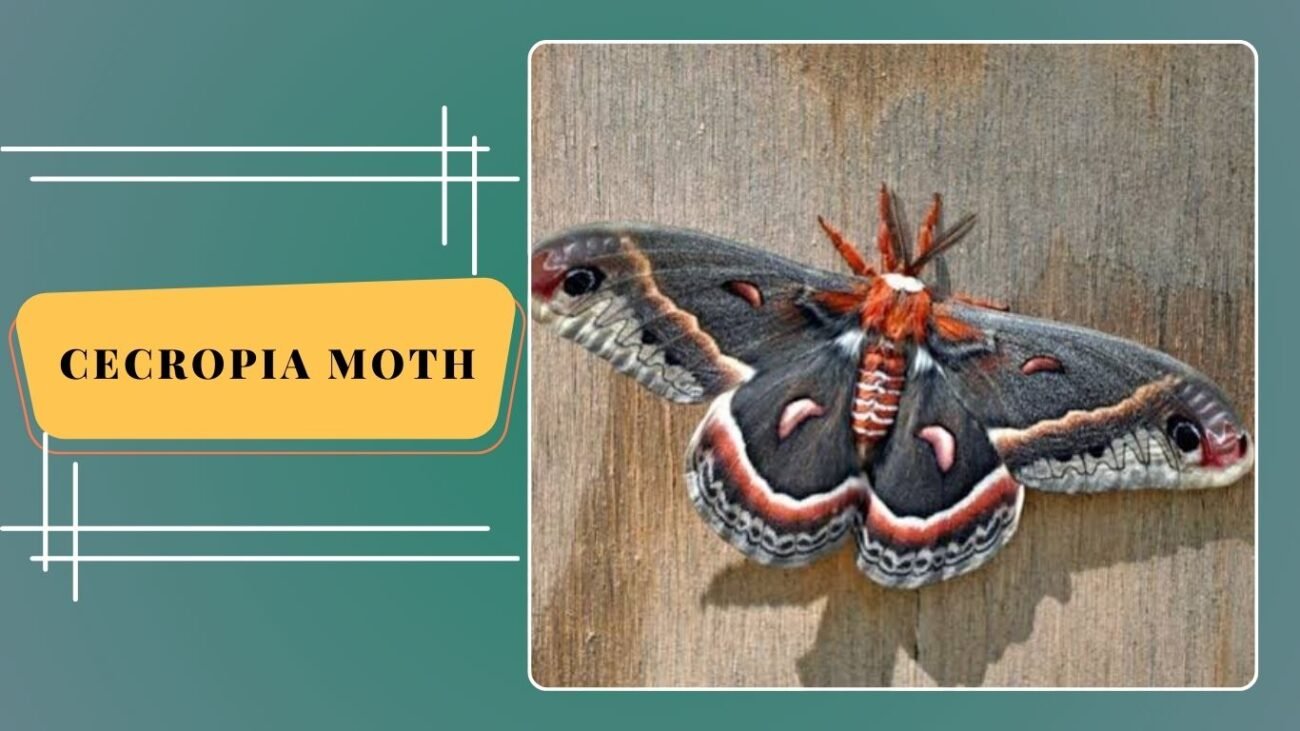
The Cecropia moth is the largest native moth in North America. Belonging to the giant silk moth family (Saturniidae), it is admired for its enormous wingspan and vivid coloration. Despite its grandeur, the adult lives only briefly, focusing solely on reproduction.
Identification
- Wingspan: 5–7 inches (13–18 cm), the largest of any North American moth
- Dark brown wings with reddish bands and crescent-shaped white spots
- Hindwings marked with red edges and distinctive white “comma” spots
- Fuzzy reddish body with black and white stripes
- Males have broad, feathery antennae for detecting female pheromones
Habitat
Cecropia moths inhabit hardwood forests, wooded wetlands, and suburban areas across the United States and parts of Canada. They are especially common near maple, birch, and cherry trees, which serve as host plants.
Behavior
Adults are nocturnal and remain relatively inactive during the day. Males spend most of their short lifespan searching for females, often traveling long distances guided by pheromones. They rely heavily on camouflage when resting against tree bark.
Diet
Like many giant silk moths, adult Cecropia moths lack functional mouthparts and do not eat. The caterpillars, however, feed on a wide range of trees and shrubs, including maple, apple, cherry, willow, and lilac.
Lifecycle
The lifecycle begins in spring when females lay rows of eggs on host plant leaves. Caterpillars hatch and pass through five instars, growing into large, green, tubercle-covered larvae. They spin tough, spindle-shaped cocoons attached to tree branches, where they overwinter as pupae. Adults emerge in late spring or early summer and survive for about 1–2 weeks. Typically, there is one generation per year.
5. Io Moth (Automeris io)
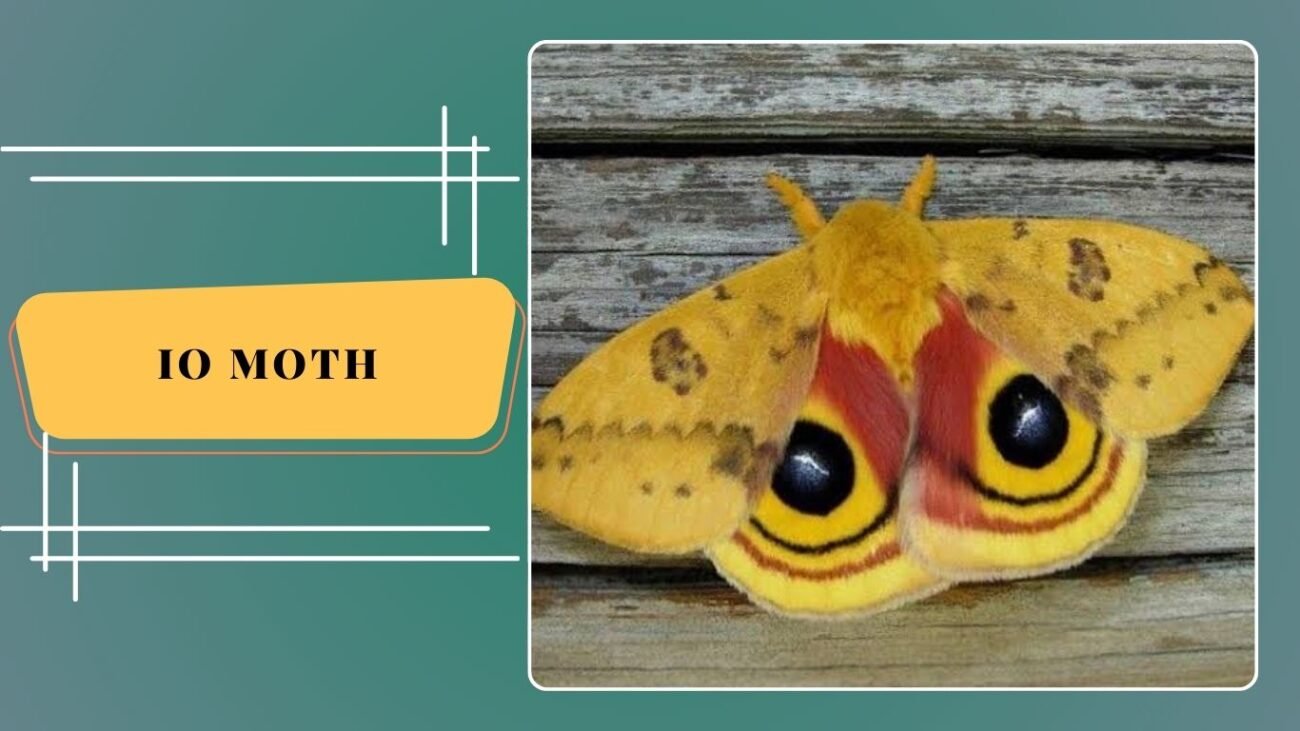
The Io moth is a striking North American moth recognized for its vivid hindwing eyespots, which serve as a defense mechanism against predators. It is one of the most colorful members of the giant silk moth family.
Identification
- Wingspan: 2.5–3.5 inches (6–9 cm)
- Forewings: yellow in males, brown in females
- Hindwings: bright yellow with bold black and blue eyespots
- Fuzzy, yellow to orange body
- Sexual dimorphism: males are more vibrant, females duller in color
Habitat
Io moths are found in woodlands, fields, and gardens across North America, particularly in the eastern and southern United States. They prefer areas with abundant host plants for their larvae.
Behavior
Adults are nocturnal and are drawn to artificial lights at night. When disturbed, they quickly flash their hindwings to display the large eyespots, startling potential predators like birds and small mammals.
Diet
Adults do not feed, as they lack functional mouthparts. Larvae (caterpillars) feed on a wide variety of plants including clover, corn, willow, mesquite, and roses. The caterpillars are covered in venomous spines that can cause skin irritation upon contact.
Lifecycle
The lifecycle consists of egg, larva, pupa, and adult stages. Eggs are laid in clusters on host plants. Caterpillars hatch and pass through multiple instars, changing from gregarious small larvae to larger, solitary, spiny caterpillars. They pupate in leaf litter or soil, forming loose cocoons. Adults emerge in late spring or summer and live only about a week. Depending on the region, there may be one to two generations annually.
6. Hummingbird Hawk-Moth (Macroglossum stellatarum)
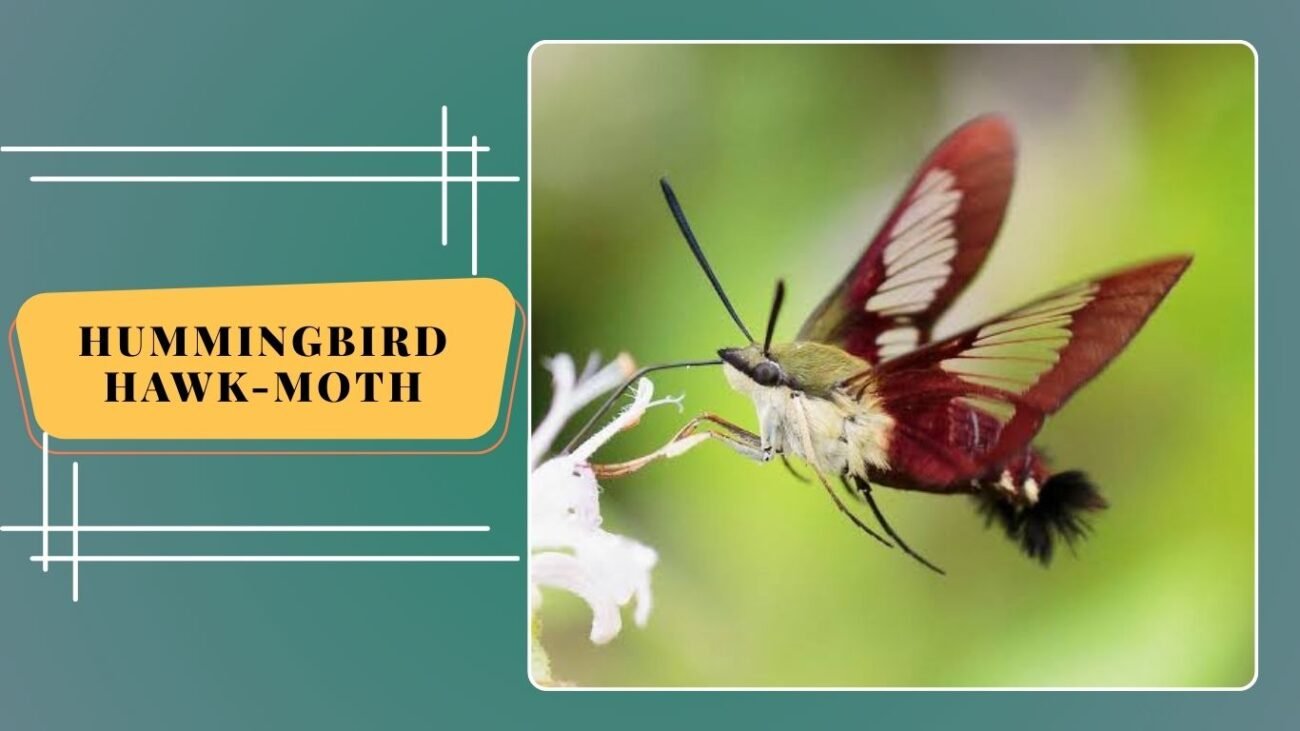
The Hummingbird hawk-moth is a fascinating species named for its resemblance to hummingbirds in both appearance and behavior. It hovers in front of flowers while feeding, with rapid wingbeats and a long proboscis that allow it to sip nectar mid-air.
Identification
- Wingspan: 1.6–1.8 inches (4–4.5 cm)
- Forewings: mottled brown and gray
- Hindwings: orange with dark edges
- Long, extended proboscis (longer than its body)
- Rapid wingbeats create a humming sound similar to a hummingbird
Habitat
This moth is widespread across Europe, Asia, and North Africa, with some populations migrating seasonally. It thrives in gardens, meadows, and open countryside where nectar-rich flowers are abundant.
Behavior
Unlike many moths, the hummingbird hawk-moth is active during the day (diurnal) and at dusk. Its hovering flight and darting movements closely mimic hummingbirds, often leading to confusion. It is also a strong flyer, capable of long-distance migrations.
Diet
Adults feed exclusively on flower nectar using their long proboscis. They prefer tubular flowers such as honeysuckle, jasmine, and red valerian. Caterpillars feed mainly on bedstraw plants (Galium species).
Lifecycle
The lifecycle includes egg, larva, pupa, and adult. Eggs are laid on host plants, where green caterpillars develop, often with a small tail-like horn. Pupation occurs in leaf litter or soil. In warm climates, multiple generations occur annually, while in colder regions they appear mainly in summer.
7. Death’s-head Hawkmoth (Acherontia atropos)
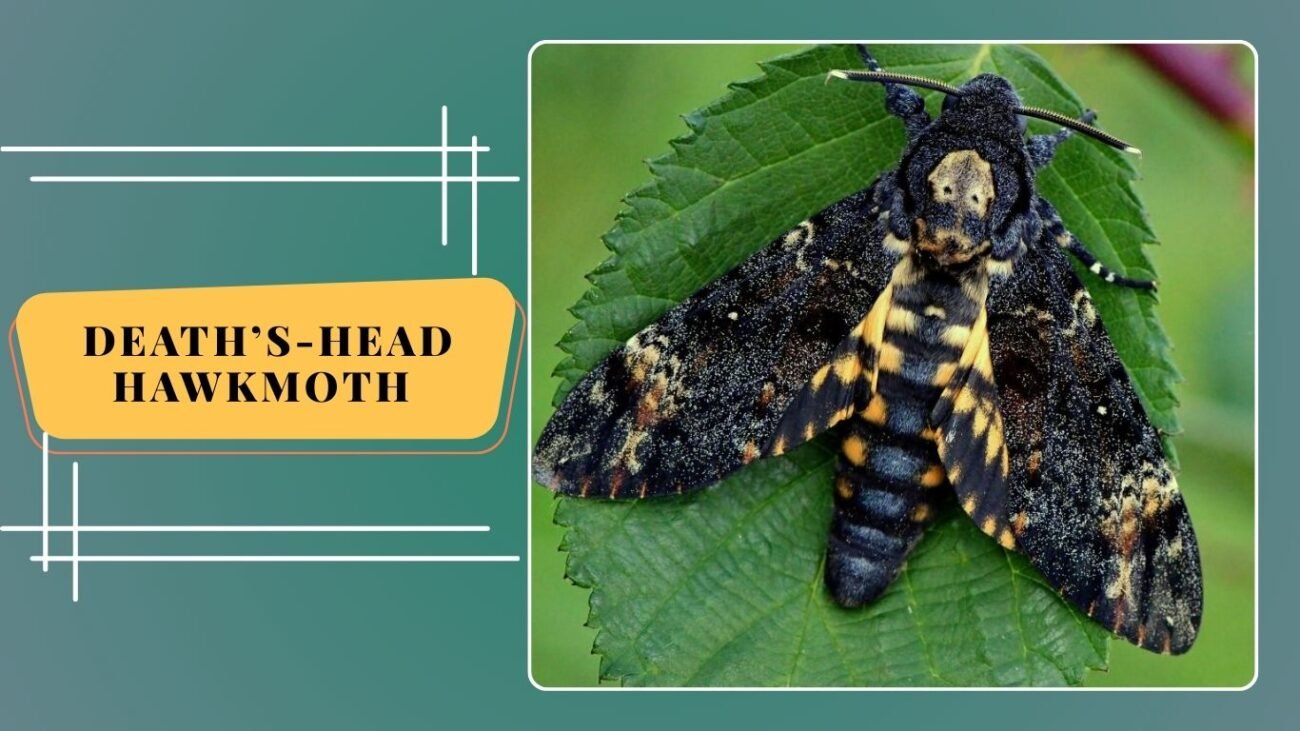
The Death’s-head hawkmoth is one of the most mysterious and recognizable moths in the world, named for the skull-shaped marking on its thorax. It has long been a subject of folklore, often associated with superstition due to its unusual appearance and behaviors.
Identification
- Wingspan: 3.5–5 inches (9–13 cm)
- Forewings: mottled brown and black with wavy patterns
- Hindwings: yellow with two dark bands
- Thorax: distinctive skull-like marking that gives the species its name
- Strong, robust body compared to many other hawkmoths
Habitat
This species is native to Africa but also migrates into parts of Europe and the Middle East. It favors warm climates and is often found in fields, gardens, and agricultural areas where host plants are abundant.
Behavior
The Death’s-head hawkmoth is primarily nocturnal. Unlike most moths, it can emit a squeaking sound when disturbed, produced by expelling air through its proboscis. It is also known for raiding beehives to feed on honey, resisting bee stings due to its tough cuticle and chemical camouflage.
Diet
Adults feed on flower nectar and honey, which they steal from beehives. They also drink sap and juice from rotting fruit. Caterpillars are polyphagous, feeding on plants such as potato, tomato, deadly nightshade, and other members of the Solanaceae family.
Lifecycle
The lifecycle includes egg, larva, pupa, and adult. Eggs are laid singly on host plants. Caterpillars are large and colorful, typically yellow, green, or brown with diagonal stripes and a curved horn at the rear. Pupation occurs underground in a smooth-walled chamber. Adults emerge after several weeks, with one or more generations possible depending on climate.
8. Emperor Moth (Saturnia pavonia)
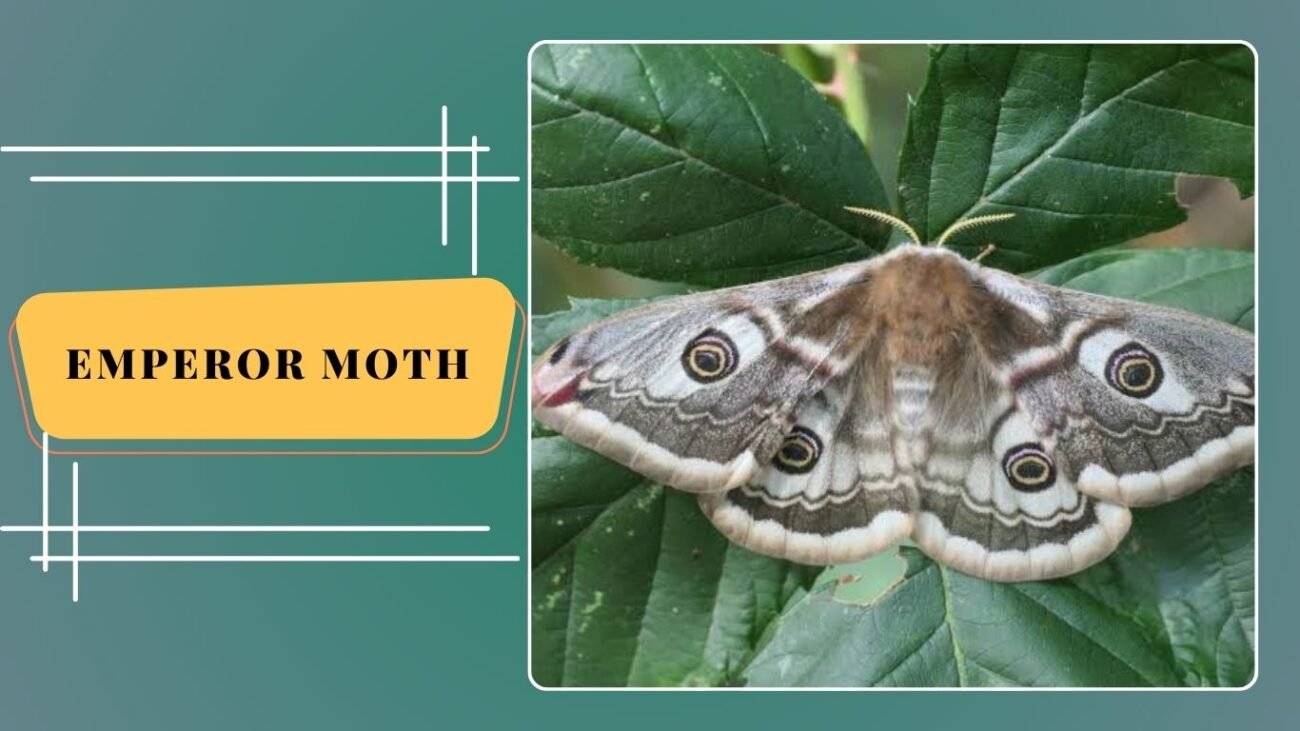
The Emperor moth is the only member of the giant silk moth family (Saturniidae) native to the British Isles. It is admired for its bold eye-like markings, which help deter predators, and its striking differences between males and females.
Identification
- Wingspan: 2–3 inches (5–7.5 cm)
- Forewings: gray-brown with a large black-and-white eyespot
- Hindwings: reddish-orange with bold eyespots
- Males: smaller, with more vibrant coloration and feathery antennae
- Females: larger, paler, and heavier-bodied
Habitat
Emperor moths inhabit open countryside, heathlands, moorlands, grasslands, and scrub areas. They are found across much of Europe and Asia, especially in places with heather and other host plants.
Behavior
Adults are mainly active during the day, though females may also fly at night. Males are strong, fast fliers and travel great distances in search of females, guided by pheromones. Females, being larger, are slower and tend to remain near host plants.
Diet
Adult emperor moths do not feed, as they lack functional mouthparts. The caterpillars, however, feed on a wide range of plants including heather, bramble, hawthorn, and willow.
Lifecycle
The lifecycle consists of egg, caterpillar, cocoon, and adult stages. Eggs are laid on the leaves of host plants. Caterpillars begin black, later turning green with yellow rings and tufts of black hairs. They spin dense, silken cocoons in vegetation or near the ground, where they pupate. Adults emerge in spring, living only a few days to reproduce. There is one generation per year.
9. Tiger Moth (Arctia caja)
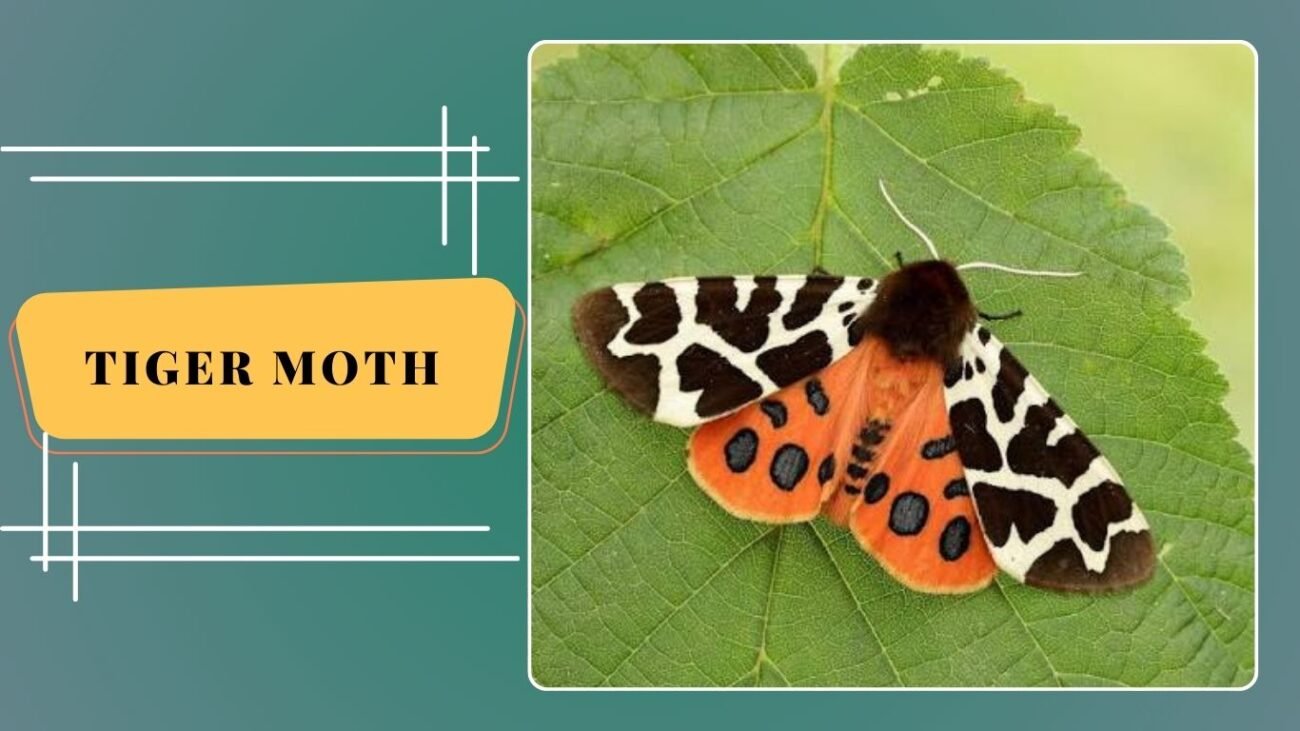
The Tiger moth is a colorful and well-known species across Europe, Asia, and North America. It is admired for its striking wing patterns and serves as an important species in ecological studies due to its warning coloration and chemical defenses.
Identification
- Wingspan: 1.8–2.8 inches (4.5–7 cm)
- Forewings: dark brown with bold cream or white bands
- Hindwings: bright orange or red with large black spots
- Fuzzy thorax and abdomen, often with reddish or orange coloration
- Caterpillars are hairy and commonly called “woolly bears”
Habitat
Tiger moths inhabit gardens, meadows, woodland edges, and grasslands. They thrive in temperate regions across Europe and Asia and have been introduced into some parts of North America.
Behavior
Adults are nocturnal and attracted to lights. Their vivid wing patterns act as a warning to predators. When threatened, they flash their hindwings to startle birds and other attackers. They can also produce ultrasonic clicks to confuse bats during flight.
Diet
Adults do not rely heavily on feeding, though some may take in nectar. Caterpillars feed on a wide variety of herbaceous plants such as nettles, dock, dandelion, and plantain. Their hairy coats help deter predators.
Lifecycle
The lifecycle includes egg, larva, pupa, and adult. Eggs are laid in clusters on host plants. The caterpillars, or “woolly bears,” overwinter in their larval stage, feeding in spring before pupating in cocoons of their own hairs mixed with silk. Adults emerge in summer to breed, with typically one generation per year.
10. Garden Tiger Moth (Arctia villica)
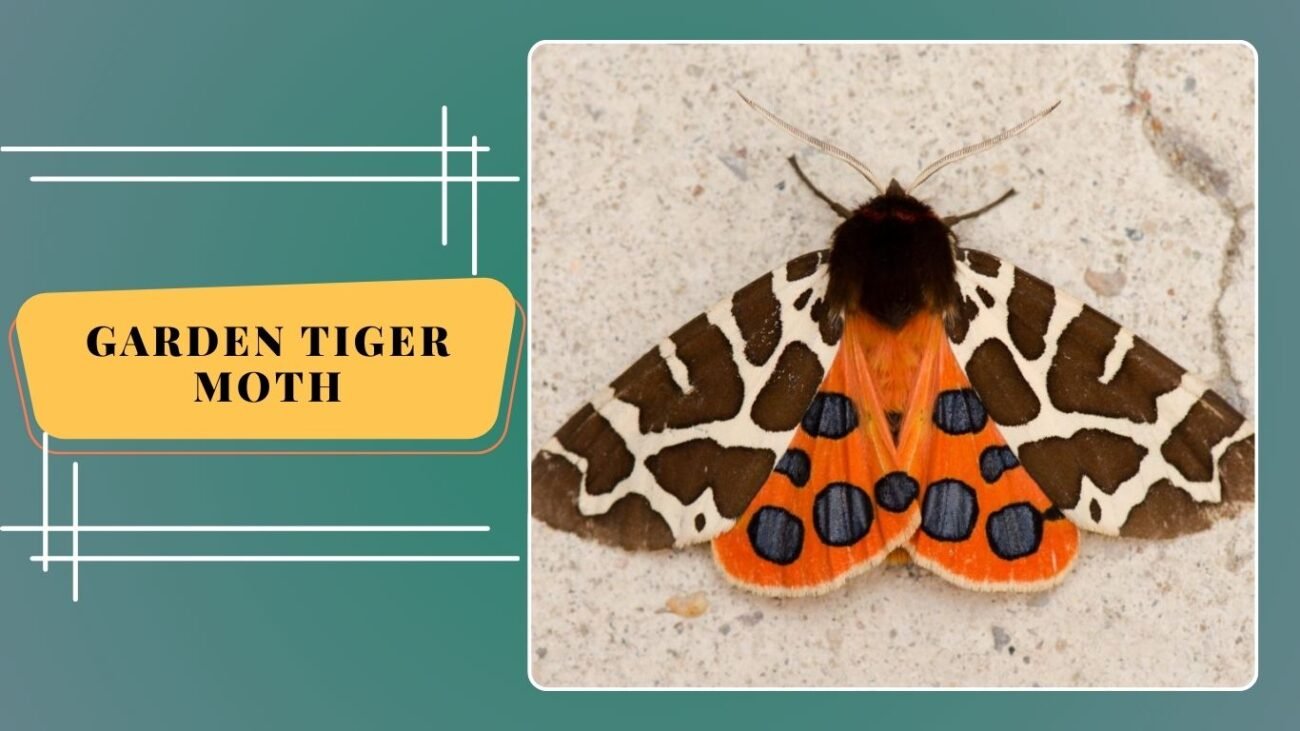
The Garden tiger moth is a striking species celebrated for its bold and vivid wing patterns. It is closely related to the tiger moth (Arctia caja) but is smaller and has distinctive markings that make it easily recognizable.
Identification
- Wingspan: 1.6–2.4 inches (4–6 cm)
- Forewings: black with irregular white patches
- Hindwings: bright orange-red with large black spots
- Fuzzy body, often orange or reddish with dark bands
- Caterpillars are hairy, commonly known as “woolly bears”
Habitat
This species is found across Europe, North Africa, and parts of Asia. It prefers open habitats such as meadows, gardens, woodland clearings, and grasslands with abundant wildflowers.
Behavior
Adults are mostly nocturnal and attracted to artificial lights at night. When threatened, they reveal their brightly colored hindwings to startle predators. Their coloration also serves as a warning of chemical defenses that make them unpalatable to birds.
Diet
Adult moths do not feed significantly, though some may sip nectar. Caterpillars feed on a broad range of herbaceous plants, including nettles, dandelions, dock, and burdock. Their dense hairs offer some protection against predators.
Lifecycle
The lifecycle includes four stages: egg, larva, pupa, and adult. Eggs are laid in batches on host plants. Caterpillars overwinter and resume feeding in spring, then pupate in silken cocoons mixed with their own hairs. Adults emerge in late spring to early summer, living briefly to reproduce. Generally, there is one generation per year.
11. White Ermine Moth (Spilosoma lubricipeda)
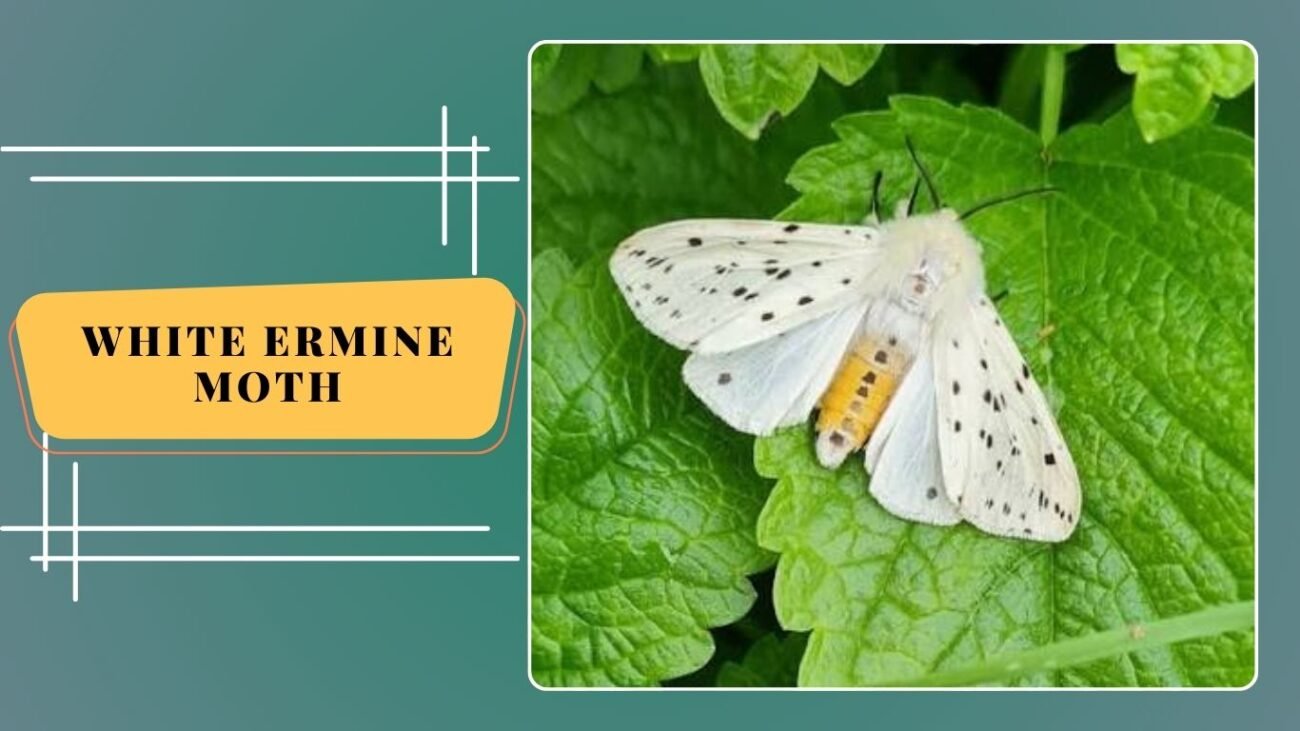
The White ermine moth is a delicate and attractive species, recognized by its snowy white wings adorned with black spots. It is widespread across Europe and parts of Asia, often seen in gardens and meadows during summer.
Identification
- Wingspan: 1.2–1.6 inches (3–4 cm)
- Forewings: pure white with scattered black spots (number and pattern vary)
- Hindwings: white, sometimes with faint black markings
- Body: white and fluffy, with some orange or yellow coloring on the abdomen
- Caterpillars: dark, hairy, often referred to as “woolly bears”
Habitat
White ermine moths inhabit gardens, grasslands, meadows, woodland edges, and hedgerows. They prefer sunny environments with plenty of herbaceous plants for the larvae to feed on.
Behavior
Adults are nocturnal and strongly attracted to artificial lights. Their white wings and black markings act as a warning to predators, as they contain mild toxins. Caterpillars are hardy and adapt to many habitats, often found in groups when young.
Diet
Adults feed very little or not at all. Caterpillars are polyphagous, consuming a wide variety of plants including nettles, dock, dandelion, plantain, and burdock.
Lifecycle
The lifecycle follows the typical stages: egg, larva, pupa, and adult. Eggs are laid in clusters on host plants. Caterpillars develop through several molts before pupating in silken cocoons within leaf litter or low vegetation. Adults emerge in late spring to summer, with one generation per year in temperate climates.
12. Isabella Tiger Moth (Pyrrharctia isabella)
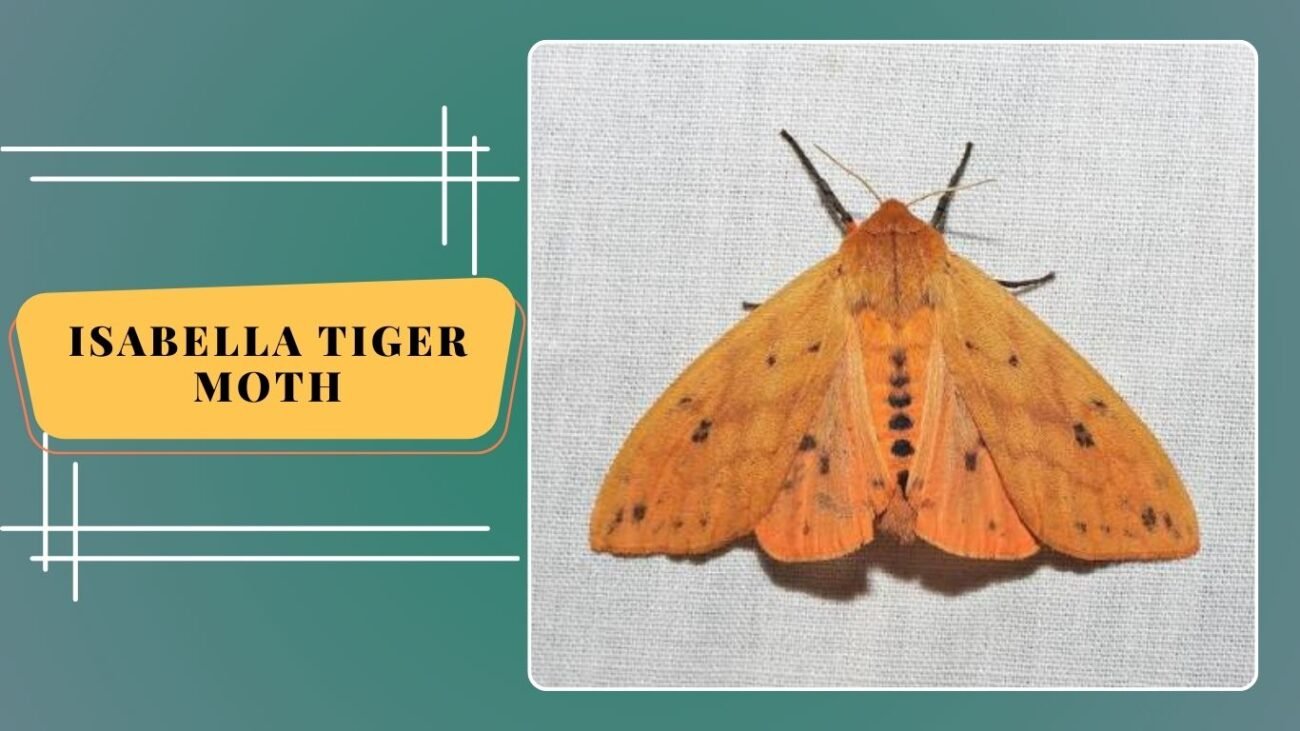
The Isabella tiger moth is best known for its larval stage, the famous “woolly bear caterpillar,” which has become part of folklore as a weather predictor. The adult moth is less well known but is a beautiful species in its own right.
Identification
- Wingspan: 1.7–2.5 inches (4.5–6.5 cm)
- Forewings: yellowish to orange-brown, sometimes with faint dark spots
- Hindwings: orange with small black spots
- Body: hairy, orange to reddish
- Caterpillar: “woolly bear,” with black bands at both ends and a rusty-brown band in the middle
Habitat
This species is widespread across North America, thriving in meadows, gardens, pastures, and roadsides. Woolly bear caterpillars are hardy and adaptable, often found crawling in the open during autumn.
Behavior
Adults are nocturnal and attracted to lights. Caterpillars display a defensive behavior of curling into a tight ball when disturbed. The woolly bear is famous in folklore: the width of its brown band is said to predict winter severity, though this is more myth than science.
Diet
Adults rarely feed, though they may occasionally sip nectar. Caterpillars feed on a wide range of plants, including grasses, clover, dandelion, nettles, and goldenrod. Their broad diet allows them to thrive in diverse environments.
Lifecycle
The lifecycle consists of egg, larva, pupa, and adult. Eggs are laid on host plants. Caterpillars grow through the summer, overwinter in the larval stage by hibernating under leaf litter, and resume feeding in spring. They then pupate in fuzzy cocoons made from their hairs and emerge as adults in late spring or early summer. There is typically one generation per year.
13. Cinnabar Moth (Tyria jacobaeae)
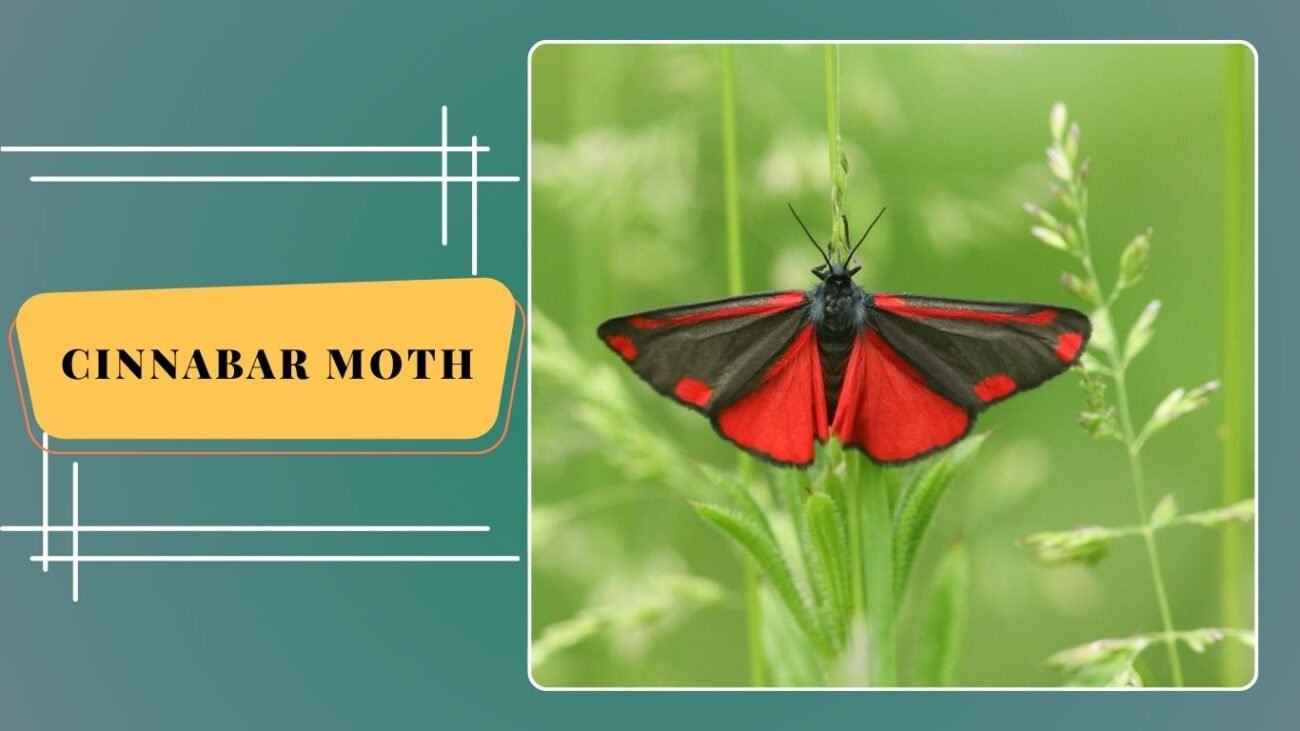
The Cinnabar moth is a striking day-flying species known for its bold red and black coloration. It is commonly found in Europe and has been introduced into other regions as a natural control agent for ragwort, its primary larval food plant.
Identification
- Wingspan: 1.3–1.7 inches (3.2–4.4 cm)
- Forewings: black with bright red stripes and spots
- Hindwings: vivid red with a black border
- Body: black with red markings
- Caterpillars: yellow with black bands, highly conspicuous
Habitat
Cinnabar moths are found in grasslands, meadows, coastal dunes, and disturbed areas where ragwort grows in abundance. They are widely distributed across Europe and have been introduced to New Zealand, Australia, and North America for biological control.
Behavior
Adults are mostly nocturnal but can sometimes be seen flying during the day. Their bright coloration acts as a warning to predators of their toxicity. Caterpillars are gregarious in early stages, often feeding in groups on ragwort plants.
Diet
Adults may sip nectar but are not strong feeders. Caterpillars feed almost exclusively on ragwort (Jacobaea vulgaris) and related species. Their diet makes them toxic and distasteful to birds and other predators.
Lifecycle
The lifecycle consists of egg, larva, pupa, and adult. Eggs are laid in clusters on ragwort leaves and stems. Caterpillars hatch and feed voraciously, often defoliating the plant. They pupate in the soil, where they overwinter, before adults emerge in late spring to summer. Usually, there is one generation per year.
14. Rosy Maple Moth (Dryocampa rubicunda)
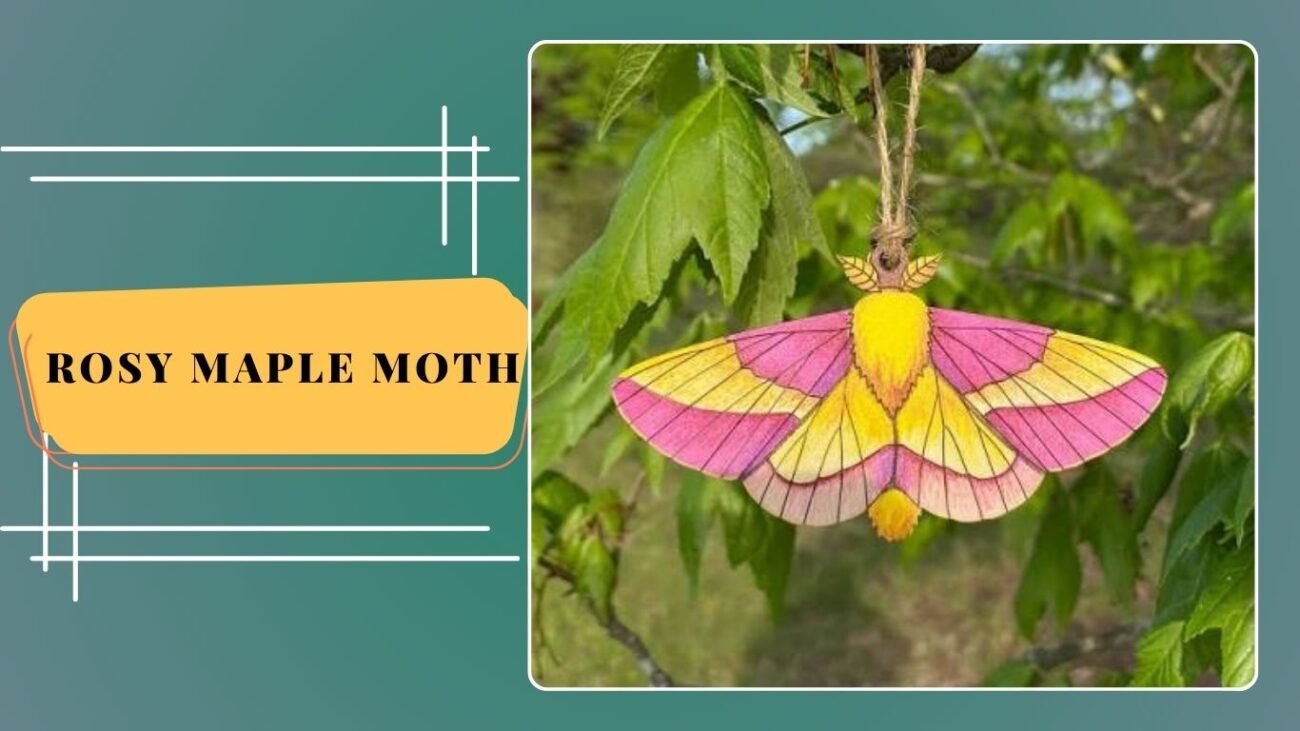
The Rosy maple moth is often considered one of the most beautiful moths in North America. Its vibrant pink and yellow coloration makes it look almost cartoon-like, earning it the nickname “cotton candy moth.”
Identification
- Wingspan: 1.25–2 inches (3–5 cm)
- Forewings: pink with yellow bands or patches
- Hindwings: yellow with varying pink shading
- Body: furry, yellow to pink
- Caterpillars: called “greenstriped mapleworms,” green with yellow stripes and black horns
Habitat
Rosy maple moths are found in deciduous forests, woodlands, and suburban areas throughout eastern North America. They are most often associated with maple trees, their primary host plants.
Behavior
Adults are nocturnal and are frequently attracted to artificial lights. Their bright coloration may serve as camouflage among flowers or as a warning to potential predators. Caterpillars are gregarious when young but become solitary as they mature.
Diet
Adult moths do not feed, as they lack functioning mouthparts. Caterpillars feed heavily on the leaves of maple trees, particularly red, silver, and sugar maple, occasionally feeding on oak as well.
Lifecycle
The lifecycle includes egg, larva, pupa, and adult. Eggs are laid on the underside of maple leaves. Caterpillars feed in groups at first, later spreading out before pupating in the soil. Depending on the climate, there can be one to three generations per year. Adults typically emerge in late spring through summer and live only a short time.
15. Yellow Underwing Moth (Noctua pronuba)
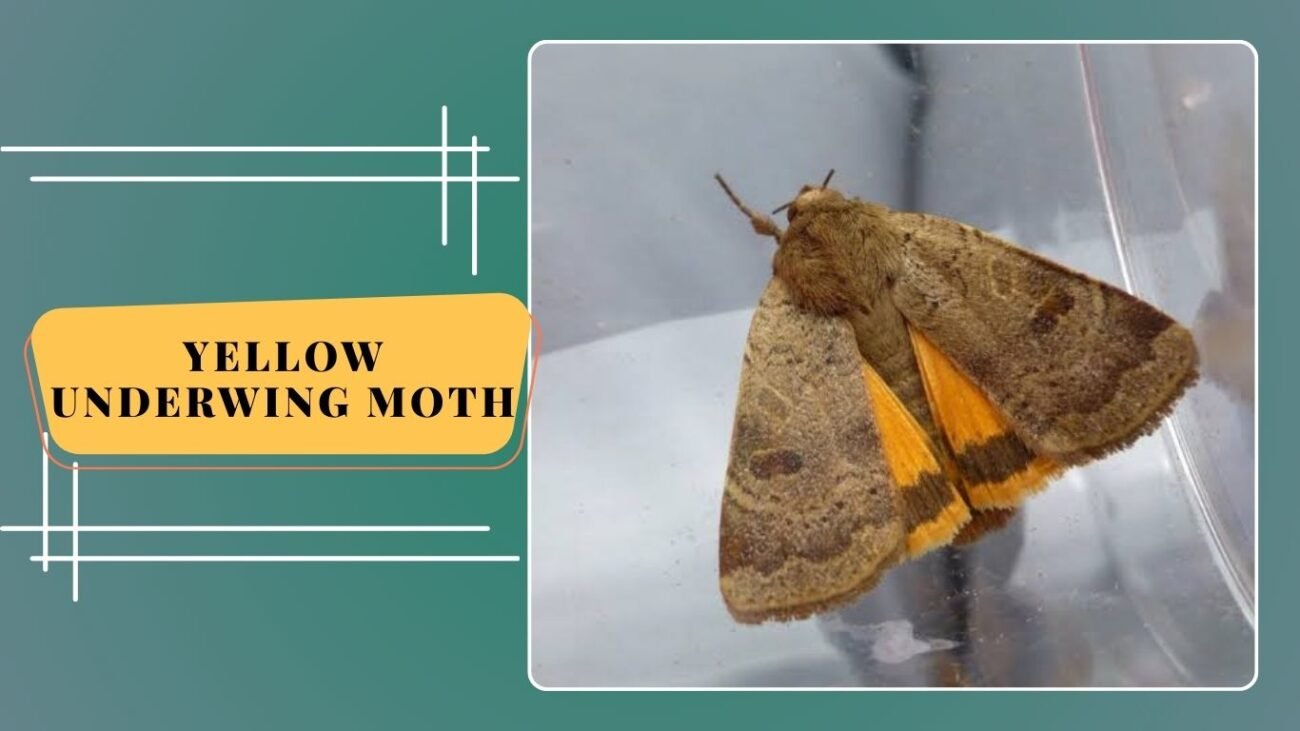
The Yellow underwing moth, also called the Large yellow underwing, is a common noctuid moth widespread across Europe, Asia, and North America. Its drab forewings conceal bright hindwings, which are flashed as a defense mechanism to startle predators.
Identification
- Wingspan: 2–2.6 inches (5–6.5 cm)
- Forewings: brown, gray, or tan with darker mottling for camouflage
- Hindwings: bright orange-yellow with a bold black band along the edge
- Body: stout and furry, usually brown
- Caterpillars: smooth, greenish to brown, known as “cutworms”
Habitat
This species thrives in gardens, grasslands, agricultural fields, and woodland edges. It is adaptable and often abundant in areas with flowering plants and crops.
Behavior
Adults are nocturnal and strongly attracted to lights. When resting, they keep their dull forewings folded over the bright hindwings for camouflage. If disturbed, they suddenly flash the hindwings, startling potential predators. Caterpillars are nocturnal feeders and hide in soil during the day.
Diet
Adults feed on nectar from a wide range of flowers, including clover, ragwort, and buddleia. Caterpillars feed on many herbaceous plants and crops, such as grasses, lettuce, cabbage, carrots, and potatoes, sometimes becoming agricultural pests.
Lifecycle
The lifecycle includes egg, larva, pupa, and adult stages. Eggs are laid on grasses or low plants. Caterpillars, known as cutworms, feed at night and overwinter in the soil. Pupation occurs underground in spring, with adults emerging in summer. Depending on climate, there may be one to two generations annually.
16. Peppered Moth (Biston betularia)
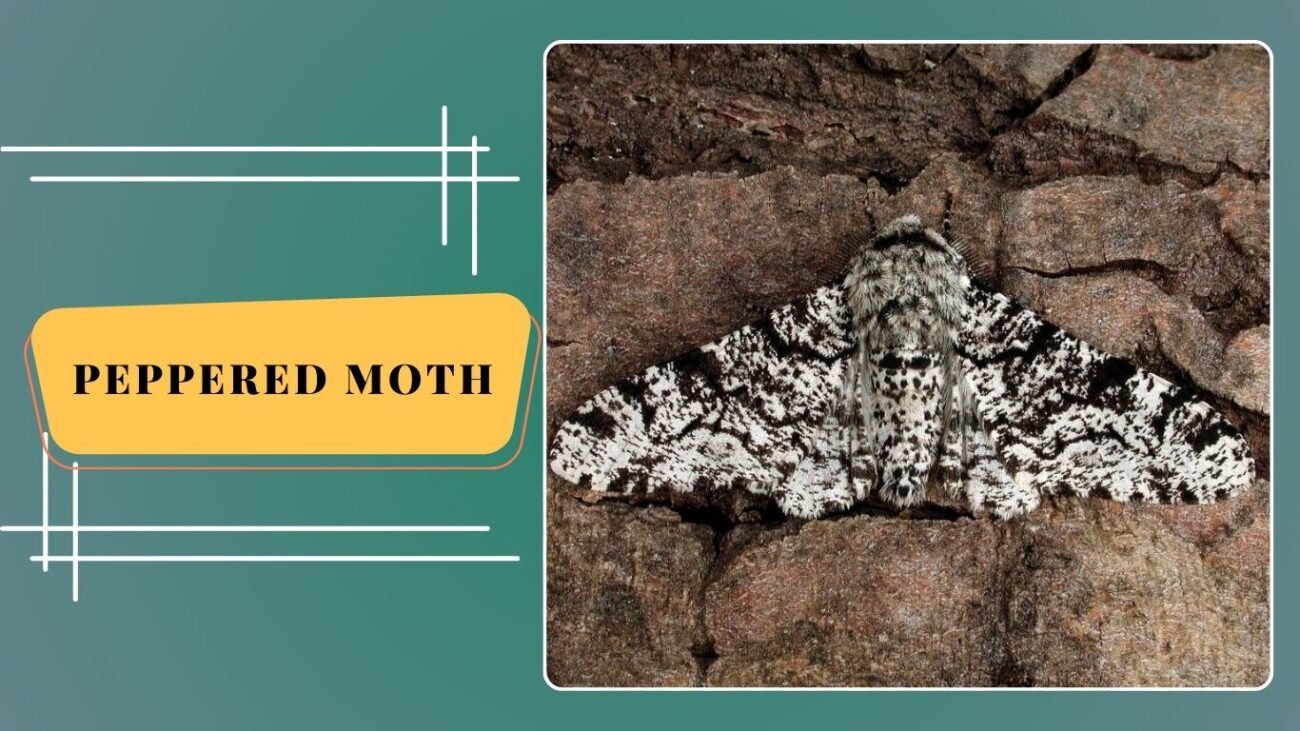
The Peppered moth is one of the most famous moth species in the world, largely due to its role in studies of natural selection and industrial melanism. Its ability to adapt its coloration to match environmental changes made it a textbook example of evolution in action.
Identification
- Wingspan: 1.8–2.8 inches (4.5–7 cm)
- Typical form: pale gray or whitish with fine black speckling (“peppered”)
- Melanic form (carbonaria): almost completely dark, common in polluted areas
- Body: stout and gray with fine markings
- Caterpillars: brown or green, twig-like in appearance for camouflage
Habitat
Peppered moths are widely distributed across Europe, Asia, and North America. They are found in woodlands, gardens, parks, and hedgerows, often resting on tree bark where their coloration provides camouflage.
Behavior
Adults are nocturnal and rest motionless on trees during the day. Their coloration allows them to blend into lichen-covered bark (light form) or soot-darkened bark (dark form). This adaptation became a classic case study in evolutionary biology.
Diet
Adult moths feed little or not at all. Caterpillars feed on a wide range of deciduous trees and shrubs, including birch, willow, oak, and hawthorn. Their twig-like appearance helps them avoid predators.
Lifecycle
The lifecycle includes egg, larva, pupa, and adult. Eggs are laid on the leaves of host plants. Caterpillars grow through summer, pupate in the soil, and overwinter as pupae. Adults emerge in late spring or early summer, with one generation per year.
17. Angle Shades Moth (Phlogophora meticulosa)
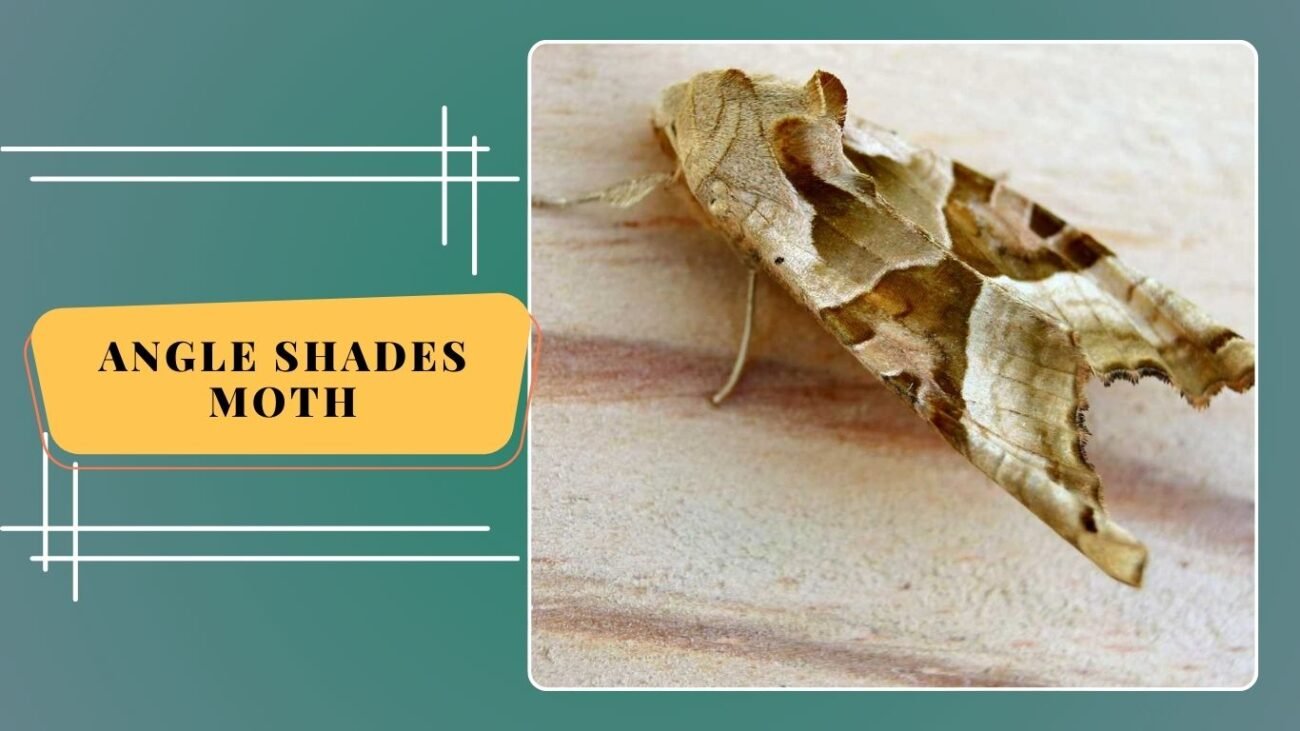
The Angle shades moth is a medium-sized species known for its unique wing shape and folded resting posture, which makes it look like a withered leaf. Its excellent camouflage helps it avoid predators during the day.
Identification
- Wingspan: 1.8–2.2 inches (4.5–5.5 cm)
- Forewings: brown, olive, and pinkish patterns with distinctive angular lines
- Hindwings: pale brown or gray with faint markings
- Resting posture: wings folded into a tent-like shape resembling a dead leaf
- Caterpillars: green or brown with faint stripes, smooth-bodied
Habitat
This species is widely distributed across Europe, Asia, and North Africa. It inhabits gardens, woodlands, meadows, and hedgerows, particularly in areas with abundant vegetation.
Behavior
Adults are nocturnal and strongly attracted to lights. Their cryptic resting posture during the day provides excellent camouflage among leaf litter and twigs. They are active for much of the year in warmer regions and can migrate seasonally.
Diet
Adults may sip nectar but feed very little. Caterpillars are polyphagous, feeding on a wide range of herbaceous plants such as nettle, dock, bramble, and honeysuckle. They are sometimes found in gardens feeding on cultivated plants.
Lifecycle
The lifecycle includes egg, larva, pupa, and adult. Eggs are laid singly on host plants. Caterpillars feed through summer and autumn, and many overwinter as larvae before pupating in the soil. Adults emerge in spring, and in warmer climates there may be multiple generations per year.
18. Light Emerald Moth (Campaea margaritata)
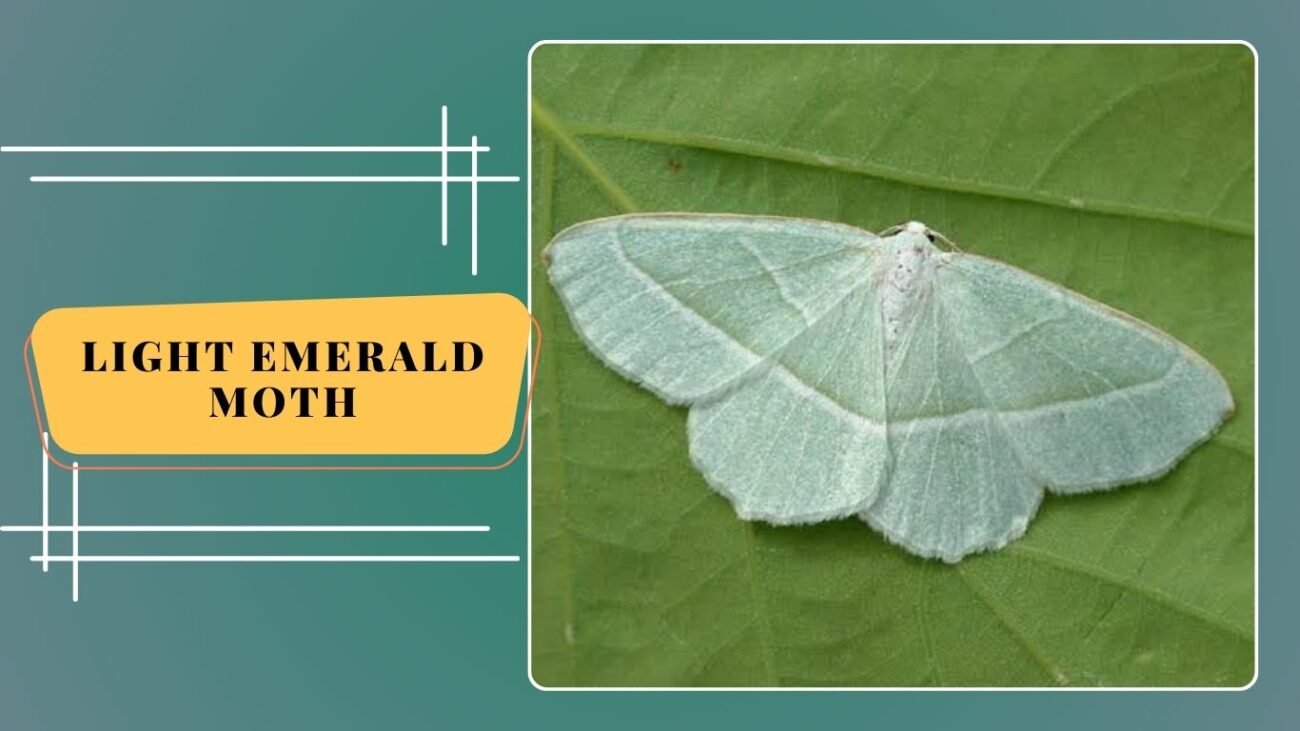
The Light emerald moth is a graceful and attractive species, easily recognized by its pale green wings edged with white. It is common across much of Europe and is often seen in gardens and woodlands during summer months.
Identification
- Wingspan: 1.6–2 inches (4–5 cm)
- Forewings: delicate pale green with a thin white border
- Hindwings: similar green with faint white cross lines
- Color fades to whitish with age
- Caterpillars: slender, twig-like, brown or green, with small humps for camouflage
Habitat
Light emerald moths inhabit woodlands, hedgerows, parks, and gardens across Europe and parts of Asia. They are commonly found in places with plenty of deciduous trees and shrubs, especially in temperate regions.
Behavior
Adults are nocturnal and often come to artificial lights. During the day, they rest on foliage, blending with leaves due to their pale green coloration. Their fragile wings and soft coloration make them easily mistaken for leaves in moonlight.
Diet
Adult moths feed little, if at all. Caterpillars consume the leaves of various deciduous trees and shrubs, especially birch, hazel, beech, and oak. Their twig-like appearance provides excellent camouflage against predators.
Lifecycle
The lifecycle includes egg, larva, pupa, and adult. Eggs are laid on host plants in late summer. Caterpillars feed into autumn, then overwinter before resuming feeding in spring. Pupation occurs in loose cocoons in soil or leaf litter, with adults emerging in early summer. There is usually one generation per year.
19. Pale Tussock Moth (Calliteara pudibunda)
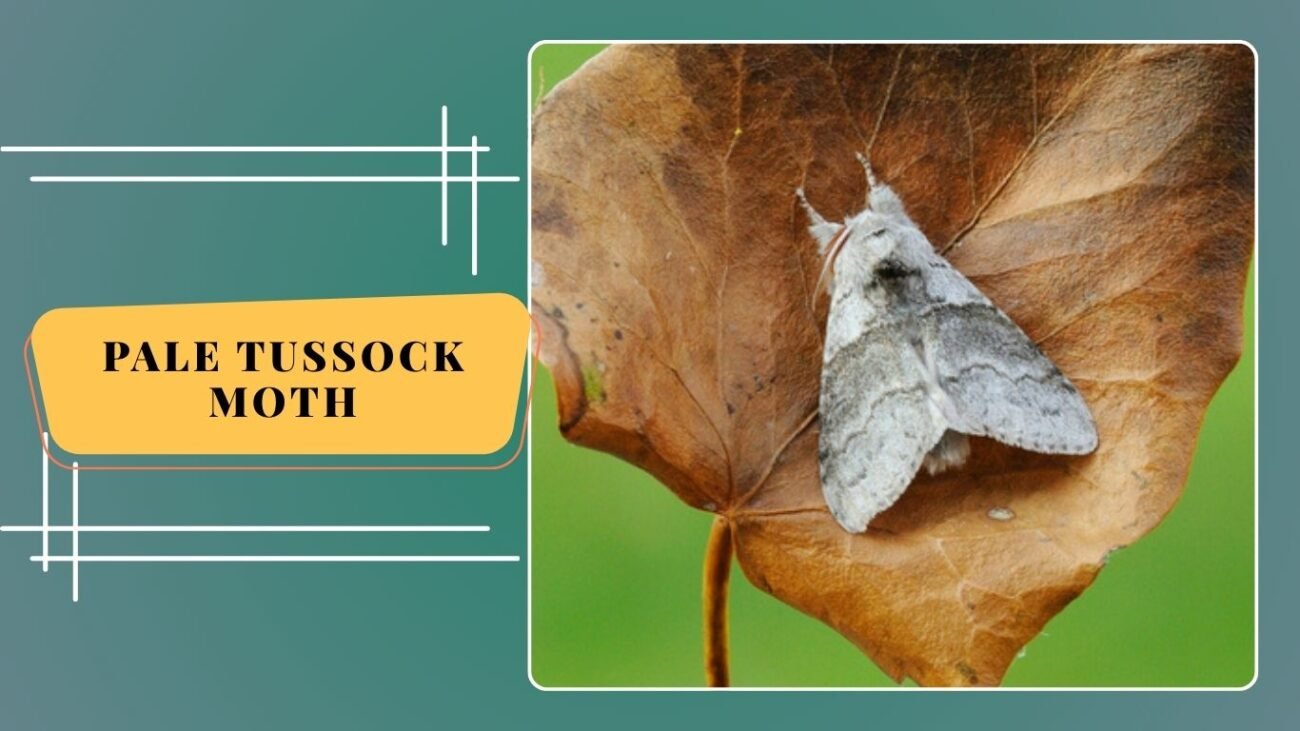
The Pale tussock moth is a distinctive species well known for its striking, hairy caterpillars. While the adult moth is relatively subdued in appearance, the larval stage is one of the most recognizable among European moths.
Identification
- Wingspan: 2–2.4 inches (5–6 cm)
- Forewings: gray, brown, and black mottling, giving a bark-like appearance
- Hindwings: pale gray or whitish
- Males: smaller with darker, more patterned wings
- Females: larger, paler, and heavier-bodied
- Caterpillars: bright yellow-green with long hair tufts, including four brush-like tussocks on the back and a bright red tail tuft
Habitat
This moth is widespread across Europe and parts of Asia. It inhabits deciduous woodlands, parks, gardens, and hedgerows, particularly in areas rich in host trees.
Behavior
Adults are nocturnal and strongly attracted to artificial lights. They rest during the day, blending in with tree bark thanks to their mottled coloration. Caterpillars are often conspicuous and are sometimes spotted on walls or fences when searching for pupation sites.
Diet
Adults do not feed, relying on energy reserves built up during the larval stage. Caterpillars are polyphagous and feed on a wide range of trees and shrubs, including oak, birch, hazel, lime, apple, and hop.
Lifecycle
The lifecycle consists of egg, larva, pupa, and adult. Eggs are laid in clusters on leaves. Caterpillars hatch and feed through summer and autumn before pupating in leaf litter or soil. They overwinter as pupae and emerge as adults the following spring. There is generally one generation per year.
20. Buff-tip Moth (Phalera bucephala)
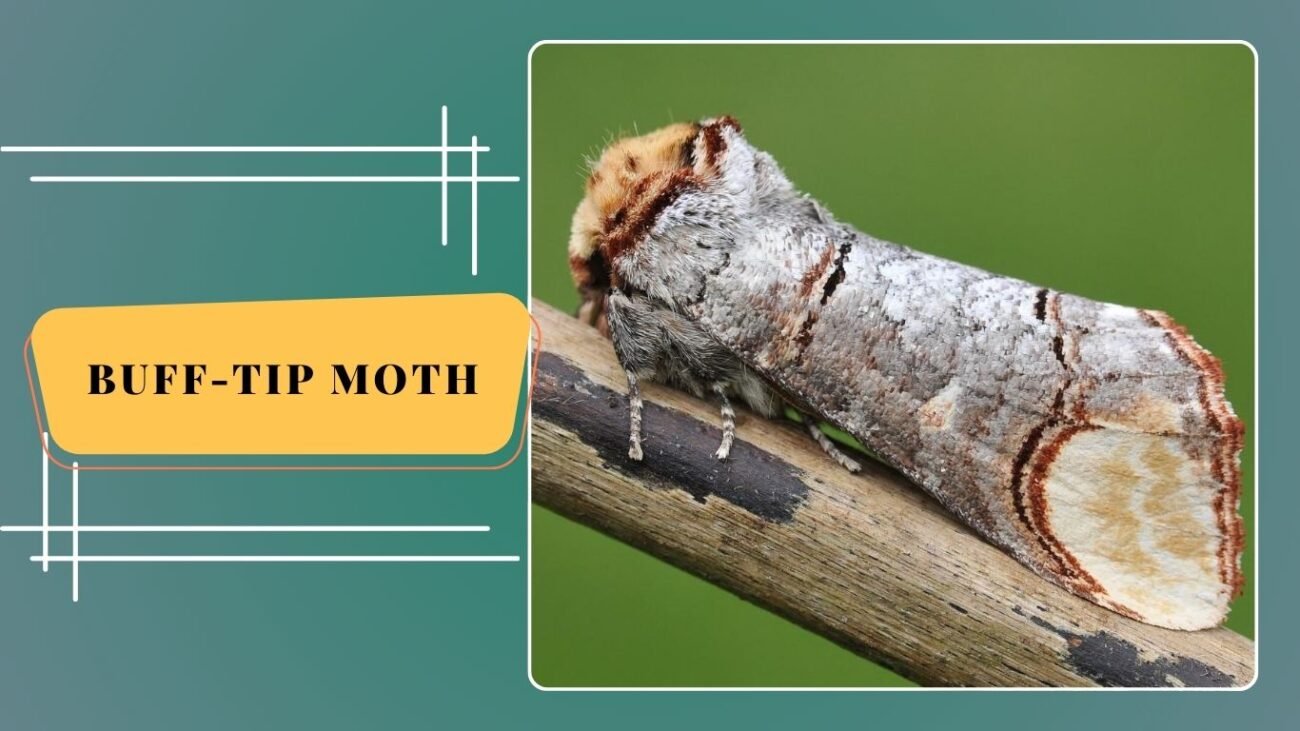
The Buff-tip moth is a master of camouflage, easily mistaken for a broken birch twig when at rest. This clever disguise makes it one of the most remarkable moths in Europe.
Identification
- Wingspan: 2–2.4 inches (5–6 cm)
- Forewings: silvery-gray with a buff-colored patch at the tip, resembling a snapped twig
- Hindwings: pale whitish-gray
- Body: furry, grayish with a buff-colored head
- Caterpillars: black and yellow striped with fine white hairs, often gregarious
Habitat
Buff-tip moths are found across Europe and parts of Asia, inhabiting woodlands, gardens, parks, and hedgerows. They are especially common in areas with abundant deciduous trees.
Behavior
Adults are nocturnal and come readily to lights. When resting during the day, their twig-like appearance makes them nearly invisible on branches. Caterpillars are social in early stages, feeding in groups, which increases their protection from predators.
Diet
Adult moths do not feed. Caterpillars are polyphagous and consume the leaves of many deciduous trees, including oak, birch, hazel, willow, rose, and lime. Large groups can sometimes cause noticeable defoliation.
Lifecycle
The lifecycle includes egg, larva, pupa, and adult. Eggs are laid in clusters on the undersides of leaves. Caterpillars feed communally before dispersing as they grow larger. Pupation occurs in the soil, where the moth overwinters as a pupa. Adults emerge the following summer, with one generation per year.
21. Gypsy Moth (Lymantria dispar)
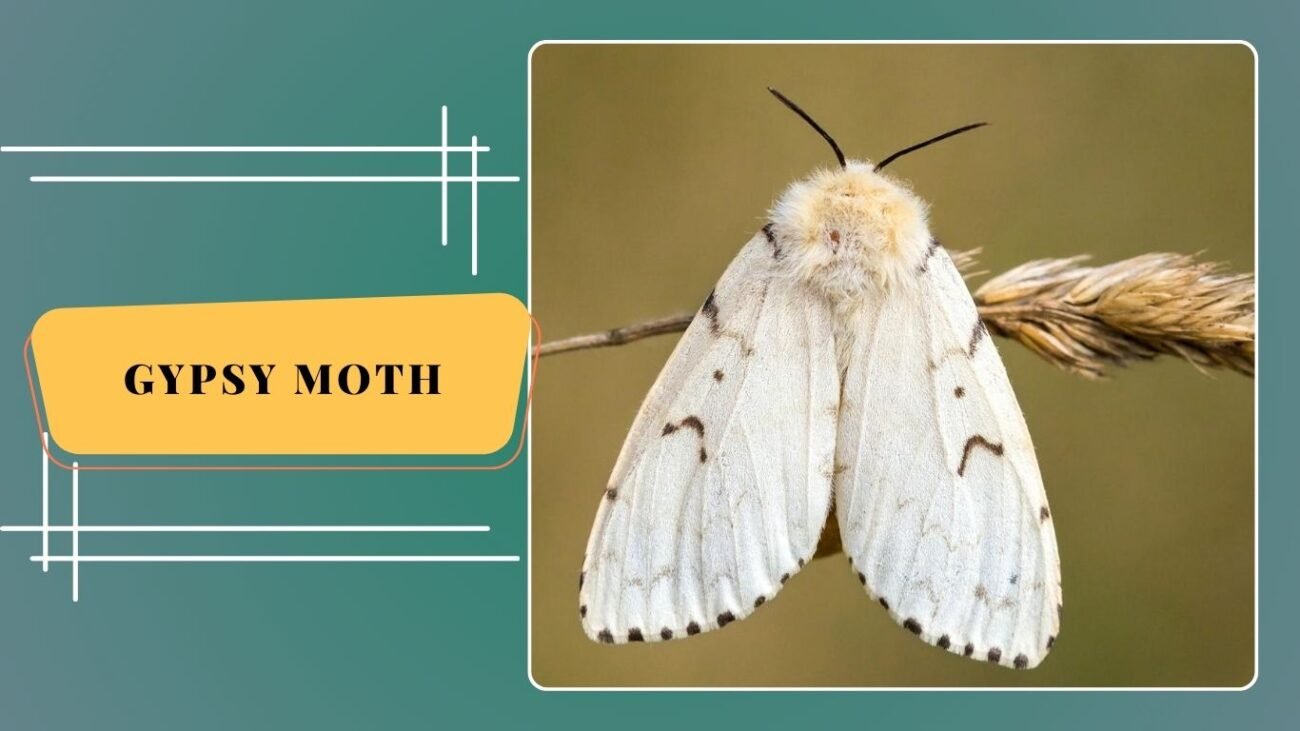
The Gypsy moth is a well-known species, notorious as a serious defoliator of forests. Native to Europe and Asia, it has become an invasive pest in North America, where outbreaks can devastate hardwood trees.
Identification
- Wingspan: Males 1.5 inches (3.5–4 cm), females up to 2.8 inches (7 cm)
- Males: brown with mottled, narrow wings and feathery antennae
- Females: larger, creamy white with faint darker markings; in Europe, they can fly, but North American females are flightless
- Caterpillars: hairy, gray-brown with pairs of blue and red spots along the back
Habitat
Gypsy moths inhabit woodlands, forests, and suburban areas where hardwood trees are common. They are especially associated with oak but feed on many tree species.
Behavior
Adults are nocturnal, with males actively seeking females by following pheromone trails. Caterpillars are voracious feeders and can defoliate entire trees during outbreaks. Their hairs can sometimes cause skin irritation in humans.
Diet
Adults do not feed. Caterpillars consume the leaves of over 500 plant species, but they prefer oak, birch, willow, and aspen. In outbreak years, they can cause severe defoliation, weakening or killing trees.
Lifecycle
The lifecycle includes egg, larva, pupa, and adult. Females lay large egg masses covered with hair on tree trunks, rocks, or man-made structures. Eggs overwinter and hatch in spring. Caterpillars feed through late spring and summer, then pupate in sheltered locations. Adults emerge in mid- to late summer. There is one generation per year.
22. Winter Moth (Operophtera brumata)
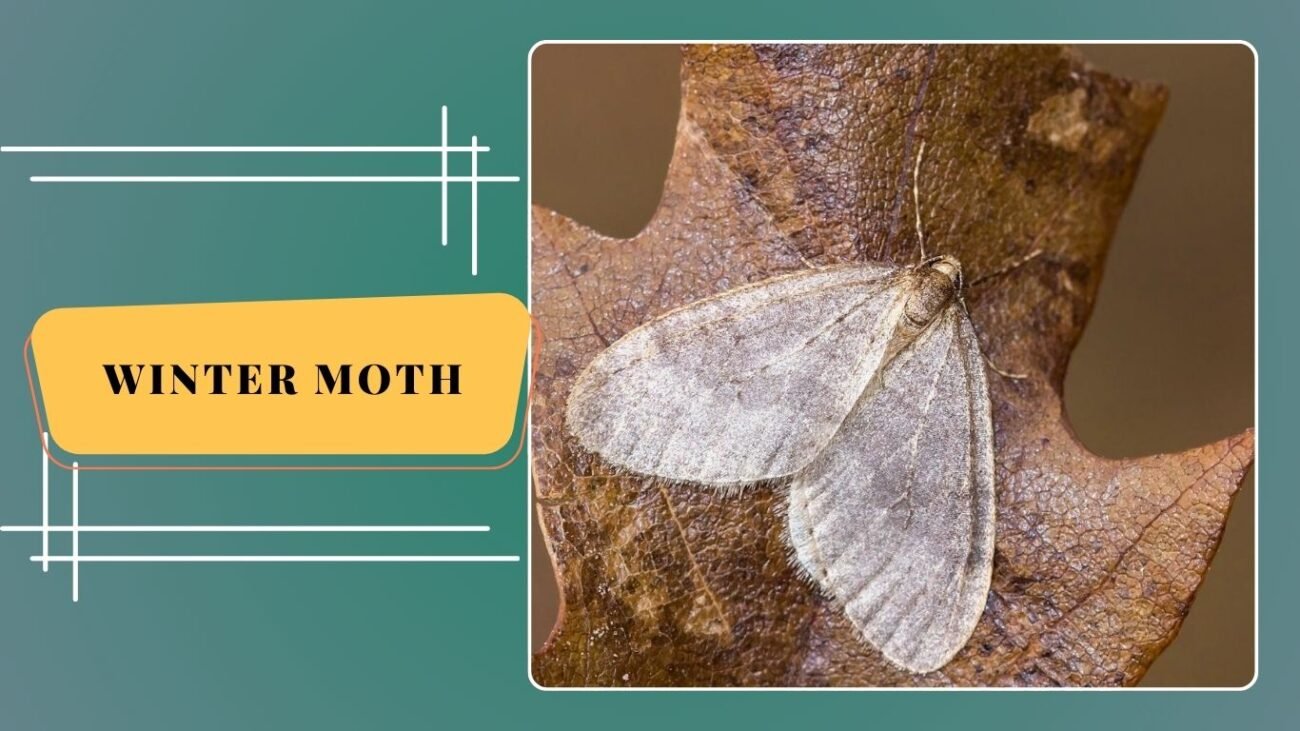
The Winter moth is a unique species notable for its unusual flight season—adults emerge and are active in late autumn and winter, a rarity among moths. It is also recognized as a significant pest of fruit trees and hardwoods in some regions.
Identification
- Wingspan: Males 1.2–1.4 inches (3–3.5 cm); females much smaller and wingless
- Males: light brown to gray with cross-lined forewings
- Females: flightless, grayish-brown with reduced wings, resembling small beetles
- Caterpillars: green with pale stripes, resembling inchworms (loopers)
Habitat
Winter moths are widespread across Europe and have been introduced into North America, particularly in the northeastern United States and Canada. They inhabit woodlands, orchards, gardens, and hedgerows where host trees are abundant.
Behavior
Adults emerge in late autumn to early winter, often flying during mild evenings. Males seek out wingless females, which crawl up tree trunks to lay eggs. Caterpillars hatch in spring, coinciding with budburst, and feed on young leaves.
Diet
Adults do not feed. Caterpillars feed on the leaves and buds of many deciduous trees and shrubs, including oak, maple, apple, cherry, and blueberry. Heavy infestations can damage crops and ornamental trees.
Lifecycle
The lifecycle includes egg, larva, pupa, and adult. Eggs overwinter on tree bark and hatch in early spring. Caterpillars feed for several weeks before dropping to the soil to pupate. Adults emerge in late autumn or early winter, completing the cycle. There is one generation per year.
23. Brown-tail Moth (Euproctis chrysorrhoea)
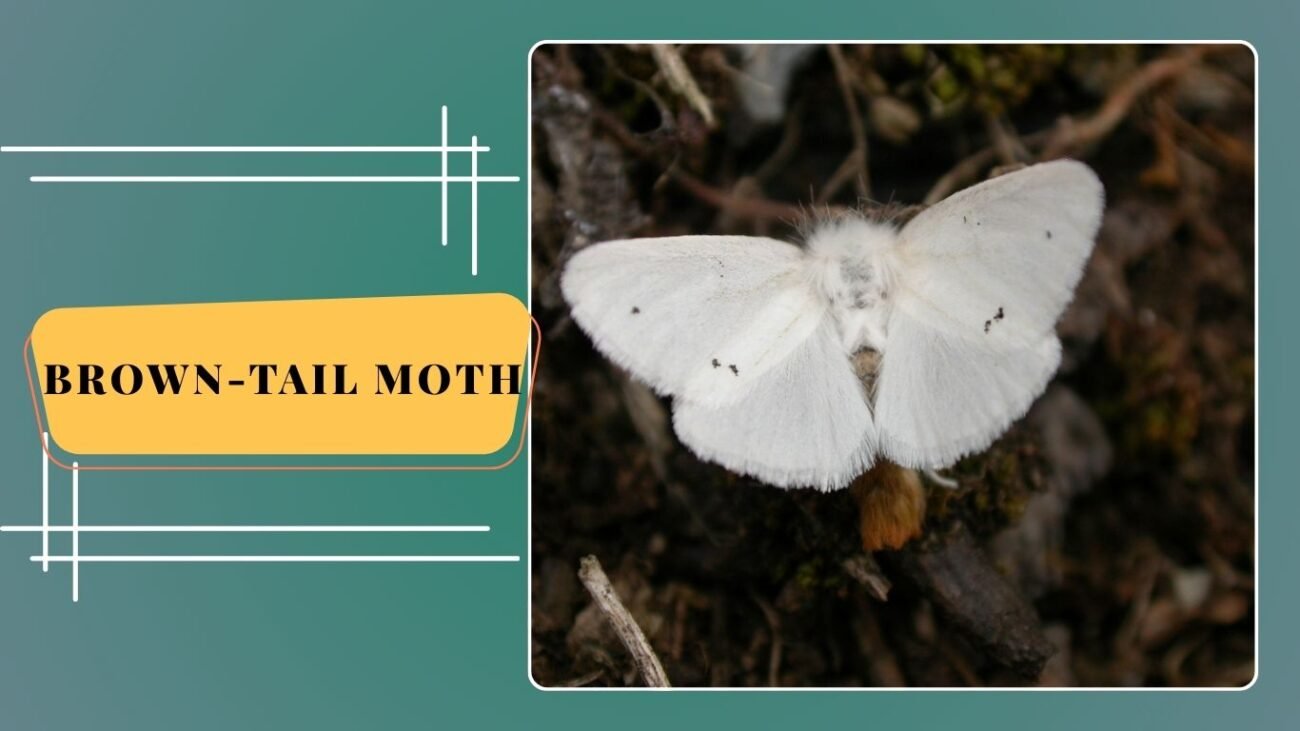
The Brown-tail moth is a species native to Europe and Asia but has become an invasive pest in North America. It is notorious not only for defoliating trees but also for the health hazards caused by the toxic hairs of its caterpillars.
Identification
- Wingspan: 1.4–1.8 inches (3.5–4.5 cm)
- Adults: pure white wings and body with a distinctive tuft of brown hairs at the tip of the abdomen
- Caterpillars: dark brown with two distinct orange-red spots on the back near the tail, covered in irritating hairs
Habitat
Brown-tail moths thrive in coastal areas, woodlands, hedgerows, orchards, and gardens. They are especially abundant in areas with oak, apple, and other fruit trees. In North America, they are primarily found in New England.
Behavior
Adults are nocturnal and attracted to lights. Caterpillars are gregarious, feeding in communal webs during early stages. Their hairs contain a toxin that can cause skin rashes and respiratory irritation in humans upon contact.
Diet
Adults do not feed. Caterpillars feed on a wide range of deciduous trees and shrubs, including oak, apple, pear, cherry, and hawthorn. Large infestations can defoliate trees, weakening them over successive years.
Lifecycle
The lifecycle includes egg, larva, pupa, and adult. Eggs are laid in clusters on the undersides of leaves, covered with brown hairs from the female’s abdomen. Caterpillars hatch in late summer and form communal webs where they overwinter. They resume feeding in spring, pupate in cocoons, and emerge as adults in early summer. There is one generation per year.
24. Pine Processionary Moth (Thaumetopea pityocampa)
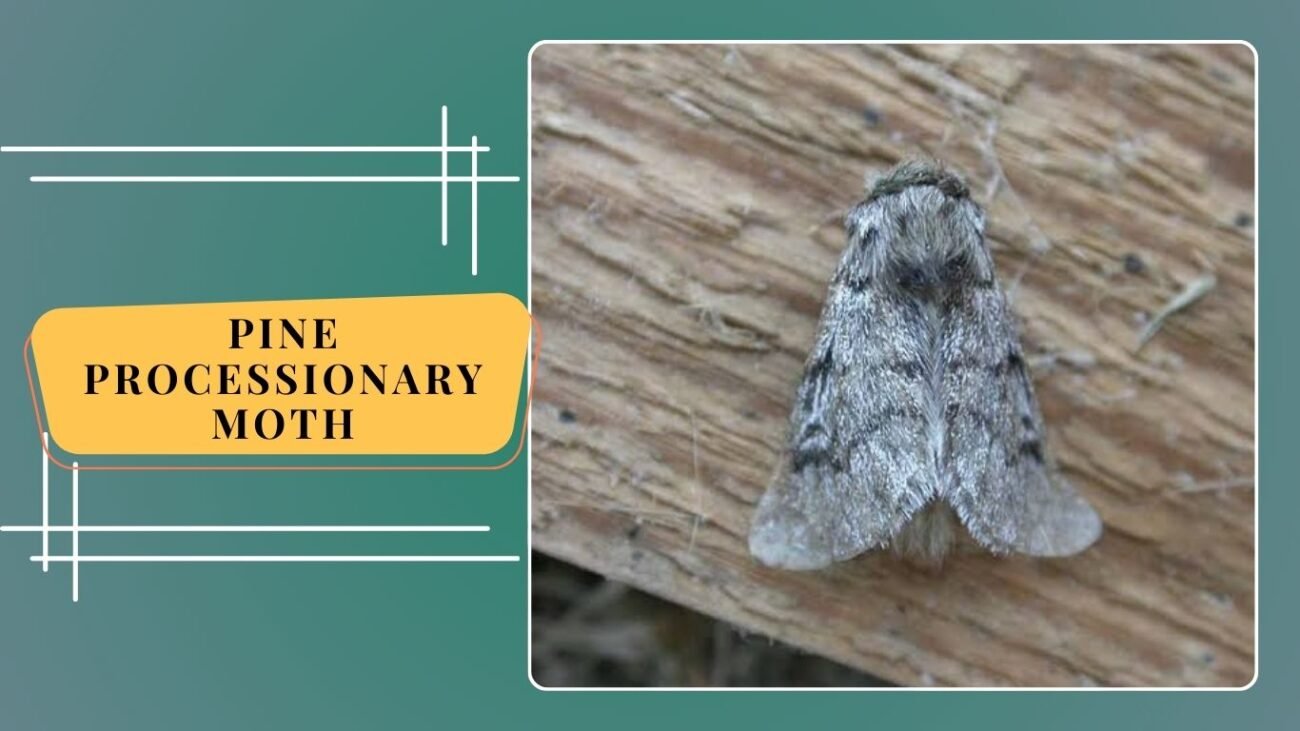
The Pine processionary moth is a well-known species across southern Europe, North Africa, and parts of the Middle East. It is infamous for its caterpillars, which form long head-to-tail processions and possess highly irritating hairs that are dangerous to humans and animals.
Identification
- Wingspan: 1.2–1.6 inches (3–4 cm)
- Forewings: grayish-brown with darker mottling and fine transverse lines
- Hindwings: whitish with a dark margin
- Caterpillars: brown with orange patches and dense urticating (irritating) hairs
Habitat
This species inhabits pine forests and plantations, particularly favoring Mediterranean pine species. It is commonly found in southern Europe but is expanding northward due to climate change.
Behavior
Adults are nocturnal and attracted to lights. Caterpillars are highly social, moving in distinctive head-to-tail processions when seeking new feeding sites or pupation grounds. Their hairs contain toxins that can cause severe skin irritation, eye problems, or allergic reactions in people and animals.
Diet
Adults do not feed. Caterpillars feed on the needles of various pine species, occasionally on cedar. Heavy infestations can defoliate trees, leaving them weakened and more vulnerable to disease.
Lifecycle
The lifecycle includes egg, larva, pupa, and adult. Eggs are laid in cylindrical masses on pine needles. Caterpillars hatch and live communally in silken nests during the winter. In spring, they leave the trees in long processions to pupate in the soil. Adults emerge in summer, and the cycle repeats. There is one generation per year.
25. Clearwing Moth (Synanthedon myopaeformis)
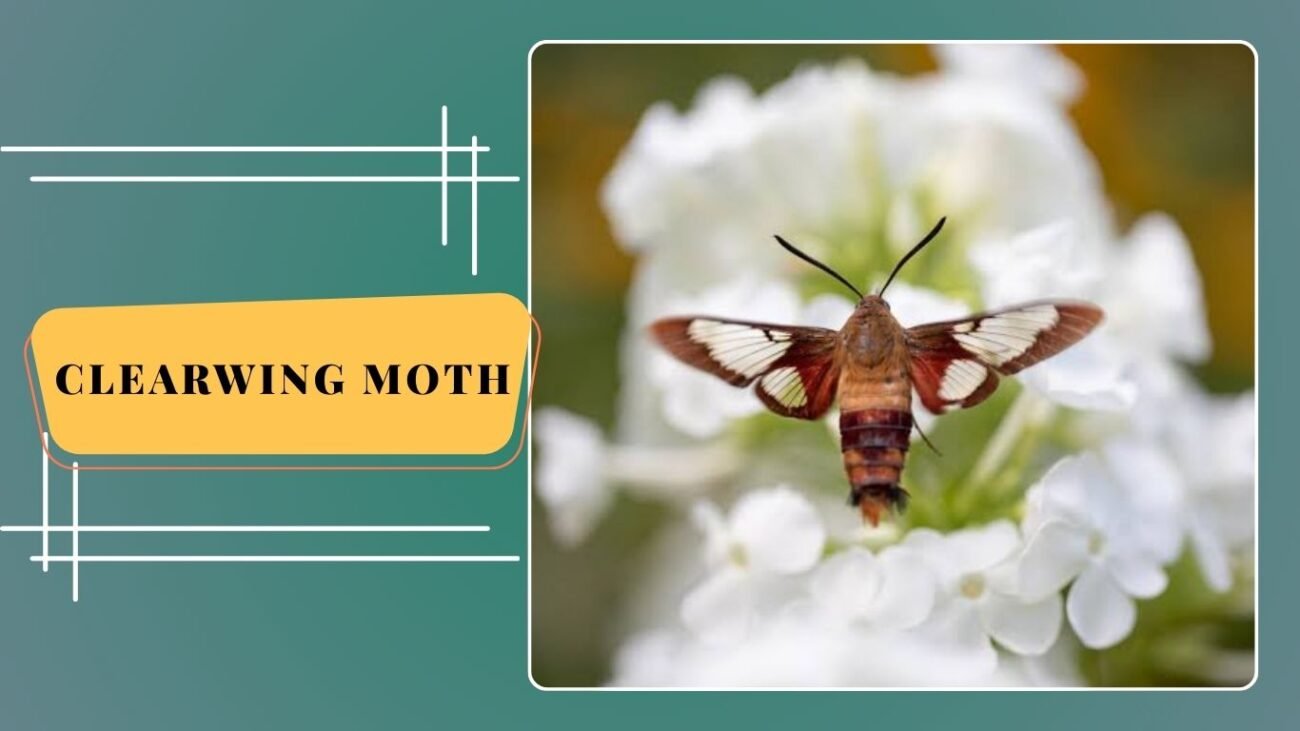
The Clearwing moth is a wasp-mimicking species that belongs to the family Sesiidae. Its transparent wings and banded body give it the appearance of a stinging insect, which helps deter predators. It is often considered a pest in orchards.
Identification
- Wingspan: 0.8–1.2 inches (2–3 cm)
- Forewings and hindwings: mostly transparent with narrow dark borders
- Body: black with yellow bands, closely resembling a wasp
- Antennae: dark and slender
- Caterpillars: white, legged grubs that tunnel into wood
Habitat
Clearwing moths inhabit orchards, gardens, and woodland areas, especially where apple, pear, and related fruit trees grow. They are widespread across Europe and have also been reported in parts of Asia.
Behavior
Adults are diurnal (day-flying) and often seen visiting flowers for nectar, where they mimic wasps in flight and behavior. Females lay eggs on tree bark near cracks and wounds. Caterpillars bore into trunks and branches, weakening trees from within.
Diet
Adults feed on nectar from flowers such as thistles and umbellifers. Caterpillars bore into apple, pear, quince, and hawthorn trees, feeding on the inner bark and wood, which can damage orchards.
Lifecycle
The lifecycle includes egg, larva, pupa, and adult. Eggs are laid in bark crevices. Caterpillars bore into wood, where they feed and develop for up to two years before pupating. Adults emerge in late spring to summer, flying during warm sunny days. There is typically one generation every one or two years, depending on conditions.
26. Six-spot Burnet Moth (Zygaena filipendulae)
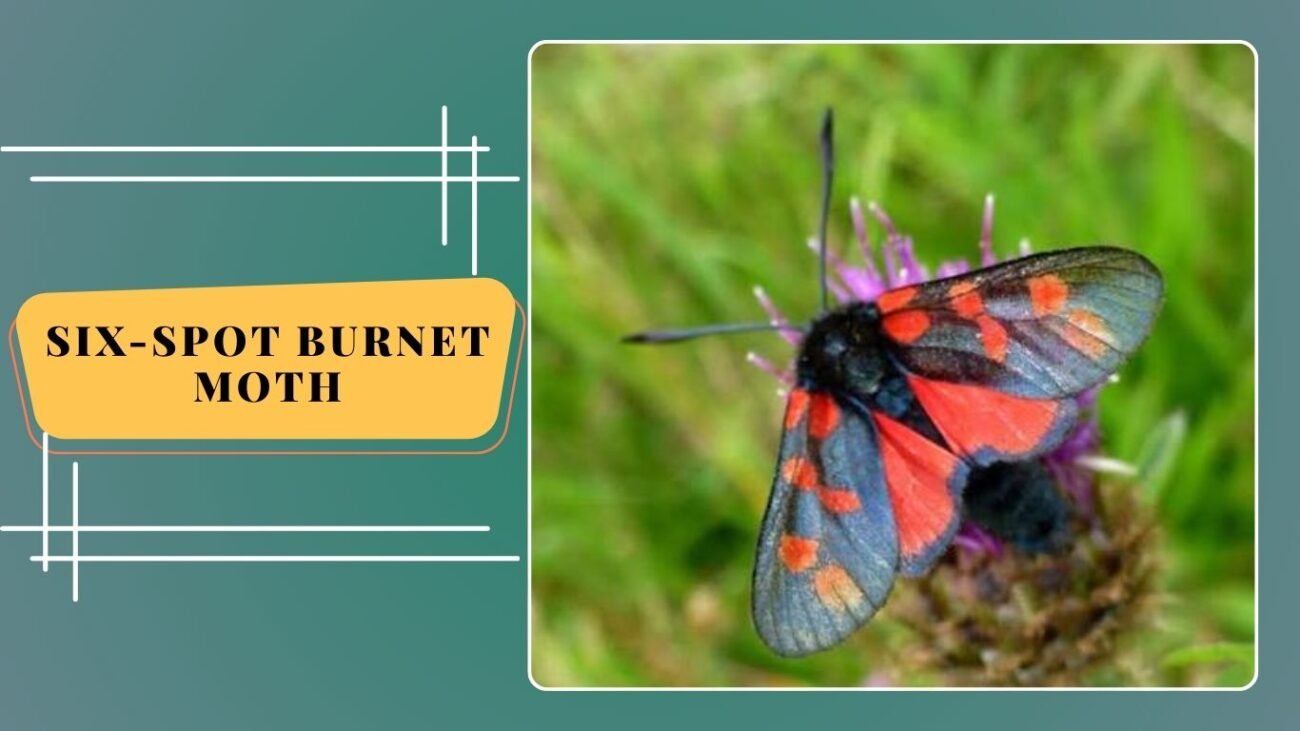
The Six-spot burnet moth is one of the most familiar day-flying moths in Europe, recognized by its glossy black wings decorated with bright red spots. Its striking appearance warns predators of its unpalatability, as it contains toxic cyanide compounds.
Identification
- Wingspan: 1.2–1.6 inches (3–4 cm)
- Forewings: metallic greenish-black with six vivid red spots
- Hindwings: bright red with a black margin
- Body: robust, black with a metallic sheen
- Caterpillars: yellow-green with black spots and fine hairs
Habitat
This moth is widespread in Europe and parts of western Asia. It thrives in meadows, grasslands, coastal dunes, and other open habitats where wildflowers, especially knapweed and bird’s-foot trefoil, are abundant.
Behavior
The Six-spot burnet moth is diurnal and often seen feeding in bright sunshine. Its warning coloration signals to predators that it is poisonous, thanks to cyanogenic compounds acquired from its diet. Adults are slow fliers, often lingering on flowers, while caterpillars feed openly on host plants.
Diet
Adults feed on nectar, particularly from thistles, knapweed, and scabious. Caterpillars feed on bird’s-foot trefoil and other legumes, which provide the chemical compounds that make them toxic.
Lifecycle
The lifecycle includes egg, larva, pupa, and adult. Eggs are laid on host plants, and caterpillars feed through summer before overwintering in cocoons near the base of plants. Pupation occurs in papery cocoons attached to stems. Adults emerge in midsummer, with one generation per year.
27. Scarlet Tiger Moth (Callimorpha dominula)
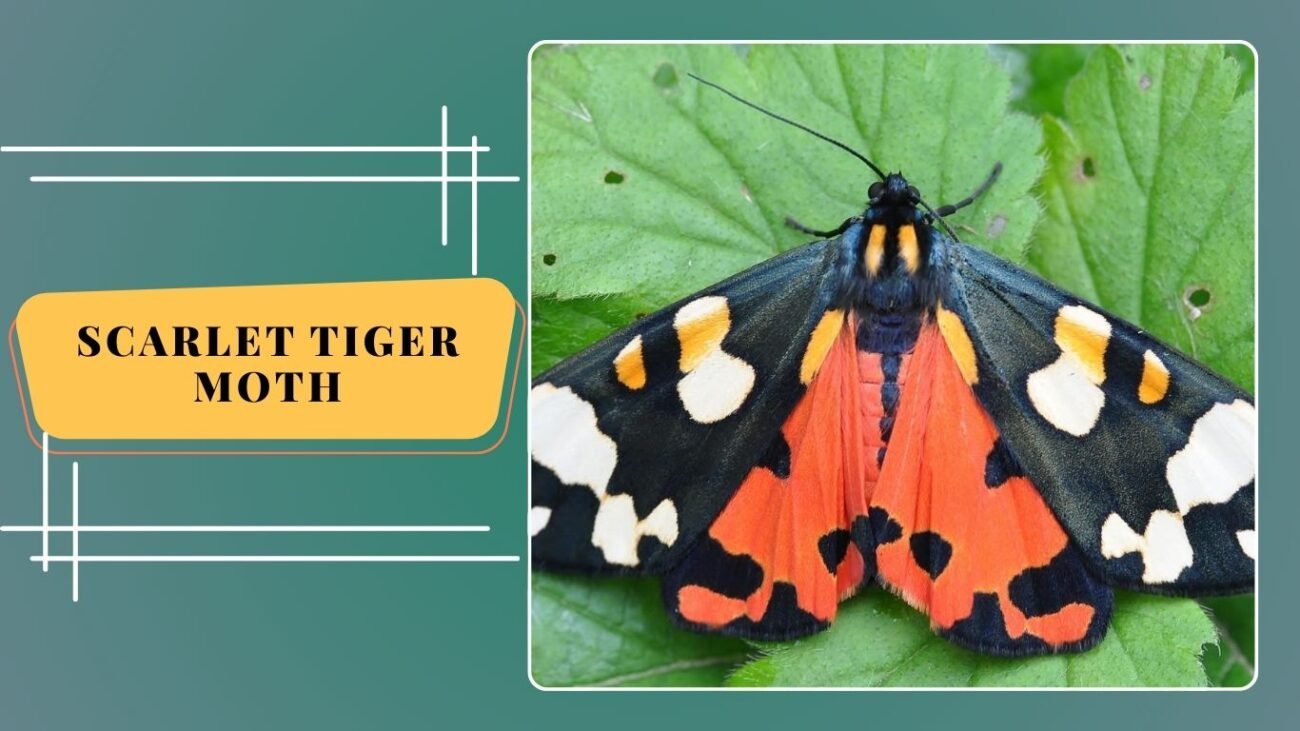
The Scarlet tiger moth is one of the most colorful moths in Europe, known for its striking contrast of metallic forewings and vivid hindwings. Unlike many moths, it often flies by day as well as at dusk.
Identification
- Wingspan: 1.8–2.2 inches (4.5–5.5 cm)
- Forewings: metallic greenish-black with white or yellow spots
- Hindwings: bright scarlet or orange-red with bold black markings
- Body: dark with red or orange coloration near the abdomen
- Caterpillars: black with yellow stripes and tufts of bristles
Habitat
Scarlet tiger moths are found in damp meadows, marshes, riverbanks, and coastal areas across Europe, particularly in the UK, southern Europe, and parts of Asia. They thrive where there is lush vegetation and flowering plants.
Behavior
Adults are unusual in being partly diurnal, often seen flying in sunshine as well as at dusk. Their bold colors serve as a warning to predators of their unpalatability. Caterpillars are active and easy to spot, feeding openly on low-growing plants.
Diet
Adults may sip nectar from flowers but rely mainly on energy stored from their larval stage. Caterpillars feed on a variety of plants including nettles, bramble, comfrey, and honeysuckle.
Lifecycle
The lifecycle includes egg, larva, pupa, and adult. Eggs are laid on host plants, and caterpillars hatch in late summer, feeding before overwintering as small larvae. They resume feeding in spring, pupate in a cocoon, and emerge as adults in early to mid-summer. There is one generation per year.
28. Elephant Hawk-Moth (Deilephila elpenor)
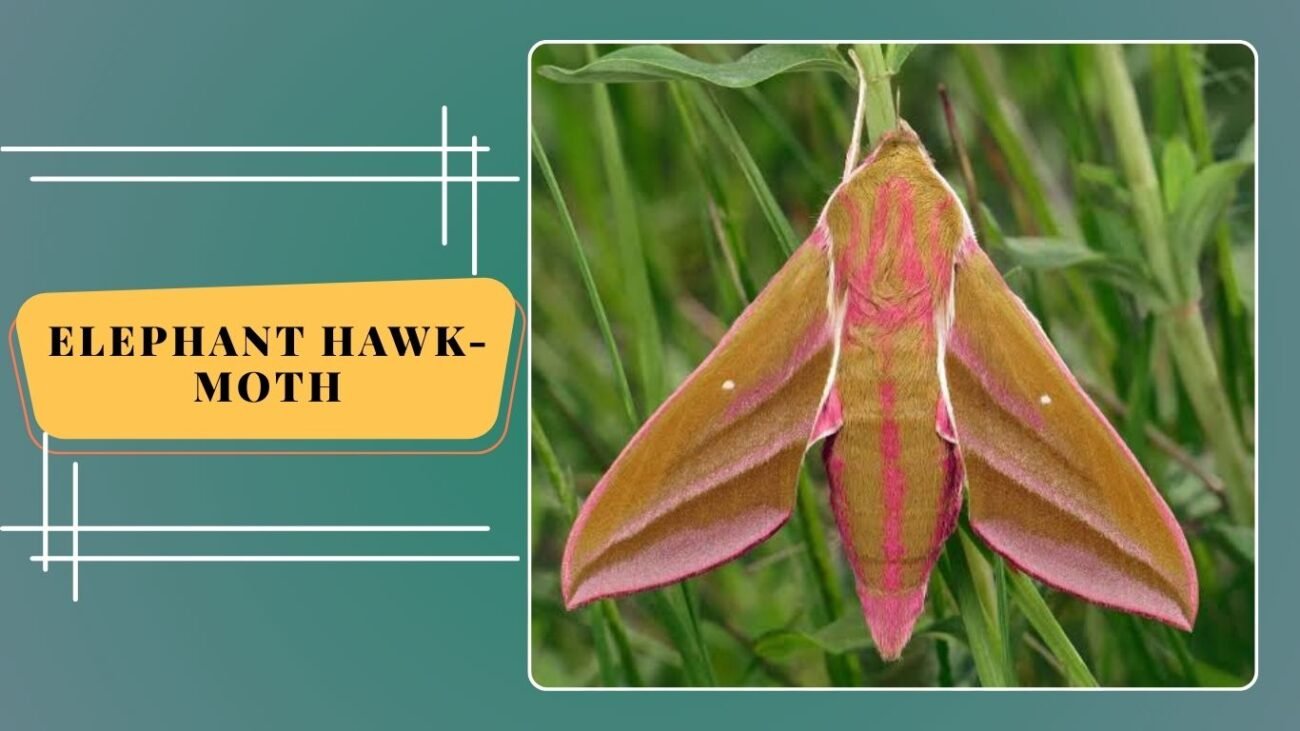
The Elephant hawk-moth is a striking and fairly common moth across Europe and parts of Asia. Its vivid pink and olive-green coloring makes it one of the most beautiful hawk-moths, and its caterpillars are equally distinctive with trunk-like snouts.
Identification
- Wingspan: 2–3 inches (5–7.5 cm)
- Forewings: olive-green with pink streaks along the veins
- Hindwings: bright pink with darker edges
- Body: streamlined, pink and green, adapted for strong flight
- Caterpillars: large, brown or green with a trunk-like extension at the head and two large black eyespots for predator deterrence
Habitat
This moth is widespread in Europe and parts of Asia, living in gardens, grasslands, woodland clearings, and hedgerows. It is especially common in areas with abundant flowering plants and its larval host, willowherb.
Behavior
Adults are nocturnal and strongly attracted to artificial lights. Their flight is swift and powerful, and they often hover like hummingbirds when feeding on nectar. Caterpillars feed openly and use their eyespots and “elephant trunk” posture to scare away predators.
Diet
Adults feed on nectar from honeysuckle, valerian, and petunias, often hovering while feeding. Caterpillars feed primarily on rosebay willowherb and bedstraw, and they may also consume garden fuchsias.
Lifecycle
The lifecycle includes egg, larva, pupa, and adult. Eggs are laid singly on host plants, and caterpillars grow rapidly through summer. Pupation occurs in soil or leaf litter, where they overwinter. Adults emerge the following spring or summer, producing one generation per year.
29. Privet Hawk-Moth (Sphinx ligustri)
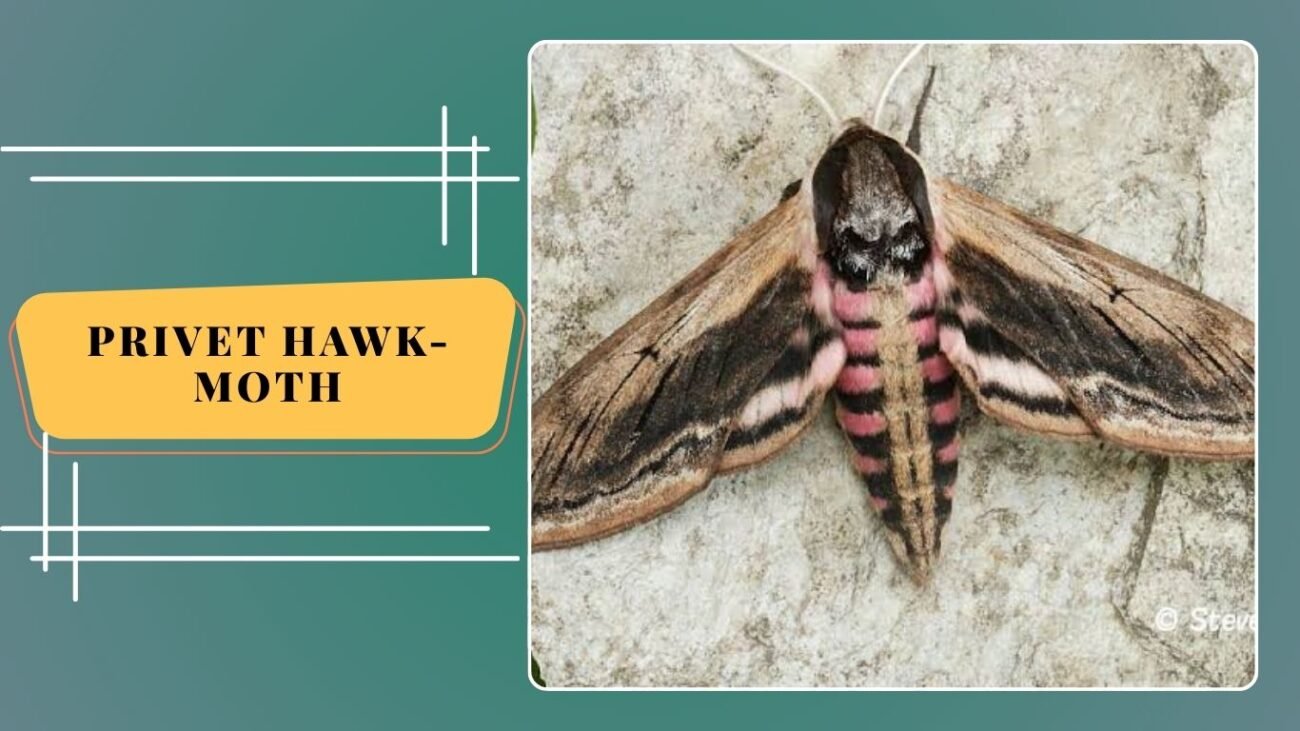
The Privet hawk-moth is the largest hawk-moth found in Europe, notable for its impressive size and striking pink-striped abdomen. Despite its imposing appearance, it is a harmless species often admired by moth enthusiasts.
Identification
- Wingspan: 3.5–5 inches (9–12.5 cm), the largest hawk-moth in Europe
- Forewings: mottled brown, gray, and black, providing excellent camouflage
- Hindwings: pink with black bands
- Body: robust, with vivid pink and black stripes on the abdomen
- Caterpillars: bright green with diagonal white and purple stripes, and a curved black tail horn
Habitat
This species inhabits woodlands, hedgerows, gardens, and riverbanks. It is widespread across Europe and parts of Asia, especially in areas with abundant privet shrubs, lilac, and ash trees.
Behavior
Adults are nocturnal and powerful fliers, often visiting gardens at dusk to feed. They rest during the day on tree trunks or in dense vegetation, where their mottled forewings provide camouflage. Caterpillars are bold in appearance and can reach large sizes, often spotted on garden plants.
Diet
Adults feed on nectar from flowers such as honeysuckle, valerian, and jasmine. Caterpillars feed mainly on privet, lilac, ash, and sometimes lilac bushes and snowberry.
Lifecycle
The lifecycle includes egg, larva, pupa, and adult. Eggs are laid singly on host plants. Caterpillars grow rapidly through summer, reaching up to 3 inches in length, before pupating in soil chambers. Adults emerge the following summer, producing one generation per year.
30. Oleander Hawk-Moth (Daphnis nerii)
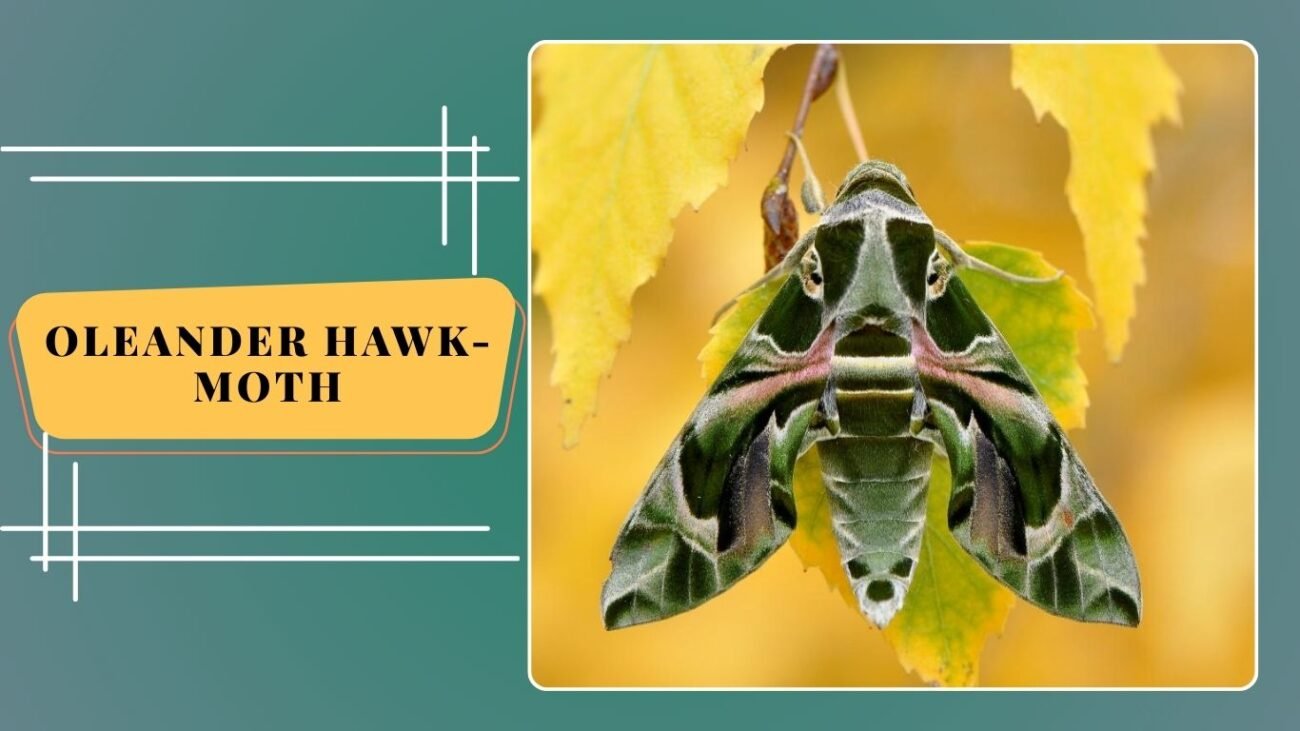
The Oleander hawk-moth, also known as the Army green moth, is a large and spectacular species famous for its camouflage-like green patterns. It is widely distributed in Africa, Asia, and parts of Europe, often admired for its beauty.
Identification
- Wingspan: 3.5–5 inches (9–13 cm)
- Forewings: olive green with pinkish and cream markings forming a camouflage pattern
- Hindwings: pink with dark green or black margins
- Body: robust, patterned in shades of green and cream
- Caterpillars: bright green with diagonal white stripes and large blue or black eyespots near the head
Habitat
This moth inhabits warm regions, including Africa, the Middle East, southern Europe, and Asia. It prefers gardens, farmlands, and natural habitats where oleander and other host plants are found.
Behavior
Adults are nocturnal and powerful fliers, often attracted to light. They are also strong migrants, capable of long-distance travel, occasionally appearing in temperate regions of Europe during summer. Caterpillars are bold in appearance and feed openly on host plants.
Diet
Adults feed on nectar from deep-throated flowers, such as petunias, jasmine, and honeysuckle, using their long proboscis. Caterpillars feed primarily on oleander (Nerium oleander), but also on periwinkle (Catharanthus) and other related plants.
Lifecycle
The lifecycle includes egg, larva, pupa, and adult. Eggs are laid on host plant leaves, and caterpillars grow rapidly before pupating in loose soil or leaf litter. Adults emerge in summer and live for several weeks. In warm climates, multiple generations occur annually.


