Stick insects are fascinating masters of disguise, blending seamlessly into their surroundings as twigs, branches, or leaves. Found in diverse habitats across the globe, these insects display incredible adaptations for survival, from camouflage to defensive displays. This guide explores 10 unique types of stick insects, providing details about their identification, habitats, behavior, and lifecycles, showcasing the remarkable diversity within this extraordinary insect order.
1. Indian Stick Insect (Carausius morosus)

The Indian Stick Insect is one of the most common and widely kept stick insects. Known for its slender, twig-like body and calm nature, it is often used in classrooms and by beginner insect keepers due to its hardy nature and ease of care.
Identification
- Slender, elongated body resembling a stick or twig
- Usually light green to brown in color
- Females are larger (about 8–10 cm) while males are smaller
- Lacks wings, giving it a more twig-like appearance
Habitat
This species is native to India but has spread globally through pet trade and educational use. It thrives in warm, humid environments and is often found in areas with plenty of leafy vegetation.
Behavior
Indian Stick Insects are nocturnal, feeding mostly at night. They are masters of camouflage, remaining motionless for long periods to resemble twigs. When threatened, they may sway gently to mimic a branch moving in the wind.
Lifecycle
They reproduce primarily through parthenogenesis (females lay viable eggs without males). Eggs resemble plant seeds and take several months to hatch. The nymphs resemble miniature adults and go through several molts before reaching maturity.
2. Giant Prickly Stick Insect (Extatosoma tiaratum)

Also known as the Macleay’s Spectre or Spiny Leaf Insect, the Giant Prickly Stick Insect is a large and striking species. Famous for its thorny appearance and leaf-like camouflage, it is a favorite among insect enthusiasts and pet keepers.
Identification
- Large, robust body with thorn-like projections
- Females can reach up to 20 cm, males are smaller and more slender
- Females are winged but flightless; males have long wings and can fly
- Color varies from brown to green, sometimes with mottled patterns resembling leaves
Habitat
Native to Australia, particularly Queensland and New South Wales, this insect inhabits eucalyptus forests and other leafy environments. It thrives in warm, humid conditions.
Behavior
The species is well-known for its defensive behaviors. When threatened, it rears up, displays its spiny body, and waves its legs. Females may also emit a hissing sound by rubbing their wings. They rely heavily on mimicry, resembling dried leaves or thorny twigs.
Lifecycle
They reproduce both sexually and through parthenogenesis. Eggs are dropped to the ground and resemble plant seeds, often dispersed by ants. The nymphs hatch looking like small black ants, which helps them avoid predators, before eventually developing into leaf-like adults after several molts.
3. Jungle Nymph (Heteropteryx dilatata)
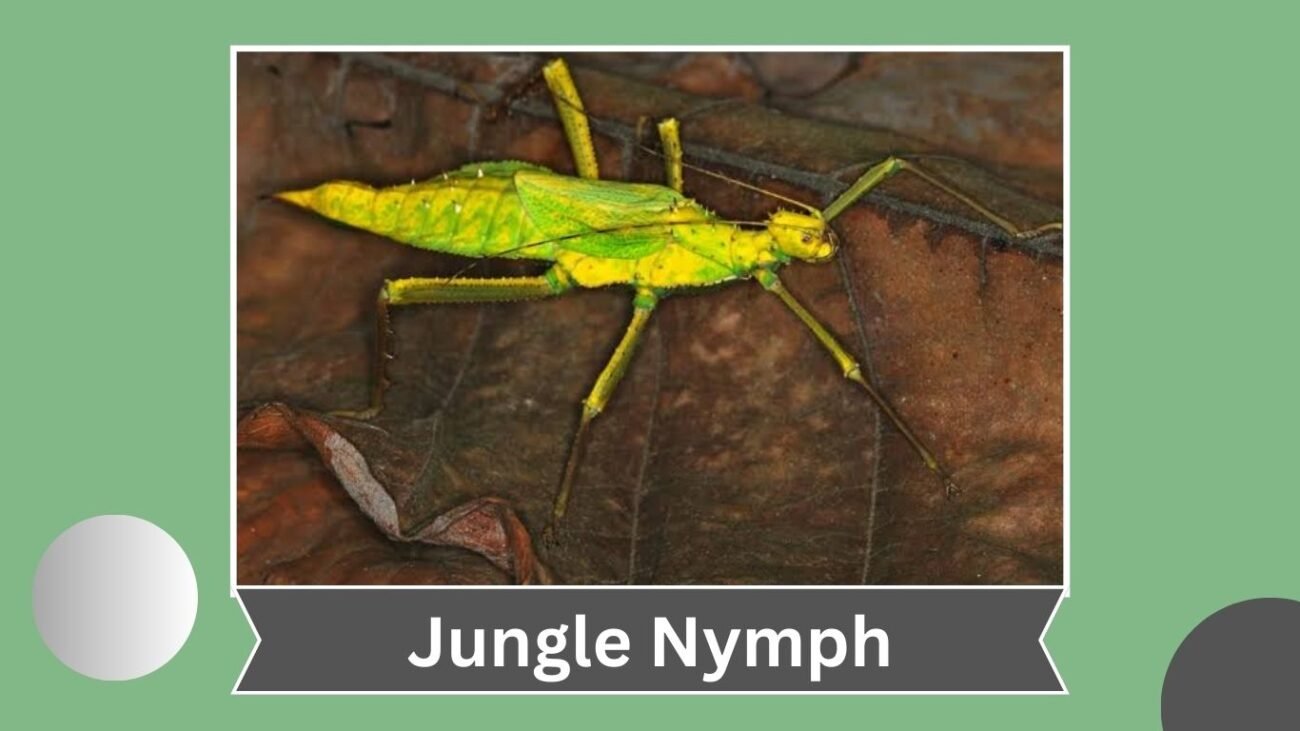
The Jungle Nymph is one of the heaviest and most spectacular stick insects in the world. Its bright green coloration and bulky body make it a standout species, especially among insect collectors and breeders.
Identification
- Females are very large, reaching up to 15 cm in length and extremely heavy-bodied
- Bright green in females, while males are smaller and brownish
- Short, spiny legs for defense
- Females have reduced wings, males have longer functional wings
Habitat
This species is native to the rainforests of Malaysia. It prefers dense tropical environments with plenty of vegetation for food and cover.
Behavior
Jungle Nymphs are mostly nocturnal feeders, consuming leaves from a variety of plants. When threatened, they spread their spiny legs and may pinch, delivering a surprisingly painful grip. Their bright green coloration provides excellent camouflage in the rainforest canopy.
Lifecycle
They reproduce sexually, with females laying large, oval eggs that resemble seeds. The eggs can take up to a year to hatch. Nymphs are smaller, wingless versions of adults and go through several molts before reaching maturity, which can take around 2 years.
4. Pink Winged Stick Insect (Sipyloidea sipylus)

The Pink Winged Stick Insect is one of the most widespread stick insect species in captivity and in the wild. Its delicate wings and slender body give it both elegance and effective camouflage.
Identification
- Long, thin body resembling a dry twig
- Color ranges from light brown to green
- Adults have pinkish or reddish hind wings (used for display, not sustained flight)
- Females are generally larger than males
Habitat
This species is native to Southeast Asia but has spread to many tropical and subtropical regions worldwide. It thrives in warm climates with abundant leafy vegetation.
Behavior
Pink Winged Stick Insects are primarily nocturnal and rely heavily on camouflage. When disturbed, they may flash their pink wings as a defensive display to startle predators, then quickly drop to the ground and remain motionless.
Lifecycle
They can reproduce both sexually and by parthenogenesis. Eggs resemble tiny plant seeds and hatch after several months. Nymphs are twig-like from birth and pass through multiple molts before reaching adult form.
5. New Guinea Stick Insect (Eurycantha calcarata)
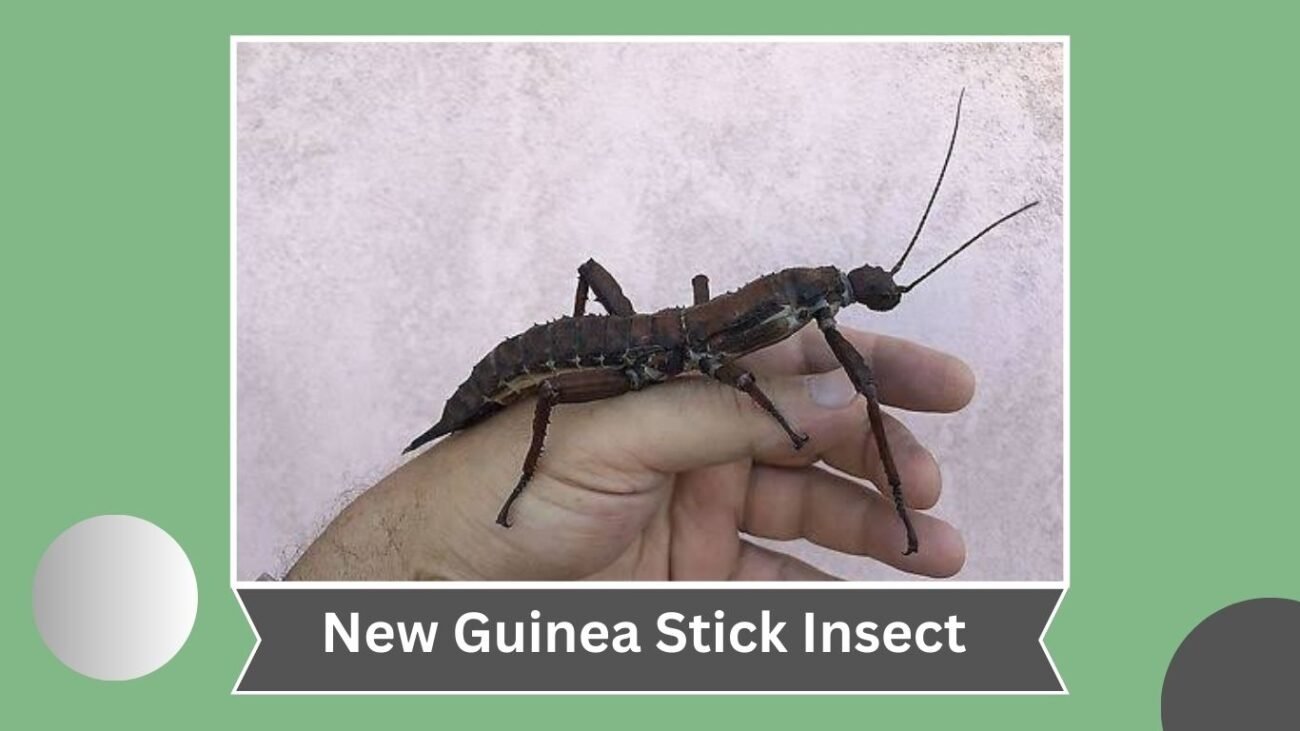
The New Guinea Stick Insect, also known as the Giant Spiny Stick Insect, is a robust and heavily armored species. It is well-known for its defensive behavior and strong body structure, making it stand out among other stick insects.
Identification
- Stout, spiny body covered with rough projections
- Dark brown to black coloration, giving a bark-like appearance
- Males have large spines on their hind legs used for defense
- Females are larger and heavier, often reaching up to 15 cm in length
Habitat
This species is native to Papua New Guinea and nearby islands. It inhabits tropical rainforests, staying close to the forest floor among logs, leaf litter, and low vegetation.
Behavior
New Guinea Stick Insects are mostly nocturnal. They use their strong spiny legs to defend themselves when threatened, often delivering a painful pinch. During the day, they remain motionless, blending into their surroundings.
Lifecycle
They reproduce sexually, with females laying eggs that resemble seeds. The eggs are deposited in soil or leaf litter and can take up to a year to hatch. Nymphs grow slowly, passing through several molts before reaching adulthood.
6. Peruvian Fire Stick (Peruphasma schultei)

The Peruvian Fire Stick is a rare and visually striking species of stick insect. Its dark body contrasted with vivid red wings and yellow eyes makes it one of the most colorful stick insects in the world.
Identification
- Slender, black body with a velvety appearance
- Bright red hind wings, usually hidden when at rest
- Yellow-orange eyes, providing a dramatic contrast
- Adults grow up to 7–9 cm in length
Habitat
This species is native to northern Peru, where it inhabits dry forests and shrublands. Unlike many stick insects, it prefers drier environments with scattered vegetation.
Behavior
Peruvian Fire Sticks are known for their defensive display. When threatened, they spread their red wings to startle predators. They can also release a foul-smelling chemical as a secondary defense. Despite their bold appearance, they are generally calm and rely on camouflage when not disturbed.
Lifecycle
They reproduce sexually, with females laying eggs that are dropped onto the ground. The eggs take several months to hatch. Nymphs emerge smaller and wingless but already resemble adults, gradually developing their wings and full coloration after successive molts.
7. Annam Walking Stick (Medauroidea extradentata)
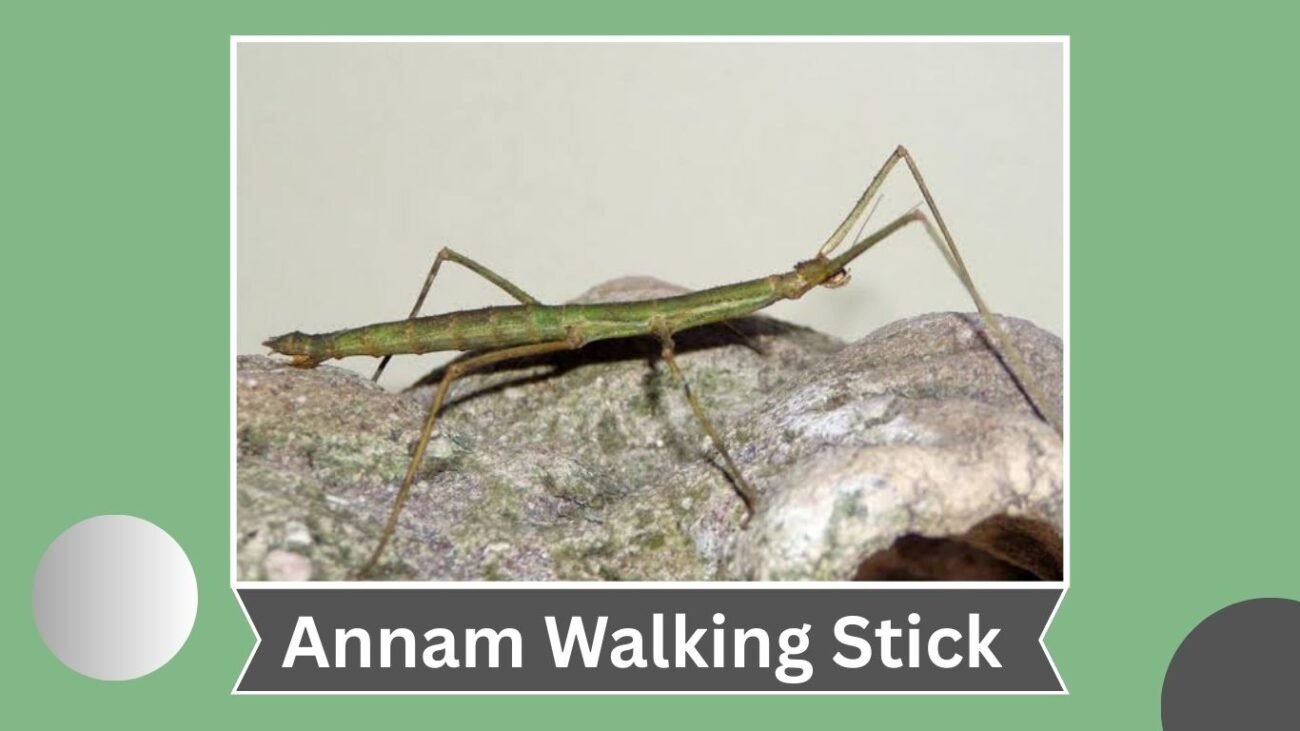
The Annam Walking Stick, also called the Vietnamese Walking Stick, is one of the most common stick insects kept in captivity. It is hardy, fast-growing, and capable of reproducing in large numbers, making it a popular choice for beginners.
Identification
- Slender, twig-like body, typically light brown or green
- Adults reach around 8–10 cm in length
- Wingless species, enhancing their twig mimicry
- Females are larger and bulkier, males are smaller and rarer
Habitat
Native to Vietnam, this species thrives in subtropical and tropical environments. In captivity, it adapts easily to a wide range of conditions and can feed on various leafy plants, such as bramble and ivy.
Behavior
The Annam Walking Stick is docile and highly adapted for camouflage, spending most of its time motionless. It is nocturnal, feeding on leaves during the night and remaining still throughout the day.
Lifecycle
This species reproduces mainly through parthenogenesis, with females producing large numbers of eggs without mating. Eggs resemble small seeds and hatch after a few months. The nymphs resemble miniature adults and undergo multiple molts before reaching maturity.
8. Thorny Stick Insect (Aretaon asperrimus)
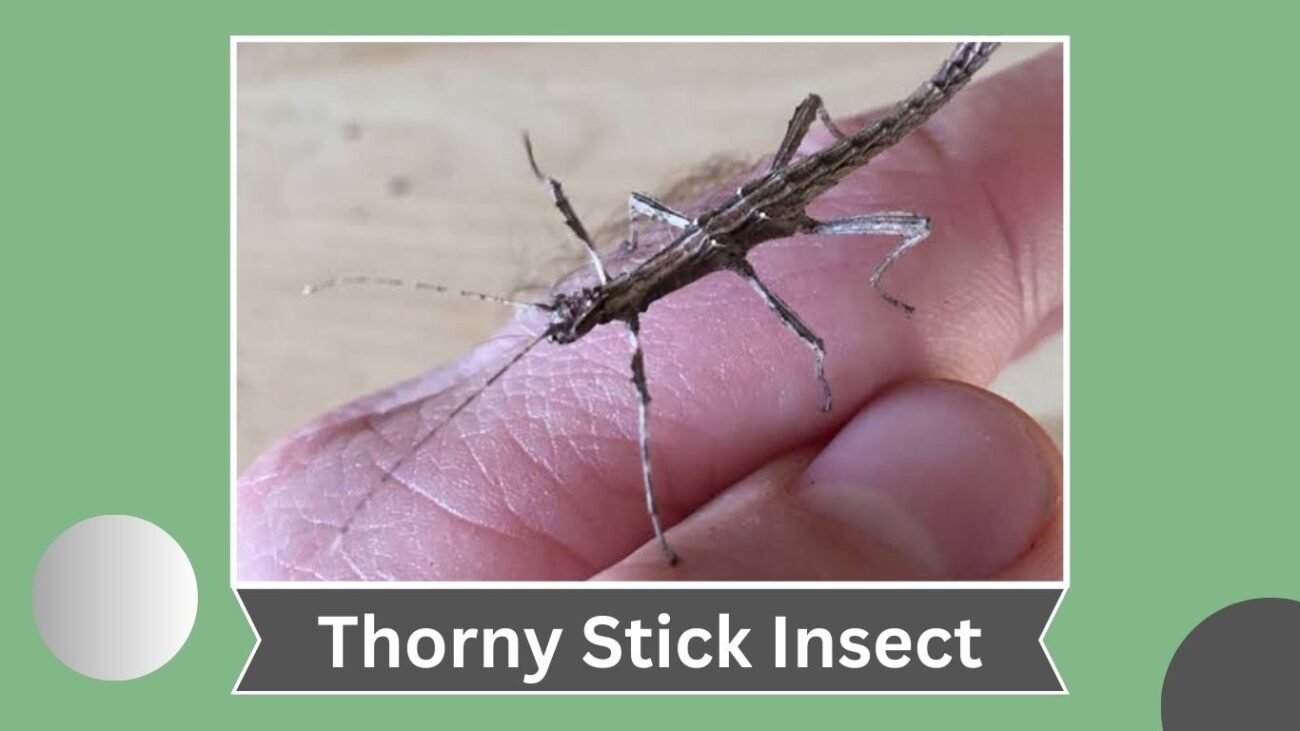
The Thorny Stick Insect is a rugged-looking species covered with sharp spines. Its rough, armored appearance provides excellent protection and makes it one of the more distinctive stick insects.
Identification
- Stout, heavily spined body
- Brown to dark brown coloration with irregular markings
- Adults typically reach 10–12 cm in length
- Both sexes are wingless, enhancing their twig- or bark-like camouflage
Habitat
This species is native to Borneo and other regions of Southeast Asia. It lives in humid tropical forests, where it hides among branches, bark, and low vegetation.
Behavior
Thorny Stick Insects are nocturnal and feed mainly at night. When threatened, they adopt a defensive posture, using their spiny legs to pinch predators. Their rough body texture and dark colors provide effective camouflage in dense forest habitats.
Lifecycle
Reproduction occurs both sexually and through parthenogenesis. Females lay eggs resembling plant seeds, which they often drop to the forest floor. The eggs hatch after several months, and the nymphs pass through multiple molts before maturing into adults.
9. Lord Howe Island Stick Insect (Dryococelus australis)
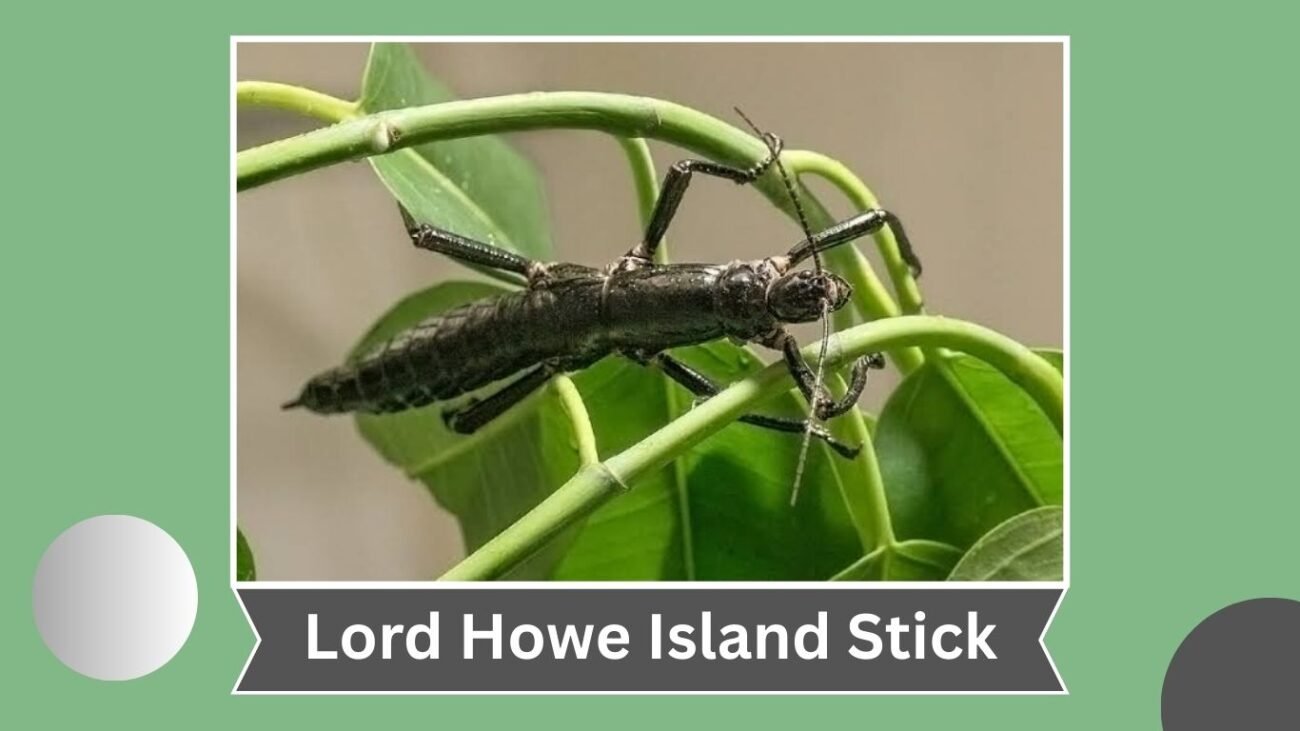
Often called the “tree lobster,” the Lord Howe Island Stick Insect is one of the rarest insects in the world. Once believed extinct, it was rediscovered on a small volcanic island, making it a symbol of successful species conservation.
Identification
- Large, robust body reaching up to 15 cm in length
- Glossy black or dark brown coloration with a smooth surface
- Thick legs adapted for climbing
- Wingless species, with both sexes similar in appearance
Habitat
Originally native to Lord Howe Island (Australia), the species went extinct there due to introduced predators. It was rediscovered in 2001 on Ball’s Pyramid, a small rocky outcrop near the island. Today, it survives through captive breeding programs and reintroduction efforts.
Behavior
The Lord Howe Island Stick Insect is nocturnal, hiding in crevices during the day and emerging at night to feed on shrubs and leaves. Despite its intimidating size, it is gentle and slow-moving.
Lifecycle
Reproduction is sexual, with females laying relatively large eggs in soil or crevices. Eggs take several months to hatch, and nymphs resemble smaller versions of the adults. The full life cycle can span up to two years, with slow growth and multiple molts before maturity.
10. Red-winged Stick Insect (Phasma gigas)
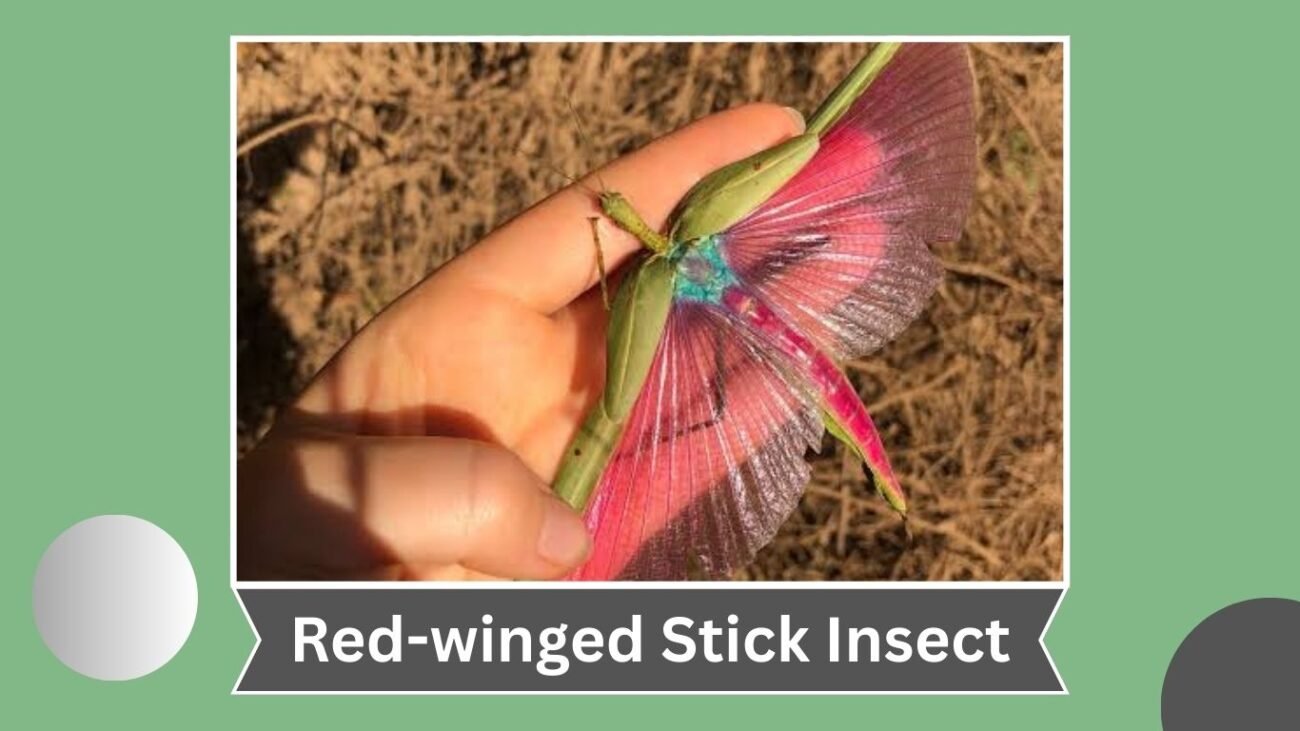
The Red-winged Stick Insect is a striking giant species, well known for its impressive size and vivid wing coloration. It is one of the largest phasmids in the world and is prized for its dramatic defensive displays.
Identification
- Extremely large, reaching up to 30 cm in length
- Long, slender body resembling a branch or twig
- Hind wings are bright red or crimson, hidden at rest but revealed when threatened
- Males are slimmer and often capable of flight, while females are bulkier and usually flightless
Habitat
Native to New Guinea and surrounding islands, this species inhabits tropical rainforests where dense vegetation provides both food and cover.
Behavior
Primarily nocturnal, the Red-winged Stick Insect feeds on leaves and relies on camouflage during the day. When disturbed, it flashes its red wings to startle predators and may also drop suddenly to the ground to escape.
Lifecycle
They reproduce sexually, with females laying large, seed-like eggs. The eggs are scattered onto the forest floor, where they may take many months to hatch. Nymphs resemble smaller, wingless versions of adults and undergo multiple molts before reaching full size.