Mosquitoes are among the most widespread insects in the world, with different species adapted to diverse environments. While some are merely nuisance biters, others are major vectors of deadly diseases such as malaria, dengue, and West Nile virus. Understanding their identification, habitat, and behavior helps in both public health and pest control. This guide explores 20 notable mosquito species in detail.
1. Aedes aegypti
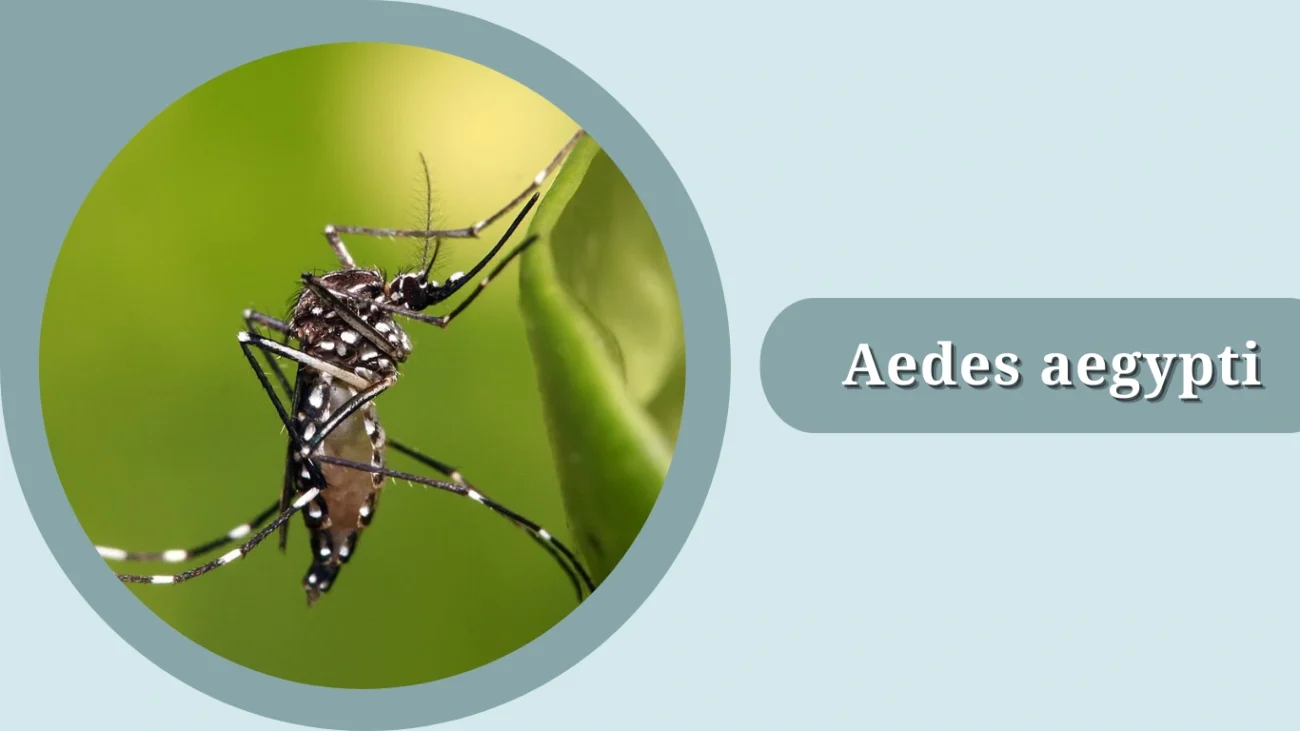
Aedes aegypti, also known as the yellow fever mosquito, is one of the most well-known mosquito species worldwide. It is infamous for spreading several serious diseases, including dengue, Zika, chikungunya, and yellow fever.
Identification
- Small to medium-sized mosquito
- Distinctive white markings on legs
- Lyre-shaped white pattern on the thorax
- Dark-colored body
Habitat
This species thrives in urban environments, often breeding in artificial containers such as buckets, tires, flowerpots, and other water-holding items around human dwellings. It prefers clean, stagnant water for laying eggs.
Behavior
Aedes aegypti is a daytime biter, most active during early morning and late afternoon. It is highly anthropophilic, meaning it prefers feeding on humans over animals. This mosquito often bites multiple times in a single feeding period, increasing its efficiency in transmitting diseases.
2. Aedes albopictus
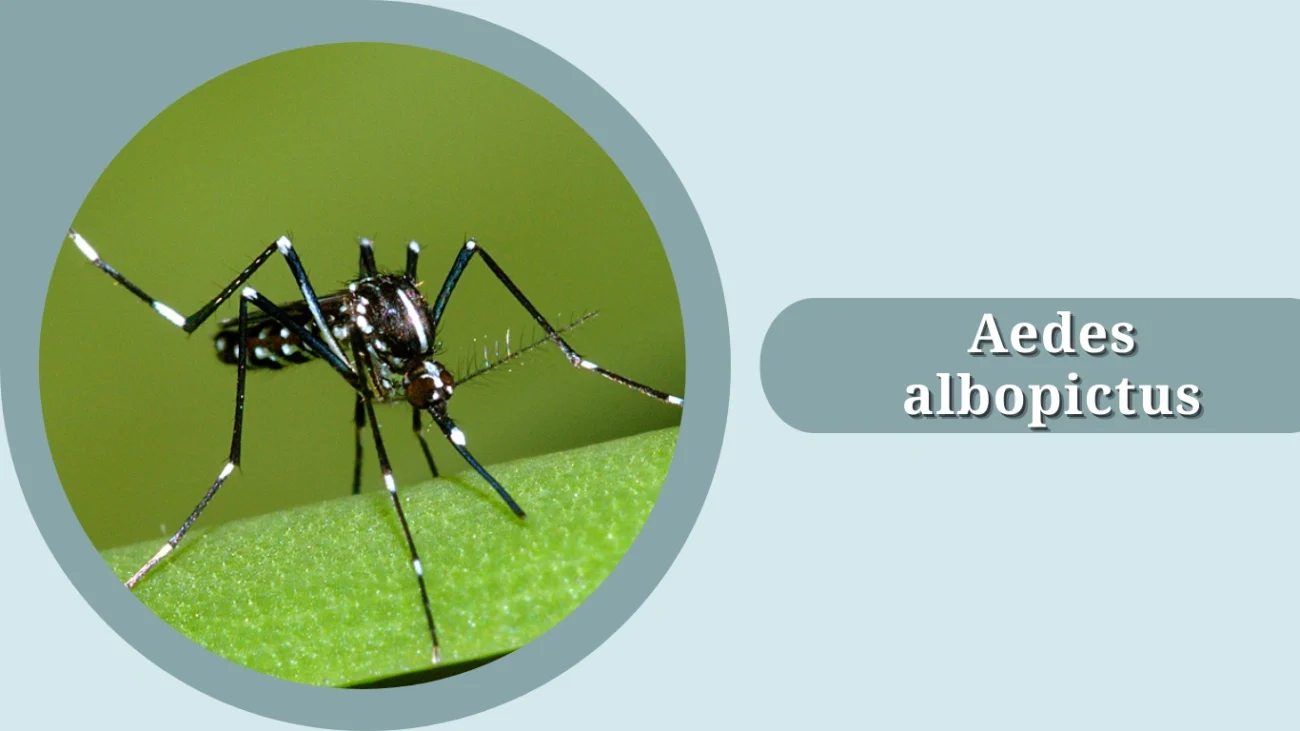
Aedes albopictus, commonly called the Asian tiger mosquito, is a highly invasive species known for its adaptability and aggressive biting behavior. It has spread from Asia to many parts of the world, becoming a significant public health concern.
Identification
- Black body with striking white stripe running down the center of the thorax
- White bands on legs
- Smaller in size compared to Aedes aegypti
- Narrow, pointed abdomen
Habitat
This mosquito is extremely adaptable, thriving in urban, suburban, and rural areas. It breeds in natural and artificial containers such as tree holes, bamboo stumps, discarded tires, and flowerpots. Unlike some species, it tolerates colder climates, aiding its spread worldwide.
Behavior
Aedes albopictus is a daytime feeder, with peak activity during early morning and late afternoon. It is opportunistic, feeding on both humans and animals. Its aggressive biting makes it a serious nuisance. It is also a vector of dengue, chikungunya, and Zika viruses, though less efficient than Aedes aegypti.
3. Aedes vexans
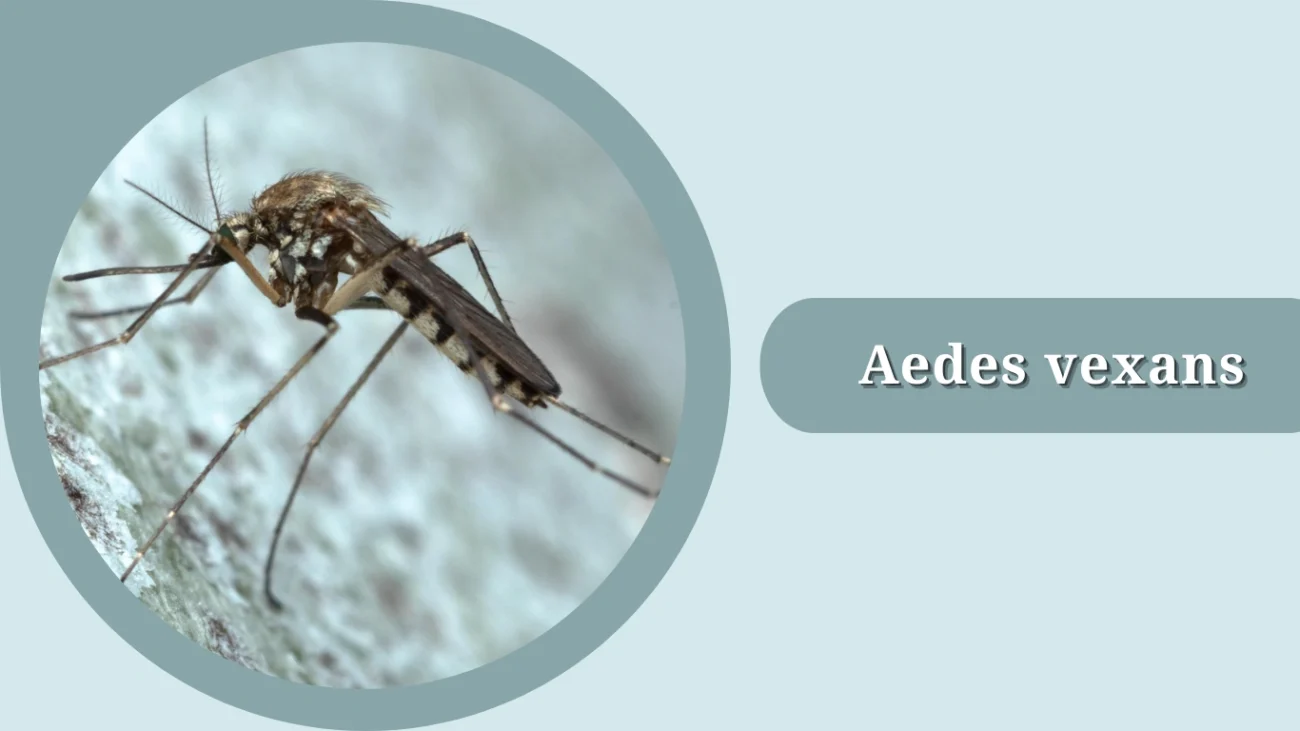
Aedes vexans is a widely distributed mosquito species found in many regions across the world. It is often considered a nuisance mosquito due to its aggressive biting and large population outbreaks after heavy rains.
Identification
- Medium-sized mosquito
- Brownish body with pale bands on the abdomen
- Legs with narrow pale bands
- Scales on wings giving a slightly mottled appearance
Habitat
This species typically breeds in temporary floodwaters such as rain pools, floodplains, and ditches. Eggs can survive dry conditions for months, hatching when water levels rise after rainfall. They are commonly found in both rural and suburban areas.
Behavior
Aedes vexans is a ferocious biter, especially active in the evening and nighttime hours. Females feed on both humans and animals, making them potential vectors for diseases such as West Nile virus, dog heartworm, and other arboviruses. Their rapid population growth after rainfall makes them a serious seasonal pest.
4. Aedes canadensis
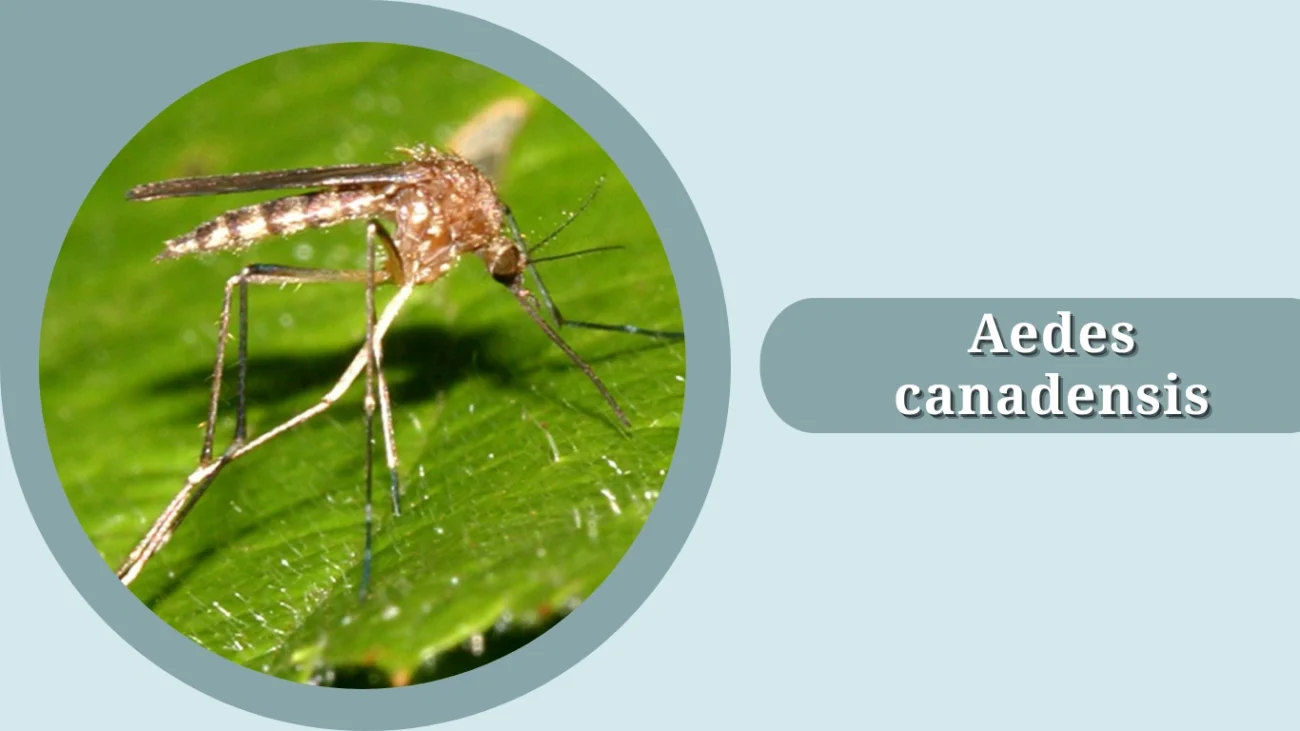
Aedes canadensis is a mosquito species commonly found in North America, especially in wooded regions. Though not the most significant disease vector, it can still transmit certain viruses and parasites.
Identification
- Medium to large-sized mosquito
- Dark body with pale scale patterns
- Legs with faint banding
- Wings often appear slightly darker compared to other Aedes species
Habitat
This species prefers woodland pools, marshes, and shaded areas. It breeds in temporary pools formed by rain or snowmelt, particularly in forested environments. Unlike container-breeding species, Aedes canadensis is strongly tied to natural water sources.
Behavior
Aedes canadensis is primarily a daytime and crepuscular feeder (active at dawn and dusk). It feeds on both humans and animals, with a strong preference for mammals. Though not a major global vector, it has been implicated in transmitting dog heartworm and some arboviruses in localized regions.
5. Aedes sollicitans
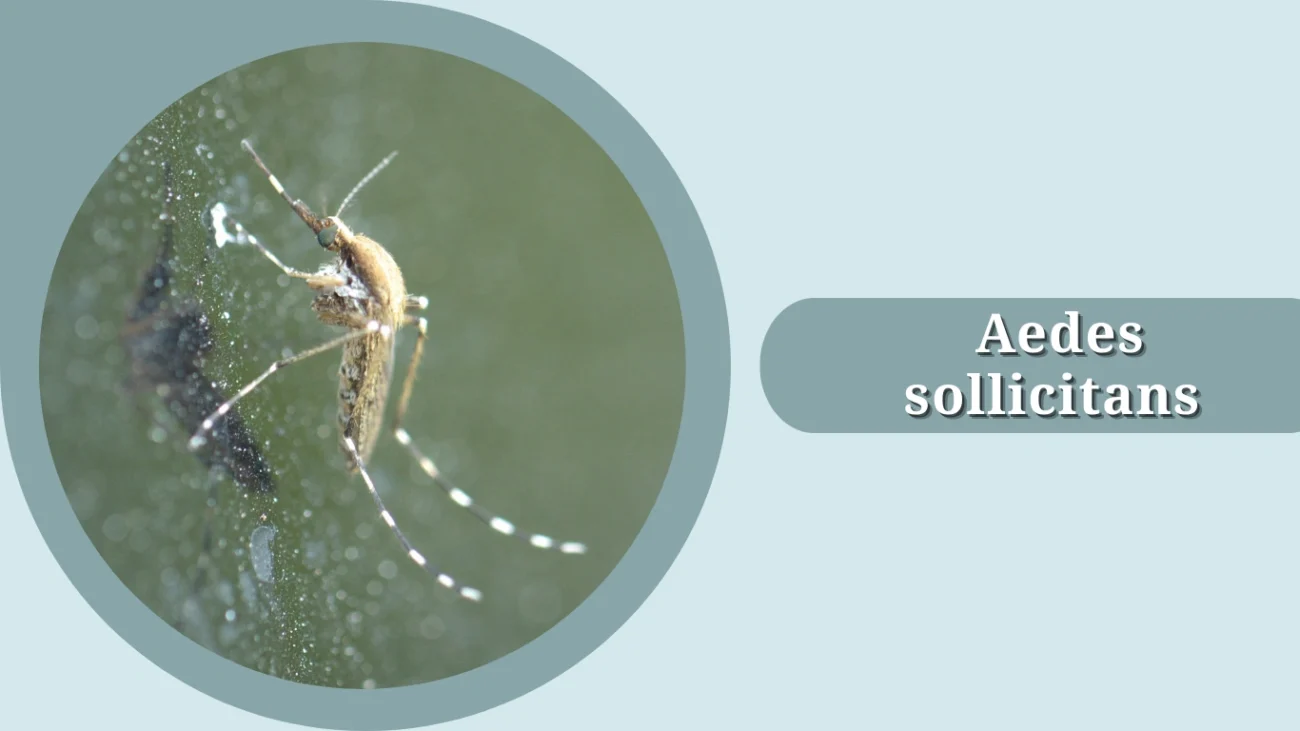
Aedes sollicitans, often called the eastern saltmarsh mosquito, is a species found primarily along coastal regions. It is a major nuisance due to its aggressive biting and ability to travel long distances in search of hosts.
Identification
- Medium to large mosquito
- Brown body with distinct pale bands on abdomen
- Banding present on legs
- Proboscis often shows pale scaling along its length
Habitat
This species breeds in saltmarshes, coastal wetlands, and brackish pools. Eggs are laid on moist soil in areas subject to tidal flooding. When high tides or rains flood the marsh, larvae hatch in large numbers, often leading to sudden population explosions.
Behavior
Aedes sollicitans is a fierce biter, especially active at dusk and nighttime. It feeds readily on both humans and animals, traveling several miles from breeding sites in search of blood meals. It is a known vector of eastern equine encephalitis (EEE) and dog heartworm, making it both a nuisance and a health concern in coastal regions.
6. Culex pipiens
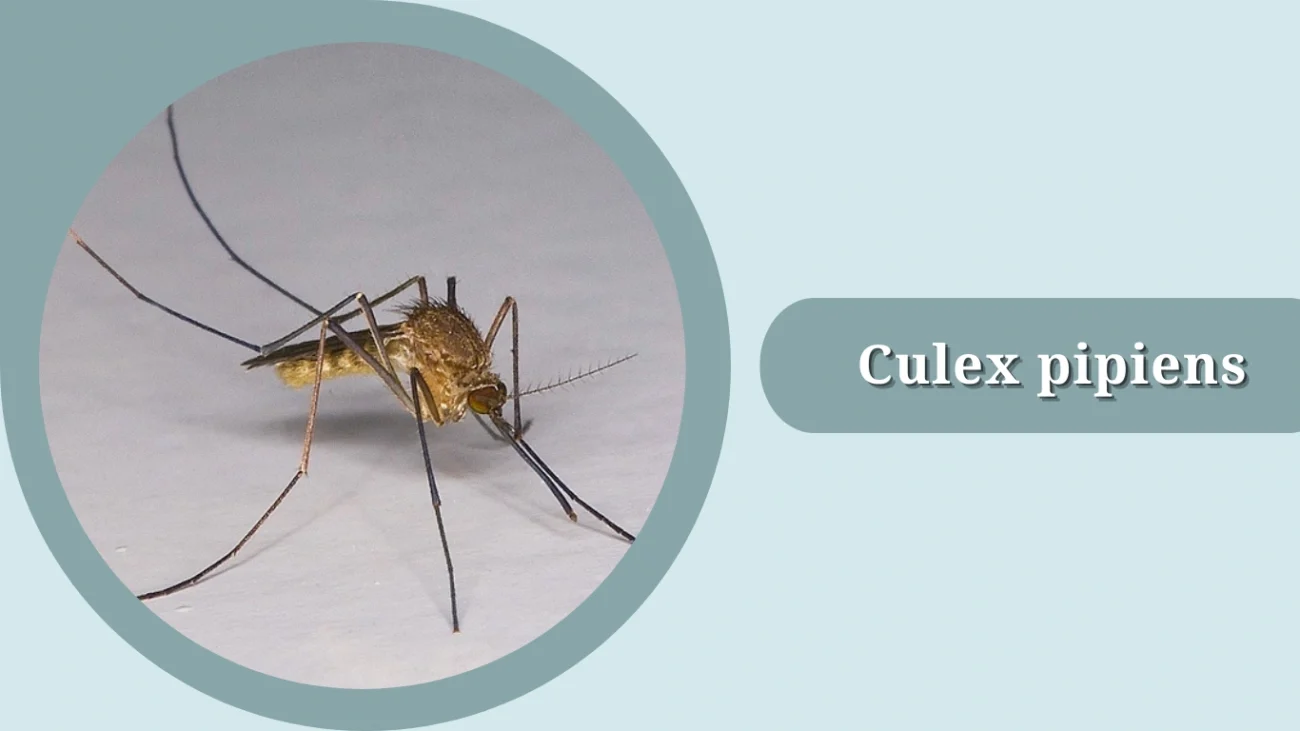
Culex pipiens, commonly known as the common house mosquito, is one of the most widespread mosquito species in the world. It is closely associated with urban and suburban environments and is a primary vector of several diseases.
Identification
- Medium-sized mosquito
- Brownish body with lighter bands on the abdomen
- Legs lack strong contrasting markings
- Wings covered with fine scales
Habitat
Culex pipiens thrives in stagnant, polluted, or organically rich water sources. Typical breeding grounds include storm drains, sewage ditches, septic tanks, birdbaths, and water containers left outdoors. Its ability to exploit man-made environments makes it especially common in cities.
Behavior
This species is nocturnal, with peak biting activity during the evening and nighttime. Unlike many Aedes species, Culex pipiens prefers feeding on birds, but it also bites humans and mammals when available. It is a major vector of West Nile virus, St. Louis encephalitis, and avian malaria, posing risks to both human and wildlife health.
7. Culex quinquefasciatus
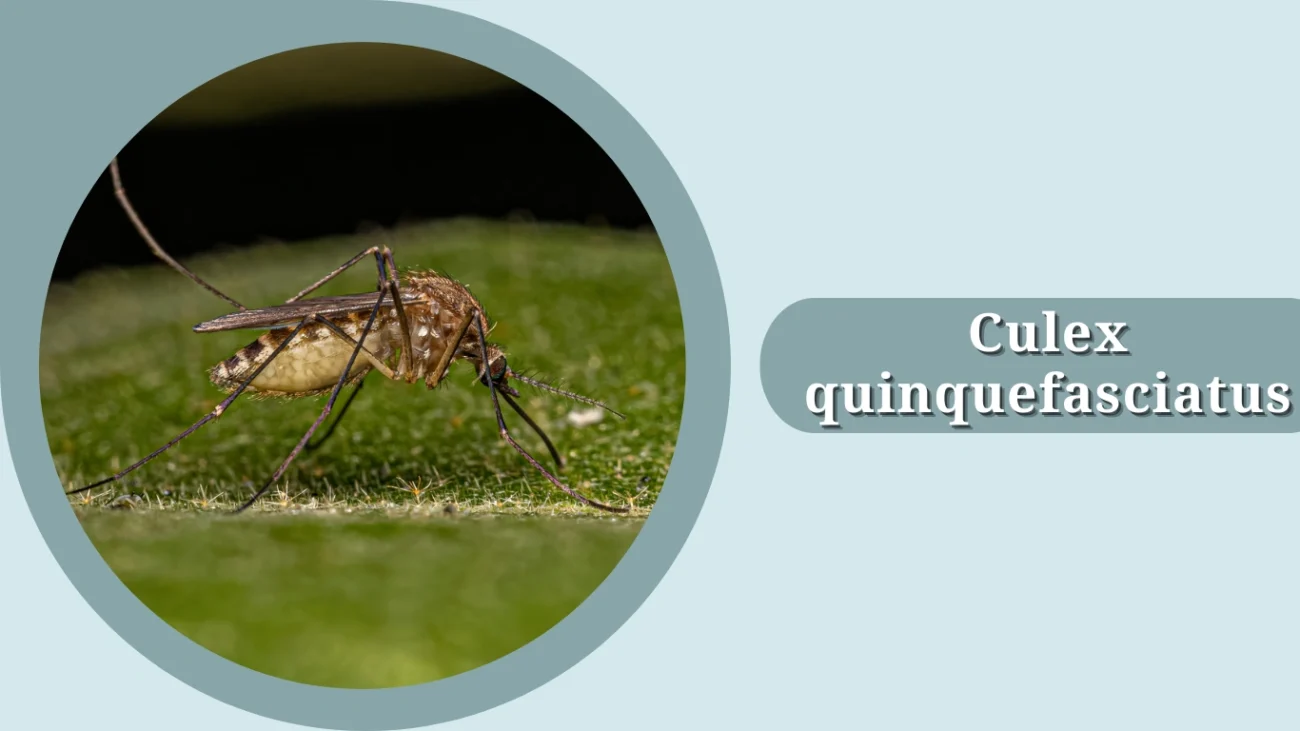
Culex quinquefasciatus, also known as the southern house mosquito, is a close relative of Culex pipiens. It is especially common in tropical and subtropical regions and plays a significant role as a disease vector.
Identification
- Medium-sized, brownish mosquito
- Abdomen with five narrow, pale bands (hence “quinquefasciatus”)
- Legs are generally unmarked and darker compared to Aedes species
- Proboscis and wings appear uniformly dark
Habitat
This species thrives in stagnant, organically rich water, such as sewage drains, cesspools, septic tanks, ditches, and polluted puddles. It is often found in urban and semi-urban environments, taking advantage of poor drainage systems and standing wastewater.
Behavior
Culex quinquefasciatus is mainly active at night, feeding on both humans and birds. Its biting can be persistent and irritating. It is an important vector of West Nile virus, St. Louis encephalitis, and especially lymphatic filariasis (caused by Wuchereria bancrofti), making it a mosquito of global health concern in warmer climates.
8. Culex tarsalis
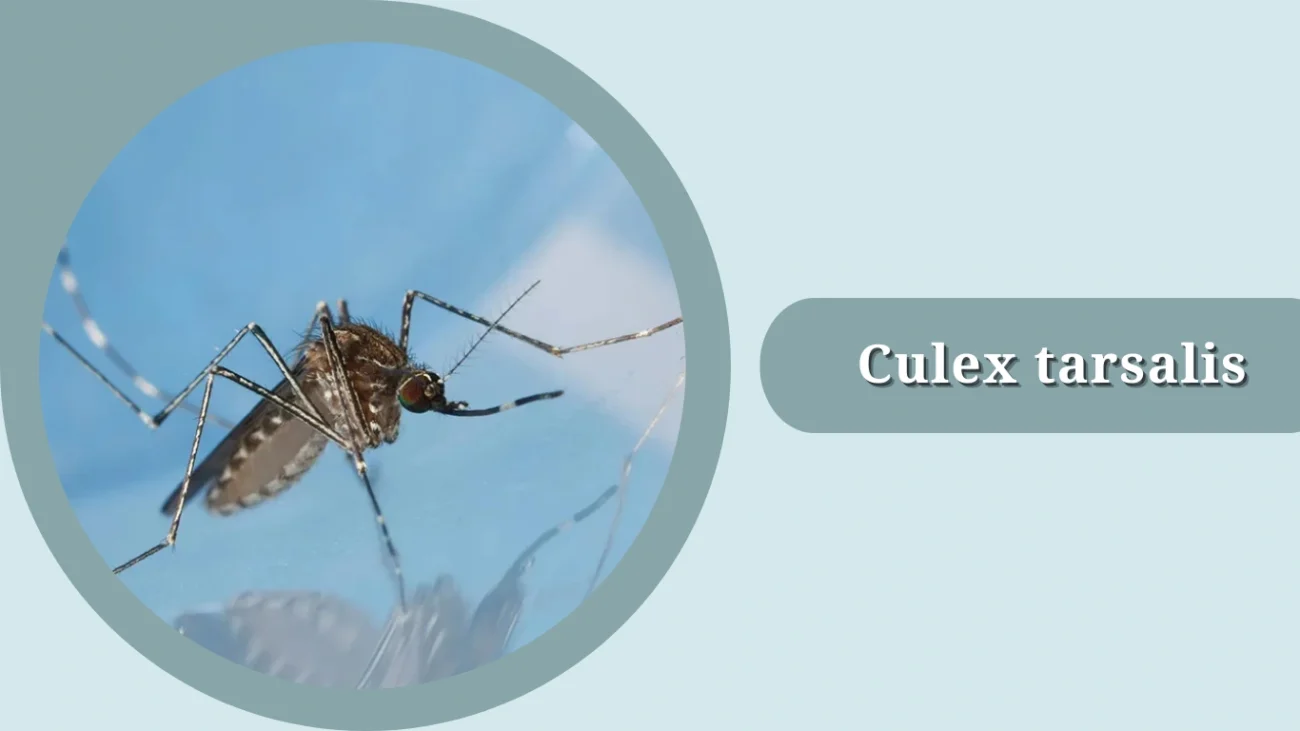
Culex tarsalis is a widespread mosquito species found mainly in North America. It is one of the most important vectors of arboviruses in the western United States and is well known for transmitting West Nile virus.
Identification
- Medium-sized mosquito
- Dark body with distinct white bands on the legs
- Pale band on the proboscis
- White markings on the base of the abdomen
Habitat
This species prefers open, sunlit habitats and breeds in a variety of water sources including irrigation ditches, ponds, marshes, and even temporary pools. It often thrives in agricultural and rural environments, but can also be found near human settlements.
Behavior
Culex tarsalis is primarily a nocturnal feeder, with activity peaking after sunset. It feeds on both birds and mammals, which makes it an efficient bridge vector, transmitting viruses from birds to humans. It is a major carrier of West Nile virus, St. Louis encephalitis, and western equine encephalitis, making it a critical species in public health surveillance.
9. Culex restuans
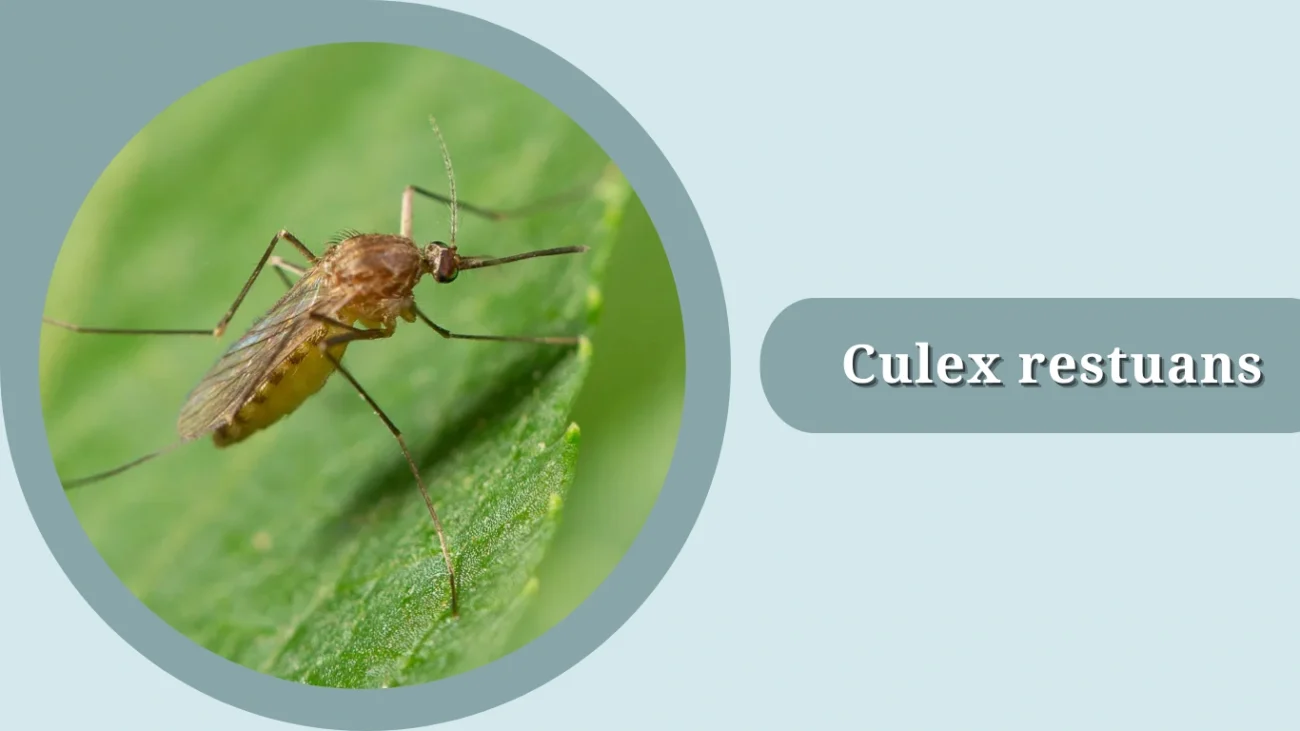
Culex restuans, sometimes called the white-dotted mosquito, is a common species in North America. While often less noticeable than other Culex mosquitoes, it plays an important role as a secondary vector of diseases.
Identification
- Small to medium-sized mosquito
- Dark brown body with light scaling on the abdomen
- Legs appear uniformly dark with faint pale areas
- Wings with fine scales, giving a slightly dusky appearance
Habitat
Culex restuans favors stagnant or slow-moving water for breeding, including storm drains, ponds, roadside ditches, and artificial containers. It is especially common in suburban and rural environments, where it takes advantage of standing water after rainfall.
Behavior
This species is primarily nocturnal, feeding during the evening and night. It prefers feeding on birds, though it will also bite humans and mammals when available. Culex restuans is an important vector in the transmission cycle of West Nile virus, often acting as an early-season spreader before Culex pipiens populations increase.
10. Culex salinarius
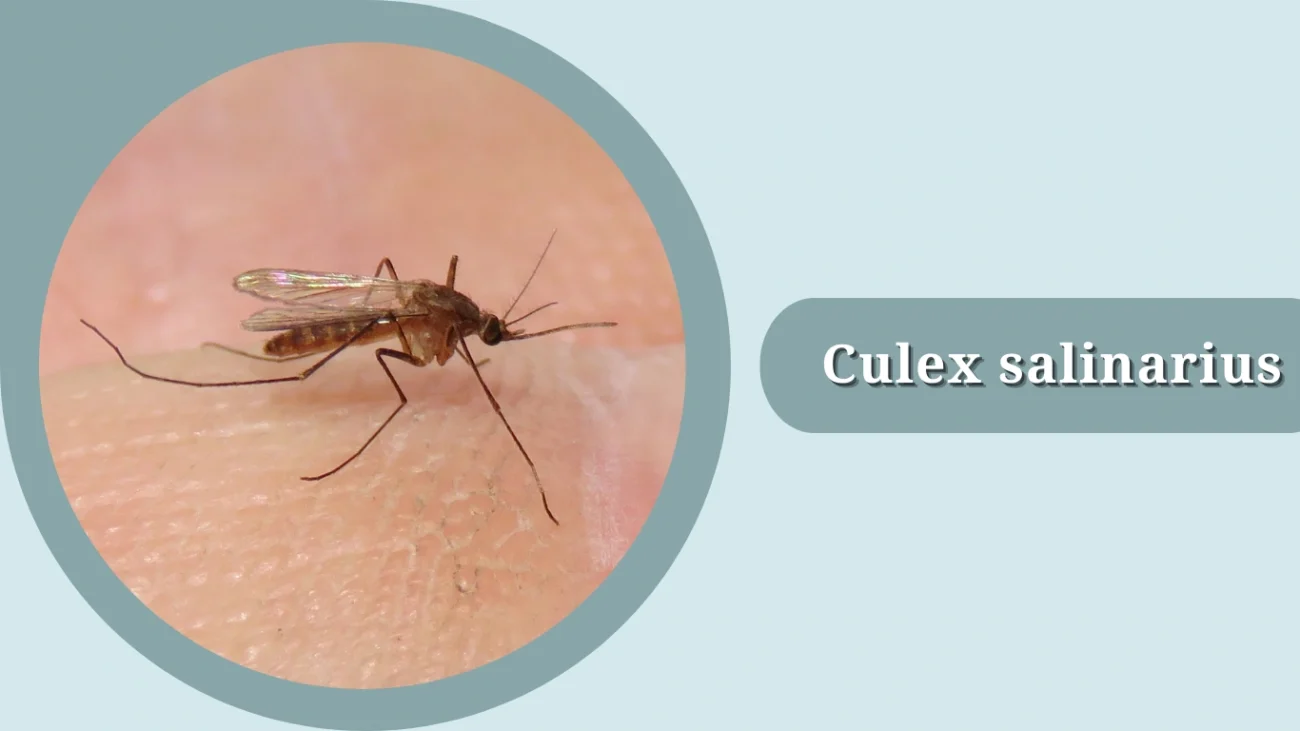
Culex salinarius is a versatile mosquito species found throughout North America. It is considered one of the more important bridge vectors because it feeds on both birds and mammals, facilitating the transmission of viruses to humans.
Identification
- Medium-sized mosquito
- Brownish body with scattered pale scales on the abdomen
- Legs are darker, often with faint pale banding
- Proboscis is generally unmarked and dark
Habitat
This species is highly adaptable, breeding in a wide range of habitats including freshwater and brackish marshes, ditches, ponds, storm drains, and artificial containers. Its tolerance of both fresh and salty water allows it to thrive in coastal as well as inland areas.
Behavior
Culex salinarius is mainly active at night, seeking blood meals from both birds and mammals, including humans. This dual feeding behavior makes it a particularly important vector of West Nile virus and eastern equine encephalitis (EEE). It is an aggressive biter and can travel moderate distances from breeding sites in search of hosts.
11. Anopheles gambiae
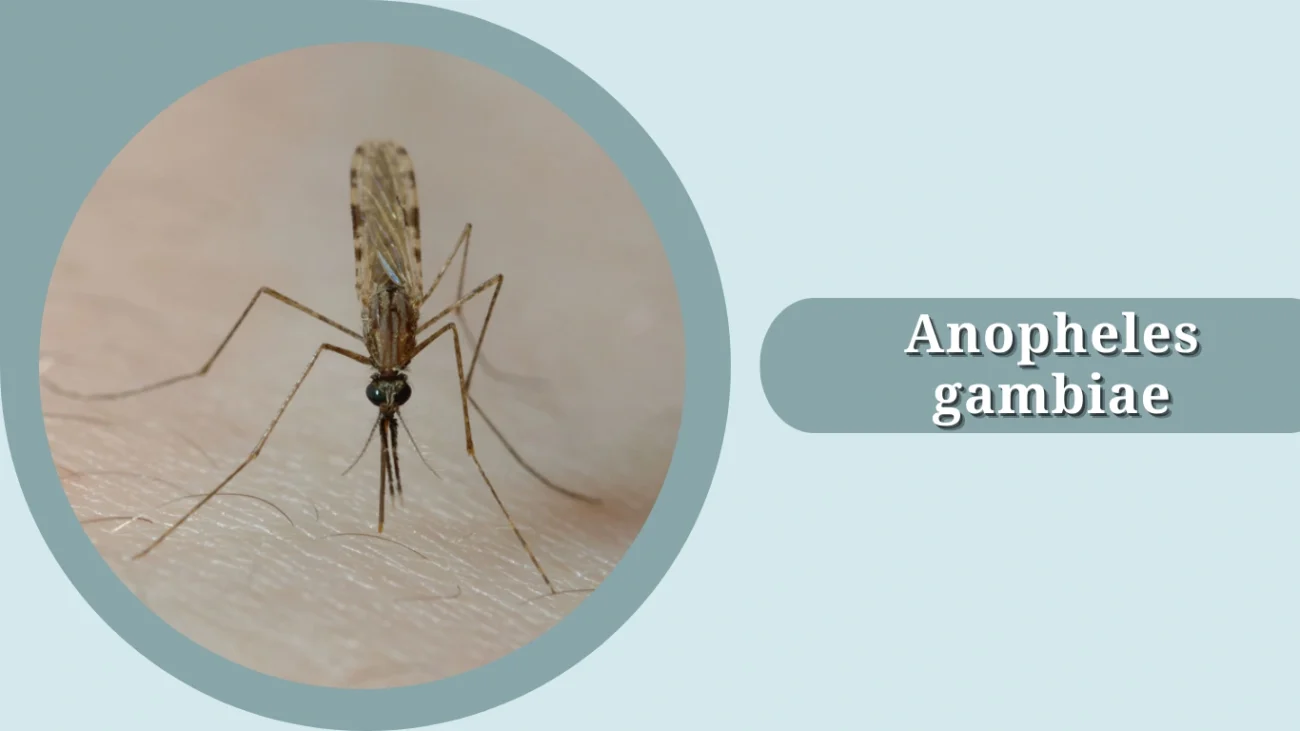
Anopheles gambiae is one of the most notorious mosquito species in the world, best known as the primary vector of malaria in sub-Saharan Africa. Its close association with humans and high efficiency in transmitting Plasmodium parasites make it a critical species in global health.
Identification
- Slender, medium-sized mosquito
- Palps as long as the proboscis (a key feature of Anopheles)
- Wings with distinct spotted patterns
- Resting posture: body at a noticeable angle to the surface
Habitat
This species prefers warm, humid climates and breeds in small, sunlit water pools, such as puddles, hoof prints, rice fields, and ditches. Unlike container-breeding Aedes, Anopheles gambiae favors temporary, shallow water sources with little organic matter.
Behavior
Anopheles gambiae is a nighttime feeder, with peak activity after midnight. It has a strong preference for humans (anthropophilic), which makes it an especially dangerous malaria vector. Females typically rest indoors after feeding, increasing their contact with humans and sustaining transmission cycles.
12. Anopheles stephensi
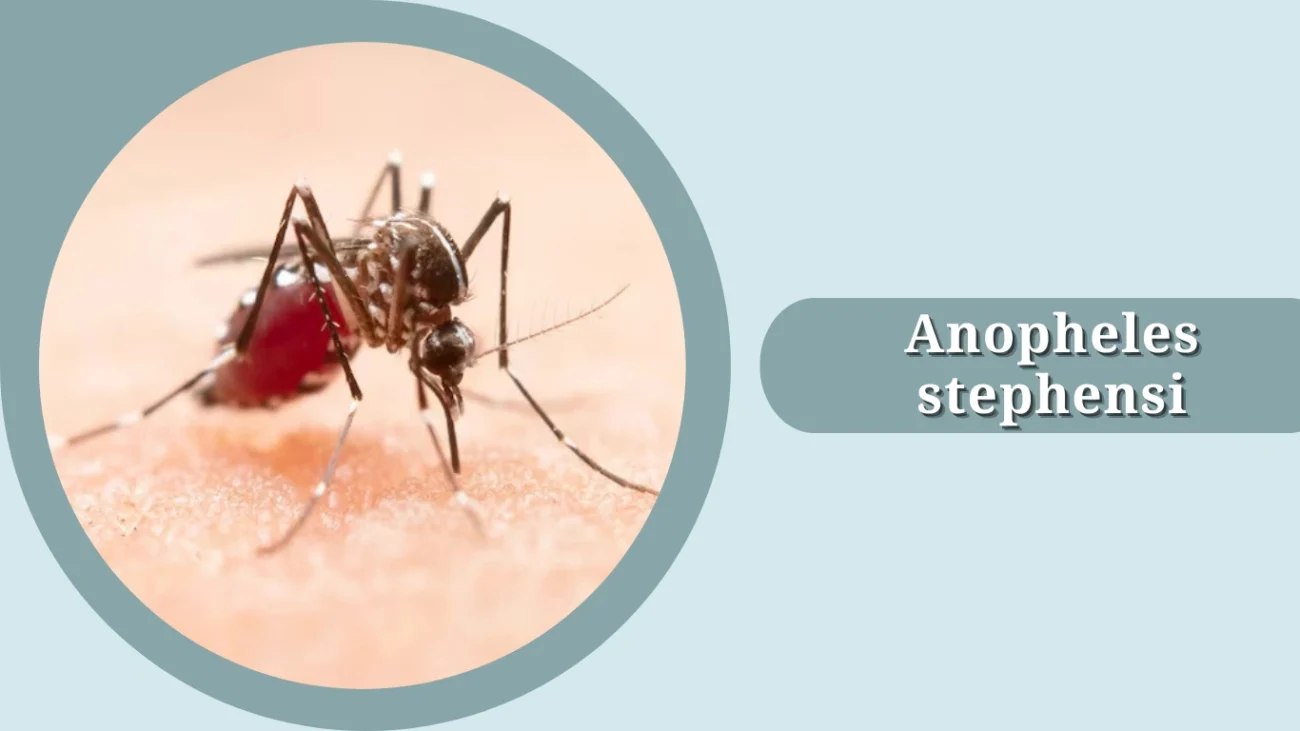
Anopheles stephensi is a major malaria vector in South Asia, the Middle East, and parts of Africa. Unlike some other Anopheles species, it is highly adapted to urban environments, making it a growing concern for malaria transmission in cities.
Identification
- Slender, medium-sized mosquito
- Palps as long as the proboscis, typical of Anopheles
- Wings with spotted patterns
- Resting posture at an angle to the surface, not flat
- Distinguished from other species by egg shape and larval features in expert identification
Habitat
This species is unique in that it can breed in both urban and rural environments. It thrives in man-made water containers such as overhead tanks, wells, cisterns, and construction sites. It also breeds in rice fields, ponds, and puddles, giving it wide ecological adaptability.
Behavior
Anopheles stephensi is primarily a nighttime feeder, with peak biting after midnight. It shows a strong preference for humans, contributing to its efficiency as a malaria vector. Because of its adaptability to urban areas, it has become an increasing threat in densely populated cities, where malaria control is more challenging.
13. Anopheles quadrimaculatus
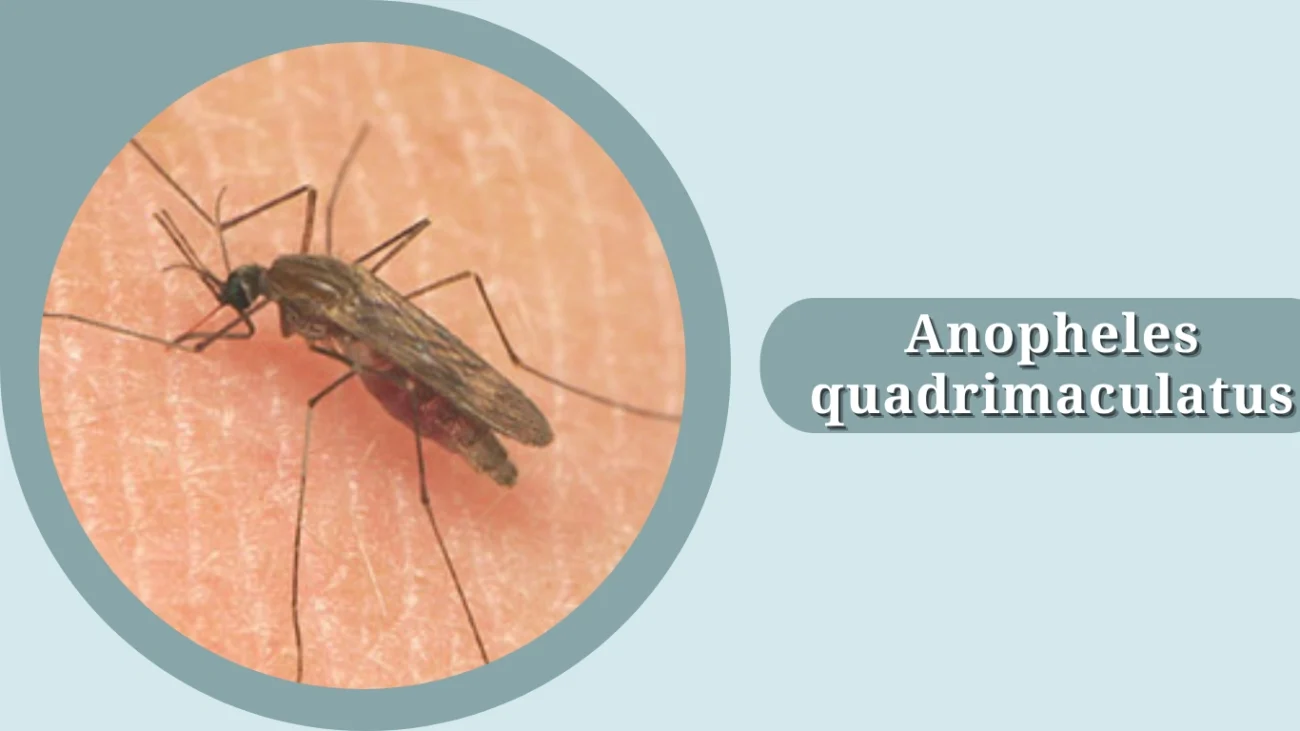
Anopheles quadrimaculatus is one of the most important malaria vectors in North America, particularly in the United States. Although malaria has largely been eradicated in the U.S., this species historically played a central role in transmission.
Identification
- Medium to large mosquito with a slender body
- Palps as long as the proboscis, characteristic of Anopheles
- Wings marked with four distinct dark spots (hence the name “quadrimaculatus”)
- Resting posture: body held at an angle to the surface
Habitat
This species prefers freshwater habitats with abundant vegetation. It breeds in ponds, lakes, swamps, marshes, and slow-moving streams, especially where aquatic plants are present. It is less likely to use polluted or artificial water sources compared to urban-adapted mosquitoes.
Behavior
Anopheles quadrimaculatus is mainly active at night, with peak biting after dusk and before dawn. It feeds readily on humans and animals, making it capable of bridging disease transmission. While malaria transmission is no longer a major concern in North America, this mosquito remains medically important as a nuisance biter and potential vector for reintroduced malaria and other pathogens.
14. Anopheles freeborni
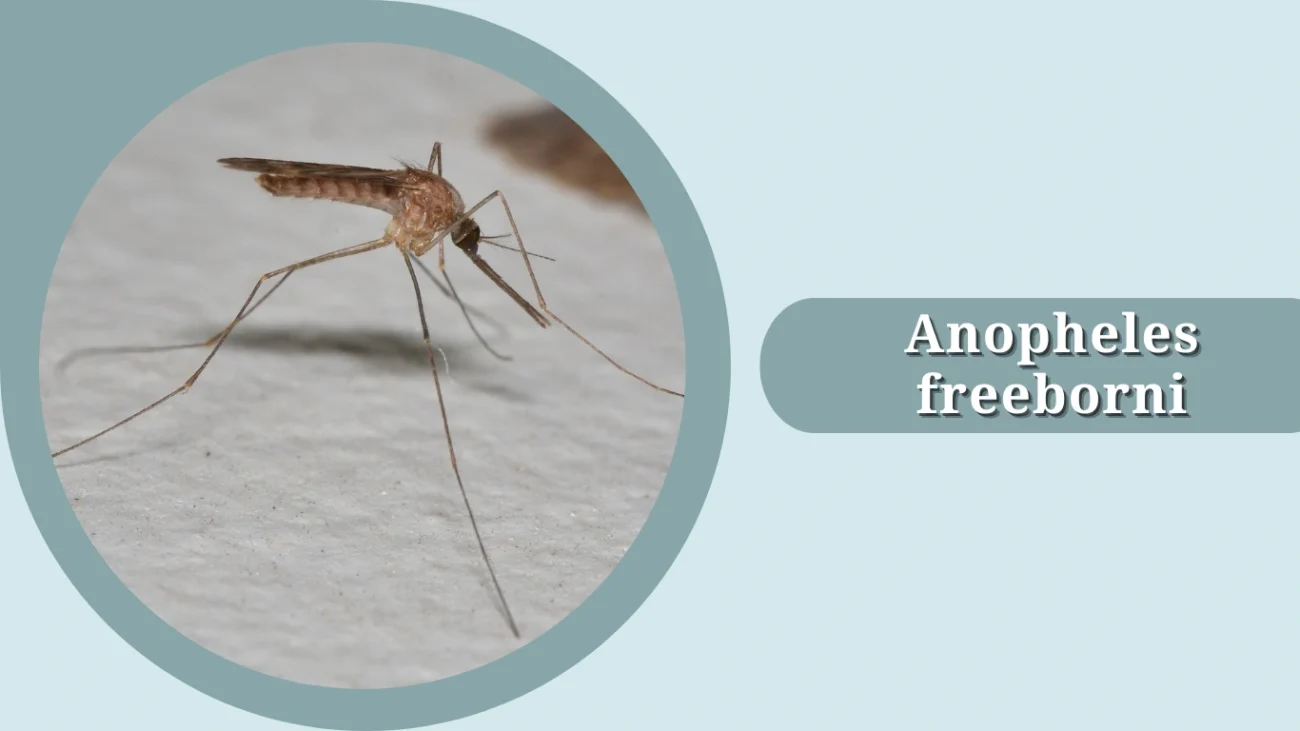
Anopheles freeborni, often referred to as the western malaria mosquito, is a significant species native to western North America. While malaria transmission has been eliminated in the region, it was historically one of the primary vectors.
Identification
- Medium-sized, slender mosquito
- Palps equal in length to the proboscis
- Wings with spotted patterns, though less distinct than Anopheles quadrimaculatus
- Typical Anopheles resting posture: body angled away from the surface
Habitat
Anopheles freeborni favors large, permanent water bodies with vegetation. Common habitats include irrigation ditches, ponds, lakes, rice fields, and slow-moving streams. It is often associated with agricultural areas where irrigation creates ideal breeding conditions.
Behavior
This species is nocturnal, with biting activity peaking late at night. It feeds on both humans and animals, making it a competent bridge vector. While malaria has been eliminated from its range, Anopheles freeborni is still considered a potential risk species should malaria re-emerge in western North America. It is also regarded as a persistent nuisance in rural and agricultural regions.
15. Anopheles albimanus
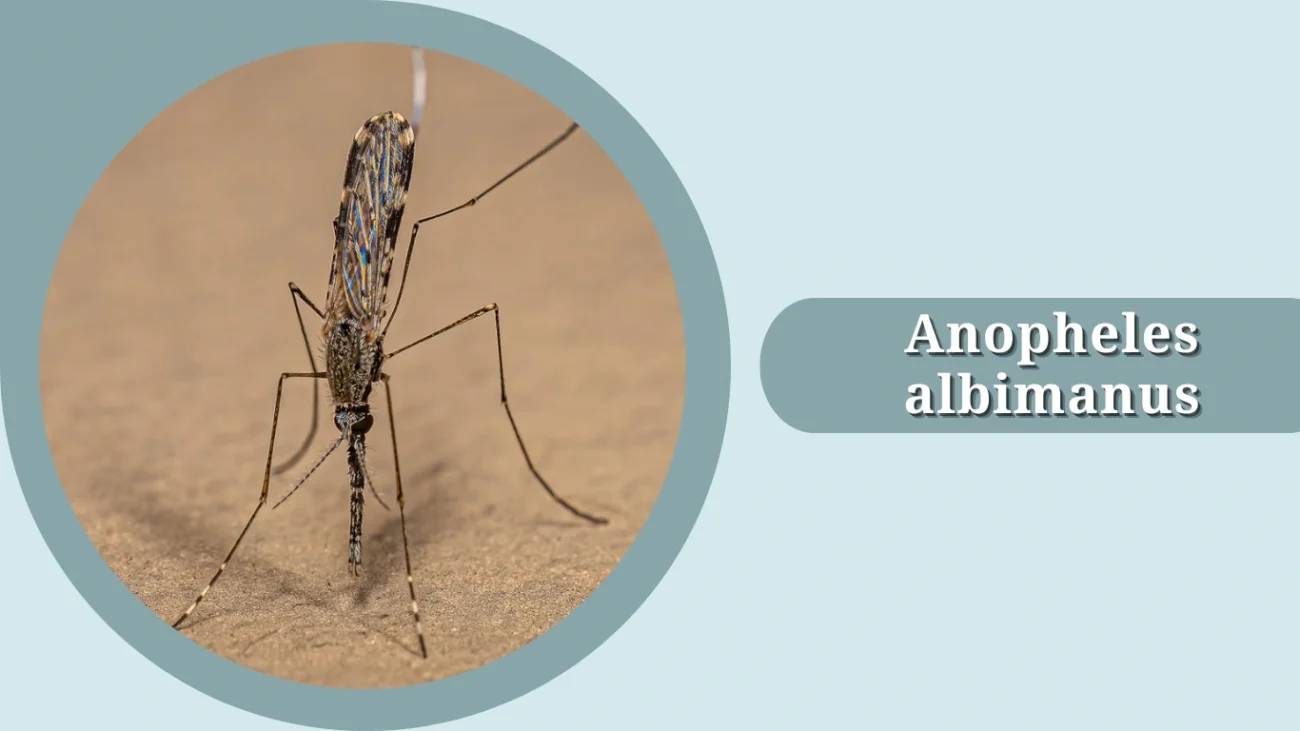
Anopheles albimanus is a major malaria vector in Central America, South America, and parts of the Caribbean. It is one of the most widespread Anopheles species in the tropical and subtropical regions of the Americas.
Identification
- Medium-sized mosquito with slender build
- Palps as long as the proboscis
- Wings with irregular spots, less distinct than quadrimaculatus
- Hind legs often show pale scaling on the tarsi (lower segments), which helps in identification
- Resting posture: body angled away from the surface
Habitat
This species breeds in a variety of freshwater habitats, including ponds, lagoons, marshes, streams, rice fields, and coastal pools. It is especially common in sunlit, shallow water with vegetation. Its adaptability allows it to thrive in both rural and semi-urban environments.
Behavior
Anopheles albimanus is mostly active at night, though it may also bite in the early morning or evening. It feeds on both humans and animals, making it a flexible and efficient malaria vector. Its wide distribution and adaptability contribute to its importance in malaria transmission across the Americas.
16. Psorophora ciliata
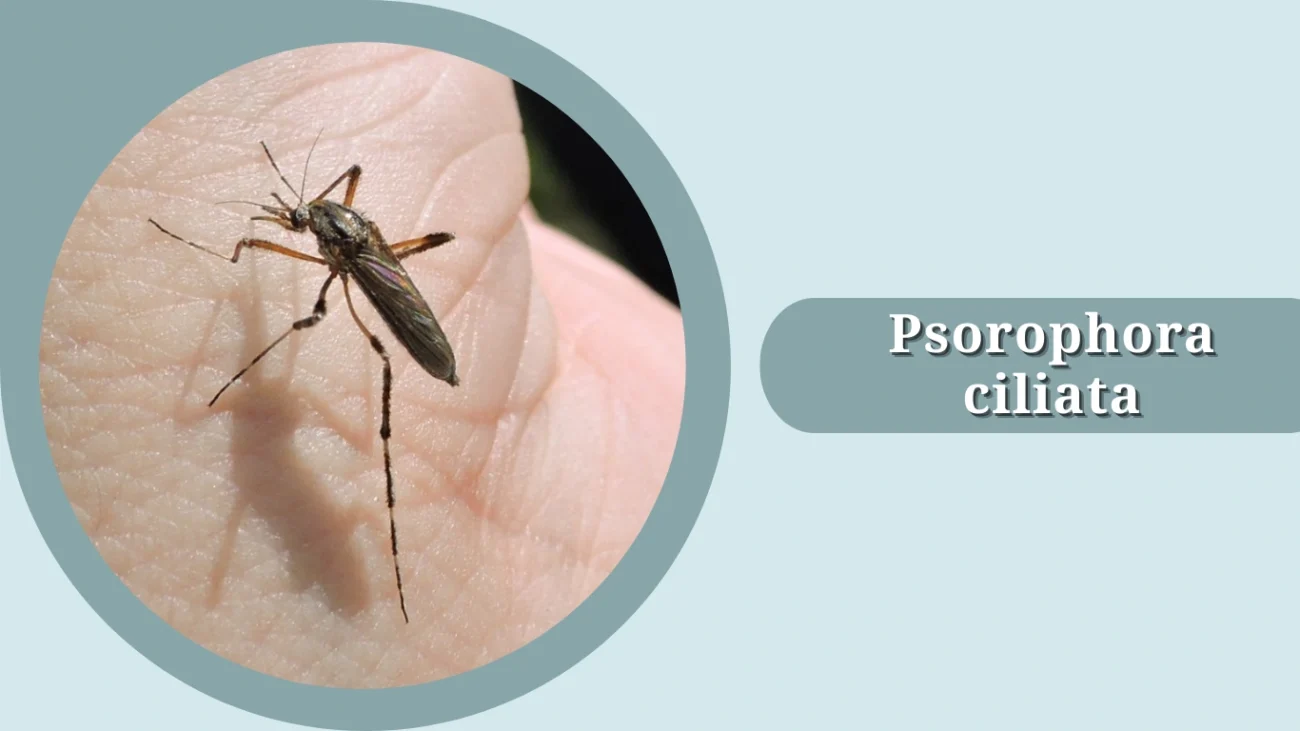
Psorophora ciliata, often called the gallinipper mosquito, is one of the largest mosquito species in North America. Though not a major disease vector, it is infamous for its painful bite and aggressive behavior.
Identification
- Very large-sized mosquito compared to most species
- Dark body with yellow or golden scales on legs and thorax
- Long, hairy legs giving a bristly appearance
- Easily recognized by its size and robust build
Habitat
This species prefers temporary floodwater habitats such as rain-filled depressions, ditches, and grassy fields that flood after heavy rains. Eggs can survive long dry periods and hatch rapidly when flooding occurs. Because of this, Psorophora ciliata often appears suddenly in large numbers after storms.
Behavior
Psorophora ciliata is an extremely aggressive biter, active during the daytime as well as at dusk. It prefers feeding on large mammals, including humans, and its bites are particularly painful due to its large size. While not a primary vector of human disease, it has been implicated in transmitting equine encephalitis viruses and is considered an important nuisance mosquito.
17. Psorophora columbiae
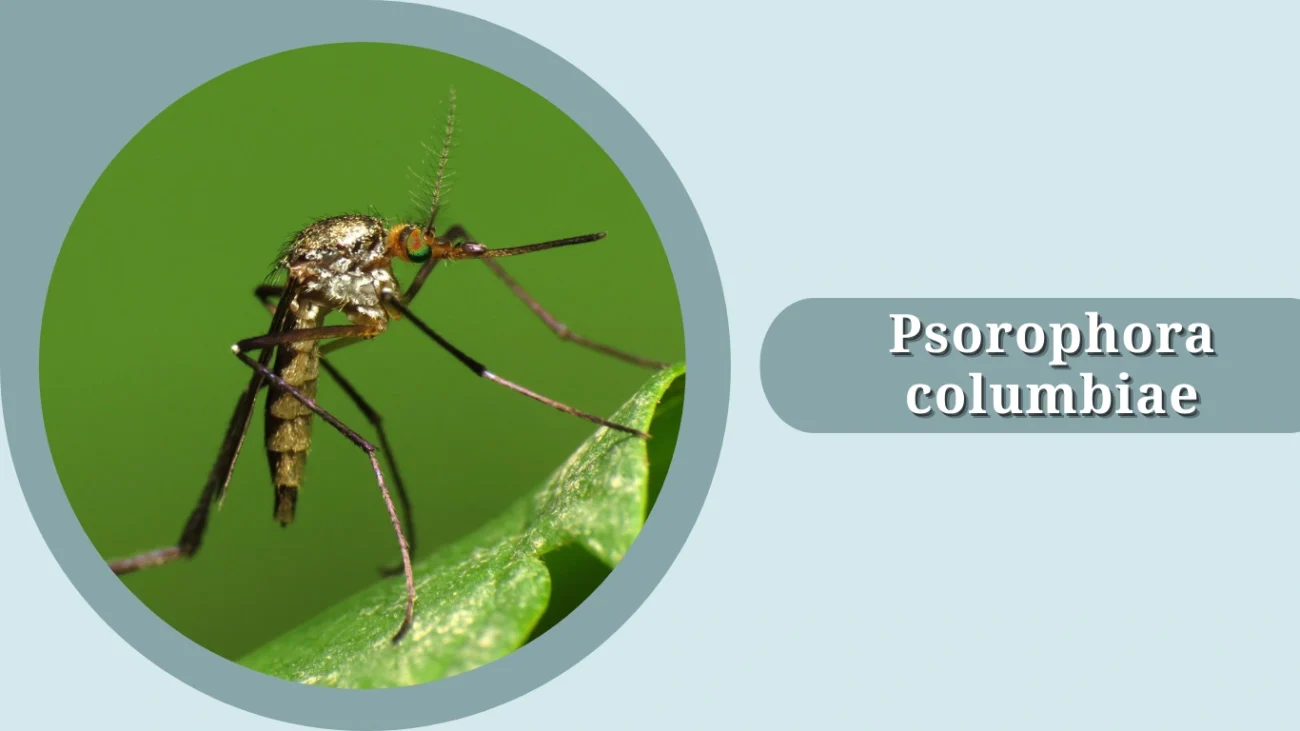
Psorophora columbiae, also known as the dark rice field mosquito, is a common floodwater species in the Americas. It is well known for emerging in huge numbers after heavy rains, especially in agricultural regions.
Identification
- Medium to large mosquito
- Dark body with contrasting pale scales on the abdomen
- Legs show pale bands but are less hairy than Psorophora ciliata
- Generally darker overall appearance compared to other Psorophora species
Habitat
This species breeds mainly in flooded fields, roadside ditches, and temporary pools, especially in rice-growing areas. Eggs are laid on moist soil and hatch rapidly once flooding occurs, leading to explosive population growth after rain or irrigation.
Behavior
Psorophora columbiae is an aggressive biter, active during the daytime and evening. It readily feeds on both humans and livestock, making it a major pest in rural and agricultural communities. Although not the most efficient disease vector, it can transmit western equine encephalitis virus and dog heartworm. Its large numbers make it one of the most troublesome nuisance mosquitoes in farming regions.
18. Mansonia titillans
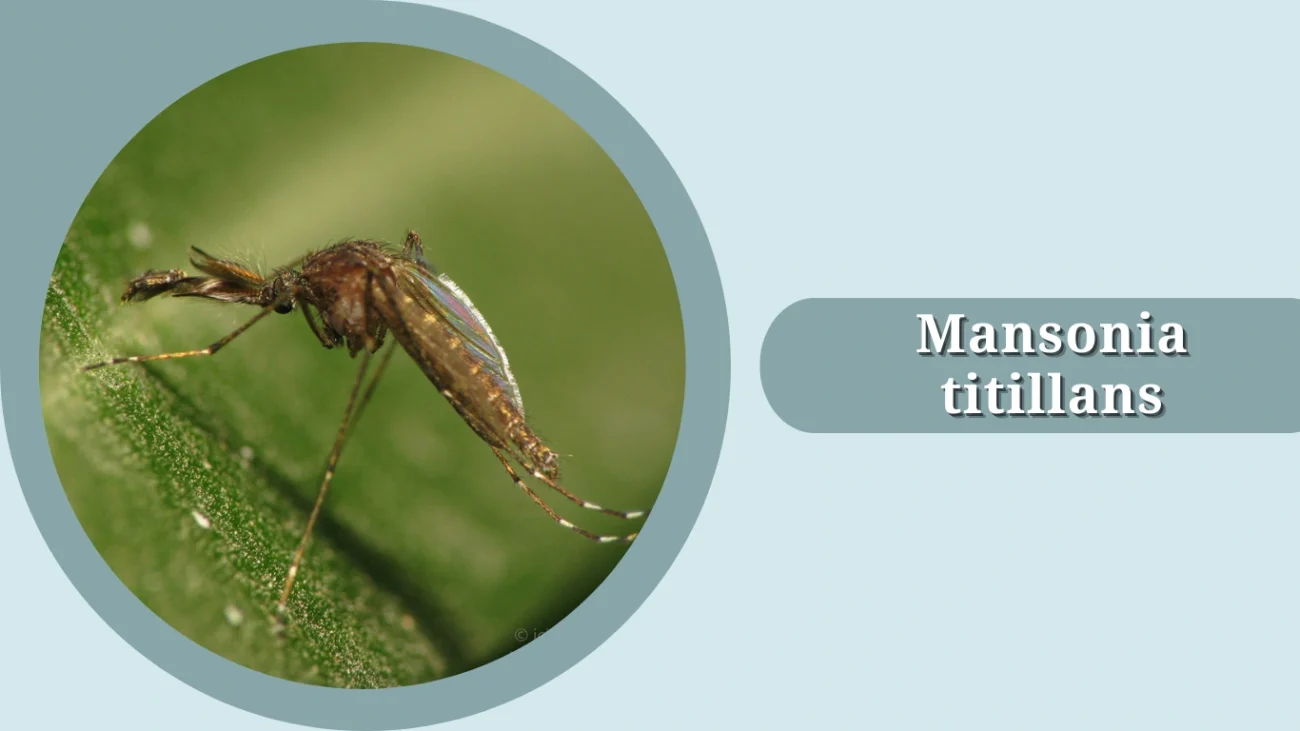
Mansonia titillans is a striking mosquito species found throughout the Americas, notable for its association with aquatic vegetation. It is recognized as both a nuisance and a potential disease vector.
Identification
- Medium to large mosquito
- Dark body with distinct golden or yellow markings
- Legs show pale banding
- Characteristic scales on wings give them a sparkling appearance
- Larvae and pupae attach to aquatic plants to breathe, unlike most mosquitoes
Habitat
This species breeds in permanent water bodies rich in aquatic vegetation, such as lakes, ponds, swamps, and marshes. Because the larvae attach to plant roots and stems to obtain oxygen, populations are closely tied to areas with dense floating plants like water hyacinths.
Behavior
Mansonia titillans is an aggressive biter, active mainly during the night but sometimes at dusk. It feeds on both humans and animals, including livestock. While not as notorious as Aedes or Anopheles, it has been implicated in the transmission of Venezuelan equine encephalitis virus and filariasis parasites. In some areas, dense swarms make it a severe nuisance species.
19. Coquillettidia perturbans
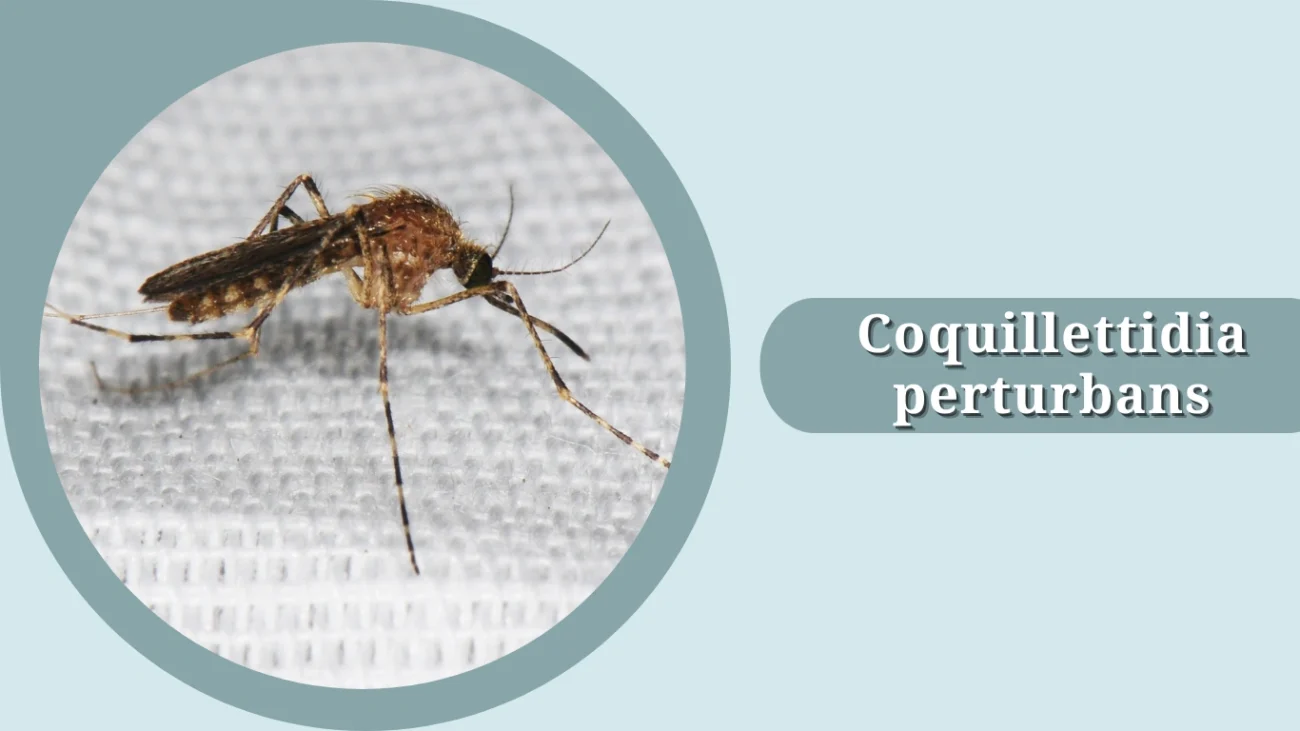
Coquillettidia perturbans, commonly called the cattail mosquito, is a widespread species in North America known for its strong association with aquatic vegetation. It is both a nuisance and an important vector of arboviruses.
Identification
- Medium to large mosquito
- Brownish body with golden or pale scale patterns
- Legs with light banding
- Wings covered with fine mottled scales
- Larvae, like Mansonia, attach to aquatic plant roots for breathing
Habitat
This species breeds in permanent freshwater habitats rich in emergent vegetation such as cattails, reeds, and grasses. Eggs are laid on water surfaces, and larvae remain attached to roots and stems underwater. Typical habitats include swamps, marshes, and lake margins.
Behavior
Coquillettidia perturbans is an aggressive, nocturnal biter, with activity beginning at dusk and continuing through the night. It feeds on both humans and animals, serving as an important bridge vector. It is a known vector of eastern equine encephalitis (EEE), West Nile virus, and St. Louis encephalitis, making it a mosquito of significant medical concern in its range.
20. Uranotaenia sapphirina
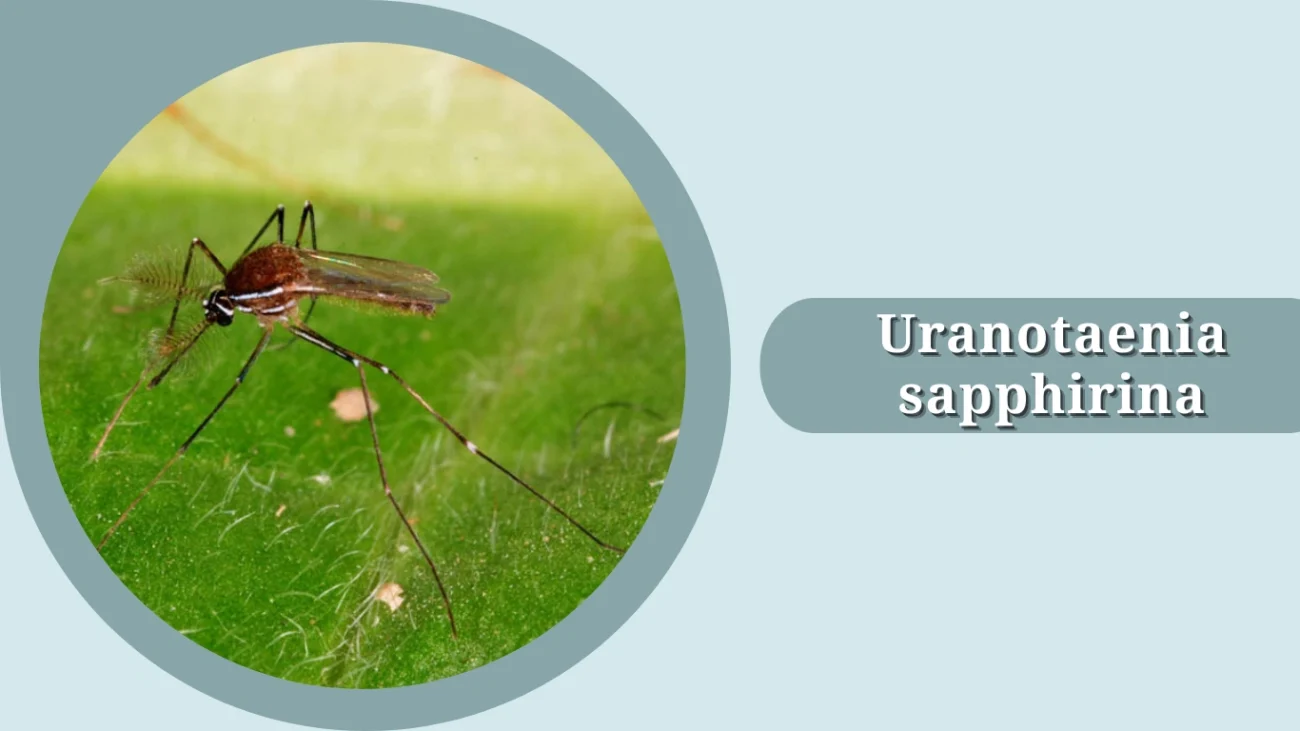
Uranotaenia sapphirina, sometimes called the sapphire mosquito, is a unique species found in North and Central America. Unlike most mosquitoes, it does not primarily feed on humans or mammals.
Identification
- Small mosquito with a delicate build
- Dark body with iridescent, bluish scales that give a sapphire-like sheen
- Legs are slim and generally unmarked
- Often recognized by its shimmering appearance under light
Habitat
This species breeds in freshwater habitats such as ponds, marshes, and slow-moving streams, often in shaded environments. It is strongly associated with areas rich in aquatic vegetation and decomposing organic matter.
Behavior
Unlike most mosquitoes, Uranotaenia sapphirina does not typically bite humans or mammals. Instead, it primarily feeds on cold-blooded animals, such as amphibians (frogs) and reptiles. This unusual feeding preference means it is not considered a significant disease vector for humans, though it plays a role in local ecosystems as part of the food chain.