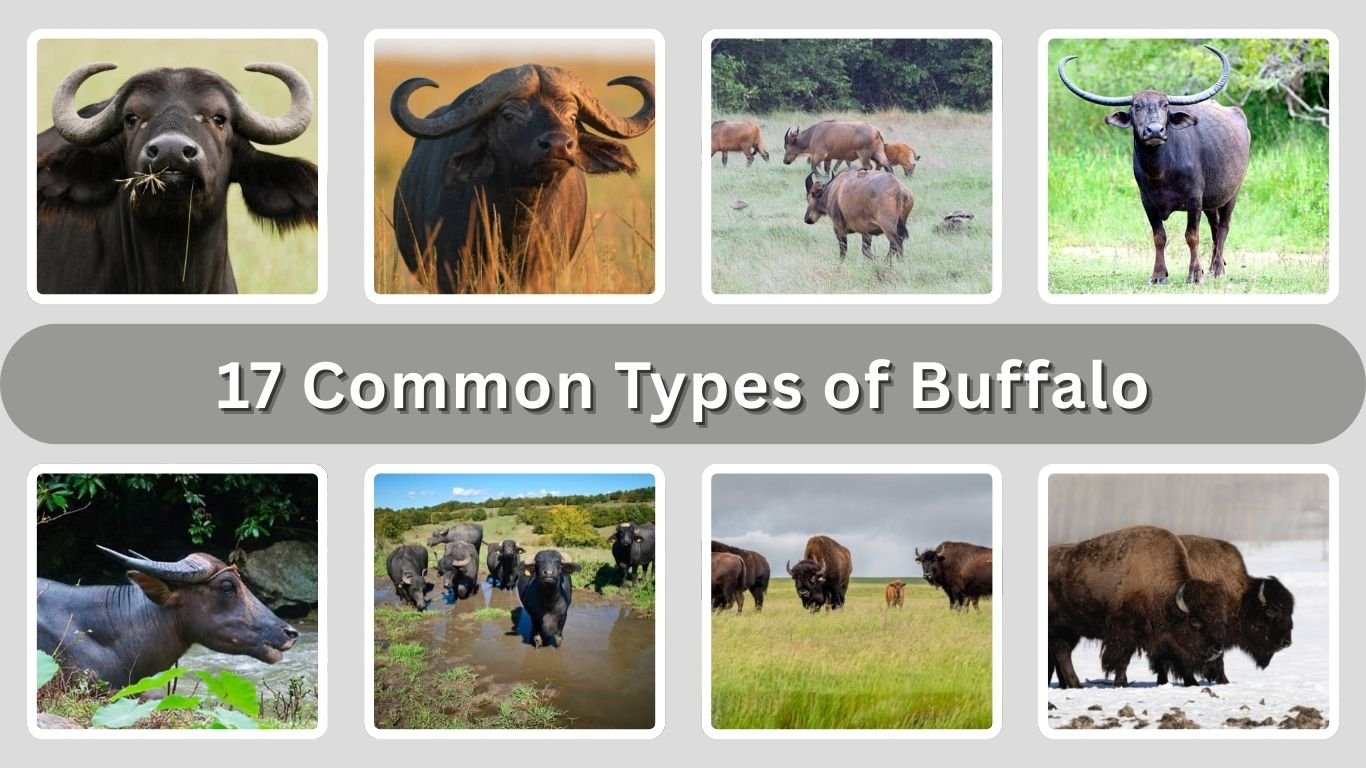
Buffalo are large, powerful bovines found across Africa, Asia, Europe, and North America, playing vital roles in ecosystems, agriculture, and human history. From wild species roaming savannas and forests to domesticated forms supporting farming and dairy production, buffalo show remarkable diversity in size, behavior, and habitat. This guide explores different types of buffalo, highlighting their key characteristics, natural environments, and lifestyles, helping readers understand how each type has adapted to its surroundings and relationship with humans over time.
1. African Buffalo

The African buffalo is one of the most powerful and well-known wild cattle species on the African continent. Renowned for its strength, unpredictable temperament, and strong herd behavior, it plays a crucial role in African ecosystems and is considered one of the most dangerous animals in the wild.
Identification
- Large, heavy-bodied wild cattle
- Dark brown to black coat
- Broad chest and stocky legs
- Both males and females have thick, curved horns
- Prominent horn shield (boss) in adult males
Habitat
African buffalo inhabit a wide range of environments including savannas, grasslands, floodplains, forests, and semi-arid regions. They are always found near reliable water sources, as they need to drink daily.
Behavior
They are highly social animals that live in large herds, sometimes numbering in the hundreds. African buffalo are known for their strong defensive behavior, often standing their ground against predators and working together to protect injured or young members.
Diet
Their diet consists mainly of grasses, but they may also consume herbs, shrubs, and leaves depending on seasonal availability. As grazers, they play an important role in shaping grassland ecosystems.
2. Cape Buffalo

The Cape buffalo is the largest and most formidable subspecies of the African buffalo. Known for its massive horns and aggressive defense strategies, it is widely respected and feared across sub-Saharan Africa, especially by predators and hunters.
Identification
- Largest African buffalo subspecies
- Dark black to deep brown coat
- Massive, downward-curving horns with a thick central boss
- Heavy neck and muscular shoulders
- Males significantly larger than females
Habitat
Cape buffalo primarily inhabit open savannas, grasslands, and woodland areas. They prefer regions with abundant grazing and permanent water sources, often moving seasonally to find better pasture.
Behavior
They live in large, cohesive herds and are extremely protective of their members. Cape buffalo are known to confront threats directly and may charge predators or perceived dangers without hesitation.
Diet
Their diet is dominated by grasses, especially coarse and tall species. During dry seasons, they may expand their diet slightly to include other vegetation to meet nutritional needs.
3. Forest Buffalo

The forest buffalo is the smallest and least-known African buffalo type, adapted to dense rainforest environments. Its compact size and reddish coat help it blend into thick vegetation, making it far less visible than its savanna relatives.
Identification
- Smaller and more compact body
- Reddish-brown coat
- Shorter legs and smaller horns
- Horns curve backward with less prominent boss
- Ears often fringed with hair
Habitat
Forest buffalo inhabit tropical rainforests and forest clearings of Central and West Africa. They prefer dense cover and areas near rivers, swamps, and natural forest openings.
Behavior
They live in smaller herds compared to other buffalo, often consisting of family groups. Forest buffalo are more elusive and cautious, relying on dense vegetation for protection.
Diet
Their diet includes grasses, leaves, shoots, fruits, and bark. They are mixed feeders, taking advantage of the diverse plant life available in forest ecosystems.
4. West African Savanna Buffalo
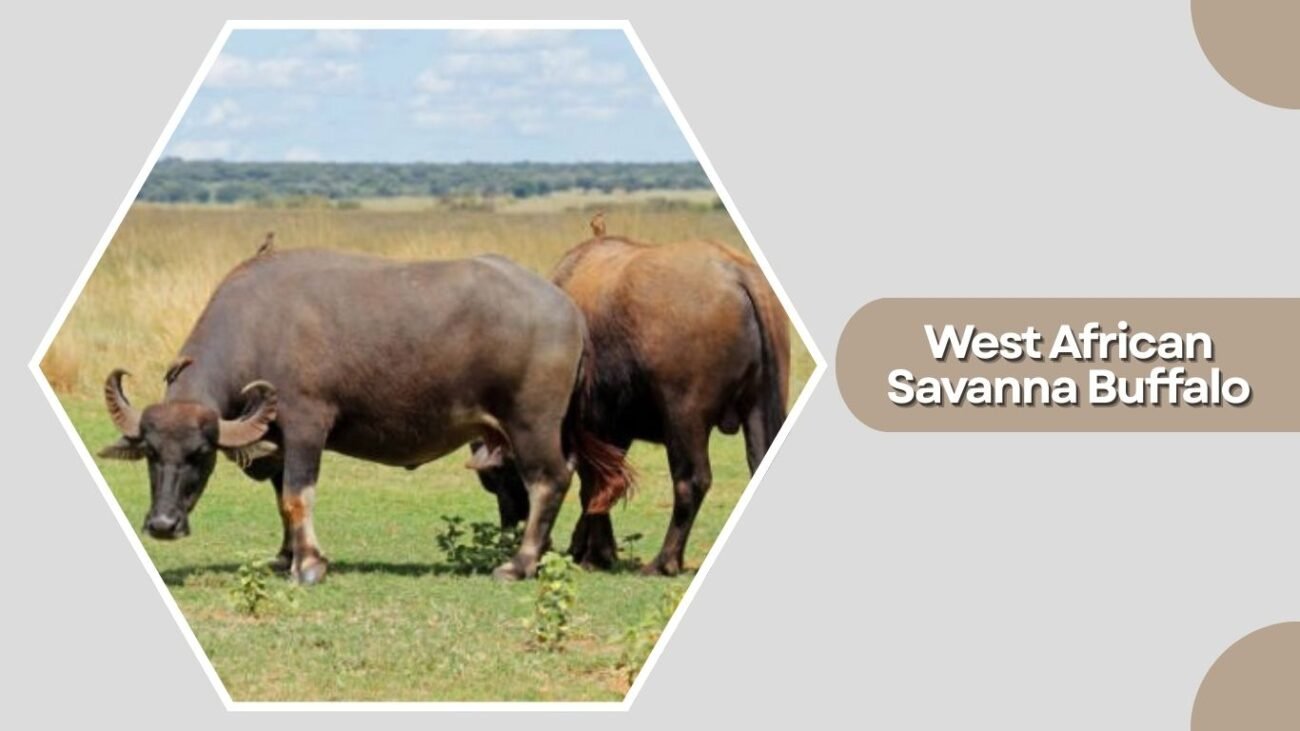
The West African savanna buffalo is intermediate in size between the Cape buffalo and forest buffalo. It is well adapted to open grasslands and woodland savannas of western Africa.
Identification
- Medium-sized buffalo
- Light brown to dark brown coat
- Horns less massive than Cape buffalo
- Slimmer body structure
- Both sexes bear curved horns
Habitat
This buffalo inhabits savannas, open woodlands, and floodplains across West Africa. It favors areas with seasonal grasses and access to water.
Behavior
They form moderate-sized herds and are generally less aggressive than Cape buffalo, though still capable of strong defensive responses when threatened.
Diet
Primarily grazers, they feed on grasses and sedges. During dry periods, they may supplement their diet with herbs and browse.
5. Central African Savanna Buffalo
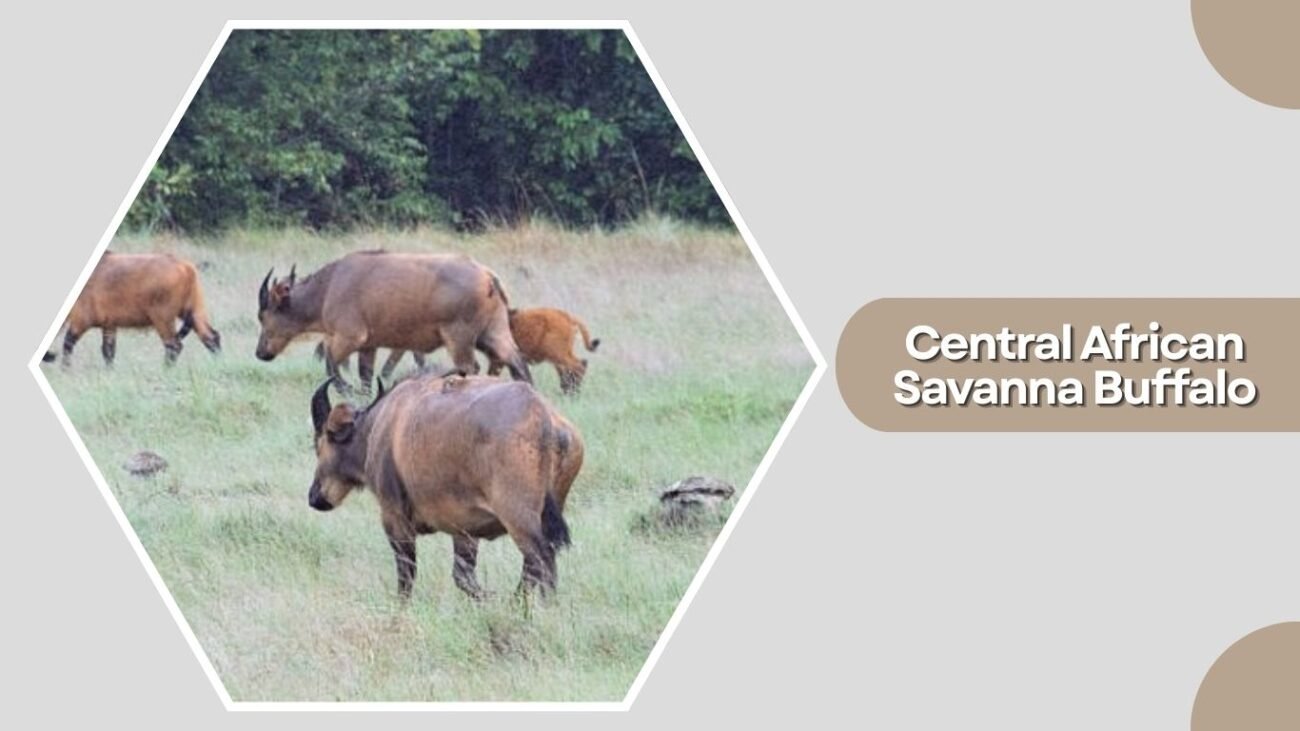
The Central African savanna buffalo is a robust buffalo type found in the central regions of Africa. It shares traits with both forest and Cape buffalo, making it well adapted to mixed landscapes of woodland and grassland.
Identification
- Medium to large body size
- Dark brown coat
- Horns curve outward and upward
- Moderately developed horn boss
- Strong, muscular build
Habitat
This buffalo lives in savannas, woodlands, and transitional zones between forests and open grasslands. It stays close to rivers and seasonal wetlands.
Behavior
They live in herds that vary in size depending on habitat quality. Central African savanna buffalo are cautious but will aggressively defend themselves when threatened.
Diet
Their diet mainly consists of grasses, though they also consume herbs and low shrubs, especially during dry seasons.
6. Asian Water Buffalo
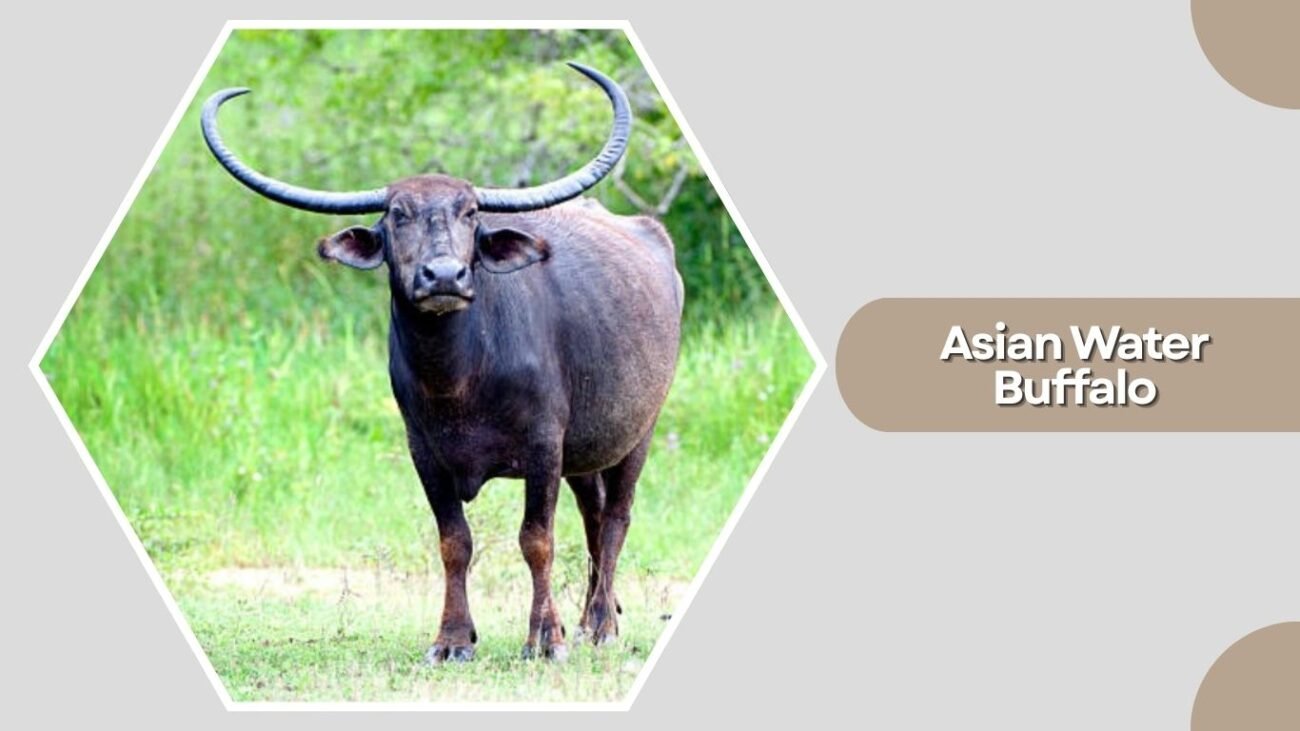
The Asian water buffalo is a large bovine species native to South and Southeast Asia. It is the ancestor of most domestic buffalo breeds and is well known for its strength and close association with wetlands and agriculture.
Identification
- Large, heavy-bodied buffalo
- Gray to slate-black skin
- Wide-spreading, crescent-shaped horns
- Sparse body hair
- Broad hooves adapted for muddy terrain
Habitat
Asian water buffalo inhabit marshes, river valleys, swamps, and floodplains. They thrive in wet environments where they can wallow to regulate body temperature.
Behavior
They may live in small herds or family groups. Wild individuals are wary and defensive, while domestic forms are more tolerant of human presence.
Diet
They feed mainly on grasses and aquatic plants. Their ability to digest coarse vegetation makes them highly efficient grazers in wetland ecosystems.
7. Domestic Water Buffalo
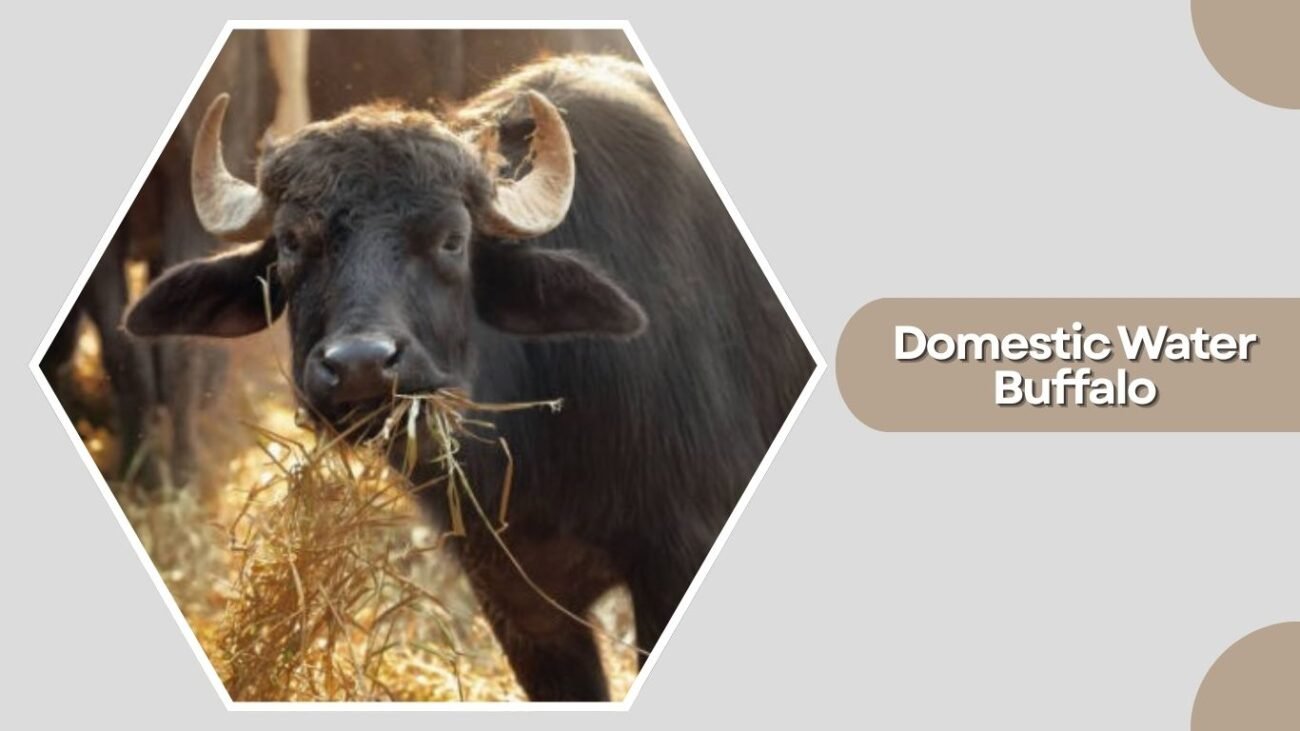
The domestic water buffalo is a fully domesticated form of the Asian water buffalo and is widely used by humans for agriculture, dairy production, and transportation. It has been an essential livestock animal in many cultures for thousands of years.
Identification
- Large, sturdy body
- Skin color ranges from gray to black
- Horn shape varies by breed
- Sparse hair with thick skin
- Strong legs and broad hooves
Habitat
Domestic water buffalo are found in farms, villages, and rural landscapes across Asia, parts of Europe, South America, and Africa. They are commonly kept near rivers, ponds, and irrigated fields.
Behavior
They are generally calm, social, and docile animals when properly managed. Domestic water buffalo form strong bonds with herd members and handlers.
Diet
Their diet includes grasses, crop residues, hay, and agricultural byproducts. They are efficient at converting low-quality forage into energy and milk.
8. River Buffalo

River buffalo are a specialized type of domestic water buffalo primarily raised for milk production. They are known for producing rich, high-fat milk used in products such as mozzarella and yogurt.
Identification
- Large frame with long body
- Predominantly black coat
- Long, backward-curving horns
- Well-developed udder in females
- Smooth skin with minimal hair
Habitat
River buffalo are commonly found in river basins and agricultural regions of South Asia, the Middle East, and parts of Europe. They prefer areas with access to water for cooling and wallowing.
Behavior
They are social and adaptable animals, often kept in managed herds. River buffalo tolerate human handling well and follow regular daily routines.
Diet
Their diet mainly consists of grasses, fodder crops, and supplementary feeds. High-nutrition diets are often provided to support milk production.
9. Swamp Buffalo

The swamp buffalo is a domestic type of water buffalo primarily used for draft work rather than milk production. It is especially valued in traditional farming systems for its strength and ability to work efficiently in flooded fields.
Identification
- Stocky and compact body
- Gray to dark slate skin
- Wide, outward-curving horns
- Shorter legs compared to river buffalo
- Heavier bone structure
Habitat
Swamp buffalo are commonly found in Southeast Asia, particularly in lowland wetlands, rice paddies, and marshy agricultural areas where muddy conditions are common.
Behavior
They are calm, hardy, and well adapted to working long hours in wet environments. Swamp buffalo are social animals and often work cooperatively alongside humans and other buffalo.
Diet
Their diet includes grasses, aquatic plants, rice straw, and crop residues. They thrive on coarse, low-quality forage that other livestock may not efficiently use.
10. Wild Water Buffalo
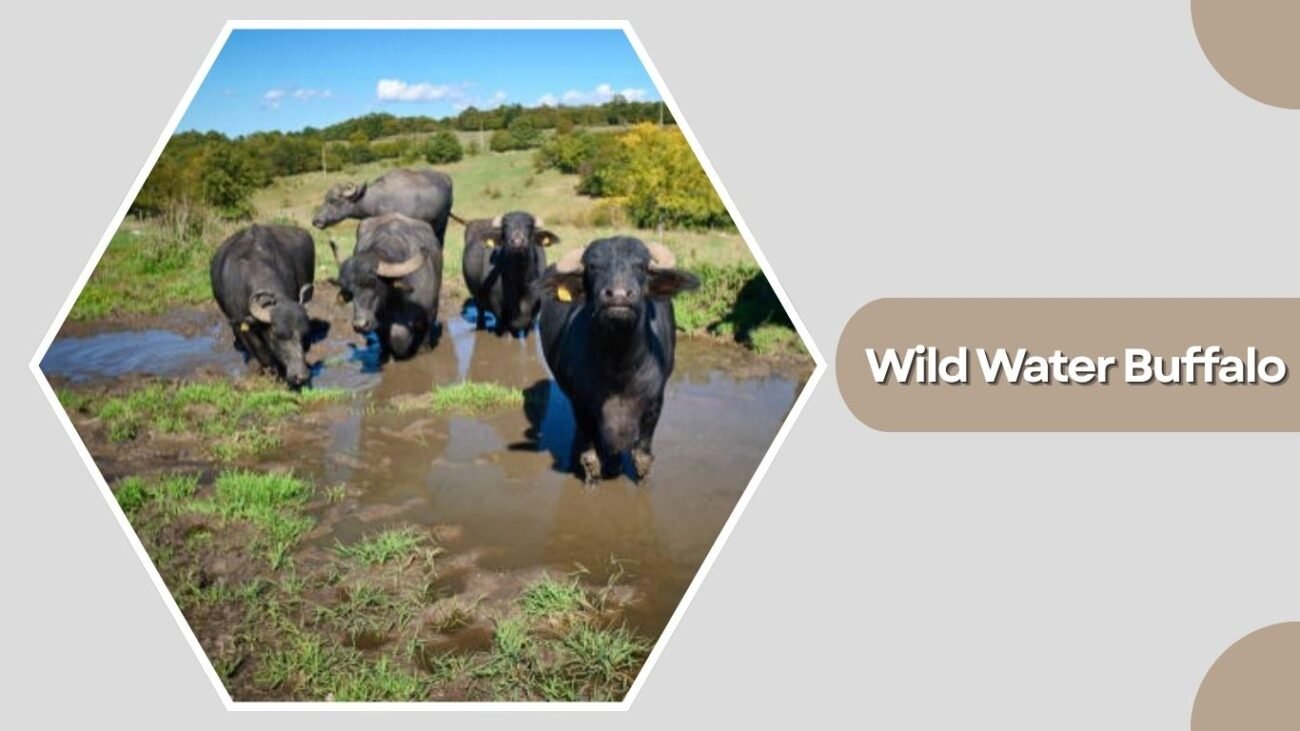
The wild water buffalo is the original wild ancestor of all domestic water buffalo breeds. It is a powerful and endangered species known for its massive size and impressive horn span.
Identification
- Very large and muscular body
- Dark gray to black coloration
- Enormous, sweeping horns
- Long legs with strong hooves
- Minimal body hair
Habitat
Wild water buffalo inhabit grasslands, river valleys, floodplains, and marshes in South and Southeast Asia. They depend heavily on natural wetlands and permanent water sources.
Behavior
They live in small herds and are extremely wary of humans. Wild water buffalo can be highly aggressive when threatened, making them one of the most dangerous wild bovines.
Diet
They primarily graze on grasses and sedges but also consume aquatic vegetation. Their grazing helps maintain open wetland ecosystems.
11. American Bison
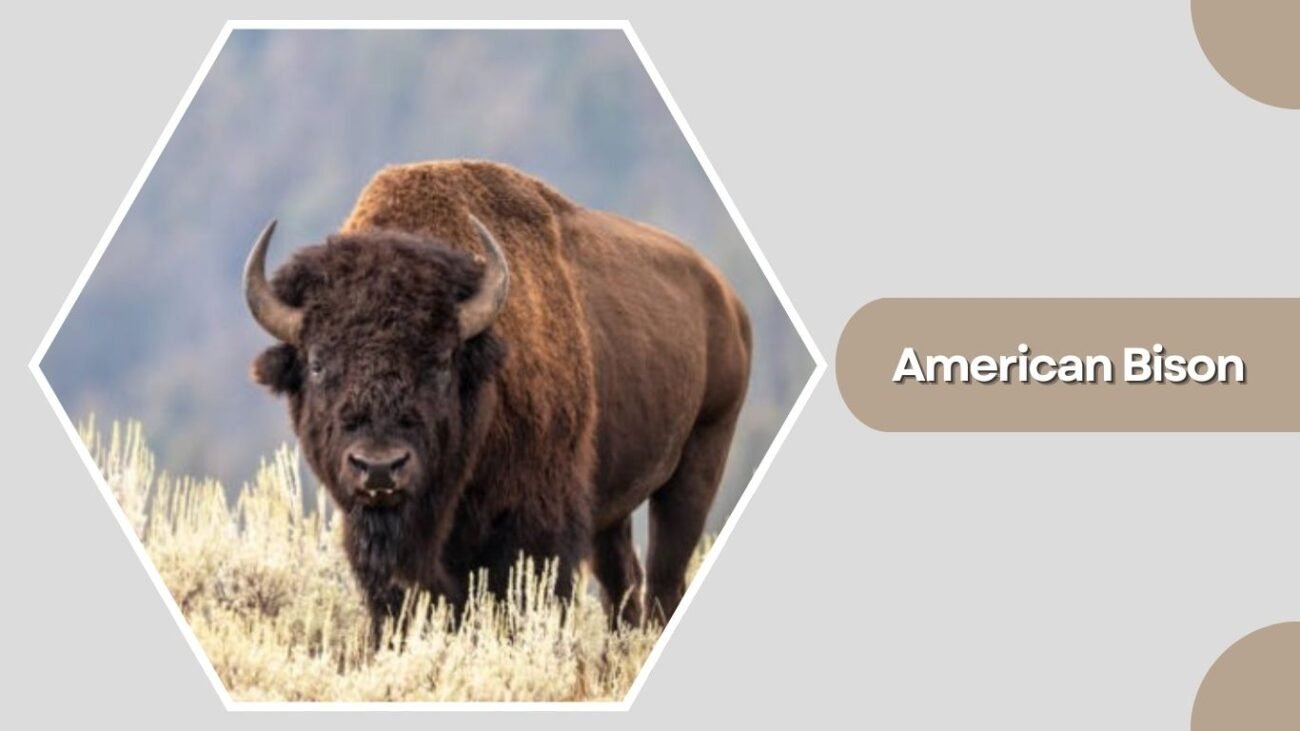
The American bison is the largest land mammal in North America and is often mistakenly called a buffalo. It is a powerful symbol of the Great Plains and played a vital role in the culture and survival of many Indigenous peoples.
Identification
- Massive body with pronounced shoulder hump
- Thick, shaggy brown fur on head and forequarters
- Short, curved black horns
- Large head with beard and mane
- Strong, muscular legs
Habitat
American bison inhabit grasslands, plains, prairies, and river valleys. Today, they are mostly found in protected reserves, national parks, and managed ranches.
Behavior
They are social animals that form herds, which may vary in size seasonally. Despite their size, bison are agile and can be unpredictable when threatened.
Diet
Their diet consists mainly of grasses and sedges. As grazers, they help maintain healthy grassland ecosystems through their feeding and movement patterns.
12. Plains Bison
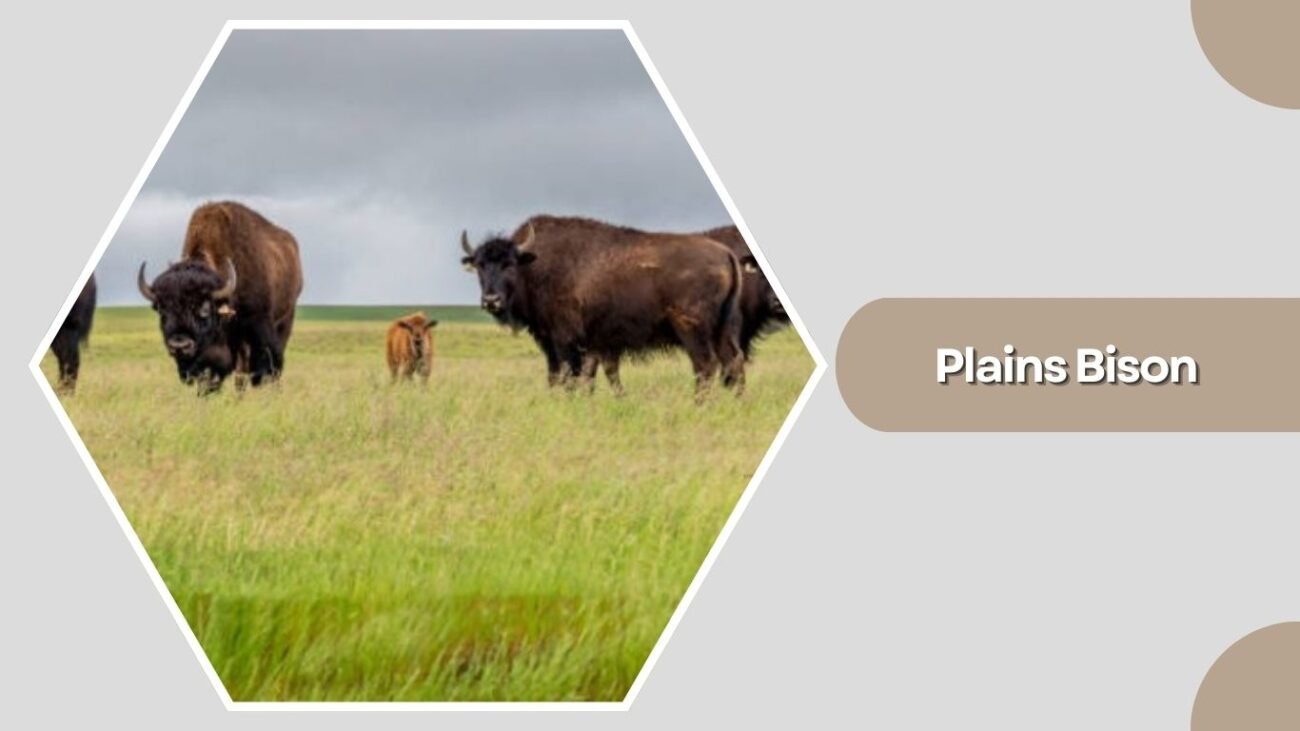
The plains bison is a subspecies of the American bison that historically dominated the Great Plains of North America. It once existed in vast numbers and shaped the ecology of prairie landscapes.
Identification
- Slightly smaller than wood bison
- Prominent shoulder hump
- Dense fur around head and neck
- Short, sharply curved horns
- Leaner build compared to forest forms
Habitat
Plains bison are adapted to open prairies and grasslands with wide grazing areas. They prefer flat or gently rolling terrain with abundant grasses.
Behavior
They form large migratory herds, especially in open landscapes. Plains bison are known for seasonal movements driven by grazing availability and weather conditions.
Diet
They feed almost entirely on grasses, selecting different species throughout the year depending on availability and nutritional value.
13. Wood Bison
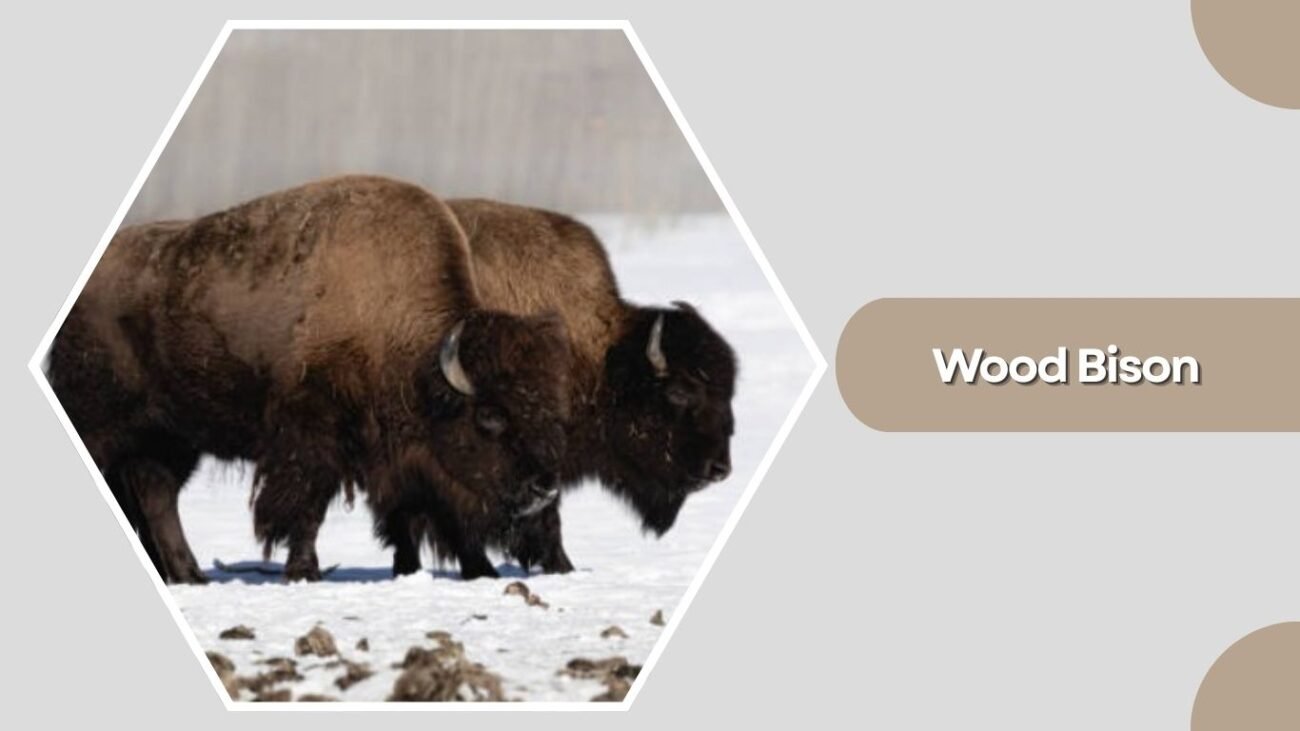
The wood bison is the largest subspecies of American bison and is adapted to colder, forested environments. It is heavier and taller than plains bison, with distinctive body proportions that suit life in northern climates.
Identification
- Largest bison subspecies
- Tall shoulder hump set farther forward
- Dark brown, dense fur
- Smaller beard compared to plains bison
- Long legs adapted for snow
Habitat
Wood bison inhabit boreal forests, meadows, and river valleys in northern Canada and Alaska. They prefer mixed landscapes that provide both grazing areas and forest cover.
Behavior
They live in smaller herds than plains bison and are less migratory. Wood bison are cautious animals but can become aggressive if threatened.
Diet
Their diet includes grasses, sedges, and herbs in summer, while in winter they rely on shrubs, mosses, and lichens uncovered beneath snow.
14. European Bison
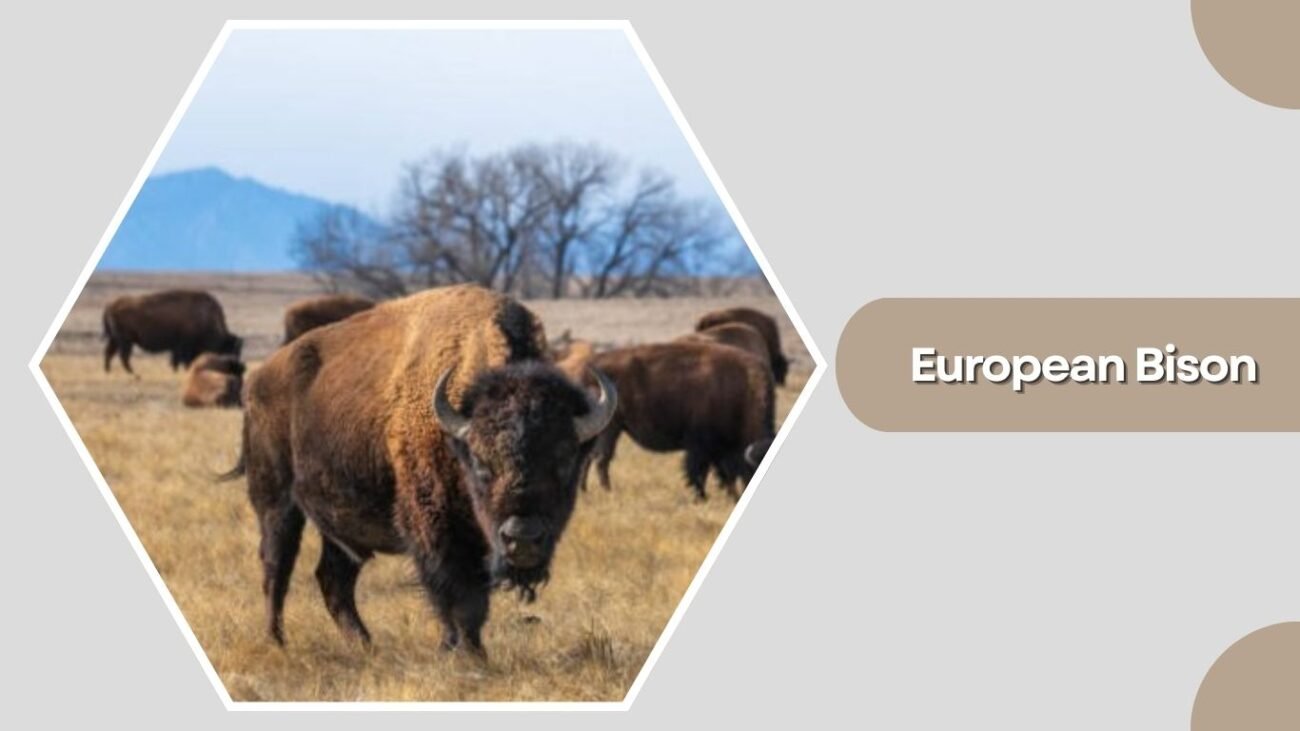
The European bison, also known as the wisent, is the heaviest land mammal in Europe. Once driven to extinction in the wild, it has been successfully reintroduced through conservation efforts.
Identification
- Large, muscular body
- Prominent shoulder hump
- Shorter fur than American bison
- Narrower head and longer legs
- Curved, forward-pointing horns
Habitat
European bison live in mixed and deciduous forests, forest edges, and open clearings. They require large, connected habitats to support healthy populations.
Behavior
They form small herds led by females, while males are often solitary outside the breeding season. European bison are generally shy but can be dangerous when startled.
Diet
They are mixed feeders, consuming grasses, leaves, bark, and shoots. Seasonal changes strongly influence their feeding habits.
15. Plains Buffalo
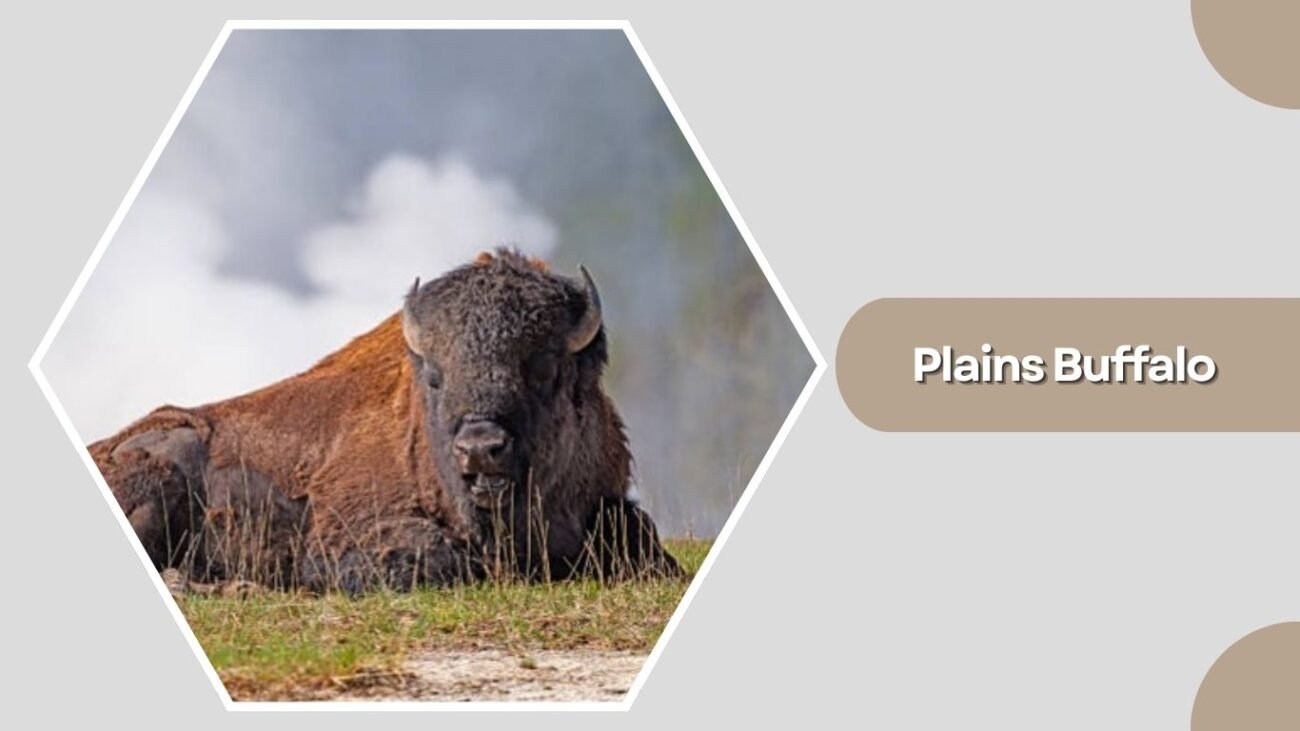
The plains buffalo is a common name often used interchangeably with plains bison, especially in historical and regional contexts. It refers to large grazing buffalo-like animals that occupied open grassland ecosystems.
Identification
- Large, heavy-bodied animal
- Prominent shoulder hump
- Thick fur around head and neck
- Short, curved horns
- Strong, muscular frame
Habitat
Plains buffalo inhabit open grasslands, prairies, and steppe regions with wide grazing areas and minimal forest cover.
Behavior
They are herd-based animals that rely on group movement for protection. Plains buffalo display seasonal migrations linked to grazing conditions and climate.
Diet
Their diet consists primarily of grasses and sedges, with occasional herbs depending on availability.
16. Steppe Bison
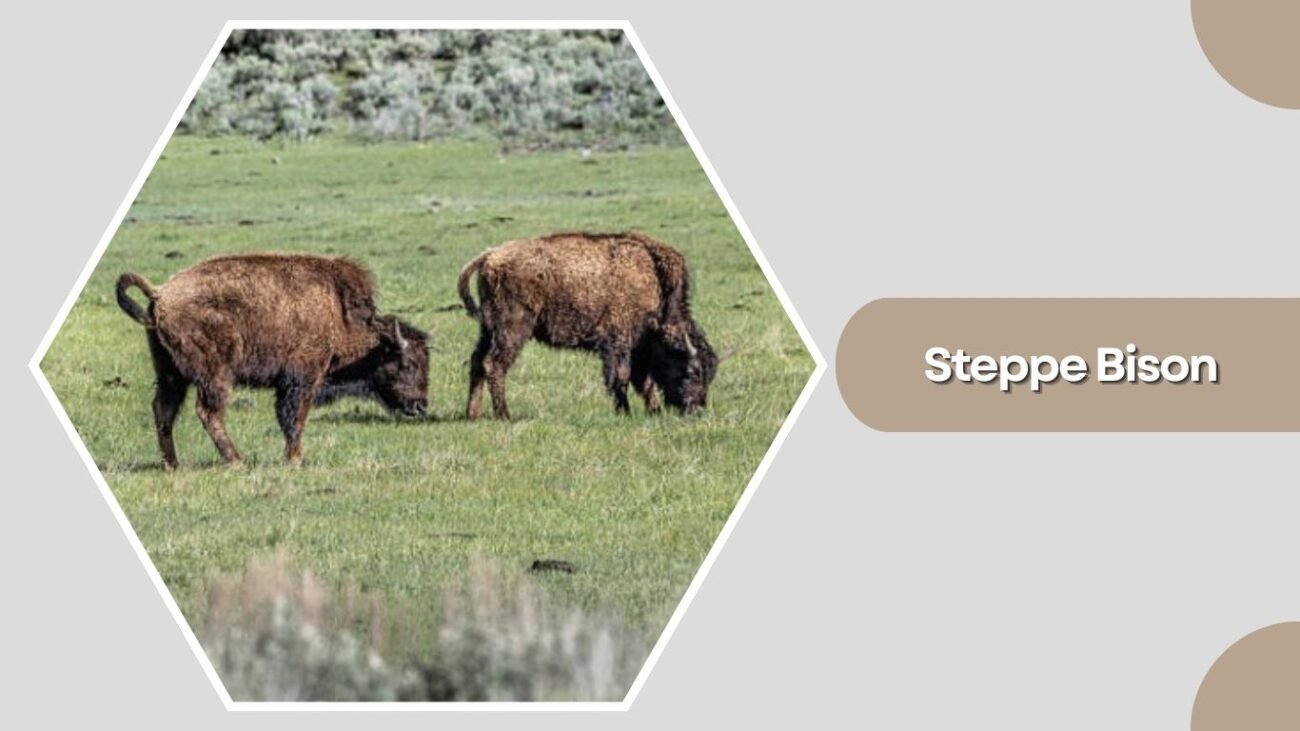
The steppe bison is an extinct species of bison that once roamed Eurasia and parts of North America during the Ice Age. It is considered an important ancestor of modern bison species.
Identification
- Very large body size
- Long, curved horns
- Thick fur adapted to cold climates
- Massive head and shoulders
- Strong limb bones
Habitat
Steppe bison inhabited cold grasslands, tundra-steppe, and open plains during the Pleistocene epoch.
Behavior
They likely lived in herds and migrated seasonally across vast landscapes in search of grazing grounds.
Diet
Their diet consisted mainly of grasses and other hardy steppe vegetation adapted to cold environments.
17. Mountain Bison
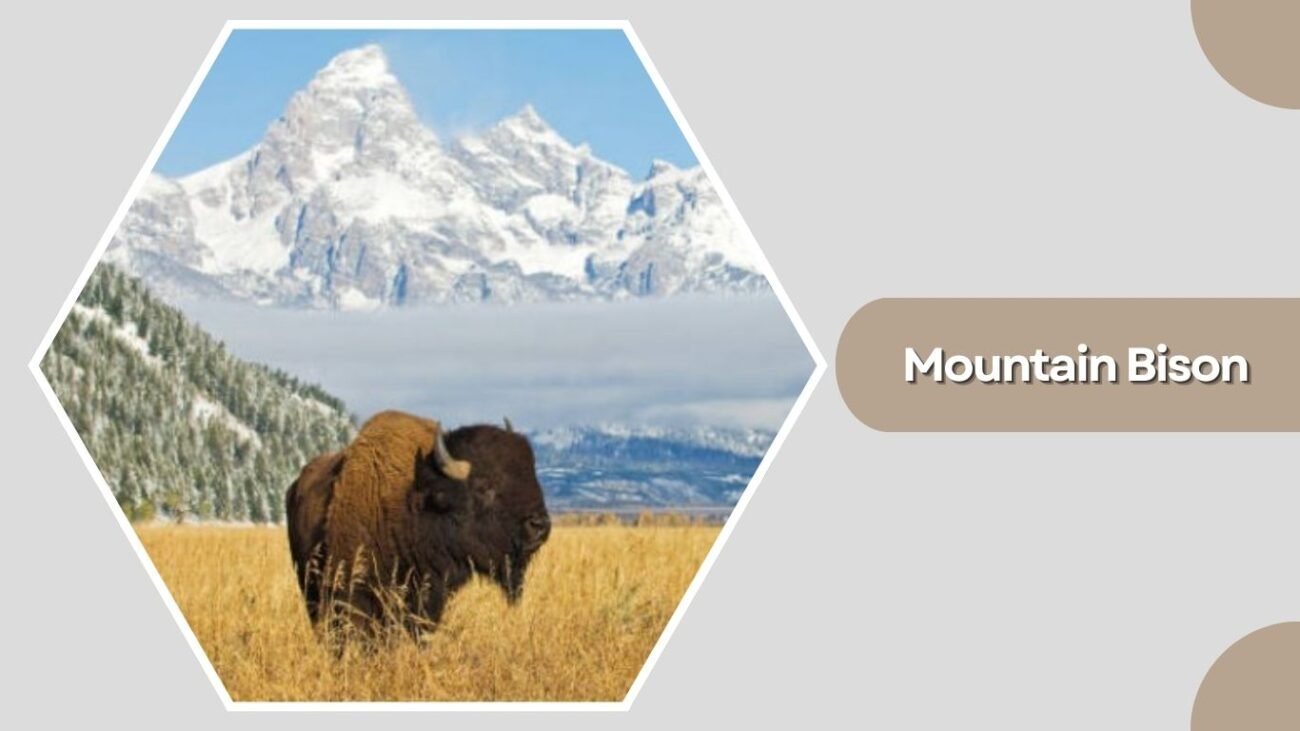
The mountain bison is a lesser-known and informal classification used to describe bison populations adapted to higher elevations and rugged terrain. These bison show physical and behavioral traits that help them survive in mountainous environments.
Identification
- Strong, compact body
- Well-developed shoulder hump
- Thick, insulating fur
- Short, curved horns
- Powerful legs suited for climbing
Habitat
Mountain bison inhabit high-altitude grasslands, foothills, and mountainous regions with open meadows and sparse forests.
Behavior
They tend to form smaller, more scattered herds compared to plains bison. Mountain bison are cautious and highly aware of their surroundings due to rugged terrain and limited escape routes.
Diet
Their diet includes mountain grasses, herbs, and shrubs. Seasonal changes in elevation influence their feeding patterns.