how to get rid of roaches naturally:Stpe by step guide starts with one mindset shift: you’re not “killing bugs,” you’re removing what keeps them alive. Roaches thrive when they have steady food, water, warmth, and hiding spots. Take those away and your home stops being attractive.
You don’t need harsh sprays to get real results. You need a simple plan you can follow in order: confirm activity, clean with intention, place natural baits and powders correctly, then seal and maintain. Each step builds on the last, so don’t skip ahead.
Expect progress in days, not minutes. You’ll usually see fewer roaches within a week, then steady improvement over 2–4 weeks if you keep pressure on their routes and nesting zones.
Confirm You’re Dealing With Roaches (and Find Their Hotspots)
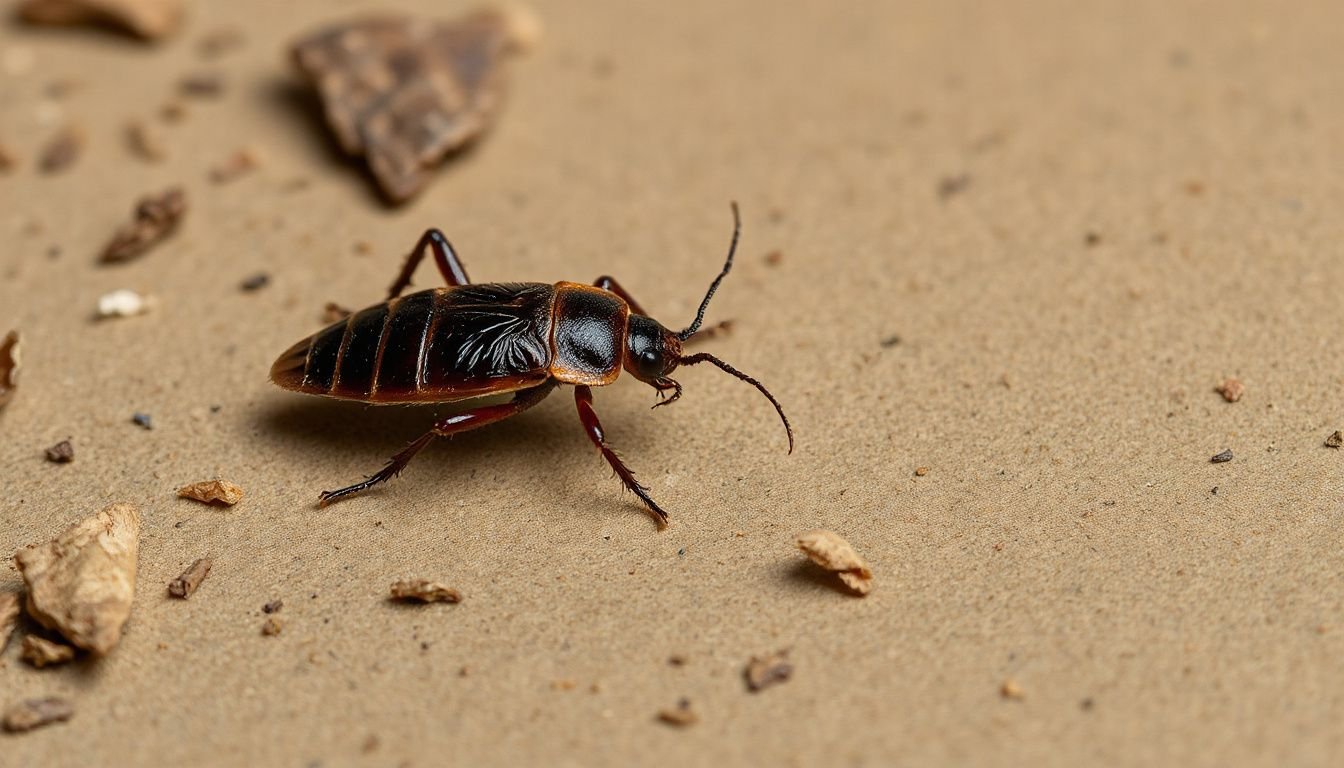
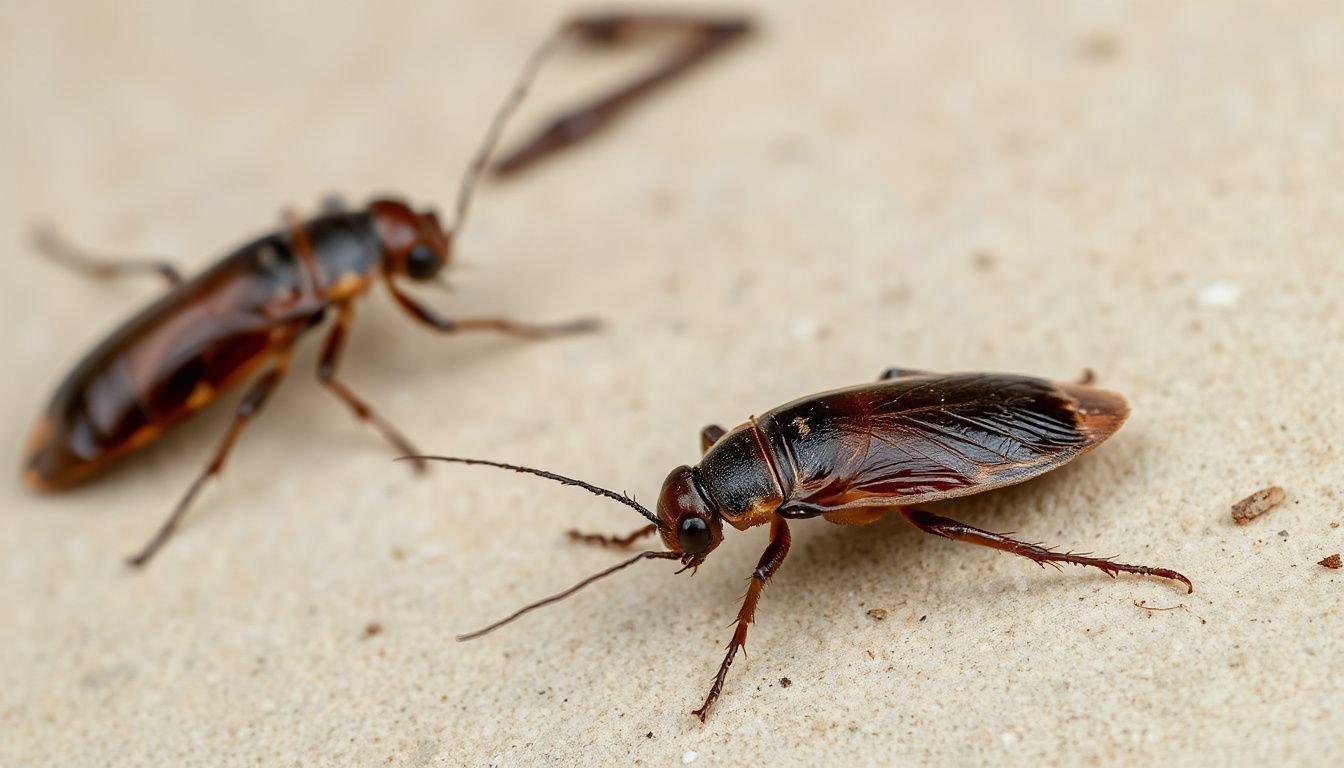
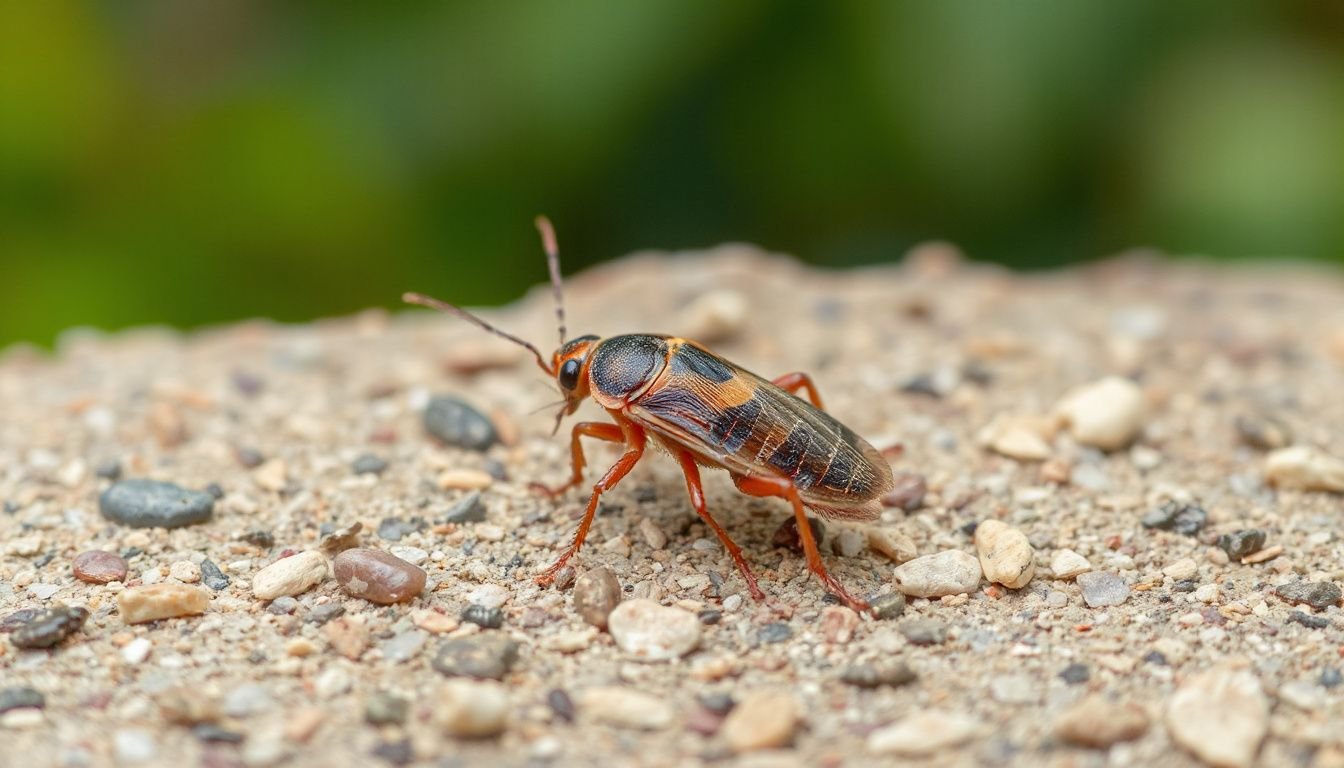
First, confirm it’s roaches—not ants, beetles, or crickets—because the strategy depends on their behavior. Roaches are fast, flatten into cracks, and usually scatter when you flip on a light. You may also notice a musty odor in heavy infestations.
Next, identify hotspots so you treat the right places. Focus on warm, dark, damp zones close to food.
- Kitchen: under the sink, behind the fridge, stove sides, inside cabinet corners
- Bathroom: under vanity, around toilet base, behind shower plumbing access
- Laundry/utility: behind washer, floor drains, water heater area
Pro tip: Use 3–6 sticky traps overnight along walls and under appliances to map their travel paths. Common mistake: Spraying first. It can scatter roaches deeper into walls and make baiting less effective.
Before You Start: Gather Supplies and Protect Pets and Kids
Set yourself up so you can treat once, then maintain quickly. Natural doesn’t mean risk-free—powders can irritate lungs, and some essential oils are unsafe for pets.
- Sticky traps (monitoring)
- Food-grade diatomaceous earth (DE) or boric acid (use carefully)
- Gel bait stations or DIY bait ingredients (see later step)
- Vacuum with crevice tool, degreasing cleaner, microfiber cloths
- Caulk + backer rod, steel wool, door sweep
- Gloves and a dust mask for powder application
Pro tip: Put powders only in inaccessible voids (behind appliances, under toe-kicks), not on open floors. Common mistake: Leaving bait where pets can reach it—place in cracks, under appliances, or inside bait stations.
Remove Food, Water, and Clutter to Break Their Routine
Roaches don’t need much. A few crumbs, a leaky P-trap, and cardboard clutter can support a colony. Your goal is to make nightly feeding impossible.
- Store pantry foods in sealed containers; don’t leave pet food out overnight
- Wipe counters and sweep floors nightly, especially under the stove edge
- Fix drips, dry sinks, and plug drains at night if roaches are active there
- Reduce clutter: recycle cardboard, remove paper stacks, organize under-sink items
Pro tip: Empty kitchen trash nightly and rinse recyclables. Common mistake: Cleaning “visible” areas only; roaches feed behind appliances and inside cabinet corners you don’t see.
Deep-Clean Roach Zones to Eliminate Grease, Crumbs, and Eggs
Deep-cleaning removes the grease film and hidden food that keeps roaches returning. It also improves bait performance because roaches are forced to choose your bait.
- Pull out the fridge and stove; vacuum crumbs and debris along edges and vents.
- Degrease: clean backsplash, cabinet fronts, and the sides of appliances.
- Vacuum cracks and crevices under toe-kicks and inside cabinet seams.
- Wash removable drawers and shelf liners; dry completely before replacing.
Practical example: If you find pepper-like droppings behind your toaster and a greasy strip along the wall, clean that strip with a degreaser, vacuum the corner seam, then place a bait dot and a thin line of DE under the counter lip—right where they travel.
Pro tip: Vacuuming is instant population reduction, especially for egg cases and nymphs. Common mistake: Skipping drying—moisture brings them back fast.
Apply Natural Baits and Powders Where Roaches Travel
You’ll get the best results by combining a bait (they eat and share) with a light dusting powder (they walk through). Placement matters more than quantity.
| Method | Best Use | Key Placement Rule |
|---|---|---|
| Gel bait / bait stations | Active infestations, fast knockdown | Small dots in corners, hinges, under appliances (not on open surfaces) |
| Food-grade DE | Long-term barrier in dry voids | Ultra-thin layer; too much makes roaches avoid it |
- Place bait near hotspots: under sink corners, behind fridge motor area, cabinet hinges.
- Apply DE with a duster into cracks, behind baseboards, and under toe-kicks.
- Reapply only after cleaning or if it gets wet.
Pro tip: Keep bait away from strong cleaners—odors can repel roaches. Common mistake: Dusting everywhere; visible piles don’t work better and create mess.
Seal Entry Points and Fix Moisture Problems to Stop Reinfestation
If you don’t seal gaps, you’re treating symptoms while new roaches keep arriving. Your goal is to block highways and remove moisture that supports survival.
- Caulk gaps around baseboards, cabinet seams, and countertop backsplashes.
- Seal pipe penetrations under sinks with caulk + backer rod; use steel wool for larger holes.
- Add a door sweep and weatherstripping, especially near kitchens and garages.
- Fix leaks, improve ventilation, and run a dehumidifier if humidity stays high.
Pro tip: Prioritize plumbing penetrations—roaches love shared wall voids. Common mistake: Sealing without cleaning first; you can trap odors and debris that still attract pests.
Monitor Results and Maintain a Weekly Prevention Routine
Monitoring tells you what’s working and where to adjust. Keep sticky traps in the same spots for consistent comparison, and check them weekly.
- Week 1: Expect trap counts to drop if baiting and cleaning are correct.
- Week 2–3: Move baits closer to any remaining trap activity.
- Week 4: Reduce to maintenance—fewer baits, continued sanitation and sealing.
Build a simple weekly routine: wipe grease zones, vacuum under appliance edges, empty trash, and inspect under sinks for moisture. Pro tip: Track trap counts in a note on your phone. Common mistake: Stopping after a “quiet week”—eggs can hatch later.
Start Here
Start tonight with two actions: place sticky traps to map hotspots, then remove water by drying sinks and fixing any drip you can. Tomorrow, deep-clean behind the fridge and stove, then place small bait dots and a thin DE dusting in dry, hidden travel routes.
Over the next week, keep food sealed, trash out, and counters wiped. Then seal gaps around pipes and baseboards so new roaches can’t replace the ones you’re eliminating. If trap counts don’t drop after 10–14 days, your placement is off—move baits closer to activity and reduce competing food sources until the bait becomes their easiest meal.