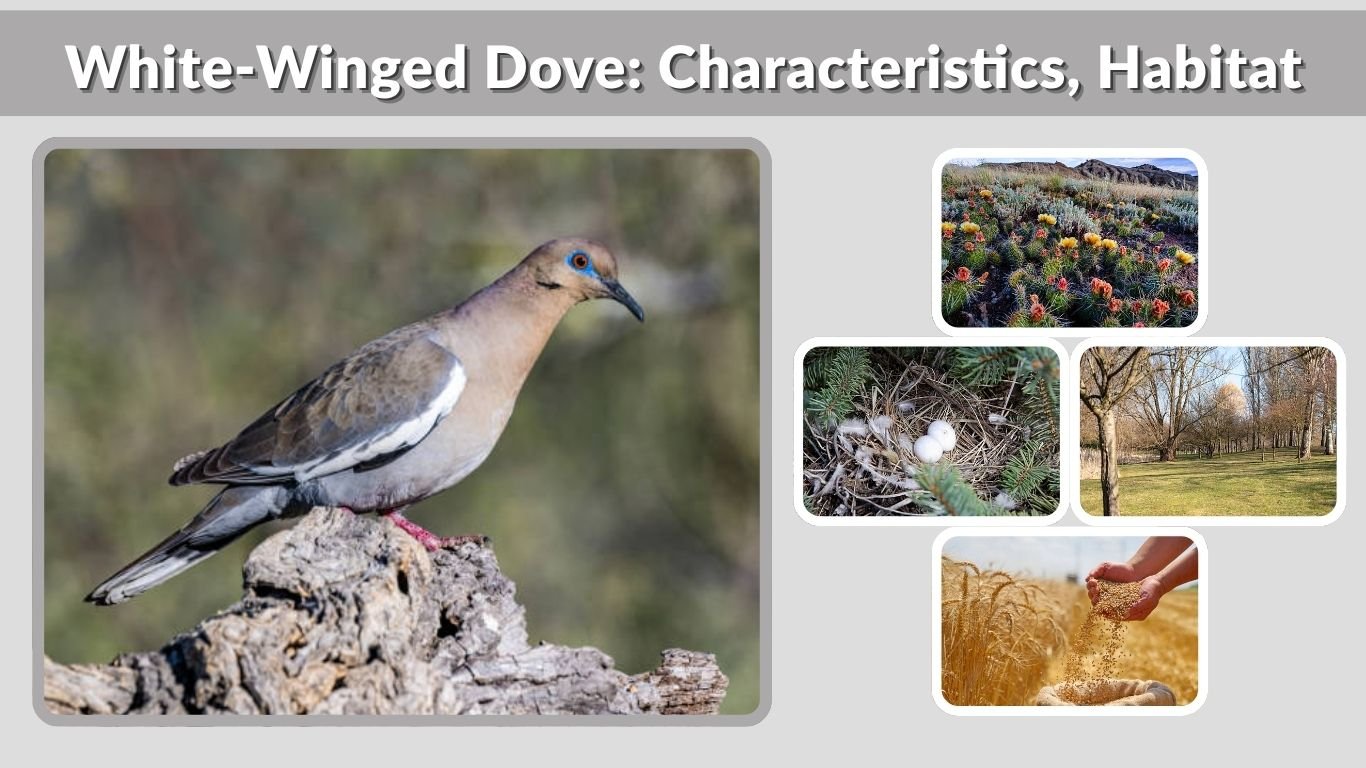
The white-winged dove (Zenaida asiatica) is a graceful and adaptable bird commonly found across parts of North, Central, and South America. Known for the striking white stripe on its wings, this dove is easy to recognize in flight. It thrives in diverse environments, from arid deserts to urban neighborhoods. Understanding its characteristics, habitat, diet, and nesting habits provides valuable insight into how this species survives and flourishes in both natural and human-altered landscapes.
White-Winged Dove Characteristics
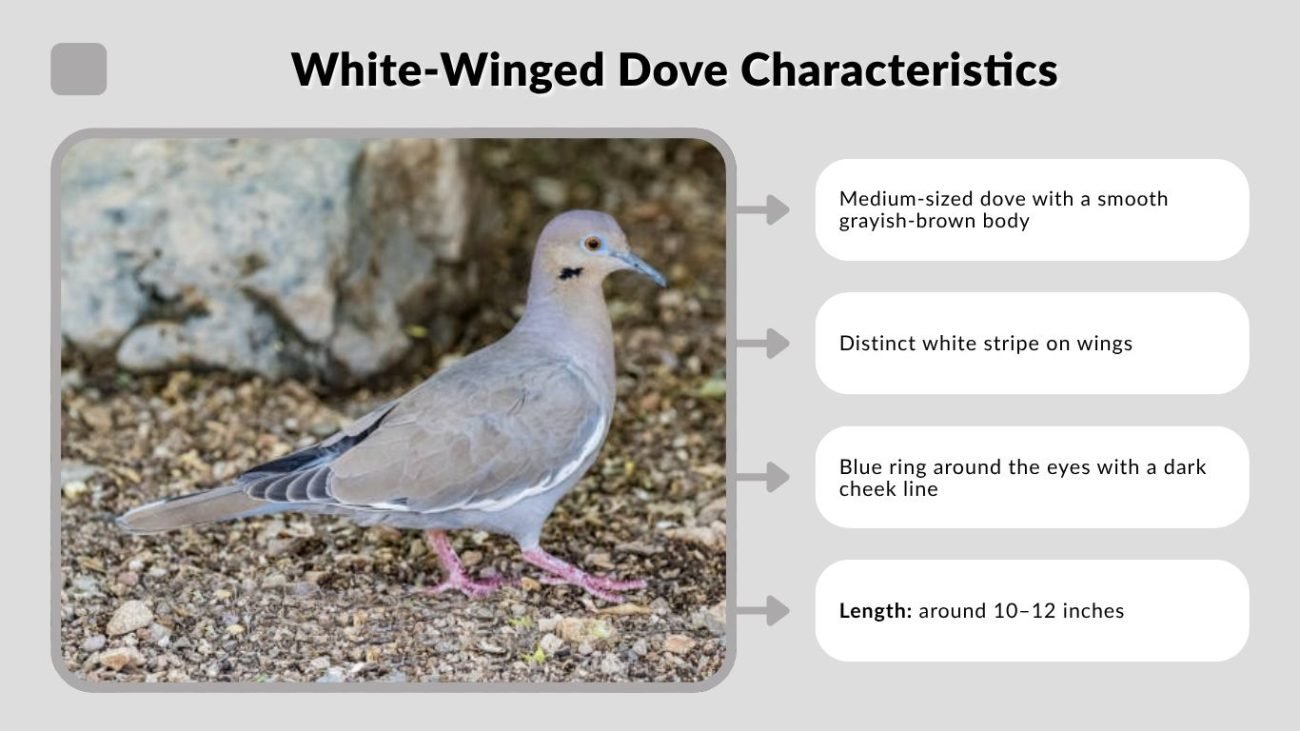
The white-winged dove is a medium-sized bird known for its subtle beauty and easily recognizable markings. It combines a soft, neutral body color with a striking white wing patch that stands out during flight. This species is also appreciated for its calm behavior and gentle cooking calls, making it a familiar presence in both wild and urban environments.
Key Characteristics:
- Medium-sized dove with a smooth grayish-brown body
- Distinct white stripe on wings, especially visible in flight
- Blue ring around the eyes with a dark cheek line
- Length: around 10–12 inches; wingspan: 18–22 inches
- Soft, rhythmic cooing vocalization
- Strong and steady flight pattern
- Social behavior, often seen in small groups
- Adaptable to both desert and urban habitats
White-Winged Dove Habitat
Geographic Range
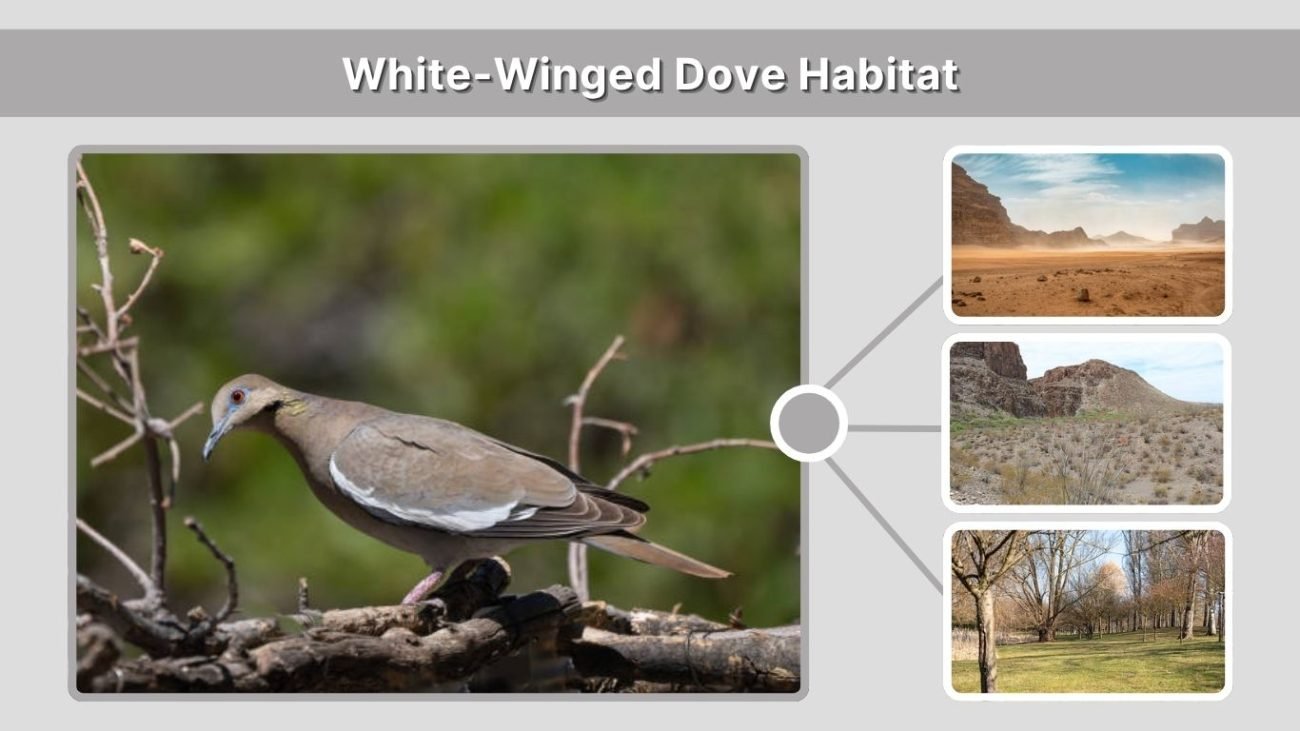
The white-winged dove has a wide geographic range that extends from the southwestern United States through Mexico and into Central and South America. It is especially common in regions like Texas, Arizona, and parts of California. Over time, its range has expanded due to its adaptability to changing environments.
Preferred Environments
This dove thrives in a variety of habitats, including deserts, scrublands, and open woodlands. It is particularly well adapted to arid and semi-arid regions, where it often nests in cacti such as the saguaro. In addition to natural environments, it has successfully adapted to urban and suburban areas, where it can be seen in parks, gardens, and residential neighborhoods.
Migration Patterns
White-winged doves exhibit partial migration depending on their location. Populations in northern areas tend to migrate south during colder months, while those in warmer regions may remain year-round residents. Their migration patterns are influenced by food availability and climate conditions, allowing them to survive in a range of environments.
White-Winged Dove Diet
Primary Food Sources
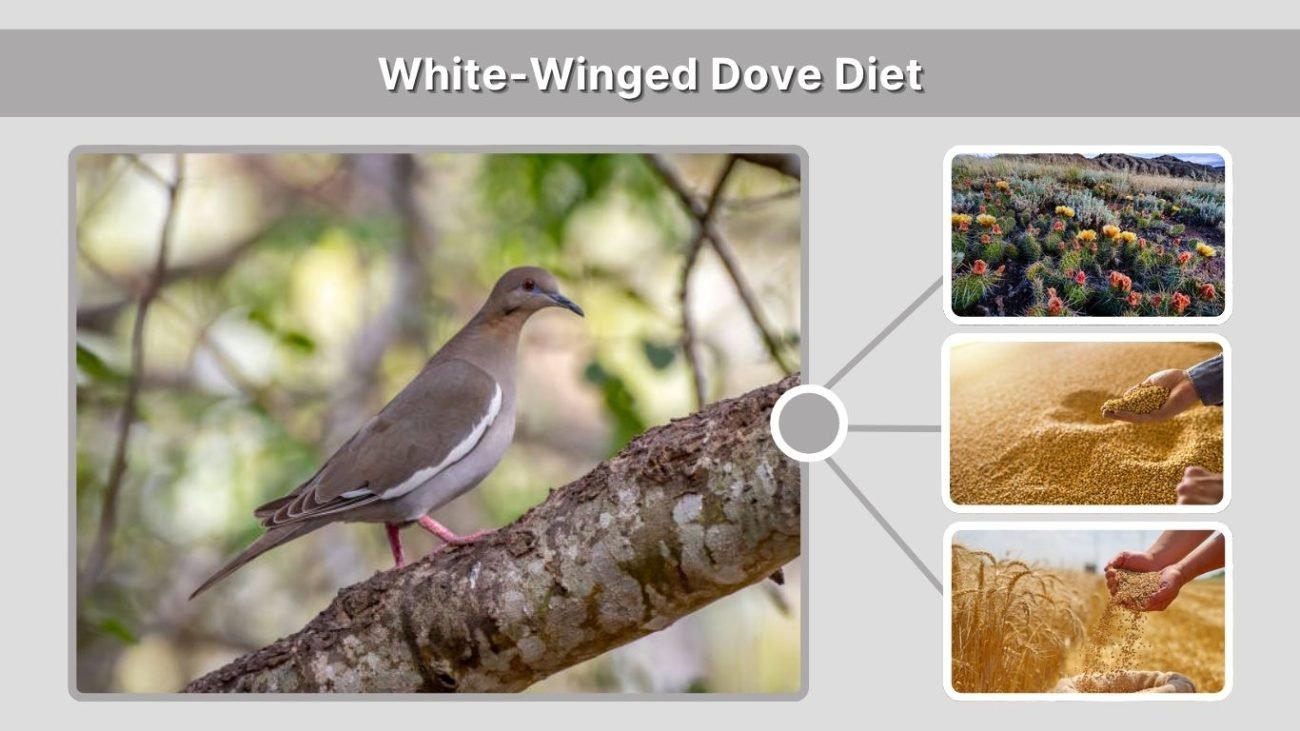
The diet of the white-winged dove mainly consists of seeds and grains, which form the bulk of its nutrition. It also feeds on fruits, particularly those from desert plants like cactus. The fruit of the saguaro cactus is especially important in desert ecosystems, providing both food and moisture.
Feeding Behavior
White-winged doves typically forage on the ground, searching for fallen seeds and grains. They may also feed directly from plants when fruit is available. These birds often feed in small flocks, especially in areas where food is abundant. Unlike some bird species, they need regular access to water and are frequently seen near water sources.
Diet Adaptation
One of the most impressive traits of this species is its ability to adapt its diet based on its environment. In urban settings, it may feed on birdseed provided by humans or leftover grains in agricultural areas. In desert habitats, it relies more heavily on native plants and seasonal fruit, demonstrating its flexibility and survival skills.
White-Winged Dove Nest and Nesting Habits
Nest Structure
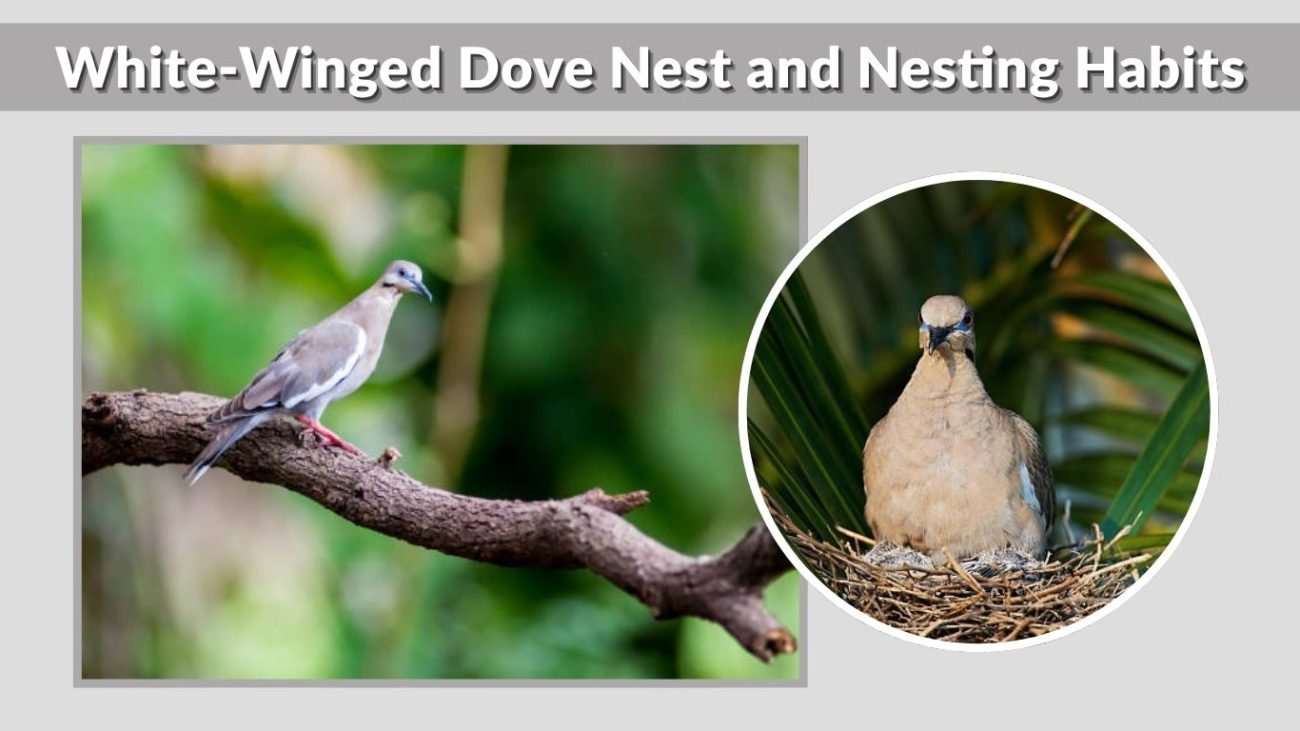
The white-winged dove builds a relatively simple nest compared to many other bird species. Its nest is usually a loose platform made of small twigs, grass, and plant stems. These nests may appear fragile, but they are functional enough to support eggs and growing chicks. The simplicity of the nest allows the birds to build it quickly, which is important during the breeding season.
Nesting Locations
White-winged doves typically choose elevated and sheltered locations for nesting. Common nesting sites include trees, shrubs, and large desert plants such as cacti. In urban environments, they may also build nests on buildings, ledges, or other man-made structures. Their ability to adapt nesting sites is one reason they have successfully expanded their range.
Breeding Behavior
The breeding season for white-winged doves usually occurs from spring through summer, although it may vary depending on the region. During this time, the male gathers nesting materials and presents them to the female, who constructs the nest. These birds often form monogamous pairs during the breeding season and may raise multiple broods in one year if conditions are favorable.
White-Winged Dove Eggs
Egg Description
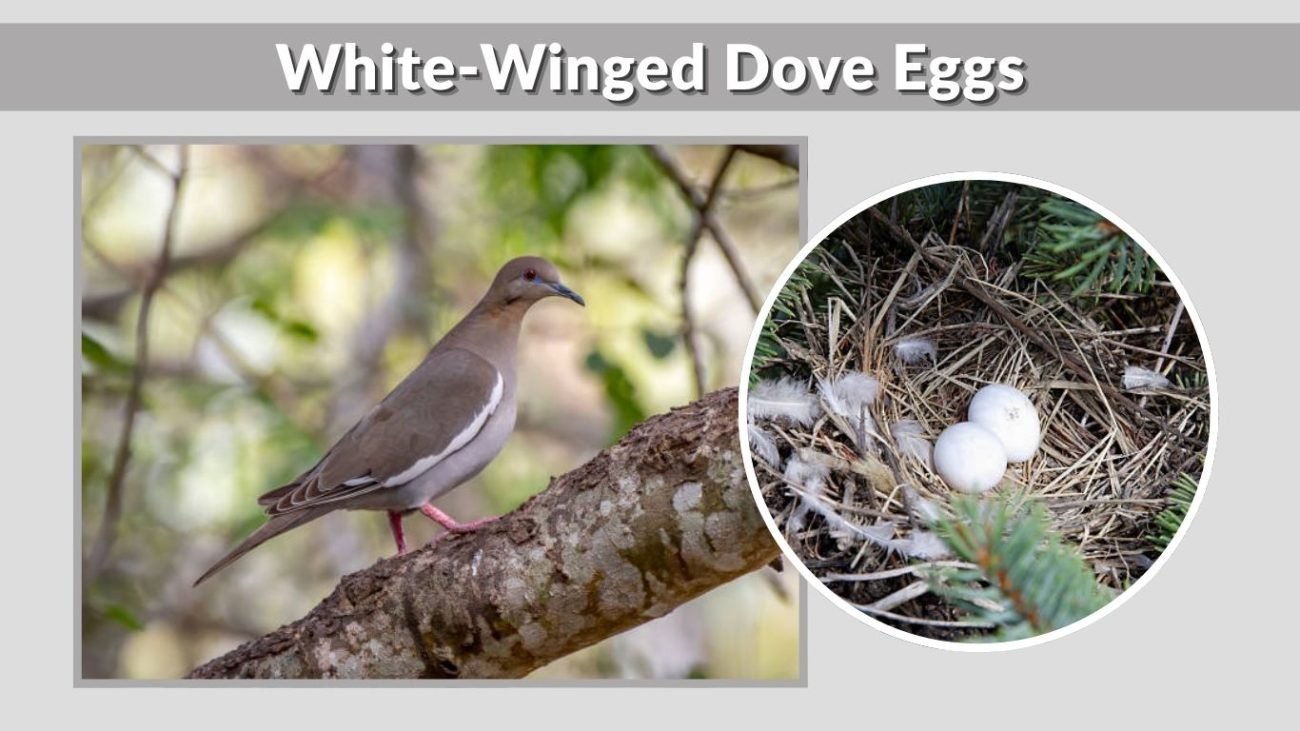
White-winged doves typically lay one to two eggs per clutch. The eggs are smooth, oval-shaped, and plain white in color. Their simple appearance is common among dove species and helps them blend into the light-colored nest materials.
Incubation Process
The incubation period lasts approximately 13 to 18 days. Both the male and female share responsibility for keeping the eggs warm, taking turns throughout the day and night. This shared effort increases the chances of successful hatching.
Chick Development
Once the eggs hatch, the chicks are born blind and helpless. They rely completely on their parents for food and protection. Both parents feed the chicks a nutritious substance known as “crop milk,” which is produced in their digestive system. The young birds grow quickly and are usually ready to leave the nest within two to three weeks.
White-Winged Dove Lifespan
Average Lifespan
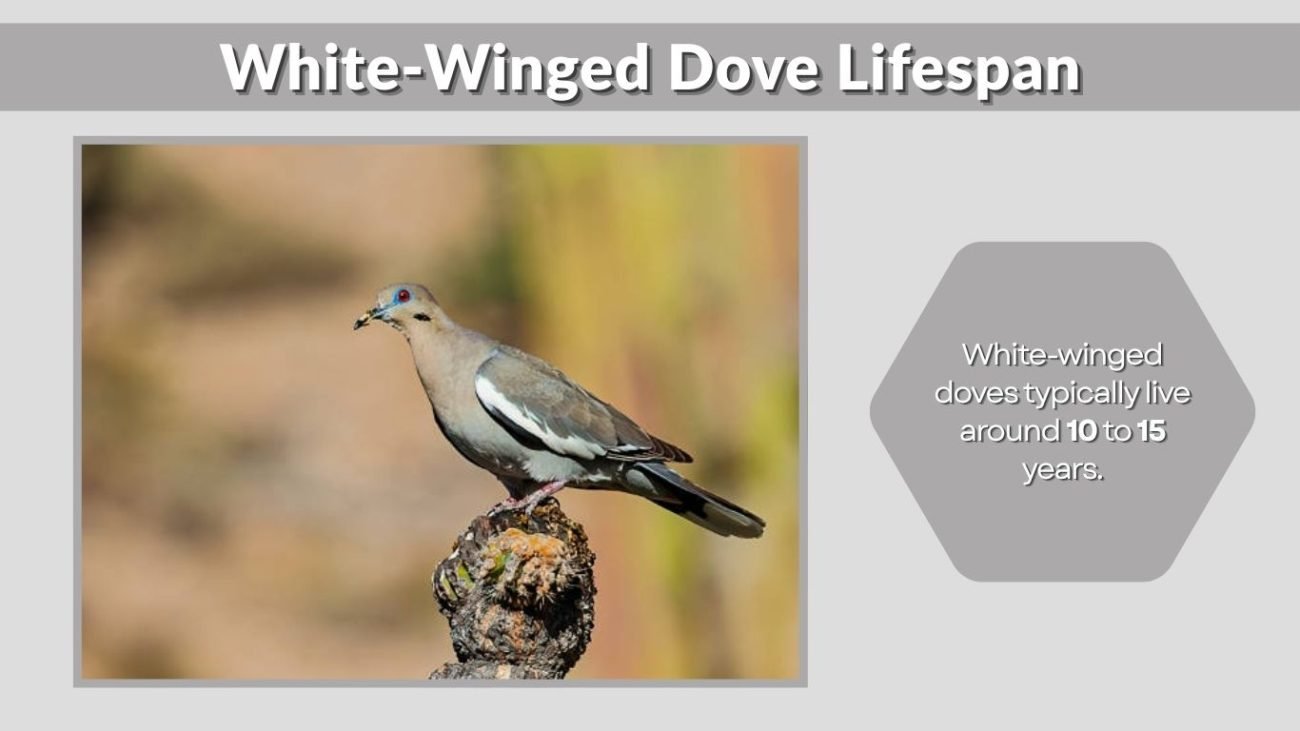
In the wild, white-winged doves typically live around 10 to 15 years. However, many individuals may not reach this age due to environmental challenges and natural threats.
Factors Affecting Lifespan
Several factors influence the lifespan of these birds. Predators such as hawks, snakes, and domestic cats pose a constant threat. Harsh weather conditions, habitat loss, and limited food availability can also impact survival. Despite these challenges, their adaptability helps maintain stable populations in many regions.
Lifespan in Captivity
When kept in protected environments such as aviaries, white-winged doves often live longer than their wild counterparts. With consistent food, shelter, and reduced risk from predators, their lifespan can extend beyond 15 years.
Interesting White-Winged Dove Facts
Unique Adaptations
White-winged doves are well adapted to survive in hot desert climates. They can tolerate high temperatures and are capable of flying long distances to find food and water. Their strong flight ability makes them efficient travelers across wide areas.
Cultural Significance
This bird has also gained cultural recognition over time. It is famously referenced in the song “Edge of Seventeen” by Stevie Nicks, where its call inspired part of the lyrics. Such references have helped increase public awareness of the species.
Role in Ecosystem
White-winged doves play an important role in their ecosystem. By feeding on fruits and seeds, they help with seed dispersal, contributing to plant growth and regeneration. In desert environments, they are especially important for spreading cactus seeds.
Conclusion
The white-winged dove is a remarkable bird known for its distinctive appearance, adaptability, and ecological importance. From its recognizable wing markings to its flexible diet and nesting habits, this species has successfully thrived in both wild and urban environments. Understanding its behavior, habitat, and lifecycle highlights the importance of preserving natural ecosystems. As human development continues to expand, protecting habitats that support species like the white-winged dove remains essential for maintaining biodiversity.
FAQs
What is the difference between a white-winged dove and a mourning dove?
White-winged doves are slightly larger and have a distinctive white stripe on their wings, while mourning doves have a more slender body and long pointed tail without the bold wing marking.
Do white-winged doves mate for life?
White-winged doves typically form monogamous pairs during the breeding season, and some pairs may stay together for multiple seasons if conditions remain favorable.
How many times a year do white-winged doves breed?
They can raise multiple broods in a single breeding season, especially in warm climates where food is abundant.
What predators do white-winged doves have?
Common predators include hawks, owls, snakes, and domestic cats. Eggs and chicks are especially vulnerable to predation.
Can white-winged doves live in cities?
Yes, they adapt well to urban environments and are often seen in parks, gardens, and residential areas where food and nesting sites are available.