The western kingbird is a striking and energetic bird commonly found in open landscapes across western North America. Known for its bold behavior and distinctive coloring, this species stands out with its bright yellow belly and gray upperparts. As a member of the flycatcher family, it is skilled at catching insects in mid-air. In this article, we explore the western kingbird’s identification, habitat, and diet to better understand this fascinating and adaptable bird.
Western Kingbird Identification
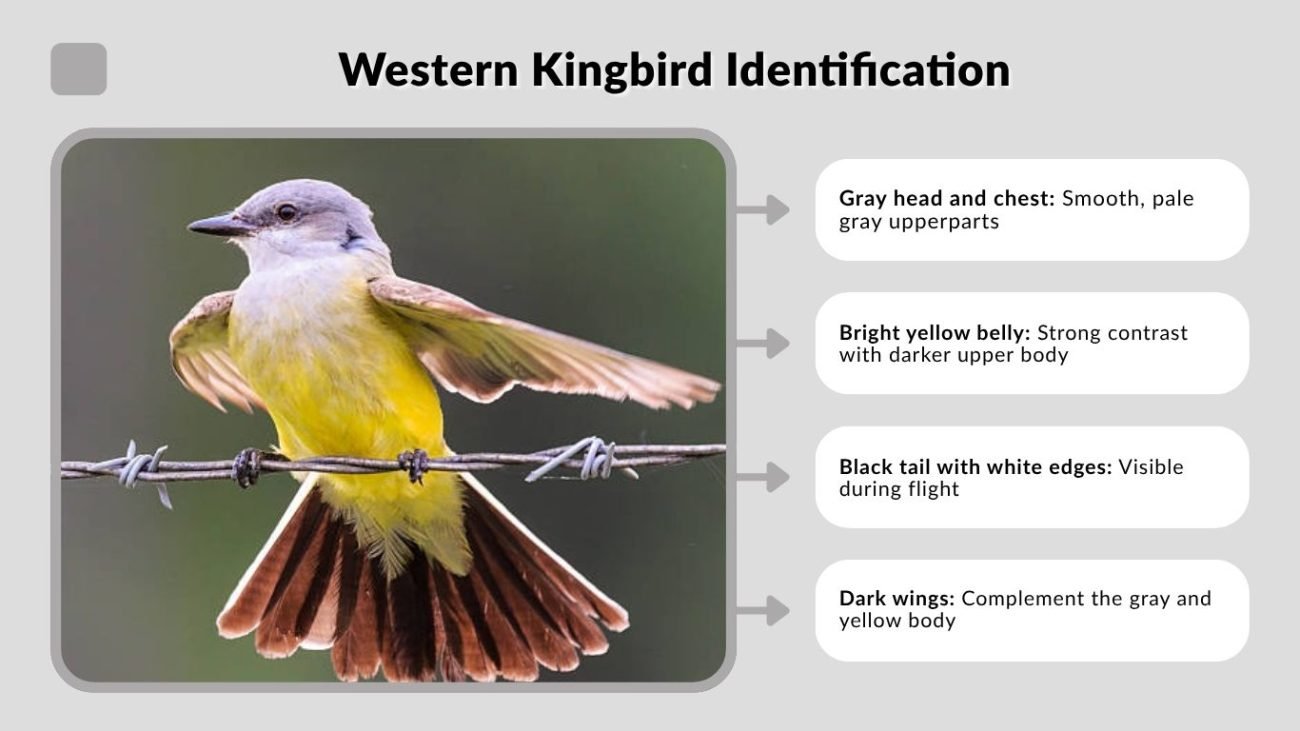
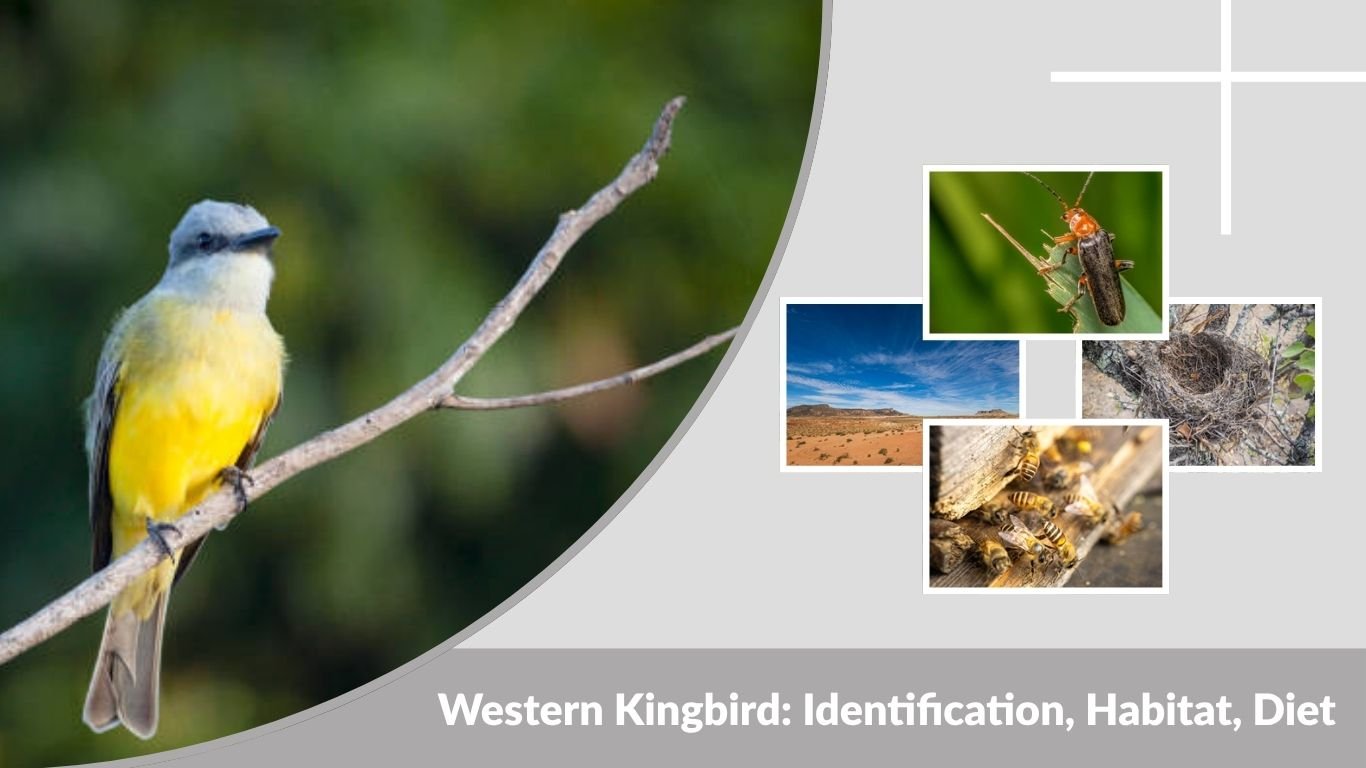
The western kingbird is a bold and easy-to-spot bird thanks to its contrasting colors and confident behavior. It is often seen perched in open areas, making quick flights to catch insects. Its combination of gray, yellow, and black plumage, along with its fearless attitude, makes identification relatively simple even for beginners.
Key Identification Features (Quick Overview)
- Gray head and chest: Smooth, pale gray upperparts
- Bright yellow belly: Strong contrast with darker upper body
- Black tail with white edges: Visible during flight
- Dark wings: Complement the gray and yellow body
- Straight, sturdy bill: Adapted for catching insects
- Upright posture: Often seen sitting on wires or branches
- Perch-and-sally behavior: Flies out to catch insects mid-air
- Minimal sex differences: Males and females look very similar
These features, along with its open habitat and active hunting style, make the western kingbird one of the easier flycatchers to identify in the wild.
Western Kingbird Habitat
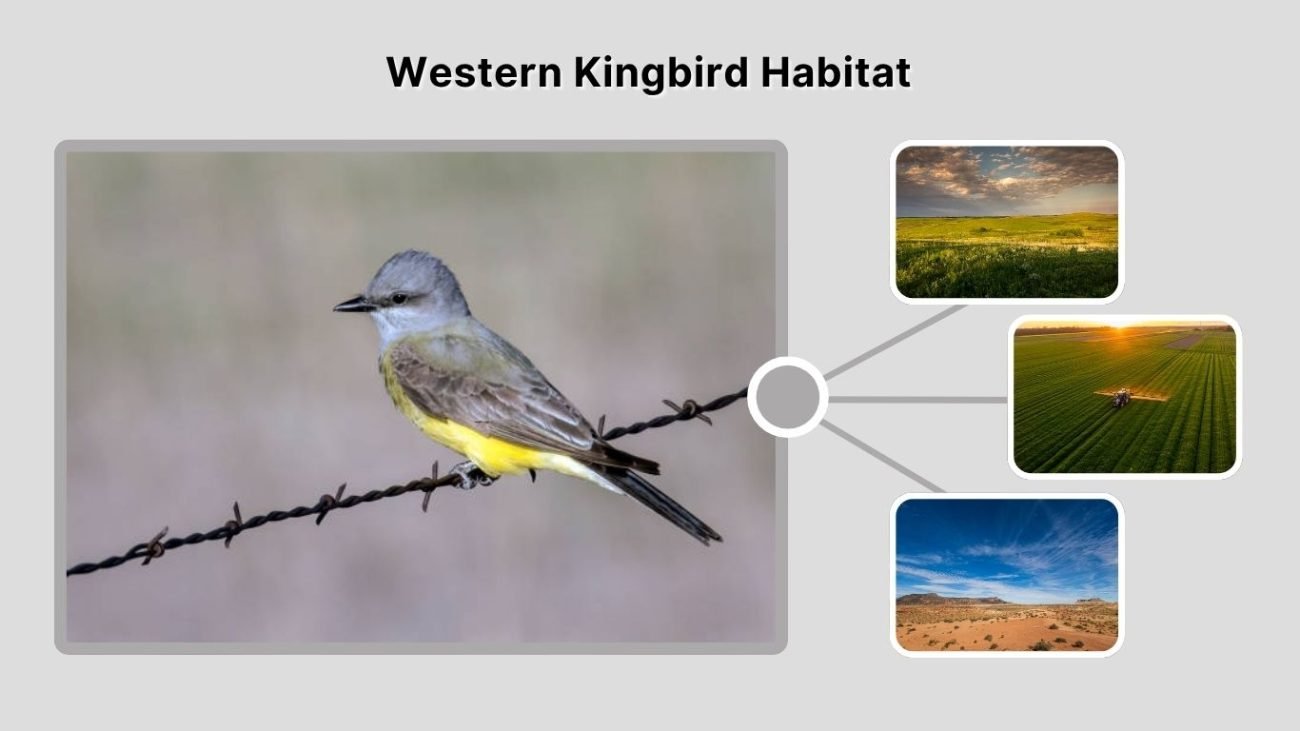
The western kingbird prefers open and semi-open environments where it can easily spot and catch flying insects.
Preferred Habitat
This species is commonly found in grasslands, farmlands, deserts, and open woodlands. It also adapts well to human-altered environments such as parks, roadsides, and agricultural areas.
Geographic Range
The western kingbird is primarily found in western North America, including parts of the United States, Canada, and Mexico. During the breeding season, it occupies northern and central regions, while in winter it migrates to southern areas.
Seasonal Movement
Western kingbirds are migratory birds. They travel south during the winter to warmer regions, including Central America. In spring, they return north to breed, often arriving in open habitats where food is abundant.
Western Kingbird Diet
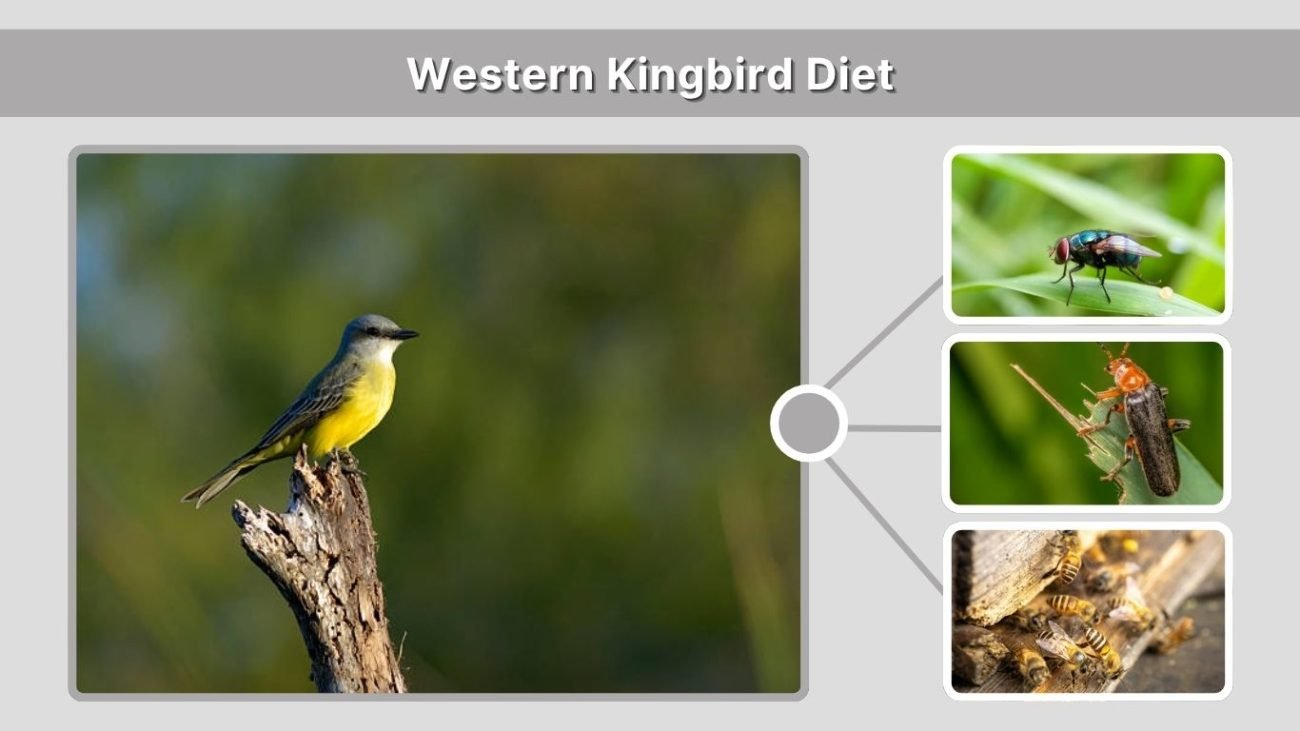
The diet of the western kingbird is centered around its role as a flycatcher, making it an important insect predator.
Main Food Sources
Western kingbirds primarily feed on insects such as flies, beetles, bees, and grasshoppers. These provide the energy needed for their active lifestyle and long flights.
Feeding Style
They use a hunting method known as “perch-and-sally.” The bird waits on a perch, then quickly flies out to catch an insect in mid-air before returning to its original position. This behavior is both efficient and fascinating to observe.
Seasonal Diet Changes
While insects make up most of their diet, western kingbirds may also eat fruits and berries, especially during times when insects are less available. This dietary flexibility helps them survive in different environments.
Western Kingbird Nest
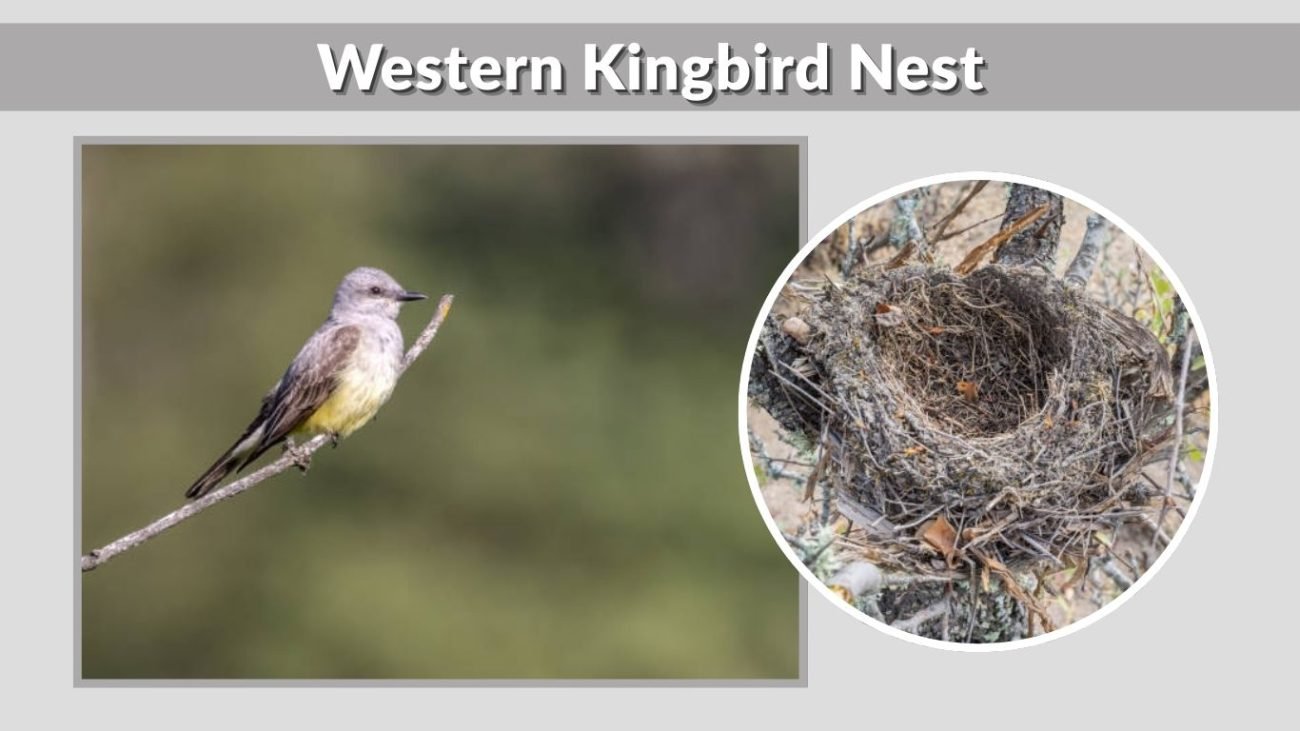
Nesting is an important stage in the western kingbird’s life, and both parents take part in raising their young.
Nest Construction
The nest is typically a sturdy, cup-shaped structure made from twigs, grass, weeds, and plant fibers. The inside is lined with softer materials such as fine grass, feathers, or hair to provide comfort for the eggs and chicks.
Nest Location
Western kingbirds often build their nests in open or semi-open areas. Common locations include tree branches, shrubs, utility poles, fence posts, and even buildings. These elevated spots provide a clear view of the surroundings, helping them detect predators.
Western Kingbird Eggs
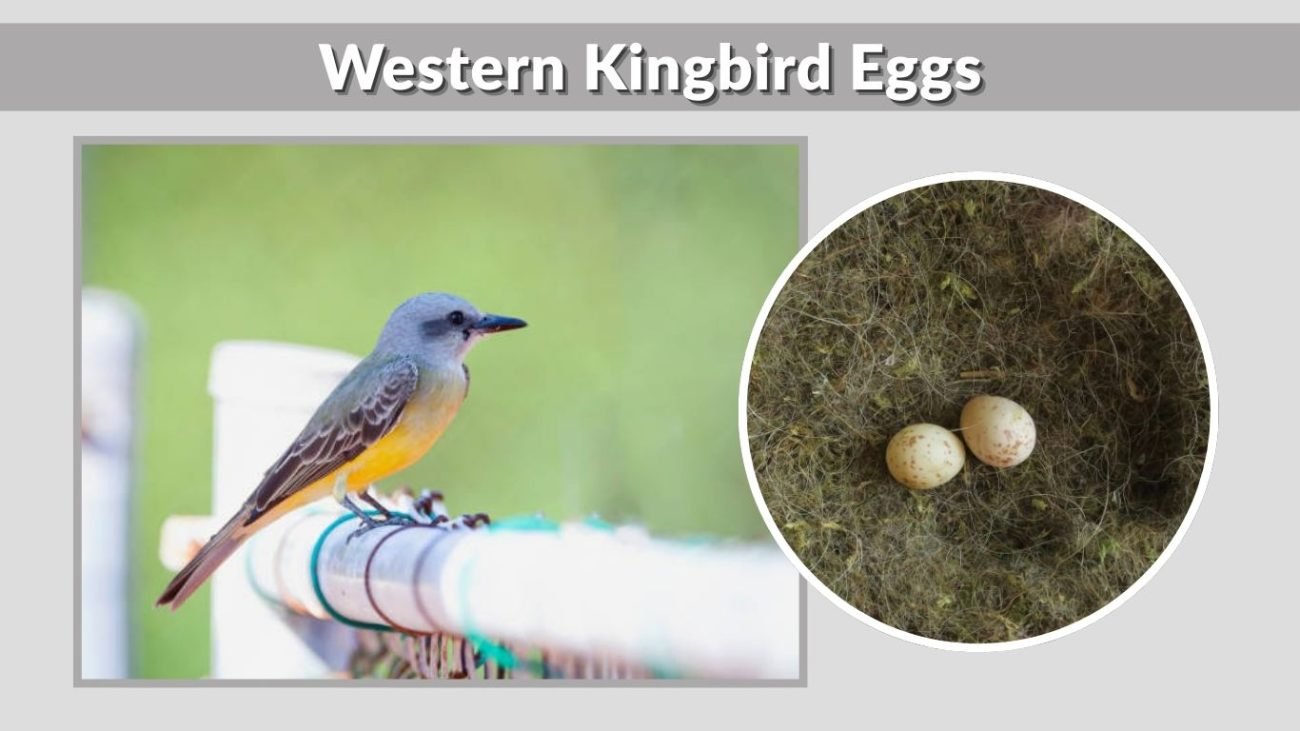
Once the nest is ready, the female lays eggs that will soon develop into young birds.
Egg Appearance
Western kingbird eggs are usually white or pale pink with small brown or reddish spots. These markings help camouflage the eggs within the nest.
Clutch Size
A typical clutch contains about 3 to 5 eggs. In favorable conditions, some pairs may attempt more than one brood during a breeding season.
Incubation and Care
The incubation period lasts around 12 to 14 days, with the female doing most of the incubating. After hatching, both parents share the responsibility of feeding and protecting the chicks until they are ready to leave the nest.
Western Kingbird Behavior
The western kingbird is well known for its bold and sometimes aggressive behavior.
Territorial Nature
These birds are highly territorial, especially during the breeding season. They will actively defend their nesting area and feeding territory from intruders.
Aggressive Defense
Western kingbirds are fearless and have been observed chasing away much larger birds such as hawks and crows. This behavior is one reason they are called “kingbirds.”
Social Behavior
Outside of the breeding season, they may be seen in small groups, especially during migration. However, they are generally more solitary when nesting.
Western Kingbird Lifespan
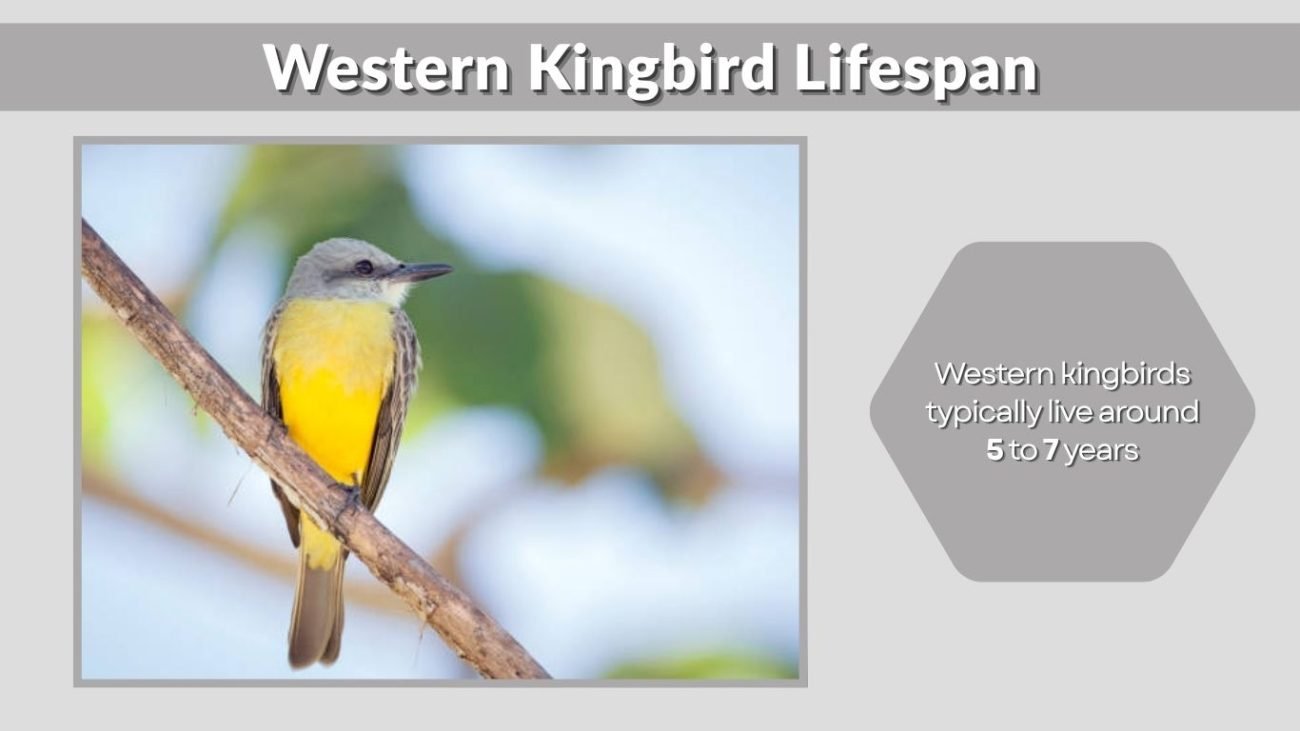
The lifespan of a western kingbird depends on environmental conditions and survival challenges.
Average Lifespan
In the wild, western kingbirds typically live around 5 to 7 years, although some individuals may live longer under favorable conditions.
Threats to Survival
They face threats from predators such as hawks, snakes, and domestic animals. Habitat changes, weather conditions, and food availability also affect their survival.
Western Kingbird Facts
Western kingbirds have several interesting traits that make them unique among birds.
- Named “kingbird” because of their bold and aggressive nature
- Excellent aerial hunters that catch insects mid-flight
- Often perch on fences and wires for hunting
- Adapt well to human environments
- Play an important role in controlling insect populations
Conclusion
The western kingbird is a remarkable bird known for its striking appearance, fearless behavior, and impressive flying skills. From its ability to catch insects in mid-air to its strong territorial instincts, this species stands out among flycatchers. Understanding its habitat, diet, and life cycle helps us appreciate its role in nature. Protecting open habitats ensures that western kingbirds continue to thrive in the wild.
FAQs
Where do western kingbirds live?
They live in open areas across western North America, including grasslands, farms, and urban edges.
What do western kingbirds eat?
They mainly eat insects such as flies, beetles, and grasshoppers, but also consume fruits and berries.
How can you identify a western kingbird?
Look for a gray head, bright yellow belly, and black tail with white edges.
Are western kingbirds aggressive?
Yes, they are highly territorial and will chase away larger birds to defend their area.
Where do western kingbirds build nests?
They build nests in trees, shrubs, poles, and sometimes on buildings.