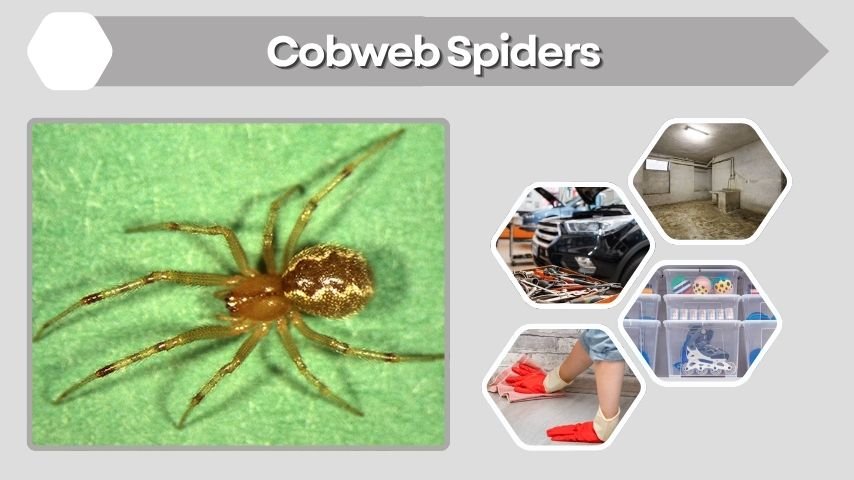
Cobweb spiders are common indoor spiders known for building messy, tangled webs in quiet corners, basements, garages, sheds, and window frames. Many people notice the webs first and wonder whether spiders are still nearby. In most cases, cobwebs are old spider webs that have gathered dust over time. Learning what cobweb spiders are, how their webs form, and how to manage them can make your home feel cleaner and more comfortable.
What Are Cobweb Spiders?
Cobweb spiders are a group of web-building spiders that create irregular, tangled webs rather than neat circular webs. They are often small, brown, gray, or dark-colored, with rounded bodies and thin legs. Many species live close to humans because houses provide shelter, warmth, and access to insects.
The term “cobweb spider” is commonly used for spiders in the Theridiidae family, also called comb-footed spiders or tangle-web spiders. Some well-known examples include common house spiders, triangulate cobweb spiders, false widow spiders, and widow spiders. However, most cobweb spiders found indoors are not aggressive and prefer to avoid people.
Common Features of Cobweb Spiders
Cobweb spiders may vary in color and size, but many share similar habits:
- They build messy, three-dimensional webs.
- They prefer dark, undisturbed places.
- They catch small insects and other tiny pests.
- They usually stay hidden unless disturbed.
- They may leave old webs behind when they move.
These spiders are not usually a sign of a dirty home. They are more often a sign that quiet spaces have insects, dust, or areas that are not cleaned often.
Are Cobwebs Made by Spiders?
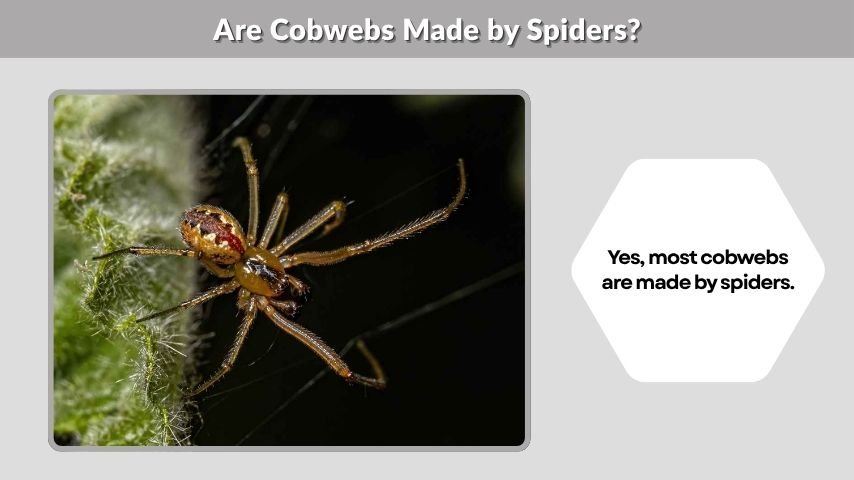
Yes, most cobwebs are made by spiders. A cobweb usually begins as a spider web, especially a tangled web made by a cobweb spider or another indoor web-building species. Over time, the spider may abandon the web, move to another spot, or die. Once the web is no longer maintained, it collects dust, lint, pollen, pet hair, and other airborne particles.
This is why cobwebs often look gray, fluffy, or dirty. The dusty appearance does not mean the web was made from dust. It means spider silk has trapped dust after being left in place.
Can Cobwebs Form Without Spiders?
Cobwebs do not usually form from dust alone. Dust can gather on surfaces, but the web-like structure normally comes from silk. That silk is typically produced by spiders. In some cases, silk from insects such as moth larvae may look web-like, but true cobwebs are usually old spider webs.
If you see cobwebs but no spiders, there are a few possible reasons:
- The spider has abandoned the web.
- The spider is hiding nearby.
- The web is old and no longer active.
- The spider was removed, but the web remained.
- The web is in a quiet area that has not been cleaned recently.
Spider Webs vs Cobwebs
Many people use “spider web” and “cobweb” as the same thing, but there is a useful difference. A spider web is usually an active structure that a spider uses for catching prey, sheltering, or protecting eggs. A cobweb is usually an old, dusty, abandoned web.
| Feature | Active Spider Web | Cobweb |
|---|---|---|
| Appearance | Cleaner and more structured | Dusty, messy, and gray |
| Spider present? | Often nearby | May be gone |
| Purpose | Catching prey or shelter | Usually no longer active |
| Common location | Corners, windows, plants, lights | Ceilings, basements, storage areas |
| What to do | Check before removing | Vacuum or dust away |
This difference matters because an active web may mean a spider is still using that area. A dusty cobweb often means the spider has moved on.
Where Cobweb Spiders Live in the House
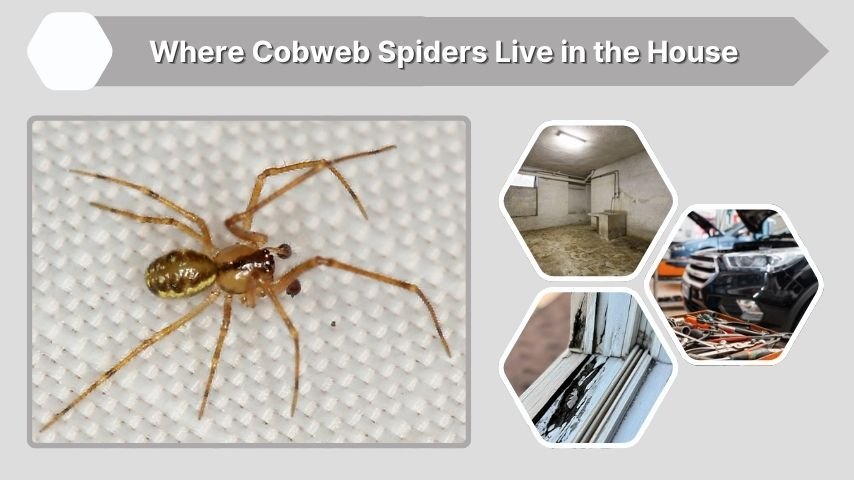
Cobweb spiders like quiet places where they can build webs without being disturbed. They also prefer areas where insects may pass through. This is why they are often found in corners, behind furniture, and near windows.
Common Indoor Hiding Spots
You may find cobweb spiders in:
- Basement corners and crawl spaces
- Garages, sheds, and storage rooms
- Window frames and door frames
- Ceiling corners
- Behind boxes, furniture, or appliances
- Around light fixtures
- Under shelves or workbenches
Outdoor cobweb spiders may live under rocks, boards, patio furniture, porch ceilings, fences, or garden structures. They usually move indoors when conditions are favorable or when insects are available inside.
Are Cobweb Spiders Dangerous?
Most cobweb spiders are not dangerous to humans. They have venom because they use it to subdue insect prey, but many common indoor species are too small or mild-tempered to cause serious problems. They usually bite only when pressed against the skin, trapped in clothing, or handled roughly.
A typical bite from a harmless cobweb spider may cause mild redness, itching, or local irritation. Serious reactions are uncommon. Still, some cobweb spider relatives, such as widow spiders, can be medically important in certain regions. Because spider identification can be difficult, avoid touching unknown spiders with bare hands.
Are Cobweb Spiders Poisonous or Venomous?
People often ask whether cobweb spiders are poisonous. The better word is “venomous.” Poisonous means something can harm you if you eat or touch it. Venomous means an animal injects venom through a bite or sting.
Cobweb spiders are venomous in the sense that they use venom on prey. However, most household cobweb spiders are not considered dangerous to people.
Triangulate Cobweb Spiders
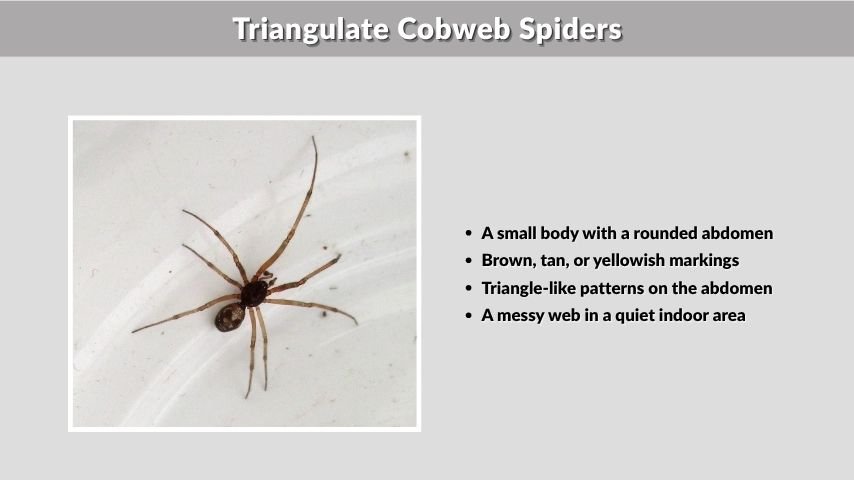
The triangulate cobweb spider is one of the most searched cobweb spiders because it is often found indoors. It is usually small and has a rounded abdomen with triangular or zigzag markings. It builds messy webs in quiet corners, basements, garages, and around windows.
Triangulate cobweb spiders may look concerning because they belong to the same broad cobweb spider family as some better-known species. However, they are generally considered harmless to humans. Bites are uncommon and usually happen only when the spider is accidentally squeezed or disturbed.
How to Identify a Triangulate Cobweb Spider
Look for these general signs:
- A small body with a rounded abdomen
- Brown, tan, or yellowish markings
- Triangle-like patterns on the abdomen
- A messy web in a quiet indoor area
- A habit of hanging upside down in the web
Do not rely on color alone, because spider colors can vary. If you are unsure, take a clear photo and ask a local extension office or pest professional for help.
Why Cobweb Spiders Come Inside
Cobweb spiders come indoors because houses offer shelter and food. They are not looking for people. They are usually looking for insects, warmth, and undisturbed corners where their webs will not be destroyed.
Common Reasons They Appear
Cobweb spiders may increase indoors when:
- Small insects are present inside the house.
- Windows or doors have gaps.
- Storage rooms are rarely cleaned.
- Outdoor lights attract flying insects.
- Boxes, clutter, or old furniture provide hiding places.
- Basements or garages remain dark and quiet.
If cobwebs keep returning in the same area, the main issue may not be the spiders themselves. It may be the insects that attract them or the undisturbed spaces where webs can remain.
How to Get Rid of Cobweb Spiders
Getting rid of cobweb spiders does not always require harsh chemicals. The best approach is to remove webs, reduce insects, and block entry points. This makes your home less attractive to spiders over time.
Safe Removal Steps
Use these simple methods:
- Vacuum webs, spiders, and egg sacs from corners.
- Use a long-handled duster for ceiling areas.
- Move storage boxes away from walls.
- Seal cracks around windows, doors, and baseboards.
- Repair torn screens.
- Reduce indoor insects by cleaning crumbs and food spills.
- Keep outdoor lights off when not needed or use warmer bulbs.
- Wear gloves when cleaning garages, sheds, or basements.
After vacuuming, empty the vacuum container or bag outside if spiders or egg sacs were collected.
How to Prevent Cobwebs From Coming Back
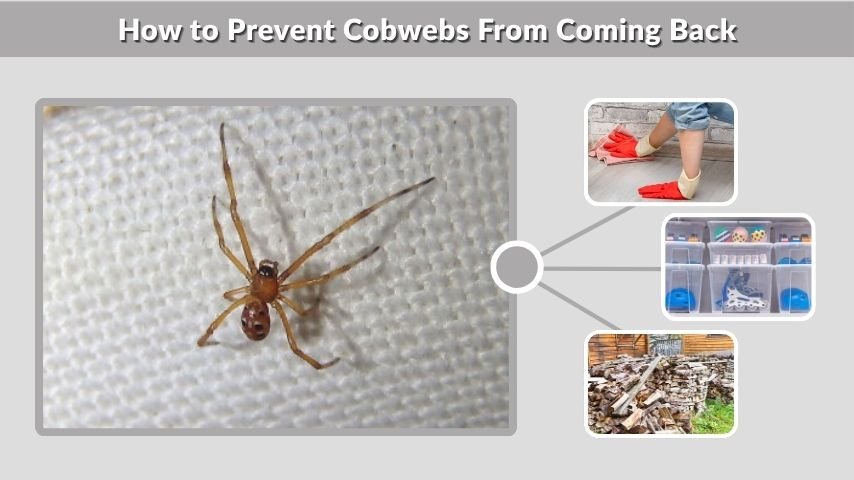
Prevention works best when cleaning and pest reduction happen together. Removing cobwebs once may solve the visible problem, but the webs can return if spiders still have food and shelter.
Practical Prevention Tips
To reduce future cobwebs:
- Dust corners, ceilings, and window frames regularly.
- Declutter storage rooms and garages.
- Store items in sealed plastic bins instead of cardboard boxes.
- Keep firewood, boards, and outdoor clutter away from walls.
- Close gaps around pipes, vents, and utility openings.
- Use door sweeps where needed.
- Check behind furniture during deep cleaning.
The goal is not to remove every spider from the property. Spiders help control insects. The goal is to keep them from settling in living spaces.
When to Call Pest Control
Most cobweb spider problems can be handled with cleaning and exclusion. However, professional help may be useful if you see many spiders, keep finding egg sacs, cannot identify the spiders, or suspect widow spiders or another medically important species.
You may also want professional help if cobwebs return quickly after cleaning. A pest expert can inspect for insect activity, entry points, hidden web sites, and conditions that support spiders indoors.
FAQs
Are cobwebs always from spiders?
Most cobwebs are old spider webs that have collected dust, but not every web-like material indoors is from a spider. Some insects can leave silk trails or webbing. Still, when people find dusty, tangled webs in corners, they are usually looking at abandoned spider silk.
Do cobweb spiders bite?
Cobweb spiders can bite, but most common indoor species rarely do. They usually bite only when trapped, squeezed, or handled. For many people, a minor bite may cause temporary redness or irritation. Avoid touching unknown spiders, especially if you live where widow spiders are present.
Do spiders live in cobwebs?
Spiders may live in active webs, but dusty cobwebs are often abandoned. If a web looks clean and has insects caught in it, a spider may still be nearby. If it is gray, dusty, and broken, it is more likely old and inactive.
Are cobweb spiders good for the house?
Cobweb spiders can help by catching flies, mosquitoes, moths, ants, and other small insects. However, their webs can make rooms look dirty or neglected. Many homeowners choose to remove webs indoors while allowing spiders to remain outside where they can control pests naturally.
How do I keep spiders and cobwebs away?
Clean corners regularly, vacuum webs and egg sacs, reduce clutter, seal entry gaps, and control small insects inside the home. Spiders stay where food and shelter are available. If you remove both, cobwebs are less likely to return in the same places.