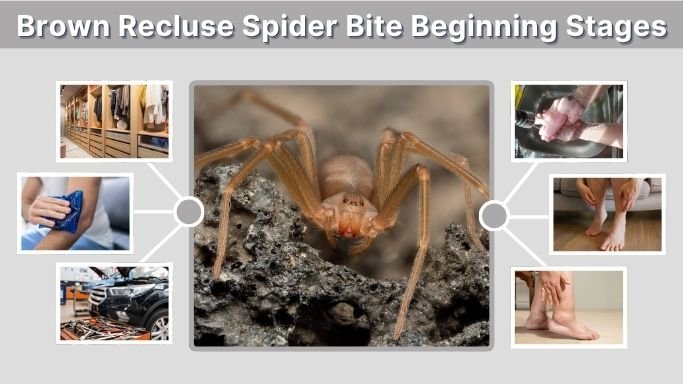
A brown recluse spider bite can be confusing in the beginning because it may look like a small red bump, insect sting, or minor skin irritation. Some bites stay mild, while others slowly become painful, blistered, or discolored. Knowing the beginning stages helps you monitor changes, give proper first aid, and decide when medical care is needed. Brown recluse bites should be watched carefully, especially if symptoms spread or worsen.
What a Brown Recluse Spider Bite Looks Like at First
In the beginning, a brown recluse spider bite may not look serious. Many people do not feel the bite when it happens. Others notice a mild sting, burning feeling, or small red mark. Symptoms may develop slowly over the next few hours instead of appearing immediately. Mayo Clinic notes that brown recluse bite symptoms can include mild pain at first, then a blister or sore with a darkened center.
Early Skin Signs
The first stage usually starts with a small area of irritation. It may look similar to a mosquito bite, flea bite, pimple, or ingrown hair. Because the early signs are not always unique, it is easy to misidentify the bite.
Common beginning signs may include:
- A small red bump
- Mild swelling around the bite
- Light itching or burning
- Tenderness when touched
- A pale center in some cases
- A tiny blister forming later
- Mild warmth around the skin
Not every brown recluse bite becomes severe. Many spider bites heal with simple wound care, but recluse bites can take longer and may sometimes leave a scar.
First Few Hours After the Bite
During the first few hours, the bite may feel almost normal. Some people only notice a small red spot. Others may feel a mild stinging sensation. Cleveland Clinic explains that a brown recluse bite can cause itching, pain, and wounds, but the severity can vary from person to person.
Pain may increase slowly. The area can become more sensitive, and swelling may spread a little around the bite. This is the time when you should clean the skin, avoid scratching, and begin watching for changes.
Brown Recluse Bite Stages by Time
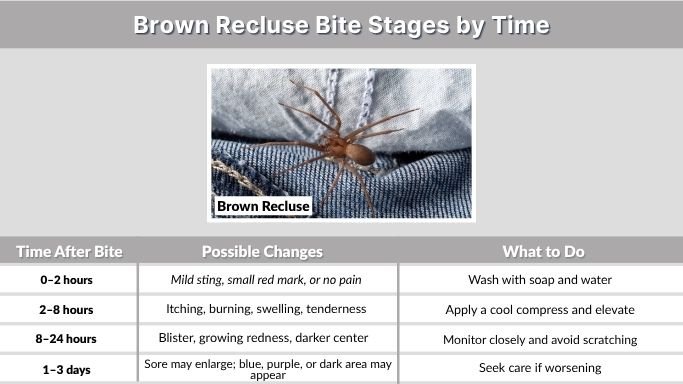
Brown recluse bite symptoms often change over time. The bite may begin as a small mark, then develop redness, a blister, or a darker center. The timeline below gives a general idea, but each person may react differently.
| Time After Bite | Possible Changes | What to Do |
| 0–2 hours | Mild sting, small red mark, or no pain | Wash with soap and water |
| 2–8 hours | Itching, burning, swelling, tenderness | Apply a cool compress and elevate |
| 8–24 hours | Blister, growing redness, darker center | Monitor closely and avoid scratching |
| 1–3 days | Sore may enlarge; blue, purple, or dark area may appear | Seek care if worsening |
| Several days | Some wounds may break down or ulcerate | Medical evaluation may be needed |
Stage 1: Small Red Mark
The beginning stage can look harmless. A small red mark or bump may appear where the bite happened. This stage is often mistaken for a common bug bite. The skin may feel slightly itchy or irritated.
You may not see two fang marks. In fact, visible fang marks are not a reliable way to identify a brown recluse bite. The spider itself is also often not seen, which makes diagnosis difficult.
Stage 2: Burning, Itching, and Tenderness
After a few hours, the area may start to burn or itch. The skin may feel tender when pressed. Some people describe the pain as mild at first, then gradually stronger.
This stage is important because the bite can still look small even while symptoms are developing under the skin. A cool compress can help reduce pain and swelling. Mayo Clinic recommends cleaning spider bites with mild soap and water and using cool compresses to reduce pain and swelling.
Stage 3: Blister or Pale Center
A blister may appear in the middle of the bite. Sometimes the center looks pale, bluish, purple, or darker than the surrounding skin. This does not always happen, but it is one of the signs people often associate with brown recluse bites.
Avoid popping the blister. Breaking the skin can increase the chance of irritation or infection. Keep the area clean and loosely covered if needed.
Stage 4: Darkening or Open Sore
In more serious cases, the center of the bite can become darker and may form an open sore. This happens when tissue damage develops. Merck Manual notes that treatment for spider bites includes wound cleaning, ice, elevation, tetanus prevention when needed, and observation; it also notes delayed excision for necrotic brown spider bites rather than early cutting.
A worsening sore should be checked by a healthcare provider. Do not try to cut, drain, burn, or treat the wound aggressively at home.
Symptoms That May Appear in the Beginning
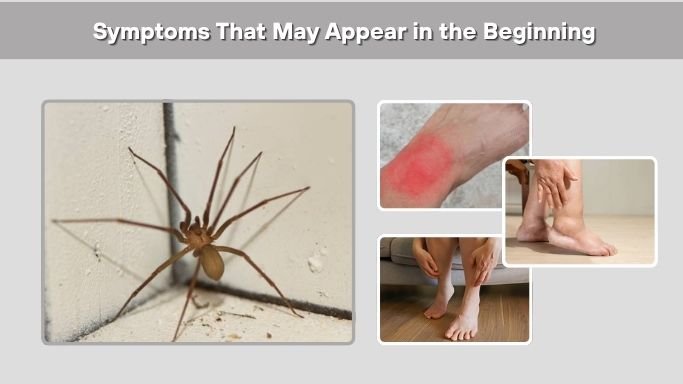
The beginning stages are not only about the skin. Some people may also feel general body symptoms. These symptoms are less common than local redness and pain, but they can happen after a more serious bite.
Local Symptoms Near the Bite
Most early symptoms happen around the bite area. The skin may become irritated, painful, or discolored.
Local symptoms may include:
- Redness around the bite
- Swelling
- Itching
- Burning pain
- A blister
- Tender skin
- A blue or purple center
- A sore that grows larger
- Skin warmth
- Mild drainage if the wound opens
If the red area keeps spreading or the pain becomes intense, it is safer to get medical advice.
Whole-Body Symptoms
Some people may develop symptoms beyond the bite area. Mayo Clinic lists fever, chills, body aches, upset stomach, vomiting, headache, shaking, and sweating as possible symptoms of a brown recluse spider bite.
Whole-body symptoms may include:
- Fever
- Chills
- Nausea
- Vomiting
- Headache
- Muscle aches
- Sweating
- Weakness
- Dizziness
Children, older adults, and people with weaker immune systems should be watched more carefully. Cleveland Clinic notes that bites from black widow or brown recluse spiders are most dangerous to children and people age 60 and older.
What to Do in the Beginning Stages
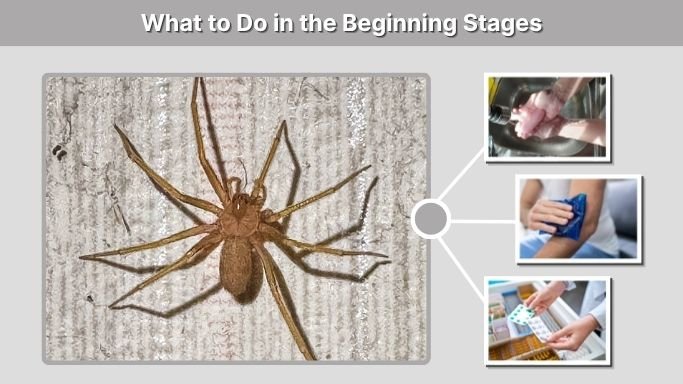
Early care can help reduce irritation and prevent the wound from getting worse. The goal is to clean the area, reduce swelling, and monitor changes. You should not panic, but you should take the bite seriously if it starts changing quickly.
First Aid Steps
Use simple first aid as soon as you notice the bite. Do not apply harsh chemicals or home remedies that can burn the skin.
Helpful first aid steps include:
- Wash the bite with mild soap and water.
- Apply a cool compress for short periods.
- Keep the affected area raised if possible.
- Avoid scratching the bite.
- Cover the area with a clean bandage if the skin opens.
- Take a clear photo to compare changes later.
- Mark the edge of redness with a pen if it is spreading.
- Use over-the-counter pain relief only as directed on the label.
- Check your tetanus vaccination status if the skin is broken.
Mayo Clinic recommends cleaning the wound, applying antibiotic ointment to help prevent infection, using cool compresses, and elevating the area when possible.
What Not to Do
Some treatments can make the wound worse. Brown recluse bites should be handled gently.
Avoid these mistakes:
- Do not cut the bite.
- Do not squeeze the wound.
- Do not pop blisters.
- Do not apply heat.
- Do not use bleach, alcohol, or strong chemicals.
- Do not scratch the area.
- Do not assume every skin sore is a spider bite.
- Do not delay care if symptoms worsen.
Many skin problems are mistaken for spider bites. Merck Manual explains that people often assume they were bitten by a spider when the real cause is another condition, such as a skin infection.
When to See a Doctor
A mild bite may improve with home care, but some symptoms need medical attention. Because early brown recluse bites can look like other skin problems, a doctor may need to check the wound if it spreads, darkens, or becomes very painful.
Warning Signs
Get medical care if you notice:
- Increasing pain after the first few hours
- A blister that grows quickly
- A dark blue, purple, or black center
- Redness spreading away from the bite
- Fever or chills
- Nausea or vomiting
- Severe swelling
- Pus or bad smell
- A wound that opens
- Red streaks from the bite
- Bite on the face, hand, genitals, or near a joint
- Symptoms in a child, older adult, or immune-compromised person
Emergency care is needed if the person has trouble breathing, severe weakness, confusion, fainting, or signs of a serious allergic reaction.
Why Diagnosis Can Be Difficult
A brown recluse spider bite is often diagnosed based on symptoms, location, and whether the spider was seen. The problem is that many other skin issues can look similar. These include bacterial infections, allergic reactions, tick bites, boils, shingles, and other insect bites.
The CDC notes that brown recluse spiders are among venomous spiders found in the United States, and bites often happen when a spider is trapped or touched. If you did not see the spider, avoid making a quick assumption. Focus on how the wound changes and whether symptoms worsen.
How to Identify the Spider
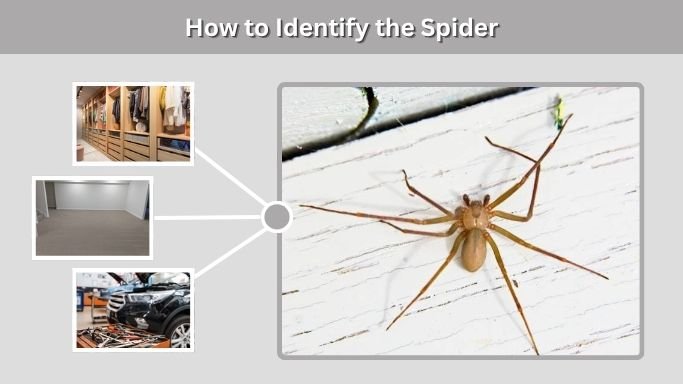
Identifying the spider can help, but it is not always possible. The brown recluse is often confused with harmless brown spiders. The famous “violin” mark can also be hard to see.
Brown Recluse Features
A brown recluse spider may have:
- Light brown to dark brown body
- Long, thin legs
- Violin-shaped marking on the back
- Six eyes arranged in three pairs
- Body usually smaller than many people expect
- Preference for dark, quiet spaces
Mayo Clinic says the brown recluse has a violin-shaped marking, but the mark can be hard to see. It also notes that the spider is commonly found in the southern half of the United States and in South America, where it is known as the brown spider.
Where Bites Often Happen
Brown recluse spiders hide in quiet, undisturbed areas. Bites usually happen when the spider is pressed against the skin.
Common hiding places include:
- Closets
- Basements
- Attics
- Storage boxes
- Shoes
- Clothing piles
- Bedding
- Woodpiles
- Garages
- Behind furniture
Shake out shoes, gloves, and clothing that have been stored for a long time. Wear gloves when moving boxes, firewood, or clutter.
Pictures of Beginning Stages: What to Notice
Many people search for pictures of beginning stages of a brown recluse spider bite because they want to compare their skin. Pictures can be helpful, but they can also be misleading. A brown recluse bite may look different depending on skin tone, bite location, immune response, and time after the bite.
What Early Pictures May Show
Early images may show:
- A small red bump
- Mild swelling
- A pale or raised center
- A small blister
- Redness around the bite
- A bruise-like center
- Darkening skin in severe cases
Do not rely only on pictures. A skin infection or allergic reaction may look very similar. If the wound becomes more painful, spreads, or turns dark, medical advice is safer than guessing.
How to Track Changes
Take one clear photo every few hours in the beginning. Use the same lighting when possible. Put a coin or ruler near the bite for size comparison. This can help a healthcare provider understand whether the wound is spreading.
Watch for:
- Redness getting wider
- Center becoming darker
- Blister growing
- Pain increasing
- Swelling moving down the limb
- Fever or body symptoms
A stable bite that slowly improves is less concerning. A bite that changes quickly should be checked.
FAQs
What does a brown recluse bite look like in the beginning?
In the beginning, it may look like a small red bump, mild swelling, or irritated insect bite. Some people feel a light sting, while others feel nothing at first. Over several hours, burning, itching, tenderness, a blister, or a darker center may appear.
How soon do brown recluse bite symptoms start?
Symptoms may begin within a few hours, but timing varies. Some bites are noticed right away as a mild sting, while others become painful later. Burning, itching, swelling, or tenderness may develop gradually, so monitoring the bite during the first 24 hours is important.
Does every brown recluse bite turn black?
No, every brown recluse bite does not turn black. Many bites remain mild and heal without serious tissue damage. A dark blue, purple, or black center can happen in more serious cases, but other skin infections and injuries can also cause discoloration.
Should I go to the doctor for a beginning-stage bite?
You should seek medical advice if pain increases, redness spreads, a blister grows, the center turns dark, or you develop fever, chills, nausea, or body aches. Children, older adults, and people with weak immune systems should be checked sooner.
Can I treat a brown recluse bite at home?
Mild bites may be managed at home with soap and water, a cool compress, elevation, and careful monitoring. However, you should not cut, squeeze, or pop the bite. If the wound worsens, opens, becomes very painful, or causes body symptoms, medical care is needed.