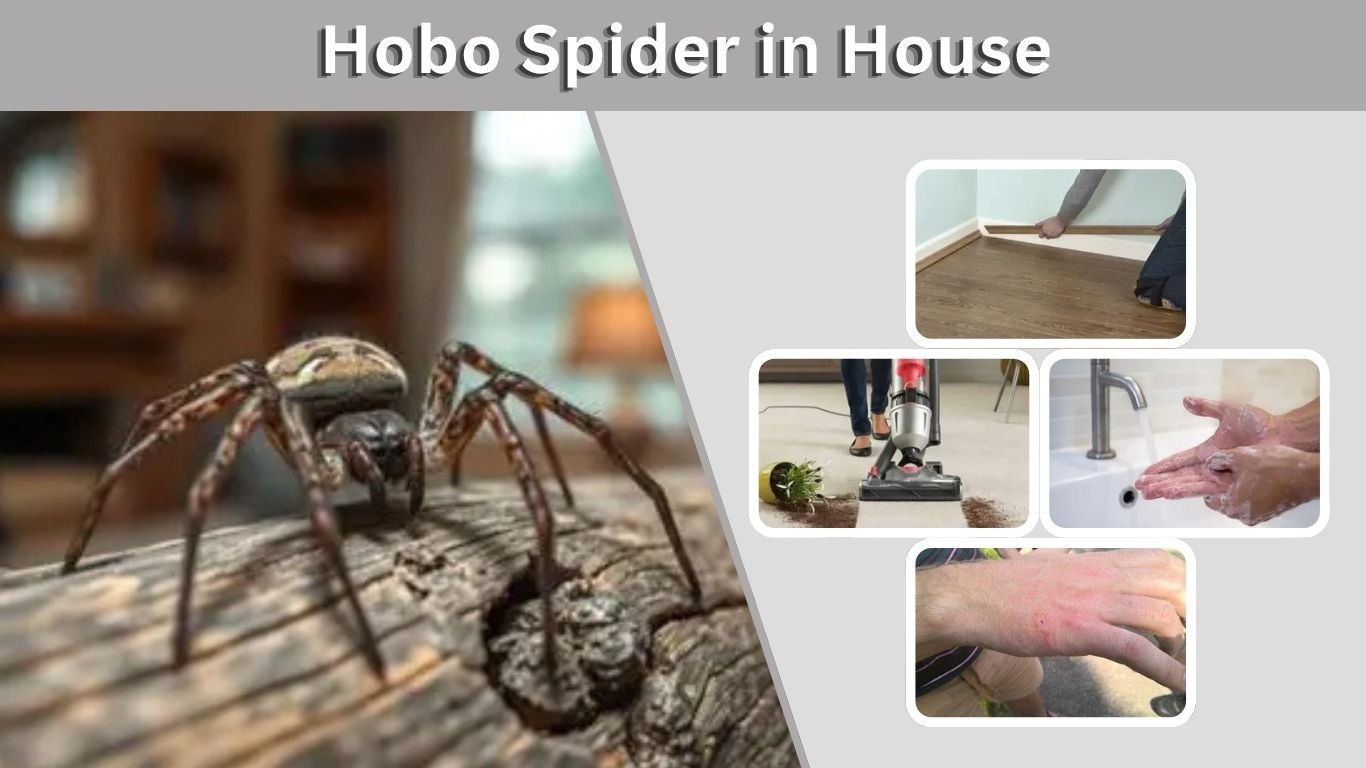
Finding a hobo spider in your house can feel alarming, especially if you have heard that this spider is dangerous. The good news is that a hobo spider indoors does not usually mean you are in serious danger. Hobo spiders are shy, fast-moving funnel-web spiders that usually prefer dark, quiet places. They may enter homes through cracks, door gaps, basements, garages, and storage areas. If you see one, the best response is simple: stay calm, avoid touching it, remove it safely, and take steps to keep more spiders from coming inside.
What Is a Hobo Spider?
A hobo spider is a brown funnel-web spider often found in parts of the northwestern United States and nearby regions. It belongs to a group of spiders that build sheet-like webs with a funnel-shaped retreat. These webs are usually found near the ground, in cracks, corners, wall edges, window wells, basements, garages, and outdoor hiding places.
Hobo spiders are sometimes confused with many other brown house spiders. This is important because people often misidentify spiders indoors. Utah State University Extension explains that many spiders resemble hobo spiders and that nonexperts are unlikely to identify them correctly just by appearance.
Common Features of a Hobo Spider
A hobo spider usually has:
- Brown or grayish-brown body color
- Long legs
- A patterned abdomen
- Fast running movement
- A funnel-shaped web near the ground
- No shiny black body or red hourglass marking
However, these signs are not enough for perfect identification. Grass spiders, giant house spiders, wolf spiders, and other brown spiders can look similar. If you are unsure, do not handle the spider. Take a clear photo from a safe distance and compare it with reliable extension or university resources.
Is a Hobo Spider in the House Dangerous?
A hobo spider in the house is usually not an emergency. Hobo spiders are not aggressive toward people. Utah State University Extension notes that hobo spiders are nonaggressive and unlikely to bite, and that the old name “aggressive house spider” came from a misunderstanding of the spider’s scientific name, not from its behavior.
Most hobo spiders want to escape, hide, or stay in their web. They do not chase people. Like many spiders, they may bite only if trapped, squeezed, or handled. For example, a bite may happen if a spider is inside clothing, bedding, shoes, gloves, or a box and gets pressed against skin.
There has also been debate about whether hobo spider bites cause serious skin damage. A Utah State University spider information sheet says there is no strong scientific evidence that hobo spider bites cause necrotic, or “flesh-eating,” lesions. This means people should be careful, but they should not automatically assume every sore or red bump is a dangerous hobo spider bite.
What Should You Do First?
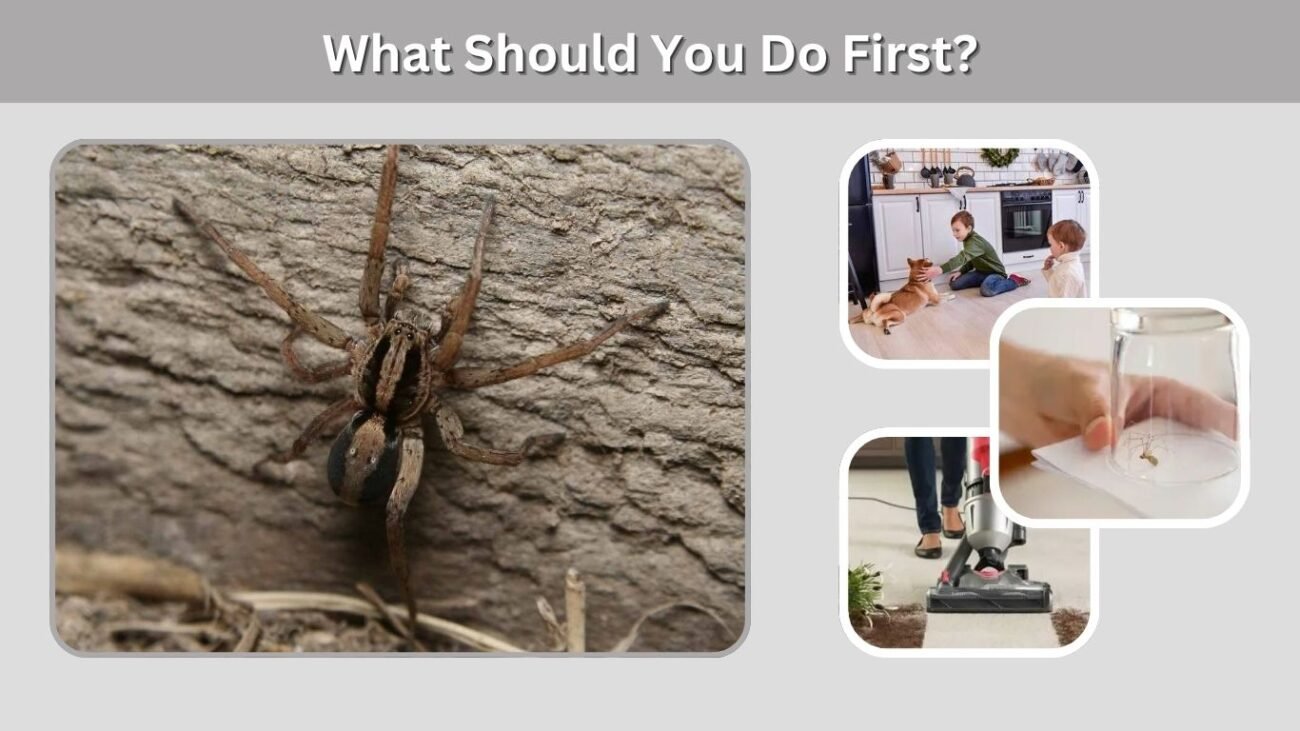
The first thing to do is stay calm and keep your distance. Do not try to crush it with your hand or pick it up. If the spider is in an open area, you can remove it safely. If it runs into a hidden space, focus on prevention and cleaning instead of chasing it into cracks.
Safe Steps to Take Immediately
- Keep children and pets away from the spider.
- Do not touch it with bare hands.
- Use a cup and paper to catch it.
- Release it outside away from the house.
- Use a vacuum if you do not want to get close.
- Clean the area where it was found.
- Check nearby corners, shoes, boxes, and floor edges.
If you vacuum the spider, empty the vacuum bag or canister outside. This helps prevent the spider from crawling back into the home.
How to Remove a Hobo Spider Safely
The safest method is the cup-and-paper method. This works well for most house spiders and avoids direct contact.
Place a clear cup, jar, or container over the spider. Then slide a piece of stiff paper, cardboard, or thin plastic under the container. Keep the paper tight against the cup and carry the spider outside. Release it away from doors, windows, garages, basement entries, and firewood piles.
If you are nervous, use a long-handled spider catcher or vacuum. Avoid using your hand, tissue, or cloth because the spider may move quickly.
Where to Release It
Release the spider in an outdoor area away from your home. Good places include:
- Near bushes away from entry doors
- Along a fence line
- Away from windows and foundation cracks
- Away from garages and basement doors
- Away from firewood or storage piles near the house
Do not release it right beside your front door, because it may find its way back inside.
Why Are Hobo Spiders Coming Inside?
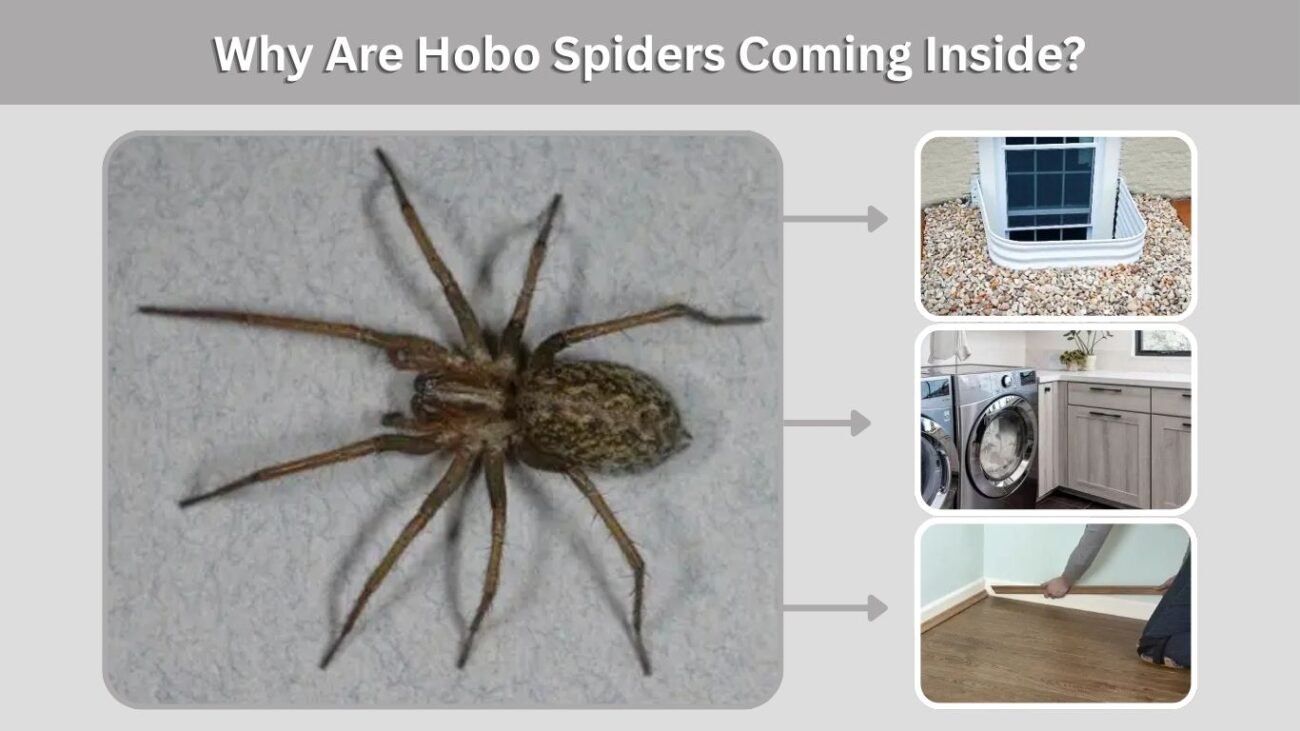
Hobo spiders may enter homes while searching for food, shelter, mates, or cooler and darker hiding places. They are often noticed more when they wander across floors, especially in basements and ground-level rooms.
They may come inside through small openings around the foundation, door frames, utility pipes, vents, window wells, and damaged screens. Homes with cluttered garages, storage rooms, cardboard boxes, and piles of fabric or paper may provide more hiding places.
Common Indoor Hiding Places
Hobo spiders may hide in:
- Basements
- Garages
- Crawl spaces
- Closets
- Storage boxes
- Laundry rooms
- Window wells
- Floor corners
- Under furniture
- Behind stored items
- Around door thresholds
They usually stay near the floor because they are not strong climbers on smooth surfaces. Seeing one on the floor does not always mean you have a heavy infestation, but repeated sightings mean you should inspect entry points and hiding areas.
How to Prevent Hobo Spiders in Your House
Prevention is the best long-term solution. You do not need to make your home spider-free overnight, but reducing entry points and hiding spaces can make a big difference.
Start with sealing gaps. Check around doors, windows, pipes, cables, vents, and foundation cracks. Install door sweeps on exterior doors. Repair damaged screens. Use caulk around small cracks and weather stripping around loose doors.
Next, reduce clutter. Hobo spiders like quiet spaces where they can hide and build webs. Garages, basements, and storage rooms are common problem areas because they often contain boxes, tools, old clothes, and unused items.
Home Prevention Checklist
- Seal cracks around the foundation.
- Add door sweeps to exterior doors.
- Repair window screens.
- Keep boxes off the floor when possible.
- Store items in plastic bins instead of cardboard.
- Vacuum corners and baseboards regularly.
- Move firewood away from the house.
- Remove leaves, boards, and debris near walls.
- Keep garage doors closed when not in use.
- Use sticky traps along walls and corners.
Sticky traps are useful for monitoring spider activity. They can show you where spiders are moving and whether the problem is increasing or decreasing.
Should You Use Pesticides?
Pesticides are not always the first solution for one hobo spider. If you only see one spider, physical removal and prevention may be enough. Spraying random indoor areas may not solve the problem if spiders are entering through gaps or hiding in cluttered spaces.
If you see many spiders, webs, or repeated activity in the same area, consider a more targeted approach. Clean the area first, remove webs, seal entry points, and use sticky traps. If the problem continues, a licensed pest control professional can inspect your home and recommend safe treatment options.
Avoid spraying pesticides on bedding, clothing, children’s play areas, kitchen surfaces, or pet areas unless the product label clearly allows it. Always follow label directions.
What If You Think a Hobo Spider Bit You?
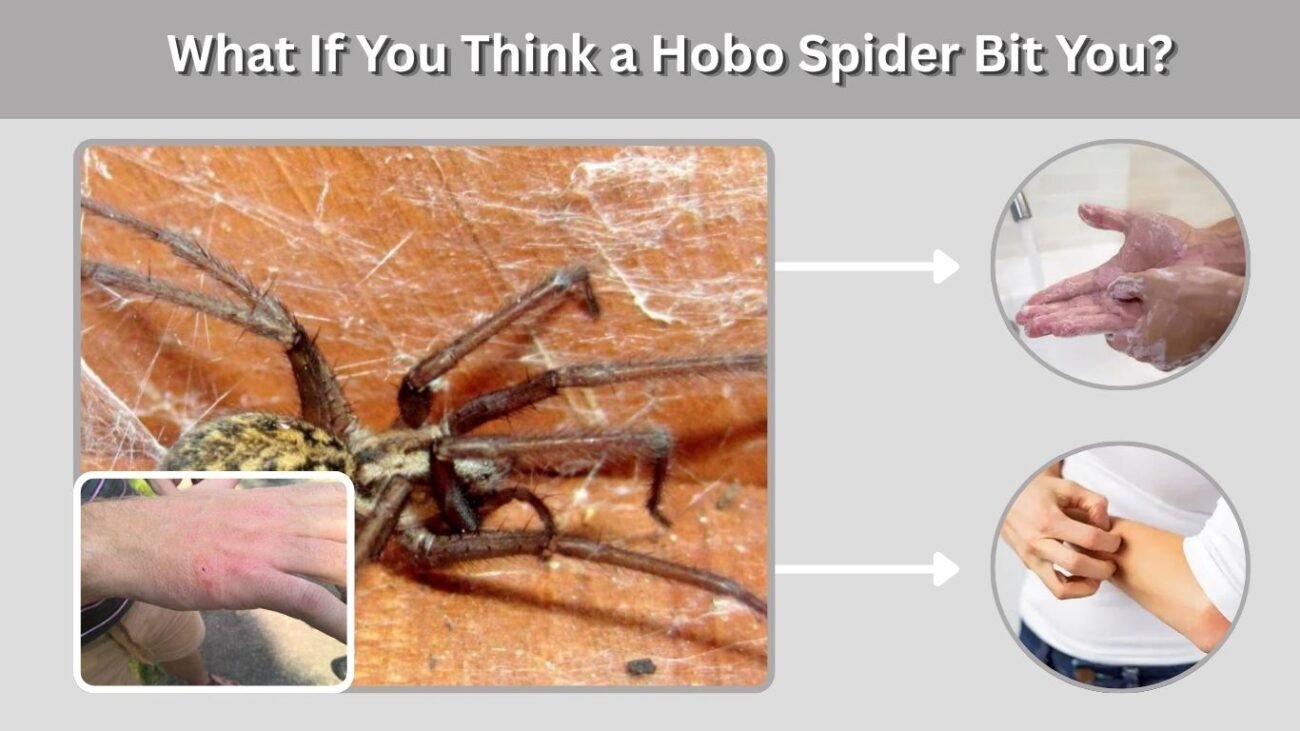
If you think you were bitten, stay calm. Many skin bumps blamed on spiders are caused by other things, including insect bites, skin irritation, allergies, or infections. Still, you should clean the area and watch for symptoms.
The CDC recommends washing a spider bite area with soap and water, applying a cold cloth or ice pack to reduce swelling, and elevating the bite area if possible. Mayo Clinic also recommends cleaning the wound with mild soap and water and using a cool compress for 15 minutes at a time.
Basic Bite Care
- Wash the area with soap and water.
- Apply a cold pack wrapped in cloth.
- Keep the area clean and dry.
- Avoid scratching.
- Elevate the area if swollen.
- Take a photo to track changes.
- Watch for signs of infection.
Do not cut the bite area. Do not try to suck out venom. Do not apply harsh chemicals or unproven remedies.
When Should You Seek Medical Help?
Most spider bites are mild, but some symptoms need medical attention. Cleveland Clinic notes that serious spider bites may cause trouble breathing, severe headache, or painful muscle cramps that require immediate medical care.
Seek medical help if you notice:
- Severe or increasing pain
- Rapid swelling
- Spreading redness
- Pus or warmth around the bite
- Fever or chills
- Dizziness
- Nausea or vomiting
- Trouble breathing
- Muscle cramps
- A wound that gets worse instead of better
- Symptoms in a child, elderly person, or someone with a weak immune system
If you safely captured the spider, take a photo or bring the dead specimen in a sealed container for identification. Do not risk another bite trying to catch it.
How to Tell If You Have a Hobo Spider Problem
Seeing one spider does not always mean infestation. Spiders can wander indoors by accident. However, repeated sightings may mean your home has good hiding places or easy entry points.
Signs of a possible problem include seeing multiple brown spiders near the floor, finding funnel-shaped webs in corners, catching several spiders in sticky traps, or noticing spiders in the same basement or garage area again and again.
In that case, focus on the environment. Remove clutter, clean webs, seal gaps, and reduce insects that spiders may feed on. Outdoor lighting can attract insects, which may attract spiders, so consider using less attractive bulbs or keeping lights off when not needed.
Mistakes to Avoid
Many people react quickly when they see a spider, but some actions can make the problem worse or increase the chance of a bite.
Avoid these mistakes:
- Do not pick up the spider with bare hands.
- Do not shake boxes, shoes, or clothes without checking them.
- Do not assume every brown spider is a hobo spider.
- Do not ignore cracks around doors and foundations.
- Do not leave cardboard boxes directly on basement floors.
- Do not overuse pesticide without fixing entry points.
- Do not assume every skin sore is a spider bite.
A calm, practical approach works best. Remove the spider, clean the area, and prevent future entry.
FAQs
Are hobo spiders aggressive?
No. Hobo spiders are not aggressive toward humans. The old name “aggressive house spider” came from a misunderstanding, not because the spider attacks people. They usually run away or hide unless trapped or handled.
Should I kill a hobo spider in my house?
You can remove it instead of killing it. Use a cup and paper or a vacuum. If you are uncomfortable releasing it, vacuuming is a practical option. The most important thing is to avoid touching it with bare hands.
Where do hobo spiders hide indoors?
They often hide in basements, garages, crawl spaces, storage rooms, closets, window wells, and floor-level corners. They prefer quiet, dark areas near the ground.
Can hobo spiders bite while you sleep?
It is possible but not common. A bite is more likely if the spider becomes trapped in bedding, clothing, or against skin. To reduce risk, keep beds away from walls, shake out blankets if stored on the floor, and avoid leaving clothes or towels on basement floors.
How do I keep hobo spiders out permanently?
Seal cracks, install door sweeps, repair screens, reduce clutter, vacuum regularly, store items in plastic bins, move firewood away from the house, and use sticky traps to monitor spider activity. Long-term prevention works better than only killing one spider.