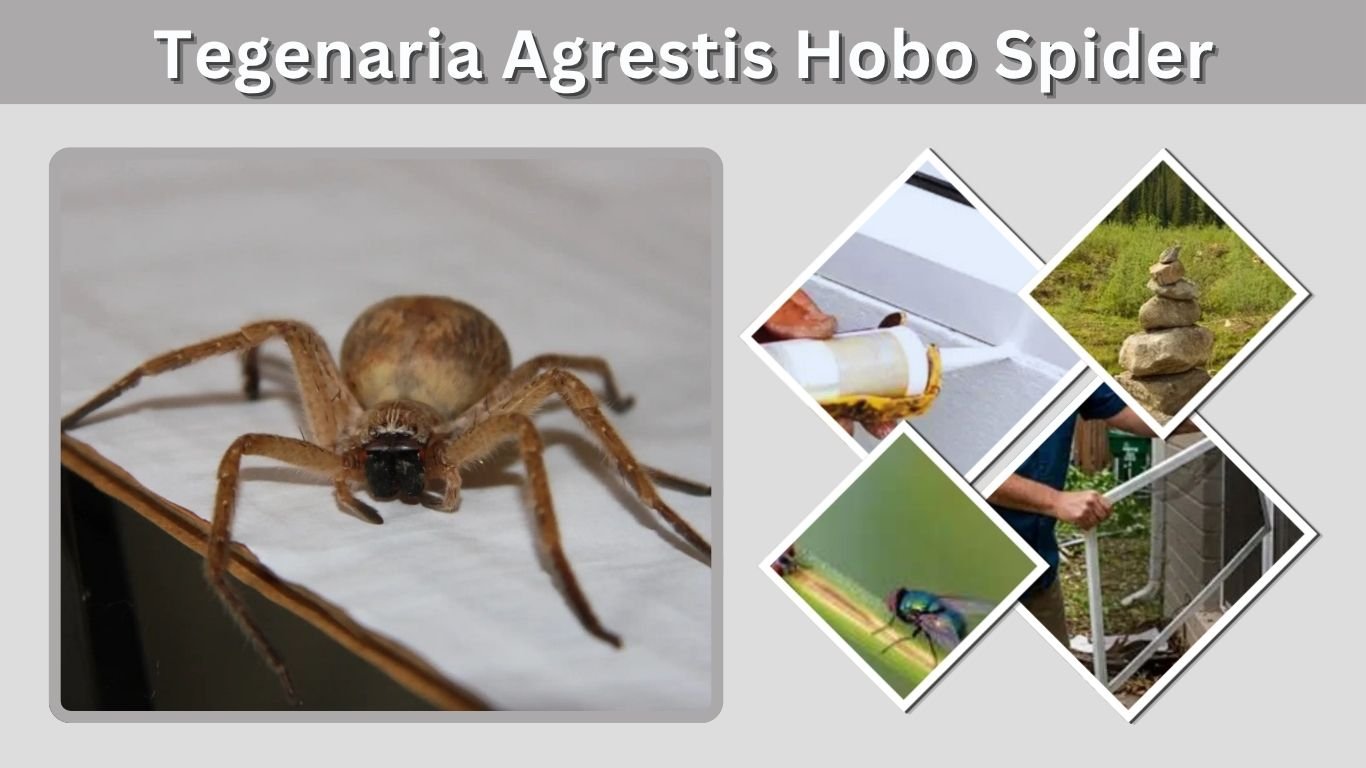
The hobo spider is often searched by its older scientific name, Tegenaria agrestis. Today, the accepted scientific name is Eratigena agrestis, but many older books, pest-control pages, and search results still use the former name. This creates confusion for people trying to identify a brown spider indoors. This guide explains the taxonomy, size, color, habitat, diet, bite risk, and key differences between the hobo spider and similar funnel-weaving spiders.
What Is the Tegenaria Agrestis Hobo Spider?
The spider commonly called the hobo spider was formerly classified as Tegenaria agrestis. The accepted name is now Eratigena agrestis. The World Spider Catalog lists Eratigena agrestis as the accepted species name and shows Tegenaria agrestis as an older taxonomic usage.
| Name Type | Correct Information |
|---|---|
| Common name | Hobo spider |
| Current scientific name | Eratigena agrestis |
| Former scientific name | Tegenaria agrestis |
| Family | Agelenidae |
| Spider group | Funnel-weaving spiders |
| Human risk | Not considered medically important by current extension sources |
Is Tegenaria Agrestis the Same as the Hobo Spider?
Yes. In most search results, Tegenaria agrestis and hobo spider refer to the same species. The difference is mainly taxonomic. The spider was moved from the genus Tegenaria to the genus Eratigena, so modern sources use Eratigena agrestis. UC IPM also describes the hobo spider as Eratigena agrestis, formerly Tegenaria agrestis.
Why Did the Name Change?
The name changed because spider taxonomy is updated when scientists study relationships between species more carefully. In 2013, research on European funnel-web spiders led to the transfer of this species into the genus Eratigena. This is why older articles may still say Tegenaria agrestis, while newer entomology sources use Eratigena agrestis.
Hobo Spider vs Tegenaria Agrestis
Many people search “hobo spider vs Tegenaria agrestis” expecting a comparison between two different spiders. Actually, they are two names connected to the same spider. The more useful comparison is between the hobo spider and other similar brown house spiders.
| Search Term | Meaning |
| Hobo spider | Common name |
| Tegenaria agrestis | Former scientific name |
| Eratigena agrestis | Current scientific name |
| Funnel-web spider | General group name, but not the dangerous Australian funnel-web spider |
| Aggressive house spider | Old misleading common name |
Why the Old Name Still Appears
The old name still appears because many pest websites, older field guides, and medical discussions used Tegenaria agrestis for years. Search engines also keep older terms because people continue typing them. For SEO, it is useful to mention both names naturally in the article.
Is It an Aggressive House Spider?
The hobo spider was once called the “aggressive house spider,” but this name is misleading. Utah State University Extension explains that the word “agrestis” means “of the field” or related to rural areas, not aggressive behavior. Hobo spiders are generally nonaggressive and unlikely to bite unless trapped or threatened.
Tegenaria Agrestis Hobo Spider Identification
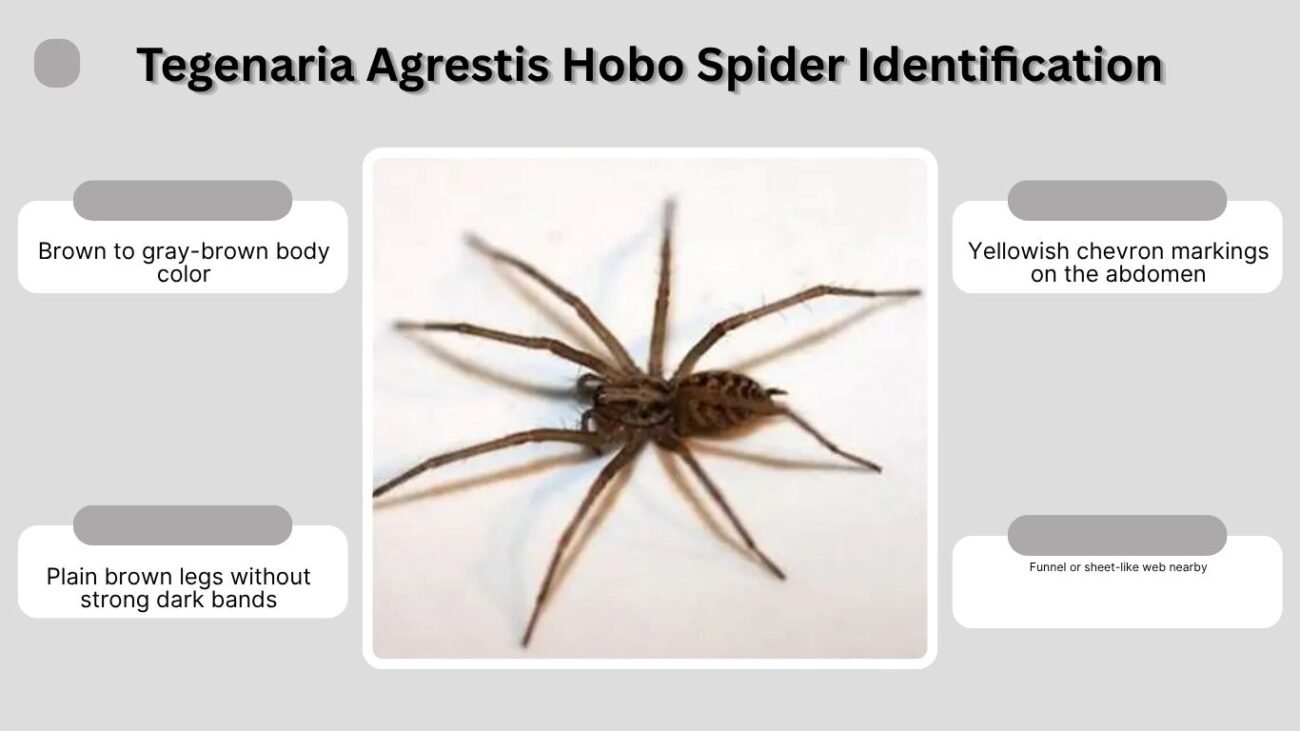
The hobo spider is a medium-sized brown funnel-weaver. However, it is very hard to identify by appearance alone because many related spiders look similar. UC IPM says a reliable identification usually requires examination of reproductive structures by a qualified arachnologist.
Size
Adult hobo spiders are usually measured by body length, not including the legs. Utah State University Extension gives mature female hobo spiders as about 9.5 — 16.5 mm long, while males are about 7 — 13.5 mm long.
This means a hobo spider may look larger when its legs are spread out, but the actual body is usually under 2 cm. People often overestimate spider size because they include the full leg span.
Color
Hobo spiders are usually brown. They may have a brown cephalothorax, darker brown markings, brown legs, and a grayish abdomen with yellowish chevron-like markings. However, color varies, and hobo spiders cannot be identified by color alone.
Common features may include:
- Brown to gray-brown body color
- Yellowish chevron markings on the abdomen
- Plain brown legs without strong dark bands
- Long legs and a fast-running movement
- Funnel or sheet-like web nearby
Web Shape
Hobo spiders belong to the funnel-weaver family Agelenidae. They build sheet-like webs with a retreat area where the spider waits for prey. UC IPM notes that hobo spider webs are often hidden under objects and may not appear as obvious funnel webs.
Tegenaria Agrestis Hobo Spider Habitat and Range
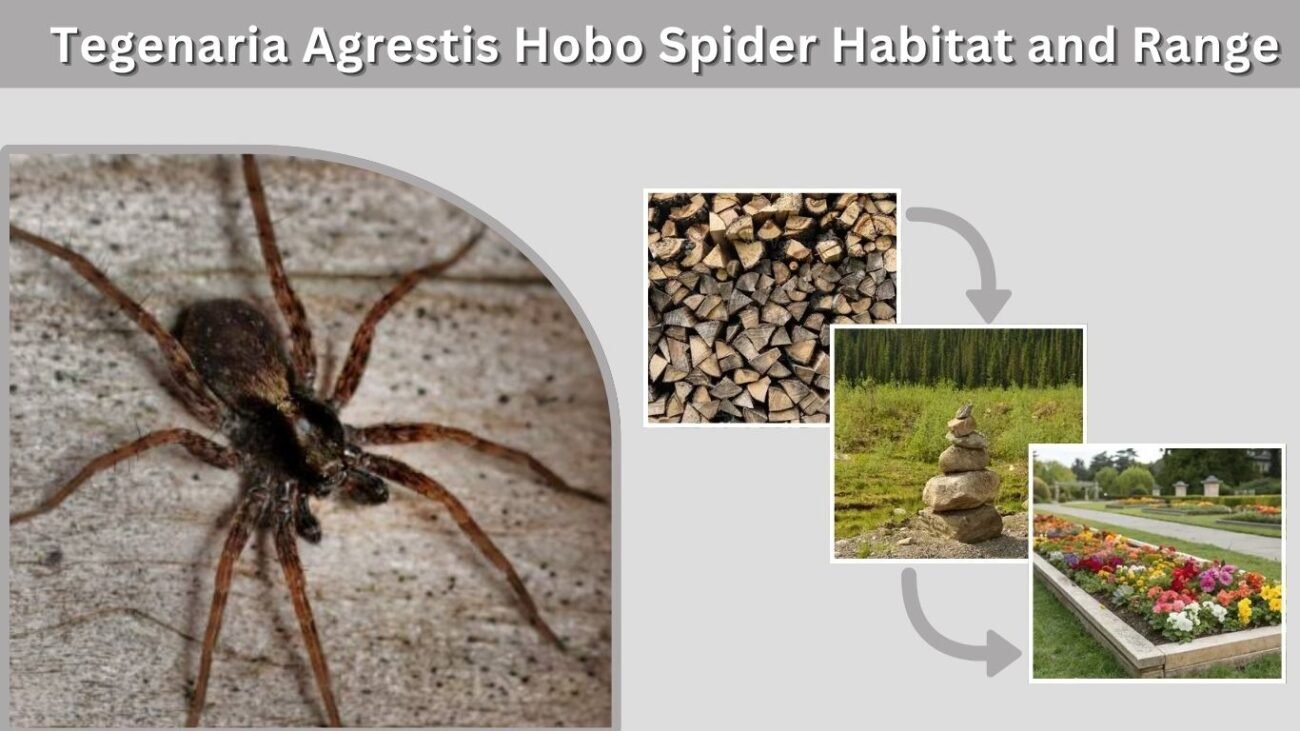
Hobo spiders are associated with cool, dark, protected areas where they can build webs. They may live outdoors around wood, rocks, vegetation, and foundations, and they may enter homes during certain seasons.
Outdoor Habitat
Outdoors, hobo spiders may live in:
- Wood piles
- Rock piles
- Flower beds
- Foundation gaps
- Grass clumps
- Spaces under boards, logs, and debris
- Dark areas where a funnel-web retreat can be built
BugGuide describes their habitat as darker areas such as flower beds, wood piles, and places where they can weave a funnel web.
Indoor Habitat
Inside homes, hobo spiders are most often found in low, dark, quiet places. Common indoor locations include basements, crawl spaces, garages, corners, storage rooms, and areas near exterior doors. BugGuide notes that when they are found in homes, they are often in basements and darker recesses such as corners.
Geographic Range
In North America, the hobo spider is mainly linked with the Pacific Northwest and parts of the western United States. UC IPM lists its North American range from British Columbia east to Montana, Wyoming, and Colorado, and south through Oregon and northern Utah.
Tegenaria Agrestis Hobo Spider Diet and Hunting Behavior
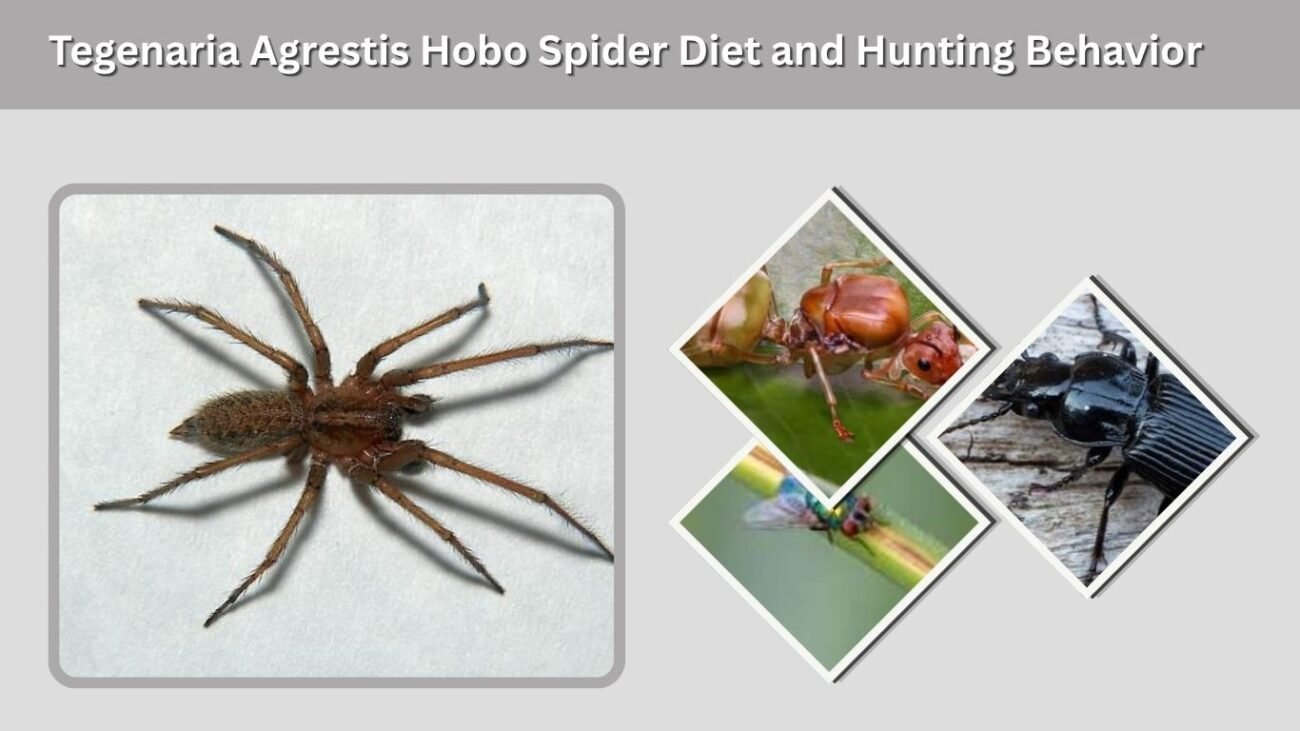
The hobo spider is a carnivorous insect-eater. It does not hunt people or pets. Its main role is catching small insects that wander into its web.
Animal Diversity Web states that hobo spiders prey on insects that become tangled in their webs. Their prey can include small to moderate-sized insects such as ants, beetles, and flies.
What Do Hobo Spiders Eat?
A hobo spider diet may include:
- Ants
- Beetles
- Flies
- Small moths
- Small roaches
- Other small insects
- Possibly other spiders
Because they feed on insects, they can help reduce some pest insects around homes. However, most homeowners still prefer to prevent spiders from settling indoors.
How They Catch Prey
Hobo spiders use a web-based hunting method. They wait near the retreat area of the web. When an insect walks across the sheet-like web, the spider rushes out, grabs the prey, and takes it back to the retreat to feed. This fast movement is normal funnel-weaver behavior.
Bite Risk and Medical Importance
The hobo spider was once blamed for necrotic, or flesh-damaging, wounds. However, modern extension sources are more cautious. UC IPM says the hobo spider is no longer considered of probable medical importance, and Utah State University Extension says there is no significant scientific evidence that hobo spiders have a necrotic bite.
Are Hobo Spiders Dangerous?
Current evidence does not support the idea that hobo spiders are highly dangerous to humans. Montana State University Extension states that there is no conclusive evidence that hobo spider venom causes necrosis in humans. It also notes that many non-healing wounds in the West are more commonly related to bacterial infections such as MRSA.
Do Hobo Spiders Bite?
Yes, like most spiders, they can bite if pressed, trapped in clothing, or directly threatened. But bites are considered rare. Utah State University Extension says hobo spiders may bite defensively and can cause mild pain and redness, but they are not generally aggressive or a major health concern.
What to Do After a Suspected Bite
If you think a hobo spider bit you, wash the area with soap and water, apply a cool compress, and keep the area clean. Watch for spreading redness, swelling, pus, fever, or worsening pain. If symptoms progress, seek medical care. If possible, safely capture the spider for expert identification, because finding a spider nearby does not prove it caused the bite.
Hobo Spider vs Similar Brown Spiders
Hobo spiders are often confused with other brown spiders. This is one reason many online identifications are unreliable.
| Spider | Main Difference |
| Hobo spider | Brown funnel-weaver; current name Eratigena agrestis |
| Giant house spider | Often larger and commonly confused with hobo spiders |
| Barn funnel weaver | Similar web-building spider around buildings |
| Wolf spider | Usually hunts without a funnel web |
| Brown recluse | Has different range and identification features |
| Domestic house spider | Common indoors and may be mistaken for hobo spider |
Hobo Spider vs Giant House Spider
The giant house spider is one of the most common look-alikes. Both are brown, fast-moving, and associated with buildings. UC IPM notes that the giant house spider has displaced the hobo spider in some areas, including where the hobo spider was once common around Seattle.
Hobo Spider vs Brown Recluse
The hobo spider is not the same as the brown recluse. Brown recluse spiders have a different body shape, a different eye pattern, and a well-known violin-like marking. Range is also important. Many brown spiders found in the Pacific Northwest are wrongly blamed as brown recluse or hobo spiders.
How to Prevent Hobo Spiders Indoors
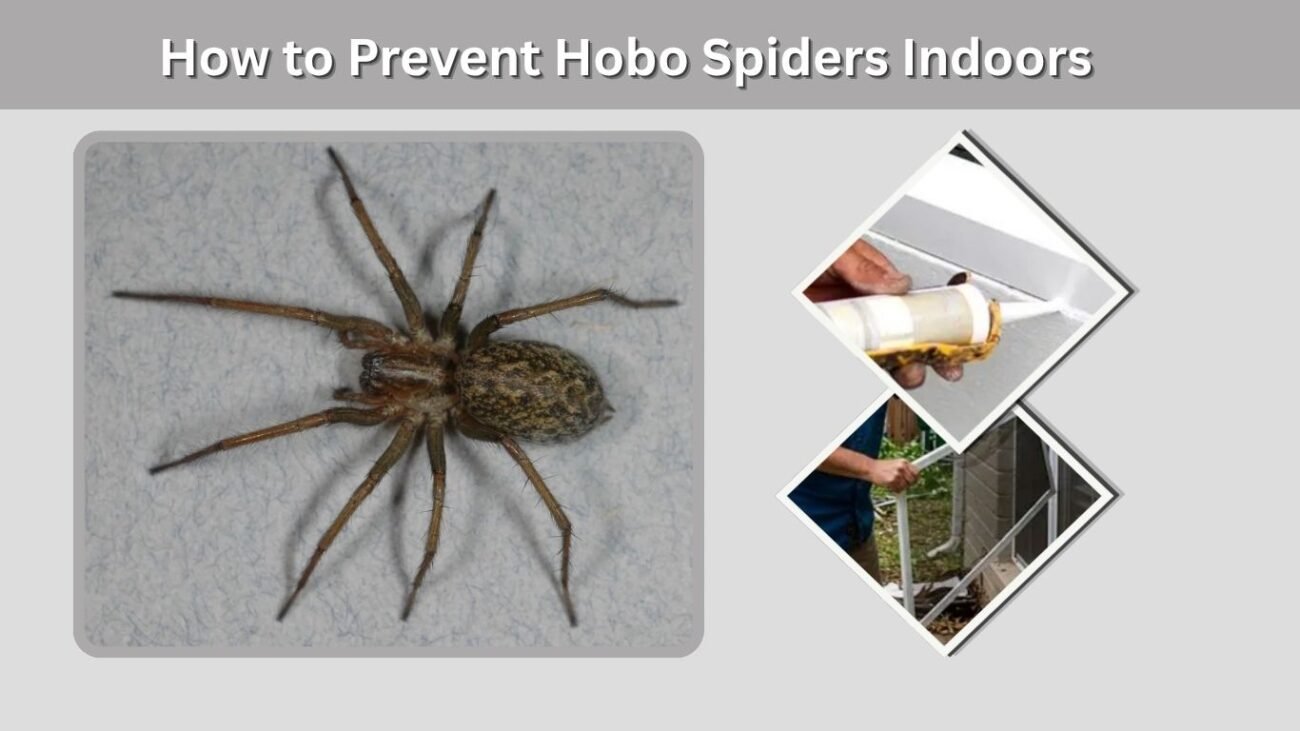
The best way to reduce hobo spiders is to make the home less inviting. Focus on exclusion, cleaning, web removal, and reducing insects.
Use these prevention tips:
- Seal cracks around doors, windows, and foundations
- Install door sweeps
- Repair damaged window screens
- Move firewood away from the house
- Reduce clutter in basements and garages
- Vacuum webs, corners, and storage areas
- Keep clothing and towels off the floor during late summer and fall
- Use sticky traps in basements and garages for monitoring
Utah State University Extension notes that hobo spiders are frequently found in Utah homes from August through October, so extra prevention during late summer and fall can be helpful.
FAQs
Is Tegenaria agrestis the hobo spider?
Yes. Tegenaria agrestis is the former scientific name of the hobo spider. The current accepted scientific name is Eratigena agrestis.
Why is the hobo spider now called Eratigena agrestis?
The name changed because the spider taxonomy was updated. The hobo spider was transferred from the genus Tegenaria to the genus Eratigena, so modern scientific sources use Eratigena agrestis.
What does a hobo spider look like?
A hobo spider is usually brown with plain brown legs and a grayish abdomen that may show yellowish chevron markings. However, it cannot be identified by color alone because many similar spiders look alike.
Are hobo spiders poisonous?
Hobo spiders have venom for catching prey, but current extension sources do not consider them medically important to humans. There is no strong evidence that their bites cause necrotic wounds.
Where do hobo spiders live?
They live in dark, protected places such as flower beds, wood piles, basements, crawl spaces, garages, and foundation areas. In North America, they are mostly associated with the Pacific Northwest and parts of the western United States.