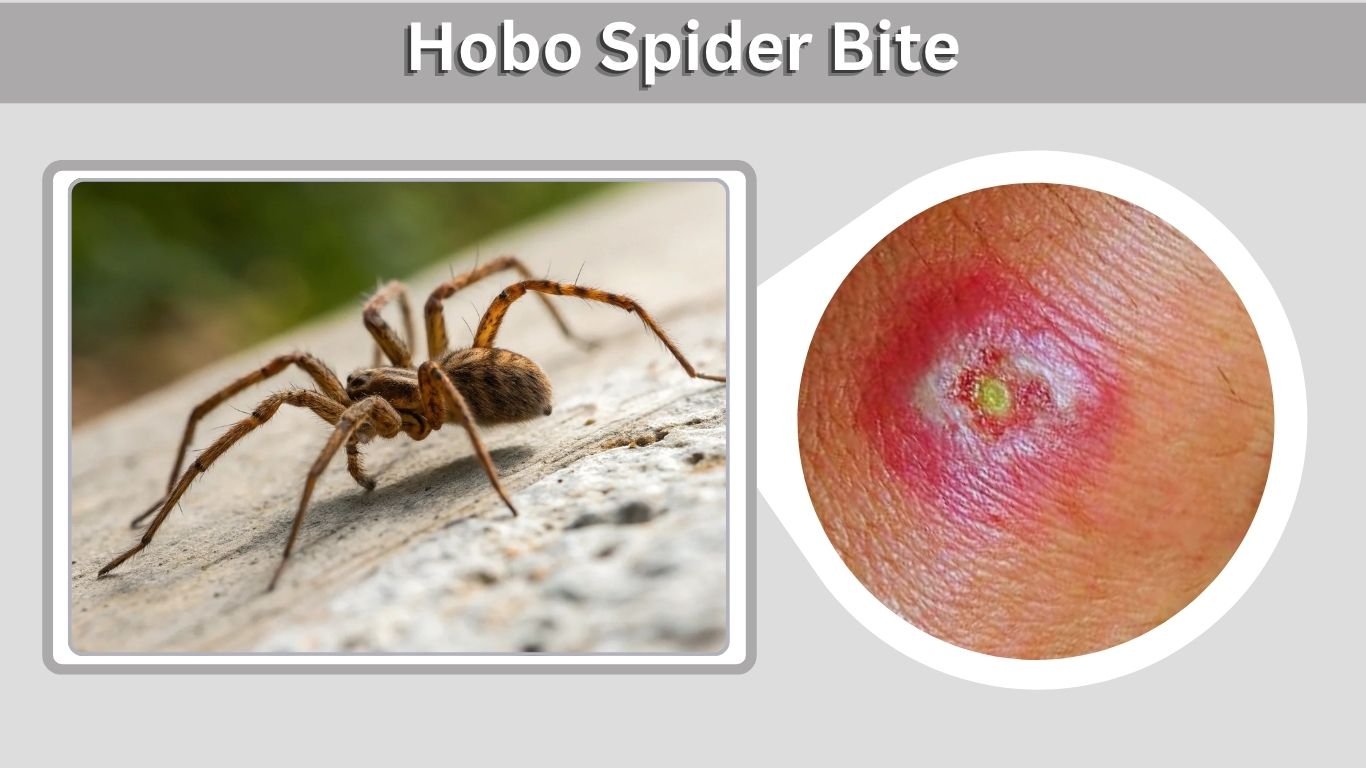
A hobo spider bite is often searched because people notice a red bump, blister, or painful skin mark and worry it may become serious. For years, hobo spiders were blamed for necrotic wounds, but current extension and public-health sources say there is no strong evidence that hobo spider venom causes skin necrosis in humans. Most suspected “hobo spider bites” are hard to confirm unless the spider is seen biting and correctly identified.
What Is a Hobo Spider Bite?
A hobo spider bite means the spider has pierced the skin with its fangs, usually when trapped against the body. Hobo spiders are not blood-feeding insects, so they do not bite people for food. They may bite defensively if pressed inside clothing, shoes, bedding, or against bare skin.
Current sources are more cautious about hobo spider bite claims than older articles. Utah State University Extension says there is no significant scientific evidence that hobo spiders have a necrotic bite, and Montana State University states that spider bites are generally rare and hobo spider venom has not been conclusively shown to cause necrosis in humans.
Are Hobo Spider Bites Common?
No. Hobo spider bites are not considered common. Many wounds blamed on spiders are never linked to a captured and identified spider. A red, swollen, or infected bump may come from another insect bite, skin irritation, ingrown hair, bacterial infection, or another medical issue.
Are Hobo Spiders Aggressive?
No. The older name “aggressive house spider” is misleading. Washington State Department of Health says hobo spiders are shy, retiring, reluctant biters, and try to escape when disturbed.
What Does a Hobo Spider Bite Look Like?
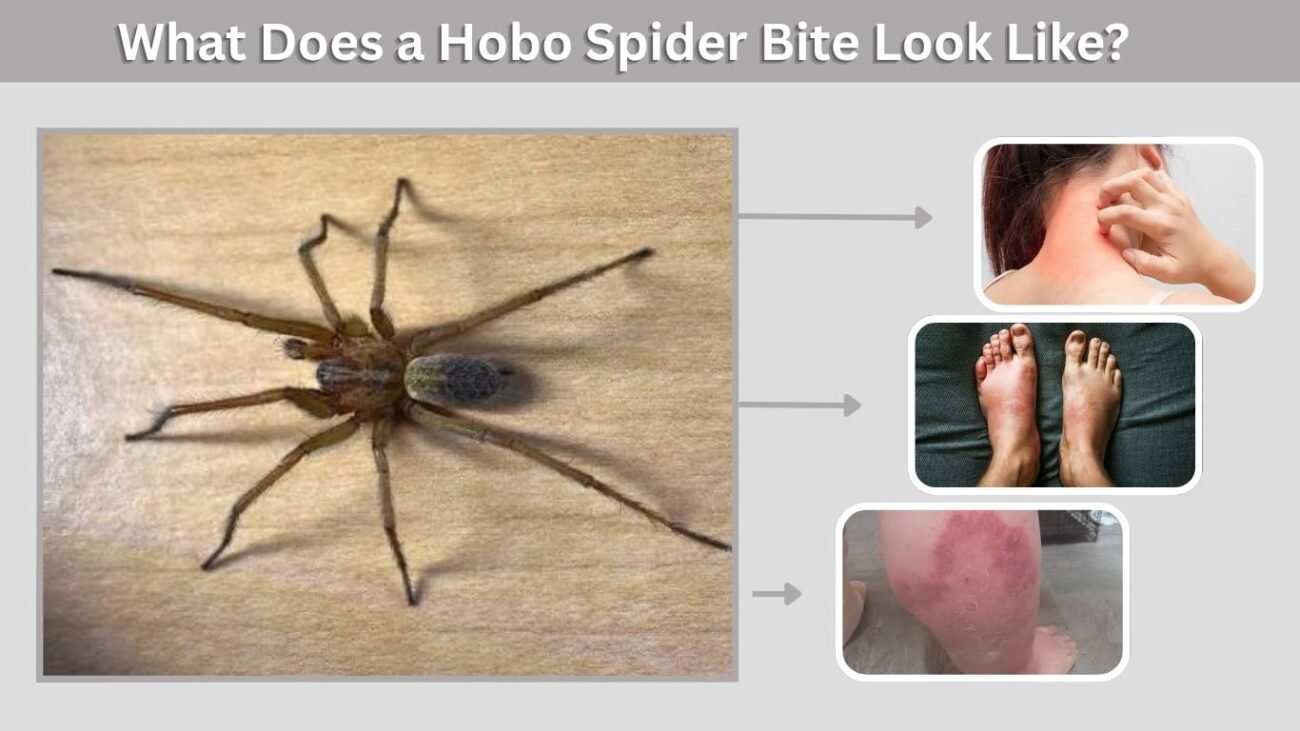
A suspected hobo spider bite may look like a small red bump, mild swelling, tenderness, or an irritated area on the skin. It may resemble many other bug bites, so appearance alone cannot confirm the cause.
Pictures of hobo spider bites are a popular search topic, but they are often misleading. A bite mark cannot usually prove which spider caused it. Poison Control notes that many conditions can mimic spider bites, including infections and other insect bites.
Possible Early Appearance
In the first few hours, a suspected bite may show:
- Mild redness
- Slight swelling
- Tenderness or burning
- Itching
- A small raised bump
- A tiny puncture-like mark, though this may not be visible
Why Pictures Are Not Reliable
Hobo spider bite pictures online may show severe wounds, blisters, or open sores, but many of those images are not confirmed hobo spider bites. Skin infections, especially bacterial infections, can look similar. Montana State University notes that many non-healing wounds blamed on hobo spiders may have other causes, including infections such as MRSA.
Hobo Spider Bite Symptoms
Most confirmed or suspected hobo spider bite symptoms are expected to be mild. Some people may feel local pain, redness, swelling, or itching. A stronger reaction can happen if the skin becomes irritated or infected, but that does not prove the venom caused the problem.
| Symptom | What It May Mean |
| Mild redness | Common skin reaction |
| Itching | Irritation or mild bite response |
| Swelling | Local inflammation |
| Pain or burning | Local tissue irritation |
| Blister | Possible irritation, friction, infection, or bite reaction |
| Spreading redness | Possible infection; medical care may be needed |
| Fever or chills | Warning sign; seek medical advice |
Mild Symptoms
A mild hobo spider bite may feel like a mosquito bite, ant bite, or small bee sting. The area may itch or hurt for a short time and then improve with basic care.
Symptoms That Need Medical Attention
Get medical help if the area becomes increasingly painful, hot, swollen, filled with pus, or surrounded by spreading redness. Also seek care for fever, chills, nausea, dizziness, a wound that keeps worsening, or a sore that does not heal.
Hobo Spider Bite Stages
Many people search for “hobo spider bite stages” or “day 1 hobo spider bite stages.” The problem is that there is no dependable, medically accepted hobo spider bite timeline. A suspected bite may change differently depending on the person, the wound, bacteria on the skin, scratching, and whether the bite was actually from a spider.
Day 1: First Few Hours
On day 1, the area may look like a small red bump. It may itch, sting, burn, or feel slightly tender. Some people may not notice any symptoms right away. If the spider was not seen biting, the mark should be treated as an unknown skin irritation rather than a confirmed hobo spider bite.
Day 2 to Day 3
By day 2 or day 3, a mild bite should usually start calming down. Redness and swelling may remain, but they should not rapidly spread. If the area becomes hotter, more painful, or begins draining pus, infection is possible and medical advice is important.
After Several Days
A simple irritated bite should gradually improve. A wound that opens, grows, turns dark, or does not heal should not be automatically blamed on a hobo spider. Current evidence does not support hobo spiders as a proven cause of necrotic wounds.
Hobo Spider Bite Treatment
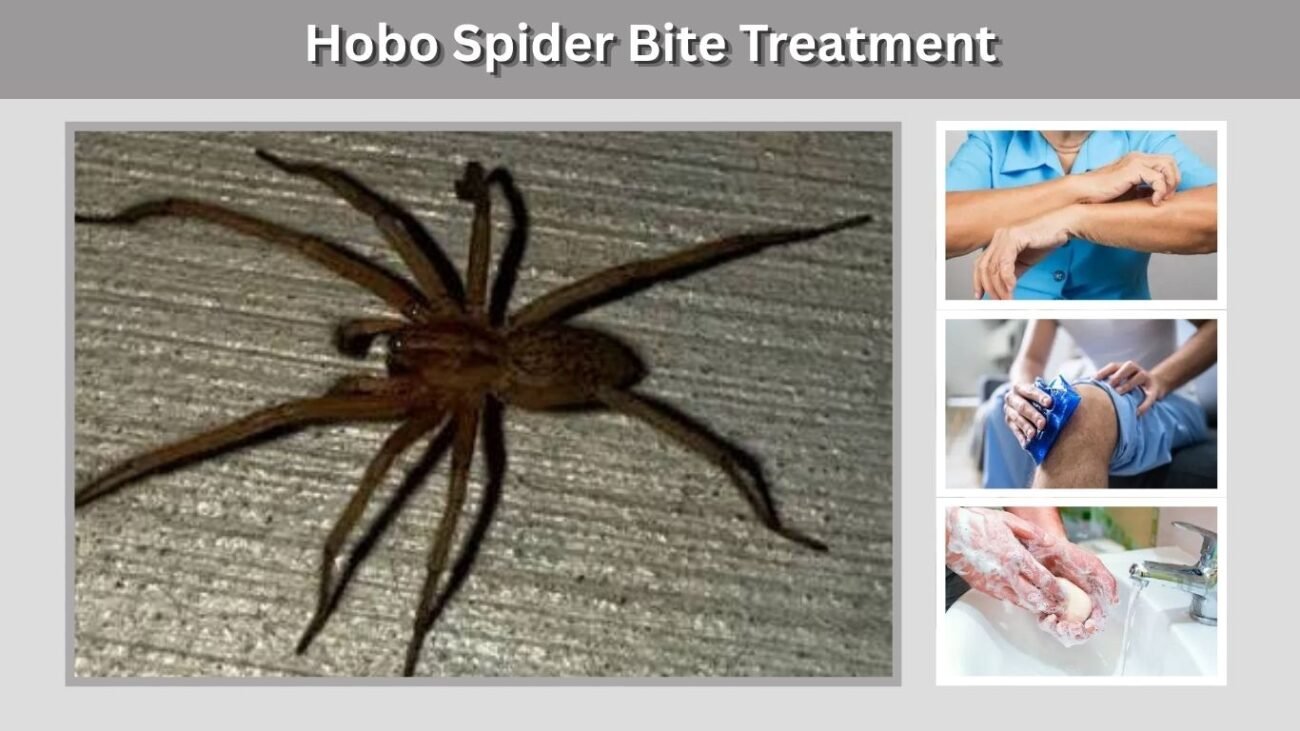
Basic first aid is usually enough for a mild suspected spider bite. Mayo Clinic recommends cleaning the wound with mild soap and water, applying a cool compress, elevating the area if possible, and using over-the-counter pain or itch medicine when appropriate.
Step-by-Step First Aid
- Wash the area gently with soap and water.
- Apply a cool compress for 10–15 minutes at a time.
- Keep the bite area clean and dry.
- Avoid scratching, squeezing, or cutting the skin.
- Elevate the area if it is on an arm or leg.
- Use an over-the-counter pain reliever or antihistamine if safe for you.
- Monitor the area for worsening symptoms.
What Not to Do
Do not cut the bite, try to suck out venom, apply harsh chemicals, or use random home remedies that irritate the skin. Cleveland Clinic also advises against trying to remove venom from a spider bite and recommends cleaning, cold compresses, elevation, and medical care for severe symptoms.
Hobo Spider Bite vs Brown Recluse Bite
Hobo spider bites and brown recluse bites are often confused, especially online. Brown recluse spiders are medically important in areas where they naturally occur, while hobo spiders are no longer considered a major medical concern by current extension sources.
The CDC’s current outdoor worker guidance lists black widow and brown recluse spiders as venomous spiders of concern in the United States, not the hobo spider.
| Feature | Hobo Spider Bite | Brown Recluse Bite |
| Medical concern | Not considered medically important by current sources | Can be medically important |
| Necrosis link | Not supported by strong evidence | Possible in some cases |
| Identification | Hard to confirm by bite appearance | Also hard without spider ID |
| Range | Mostly Pacific Northwest and western areas | More common in central/southern U.S. regions |
| Treatment | Basic first aid unless symptoms worsen | Medical advice recommended if suspected |
Why They Are Confused
Both are brown spiders in public imagination, and both have been linked to wound myths or wound fears. But a wound alone is not enough to identify the spider. Region, spider identification, and medical evaluation matter more than online photos.
Can a Hobo Spider Bite Kill You?
A hobo spider bite is not considered deadly. Current evidence does not support the idea that hobo spiders are a serious threat to human health. Utah State University Extension says the CDC does not list hobo spiders among venomous spider species toxic to humans.
However, any skin wound can become infected. The main risk is not usually hobo spider venom but delayed care for a worsening infection or another medical problem.
Hobo Spider Bite on Dogs and Cats
Pets can occasionally be bitten by spiders, but many bumps, sores, or swollen areas on dogs and cats come from allergies, fleas, ticks, wounds, abscesses, or infections. A hobo spider bite on a dog or cat cannot be confirmed by appearance alone.
When to Call a Vet
Call a veterinarian if your pet has swelling, limping, repeated licking, a painful lump, weakness, vomiting, fever, or a wound that opens or drains. Do not use human pain medicine on pets unless a vet tells you to.
How to Prevent Hobo Spider Bites
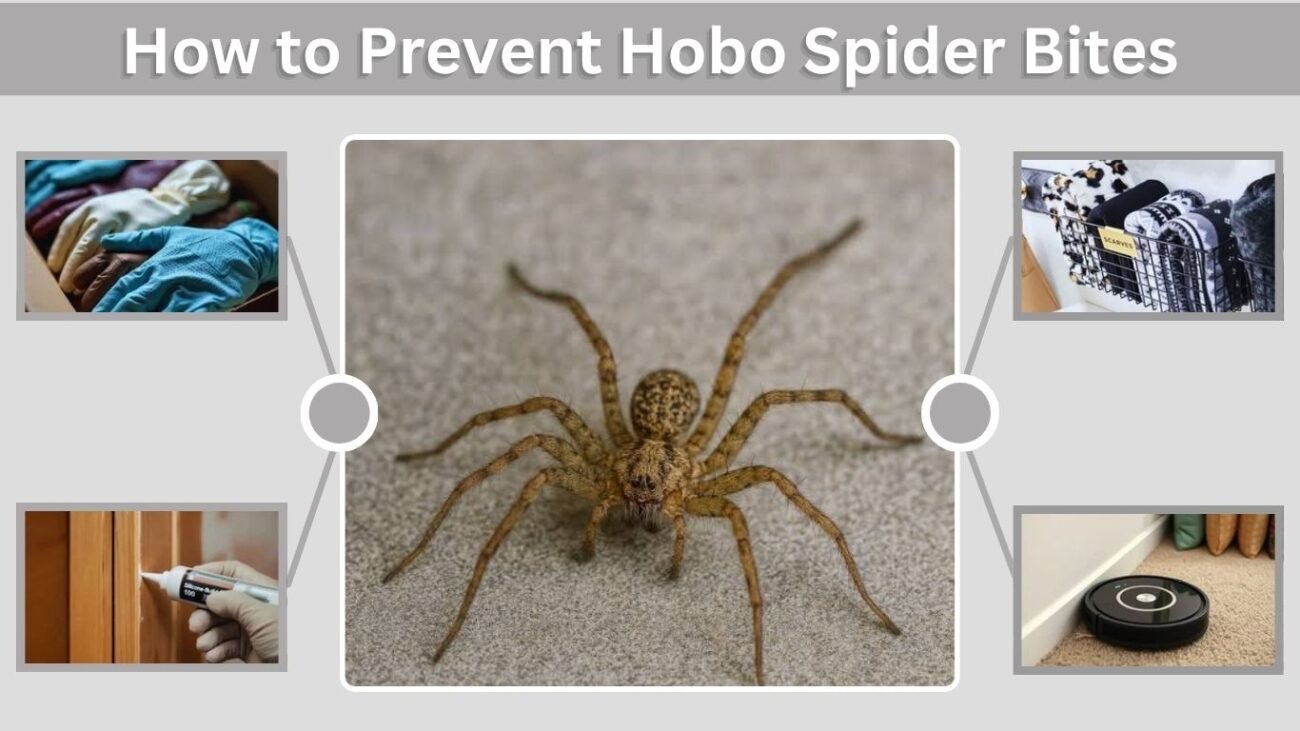
The best prevention is reducing accidental contact. Hobo spiders may enter homes, especially basements, garages, crawl spaces, and ground-level rooms. Utah State University Extension says they are frequently found in Utah homes from August through October.
Use these prevention tips:
- Shake out shoes, gloves, and stored clothing.
- Keep beds away from walls if spiders are common indoors.
- Reduce clutter in basements and garages.
- Seal cracks around doors, windows, and foundations.
- Install door sweeps.
- Vacuum corners, webs, and storage areas.
- Move firewood and debris away from the house.
- Use sticky traps for monitoring in basements or garages.
FAQs
What does a hobo spider bite look like?
A suspected hobo spider bite may look like a red bump, mild swelling, itching, or tenderness. It cannot be confirmed by appearance alone because many bites, infections, and skin conditions look similar.
Are hobo spider bites dangerous?
Current evidence does not support hobo spider bites as a major medical danger. They are not considered a proven cause of necrotic wounds, but any worsening skin wound should be checked by a medical professional.
What are the stages of a hobo spider bite?
There is no reliable hobo spider bite stage pattern. A mild bite may show redness and itching on day 1, then improve over the next few days. Worsening pain, spreading redness, pus, fever, or an open wound may suggest infection or another issue.
How do you treat a hobo spider bite?
Wash the area with soap and water, apply a cool compress, keep it clean, avoid scratching, and monitor symptoms. Seek medical care if symptoms worsen or signs of infection appear.
Is a hobo spider bite worse than a brown recluse bite?
No. Brown recluse bites can be medically important in some cases, while hobo spiders are not currently considered a major medical threat. The two should not be confused based on wound pictures alone.