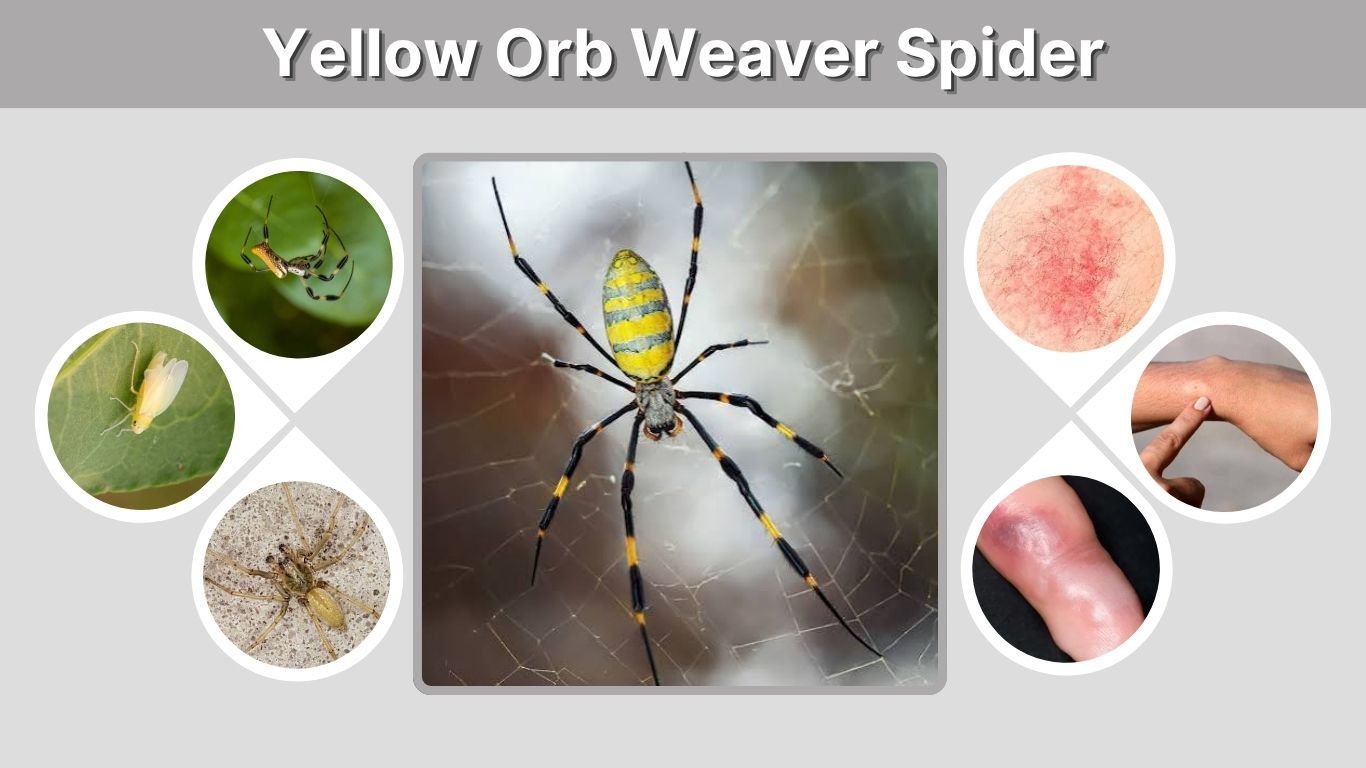
Yellow orb weaver spiders are some of the most noticeable spiders in gardens, fields, and yards. Their bright yellow markings, large circular webs, and bold black patterns often make people wonder if they are dangerous. In many searches, “yellow orb weaver spider” usually refers to the yellow garden spider, also called the black and yellow garden spider or Argiope aurantia. This spider may look intimidating, but it is generally harmless, beneficial, and useful for natural insect control.
What Is a Yellow Orb Weaver Spider?
A yellow orb weaver spider is not always one single species. The name can describe several orb-weaving spiders with yellow bodies or yellow markings. However, in North America, the most common spider people mean is the yellow garden spider, a large orb weaver known for its black-and-yellow abdomen and round web.
Common Names
The yellow orb weaver may be called by several names:
- Yellow garden spider
- Black and yellow garden spider
- Yellow garden orb weaver spider
- Writing spider
- Zigzag spider
- Yellow Argiope spider
- Argiope aurantia
The name “writing spider” comes from the thick zigzag silk pattern that often appears in the middle of its web. This zigzag is called a stabilimentum.
Is a Yellow Garden Spider an Orb Weaver?
Yes, the yellow garden spider is an orb weaver. Orb weavers are spiders that build round, wheel-shaped webs. The yellow garden spider belongs to the orb-weaver family and uses its web to catch flying insects.
Yellow Orb Weaver Spider Identification
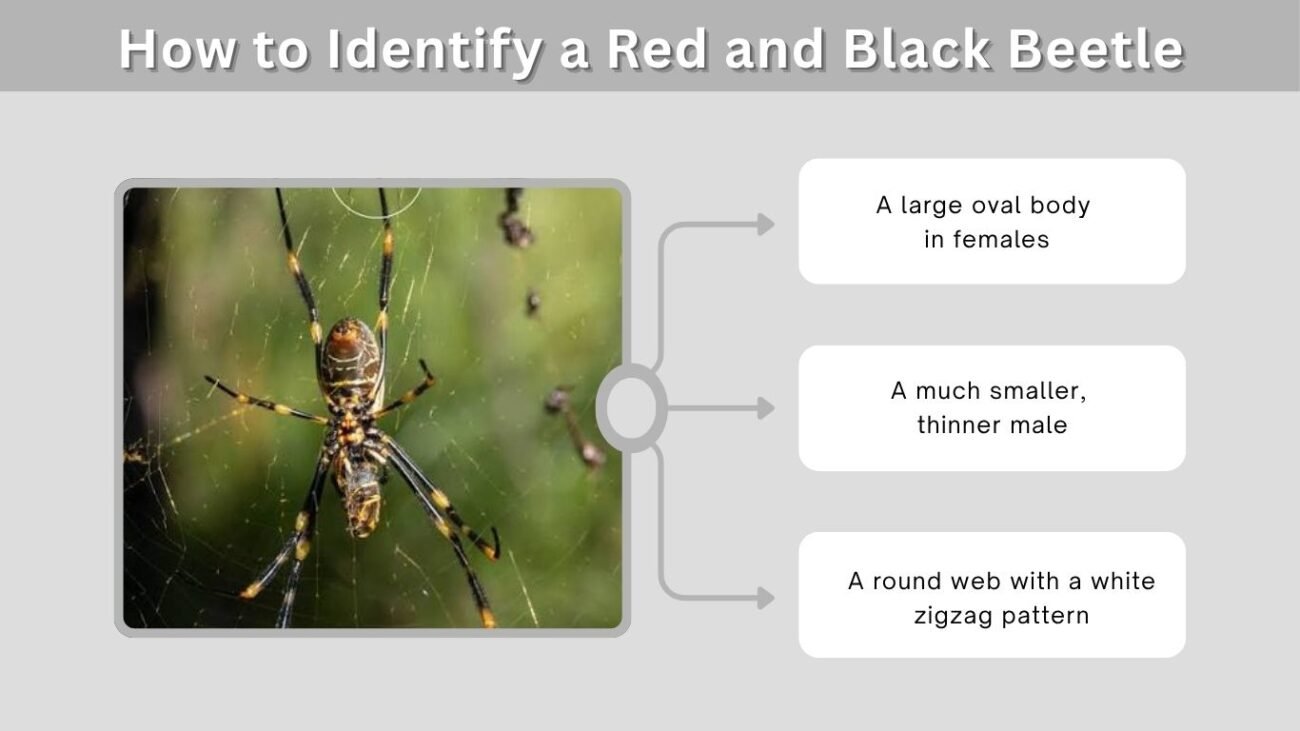
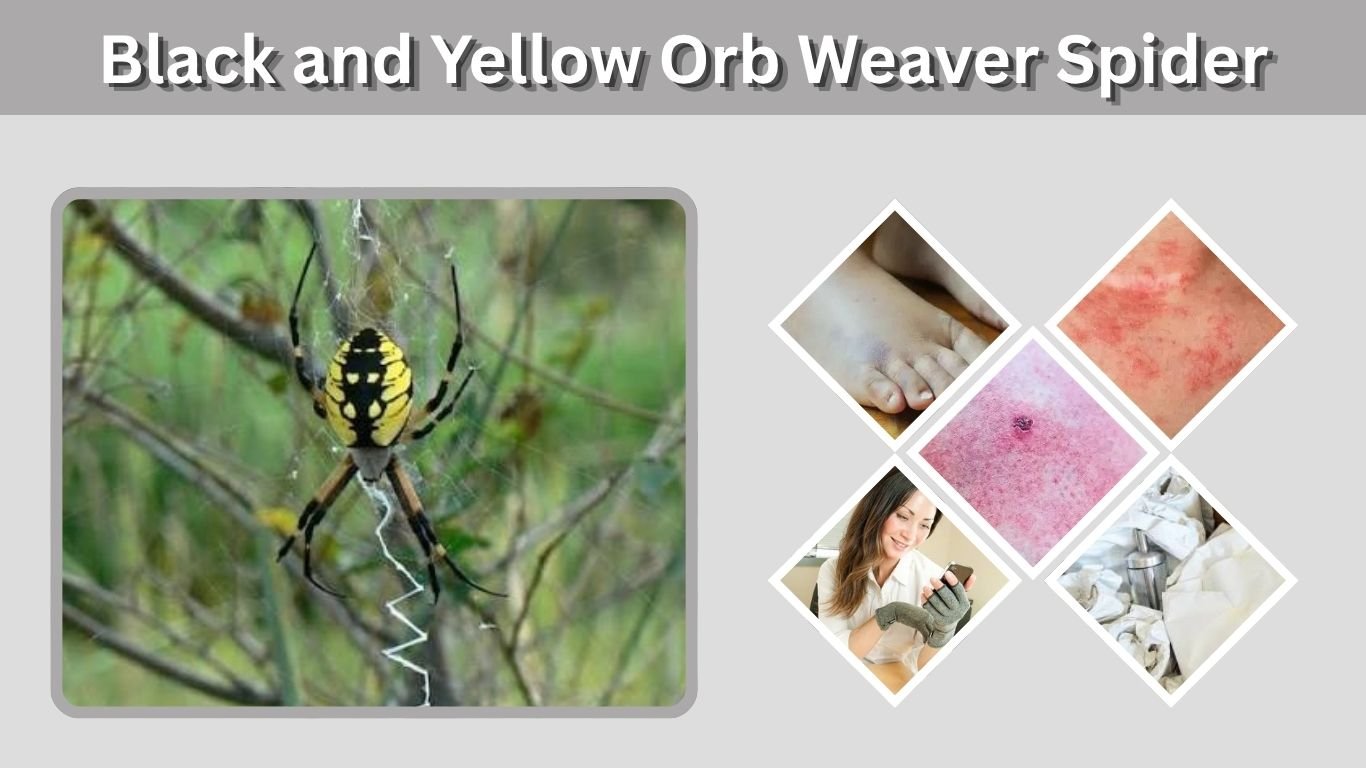
Yellow orb weavers are easy to notice because of their bright colors and large webs. Female yellow garden spiders are especially bold-looking, with a black abdomen marked by bright yellow patches. Their legs are usually dark with reddish, orange, or yellowish bands.
What Does It Look Like?
A typical black and yellow orb weaver has:
- A black abdomen with bright yellow markings
- Long legs with dark and reddish-brown sections
- A large oval body in females
- A much smaller, thinner male
- A round web with a white zigzag pattern
- A habit of sitting in the center of the web
Females are much larger and more colorful than males. Male yellow garden spiders are smaller, slimmer, and less noticeable.
Yellow Orb Weaver Spider Size
Female yellow garden spiders can look large compared with many common garden spiders. Their body may be around an inch long, and the legs make them appear even bigger. Males are much smaller and often stay near the female’s web during mating season.
Size is one reason people become nervous when they see one near a porch, flower bed, or vegetable garden. However, a large size does not mean the spider is dangerous.
Is the Yellow Orb Weaver Spider Poisonous?
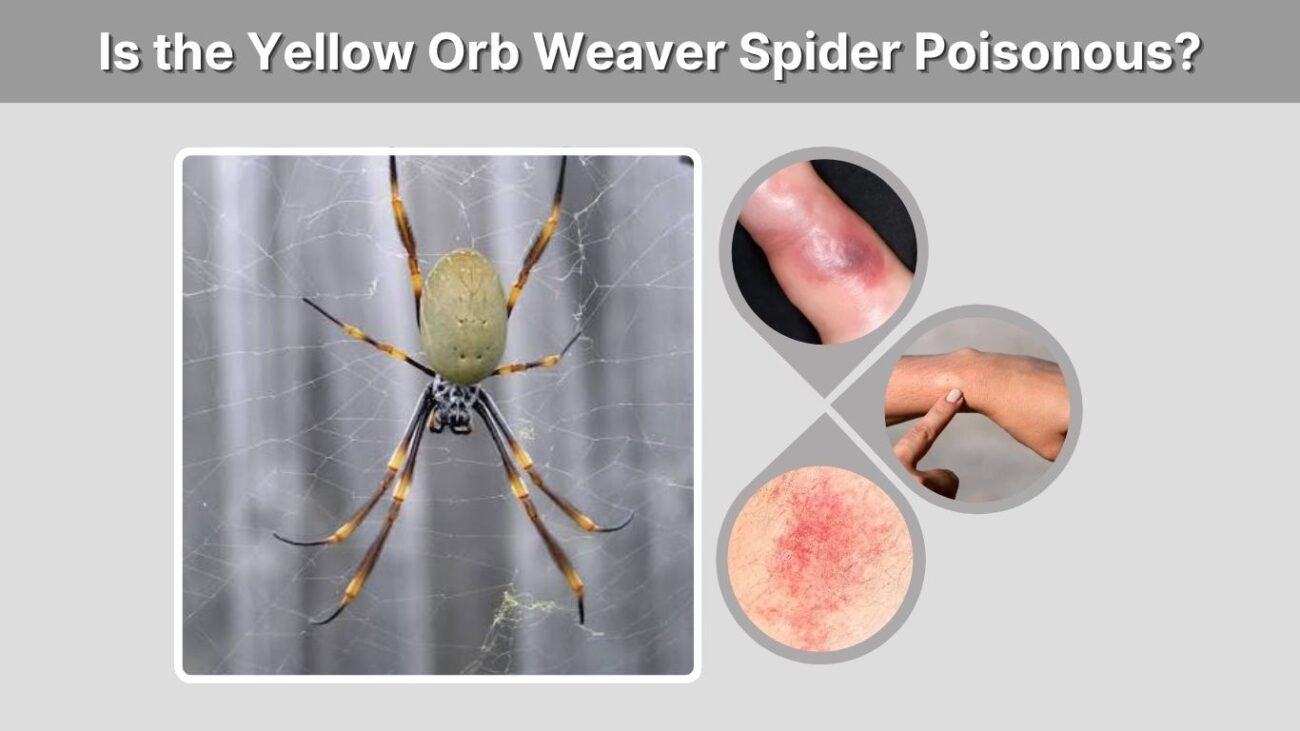
The yellow orb weaver spider is often called poisonous, but the better word is venomous. Like most spiders, it has venom to subdue insects caught in its web. However, this venom is not considered dangerous to healthy humans.
Venomous, Not Poisonous
Poison harms when it is touched, swallowed, or absorbed. Venom is injected through a bite. Yellow garden spiders use venom on prey such as flies, moths, mosquitoes, and small insects. They are not poisonous to touch, and they do not spread venom by walking on plants or webs.
Are Yellow Orb Weaver Bites Dangerous?
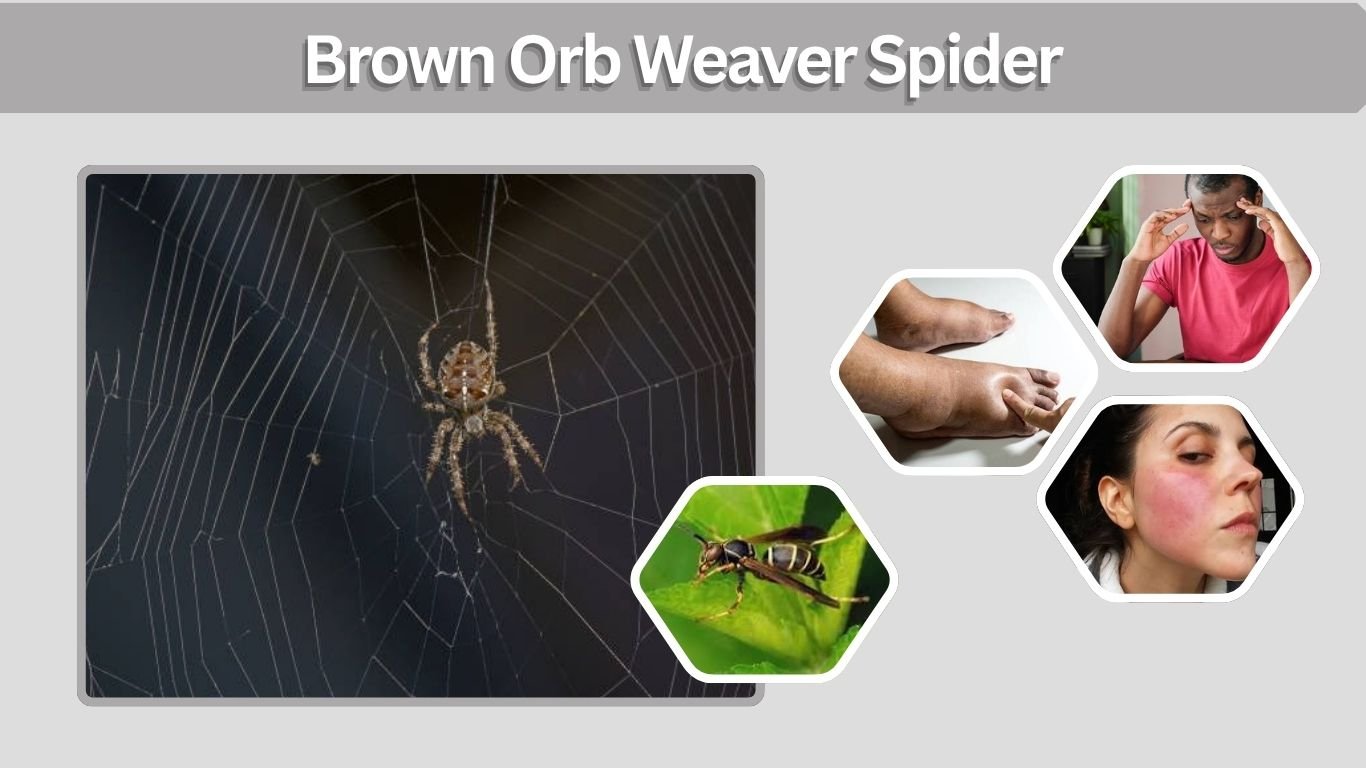
Yellow orb weaver bites are rare because these spiders are not aggressive. They usually bite only if grabbed, squeezed, or trapped against skin. For most people, a bite may feel like a mild sting and cause temporary redness or swelling.
Possible bite symptoms include:
- Mild pain
- Redness
- Slight swelling
- Itching
- Tenderness around the bite
- Minor irritation
A serious reaction is uncommon. Still, anyone with trouble breathing, severe swelling, dizziness, spreading redness, or strong pain should seek medical help.
Yellow Orb Weaver Spider Web
One of the easiest ways to identify a yellow orb weaver is by its web. These spiders build large, circular webs in gardens, fields, shrubs, and tall plants. The web is designed to catch flying insects.
The Zigzag Web Pattern
The yellow garden spider often creates a thick white zigzag line through the center of the web. This is why it is also called a writing spider or zigzag spider. The exact purpose of the zigzag is debated, but it may help make the web more visible to birds, attract prey, or camouflage the spider.
Where the Web Is Built
Yellow orb weaver webs are often found:
- Between tall garden plants
- In flower beds
- Around shrubs
- Near fences
- In fields and meadows
- Along sunny garden edges
- Near porch plants
- Around vegetable gardens
They usually choose places where flying insects are common. If a web blocks a walkway, you can gently remove part of the web and the spider will often rebuild somewhere else.
Yellow Orb Weaver Spider Habitat
Yellow orb weaver spiders are usually outdoor spiders. They prefer places with plants, open spaces, and plenty of insects. They are often seen in late summer and fall when females are fully grown and easier to spot.
Common Places to Find Them
You may see yellow orb weavers in:
- Gardens
- Fields
- Meadows
- Backyard landscapes
- Tall grass
- Flower beds
- Farm edges
- Shrub rows
- Sunny woodland edges
They are not indoor house spiders. If one appears inside, it likely came in by accident on plants, firewood, or outdoor items.
Yellow Orb Weaver Spider in Different States
Searches like “yellow orb weaver spider in Michigan,” “yellow orb weaver spider in Colorado,” “yellow orb weaver spider New York,” and “yellow orb weaver spider Kentucky” often refer to yellow garden spiders or other local orb weavers with yellow markings. The exact species can vary by region, but most yellow orb weavers are beneficial outdoor spiders.
What Do Yellow Orb Weaver Spiders Eat?
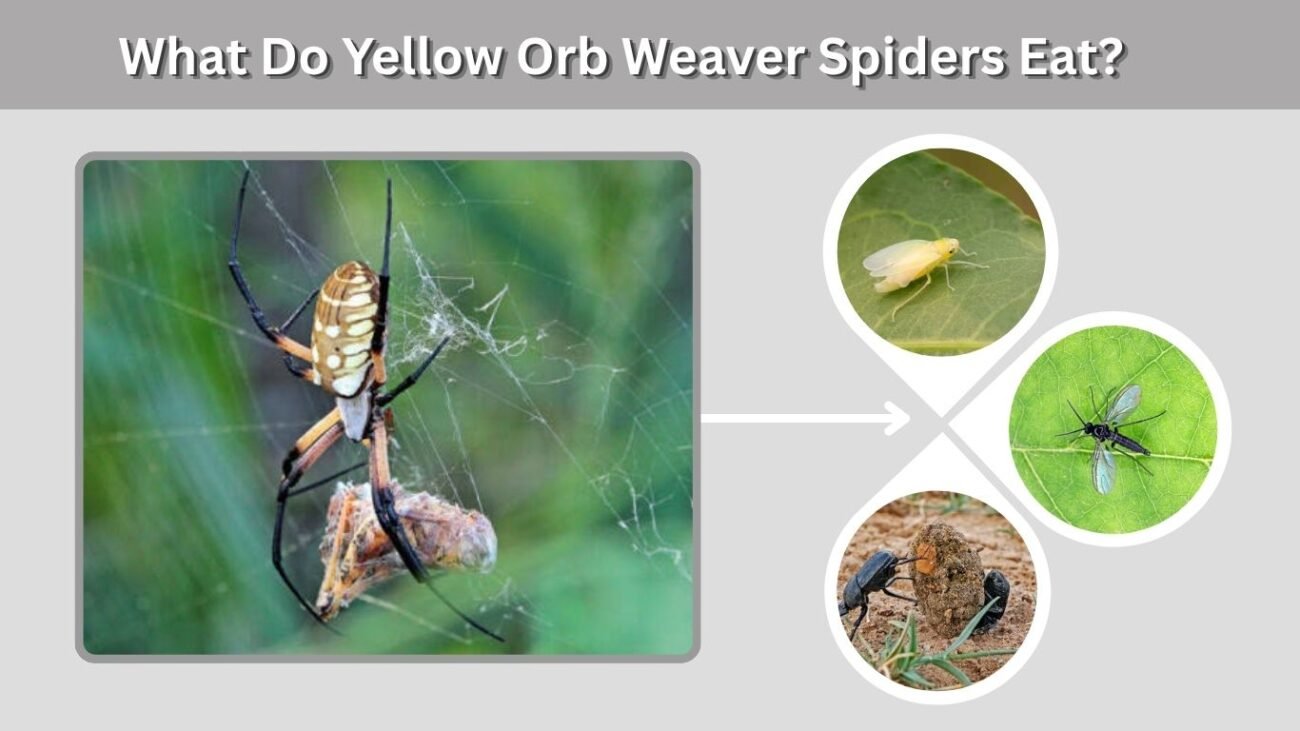
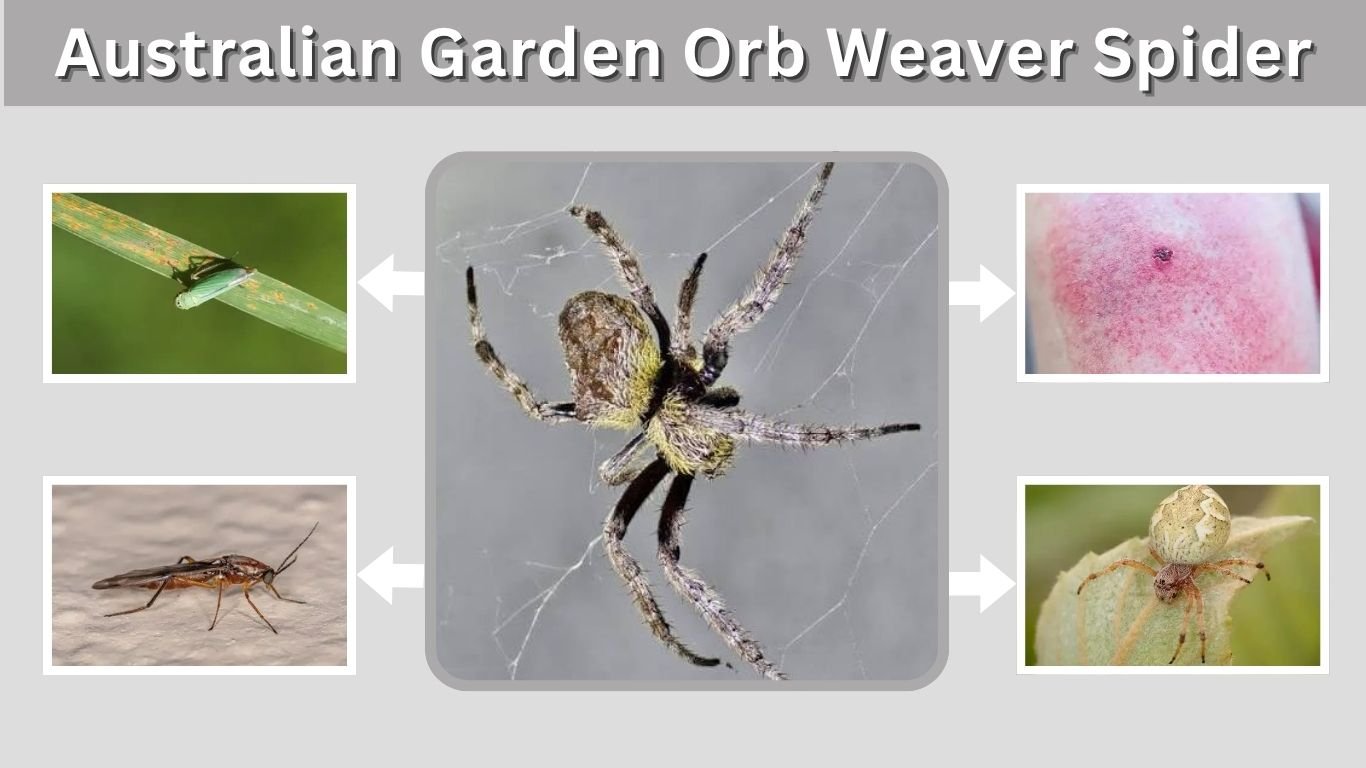
Yellow orb weavers are predators that eat insects caught in their sticky webs. They do not eat plants, damage wood, infest food, or harm gardens. Their diet makes them helpful around homes and landscapes.
Common Food
Yellow orb weavers may eat:
- Flies
- Mosquitoes
- Moths
- Grasshoppers
- Beetles
- Gnats
- Leafhoppers
- Small wasps
- Other small flying insects
The spider waits in or near the web. When an insect gets trapped, the spider senses the vibration, rushes over, bites the prey, and wraps it in silk.
Benefits in the Garden
Yellow orb weavers are beneficial because they reduce pest insects naturally. They can help lower the number of flying insects around flowers, vegetables, and outdoor spaces. Instead of killing them, many gardeners leave them alone unless the web is in a bad location.
Yellow Orb Weaver Spider Egg Sac
Female yellow garden spiders create egg sacs near their webs. These sacs protect the eggs until spiderlings hatch. The egg sac may be attached to vegetation, webbing, or protected areas under leaves. University of Florida IFAS notes that yellow garden spiders often attach egg sacs to webbing under vegetation or broad-leaved cover.
What the Egg Sac Looks Like
A yellow orb weaver egg sac may look like a small brownish or papery ball. It is usually hidden near the web or attached to plant material. The female may guard the area for a time, especially late in the season.
If the egg sac is outside and not causing a problem, it is best to leave it alone. If it is attached to a door, window, or high-traffic area, you can carefully relocate it with a stick or garden tool.
Yellow Orb Weaver vs Golden Orb Weaver
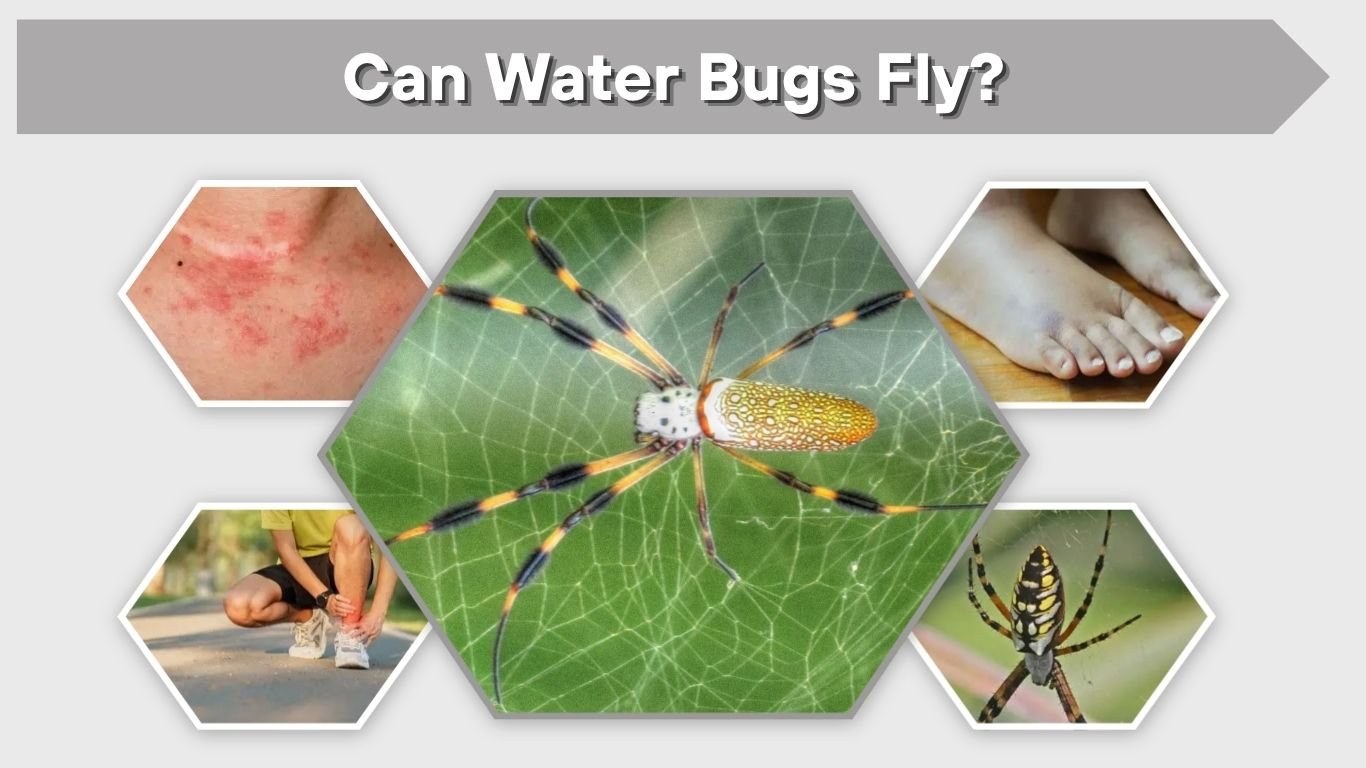
Many people confuse the yellow garden spider with the golden orb weaver. Both can be large, yellowish orb-weaving spiders, but they are not the same.
Main Differences
Yellow garden spider:
- Scientific name: Argiope aurantia
- Black abdomen with yellow patches
- Often has a zigzag web pattern
- Common in gardens and fields
- Female usually sits in the center of the web
Golden orb weaver:
- Often refers to Trichonephila or Nephila species
- Known for strong golden-colored silk
- Usually has a longer body shape
- Often builds large golden webs
- Legs may have noticeable bands or tufts
Golden orb-weaving spiders build suspended sticky webs in open spaces between trees and shrubs where insects fly.
Yellow Garden Spider vs Joro Spider
The Joro spider and yellow garden spider can look similar from a distance because both may show yellow and dark markings. However, they are different spiders.
How to Tell Them Apart
Yellow garden spiders usually have a bold black-and-yellow abdomen and a noticeable zigzag in the web. Joro spiders often have more complex colors, including yellow, blue, red, and black markings, with long banded legs. Joro spiders are also commonly discussed as an introduced species in parts of the United States.
If you see a black-and-yellow spider in a classic web with a thick white zigzag down the middle, it is more likely a yellow garden spider.
Yellow Orb Weaver vs Yellow Sac Spider
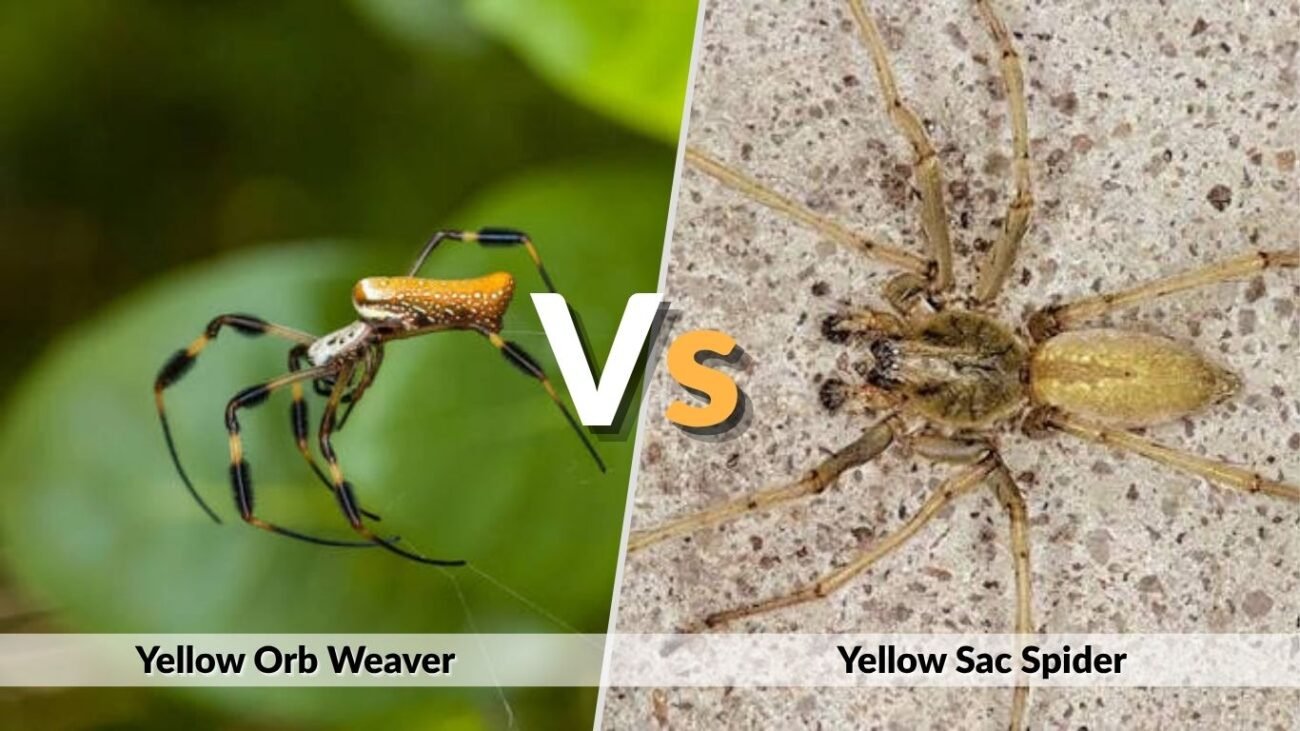
A yellow orb weaver and a yellow sac spider are very different. This is an important comparison because yellow sac spiders are more likely to wander indoors, while yellow orb weavers usually stay outside in webs.
Key Differences
Yellow orb weaver:
- Builds large round webs
- Often black and yellow
- Usually stays outdoors
- Sits in the center of the web
- Beneficial garden spider
Yellow sac spider:
- Usually pale yellow or tan
- Does not build a big round web
- Often wanders indoors
- Hides in small silk sacs
- More likely to bite if trapped indoors
If the spider is sitting in a large circular web, it is not a yellow sac spider.
Should You Remove Yellow Orb Weaver Spiders?
Most yellow orb weavers do not need to be removed. They are helpful and usually stay outside. However, you may want to move them if the web blocks a doorway, path, porch, or children’s play area.
Safe Removal Tips
Try these simple methods:
- Gently remove webs from walkways
- Use a broom instead of your hands
- Avoid grabbing the spider
- Turn off unnecessary outdoor lights at night
- Trim tall plants near doors
- Move porch plants away from entrances
- Reduce flying insects around the home
Pesticides are usually unnecessary. If you reduce insects and remove webs from unwanted areas, the spider will often move elsewhere.
FAQs
1. Is a yellow orb weaver spider poisonous?
No, a yellow orb weaver spider is not poisonous to humans. It has venom for catching insects, but it is not considered dangerous to most people.
2. Is a yellow garden spider an orb weaver?
Yes, the yellow garden spider is an orb weaver. It builds a round web and belongs to the orb-weaver group of spiders.
3. Do yellow orb weaver spiders bite?
Yes, they can bite, but bites are rare. They usually bite only if handled, squeezed, or trapped against the skin.
4. What is the black and yellow orb weaver spider?
The black and yellow orb weaver is usually the yellow garden spider, also known as Argiope aurantia, writing spider, or zigzag spider.
5. Should I kill a yellow orb weaver spider?
No, it is usually better not to kill it. Yellow orb weavers are beneficial spiders that eat flies, mosquitoes, moths, and other insects.