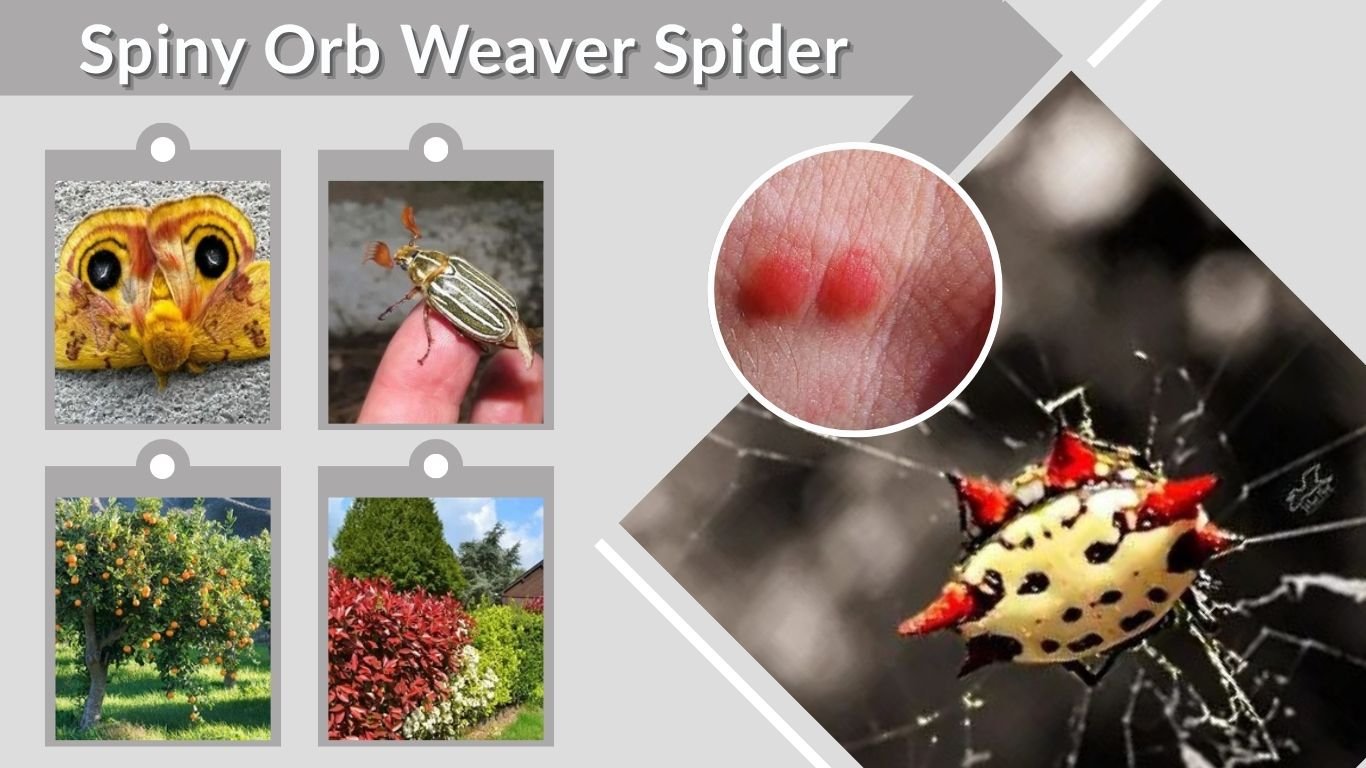
The spiny orb weaver spider is one of the most unusual-looking garden spiders. Its hard, crablike body, bright colors, and pointed spines make many people wonder if it is poisonous or dangerous. The good news is that spiny orb weavers are usually harmless to humans and pets. They are small outdoor spiders that build round webs and catch flying insects. This guide explains their identification, bite risk, size, habitat, web, egg sacs, diet, and benefits around the home.
What Is a Spiny Orb Weaver Spider?
The spiny orb weaver spider is a small orb-weaving spider known for its flat, shell-like abdomen and sharp-looking spines. Its scientific name is often listed as Gasteracantha cancriformis, especially in the United States. It is also called the spiny-backed orb-weaver, crablike orb weaver, or spiny back orb weaver spider because of its unusual body shape.
Scientific Name and Common Names
The spiny orb weaver belongs to the orb-weaver family, Araneidae. These spiders are famous for building circular, wheel-shaped webs. The name “spiny-backed” comes from the stiff projections on the sides of the abdomen.
Common names include:
- Spiny orb weaver spider
- Spiny-backed orb-weaver spider
- Spiny back orb weaver spider
- Crablike spiny orb weaver spider
- Crab spider orb weaver
- Spiny bellied orb weaver spider
Although some people call it a crab spider, it is not a true crab spider. It is an orb-weaver spider with a crablike body.
Spiny Orb Weaver Spider Identification
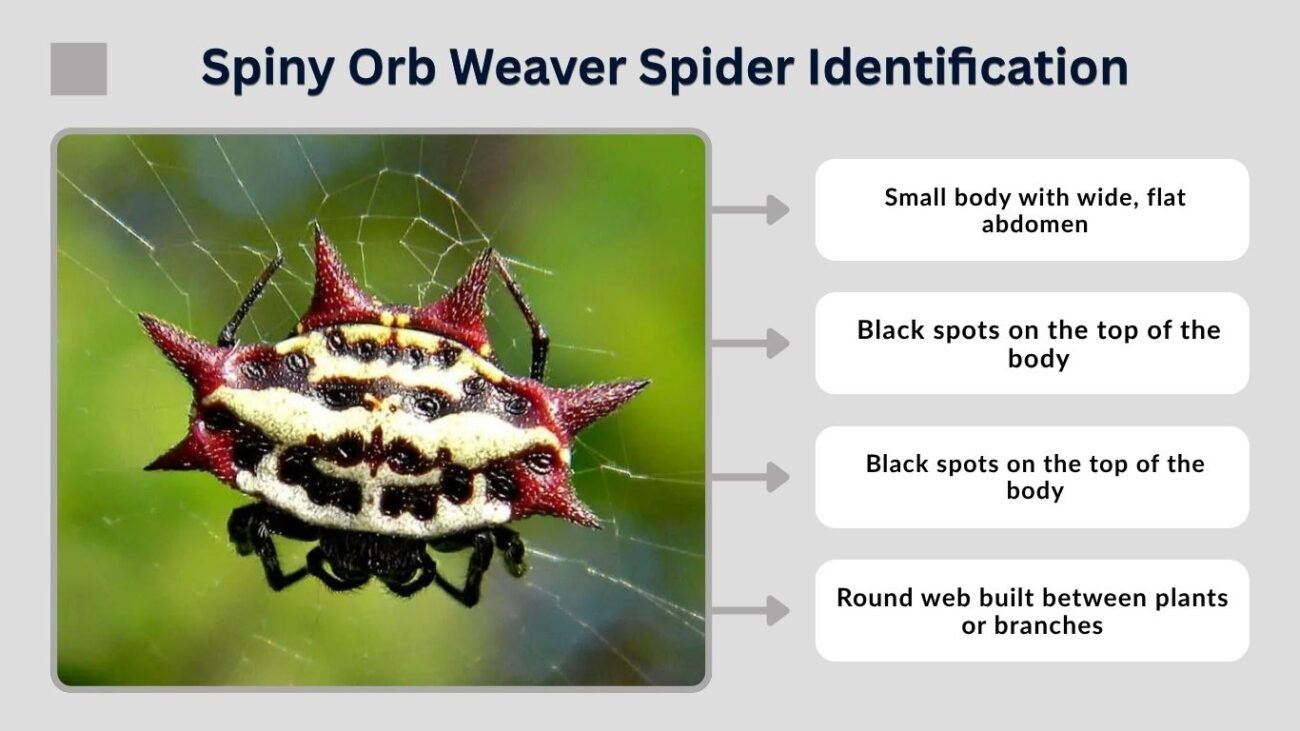
Spiny orb weavers are easy to recognize once you know what to look for. They are small, colorful, and shaped differently from most spiders. Many people notice them in gardens, shrubs, trees, fences, and porch areas, especially when their webs appear at face height.
What Does It Look Like?
A spiny orb weaver has a broad, flat abdomen that looks almost like a tiny shield or shell. The abdomen may be white, yellow, orange, red, or brown with dark spots. Around the edge of the abdomen are short spine-like points.
Key identification features include:
- Small body with wide, flat abdomen
- Six noticeable spines around the abdomen
- Black spots on the top of the body
- White, yellow, orange, red, or brown color forms
- Shorter legs compared with many orb weavers
- Round web built between plants or branches
Females are much easier to notice than males. Male spiny orb weavers are smaller and less colorful.
Spiny Orb Weaver Spider Size
The spiny orb weaver is not a large spider. Females are usually wider than they are long because of their broad abdomen. Males are much smaller and may go unnoticed.
A full-size spiny orb weaver spider is usually small compared with common house spiders or large garden orb weavers. The female’s body may be around 5–9 mm long, while its width can appear larger because of the spines. Males are often only a few millimeters long.
Is the Spiny Orb Weaver Spider Poisonous?
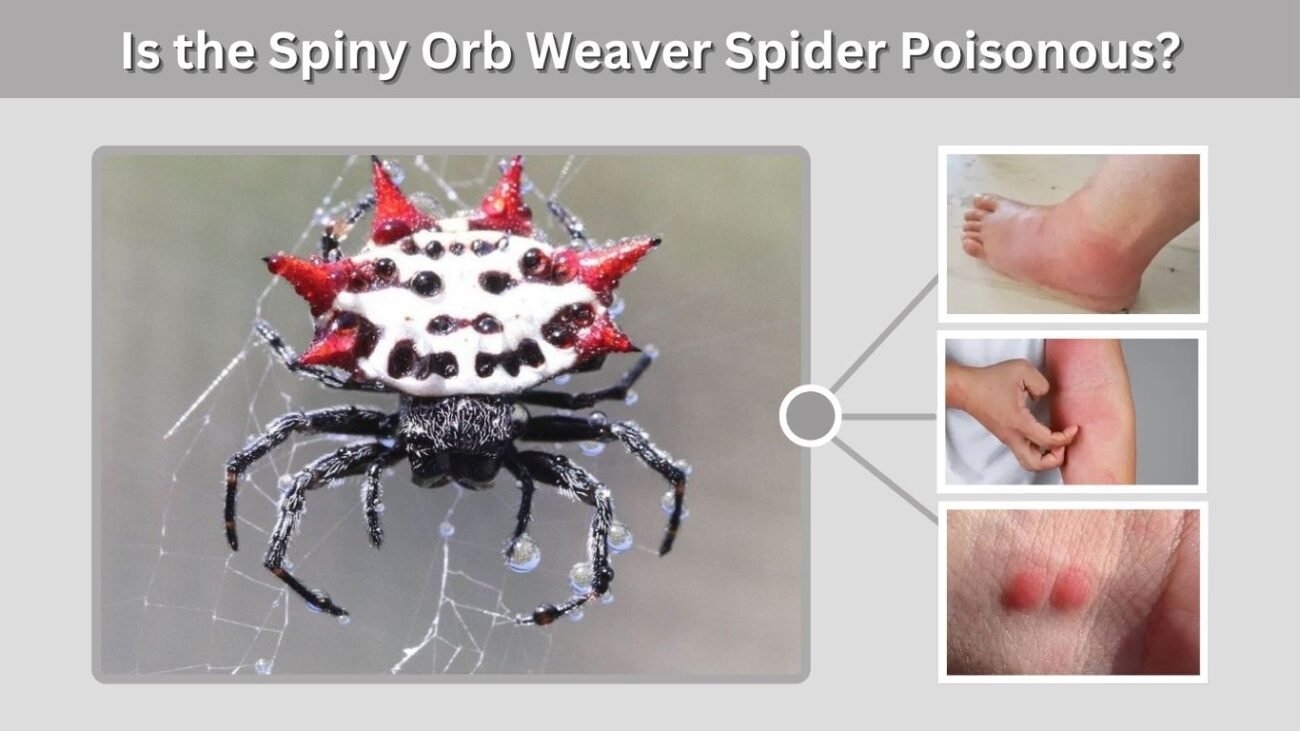
Many people search “spiny orb weaver spider poisonous” after seeing its spines and bright colors. The answer is simple: spiny orb weavers have venom for catching insects, but they are not considered dangerous to humans. They are not poisonous in the way people usually fear.
Venomous, Not Poisonous
Like most spiders, spiny orb weavers are venomous because they use venom to subdue prey. However, their venom is meant for tiny insects, not people, dogs, or cats.
They are not aggressive spiders. They prefer to stay in their web and wait for flying insects. A bite may happen only if the spider is trapped against skin, squeezed, or handled roughly.
Is a Spiny Orb Weaver Bite Dangerous?
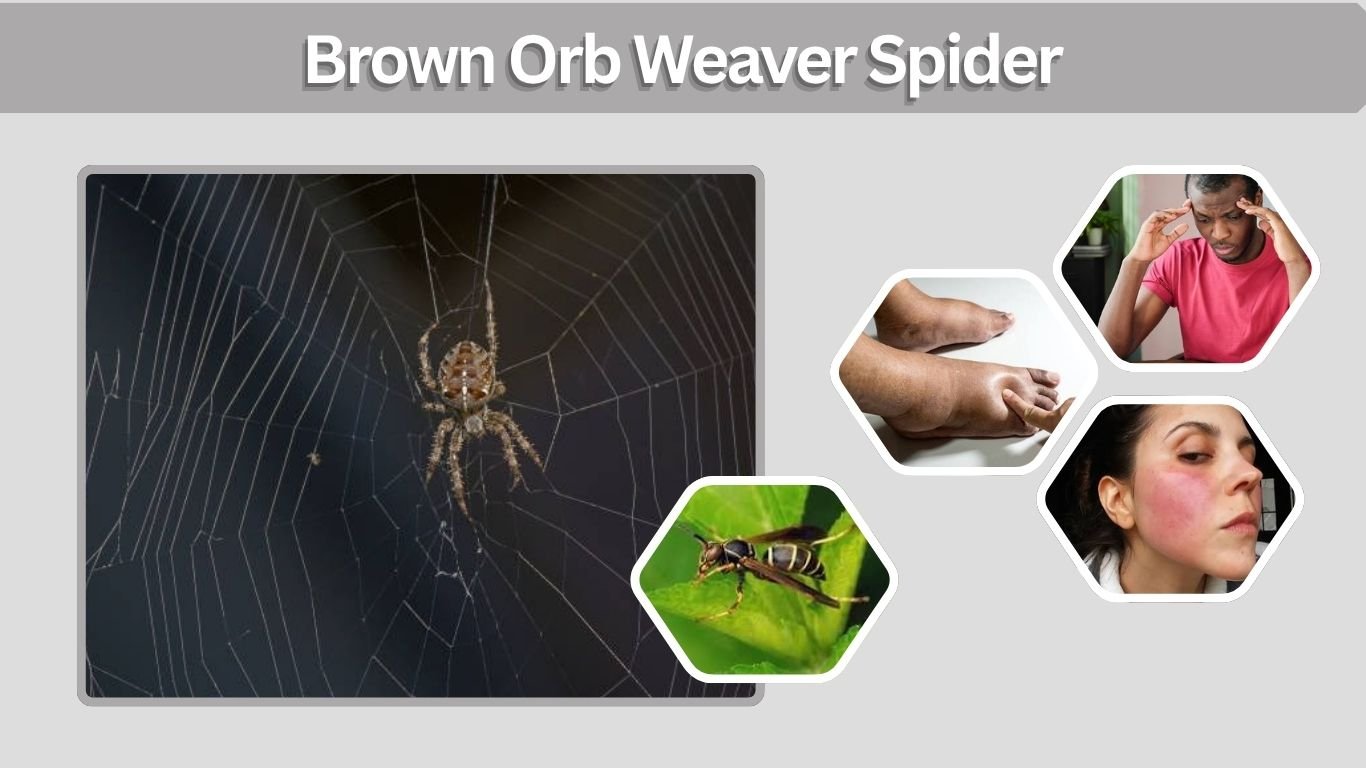
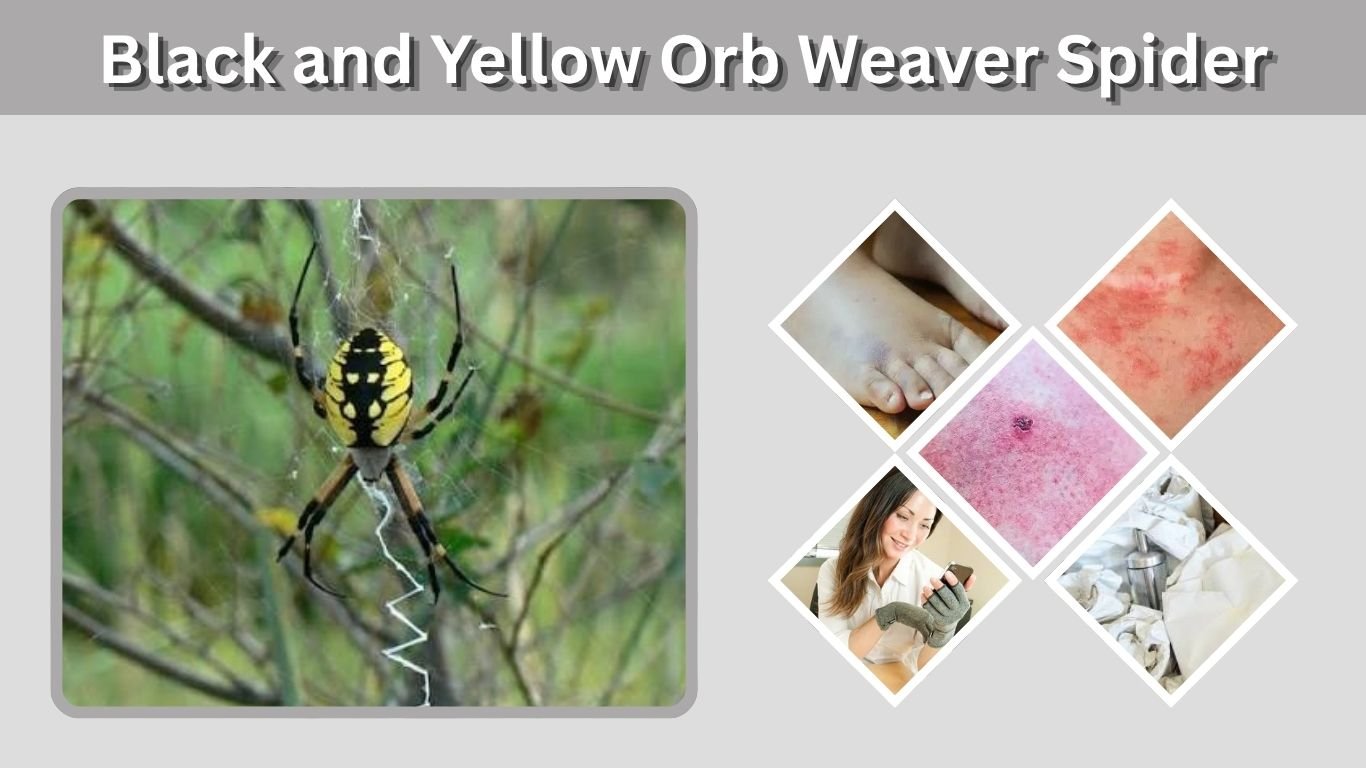
A spiny orb weaver spider bite is usually mild. In many cases, the spider may not even be able to bite deeply because it is so small. If a bite happens, symptoms are usually limited to minor local irritation.
Possible bite symptoms include:
- Small pinching feeling
- Mild redness
- Slight swelling
- Itching near the bite
- Minor tenderness
- Short-term skin irritation
A serious reaction is rare. However, if someone has severe swelling, trouble breathing, dizziness, fever, spreading redness, or intense pain, they should seek medical help.
Where Do Spiny Orb Weavers Live?
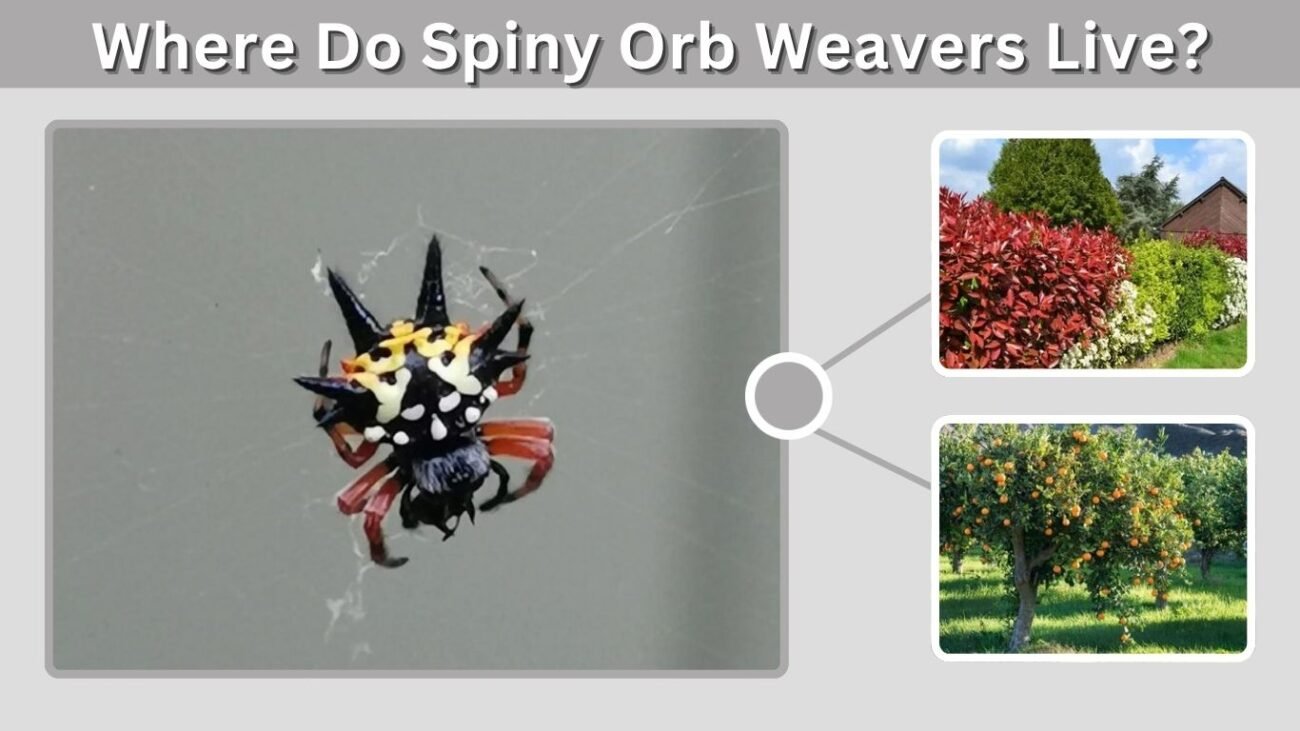
Spiny orb weavers are mostly outdoor spiders. They are common in warm regions and are often seen in gardens, wooded edges, citrus groves, yards, parks, and landscaped areas. In the United States, they are especially common in Florida and other southern states, but related spiny orb weavers may appear in other regions too.
Common Locations
These spiders usually build webs where flying insects are active. They often choose sunny or partly shaded spaces between plants.
You may find spiny orb weavers in:
- Florida gardens and yards
- Texas landscapes
- Georgia and Alabama gardens
- North Carolina and southern coastal areas
- Shrubs and hedges
- Citrus trees
- Woodland edges
- Porch plants
- Fences and outdoor structures
Searches like “spiny orb weaver spider Florida,” “spiny orb weaver spider Texas,” and “spiny orb weaver spider Georgia” are common because these spiders are often noticed in warm southern climates.
Are They Normal in Florida?
Yes, spiny-backed orb weavers are normal in Florida. They are common outdoor spiders and are not usually a sign of a dangerous infestation. Seeing a few in the yard often means there are plenty of small flying insects for them to eat.
Spiny Orb Weaver Spider Web
The spiny orb weaver builds the classic round web that gives orb weavers their name. The web is usually made between branches, shrubs, or small trees. People often notice the web before they notice the spider, especially when walking through a garden or yard.
Web Shape and Location
The web is circular and sticky, designed to catch flying insects. The spider may sit in the center of the web or nearby. Some spiny orb weaver webs also have small silk decorations or thicker silk areas.
Their webs are commonly found:
- Between shrubs
- Across garden paths
- Near porch plants
- Around fences
- Between tree branches
- Near outdoor lights
- In low wooded areas
If a web is in the way, you can gently remove it with a broom. The spider will usually move and rebuild somewhere else.
What Do Spiny Orb Weaver Spiders Eat?
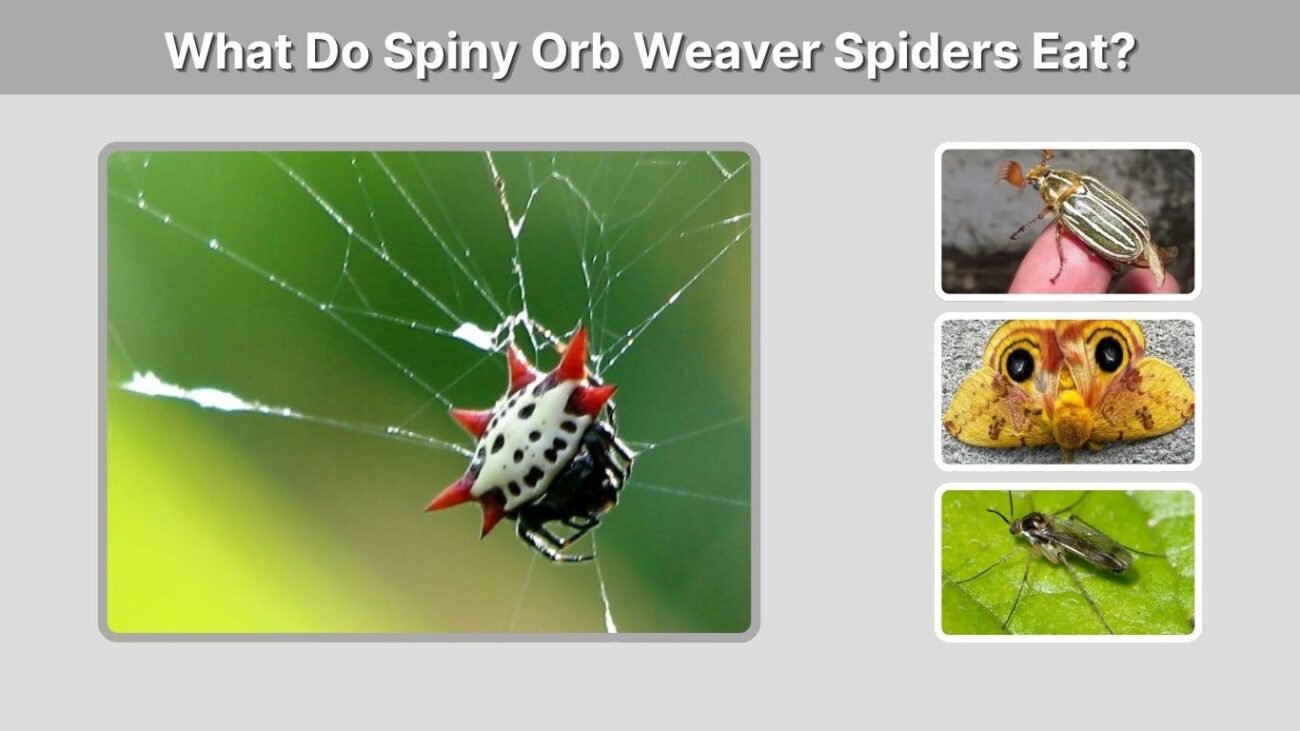
Spiny orb weavers are beneficial predators. They help reduce small flying insects around homes, gardens, and landscapes. They do not eat plants, damage wood, or infest food. Their main job in the ecosystem is insect control.
Spiny Orb Weaver Diet
These spiders usually eat small insects caught in their webs. Their prey depends on what is available in the area.
Common foods include:
- Mosquitoes
- Small flies
- Gnats
- Moths
- Beetles
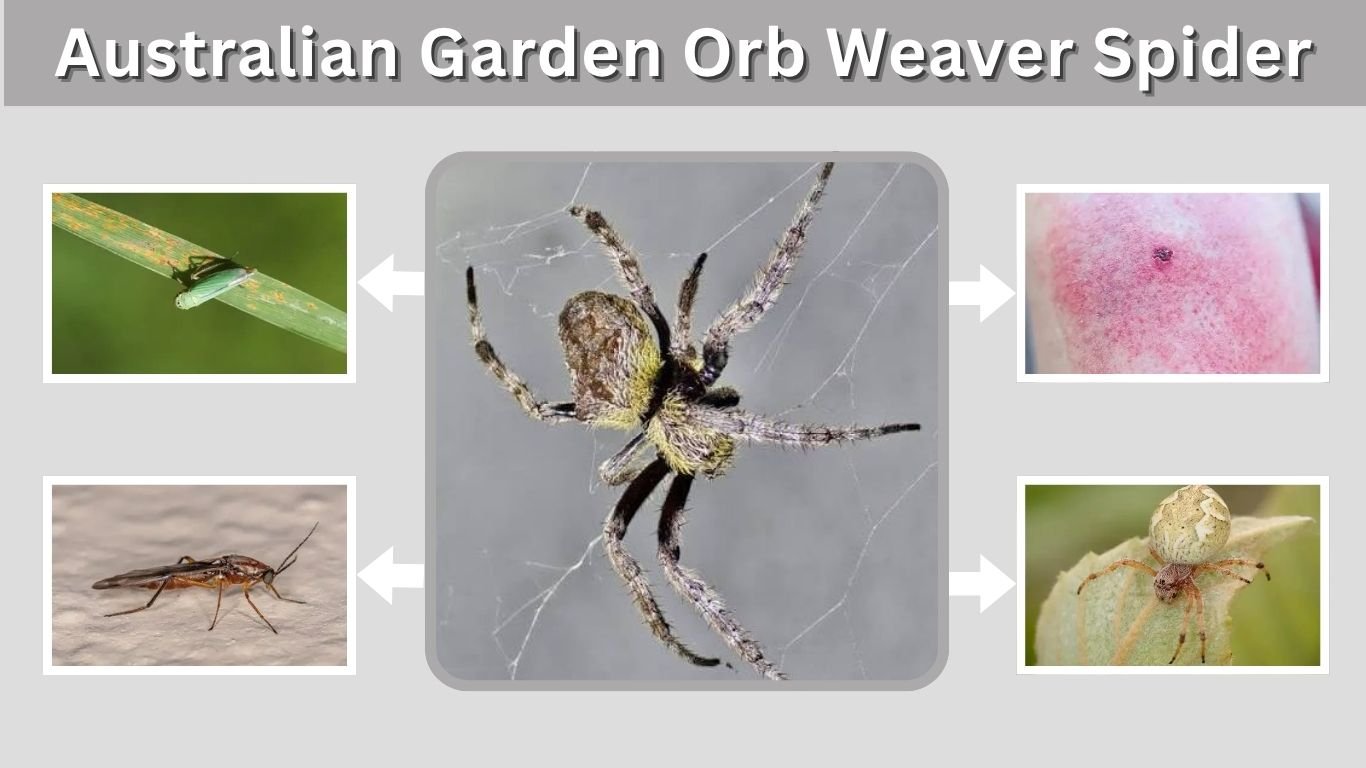
- Leafhoppers
- Wasps
- Tiny garden pests
Because they catch insects naturally, spiny orb weavers can be helpful in gardens. They are not harmful to plants and do not need to be removed unless their webs are causing problems.
Benefits in the Garden
Spiny orb weavers help control insect populations without chemicals. They are especially useful in warm months when flying insects are active. Having them in a garden can be a sign of a healthy outdoor habitat.
They are not pests in the same way ants, roaches, termites, or mosquitoes can be. They do not invade homes in large numbers and usually stay outside.
Spiny Orb Weaver Egg Sac and Life Cycle
Spiny orb weavers have a simple life cycle that includes eggs, spiderlings, juveniles, and adults. Their egg sacs are often attached to leaves, branches, or nearby structures. Most people notice adult females first because they are colorful and sit in visible webs.
Egg Sac
The female spiny orb weaver creates an egg sac to protect her eggs. The egg sac may look like a small silken patch or case attached to a leaf or branch. After the eggs hatch, tiny spiderlings disperse and begin life on their own.
It is best not to disturb egg sacs unless they are directly on a doorway, window, or area where people often touch them. Outdoors, they are part of the natural spider life cycle.
Lifespan
Spiny orb weavers usually live for one season or less as adults. They grow during warm months, reproduce, and then their life cycle continues through the next generation. Their exact lifespan can vary depending on climate, food, weather, and predators.
How to Get Rid of Spiny Orb Weaver Spiders
Most spiny orb weavers do not need to be killed. They are harmless and beneficial. However, if their webs are blocking walkways, porches, doors, or play areas, you can reduce them safely without harsh pesticides.
Safe Removal Tips
Use simple prevention and removal methods:
- Sweep webs away from doors and paths
- Move outdoor lights away from entryways
- Use yellow bug lights to attract fewer insects
- Trim shrubs away from the house
- Keep porch corners clean
- Seal gaps around windows and doors
- Remove clutter where insects gather
- Avoid handling spiders with bare hands
Reducing insects will also reduce spider activity. If there is less prey, orb weavers are less likely to build webs near your home.
Should You Use Pesticides?
Pesticides are usually unnecessary for spiny orb weavers. Spraying may kill helpful spiders and insects while doing little to prevent new webs. Web removal and insect control are better long-term methods.
If you have many spiders around lights, the real problem is usually flying insects. Manage the insects first, and spider numbers will often drop naturally.
Spiny Orb Weaver vs Crab Spider
Spiny orb weavers are often confused with crab spiders because of their wide bodies and short legs. However, they are different types of spiders. Spiny orb weavers build round webs, while true crab spiders usually hunt by ambush and do not make orb webs to catch prey.
Main Differences
The easiest way to tell them apart is by the web. If the spider is sitting in a round, wheel-shaped web, it is probably an orb weaver. If it is sitting on flowers or leaves waiting to grab prey, it may be a true crab spider.
Spiny orb weavers also have a hard, spined abdomen, while crab spiders usually have softer, flatter bodies without the same shell-like spines.
FAQs
1. Is the spiny orb weaver spider poisonous?
No, the spiny orb weaver spider is not poisonous to humans. It has venom for catching insects, but it is not considered dangerous to people.
2. Do spiny orb weaver spiders bite?
Yes, they can bite, but bites are rare. They usually bite only if trapped, squeezed, or handled. Most bites cause mild redness or irritation.
3. Are spiny orb weaver spiders dangerous to dogs?
Spiny orb weavers are not usually dangerous to dogs. A bite may cause mild irritation, but serious problems are uncommon. Call a vet if your dog has strong swelling, weakness, or unusual symptoms.
4. Why are spiny orb weavers in my yard?
They are in your yard because there are insects to catch. Gardens, shrubs, porch lights, and trees attract flying insects, which attract orb weavers.
5. Should I kill a spiny orb weaver spider?
Usually, no. Spiny orb weavers are helpful garden spiders that eat mosquitoes, flies, moths, and other small insects. If the web is in the way, gently remove it and let the spider move elsewhere.