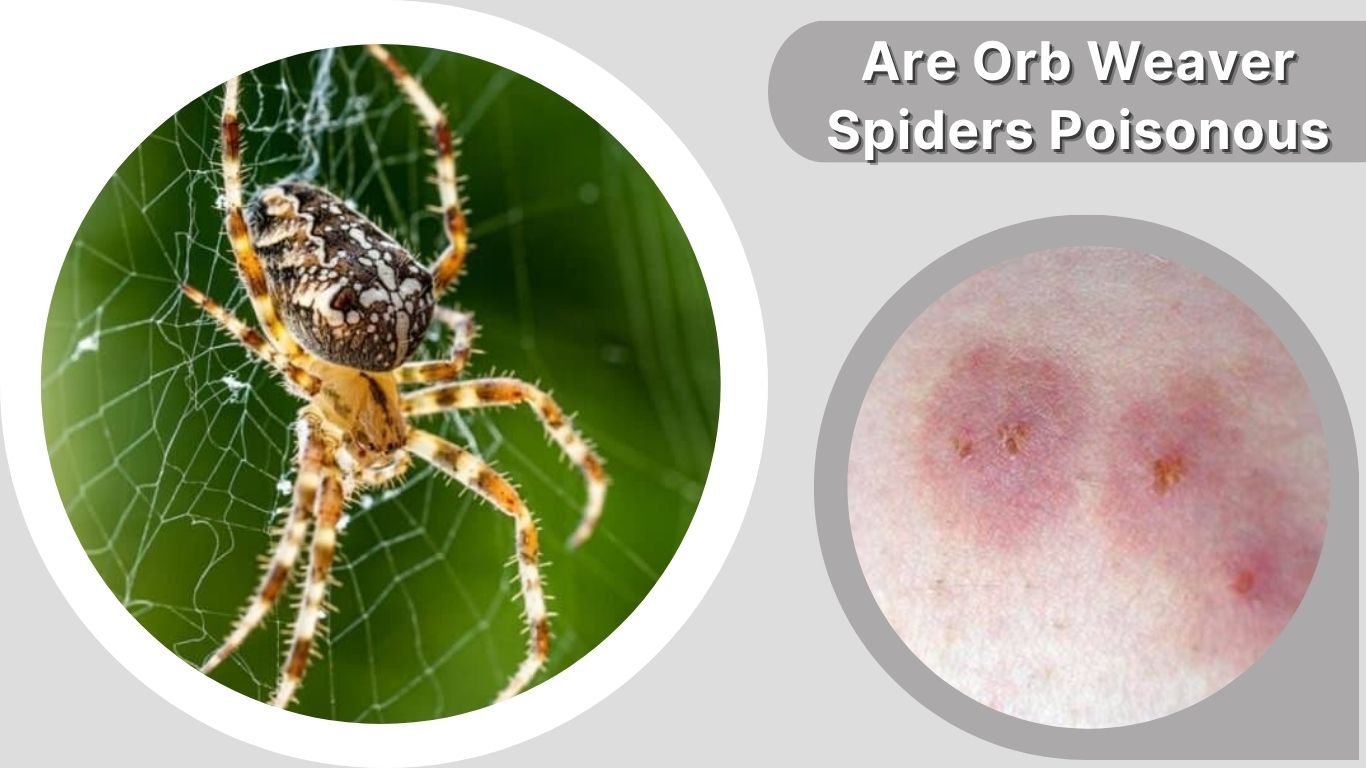
Orb weaver spiders often look scary because of their large round bodies, bright colors, and huge circular webs. Many people search “orb weaver spider poisonous” after seeing one near a porch, garden, window, or doorway. The good news is that orb weavers are not dangerous to most people. They do have venom for catching insects, but their bite is usually rare and mild. This guide explains whether orb weavers are poisonous, what bites feel like, and when to be careful.
Are Orb Weaver Spiders Poisonous?
Orb weavers are often called “poisonous,” but the more accurate word is “venomous.” Poison harms when it is eaten or touched, while venom is injected through a bite. Orb weaver venom is designed for small insects, not humans. Most species are considered harmless and beneficial around homes and gardens.
Poisonous vs. Venomous
Orb weaver spiders are venomous to their prey, but they are not poisonous to humans in the usual sense. Their venom helps them paralyze flies, mosquitoes, beetles, moths, and other small insects caught in their webs.
For people, the venom is usually too weak to cause serious harm. A bite may cause slight pain, redness, or swelling, but serious reactions are uncommon.
Are Orb Weaver Bites Dangerous?
Most orb weaver bites are not dangerous. In fact, orb weavers are shy spiders that usually stay in their webs and avoid people. They may bite only if they are trapped, squeezed, or handled.
Common bite symptoms may include:
- Mild pain or pinching feeling
- Small red mark
- Light swelling
- Itching around the bite area
- Tenderness for a short time
These symptoms usually improve with basic first aid. However, anyone with severe swelling, breathing trouble, spreading redness, fever, or strong pain should contact a medical professional.
What Do Orb Weaver Spiders Look Like?
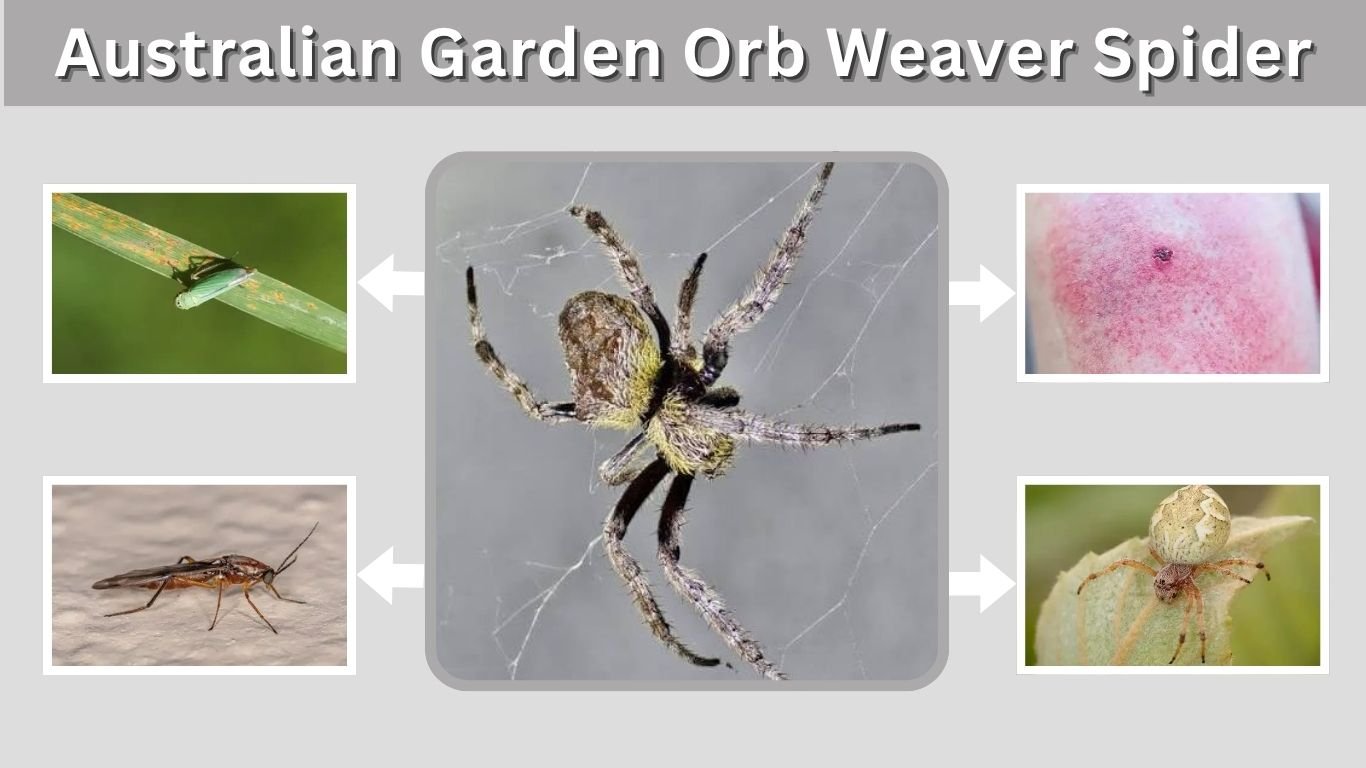
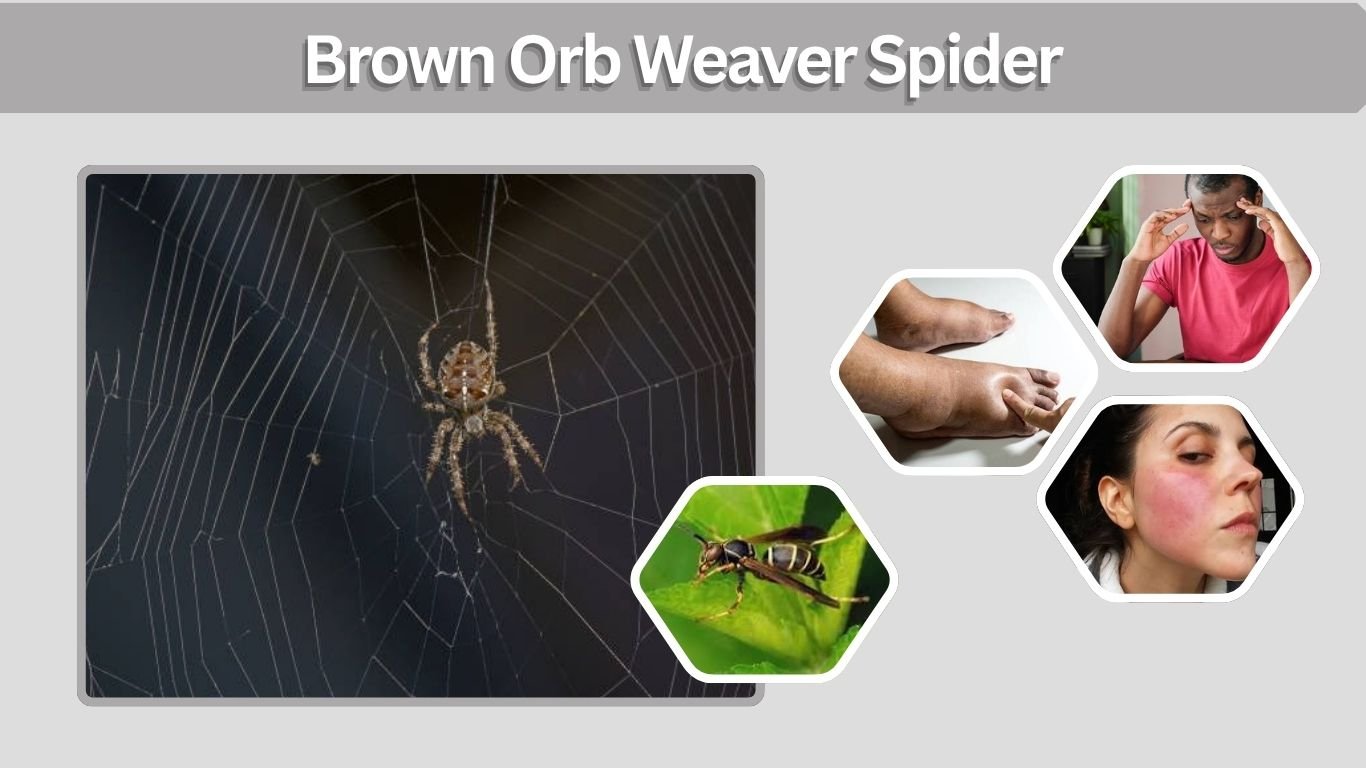
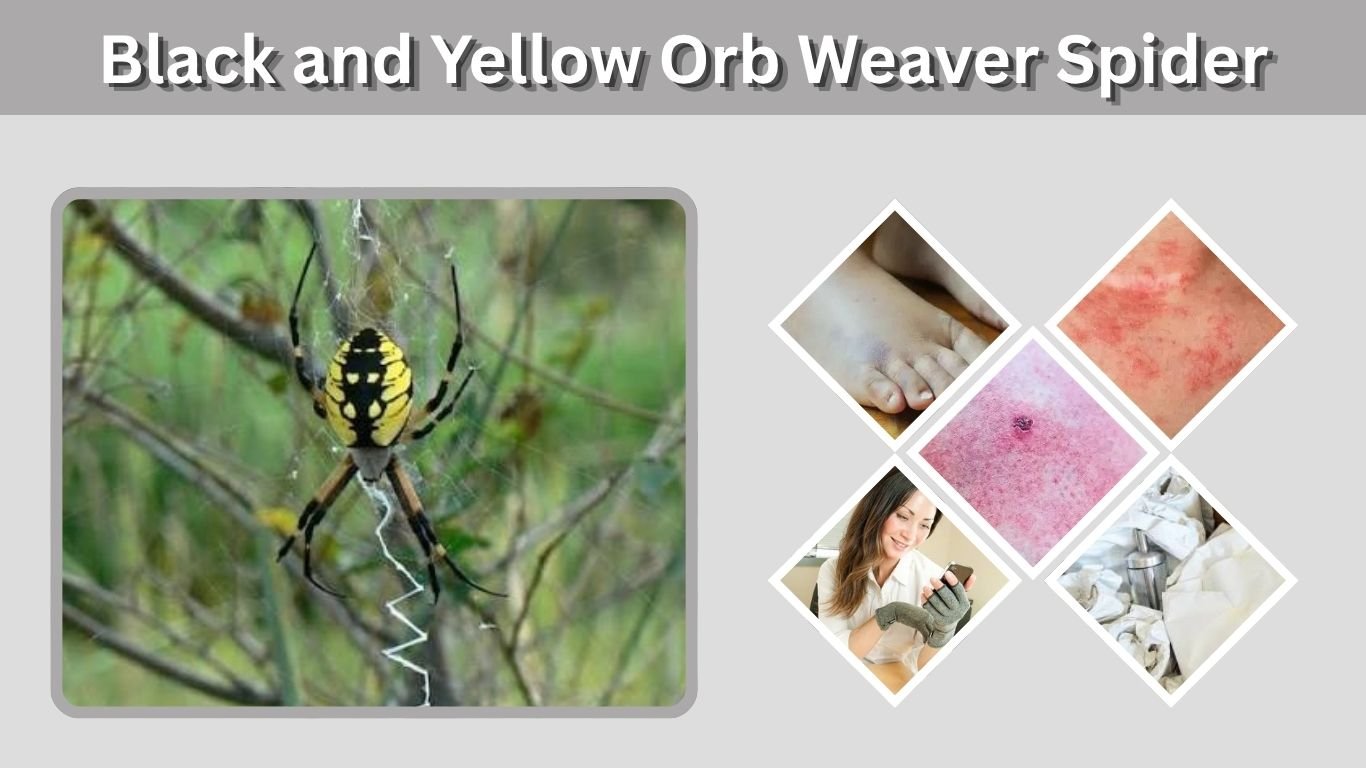
Orb weavers are a large group of spiders known for building round, wheel-shaped webs. They can look very different depending on the species. Some are yellow and black, some are orange, some are brown, and others have spiny or oddly shaped bodies. Their appearance often makes people think they are more dangerous than they really are.
Common Identification Features
You can often identify an orb weaver by looking at its web and body shape. Most orb weavers have:
- A large, rounded abdomen
- Long legs
- Bright or patterned colors
- A round, flat web
- A habit of sitting in the center of the web
- Outdoor locations near lights, plants, fences, porches, and gardens
Orb weavers are usually seen in late summer and fall, when they are larger and easier to notice.
Common Types People Ask About
Many searches are about specific orb weavers, such as golden orb weavers, marbled orb weavers, garden orb weavers, and spiny orb weavers. These spiders may look different, but most are not medically important to humans.
Common examples include:
- Golden orb weaver spider
- Golden silk orb weaver spider
- Spiny-backed orb weaver spider
- Marbled orb weaver spider
- Cross orb weaver spider
- Garden orb weaver spider
- Orchard orb weaver spider
- Furrow orb weaver spider
- Spotted orb weaver spider
- Shamrock orb weaver spider
Even colorful types, such as orange, yellow, green, or bright golden orb weavers, are generally not dangerous just because of their color.
Are Golden, Spiny, and Marbled Orb Weavers Poisonous?
Many people worry more when the spider has bright colors, spikes, or a large body. However, color and size do not automatically mean danger. Most orb weavers use their appearance for camouflage, warning, or species recognition. Their main defense is staying still, dropping from the web, or escaping.
Golden Orb Weaver Spider
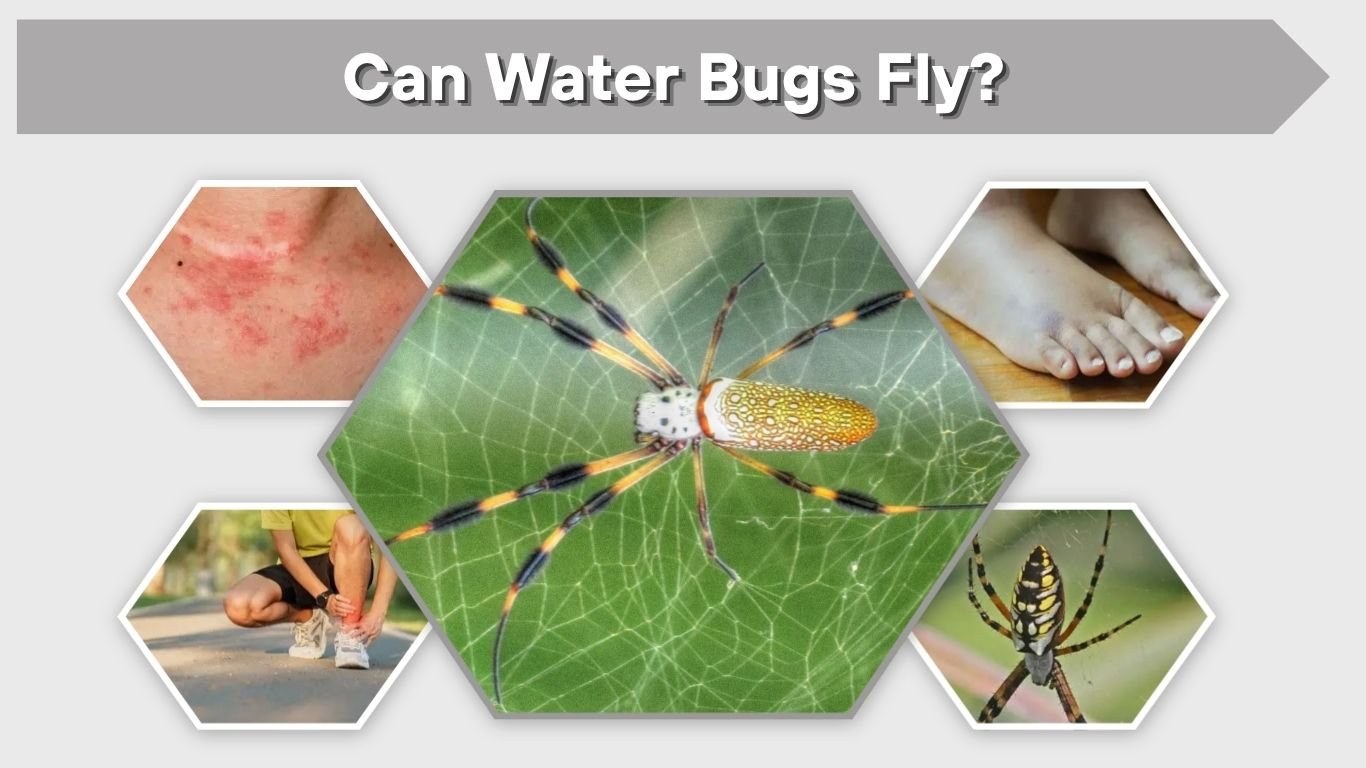
Golden orb weavers and golden silk orb weavers are large spiders known for strong golden-colored silk. They can look intimidating because females may grow quite large. However, they are not aggressive toward humans.
A golden orb weaver may bite if handled roughly, but the bite is usually mild. The spider is more useful alive because it catches flying insects around gardens, yards, and wooded areas.
Spiny Orb Weaver Spider
Spiny-backed orb weavers are small but noticeable because of their hard, crab-like bodies and pointed spines. They are common in warm regions, including Florida and other southern areas.
Despite their strange shape, spiny orb weavers are not dangerous to people. They usually stay in their webs and help reduce small flying insects.
Marbled Orb Weaver Spider
The marbled orb weaver is often called the “pumpkin spider” because many individuals are bright orange. This spider looks dramatic, especially in fall, but it is not considered dangerous.
Marbled orb weavers are unlikely to bite unless handled or pressed against the skin. Their bright color causes fear, but they are generally harmless garden spiders. Penn State Extension notes that bites from marbled orb weavers are unlikely unless a person handles a female near an egg sac.
Orb Weaver Spider Bite Symptoms and First Aid
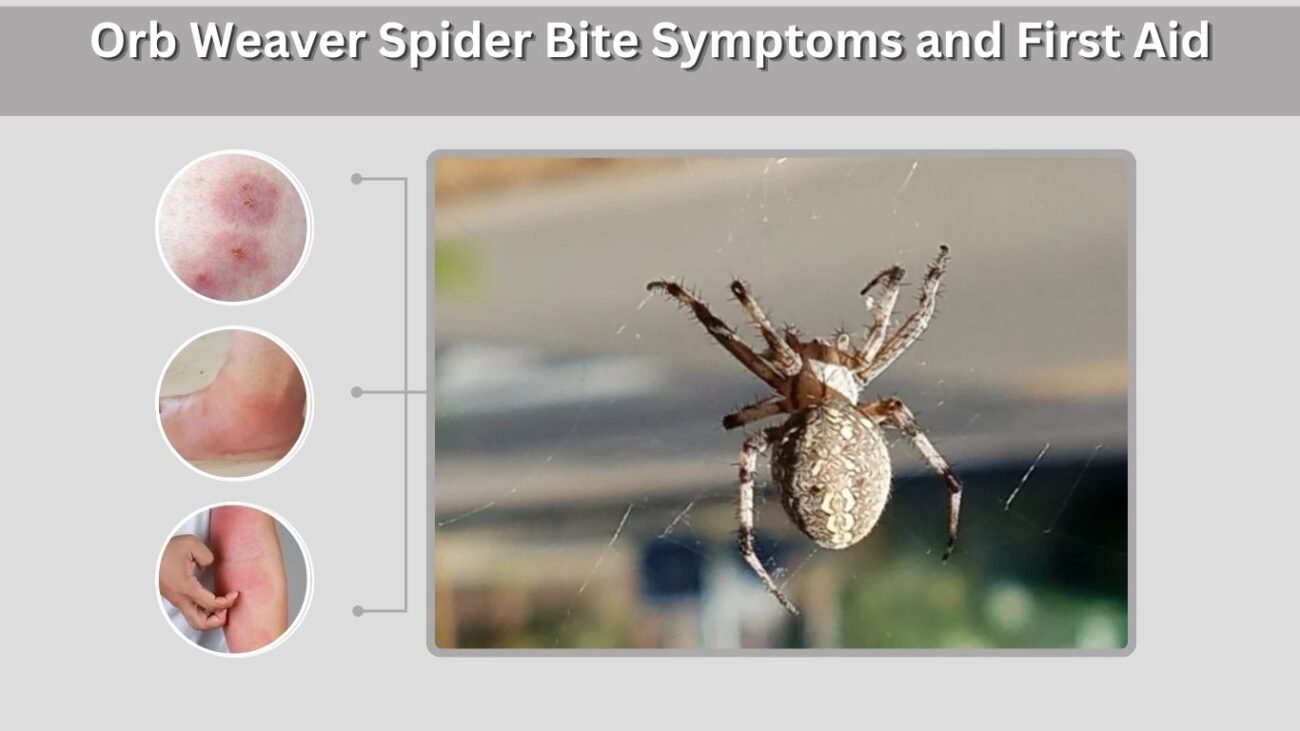
Orb weaver spider bites are uncommon because these spiders do not hunt people or seek indoor contact. A bite usually happens by accident, such as when someone walks into a web, grabs outdoor furniture, or handles the spider. Most mild bites can be treated at home with simple wound care.
Mild Bite Symptoms
A typical orb weaver bite may feel like a small sting or pinch. Symptoms may include:
- Temporary pain
- Redness around the bite
- Mild swelling
- Slight itching
- Warm skin near the bite
- Minor irritation for a few hours
The bite usually does not cause severe tissue damage. If symptoms become worse instead of better, it may be another issue, such as infection, allergy, or a bite from a different spider.
Basic First Aid Steps
For a mild spider bite, you can:
- Wash the area with soap and water
- Apply a cold pack for 10–15 minutes
- Keep the area clean
- Avoid scratching
- Use an over-the-counter pain reliever if needed
- Watch for worsening symptoms
Do not cut the bite, squeeze it, or apply harsh chemicals. If you are unsure what spider caused the bite, take a clear photo of the spider from a safe distance if possible.
When to Seek Medical Help
Get medical help if the person has serious symptoms, such as:
- Trouble breathing
- Swelling of the lips, face, or throat
- Dizziness or fainting
- Severe pain
- Fever
- Spreading redness
- Pus or signs of infection
- A bite on a small child with strong symptoms
These reactions are not typical for orb weavers, but medical attention is important when symptoms are severe.
Are Orb Weaver Spiders Poisonous to Dogs and Cats?
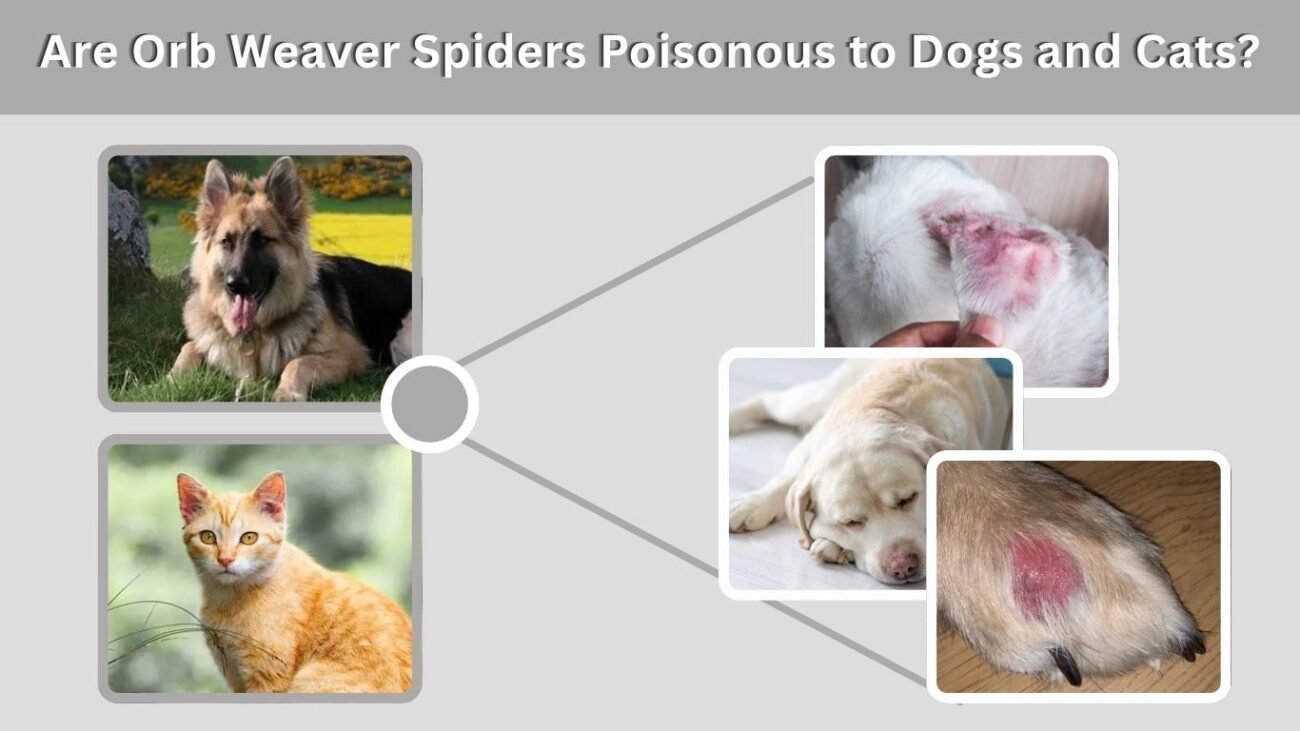
Pets may become curious when they see a spider moving in a web or crawling near the ground. In most cases, orb weavers are not a major threat to dogs or cats. A pet may get mild irritation if bitten, but serious poisoning is not expected from common orb weavers.
Possible Pet Symptoms
A dog or cat bitten by an orb weaver may show:
- Licking or chewing at one spot
- Mild swelling
- Redness
- Short-term tenderness
- Small raised bump
- Mild discomfort
Because pets cannot explain pain, watch their behavior. If your pet becomes weak, vomits repeatedly, has facial swelling, or seems very uncomfortable, contact a veterinarian.
What Pet Owners Should Do
If you think your pet was bitten:
- Check the skin gently
- Clean the area if possible
- Prevent licking or scratching
- Watch for swelling or behavior changes
- Call a vet if symptoms worsen
Do not give human medicine to pets unless a veterinarian tells you to.
Why Orb Weavers Are Good for Gardens
Orb weavers may look frightening, but they are helpful predators. Their webs catch many insects that people dislike around homes and gardens. Instead of killing them, it is often better to leave them alone or move around their webs when possible.
Benefits of Orb Weaver Spiders
Orb weavers help control:
- Mosquitoes
- Flies
- Moths
- Beetles
- Gnats
- Stink bugs
- Small garden pests
University extension sources describe spiders as beneficial predators because they reduce pest insects in gardens and landscapes.
Should You Remove Orb Weaver Webs?
You do not need to remove orb weaver webs unless they block doors, walkways, windows, or children’s play areas. If the web is in a bad spot, you can gently clear the web with a broom and allow the spider to move elsewhere.
Avoid crushing the spider if possible. Most orb weavers are outdoor spiders and do not want to live inside your home.
How to Keep Orb Weavers Away From Doors and Porches
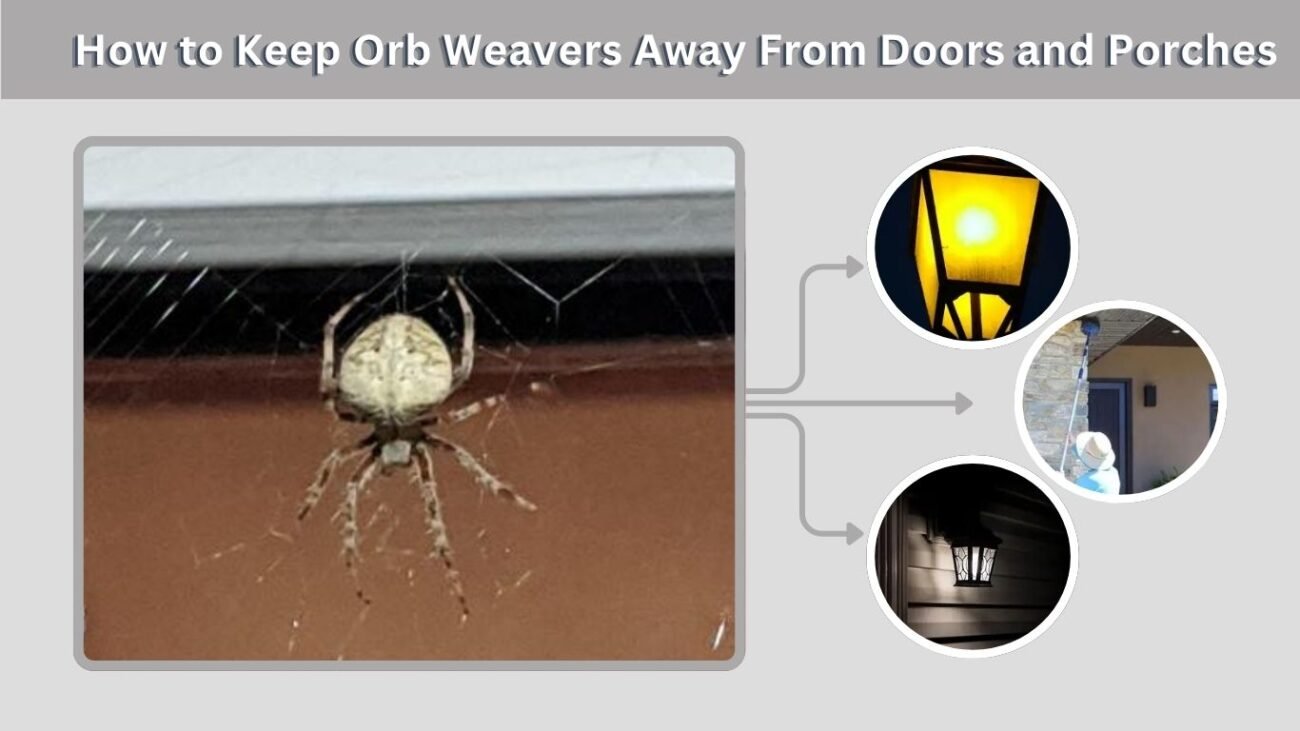
Orb weavers are attracted to places where insects gather. Porch lights, garden lights, and outdoor structures often bring insects at night, which then attract spiders. You can reduce webs near entryways without using strong pesticides.
Prevention Tips
Try these simple steps:
- Turn off unnecessary outdoor lights at night
- Use yellow “bug light” bulbs near doors
- Sweep webs from doorways and porch corners
- Trim bushes away from entry points
- Seal gaps around doors and windows
- Remove clutter where insects hide
- Keep trash cans closed
- Reduce flying insects around lights
These steps make the area less attractive to both insects and the spiders that feed on them.
Should You Use Pesticides?
Pesticides are usually not necessary for orb weavers. They are temporary visitors and beneficial predators. Spraying may kill helpful insects and spiders without solving the reason they came: available prey.
For most homes, web removal, light control, and sealing entry points are enough.
FAQs
1. Are orb weaver spiders poisonous to humans?
Orb weaver spiders are not poisonous to humans. They are venomous to small prey, but their venom is not usually dangerous to people. A bite is rare and usually mild.
2. Is a golden orb weaver spider poisonous?
A golden orb weaver has venom for catching insects, but it is not considered dangerous to most humans. It may bite if handled, but symptoms are usually mild.
3. Are spiny orb weaver spiders poisonous?
Spiny orb weavers are not dangerous to people. Their unusual spiked bodies may look scary, but they are small, shy spiders that mostly eat tiny flying insects.
4. Are orb weaver spiders poisonous to dogs or cats?
Orb weavers are not usually dangerous to dogs or cats. A bite may cause mild swelling or irritation, but serious reactions are uncommon. Call a vet if your pet has strong symptoms.
5. Should I kill an orb weaver spider?
It is better not to kill orb weavers unless absolutely necessary. They help control mosquitoes, flies, moths, and garden pests. If the web is in your way, gently remove the web and let the spider move elsewhere.