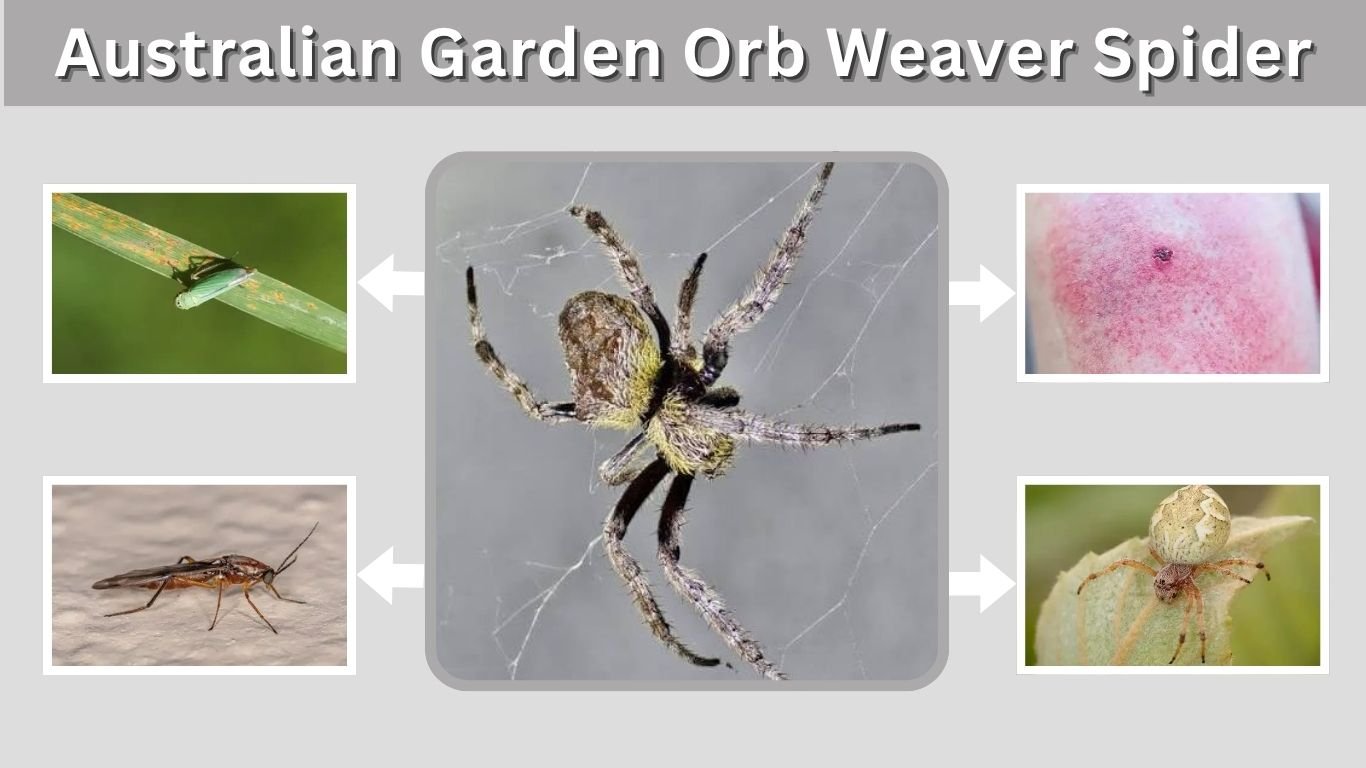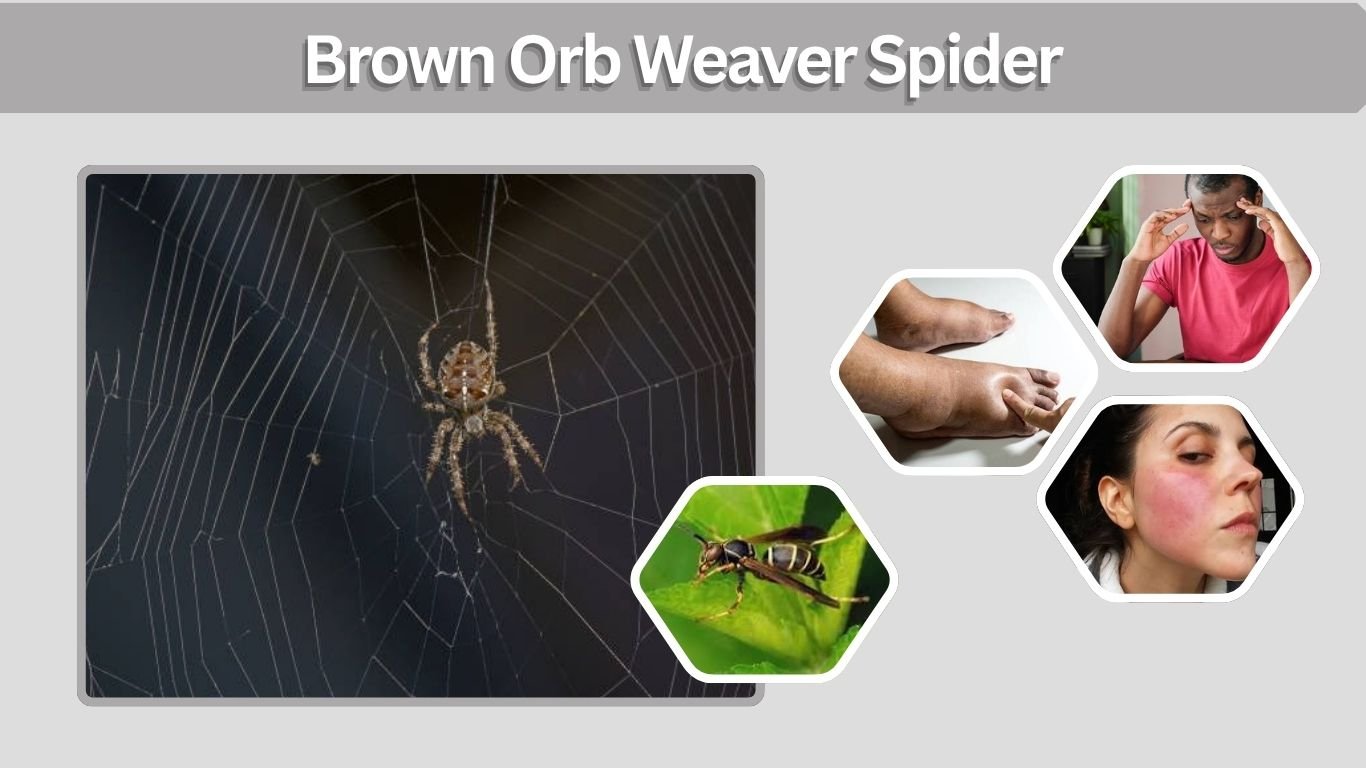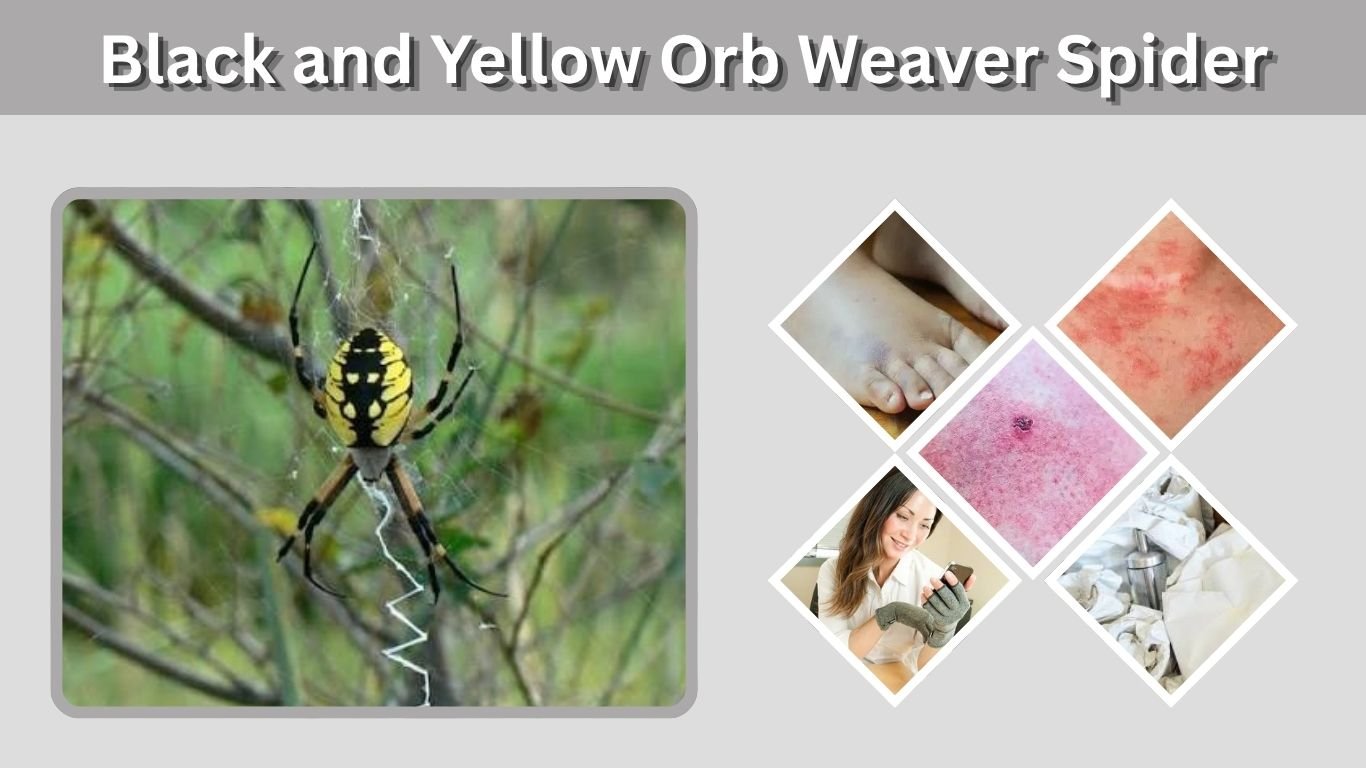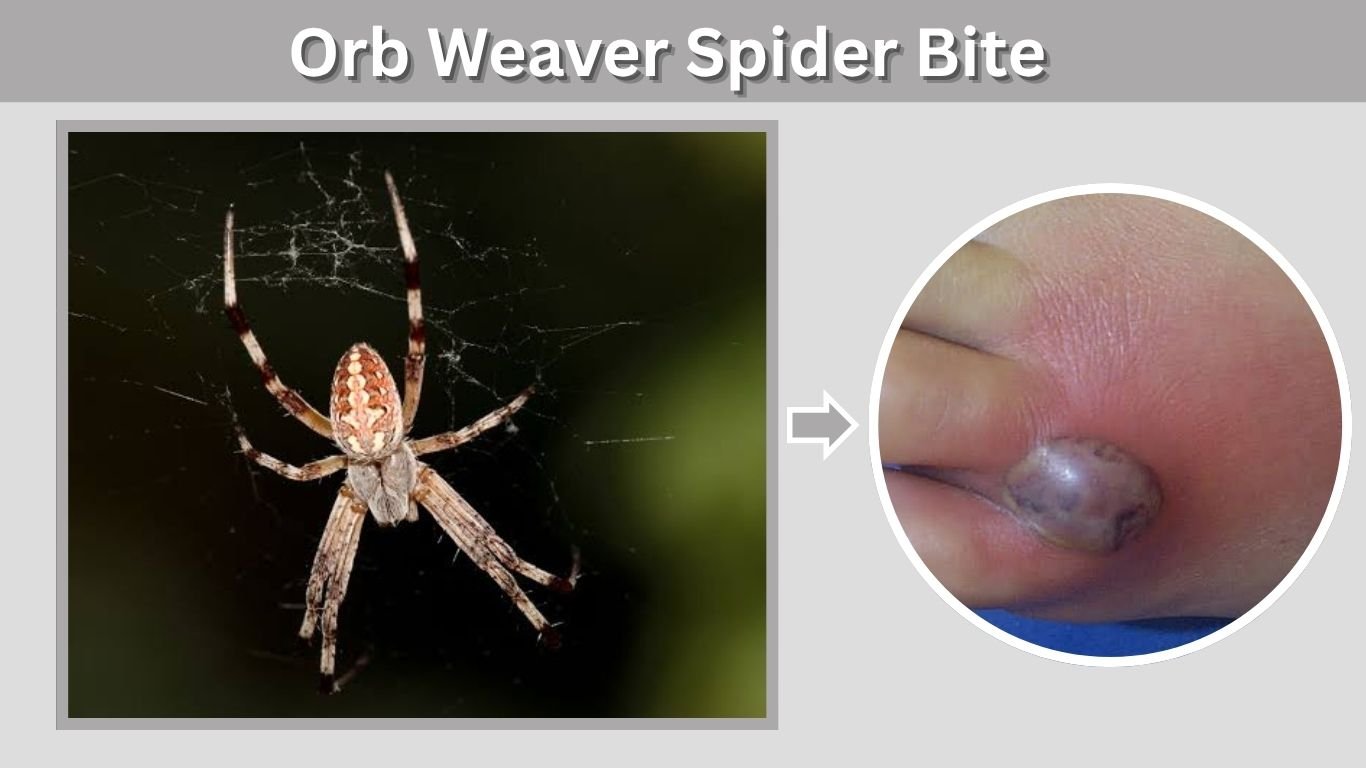
An orb weaver spider bite is usually not dangerous, but it can still worry people because orb weavers often look large, colorful, or scary. These spiders do have venom for catching insects, yet they rarely bite humans unless they are trapped, squeezed, or handled. Most bites cause mild pain, redness, itching, or swelling and heal with basic first aid. This guide explains orb weaver bite symptoms, treatment, bite pictures, dog concerns, and when to seek medical help.
Do Orb Weaver Spiders Bite?
Orb weaver spiders can bite, but they do not usually bite people. They are outdoor web-building spiders that spend most of their time waiting for insects in round, wheel-shaped webs. If you leave them alone, they usually remain harmless. Bites mostly happen by accident when a spider is pressed against skin or handled.
Why Bites Are Rare
Orb weavers are not hunting spiders that chase humans or pets. Their first defense is usually to stay still, drop from the web, or move away. A bite may happen when someone walks into a web and grabs the spider, reaches into plants, or accidentally squeezes it against clothing or skin.
Are Orb Weaver Bites Poisonous?
The word “poisonous” is common in searches, but “venomous” is more accurate. Orb weavers use venom to subdue insects, not to harm humans. Their venom is not considered medically dangerous for most healthy people. Symptoms are usually mild and local, such as slight pain, redness, or swelling. WebMD notes that orb weavers are hesitant to bite and that their venom is not especially dangerous to humans.
Orb Weaver Spider Bite Symptoms
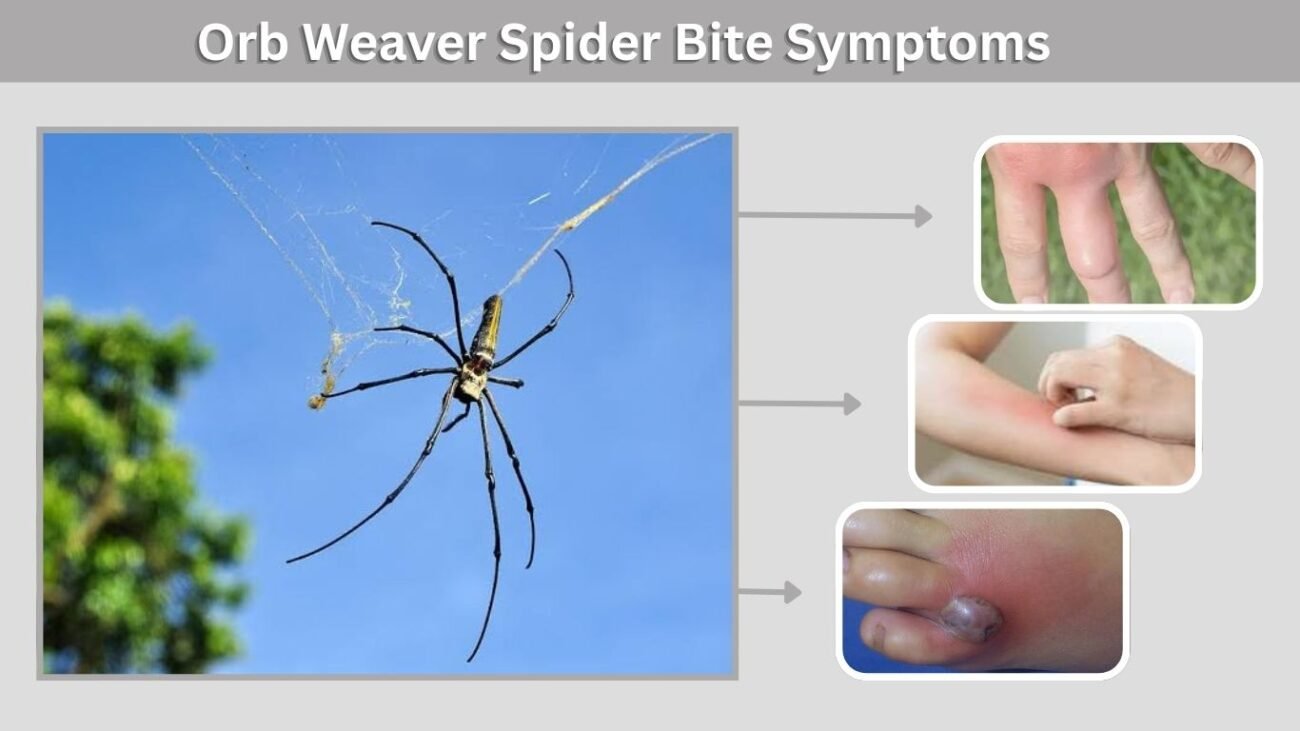
Most orb weaver spider bite symptoms are mild and short-lasting. The bite may feel like a small pinch, sting, or bee-sting-like irritation. Many suspected spider bites are actually caused by other insects, skin irritation, or infection, so it is helpful to watch how symptoms develop.
Common Mild Symptoms
A mild orb weaver bite may cause:
- Small red bump
- Mild pain or stinging
- Slight swelling
- Itching around the bite
- Tenderness when touched
- Warmth near the bite area
- Minor numbness in rare cases
These symptoms often improve with cleaning, cold compresses, and time. Most ordinary spider bites heal on their own within about a week, according to Mayo Clinic.
Symptoms That Are Not Typical
Orb weaver bites usually do not cause severe tissue damage, spreading ulcers, or major illness. If the bite becomes very painful, grows rapidly, turns dark, drains pus, or causes fever, the problem may not be a normal orb weaver bite. It could be infection, allergy, or a bite from another spider or insect.
Orb Weaver Spider Bite Pictures: What to Expect
Many people search for orb weaver spider bite pictures because they want to compare a skin mark. However, bite pictures can be misleading. Different bites, rashes, infections, and allergic reactions can look similar. A clear photo of the spider is more useful than a photo of the bite mark.
What a Mild Bite May Look Like
A mild orb weaver bite may look like:
- A small red dot
- A tiny raised bump
- Slight swelling around the spot
- Mild pink or red skin
- A small itchy patch
It usually should not look like a large open wound. If a bite mark becomes larger, darker, hot, very painful, or filled with pus, it should be checked by a medical professional.
Why Bite Photos Can Be Confusing
A skin mark may be blamed on an orb weaver simply because a spider was seen nearby. But many “spider bites” are never confirmed. Mosquito bites, ant stings, flea bites, bed bug bites, allergic reactions, and bacterial skin infections can all be mistaken for spider bites.
Orb Weaver Spider Bite Treatment
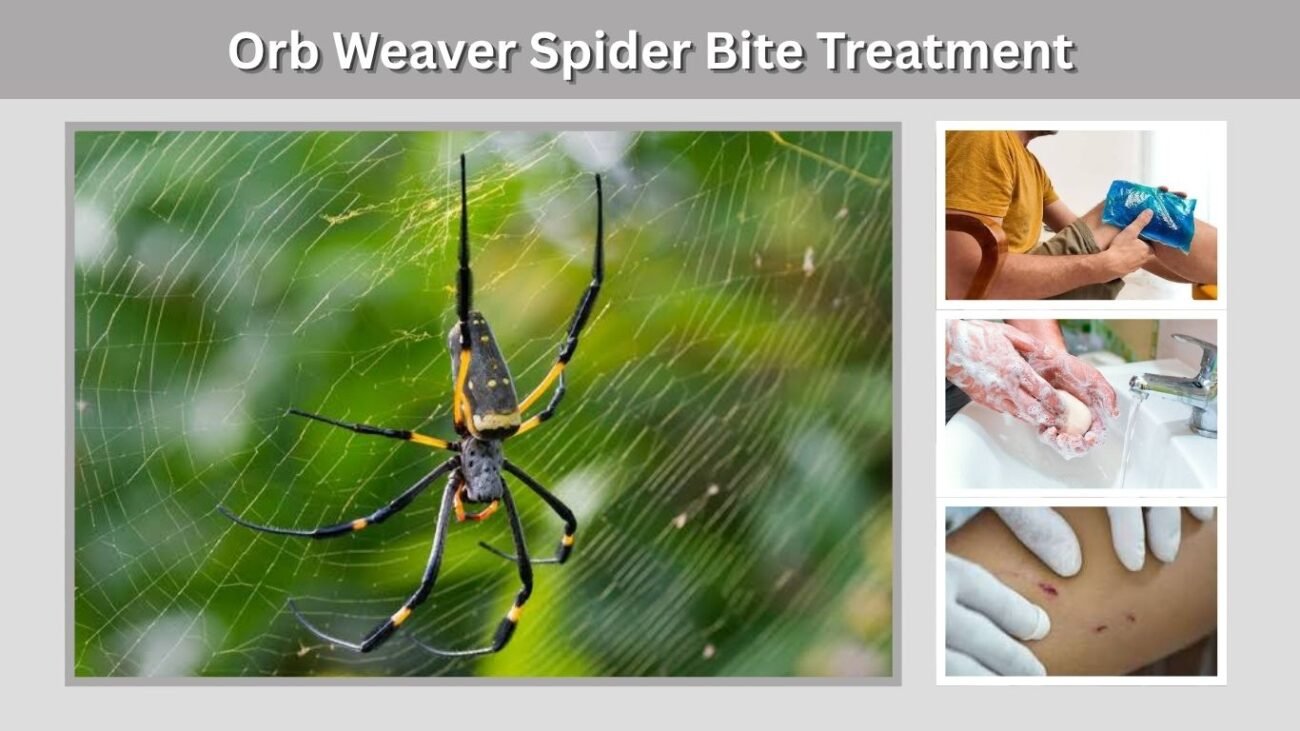
Most mild orb weaver bites can be treated at home with basic first aid. The goal is to clean the area, reduce swelling, and prevent scratching or infection. Mayo Clinic recommends washing spider bites with soap and water, applying a cool cloth, and raising the area if possible.
First Aid Steps
For a mild bite:
- Wash the area with mild soap and water
- Apply a cold pack or cool cloth for 10–15 minutes
- Keep the bite clean and dry
- Avoid scratching the area
- Elevate the bitten arm or leg if swollen
- Use an over-the-counter pain reliever if needed
- Watch the bite for 24–48 hours
Do not cut the bite, squeeze it, burn it, or apply harsh chemicals. These actions can irritate the skin and increase infection risk.
When to See a Doctor
Get medical help if symptoms are severe or getting worse. Warning signs include:
- Trouble breathing
- Swelling of the lips, face, eyelids, or throat
- Dizziness or fainting
- Severe or spreading pain
- Fever, chills, or body aches
- Redness that keeps spreading
- Pus or signs of infection
- A wound that turns dark or opens
- Symptoms that do not improve after a day or two
Mayo Clinic lists trouble breathing, facial or throat swelling, dizziness, hives, and nausea or vomiting as signs of a serious allergic reaction after a bite or sting.
Bites From Different Orb Weaver Species
There are many orb weaver species, and people often search for bite risks by type. In most cases, the answer is similar: orb weavers can bite, but they are not aggressive and their bites are usually mild. Species may look different, but most are not considered medically important.
Common Orb Weaver Bite Searches
People often ask about bites from:
- Cross orb weaver spider
- Spiny orb weaver spider
- Marbled orb weaver spider
- Furrow orb weaver spider
- Garden orb weaver spider
- Golden orb weaver spider
- Golden silk orb weaver spider
- Long-jawed orb weaver spider
- Orchard orb weaver spider
- Hentz orb weaver spider
- Tropical orb weaver spider
- Walnut orb weaver spider
These spiders vary in color, size, and shape, but most are shy web builders. A bite is more likely if the spider is handled or pressed against skin.
Spiny Orb Weaver Spider Bite
Spiny orb weavers look dangerous because of their hard, spiked bodies. However, they are small and usually harmless. A bite is rare and would usually cause only mild local irritation. These spiders are common in warm areas, especially in places like Florida and the southern United States.
Marbled Orb Weaver Spider Bite
The marbled orb weaver, sometimes called the pumpkin spider, is often orange, yellow, or brown. It looks large and dramatic, but it is not aggressive. A bite may cause mild stinging, redness, or swelling if the spider is handled.
Cross Orb Weaver Spider Bite
The cross orb weaver has a pale cross-like marking on its abdomen. It can bite if trapped, but it usually avoids people. Symptoms are normally mild and similar to other orb weaver bites.
Orb Weaver Spider Bite on Dogs
Dogs may get curious around spiders, webs, and garden plants. An orb weaver bite on a dog is not usually dangerous, but it can cause mild irritation. The bigger concern is that the dog may scratch, lick, or chew the area and make it worse.
Possible Dog Symptoms
A dog may show:
- Licking one spot
- Mild swelling
- Redness
- Tenderness
- Small raised bump
- Short-term discomfort
Call a veterinarian if your dog has facial swelling, repeated vomiting, weakness, breathing trouble, severe pain, or symptoms that keep getting worse.
What Pet Owners Can Do
If you think your dog was bitten:
- Check the area gently
- Clean the spot with mild soap and water if possible
- Stop the dog from licking or scratching
- Watch for swelling or behavior changes
- Contact a vet if symptoms are strong or unusual
Do not give human pain medicine to dogs unless a veterinarian tells you to.
How to Avoid Orb Weaver Bites
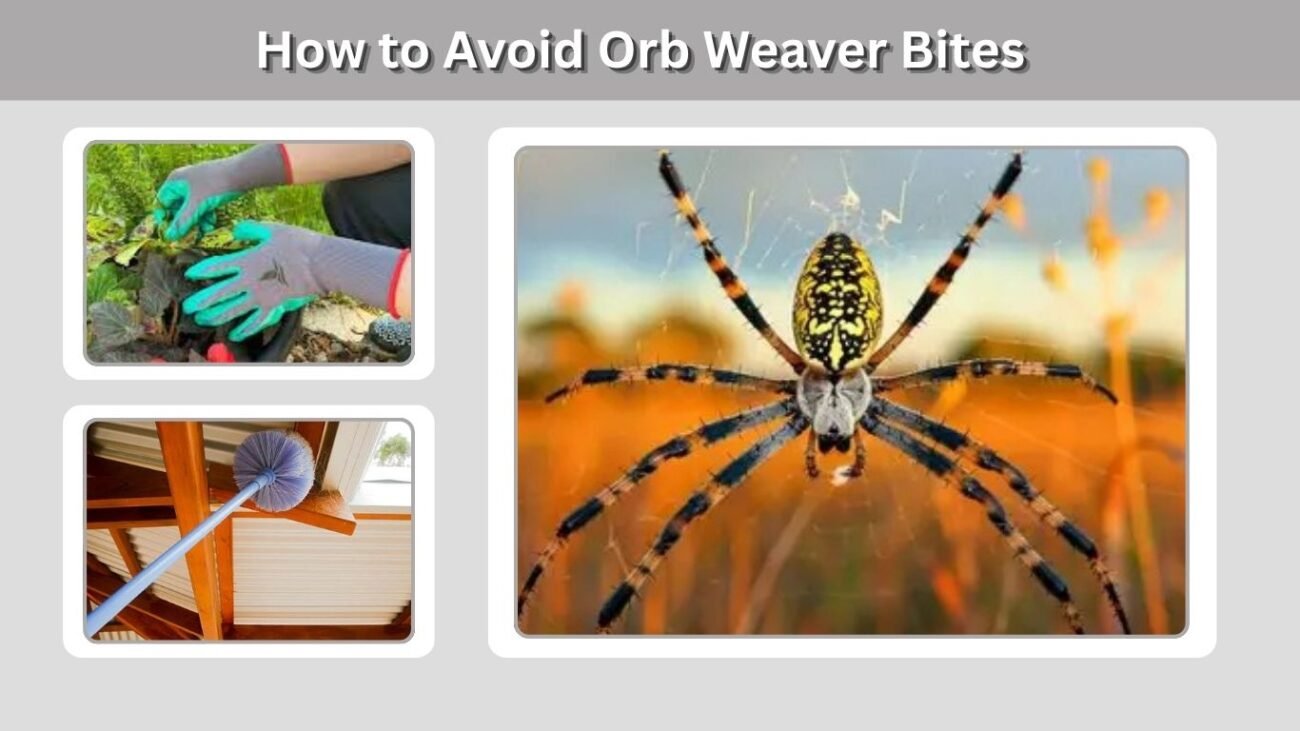
Orb weaver bites are easy to prevent because these spiders usually stay in visible webs. Most contact happens outdoors near gardens, porch lights, shrubs, fences, sheds, and walkways. The safest approach is to avoid handling the spider and move webs from high-traffic areas.
Prevention Tips
To reduce accidental bites:
- Do not grab orb weavers with bare hands
- Wear gloves when trimming shrubs or moving outdoor items
- Use a broom to move webs from walkways
- Shake out garden gloves and outdoor clothing
- Turn off unnecessary porch lights at night
- Trim plants away from doors and paths
- Teach children not to touch spiders
- Relocate webs gently instead of crushing spiders
Orb weavers are beneficial because they catch flies, mosquitoes, moths, and other insects. If the web is not in the way, leaving the spider alone is usually the best choice.
FAQs
1. Does the orb weaver spider bite?
Yes, an orb weaver spider can bite, but bites are rare. They usually bite only when trapped, squeezed, or handled.
2. Is an orb weaver spider bite dangerous?
For most people, an orb weaver bite is not dangerous. It may cause mild pain, redness, itching, or swelling, but serious reactions are uncommon.
3. What does an orb weaver spider bite look like?
It may look like a small red bump, mild swelling, or an itchy spot. Bite marks can look similar to many insect bites, so pictures are not always reliable.
4. How do you treat an orb weaver spider bite?
Wash the bite with soap and water, apply a cold compress, avoid scratching, and monitor the area. Seek medical help if symptoms become severe or worsen.
5. Can an orb weaver spider bite a dog?
Yes, but it is not usually serious. A dog may have mild swelling or irritation. Call a vet if your dog has strong swelling, weakness, vomiting, or trouble breathing.