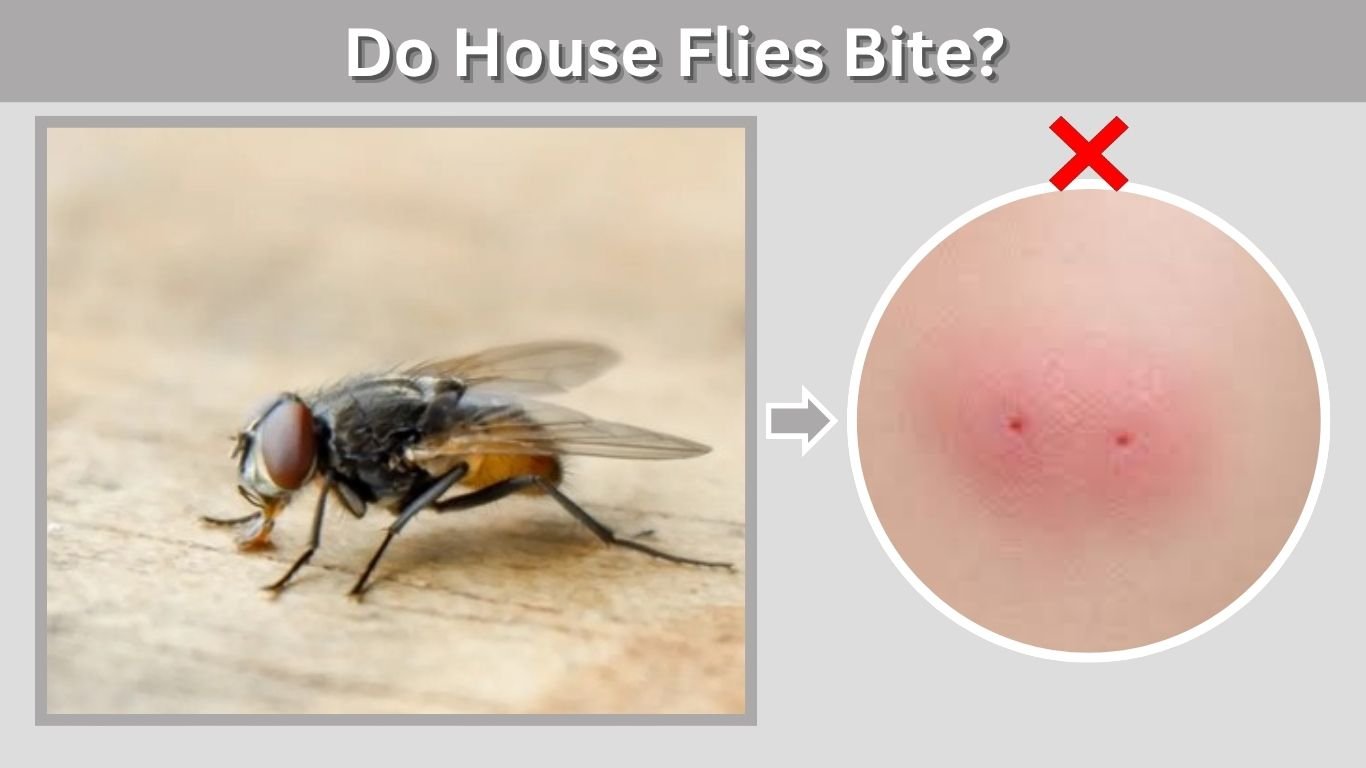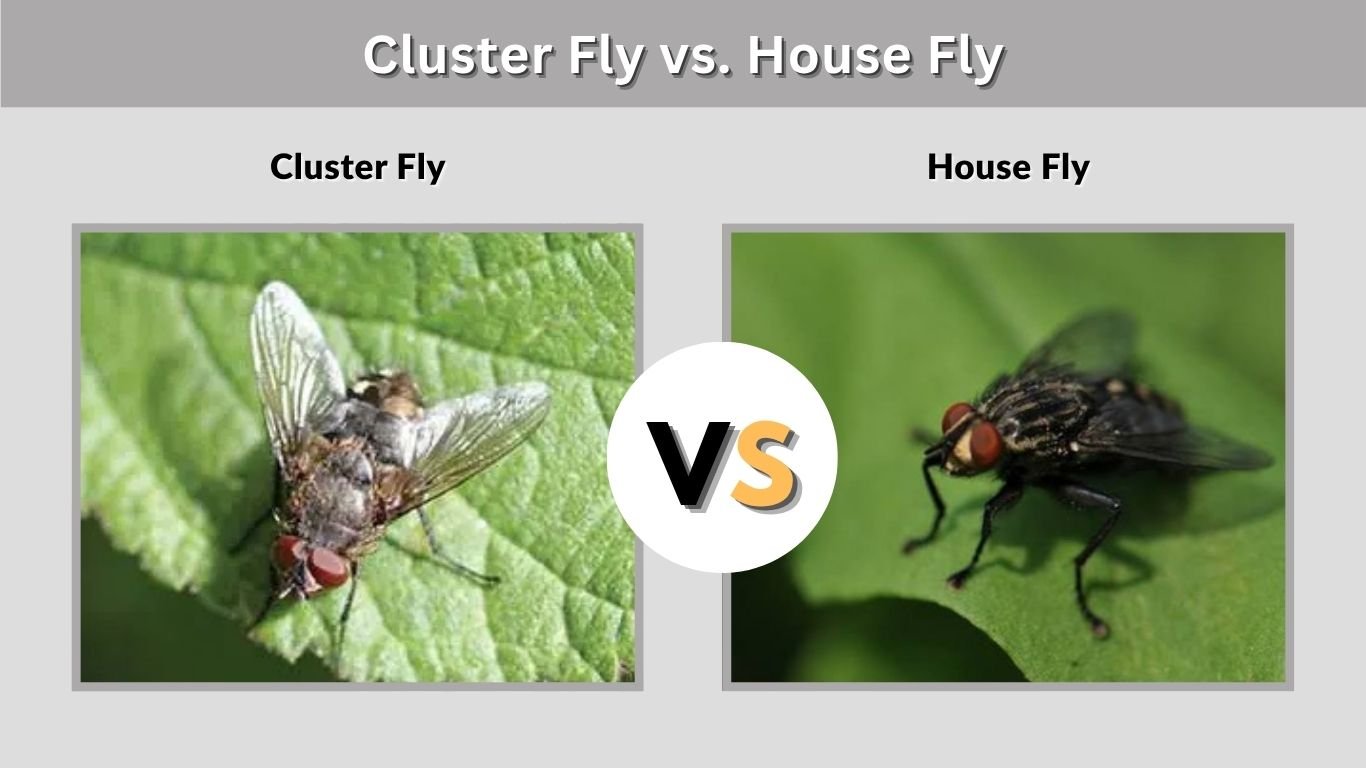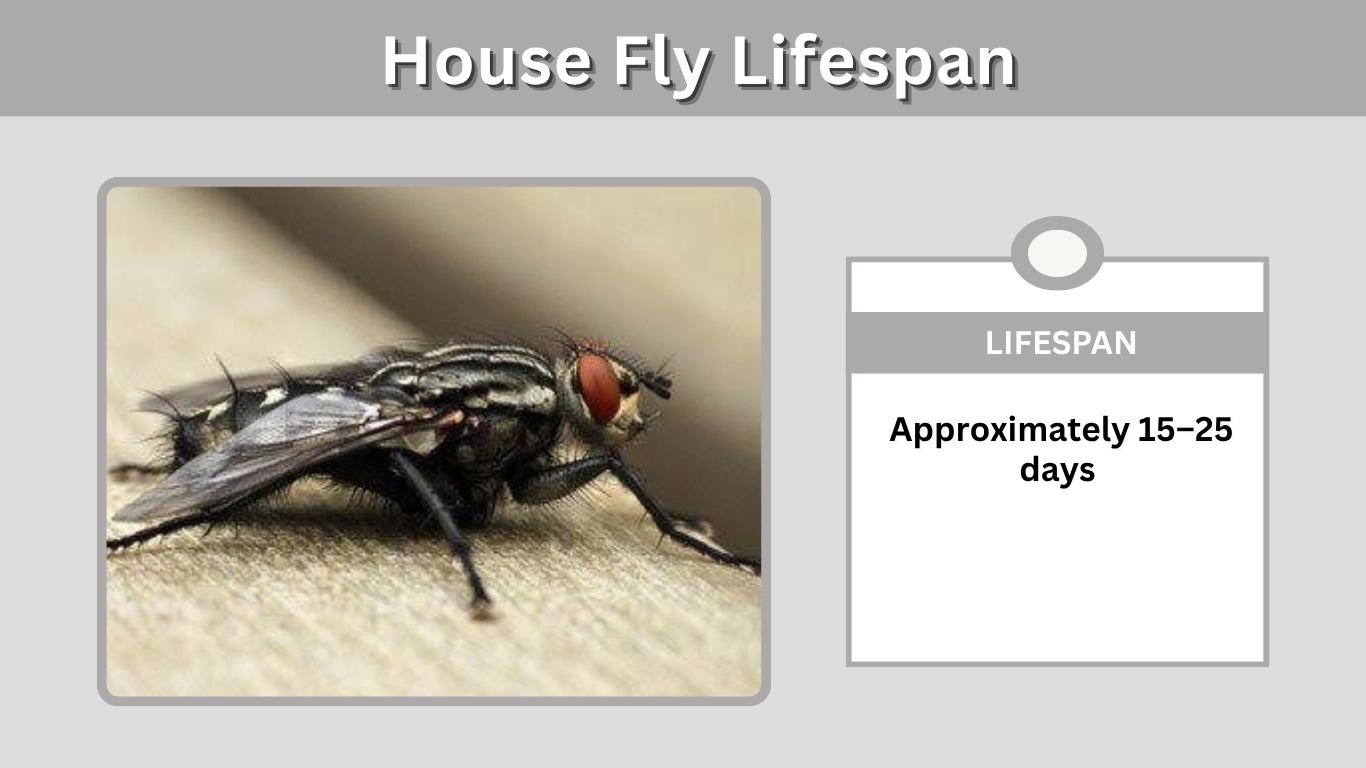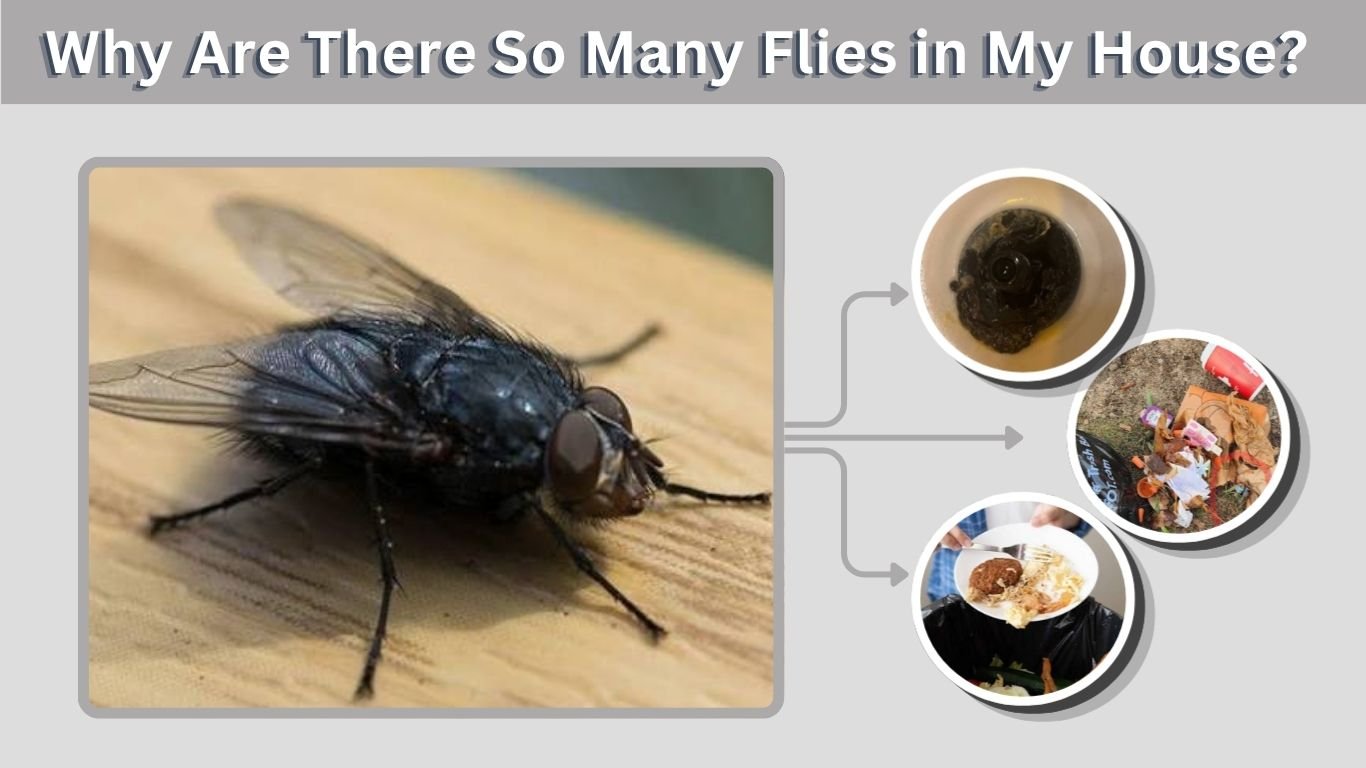
Many flies in your house usually mean they have found a breeding source nearby, an easy way indoors, or somewhere to shelter from changing weather. Garbage, fermenting fruit, dirty drains, and damp plant soil attract different species. A sudden outbreak can also happen when hidden pupae release a batch of adult flies. Even a clean home can have this problem. To stop it, first identify the flies, then remove the source or block their entry instead of repeatedly treating only the adults you see.
Why Do Flies Appear All of a Sudden?
An overnight increase feels mysterious because you usually notice the flying adults, not the earlier stages. Eggs, larvae, and pupae can remain hidden in waste or other breeding material. However, a sudden swarm does not automatically mean flies are breeding inside. The explanation depends on their appearance, where they gather, and whether they appear during warm or cooling weather.
Several Adults Emerged Together
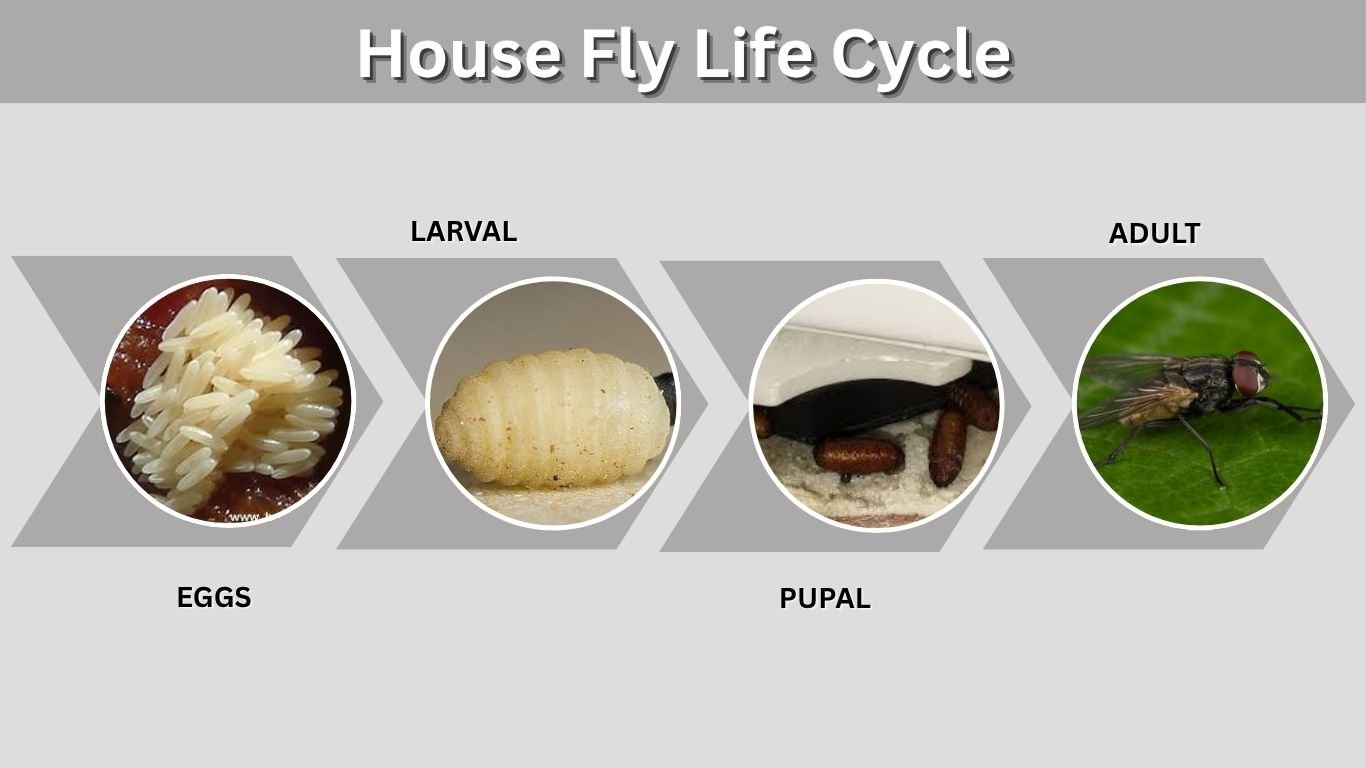
Flies develop through egg, larva, pupa, and adult stages. When several finish developing around the same time, a previously unnoticed source can produce a noticeable outbreak. Under ideal summer conditions, house flies can develop from egg to adult in about seven days, although cooler conditions slow development.
Outdoor Flies Entered or Hidden Flies Became Active
An open door or damaged screen can admit flies from outdoor breeding sites. In temperate regions, cluster flies also enter buildings for winter shelter. Warm spells can bring them out of hiding, making them seem to appear from nowhere. They do not reproduce indoors.
Common Reasons There Are So Many Flies Indoors
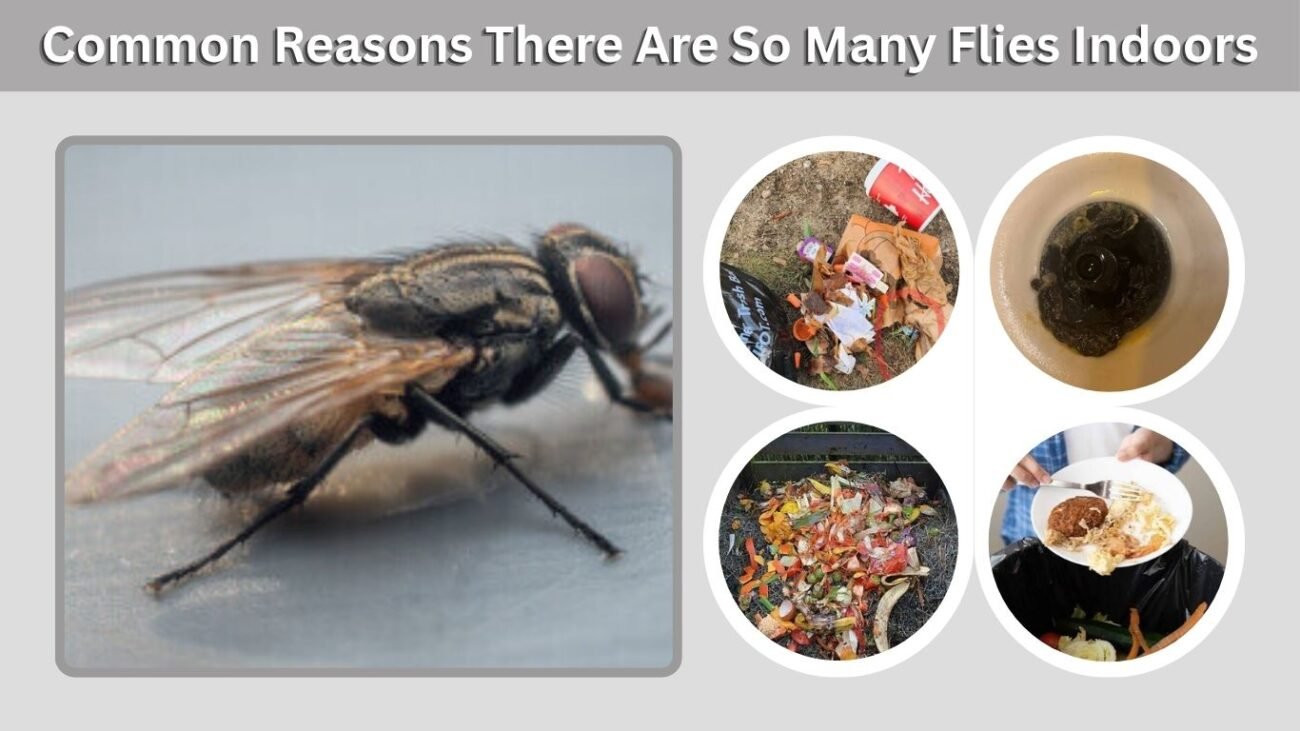
The useful question is not simply whether your house is clean, but whether something provides food, moisture, breeding material, or access. A spotless countertop does not reveal what is inside a bin, beneath an appliance, or behind a wall. Check the following possibilities, using the type of fly to decide which deserves attention first.
1. Garbage, Food Waste, and Pet Droppings
House flies can develop in moist, decaying material. Outdoor bins and animal waste may produce adults that repeatedly enter your home.
Inspect these areas:
- Food residue beneath garbage bags and around bin lids.
- Forgotten food under appliances.
- Pet waste in the yard.
- Damp, decomposing organic waste near entrances.
Emptying a bin without removing its residue can leave suitable breeding material behind.
2. Fermenting Fruit and Drink Residue
Many fruit flies in your house suggest fermenting material. Overripe bananas are an obvious possibility, but overlooked potatoes, onions, spilled juice, and unrinsed beverage containers also deserve inspection.
Removing the fruit bowl will not solve the problem if another breeding source remains. Check recycling containers and hidden spills as carefully as exposed produce.
3. Drain Slime and Damp Organic Material
Drain flies develop in the organic film inside wet plumbing and other damp locations. They often rest near bathroom sinks, showers, or floor drains.
Flies near a sink are a clue, not proof that the sink drain is responsible. Inspect other drains and damp areas, especially if cleaning the sink does not reduce their numbers.
4. Consistently Wet Potting Soil
Tiny, dark flies around houseplants are often fungus gnats. Their larvae develop in moist growing media, where fungi and decaying material provide food.
Overwatering makes these conditions more favorable. If flies rise from a pot when you disturb it, inspect the soil and drainage before assuming they are fruit flies.
5. A Dead Animal in a Hidden Space
Large numbers of blue, green, or metallic flies can indicate blow flies developing on a dead animal. Possible locations include an attic, crawl space, chimney, or wall cavity.
Garbage and other decaying material can also support them, so metallic flies do not prove there is a carcass. A concentrated outbreak after rodent activity makes this possibility more relevant.
Identify the Flies Before Choosing a Treatment
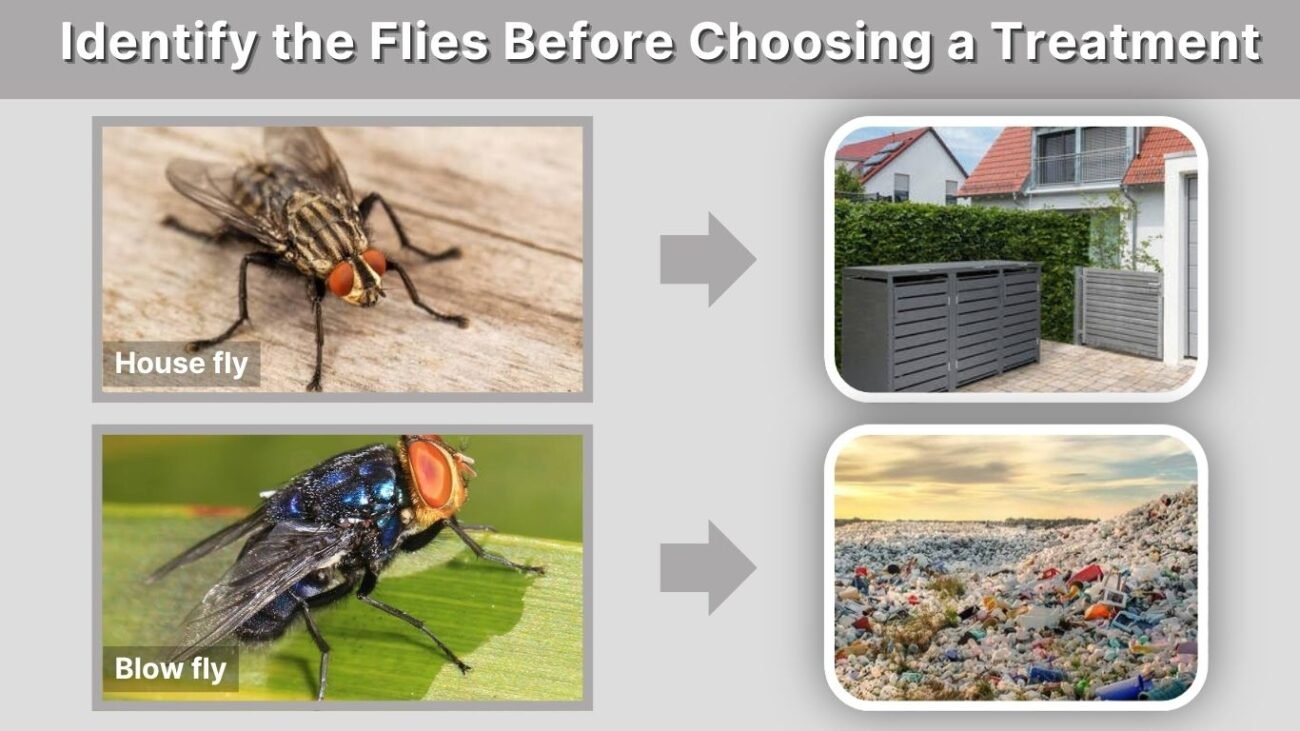
Size, color, body shape, and location help narrow the possibilities. “Big black flies” and “tiny flies” are descriptions, not reliable identifications. Several species look similar without magnification. Use this table as a starting point, and photograph or save a specimen if the source remains unclear. A window gathering does not necessarily mark the breeding site.
| Fly type | Useful clues | Likely place to investigate |
| House fly | Gray body with four dark thoracic stripes | Garbage, animal waste, outdoor entry points |
| Blow fly | Often shiny blue, green, or dark metallic | Carrion, garbage, animal waste |
| Flesh fly | Often gray, with three thoracic stripes and a checkered abdomen | Carrion or meat waste |
| Fruit fly | Tiny; often tan with red eyes | Fermenting produce and drink residue |
| Drain fly | Fuzzy, mothlike appearance | Slime in drains and damp organic deposits |
| Fungus gnat | Slender, dark, resembling a tiny mosquito | Moist houseplant soil |
| Phorid fly | Small, with a humpbacked profile | Hidden decay, garbage, or sewage sources |
These clues reflect common household species; appearance varies within each group.
How to Get Rid of Flies in Your House
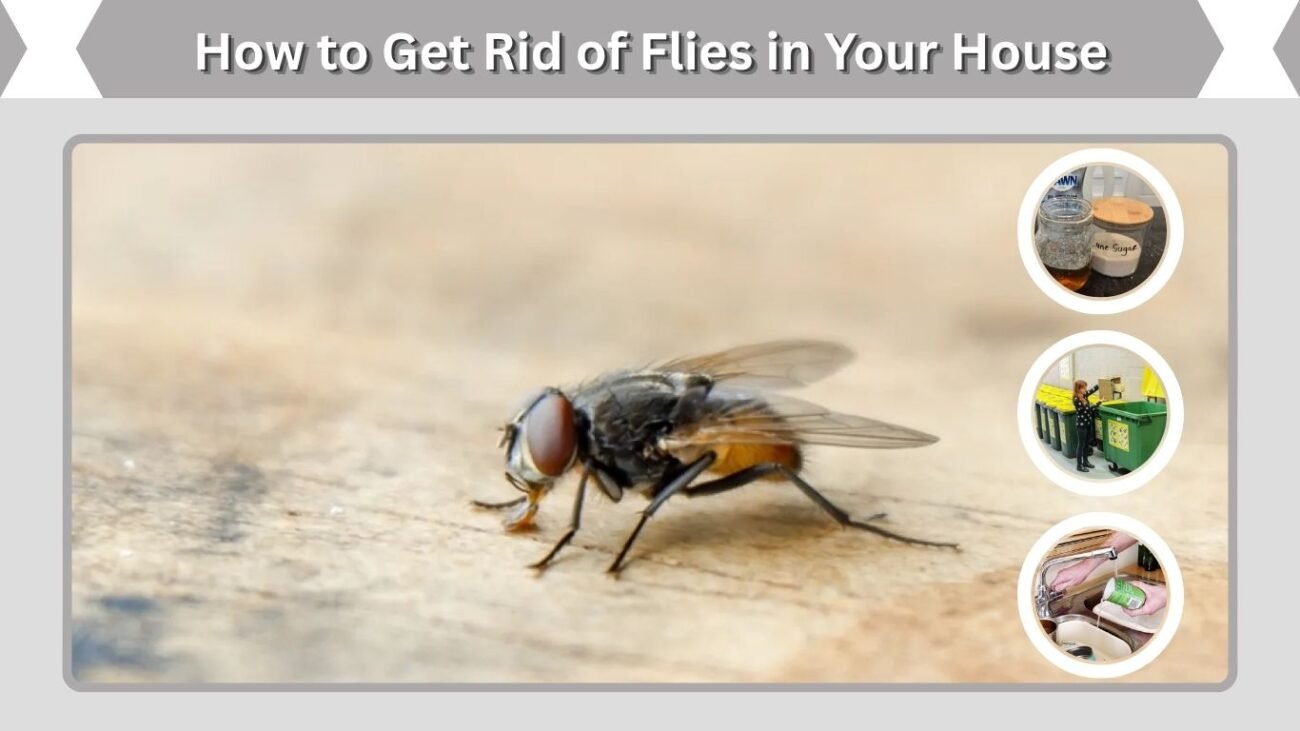
Effective control combines source removal, exclusion, and catching the remaining adults. Start where activity is strongest, but inspect nearby rooms and outdoor areas too. Different flies need different solutions: treating drains will not eliminate fungus gnats in plant soil, and cleaning the kitchen will not stop cluster flies entering through gaps around the roof.
Remove the Breeding Material
Match your cleanup to the likely source:
- Food and garbage: Discard spoiled items, wash dirty bins, and rinse recycling.
- Drains: Physically remove accessible organic buildup with a suitable brush.
- Houseplants: Allow the soil surface to dry between waterings as the plant tolerates; empty standing water from saucers.
- Animal remains: Arrange professional removal if the location is inaccessible or unsafe.
For drain flies, flushing water through a pipe is not a substitute for removing the material supporting larvae. Yellow sticky cards can help monitor adult fungus gnats while watering problems are corrected.
Block Entry and Remove Remaining Adults
Repair screens, close doors promptly, and seal appropriate gaps around windows and doors. Keep outdoor waste containers closed and away from entrances where practical.
Use a vacuum or suitable sticky traps to reduce indoor adults. These measures support source removal; they cannot eliminate larvae developing elsewhere. Repeated spraying alone provides only temporary relief.
Know When to Get Professional Help
Seek an inspection if large numbers continue, you cannot locate the source, or flies accompany sewage odors or unexplained moisture. Recurring drain flies after thorough cleaning can indicate a concealed plumbing leak. A plumber may be needed alongside pest control.
FAQs
Why Are There So Many Flies in My Clean House?
Flies can enter from outdoors or develop in overlooked locations. Clean floors and countertops do not rule out drain buildup, damp plant soil, or hidden food waste. Cluster flies seek shelter regardless of household cleanliness.
Why Are There So Many Dead Flies Near My Windows?
Flies may gather at windows while trying to get outside and eventually die there. Sheltering flies can also emerge into living areas and die. The accumulation alone does not identify the species or prove they bred nearby.
Are Tiny Flies Baby House Flies?
No. A house fly’s immature stage is a wingless maggot. Tiny winged insects are adults, often fruit flies, fungus gnats, drain flies, or another small species.
Why Do I Have Flies in Winter?
Some flies sheltered inside before cold weather arrived and became active when conditions were warm. Other species can continue developing indoors if suitable food and temperatures remain available.
Will Flies Disappear After I Remove the Source?
Numbers should decline, but existing pupae may still release adults. Continue removing visible flies and monitoring activity. Persistent or increasing numbers suggest another breeding source or continued entry from outside.