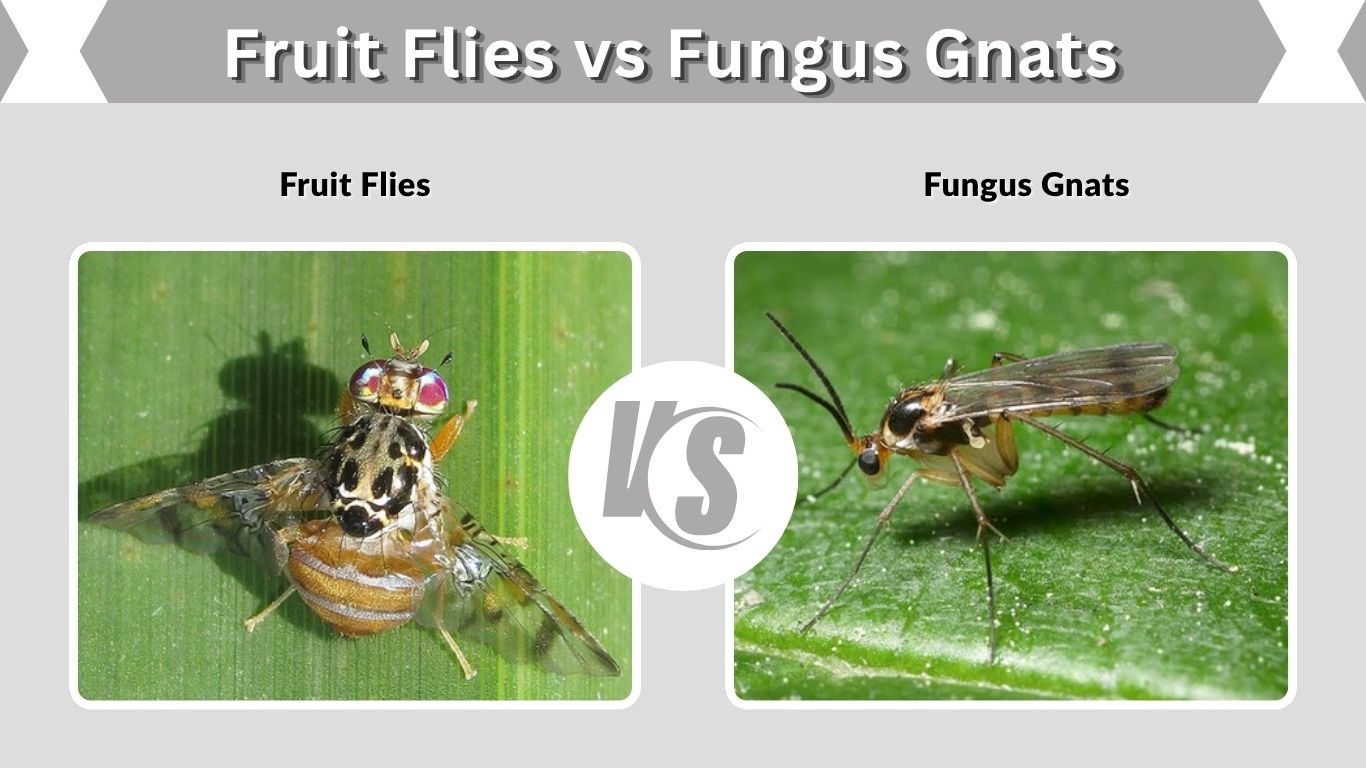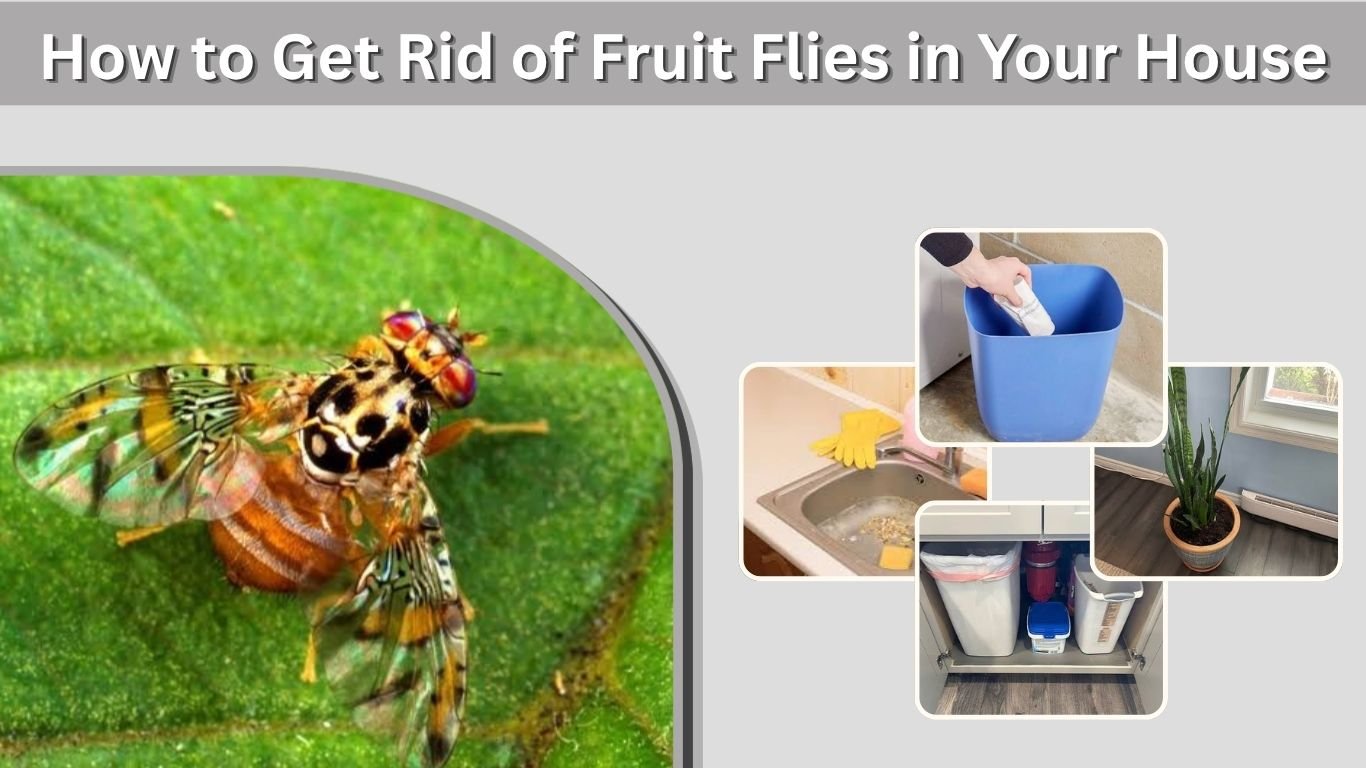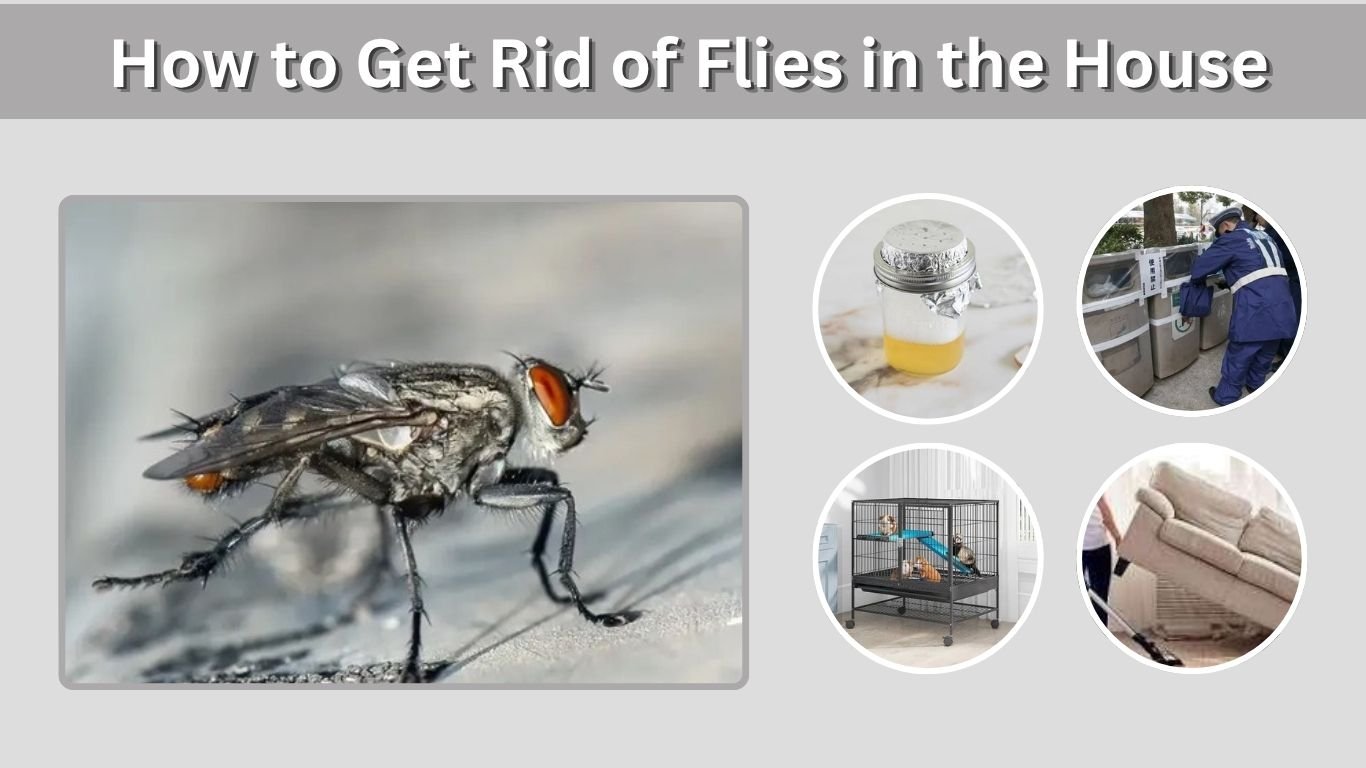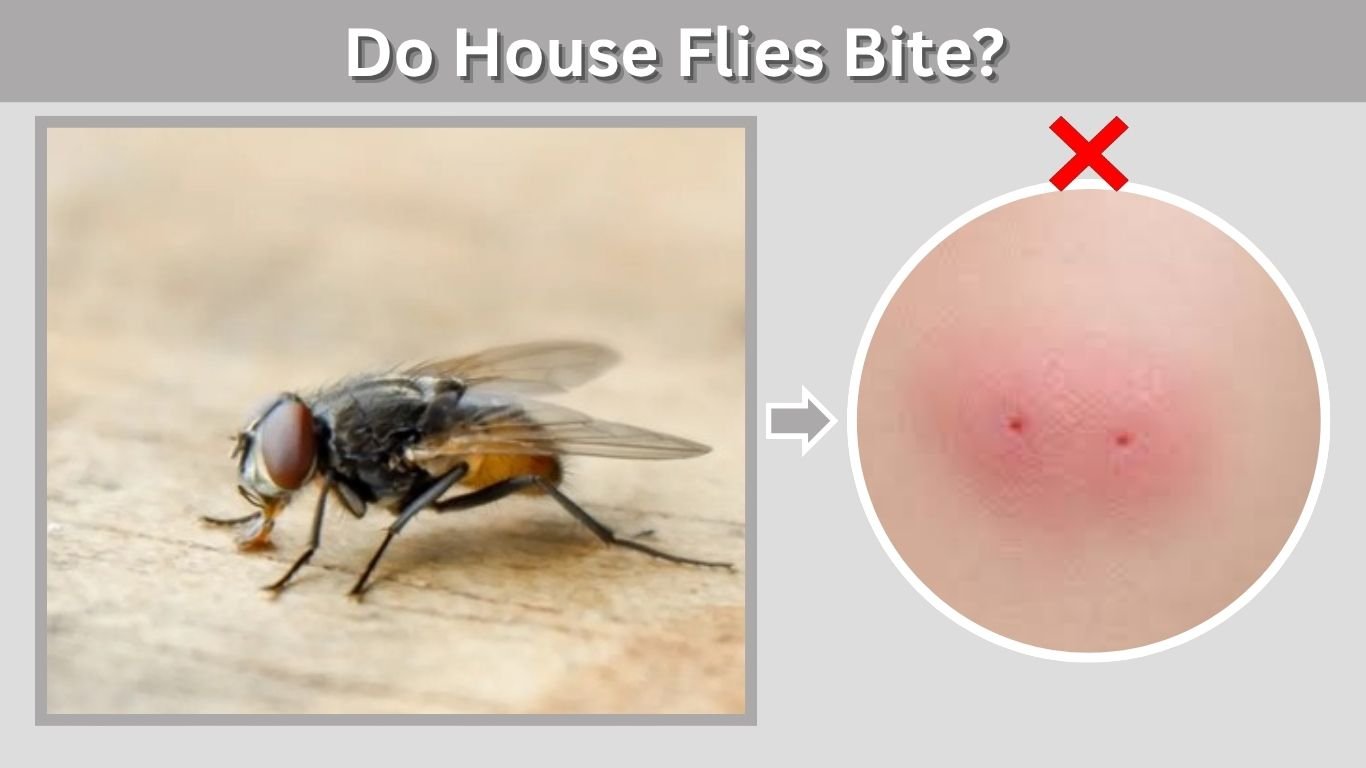
No, common house flies do not bite humans or animals, and they cannot sting. The common house fly, Musca domestica, has sponging mouthparts that cannot pierce skin. If a fly resembling a house fly delivers a painful bite, a different species—often a stable fly—may be responsible. This confusion explains many reports of house flies biting ankles, dogs, or people before rain. Identifying the insect matters because ordinary house flies and biting flies create different problems and require different approaches to prevention.
Why Can’t Common House Flies Bite?
A fly’s ability to bite depends on its mouthparts, not whether you find it indoors. Common house flies feed on liquids and dissolved food. They lack the piercing structures used by blood-feeding flies. Neither male nor female house flies can puncture your skin, even when hungry, disturbed, or repeatedly brushed away.
Their Mouthparts Work Like a Sponge
The end of a house fly’s feeding tube has soft, spongelike structures that collect liquid. To consume suitable solid food, the fly releases fluid that helps dissolve it before taking it up.
This feeding system cannot cut or puncture intact skin. A house fly touching you with its mouthparts is therefore not taking a blood meal.
Why Do House Flies Keep Landing on People?
House flies can feed on sweat and other body secretions. Food residue on your skin may also encourage investigation.
Repeated landings can feel irritating or ticklish, but they do not demonstrate biting. If you experience a sharp puncture, reconsider the insect’s identity instead of assuming a common house fly has suddenly started biting.
What Looks Like a House Fly but Bites?
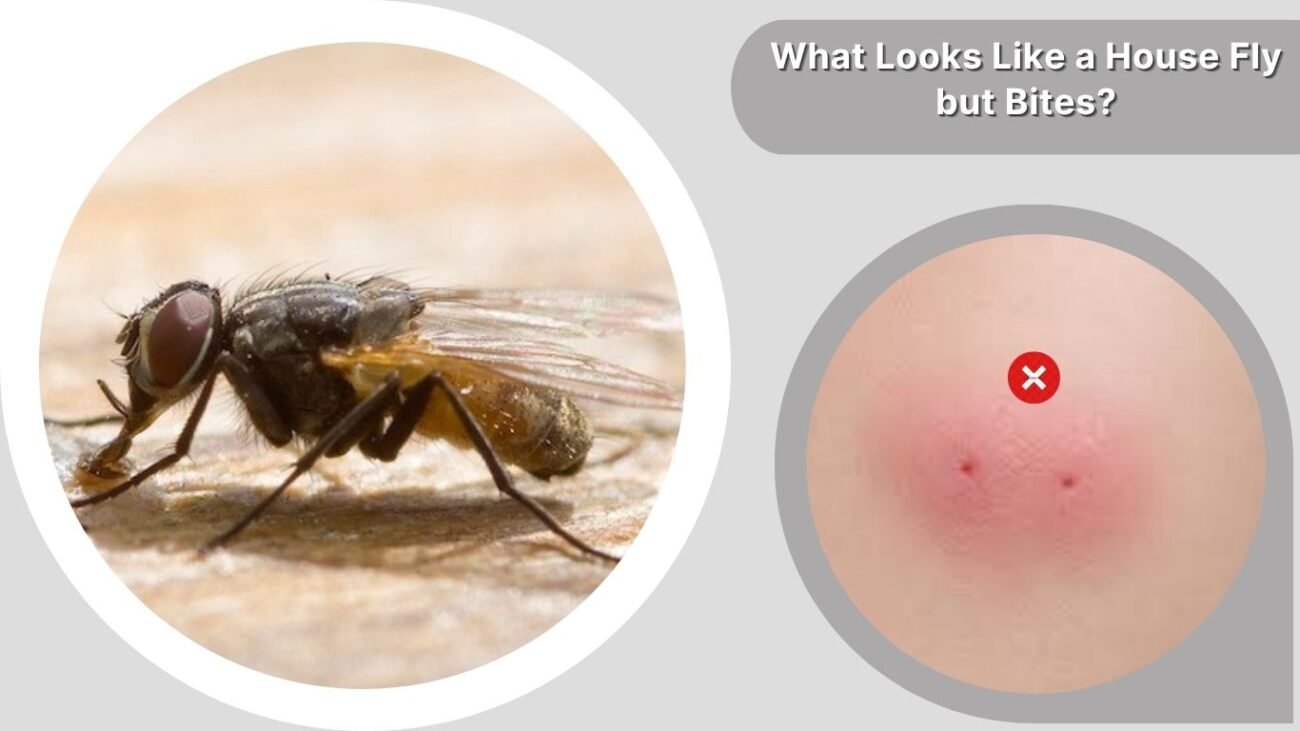
The stable fly, Stomoxys calcitrans, is an important lookalike. It is sometimes called a “biting house fly,” but that nickname refers to a separate species. Both flies can look gray and roughly similar in size. A clear side-view photograph often reveals the most useful difference: the stable fly’s pointed, forward-projecting mouthpart.
House Fly vs. Stable Fly
| Feature | Common house fly | Stable fly |
| Scientific name | Musca domestica | Stomoxys calcitrans |
| Mouthparts | Soft, sponging structures | Rigid, piercing feeding tube |
| Bites people? | No | Yes |
| Adult diet | Liquids and dissolved food | Blood meals from warm-blooded animals |
| Useful clue | Investigates food and moist surfaces | May deliver painful bites around ankles |
Both male and female stable flies feed on blood. Their piercing mouthparts distinguish them from common house flies more reliably than size alone.
Signs That Suggest a Stable Fly
Look for a combination of these clues:
- A gray body resembling a common house fly.
- A stiff, pointed mouthpart projecting forward.
- Dark, checkered markings on the abdomen.
- Painful bites, often around ankles or lower legs.
Stable flies are associated with outdoor breeding material such as soiled animal bedding and rotting vegetation, but they can enter buildings. A bite location alone cannot confirm the species.
Other Flies Can Bite Too
Horse flies, deer flies, black flies, and biting midges include species that bite people. Some are much larger than house flies; others are far smaller.
“Black fly” can also cause confusion. A dark-colored fly in your kitchen is not automatically one of the biting black flies in the family Simuliidae. Species identification matters more than color.
Do House Flies Bite Before Rain or at Night?
Weather and timing do not change a common house fly’s anatomy. Reports of biting before a storm, during autumn, or after dark should prompt a closer look at the insect. The everyday habit of calling any indoor fly a “house fly” can hide the difference between a harmless landing and a bite from another species.
The “Biting Before Rain” Belief
Common house flies do not develop biting mouthparts when rain approaches. University of Nebraska Extension specifically identifies the saying about house flies biting before rain as an example of confusion about pest flies.
A fly bite is not a reliable way to identify the insect or predict the weather.
Nighttime Bites Need a Different Explanation
House flies cannot bite at night either. If you notice itchy spots after sleeping, do not blame nearby house flies without evidence.
Other insects or non-insect skin conditions may explain the marks. Consider a professional pest inspection if you find insects or repeated signs of activity, and medical advice for unexplained or persistent skin symptoms.
What Do “House Fly Bites” Look Like?
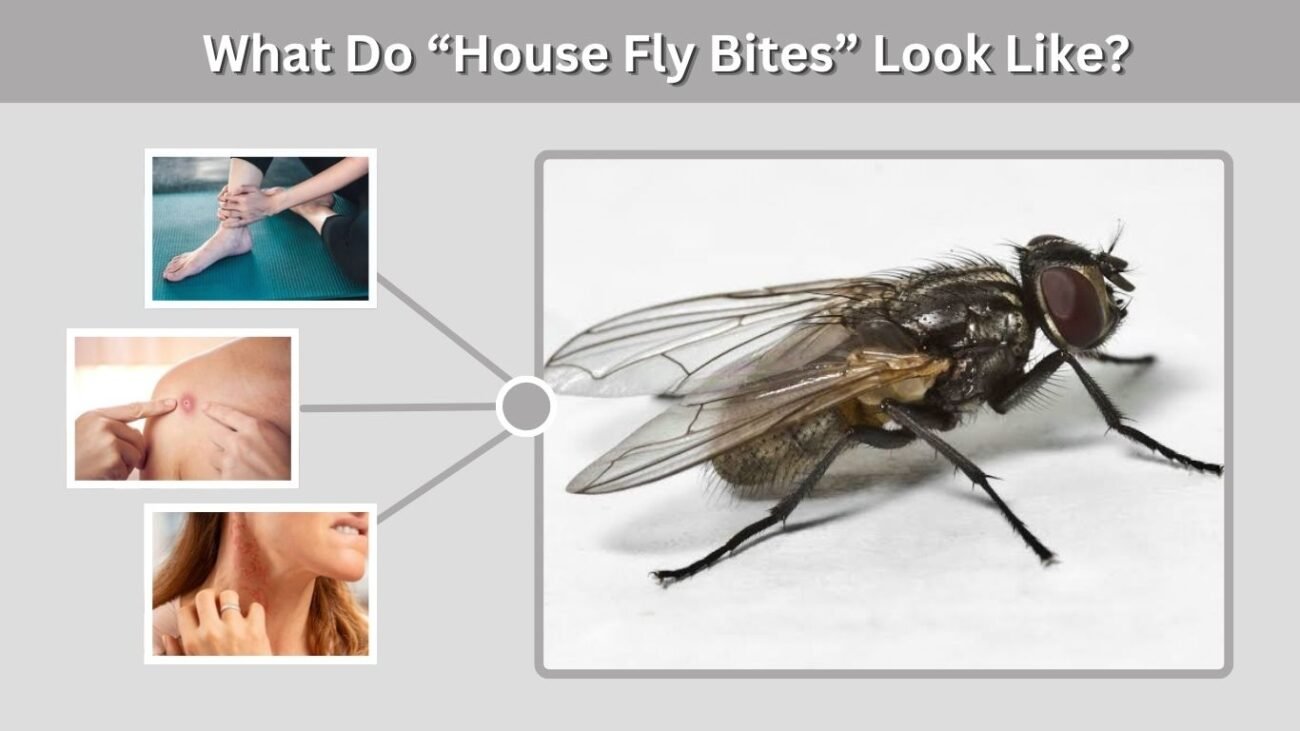
There is no genuine house fly bite pattern because common house flies cannot bite. A painful or itchy mark attributed to one may have another cause. Even when a biting fly is involved, appearance varies with the species and the person’s reaction. Seeing the insect bite is more informative than comparing skin marks with online photographs.
Possible Symptoms of a Biting Fly
Depending on the insect, symptoms may include:
- Immediate pain or a sharp pinching sensation.
- A raised bump or localized swelling.
- Itching or tenderness.
- Redness, which may be less noticeable on darker skin.
These signs are not specific enough to identify a stable fly or any other species.
Basic Care and Warning Signs
Wash the area with soap and water. Apply a cold compress or a cloth-wrapped ice pack for about 20 minutes, and avoid scratching. A pharmacist can advise on suitable itch relief.
Seek medical advice for worsening pain, spreading redness, warmth, pus, fever, or symptoms that do not improve. Call your local emergency number for difficulty breathing, swelling of the tongue or throat, or collapse after a bite.
How to Reduce House Flies and Biting Flies
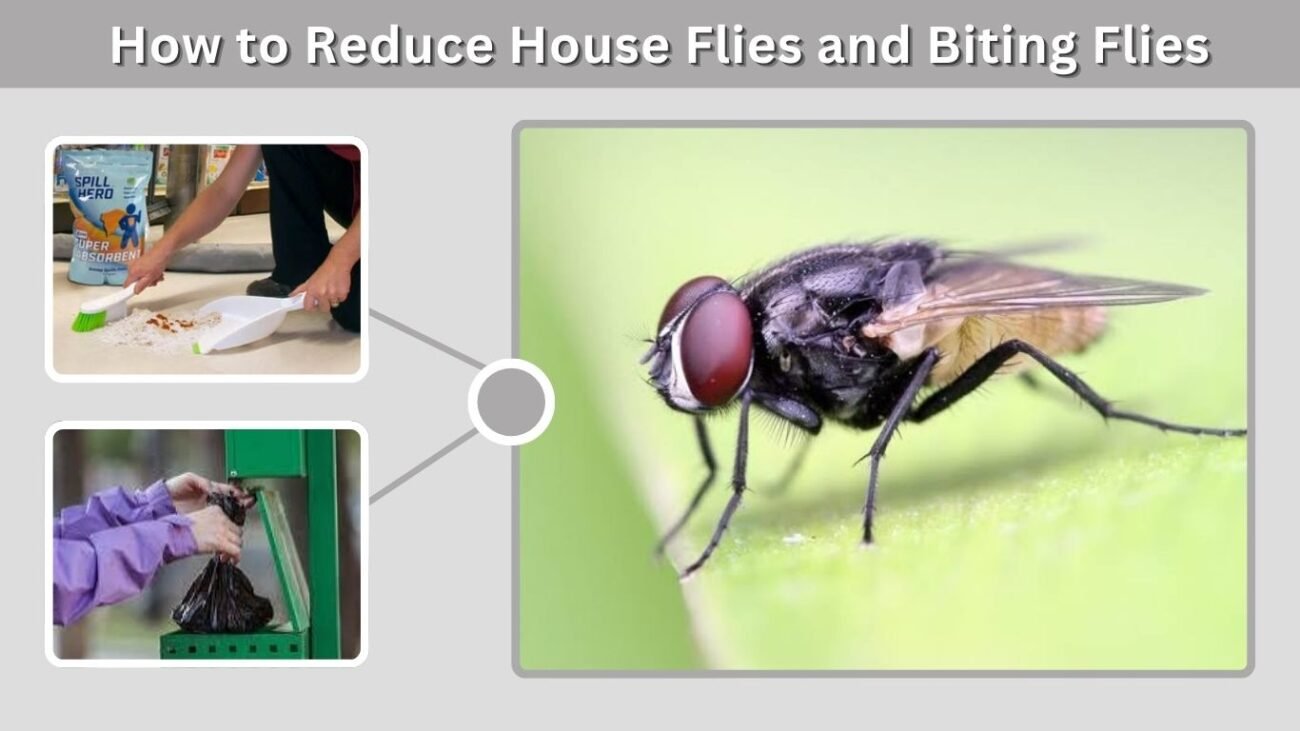
Prevention starts with identifying the fly and addressing its source. Ordinary house flies can contaminate food even though they do not bite. Stable flies create a different concern because they take blood meals. Screens, sanitation, and removal of suitable breeding material can reduce encounters, while persistent problems may require professional identification.
Reduce Food Sources and Entry Points
- Keep food covered and clean up spills.
- Empty and wash garbage containers regularly.
- Remove pet waste promptly.
- Repair damaged window and door screens.
- Remove wet, decomposing bedding or vegetation that supports stable flies.
House flies can carry microorganisms from waste to food and preparation surfaces. Their inability to bite does not make food hygiene unnecessary.
Protect Yourself Outdoors
Cover exposed skin where biting flies are active. Use an insect repellent labeled for the relevant pest, following its directions; protection varies among fly species.
If bites continue, identifying the fly helps determine whether the source is on your property or farther away.
FAQs
Do House Flies Bite Dogs?
Common house flies do not. Stable flies can bite dogs, particularly the ear tips and legs. Ask a veterinarian about persistent sores or appropriate protection rather than applying human insect products to your pet.
Do Big or Black House Flies Bite?
Size and color do not determine biting ability. A true common house fly cannot bite. A large or dark fly may belong to another species, so inspect it before deciding.
Do House Flies Bite or Sting When Threatened?
Neither. Common house flies lack piercing mouthparts and a stinger. Disturbing them does not make them capable of biting.
Do Lesser House Flies Bite?
No. Lesser house flies, also called little house flies, have sponging mouthparts and do not bite people.
Do Phorid Flies Bite Humans?
No. Adult phorid flies do not bite humans or animals. They may develop in moist, decaying material, so controlling them involves locating and removing their breeding source.