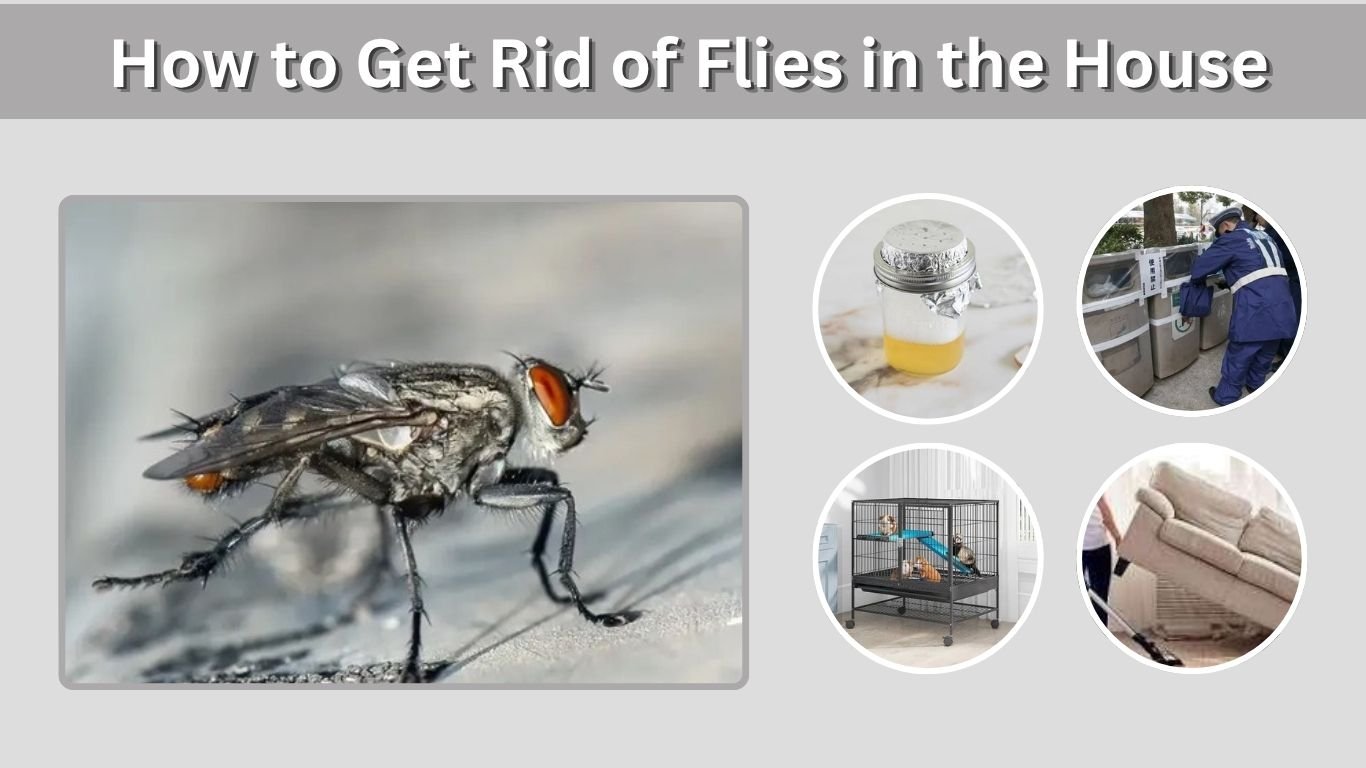
Flies inside the house can become frustrating quickly, especially when they keep returning after you kill the visible adults. The best way to get rid of flies depends on the species and where they are breeding. House flies are commonly associated with garbage, food waste, manure, and other decaying material, while fruit flies usually develop around fermenting produce and sugary residues. Effective control combines removing breeding sources, trapping or killing adults, cleaning problem areas, blocking entry points, and eliminating eggs, maggots, and pupae before another generation appears.
How to Get Rid of Flies in the House
Start by identifying why the flies are indoors. Killing adults provides immediate relief, but an infestation usually continues until the breeding source is removed.
Look closely at where the flies gather and what they look like before deciding on treatment.
Quick Fly-Control Steps
- Remove exposed food.
- Empty indoor garbage.
- Clean spills immediately.
- Wash trash cans.
- Dispose of rotting fruit.
- Clean pet feeding areas.
- Remove animal waste.
- Vacuum adult flies.
- Use fly traps when needed.
- Repair damaged window screens.
- Keep doors closed or screened.
- Search for larvae or hidden organic waste.
If flies continue appearing every day, something nearby is probably supporting reproduction.
How to Get a Fly Out of the House
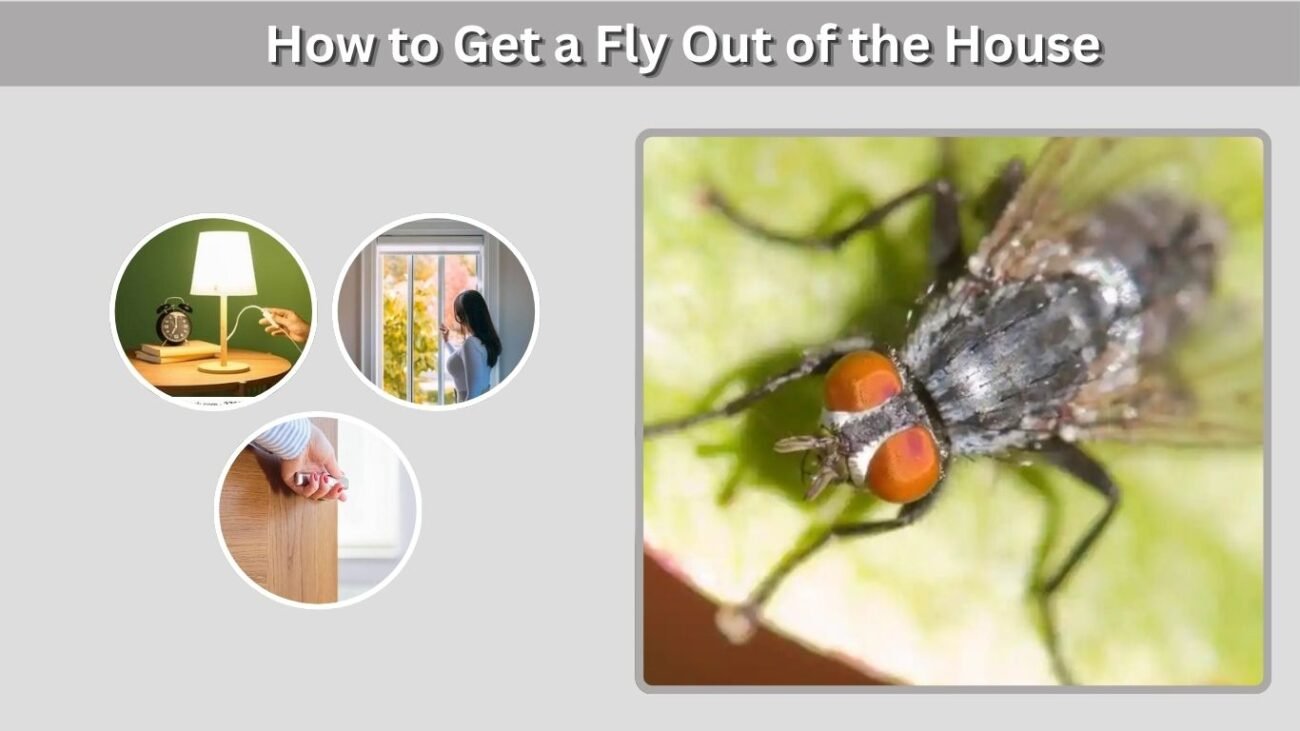
A single fly does not necessarily indicate an infestation. It may simply have entered through an open door or window.
You can often remove one house fly without insecticide.
Fast Method for One Fly
Darken the room and leave one window or exterior door as the brightest visible opening.
Then:
- Turn off indoor lights.
- Open a window or door leading outside.
- Close doors to other rooms.
- Remove curtains or blinds blocking the opening.
- Give the fly a clear route toward the light.
You can also use a fly swatter or vacuum cleaner if the fly does not leave.
House flies naturally move toward bright areas, which can make an open sunlit window an effective exit.
Why Are Flies Getting Into Your House?
Flies can enter through surprisingly small openings.
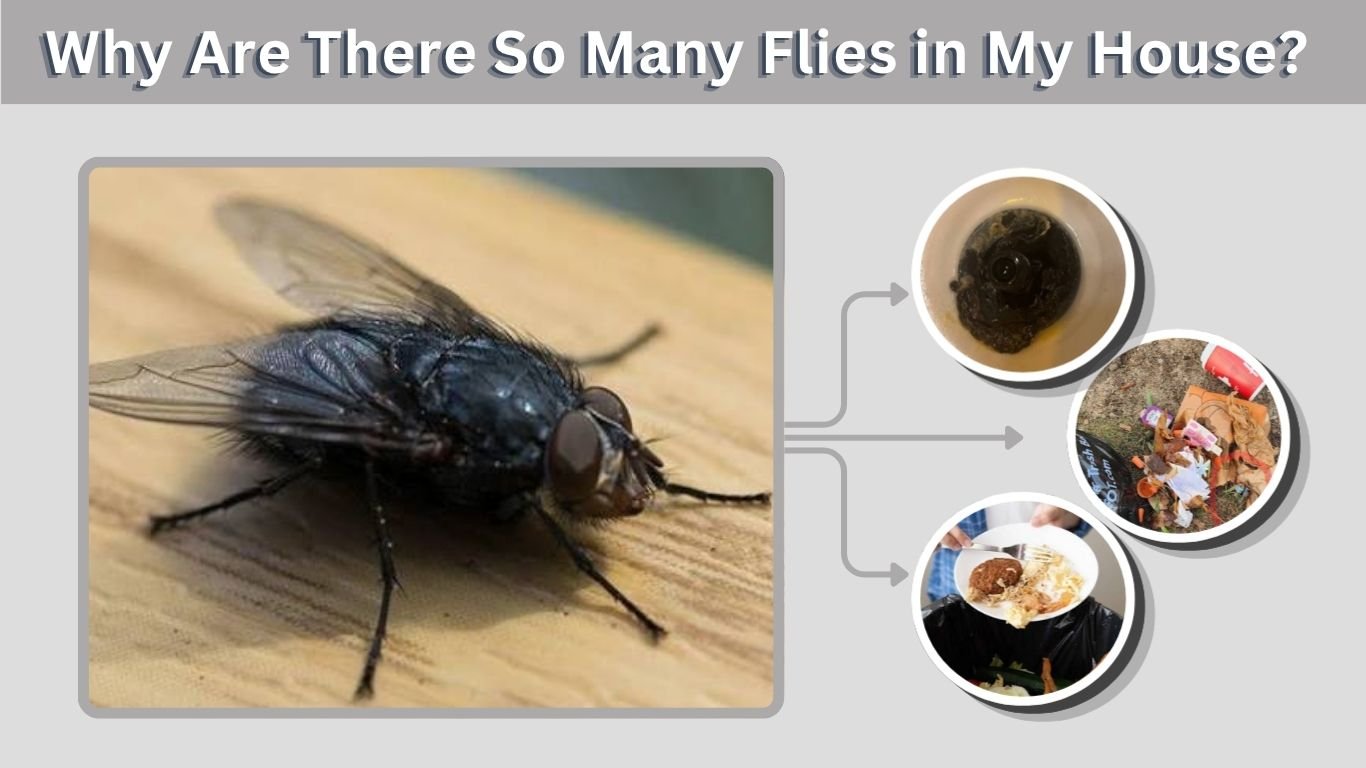
Adults are attracted indoors by odors associated with food, garbage, animal waste, and other organic materials.
Common Entry Points
Flies may enter through:
- Open doors
- Unscreeened windows
- Torn screens
- Gaps around doors
- Garage entrances
- Vents
- Cracks around pipes
- Open pet doors
Some flies do not enter as adults at all. They may develop indoors after eggs are deposited in garbage, pet waste, spoiled food, or a dead animal.
Finding the source helps determine whether you have an entry problem or a breeding problem.
How to Get Rid of House Flies
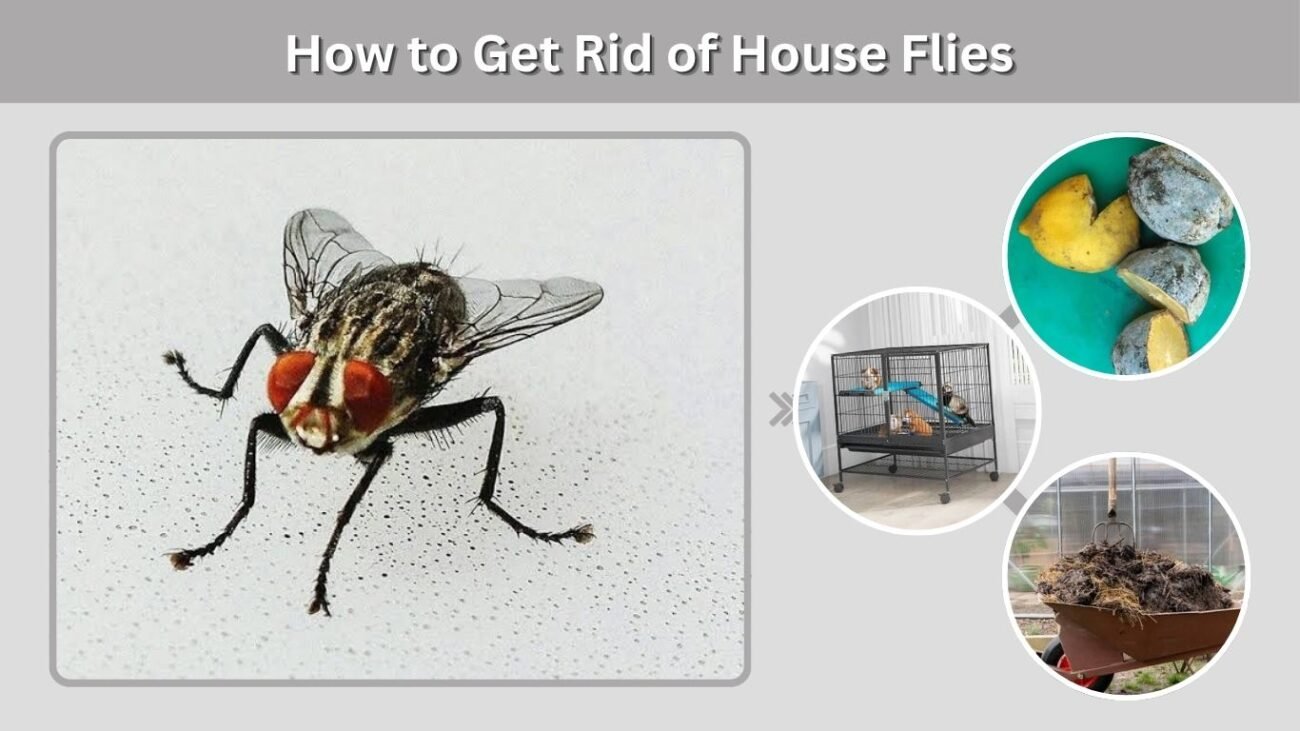
The common house fly, Musca domestica, reproduces in moist decaying organic matter.
If you have several large gray flies appearing every day, inspect the house for suitable breeding materials.
Remove House Fly Breeding Sources
Check:
- Kitchen trash
- Outdoor garbage bins
- Pet waste
- Animal cages
- Compost
- Spoiled food
- Dirty mop buckets
- Garbage disposals
- Food beneath appliances
- Dead rodents or birds
Throw contaminated material into a sealed bag and remove it from the property.
Then thoroughly clean the surrounding area.
How to Get Rid of a House Fly Infestation
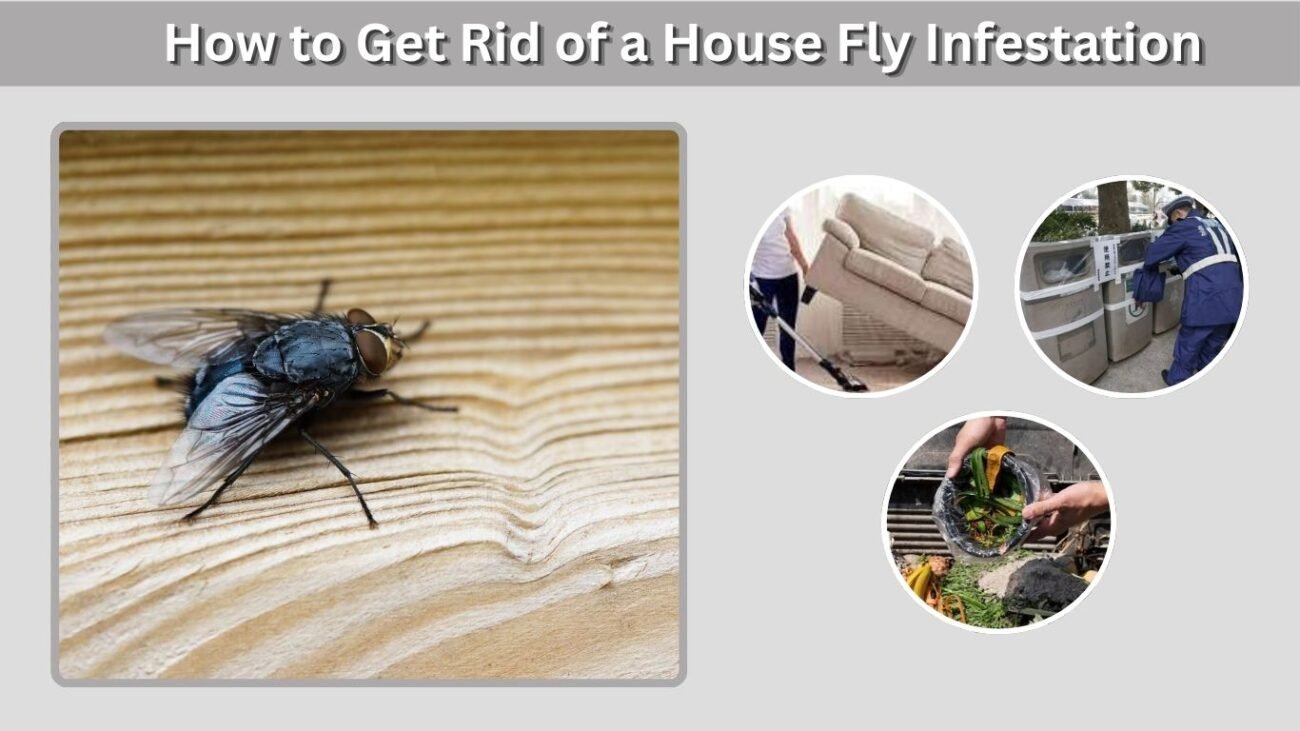
A true infestation means new adult flies are continually appearing rather than one or two accidentally entering.
House flies develop through four stages:
Egg → maggot → pupa → adult
Removing every stage provides much better results than focusing only on flying adults.
Step 1: Remove Food and Garbage
Take garbage outside every day during an active infestation.
Wash containers that contain food residue or decomposing material.
Step 2: Clean Hidden Areas
Move appliances and inspect beneath:
- Refrigerators
- Stoves
- Trash cans
- Pet feeding stations
- Cabinets
A small amount of forgotten organic material can support many larvae.
Step 3: Control Adult Flies
Adult flies can be reduced using:
- Fly swatters
- Vacuum cleaners
- Sticky fly strips
- Light traps
- Appropriate indoor fly traps
These measures reduce immediate activity while you eliminate the source.
Step 4: Block New Flies
Repair screens and weather stripping.
Keep exterior doors closed whenever practical.
How to Get Rid of House Fly Maggots
House fly larvae, commonly called maggots, are pale, legless, worm-like insects.
If you find them indoors, nearby organic material is almost certainly supporting their development.
How to Remove Maggots
- Locate their food source.
- Put contaminated material in a sealed bag.
- Vacuum or sweep visible larvae.
- Clean the contaminated surface.
- Dispose of vacuum contents outside.
- Dry the area completely.
- Inspect surrounding cracks and edges.
Simply killing maggots without removing what they are feeding on will not solve the problem.
Why Are Maggots Moving Across the Floor?
Mature fly larvae often leave wet food material and crawl toward a drier place before becoming pupae.
Therefore, maggots crawling across floors may have originated several feet away.
Follow the direction of their movement and inspect nearby trash, food waste, or hidden carcasses.
How to Get Rid of Fly Pupae in the House
Fly pupae look very different from maggots.
House fly pupae are typically:
- Small
- Oval or barrel-shaped
- Brown to reddish brown
- Hard-shelled
- Motionless
They may resemble small seeds or capsules.
Where to Look for Pupae
Check dry areas close to a breeding source, including:
- Floor edges
- Beneath cabinets
- Behind appliances
- Under trash cans
- Cracks and crevices
- Carpet edges
Vacuum pupae and dispose of the vacuum contents outdoors.
Because an adult fly can emerge from each viable pupa, removing them helps prevent another wave of flies.
How to Get Rid of Fly Eggs
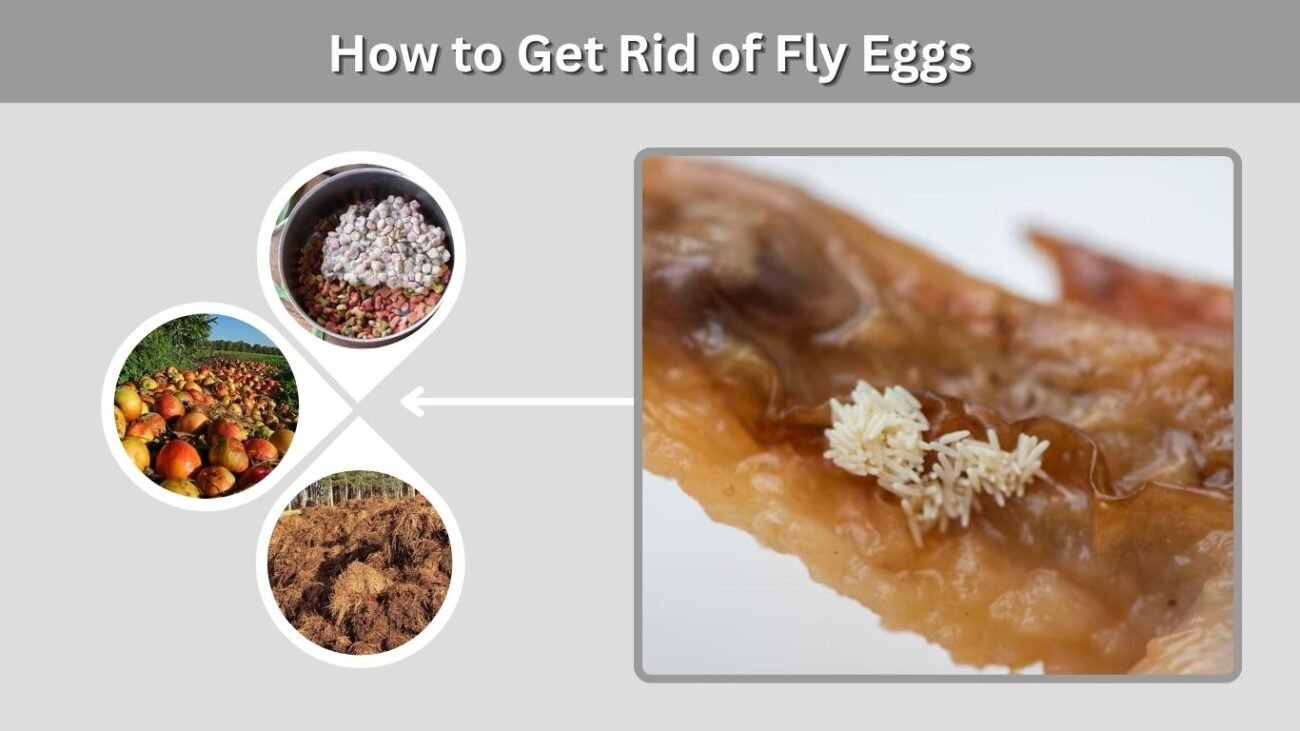
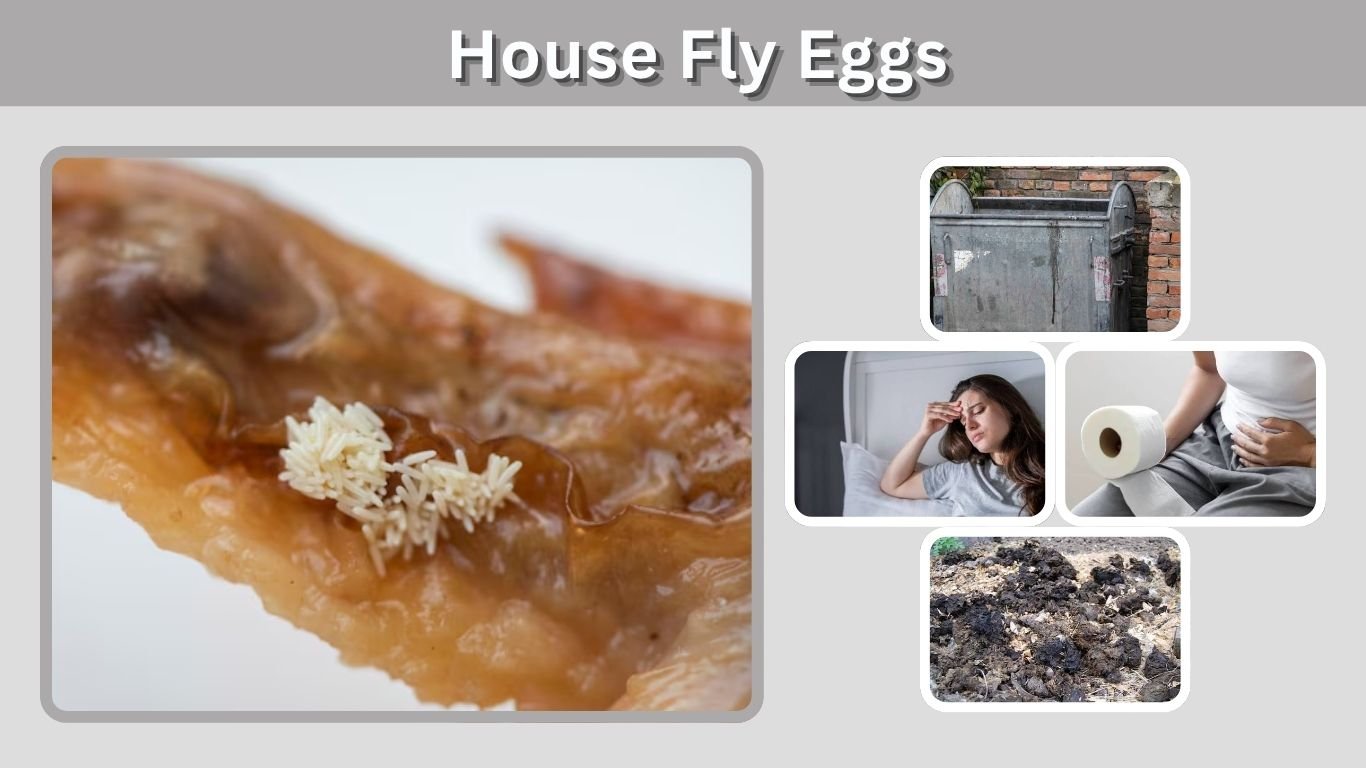
House fly eggs are tiny, white, and elongated.
They are normally deposited directly on moist organic material rather than scattered randomly around clean surfaces.
Egg Control
Remove:
- Contaminated garbage
- Rotten food
- Animal waste
- Spoiled pet food
- Decomposing organic material
Wash the surrounding surface after removal.
If the breeding material is completely eliminated, the eggs are removed along with it.
How to Get Rid of Fruit Flies in the House
Fruit flies require a different approach from house flies.
They are attracted to fermenting and sugary organic material and may reproduce in surprisingly small residues.
Common Fruit Fly Sources
Check:
- Overripe bananas
- Apples
- Tomatoes
- Onions
- Empty beverage containers
- Wine bottles
- Beer cans
- Juice spills
- Recycling containers
- Garbage disposals
- Damp mops
- Food residue beneath appliances
Throw away or refrigerate ripe produce during an infestation.
How to Make a Fruit Fly Trap
A simple vinegar trap can reduce adult fruit flies.
Vinegar Trap
You need:
- Small cup or jar
- Apple cider vinegar
- A drop of dish soap
Pour a small amount of vinegar into the container and add one drop of dish soap.
The vinegar attracts fruit flies while the soap reduces surface tension, causing flies that land on the liquid to become trapped.
This method reduces adults but does not replace source removal.
How to Get Rid of a Fruit Fly Infestation
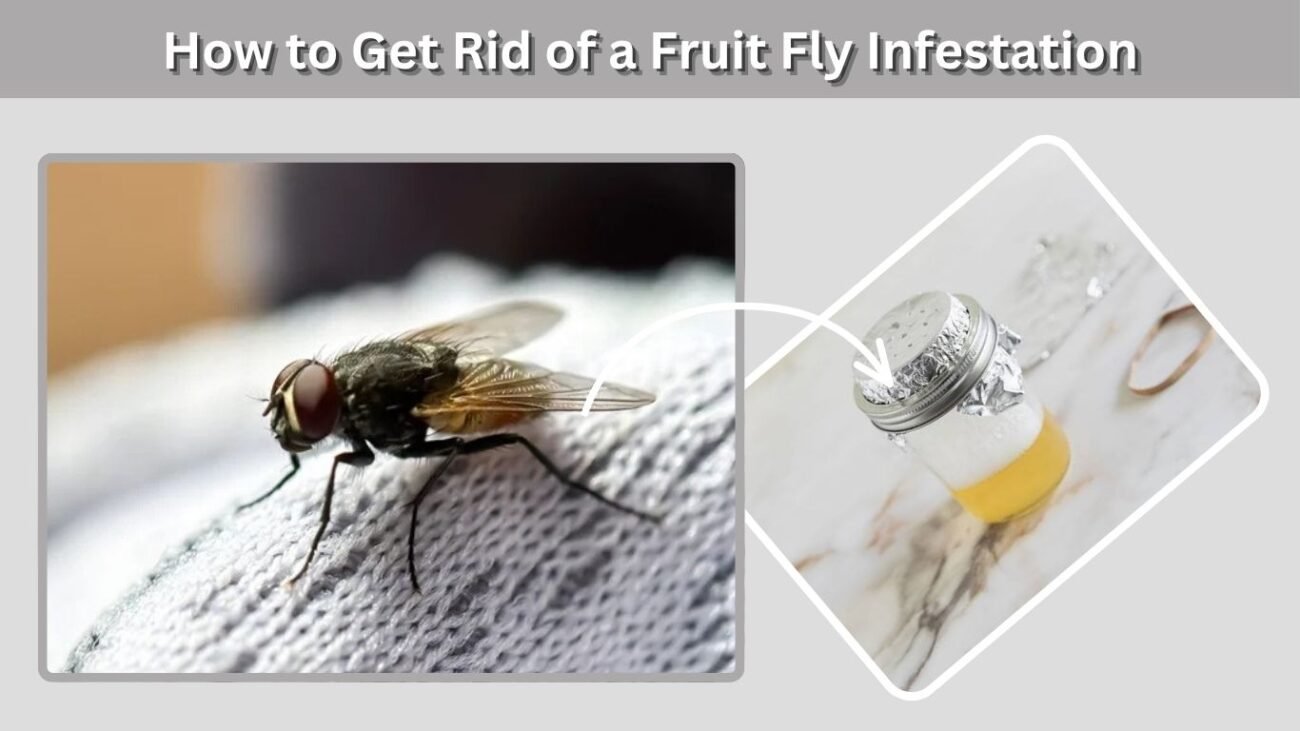
Fruit flies reproduce rapidly, so treatment must include every possible food source.
Fruit Fly Control Checklist
- Refrigerate ripe fruit.
- Throw out spoiled produce.
- Wash fruit bowls.
- Empty recycling containers.
- Rinse bottles and cans.
- Clean under appliances.
- Wipe sugary spills.
- Clean garbage cans.
- Scrub garbage disposals.
- Replace dirty sponges or mops.
- Use traps for remaining adults.
A forgotten potato or onion hidden in a cabinet can maintain an infestation for weeks.
What About Fruit Flies in Drains?
Fruit flies may gather around sinks because drains contain food residue and moisture.
However, fuzzy moth-like insects actually emerging from a drain are more likely to be drain flies.
If Fruit Flies Are Around the Sink
Clean:
- Drain openings
- Garbage disposal
- Sink overflow
- Food residue
- Wet sponges
- Dishcloths
Do not assume the drain is the only source. Fruit flies can breed in many other fermenting materials nearby.
How to Get Rid of Black Flies in the House
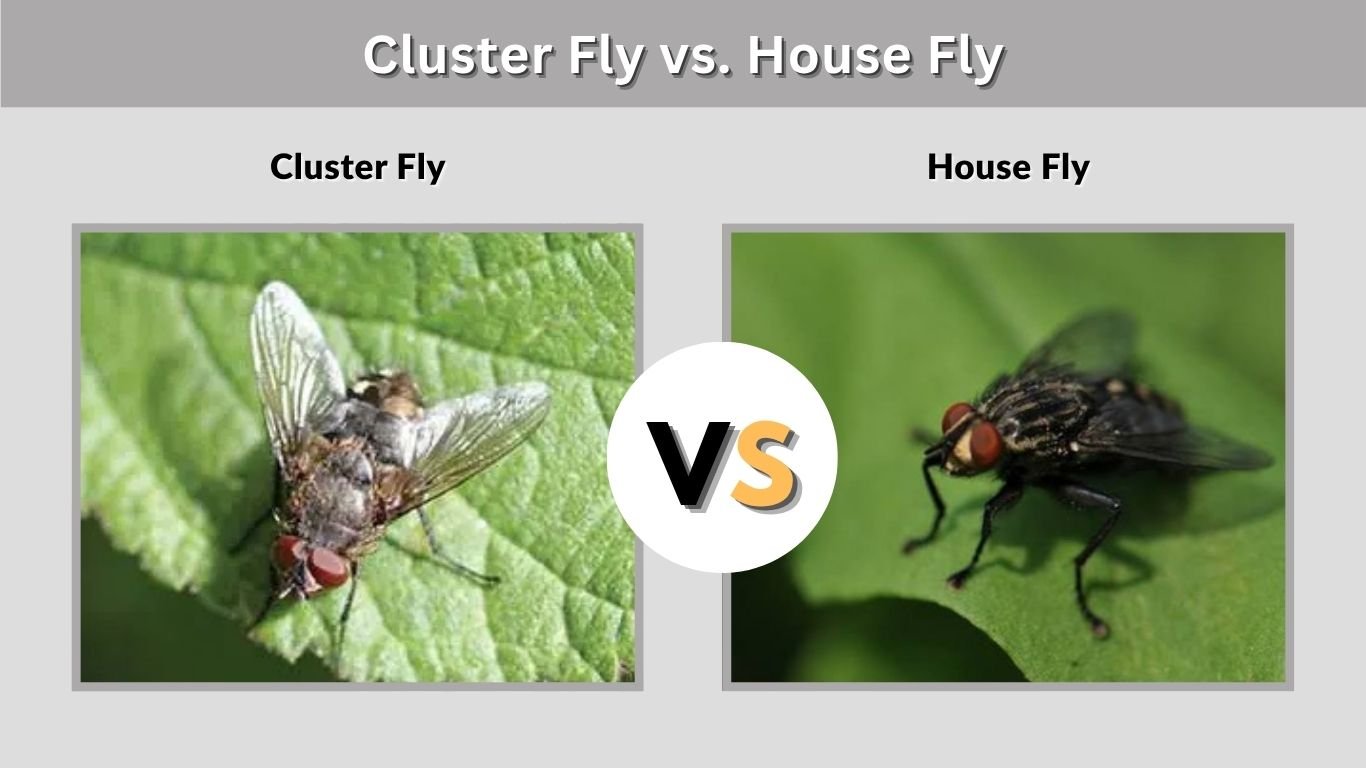
“Black fly” is a broad description and does not identify one species.
Dark indoor flies could include:
- House flies
- Blow flies
- Cluster flies
- Drain flies
- Fungus gnats
Identification matters because each species has different breeding habits.
For example, fuzzy black flies around a shower usually require drain cleaning, while large metallic flies may indicate decomposing animal material.
How to Get Rid of Large Flies in the House
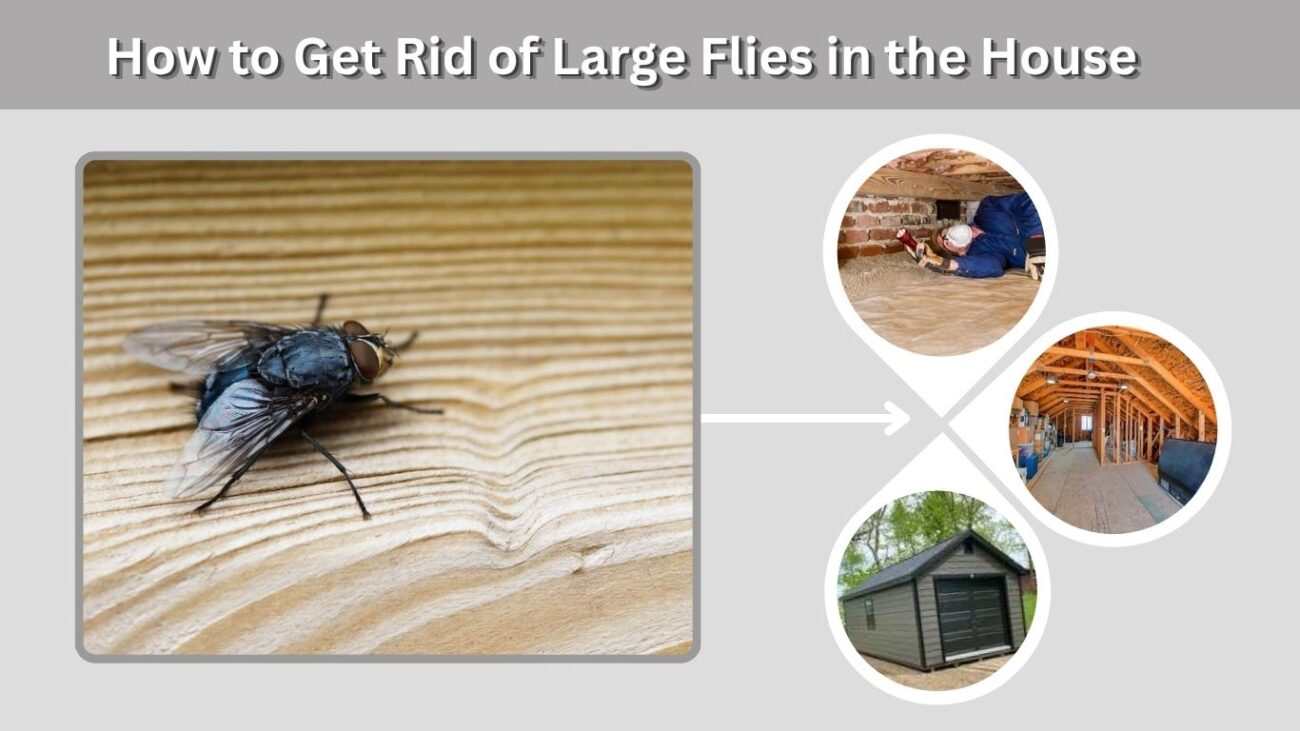
Large flies appearing suddenly can sometimes point to a dead animal.
Blow flies and flesh flies are strongly attracted to decomposing meat and carcasses.
Check for:
- Dead rodents in walls
- Dead animals in chimneys
- Attics
- Crawl spaces
- Garages
- Animal traps
- Forgotten meat or garbage
If dozens of large flies suddenly appear without an obvious food source, a hidden carcass should be considered.
Natural Ways to Reduce Flies
Chemical sprays are often unnecessary when sanitation and exclusion solve the underlying problem.
Natural Fly-Control Methods
Use:
- Physical cleaning
- Fly swatters
- Vacuuming
- Sticky traps
- Vinegar traps for fruit flies
- Window screens
- Covered garbage containers
- Food storage containers
Removing breeding material is usually more effective than relying on scents or homemade repellents.
Do Fly Sprays Work?
Aerosol insecticides can kill adult flies quickly, but they usually do not eliminate eggs, maggots, or pupae hidden elsewhere.
Spray therefore provides temporary adult control.
If the breeding source remains, new adults will continue emerging.
Always follow the pesticide label and keep products away from food preparation areas, children, and pets unless the label specifically permits their use there.
How to Prevent Flies From Coming Back
Prevention depends on making your house unattractive to both entering adults and breeding females.
Fly Prevention Tips
- Keep food covered.
- Refrigerate ripe fruit.
- Empty garbage frequently.
- Clean pet waste promptly.
- Wash garbage cans.
- Clean under appliances.
- Repair screens.
- Seal door gaps.
- Keep compost covered.
- Clean recycling containers.
- Remove dead animals promptly.
Pay particular attention during warm weather because fly development speeds up as temperatures rise.
When Should You Call Pest Control?
Professional help may be necessary if:
- Hundreds of flies are appearing.
- You cannot locate the breeding source.
- Flies emerge from walls or ceilings.
- A dead animal may be inaccessible.
- The infestation repeatedly returns.
- Several apartments are affected.
- Sanitation improvements do not reduce the population.
A pest-control professional can help identify the species and locate hidden breeding areas.
FAQs
What is the fastest way to get rid of a fly in the house?
For one fly, open a bright exterior window or door and darken the rest of the room. A vacuum or fly swatter can also provide immediate removal.
How do you get rid of a house fly infestation?
Remove garbage and decaying material, eliminate larvae and pupae, clean contaminated surfaces, trap adults, and block entry points.
How do you get rid of fruit flies in the house?
Remove overripe fruit and fermenting material, clean recycling and garbage containers, wipe up sugary residues, and use vinegar traps for remaining adults.
How do you get rid of house fly maggots?
Find and remove the organic material supporting them, vacuum or sweep remaining maggots, clean the area thoroughly, and keep it dry.
Why do flies keep appearing in my house?
Persistent flies usually indicate either an indoor breeding source or an easy entry point. Inspect garbage, food, pet waste, drains, hidden carcasses, windows, doors, and screens.