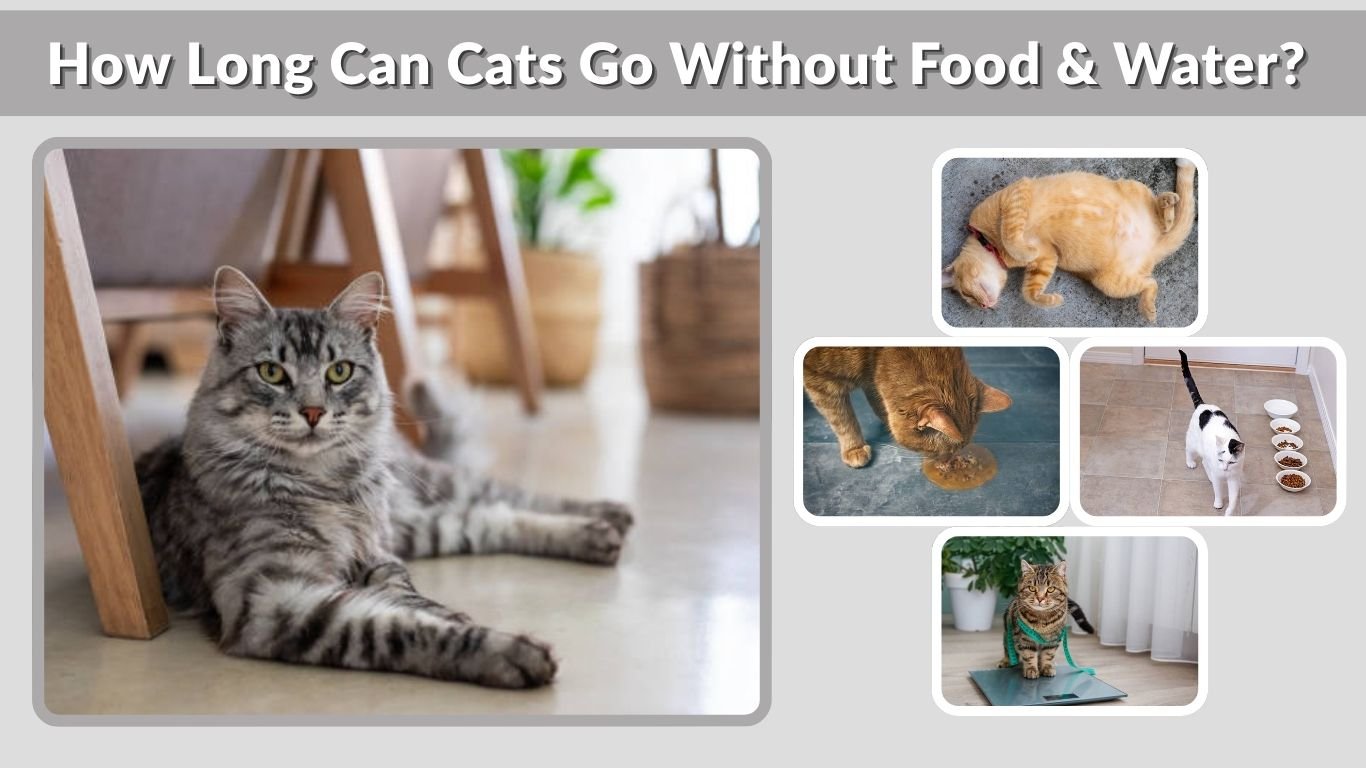
Cats are known for their independence, but when it comes to food, even a short period without eating can become dangerous. Many cat owners worry when their pet suddenly stops eating and wonder how long they can safely go without food.
Understanding the limits, risks, and warning signs is essential for protecting your cat’s health. In this guide, you’ll learn how long cats can survive without food, what affects this timeframe, and when you should take action.
How Long Can Cats Go Without Food?
Cats can technically survive without food for one to two weeks, but that doesn’t mean it is safe. In reality, going without food for even a couple of days can lead to serious health complications. The exact duration depends on hydration, health condition, and body reserves.
Average Survival Time Without Food
Most healthy adult cats can survive around 7 to 14 days without food, especially if they still have access to water. However, survival does not equal safety. After just 24–48 hours, the body begins to enter a dangerous state where energy reserves are depleted.
Difference Between Food and Water Deprivation
Water is far more critical than food. A cat without water may only survive 3 to 4 days, sometimes less in hot conditions. Without food but with water, the body can hold on longer, but internal damage still begins early.
Safe vs Dangerous Timeframes
A cat not eating for more than 24 hours should raise concern, and after 48 hours, it becomes a medical emergency. Unlike some animals, cats are highly sensitive to fasting and can develop severe liver problems quickly.
Key Factors That Affect How Long a Cat Can Go Without Food

Not all cats respond to starvation in the same way. Several important factors influence how long a cat can survive without eating.
Age and Life Stage
- Kittens have very little energy reserve and can become weak within hours
- Adult cats have more resilience but still face risks after a day or two
- Senior cats may have underlying conditions that reduce their tolerance
Young and elderly cats are especially vulnerable and should never go long without food.
Health Condition
Cats with medical issues such as diabetes, infections, or cancer are at a much higher risk. A sick cat may refuse food due to discomfort, but this can quickly worsen their condition.
Even a short fasting period in an ill cat can lead to rapid deterioration and requires immediate attention.
Body Weight and Fat Reserves
Body fat plays a role in survival, but it can also be harmful. Overweight cats might survive slightly longer, but they are at a higher risk of fatty liver disease, a serious and potentially fatal condition.
Underweight cats, on the other hand, lack the energy reserves needed to survive extended periods without food.
Indoor vs Outdoor Cats
Outdoor cats may find alternative food sources such as small prey or scraps, increasing their chances of survival. Indoor cats, however, rely entirely on their owners for food and are at greater risk if feeding is disrupted.
What Happens When a Cat Stops Eating?
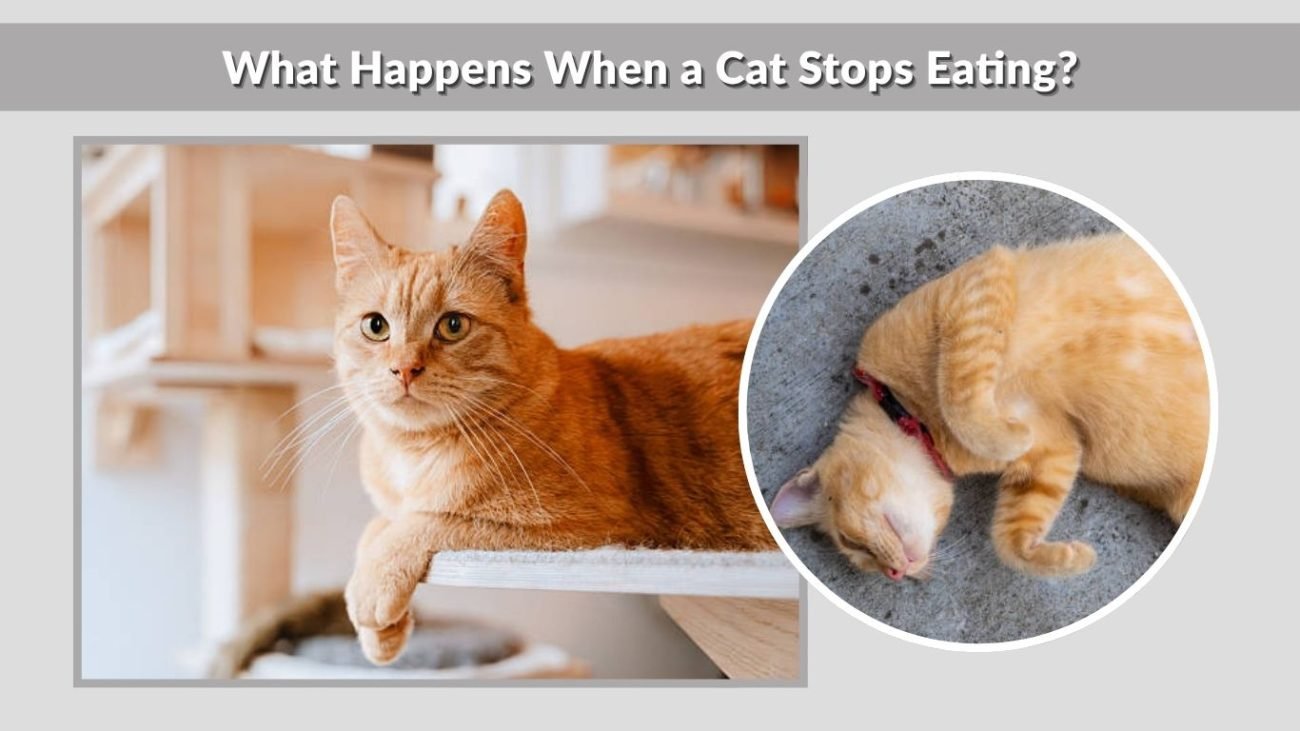
When a cat stops eating, the body goes through several stages that can quickly become dangerous. Unlike humans, cats do not tolerate fasting well.
First 24 Hours Without Food
During the first day, a cat may show mild hunger but also signs like reduced energy or irritability. At this stage, the body begins to use stored energy to function.
2–3 Days Without Food
After two to three days, the body starts breaking down fat for energy. While this might seem normal, it can trigger harmful metabolic changes. Cats begin to lose strength, and dehydration may also become a concern if water intake is reduced.
Risk of Hepatic Lipidosis (Fatty Liver Disease)
One of the biggest dangers is hepatic lipidosis, also known as fatty liver disease. When a cat doesn’t eat, fat is released into the bloodstream and processed by the liver.
However, a cat’s liver is not efficient at handling large amounts of fat, which can cause it to fail. This condition can develop within just a few days and is life-threatening if untreated.
Long-Term Starvation Effects
If a cat continues without food, the damage becomes severe. Muscle loss, organ failure, and immune system breakdown can occur. Eventually, this can lead to death if no intervention is provided.
Timeline of Starvation in Cats (Quick Overview Table)
Understanding the progression can help you act before it’s too late.
| Time Without Food | What Happens | Risk Level |
| 12–24 hours | Mild hunger, slight behavior change | Low |
| 24–48 hours | Weakness, reduced energy | Moderate |
| 2–3 days | Fat breakdown begins, risk increases | High |
| 3–5 days | Risk of fatty liver disease | Very High |
| 1+ week | Severe organ damage | Critical |
Warning Signs Your Cat Is Not Eating Enough
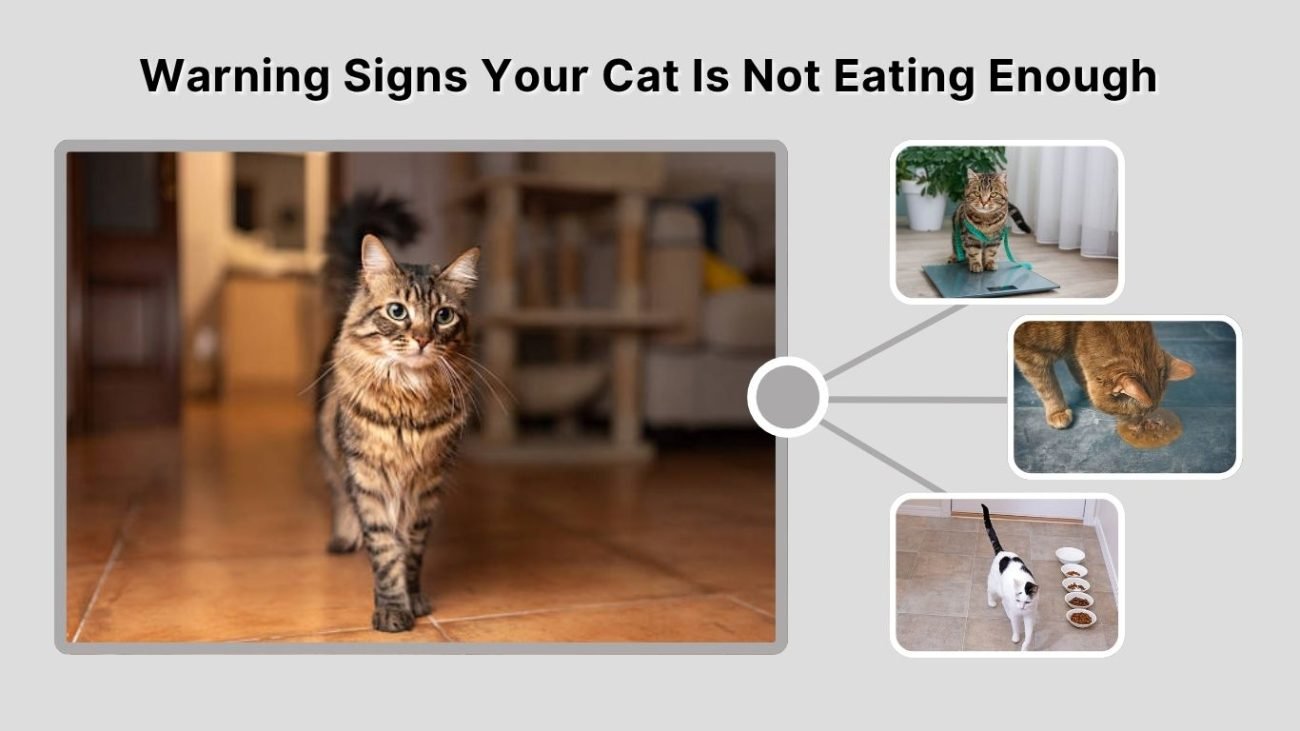
Recognizing early warning signs can prevent serious health problems. Cats often hide illness, so even small changes matter.
Physical Signs
- Noticeable weight loss over a short period
- Vomiting or nausea
- Weakness or difficulty moving
Behavioral Changes
- Hiding more than usual
- Loss of interest in food or treats
- Decreased activity or playfulness
When to Call a Vet
If your cat has not eaten for 24–48 hours, it’s time to contact a veterinarian. Immediate care is necessary if symptoms like vomiting, lethargy, or dehydration appear.
What to Do If Your Cat Stops Eating
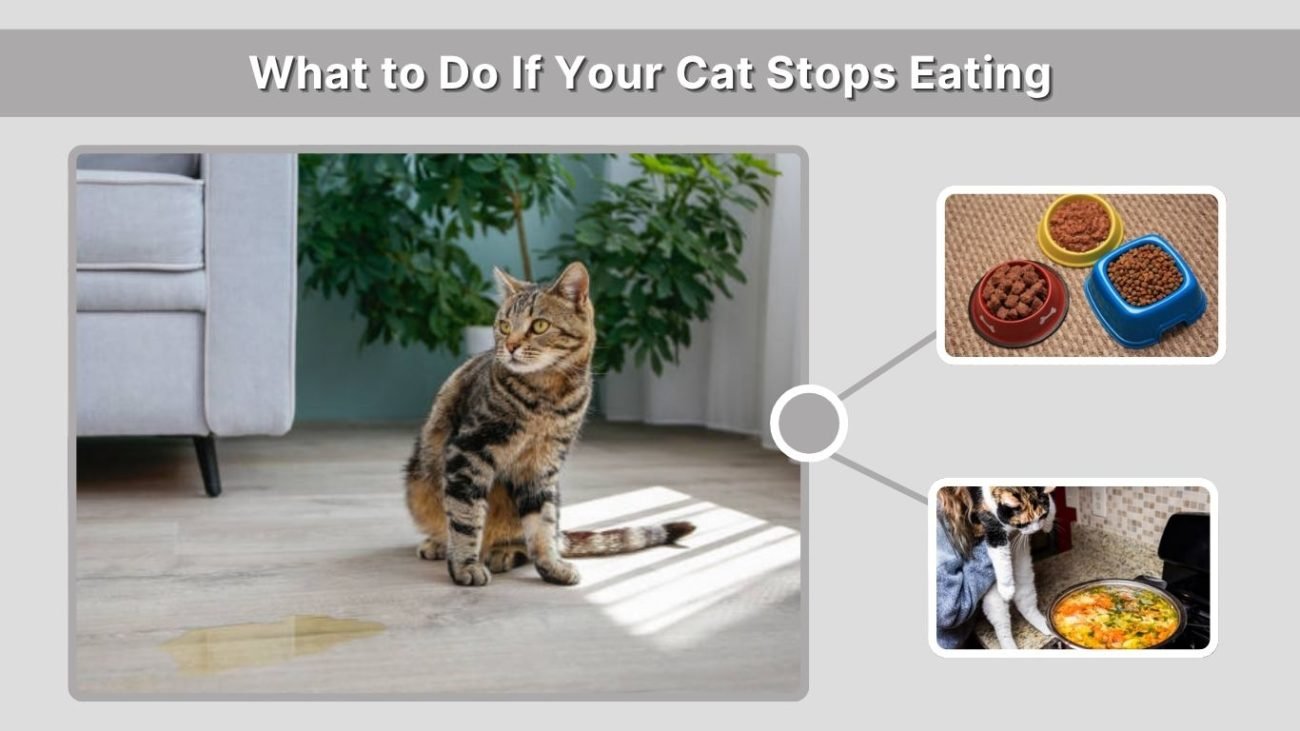
If your cat suddenly refuses food, quick action is important. While some cases are minor, others may signal serious health issues that require immediate care.
Simple Steps to Encourage Eating
- Try offering different types of food, such as wet food instead of dry
- Slightly warm the food to enhance smell and appeal
- Provide a quiet, stress-free feeding environment
Cats rely heavily on smell to stimulate appetite, so even small adjustments can make a difference.
Check for Underlying Issues
Loss of appetite is often a symptom rather than the problem itself. Common causes include:
- Dental pain or mouth injuries
- Stress from changes in environment
- Digestive issues or infections
Observing your cat closely can help identify whether the issue is behavioral or medical.
When Emergency Care Is Needed
If your cat has not eaten for more than 48 hours, or shows signs like vomiting, extreme lethargy, or dehydration, seek veterinary care immediately.
Delaying treatment can lead to complications such as liver disease or severe weakness, which are harder to reverse later.
Special Cases: How Long Can Different Types of Cats Go Without Food
Different types of cats have different tolerances when it comes to fasting. Understanding these differences helps you respond more appropriately.
How Long Can Kittens Go Without Food?
Kittens are highly vulnerable and cannot survive long without food. They may become weak within 12–24 hours, and their condition can deteriorate quickly.
Because they are still growing and have limited energy reserves, even short periods without food can be life-threatening.
How Long Can Sick Cats Go Without Food?
Sick cats often lose their appetite, but this makes their condition worse. They typically cannot go more than 24 hours safely without eating.
Their bodies are already under stress, so a lack of nutrition can speed up recovery failure and lead to serious complications.
How Long Can Outdoor or Feral Cats Go Without Food?
Outdoor or feral cats may survive longer because they can hunt or scavenge. However, this does not guarantee proper nutrition.
Even if they find food occasionally, inconsistent eating can still weaken their immune system and overall health.
FAQs
Can a cat survive 3 days without food?
Yes, a cat can survive three days without food, especially if it has access to water. However, this is already a dangerous stage. By this time, the body begins breaking down fat, increasing the risk of liver disease. Veterinary attention is strongly recommended.
How long can a cat go without food but with water?
With access to water, a cat may survive up to one or two weeks without food. However, serious health problems can begin within just 24–48 hours. Survival does not mean safety, and early intervention is always the best approach.
Is it normal for cats to skip meals?
Occasionally skipping a meal is not uncommon, especially if a cat is stressed or adjusting to changes. However, if your cat refuses food for more than a day or shows other symptoms, it may indicate a health issue that needs attention.
How long can a cat go without eating before liver damage?
Liver damage, specifically hepatic lipidosis, can begin developing after just 2 to 3 days without food. This condition is serious and potentially fatal, making it crucial to address appetite loss as early as possible.
Conclusion
While cats may survive without food for up to two weeks in extreme cases, the reality is far more urgent. Even 24 to 48 hours without eating can lead to serious health risks, especially the development of fatty liver disease.