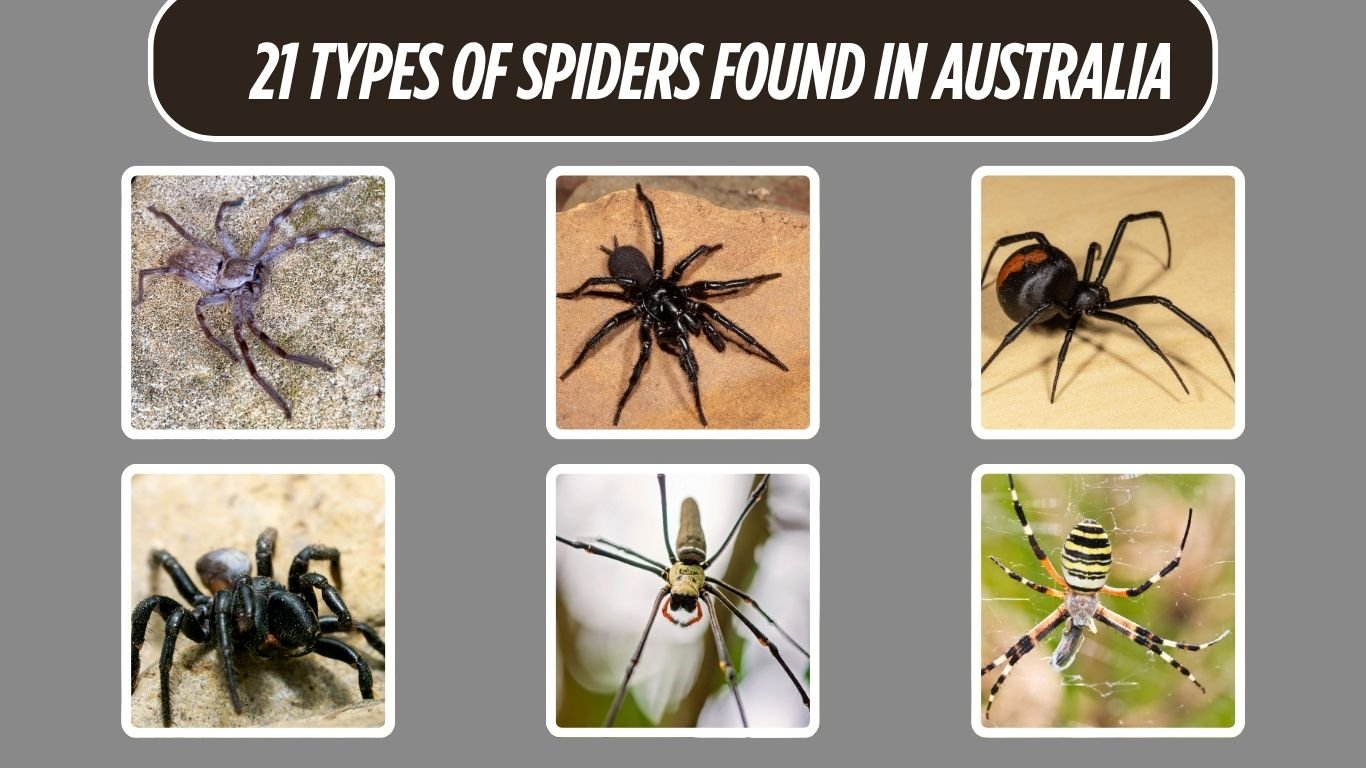
Australia is home to some of the world’s most fascinating and fearsome spiders—ranging from massive Huntsman spiders to the dangerously venomous Sydney Funnel-Web. This guide covers 21 types of Australian spiders, including their appearance, habitat, behavior, venom level, and where they are found across the country. Whether you’re exploring the bush, gardening, or just curious about the spider in your home, this detailed guide will help you identify them accurately.
1. Australian Huntsman Spider

The Australian Huntsman Spider is one of the most iconic and widespread spiders in Australia. Known for its massive leg span, fast movement, and habit of sneaking into homes, this spider often sparks fear—but it’s generally harmless to humans and plays a valuable role in pest control.
Appearance and Size
Huntsman spiders are large, flat-bodied spiders with long legs that can span up to 30 cm (12 inches) in some species. They are typically brown, grey, or black, sometimes with banded legs or fuzzy bodies depending on the species (e.g., Giant Huntsman Spider, Flat Huntsman Spider).
Habitat and Range in Australia
These spiders are common across all of Australia, including Sydney, Queensland, Melbourne, and Perth. You’ll find them:
- Under tree bark
- In sheds and garages
- On ceilings and walls
- Occasionally inside cars and homes
They prefer warm, dry environments and often wander indoors during the spider season in Australia, which typically peaks in spring and summer (September to March).
Behavior and Diet
Despite their intimidating appearance, Huntsman spiders are not aggressive. They rarely bite and will usually try to escape if threatened. They are fast nocturnal hunters, preying on:
- Cockroaches
- Crickets
- Other spiders
- Small geckos and insects
Huntsman spiders do not build webs. Instead, they roam in search of prey, often pausing flat against walls or ceilings.
Are Huntsman Spiders Dangerous?
- Venom: Mild and not medically significant
- Bite Symptoms: Pain, swelling, and mild nausea (very rare)
- Risk Level: Low—they’re more of a scare than a threat
- Benefit: Excellent natural pest control
Identification
- Scientific Family: Sparassidae
- Common Species:
- Heteropoda venatoria
- Delena cancerides (Flat Huntsman)
- Heteropoda venatoria
- Size: Leg span up to 30 cm; body size ~2–5 cm
- Color: Brown, tan, or grey
- Habitat: Bark, ceilings, sheds, cars
- Behavior: Fast-moving, non-web-building, hunts at night
- Lifespan: 2–3 years
2. Sydney Funnel-Web Spider
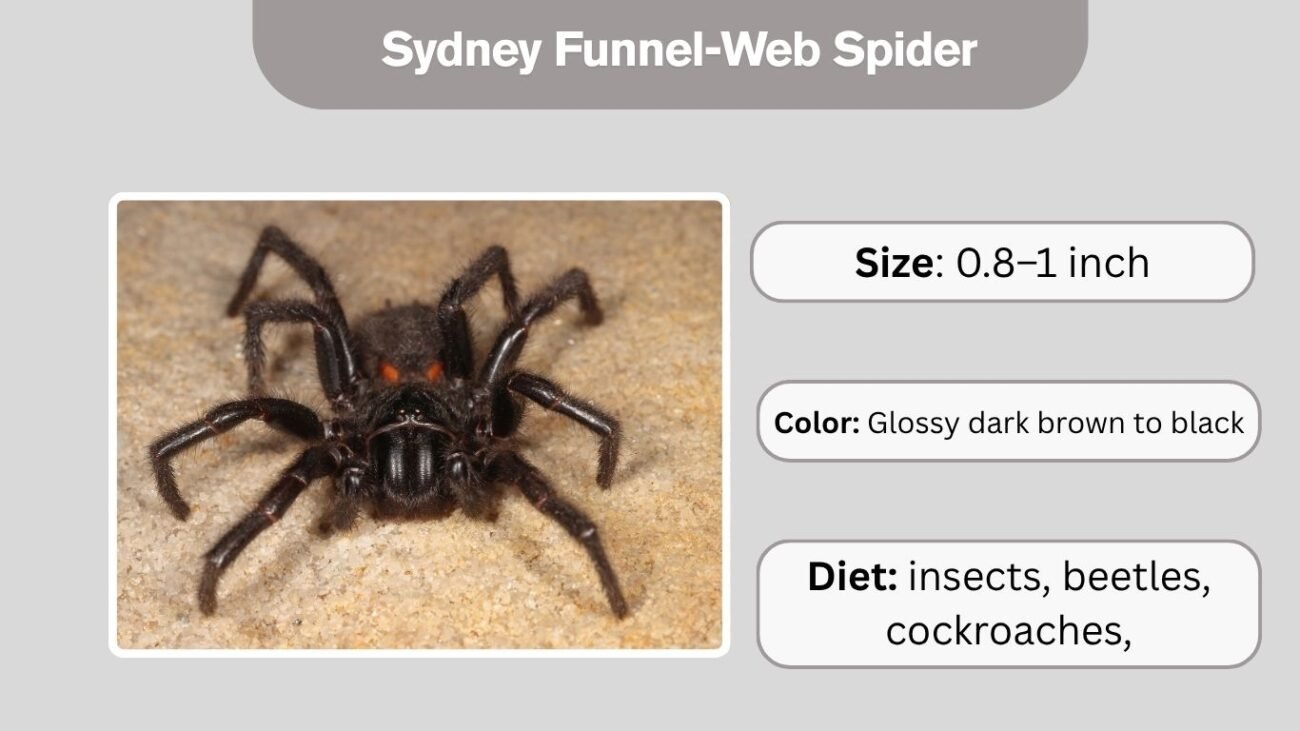
The Sydney Funnel-Web Spider is one of the most dangerous spiders in the world and arguably Australia’s deadliest. Famous for its aggressive behavior and potent venom, it’s a native of the forests, gardens, and suburban areas around Sydney and New South Wales.
Appearance and Size
This spider has a glossy black or dark brown body with a shiny carapace and large fangs capable of piercing fingernails. It looks thick and powerful compared to most other web-building spiders in Australia.
Habitat and Range in Australia
Found mostly in Sydney, Blue Mountains, and surrounding New South Wales areas, this spider lives in cool, moist places such as:
- Under rocks and logs
- In garden beds
- Inside shoes or sheds
- In leaf litter
It constructs funnel-shaped webs with trip lines extending out to detect prey. During hot, wet weather, males often roam into homes—especially during spider season (Nov to March).
Behavior and Danger
The Sydney Funnel-Web Spider is highly defensive. It raises its front legs and exposes its fangs when threatened. Males are more venomous than females and are responsible for most serious bites.
Despite its reputation, thanks to antivenom availability since 1981, no deaths have been reported since.
Identification
- Scientific Name: Atrax robustus
- Size: 1.5 to 5 cm body length
- Color: Glossy black or dark brown
- Fangs: Large, downward-facing, strong enough to pierce fingernails
- Habitat: Moist soil, garden mulch, under rocks, in shoes
- Web: Funnel-shaped burrow with trip lines
- Range: Sydney, Blue Mountains, Central Coast (NSW)
- Venom: Highly venomous; medically significant
3. Redback Spider

The Redback Spider is one of Australia’s most feared household spiders, closely related to the black widow. It’s small, stealthy, and often hides in dry, sheltered spaces around homes and sheds.
Appearance and Size
The female Redback is glossy black with a distinctive red stripe on her back and a bulbous abdomen. Males are smaller, lighter in color, and rarely bite. Juveniles may show white markings along with the red stripe.
Habitat and Range in Australia
Redback Spiders are found across all of Australia, including urban backyards, outdoor toilets, sheds, and under outdoor furniture. They thrive in warm, dry climates and prefer quiet, undisturbed spaces.
Their webs are irregular and messy, usually placed in corners or crevices. They remain hidden during the day and wait upside down in the web to catch prey.
Behavior and Danger
While they’re not aggressive, females can bite if disturbed. Their venom is highly toxic, especially to children or elderly individuals. Symptoms may include pain, sweating, nausea, and muscle weakness.
Antivenom is available, and serious cases are now rare.
Identification
- Scientific Name: Latrodectus hasselti
- Size: Female body 1 cm; males much smaller
- Color: Black with a red or orange dorsal stripe (female)
- Web: Messy, irregular, low-hanging silk structure
- Habitat: Dry, sheltered spaces—sheds, toilets, boxes, rocks
- Range: All Australian states and territories
- Venom: Medically significant, especially in females
4. Mouse Spider

The Mouse Spider is a stocky, ground-dwelling spider native to Australia, known for its powerful fangs and sometimes potent venom. While it looks similar to the funnel-web spider, it’s less aggressive and bites are far less common.
Appearance and Size
Mouse spiders have a shiny, rounded body and strong legs. Females are black and glossy, while males often have bright red or orange markings on their head or jaw area. Their short, thick body gives them a “mouse-like” appearance when moving.
Habitat and Range in Australia
Mouse spiders are found throughout Australia, especially in coastal and inland regions. They dig burrows with trapdoor-like lids and are usually active during the day—unlike most spiders. They’re more commonly seen in spring and after heavy rain, when males wander in search of females.
Preferred environments include:
- Grasslands
- Bushlands
- Gardens
- Forest floors
Behavior and Danger
Though they possess venom similar to the funnel-web spider, mouse spiders rarely cause serious bites in humans. Most cases involve dry bites, and their venom is less efficiently delivered due to shorter fangs.
They are not naturally aggressive and tend to retreat when disturbed.
Identification
- Scientific Name: Missulena spp.
- Size: 1 to 3.5 cm body length
- Color: Females black; males may have red or blue head markings
- Fangs: Strong, downward-pointing
- Habitat: Burrows with trapdoors in bushland and gardens
- Range: Across Australia, especially inland and coastal areas
- Venom: Can be toxic; rare medical concern
5. Black House Spider
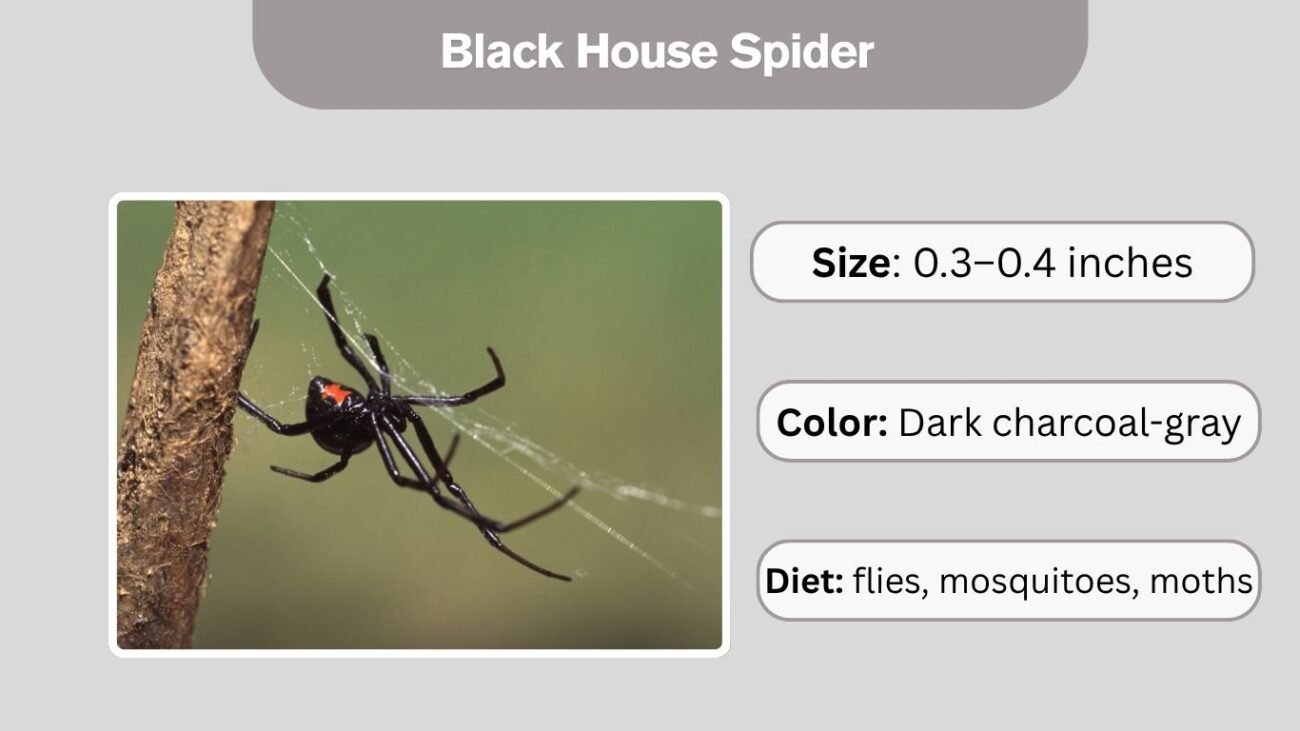
The Black House Spider is a common web-building spider found around homes, especially in window frames, wall crevices, sheds, and garages. Although it looks threatening, it is not dangerous to humans.
Appearance and Size
It has a dark brown to black, velvety body, with a cigar-shaped abdomen covered in gray hairs. The legs are sturdy, giving it a stocky appearance. Webs are often messy and tunnel-like.
Habitat and Range in Australia
Found across all of Australia, this spider thrives in urban and rural environments. It frequently builds webs in:
- Window corners
- Brickwork
- Rock walls
- Tree trunks
They rarely leave their webs and wait for vibrations to strike.
Behavior and Danger
Black House Spiders are shy and rarely bite. When they do, the effects are minor—mild pain, swelling, and nausea. Their webs may look untidy, but they help reduce pests like flies, mosquitoes, and other insects.
They’re active year-round but seen more frequently during spider season.
Identification
- Scientific Name: Badumna insignis
- Size: 1 to 2 cm body length
- Color: Dark brown to black with grayish hairs
- Web: Funnel-shaped or messy sheet with a tubular retreat
- Habitat: Urban walls, windows, tree bark
- Range: Widespread across Australia
- Venom: Low risk; bites are rare and mild
6. White-Tailed Spider

The White-Tailed Spider is a sleek, fast-moving hunter known for its distinct white tip on the abdomen. Often misunderstood and feared, this spider is not deadly, though its bite may occasionally cause skin irritation.
Appearance and Size
White-tailed spiders have a dark reddish-gray body and a clear white or silver spot at the end of their tapered abdomen. Their legs are long and shiny, adapted for speed. Females are larger than males.
Habitat and Range in Australia
They are commonly found across eastern and southern Australia, including Queensland, Victoria, and New South Wales. They hide in:
- Bedding
- Clothing piles
- Towels
- Crevices and wall gaps
- Behind furniture
These spiders are nomadic hunters, not web builders, and are most active at night. They commonly roam indoors, especially during warmer months.
Behavior and Danger
White-tailed spiders feed primarily on other spiders, especially web-building species like black house spiders. Bites may cause mild swelling, itchiness, or blistering, though tissue necrosis claims have been largely debunked by modern studies.
They are not aggressive and usually flee when disturbed.
Identification
- Scientific Name: Lampona spp.
- Size: 1 to 1.8 cm (female body length); males smaller
- Color: Dark gray or reddish with a white tail spot
- Legs: Long, glossy, and dark
- Habitat: Indoors in clothing, linen, and crevices
- Range: Widespread in eastern and southern Australia
- Venom: Mild; may cause localized irritation
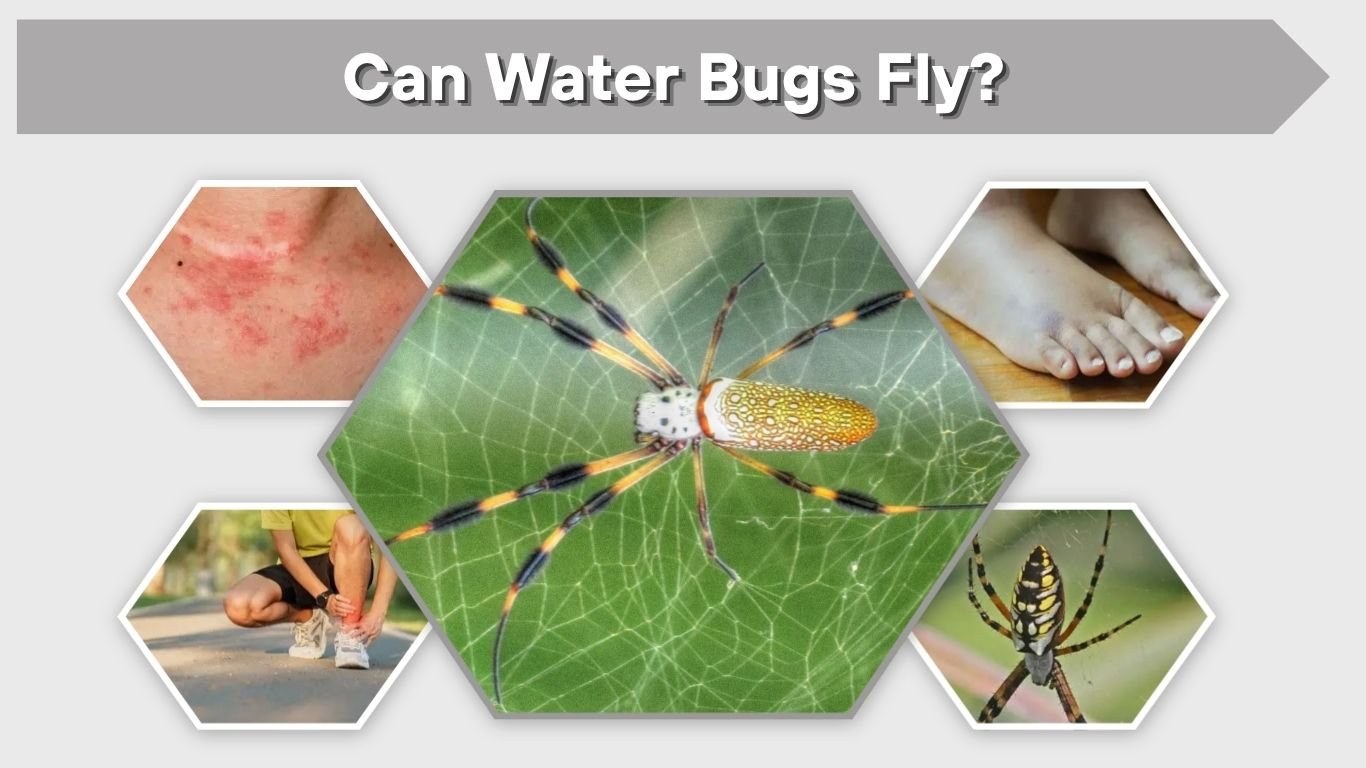
7. Golden Orb-Weaver Spider

The Golden Orb-Weaver is one of the most striking web-builders in Australia, famous for spinning huge, golden-colored webs strong enough to catch small birds or bats. Despite their size, they are harmless to humans.
Appearance and Size
Females are large—up to 5 cm body length and over 15 cm leg span—with bright yellow legs and striped abdomens in hues of gold, black, or red. Males are much smaller and brown.
Their golden silk glistens in sunlight and feels coarse to the touch.
Habitat and Range in Australia
Golden Orb-Weavers are found in woodlands, gardens, and tropical forests across Queensland, New South Wales, Victoria, and Western Australia. They build their webs:
- Between trees or tall shrubs
- On walking paths and forest edges
- Near lights that attract flying insects
They are most active in late summer and autumn, especially in humid areas.
Behavior and Danger
These spiders are passive and non-aggressive. They stay still in their large orb-shaped webs and rarely leave unless disturbed. Bites are extremely rare and cause only mild pain and swelling.
Their webs are crucial to controlling flying insect populations.
Identification
- Scientific Name: Nephila spp.
- Size: Females ~5 cm body; males ~0.5 cm
- Color: Golden-yellow, with striped or patterned abdomen
- Web: Large orb, golden-colored silk
- Habitat: Forests, gardens, pathways
- Range: Widespread—QLD, NSW, VIC, WA
- Venom: Low risk; not medically significant
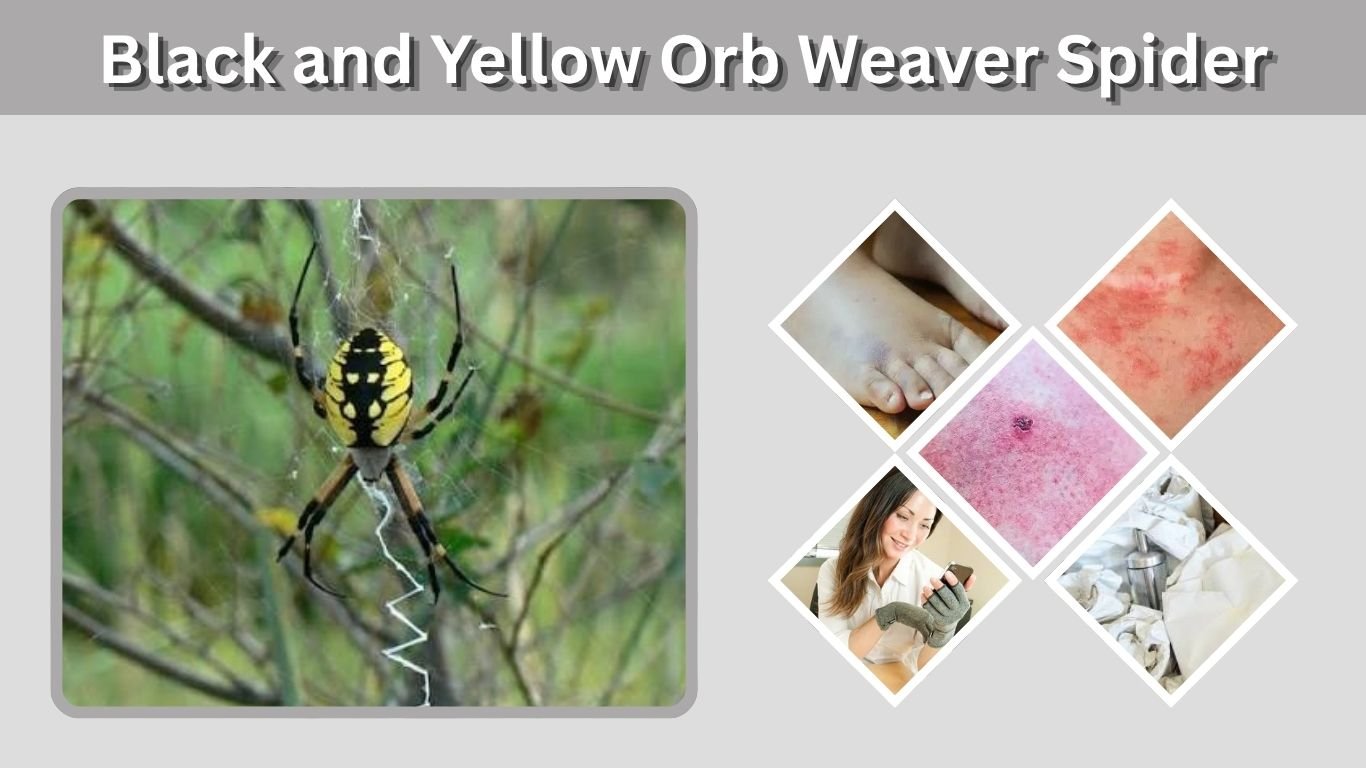
8. St. Andrew’s Cross Spider
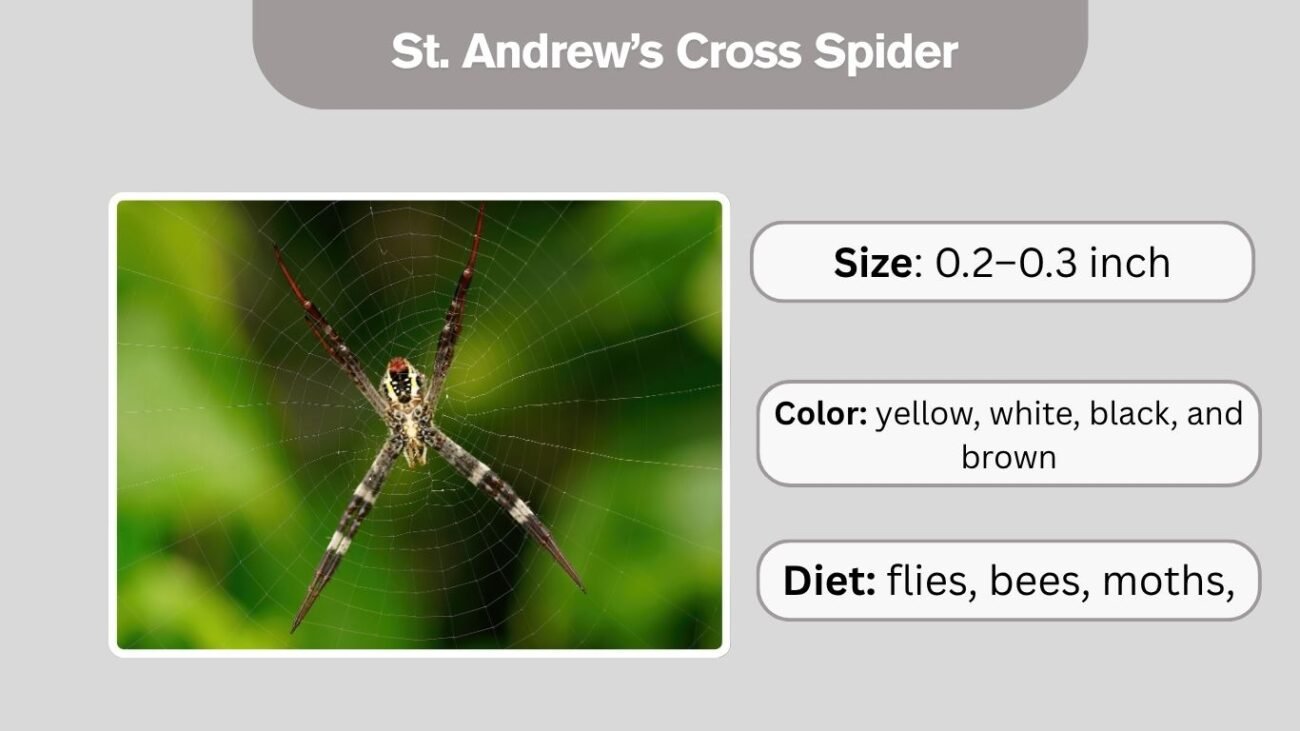
The St. Andrew’s Cross Spider is a beautifully patterned orb-weaving spider named after the distinctive X-shaped cross it weaves into the center of its web. While striking in appearance, it is harmless to humans and plays an important role in controlling flying insects.
Appearance and Size
These spiders have a bright, colorful abdomen with patterns of yellow, white, and black bands. The legs are long and held in pairs, often aligned in an X-shape to mimic the cross. Females are much larger than males.
Habitat and Range in Australia
St. Andrew’s Cross Spiders are found in gardens, shrublands, and forest edges across eastern and southeastern Australia, including New South Wales, Victoria, and Queensland.
They build their webs:
- In sunny spots between shrubs
- Near garden beds
- In parks and bush trails
Their decorated web stabilimenta helps attract prey and may warn off birds and larger animals.
Behavior and Danger
This spider is non-aggressive and rarely bites. If disturbed, it may drop from the web or shake rapidly to deter threats. Bites are rare and result in mild local irritation if they occur.
They are most active in late summer through autumn.
Identification
- Scientific Name: Argiope keyserlingi
- Size: Females ~1.5 cm body; males ~0.5 cm
- Color: Yellow, white, black striped abdomen
- Web: Orb-shaped with white X-cross stabilimenta
- Habitat: Shrubs, gardens, parklands
- Range: Eastern and southeastern Australia
- Venom: Mild; not dangerous to humans
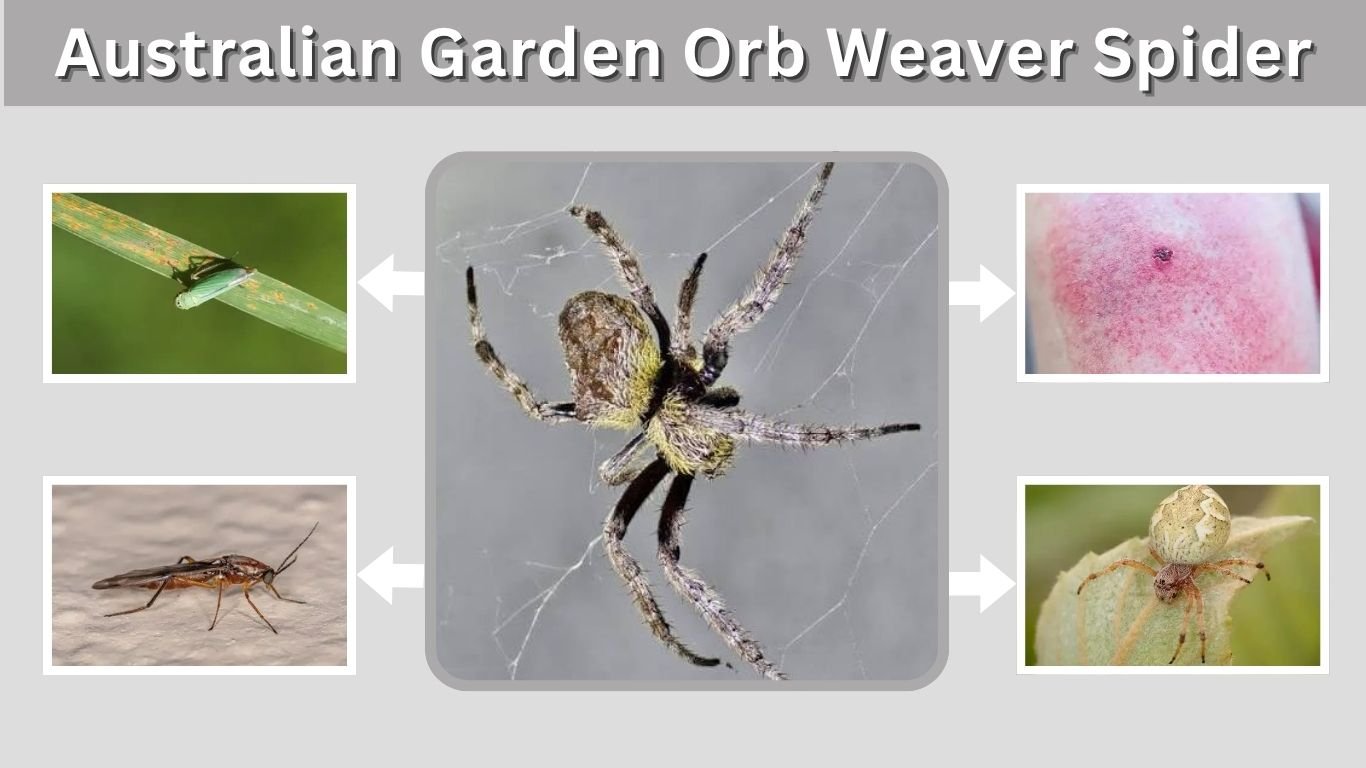
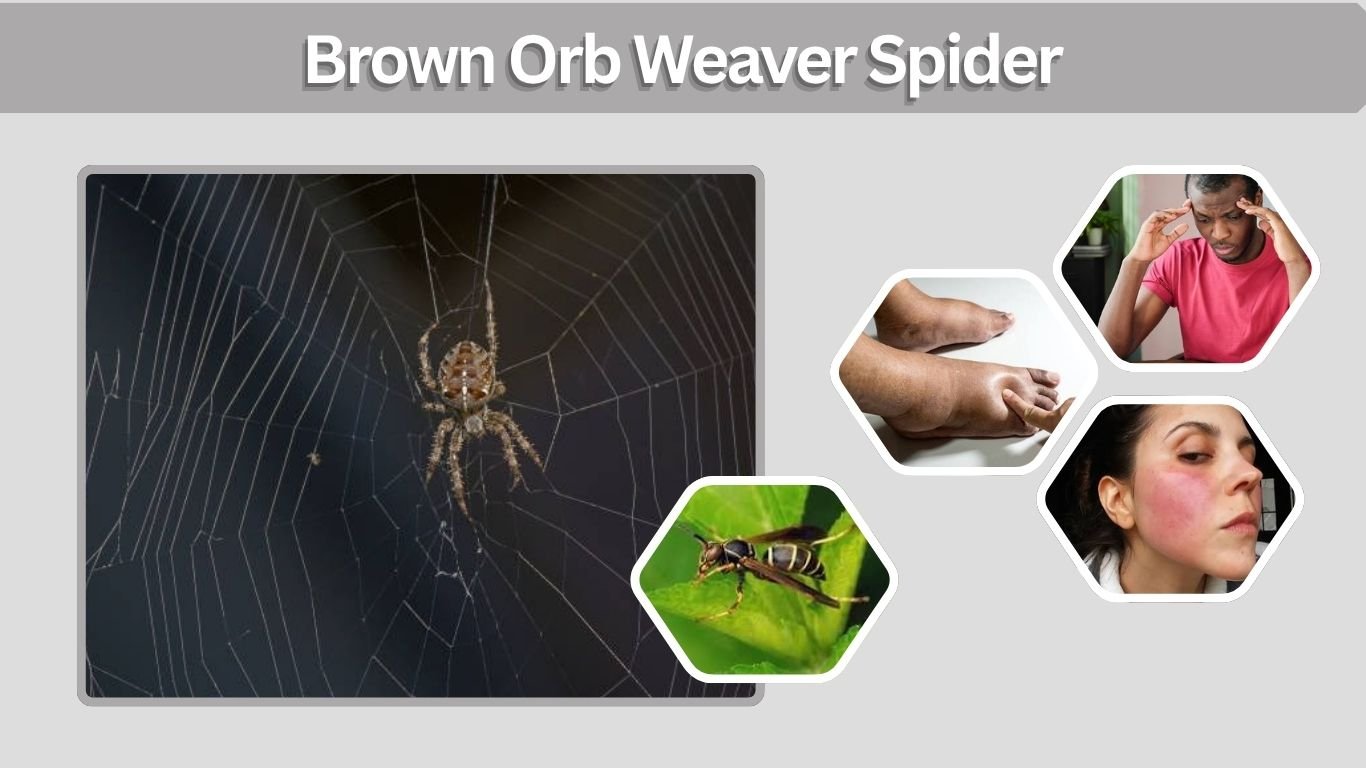
9. Garden Orb-Weaving Spider
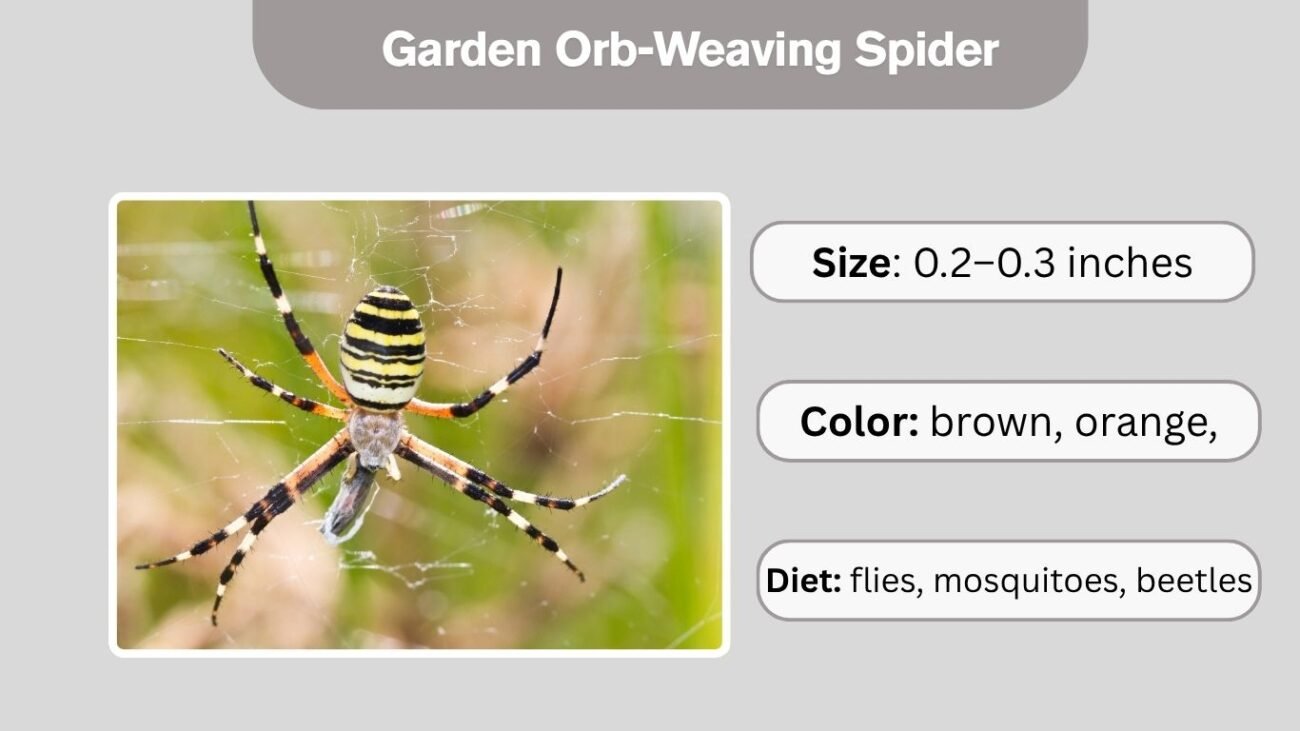
The Garden Orb-Weaver is one of Australia’s most common and easily recognized spiders, known for its large, intricate orb webs and daily rebuilding routine. Although large and intimidating, it is harmless and beneficial.
Appearance and Size
Garden Orb-Weavers have chunky, rounded bodies with variable coloration—typically brown, grey, or reddish-orange, often with leaf-like patterns on the back. Legs are hairy and robust, with small spines.
They rest near the center of their web or retreat to nearby leaves during the day.
Habitat and Range in Australia
Found throughout Australia, especially in suburban gardens, backyards, and bushlands, including:
- Queensland
- New South Wales
- South Australia
- Victoria
They spin large circular webs at night, often across paths, fences, and shrubs. You may walk into one unexpectedly on an evening stroll.
Behavior and Danger
Garden Orb-Weavers are docile and non-aggressive. They bite only if directly provoked. Their bites are harmless, causing mild swelling or redness. They rebuild their webs each evening and consume it at dawn.
They are especially common during spider season in late summer.
Identification
- Scientific Name: Eriophora transmarina
- Size: Body length 1.5 to 3 cm
- Color: Brown, reddish, or grey with patterned abdomen
- Web: Large circular orb built nightly
- Habitat: Gardens, bushes, fences, outdoor corners
- Range: Nationwide (QLD, NSW, SA, VIC, WA)
- Venom: Harmless to humans
10. Crab Spider
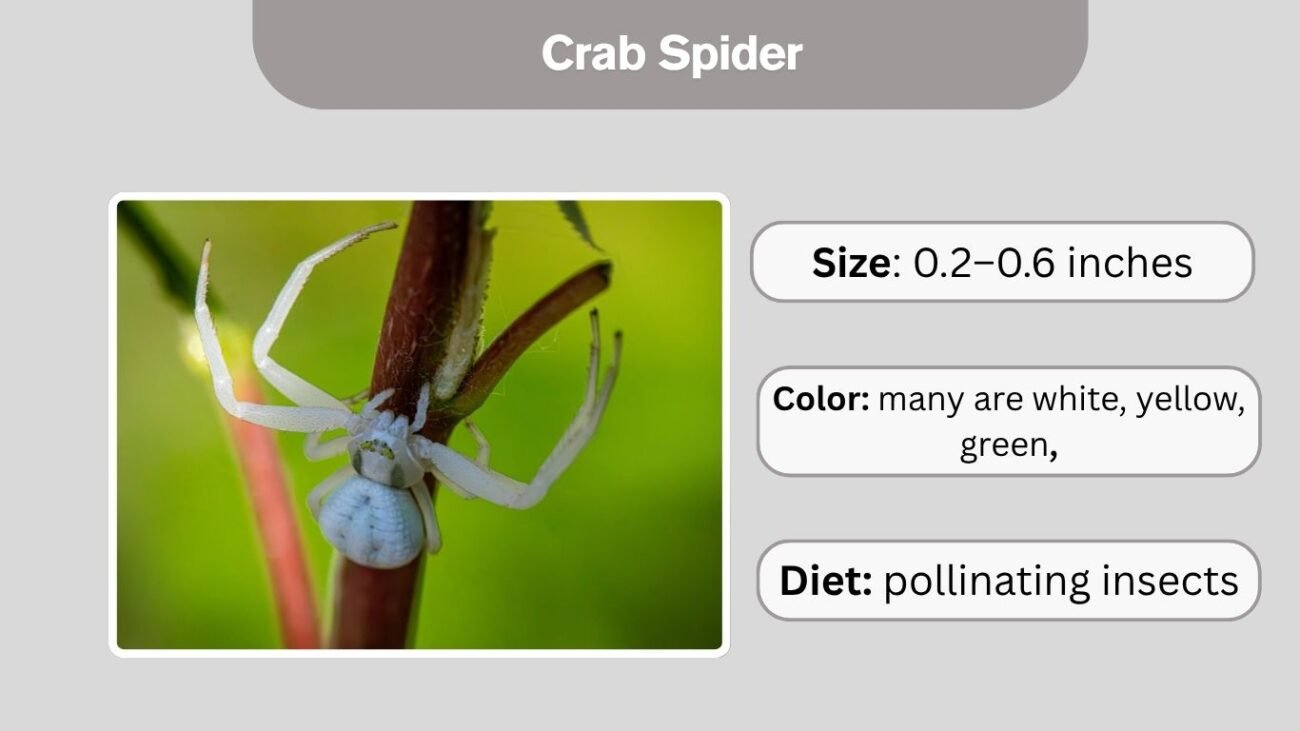
The Crab Spider gets its name from its crab-like appearance and sideways walking style. These spiders are small, camouflaged ambush predators that blend perfectly with flowers and foliage—waiting to grab unsuspecting pollinators.
Appearance and Size
Crab spiders vary in color and body shape depending on the species. Many are white, yellow, or green, and some can change color to match the flower they sit on. Their front legs are long and curved, perfect for grabbing prey.
Habitat and Range in Australia
Crab spiders are found across all of Australia, especially in:
- Flower gardens
- Meadows and bushland
- Forest edges
- Tropical and temperate zones
They do not build webs and are active during the day, especially in spring and summer when flowers bloom.
Behavior and Danger
Crab spiders are non-aggressive and pose no threat to humans. Their venom is effective on insects but harmless to people. They are incredibly effective pollinator hunters, feeding on bees, flies, and butterflies.
They often go unnoticed due to their camouflage.
Identification
- Scientific Family: Thomisidae
- Size: 0.3 to 1.5 cm (body length)
- Color: White, yellow, green, brown (many can change color)
- Legs: First two pairs large and curved sideways
- Habitat: Flowers, shrubs, leaf litter
- Range: Nationwide (all states and territories)
- Venom: Harmless to humans
11. Wolf Spider
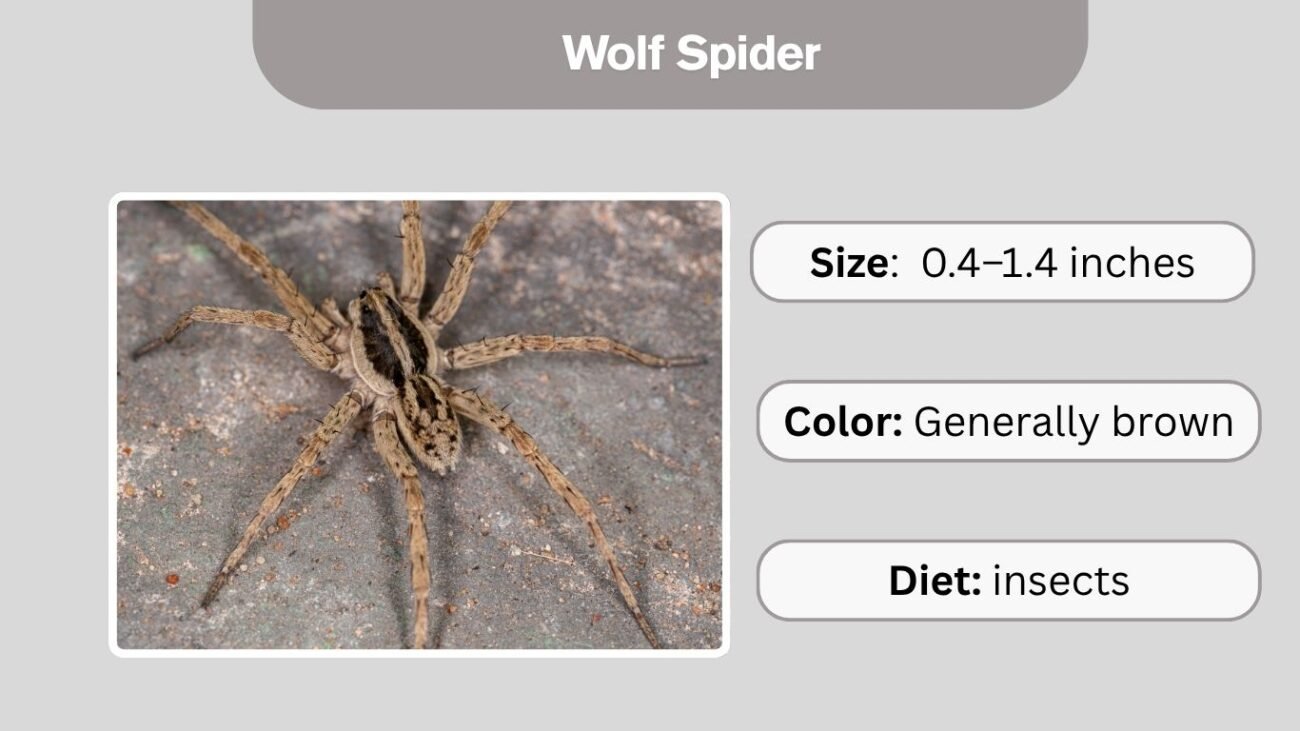
The Wolf Spider is a large, fast-moving hunter found across Australia. Known for their excellent vision and speed, wolf spiders do not spin webs—they chase down their prey. Some females even carry their spiderlings on their backs.
Appearance and Size
Wolf spiders are typically brown, grey, or black, with camouflaged patterns on their hairy bodies. They have eight eyes in three distinct rows and strong, spiny legs adapted for running.
Females are often seen carrying a round egg sac behind them or baby spiders on their abdomen.
Habitat and Range in Australia
Wolf spiders live throughout Australia, especially in:
- Lawns and gardens
- Leaf litter and mulch
- Open forests and fields
- Rural and bushland areas
They build burrows or hide under rocks and debris. You may spot their reflective eyes shining in torchlight at night.
Behavior and Danger
Wolf spiders are solitary and non-aggressive, biting only if threatened. Bites are rare and result in mild pain, swelling, or itching. Their real value lies in their control of pest insects.
They are active mostly at night but can also be seen sunbathing during the day.
Identification
- Scientific Family: Lycosidae
- Size: 1 to 4 cm body length
- Color: Brown, grey, black with camouflage patterns
- Eyes: Eight; prominent middle row
- Habitat: Soil, grass, under rocks and logs
- Range: Found across all regions of Australia
- Venom: Low risk; mild irritation in rare bites
12. Peacock Spider
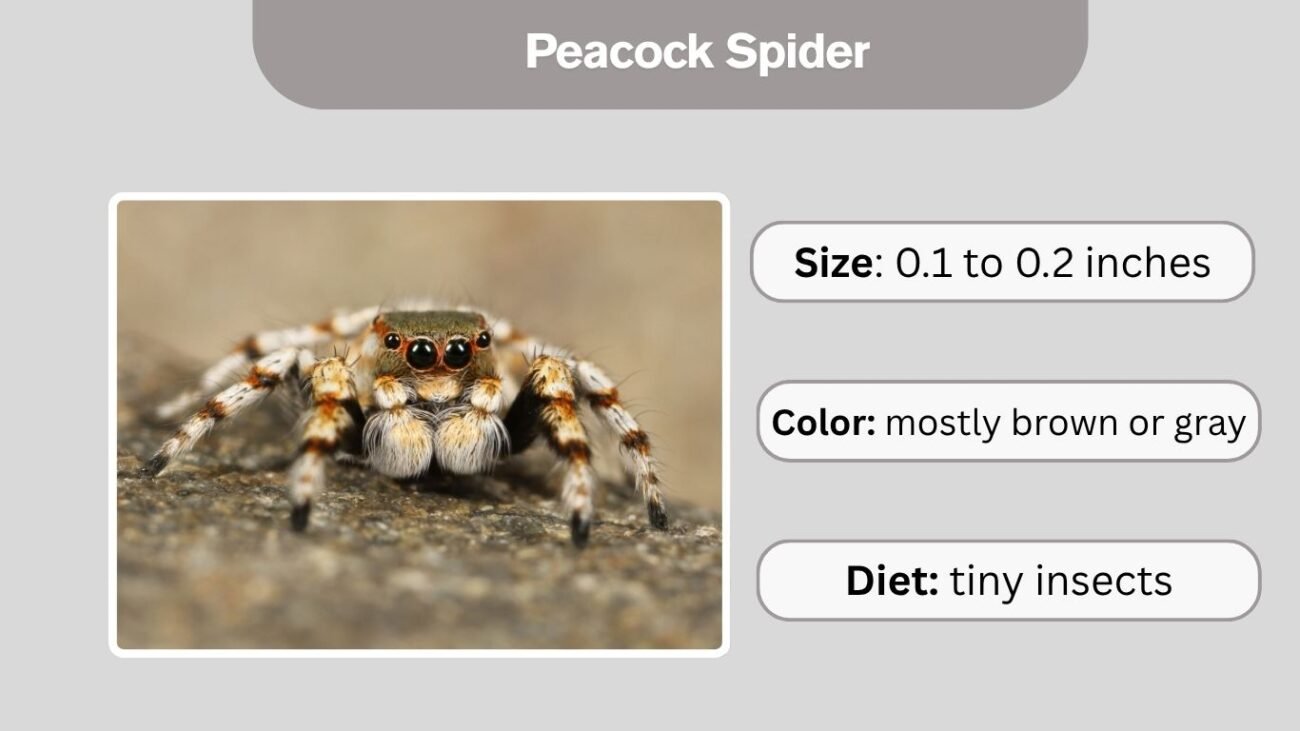
The Peacock Spider is one of Australia’s most beloved arachnids, known for its vibrant colors, fan-like flaps, and fascinating courtship dances. These tiny jumping spiders have gained international fame for their appearance and behavior, especially among nature enthusiasts.
Appearance and Size
Peacock Spiders are tiny—only 3 to 5 mm long, but they display some of the most striking coloration among spiders. Males have iridescent flaps on their abdomen with bright reds, blues, greens, and patterns that resemble a peacock’s tail. Females are duller in color.
Habitat and Range in Australia
These spiders are found mainly in eastern and southern Australia, including:
- Queensland
- New South Wales
- Western Australia (select species)
- South Australia
They live in leaf litter, sand dunes, and low shrubs, preferring dry, open woodland and scrubland.
Behavior and Danger
Peacock Spiders are harmless and non-aggressive. Males perform elaborate dances—raising and waving their colorful flaps while vibrating their legs to attract females. Their courtship behavior is one of the most complex among invertebrates.
They’re active during warm, sunny days, especially in spring.
Identification
- Scientific Genus: Maratus spp.
- Size: 3 to 5 mm (very small)
- Color: Males are multicolored with iridescent patterns; females brown or gray
- Legs: Front legs often raised during dance
- Habitat: Leaf litter, open dry woodlands
- Range: Eastern, southern, and parts of western Australia
- Venom: Harmless to humans
13. Jumping Spider
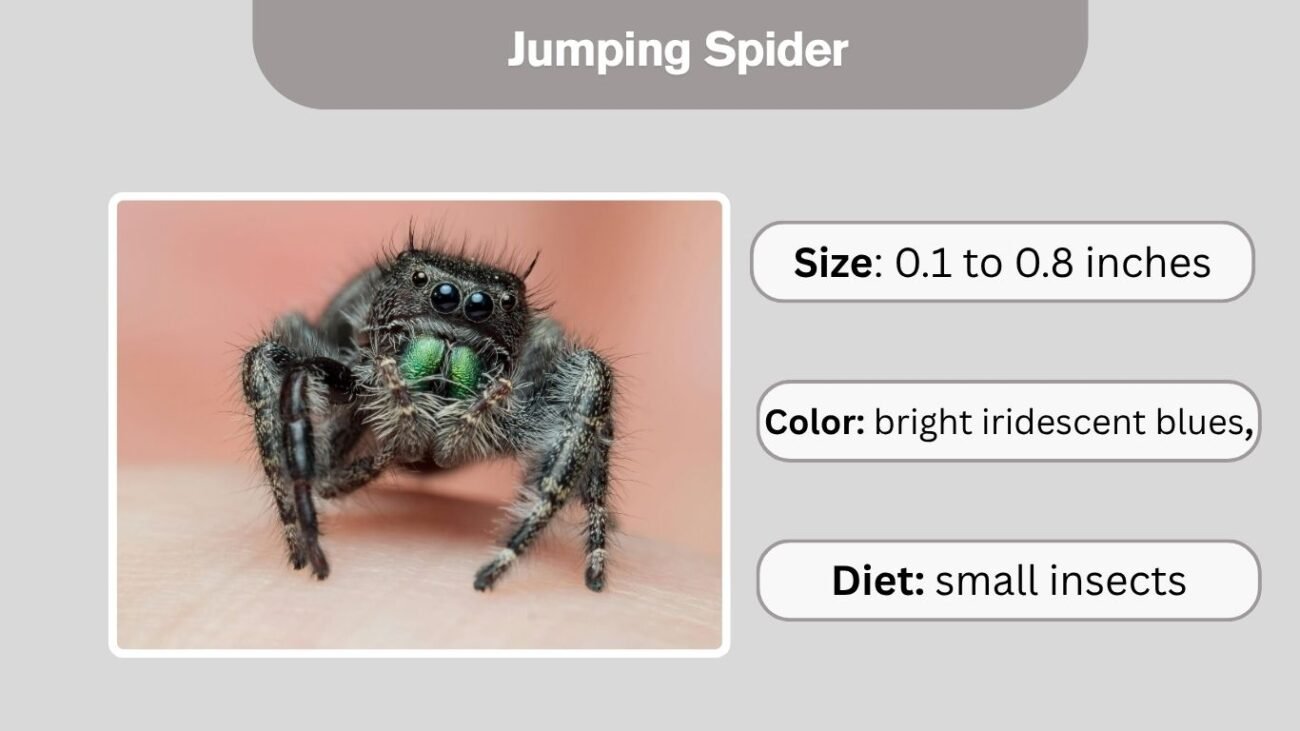
Jumping Spiders are a large and diverse family in Australia known for their incredible vision, jumping ability, and bold behavior. While small in size, they are energetic hunters that don’t spin webs to catch prey—they leap onto it instead.
Appearance and Size
Australian jumping spiders vary in color and markings. Some are plain brown or black, while others, like the green jumping spider or zebra jumping spider, are brightly colored or striped. They have compact bodies, short legs, and large forward-facing eyes that give them excellent vision.
Habitat and Range in Australia
Found nationwide, they inhabit:
- Gardens
- Walls and ceilings
- Window sills
- Forest floors
- Urban parks
They’re most commonly seen during the day as they actively hunt small insects.
Behavior and Danger
Jumping spiders are curious, often turning to look at humans or cameras. They are not aggressive, and their bites are extremely rare and harmless, causing only mild itching if anything.
Their vision and precision jumping help them stalk and pounce on prey.
Identification
- Scientific Family: Salticidae
- Size: 0.5 to 1.5 cm
- Color: Varies—black, brown, green, striped, or iridescent
- Eyes: Four front-facing, four smaller behind (total eight)
- Habitat: Gardens, homes, walls, tree trunks
- Range: Nationwide
- Venom: Harmless to humans
14. Trapdoor Spider
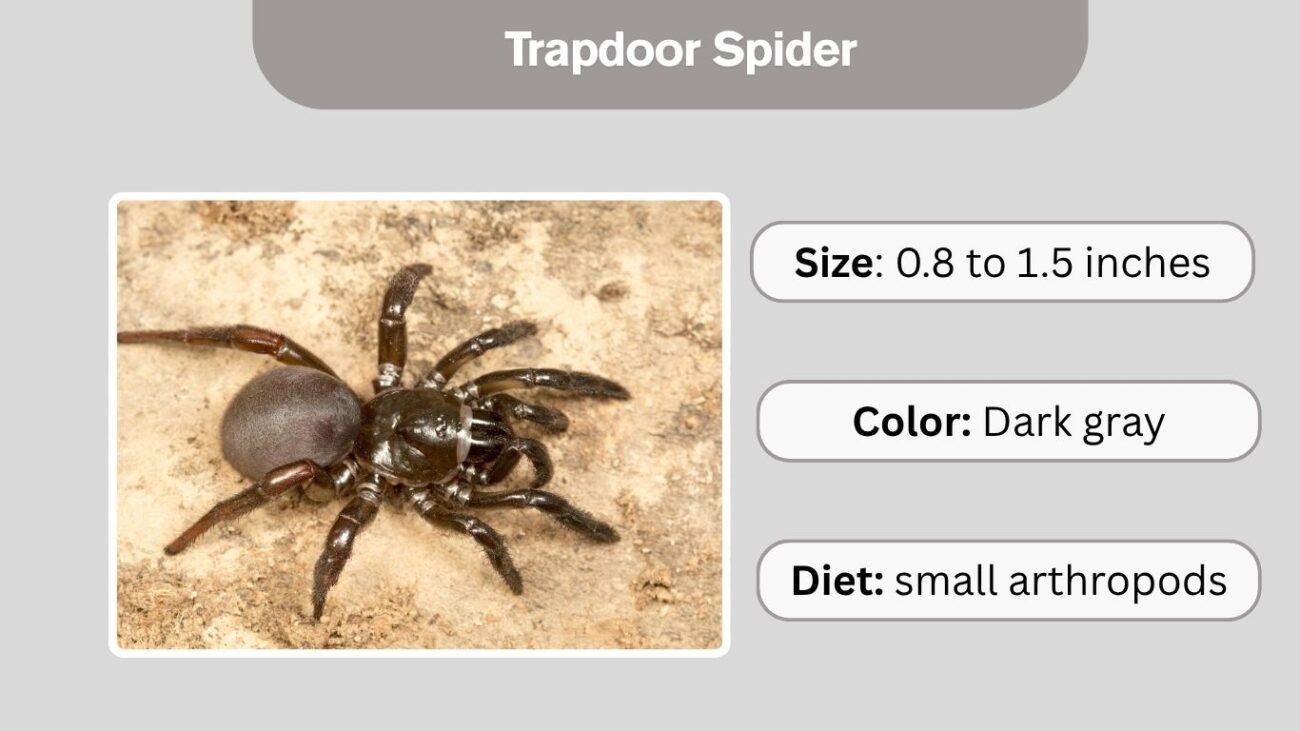
The Trapdoor Spider is a secretive, burrow-dwelling arachnid known for its unique hunting method—it constructs a camouflaged lid or “trapdoor” to ambush prey. These spiders are powerful, fast, and shy, with impressive strength for their size.
Appearance and Size
Trapdoor spiders are stocky and robust, with a shiny black or brown body and strong, spiny legs. They resemble small tarantulas but are usually 2.5 to 4 cm in body length. Their fangs are large and downward-pointing.
They spend most of their life underground, making them rarely seen.
Habitat and Range in Australia
They are found throughout Australia, especially in:
- Forests and woodlands
- Dry grasslands
- Coastal areas
- Hillsides and riverbanks
Trapdoor spiders dig vertical burrows and line them with silk. The lid is created from soil, vegetation, and silk to blend in perfectly with surroundings.
Behavior and Danger
These spiders are ambush hunters—they sit just beneath the door and spring out when prey passes by. They are not aggressive to humans but may bite if provoked. Bites are painful but not dangerous, occasionally causing local swelling.
They are nocturnal and rarely leave the burrow.
Identification
- Scientific Families: Ctenizidae, Idiopidae
- Size: 2.5 to 4 cm
- Color: Shiny dark brown to black
- Web: Silk-lined burrows with a hinged lid
- Habitat: Underground in forests and dry areas
- Range: All Australian states
- Venom: Low risk; painful bite possible
15. Australian Tarantula (Bird-Eating Spider)
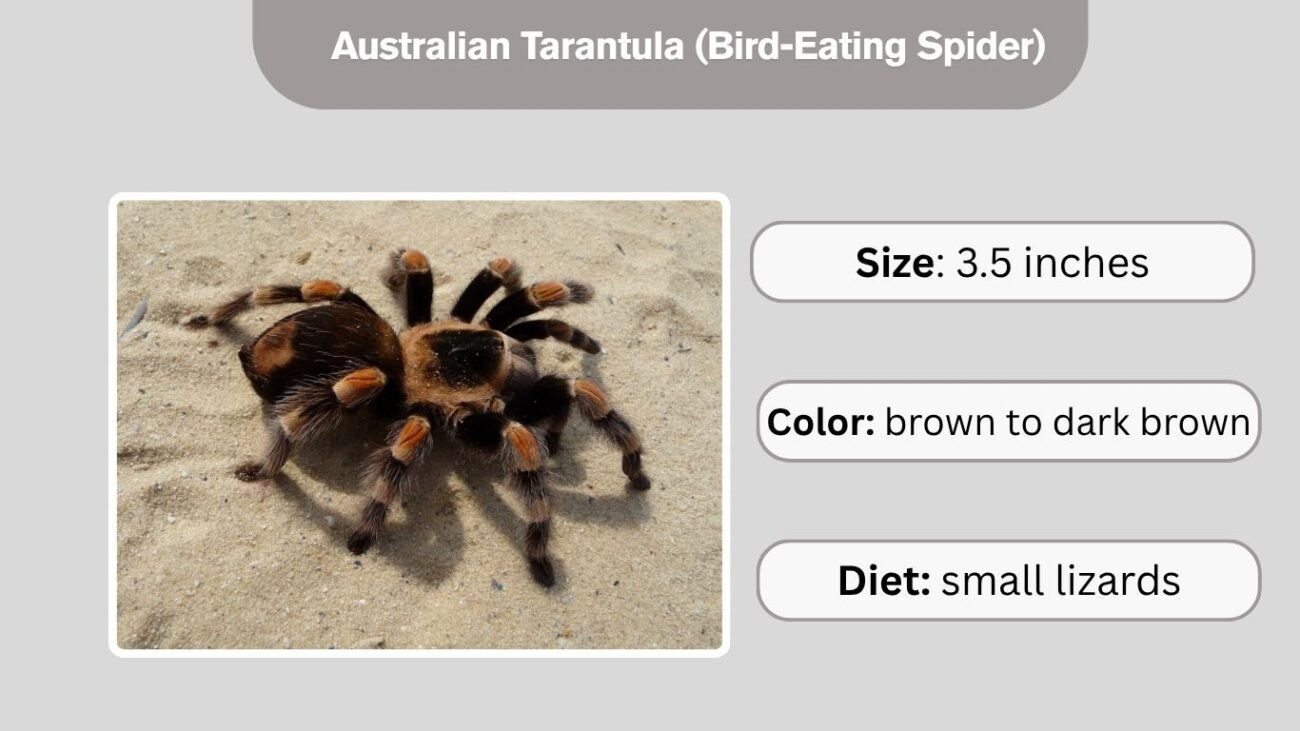
The Australian Tarantula, also known as the Bird-Eating Spider, is one of the largest and most powerful spiders in Australia. Despite the dramatic nickname, they rarely eat birds and typically prey on insects, frogs, and small reptiles.
Appearance and Size
These tarantulas are hairy, thick-bodied, and can have a leg span up to 16 cm. They are typically dark brown to reddish, with pronounced fangs and robust legs. Juveniles are lighter in color.
They are slow movers but extremely strong, with powerful jaws capable of delivering deep bites.
Habitat and Range in Australia
Found mainly in Queensland, Northern Territory, and Western Australia, these spiders prefer:
- Tropical and arid regions
- Underground burrows
- Woodlands and savannas
They construct deep burrows (up to 1 meter) and may plug the entrance with silk or soil.
Behavior and Danger
Australian tarantulas are shy and nocturnal, emerging at night to hunt. Bites are painful and may cause nausea or vomiting, though they are not deadly to humans. Their venom can kill dogs or small mammals, so pet owners should be cautious.
They hiss when threatened by rubbing their legs together.
Identification
- Scientific Genera: Selenocosmia, Coremiocnemis
- Size: Up to 6 cm body, 16 cm leg span
- Color: Brown, red-brown, or greyish
- Legs: Thick, hairy, and powerful
- Habitat: Burrows in tropical forests and savannahs
- Range: QLD, WA, NT
- Venom: Strong; dangerous to pets, mild in humans
16. Redback Spider
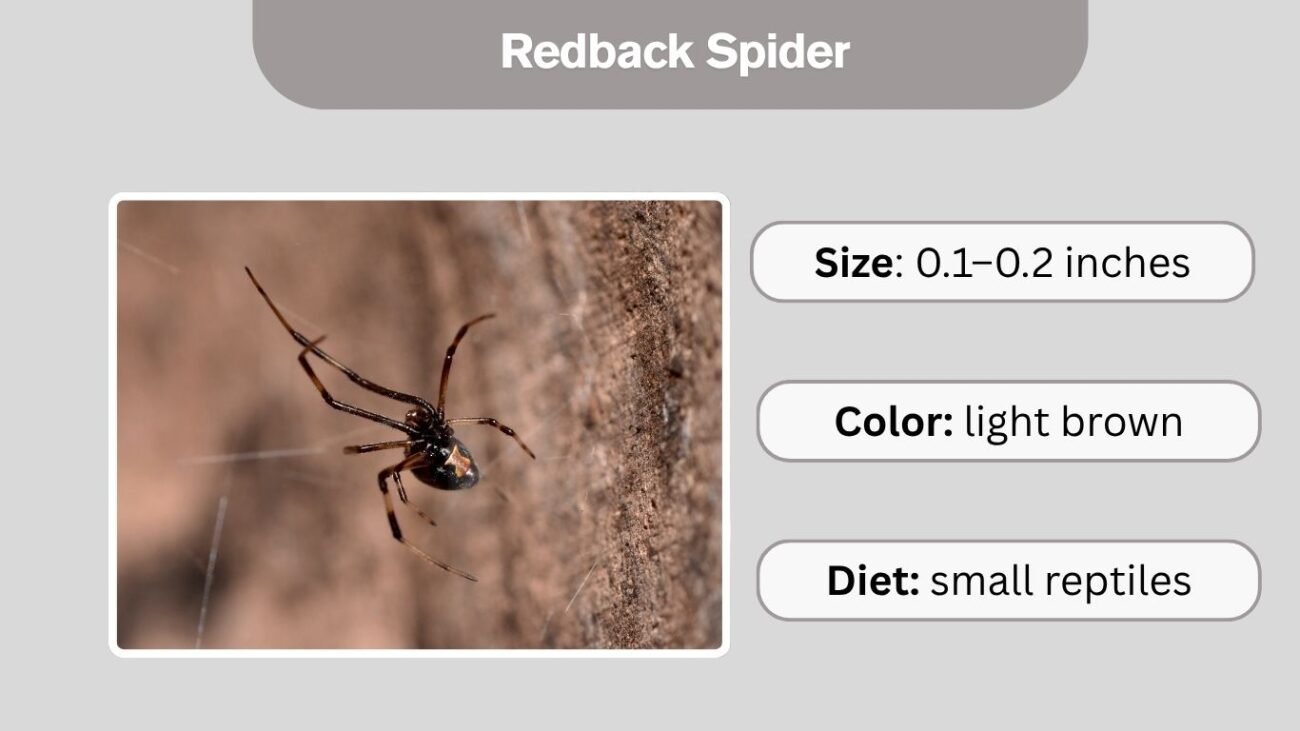
The Redback Spider is one of Australia’s most iconic and feared arachnids due to its potent venom and distinctive red stripe. Despite its reputation, deaths are extremely rare thanks to the development of an effective antivenom.
Appearance and Size
Redbacks are small black spiders, with females growing up to 1 cm in body length. The female has a shiny black body with a vivid red or orange stripe on the back. Males are much smaller and rarely seen.
Their messy webs are usually built in dry, sheltered locations.
Habitat and Range in Australia
Redbacks are found throughout all of Australia, including:
- Urban and suburban areas
- Garden sheds and mailboxes
- Under outdoor furniture
- Inside shoes, tires, or garages
They thrive in warm climates and prefer undisturbed, dry spaces.
Behavior and Danger
Females are territorial and venomous. Bites can cause intense pain, sweating, nausea, and muscle weakness. While bites are serious, antivenom has made fatalities virtually nonexistent since the 1950s.
They are not aggressive and bite only when disturbed.
Identification
- Scientific Name: Latrodectus hasselti
- Size: Female up to 1 cm, males 3–4 mm
- Color: Glossy black with red or orange dorsal stripe
- Web: Irregular, tangled in corners or crevices
- Habitat: Dry, dark places in urban and bushland areas
- Range: All of Australia
- Venom: Highly venomous; dangerous to humans
17. Sydney Funnel-Web Spider
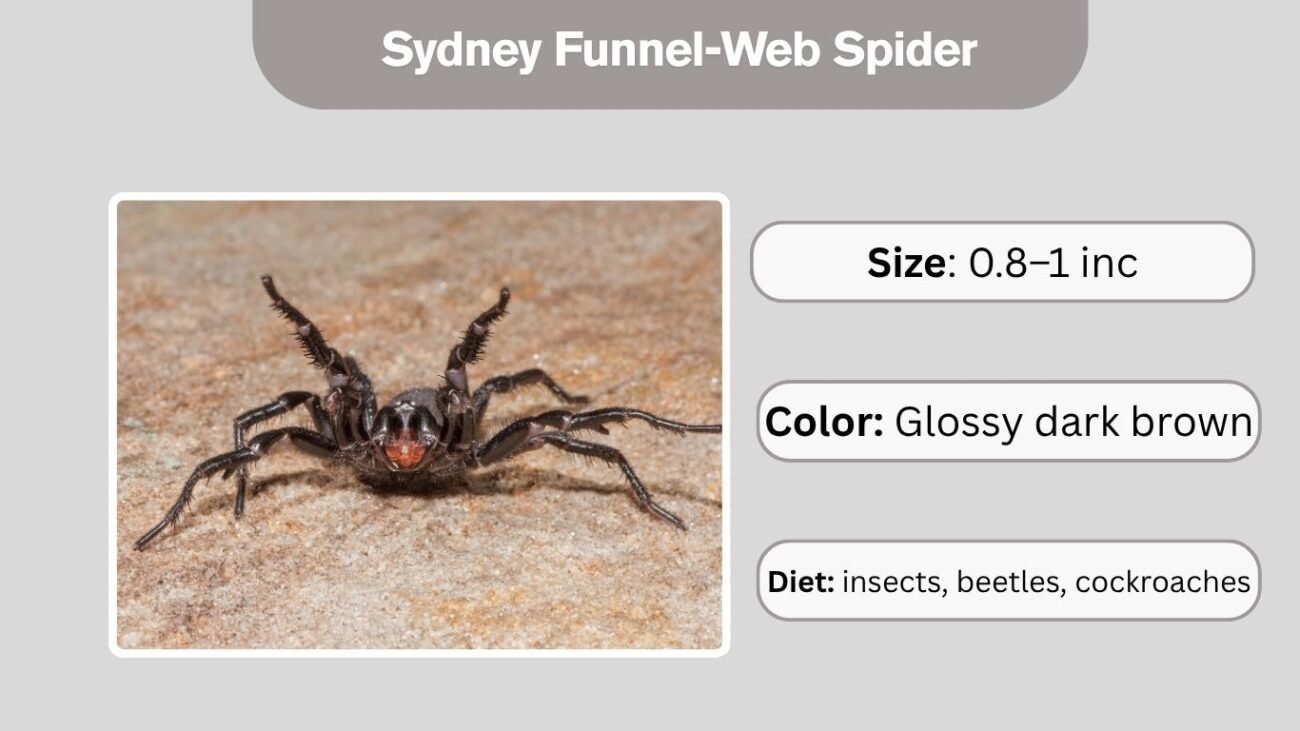
The Sydney Funnel-Web Spider is considered one of the most dangerous spiders in the world, with fast-acting venom that can be fatal if untreated. Native to the Sydney region, this spider has caused several medical emergencies over the decades.
Appearance and Size
These spiders are medium to large, measuring 1.5 to 5 cm in body length. They are glossy black or dark brown, with large fangs and a shiny carapace. Their legs are thick and hairy.
They are often confused with trapdoor spiders but are more aggressive and venomous.
Habitat and Range in Australia
Primarily found in New South Wales, especially in:
- Sydney and surrounding areas
- Coastal and forested zones
- Moist gardens, under rocks, and logs
- Suburban yards during wet weather
They build funnel-shaped webs with trip lines around the entrance.
Behavior and Danger
The Sydney Funnel-Web is aggressive when threatened and has a fast-acting venom. Males are more dangerous, especially during mating season in summer, when they roam into homes.
Bites can be fatal if not treated, but antivenom is widely available, and no deaths have occurred since its introduction in 1981.
Identification
- Scientific Name: Atrax robustus
- Size: 1.5 to 5 cm body length
- Color: Glossy black or dark brown
- Web: Silk funnel with trip lines
- Habitat: Moist soil, garden beds, forested areas
- Range: Eastern NSW, especially around Sydney
- Venom: Extremely venomous; medical emergency
18. Mouse Spider
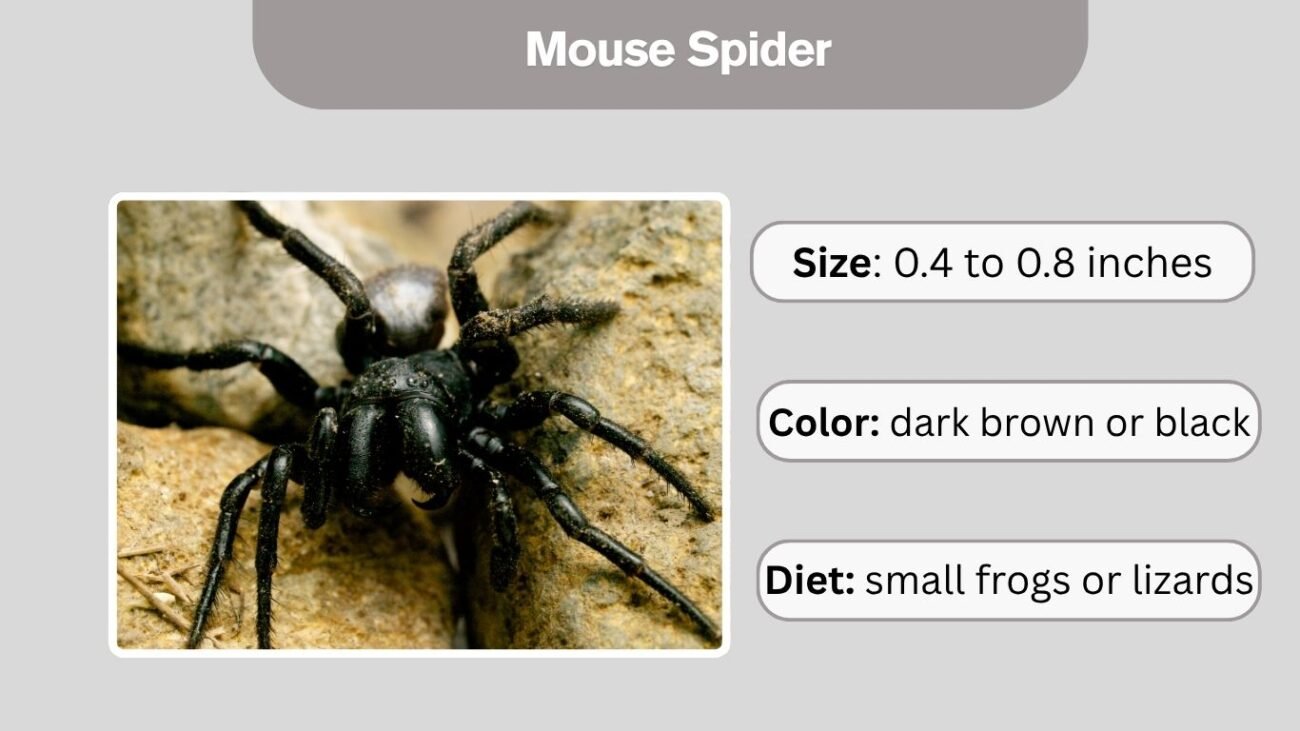
The Mouse Spider is a ground-dwelling spider with a burly appearance and potent venom. While not as infamous as the funnel-web, some Mouse Spider species are believed to carry venom of similar toxicity—though serious bites are rare due to their less aggressive nature.
Appearance and Size
Mouse spiders are stocky and glossy, with a body size of 1 to 3.5 cm. Males often display bright red heads or jaws, while females are uniformly dark brown to black. Their fangs are large and powerful, and their body resembles that of a small mouse—hence the name.
Habitat and Range in Australia
Mouse spiders are found across mainland Australia, especially in:
- Bushlands and woodlands
- Gardens and grassy areas
- Near water sources
- Beneath logs and rocks
They construct deep burrows, often with a lid or silk flap similar to trapdoor spiders.
Behavior and Danger
Despite their venomous reputation, Mouse Spiders are generally docile and rarely bite. Their venom is potentially as toxic as the Sydney funnel-web’s, but they rarely inject large amounts. Antivenom for funnel-web bites is also effective for Mouse Spider envenomation.
They may emerge during rainy seasons or mating periods in warmer months.
Identification
- Scientific Genus: Missulena
- Size: 1–3.5 cm
- Color: Females black; males often with red jaws or head
- Legs: Short and strong
- Habitat: Burrows in soil, logs, or grass
- Range: Widespread across Australia
- Venom: Potentially dangerous; very few serious cases
19. White-Tailed Spider
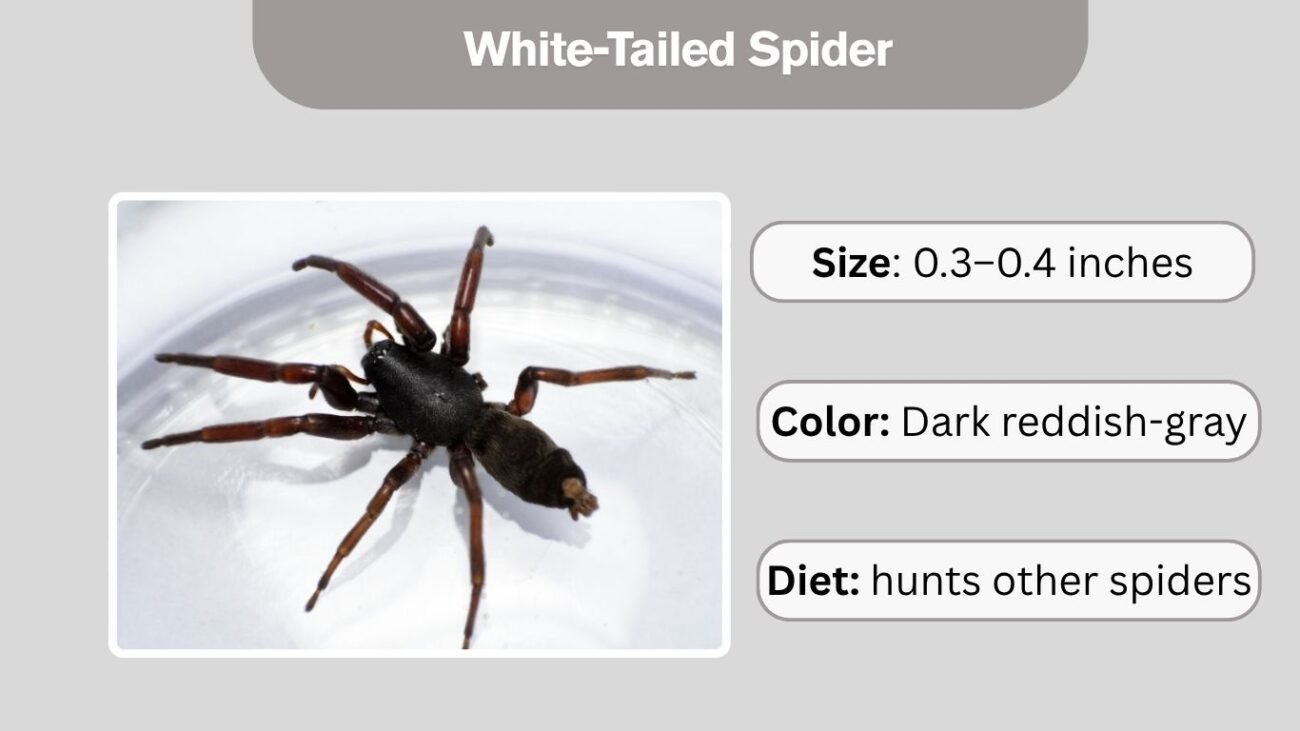
The White-Tailed Spider is a slim-bodied predator best known for its white-tipped abdomen and urban encounters. It doesn’t build webs but hunts other spiders—especially black house spiders. Though often blamed for causing ulcers, modern studies show this is mostly a myth.
Appearance and Size
These spiders have a dark reddish-gray body, measuring 1 to 2 cm in length. They are slim, with banded legs and a distinct white spot at the tip of the abdomen, sometimes with a second spot on the back.
They are active hunters rather than web-builders.
Habitat and Range in Australia
White-tailed spiders are common in urban environments and found in:
- Homes (especially bedrooms and bathrooms)
- Under bedding, clothes, and towels
- Beneath bark and rocks
- Sheds and basements
They prefer cool, moist environments and are frequently found indoors during warmer months.
Behavior and Danger
White-tailed spiders are not aggressive, but bites can occur when they’re trapped against skin (e.g., in clothes or bed sheets). The bite can cause localized pain, swelling, or itching. Necrosis is rare and not scientifically linked to their venom.
They are mostly nocturnal and prey on other spiders.
Identification
- Scientific Name: Lampona cylindrata / Lampona murina
- Size: 1–2 cm body length
- Color: Dark gray-brown with white spot on tail
- Legs: Long, banded
- Habitat: Indoors, under objects, or leaf litter
- Range: Widespread throughout Australia
- Venom: Mild; usually not serious
20. Golden Orb-Weaving Spider
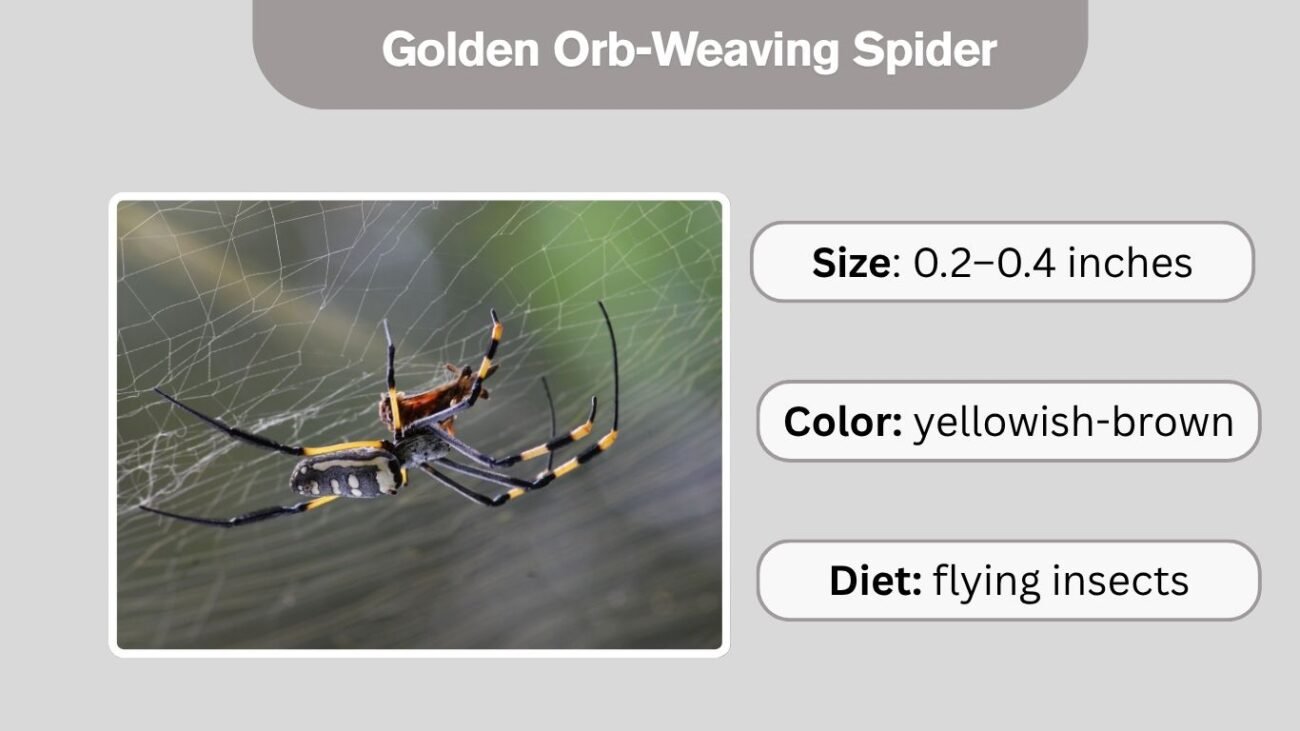
The Golden Orb-Weaving Spider is a spectacular arachnid known for its giant golden webs and elegant body. While large and intimidating in appearance, these spiders are not aggressive and bites are rarely serious. They’re a favorite among photographers due to their web’s golden shimmer in sunlight.
Appearance and Size
Golden orb-weavers are large and colorful, with females reaching body lengths of 2.5 to 4.5 cm and leg spans over 10 cm. They typically have:
- A long, cylindrical body
- Yellow markings
- Dark, spindly legs with joints that may appear reddish or orange
Males are much smaller and usually cling near the female’s web edge.
Habitat and Range in Australia
They are widespread across eastern and northern Australia, including:
- Queensland
- New South Wales
- Northern Territory
You’ll find them in:
- Bushlands and forests
- Gardens and backyards
- Near trails and open clearings
They build large, strong vertical orb webs between trees, sometimes across walking paths.
Behavior and Danger
Golden orb-weavers are not aggressive. Bites are rare and usually occur when someone disturbs the web. Symptoms may include local pain, redness, and mild swelling.
They are beneficial spiders, feeding on large insects and even small birds or bats (rare cases).
Identification
- Scientific Genus: Nephila
- Size: Female 2.5–4.5 cm body; males ~0.5 cm
- Color: Yellowish, golden, or reddish markings
- Web: Large golden-hued orb web
- Habitat: Gardens, forests, bushlands
- Range: QLD, NSW, NT
- Venom: Mild; medically insignificant
21. Black House Spider
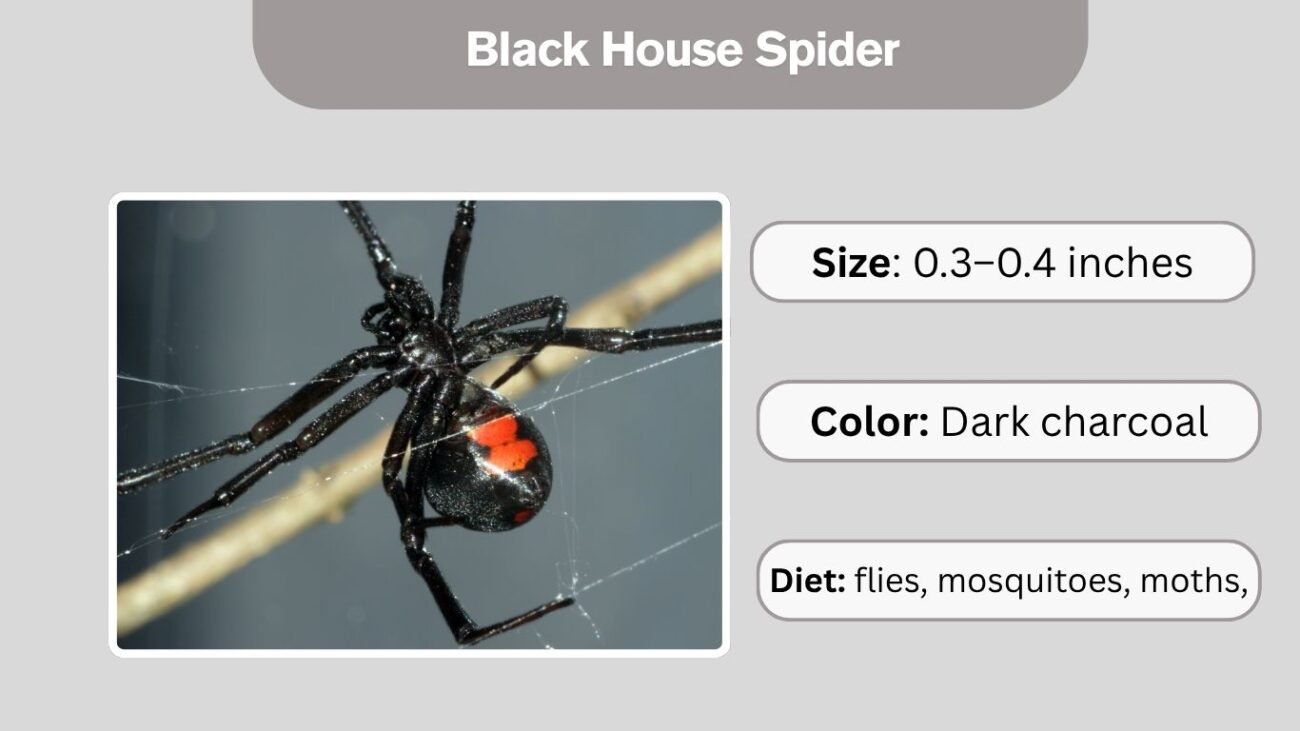
The Black House Spider is a common Australian spider found around windows, sheds, walls, and tree trunks. Though their webs can look messy and abandoned, they are active hunters, and their bites, while painful, are rarely dangerous.
Appearance and Size
These spiders are dark and stocky, with females reaching up to 1.8 cm in body length. Features include:
- Dark grey to black color
- Velvety appearance
- Thick, short legs
Males are smaller and lighter in color.
Habitat and Range in Australia
They are native to Australia and can be found:
- In urban and suburban homes
- Around windows, eaves, and fences
- Under bark and rocks
- Inside sheds, garages, and tree hollows
They prefer dry environments and construct funnel-like webs with a central retreat.
Behavior and Danger
Black house spiders are reclusive and bite only when provoked. Their bite can cause:
- Local pain and swelling
- Itching or discomfort
- Rarely nausea or dizziness
They are not considered dangerous, and symptoms subside within hours or days.
Identification
- Scientific Name: Badumna insignis
- Size: Females up to 1.8 cm; males smaller
- Color: Dark grey to black with velvety body
- Web: Messy funnel-shaped webs with a retreat
- Habitat: Houses, trees, rock crevices
- Range: Throughout Australia
Venom: Mild; not dangerous