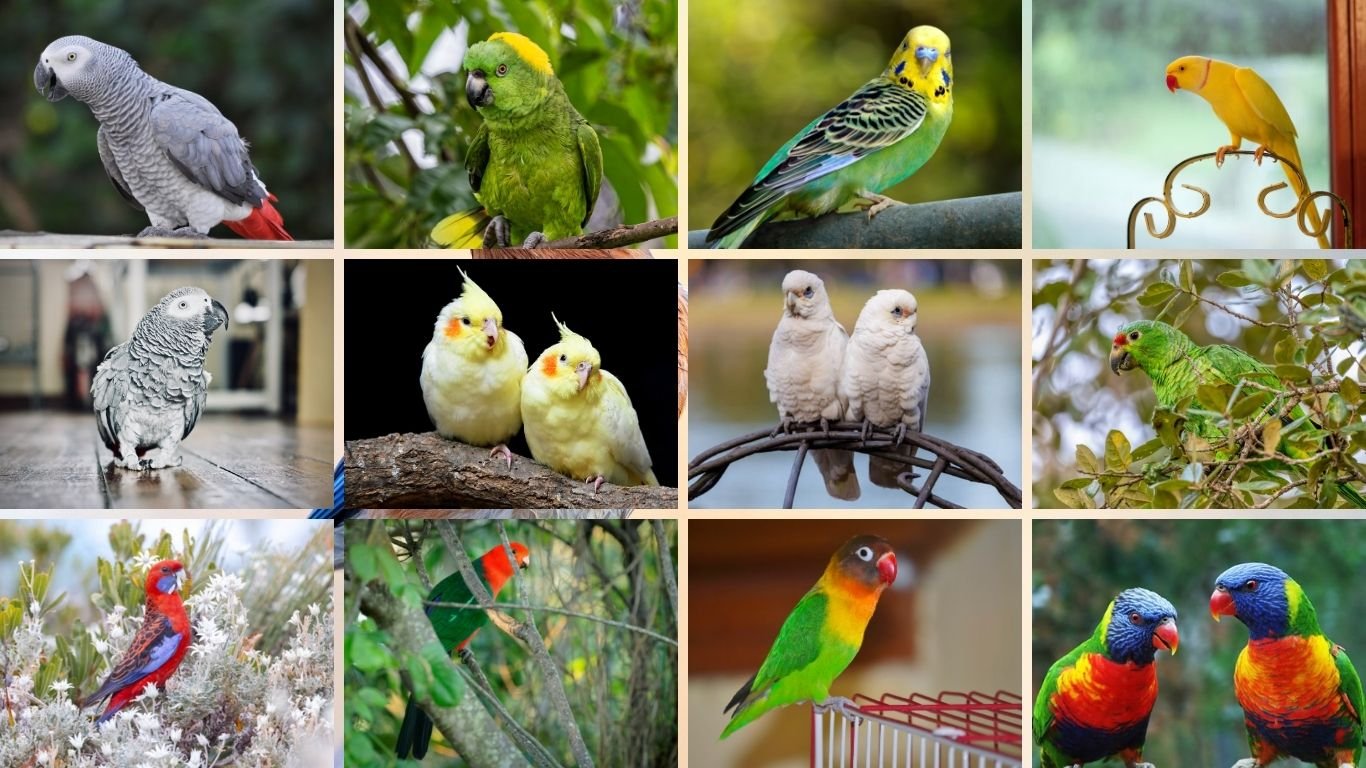
Some birds don’t just sing—they talk! From the intelligent African Grey to the playful Budgie, many bird species can mimic human speech with surprising clarity. Whether you’re fascinated by birds that speak full sentences or simply want a feathered companion who says “hello,” this list covers the top 17 talking birds. Each one has its own unique personality, vocal style, and learning ability.
1. African Grey Parrot
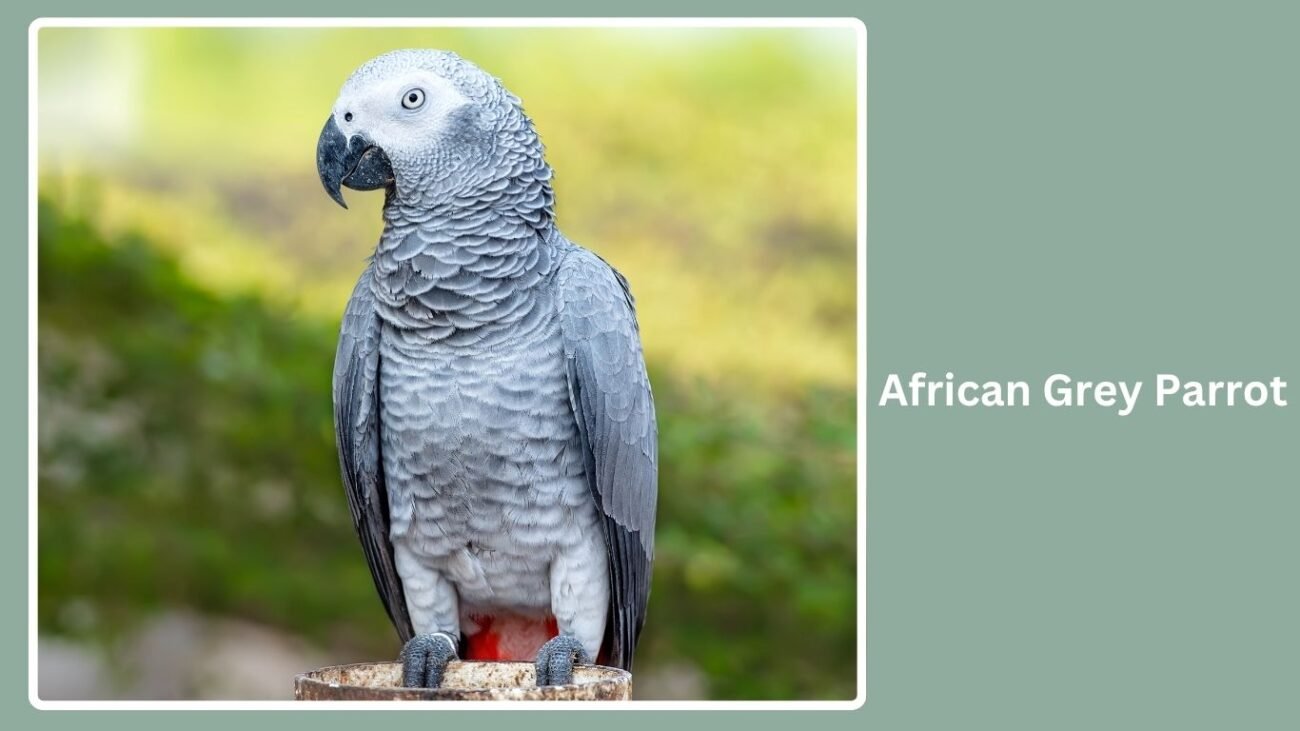
African Grey Parrots are widely regarded as the most intelligent talking birds in the world. Their ability to mimic human speech with exceptional clarity and understanding sets them apart from other species. Native to the rainforests of West and Central Africa, these parrots are often a top choice for bird enthusiasts who want a highly vocal and interactive companion.
Why African Greys Are Top Talkers
- Exceptional memory and cognitive skills
- Can mimic not just words, but tone and context
- Known to use words meaningfully
- Capable of learning over 1,000 words
How They Develop Language Skills
African Greys don’t just repeat what they hear—they often associate words with objects, people, and actions. They thrive in environments where they are spoken to regularly and treated as part of the family. Social interaction and emotional bonding play a major role in how well they pick up speech.
When to Start Teaching Them to Talk
The ideal age to begin talking practice is between 4 to 12 months. While some African Greys might start mimicking sounds as early as 3 months, consistent training and exposure during their first year help develop a stronger vocabulary foundation.
How Clear Is Their Speech?
African Greys are famous for their clear, human-like pronunciation. Their vocal tone can closely resemble the person they mimic. Some even replicate background sounds or household noises with astonishing precision, including doorbells, alarms, and phone rings.
Encouraging Better Talking Habits
To enhance their talking ability:
- Speak clearly and consistently
- Use positive reinforcement when they mimic accurately
- Play recordings or videos with repetitive words
- Make conversations a daily routine
- Limit background noise during training sessions
2. Yellow-Naped Amazon
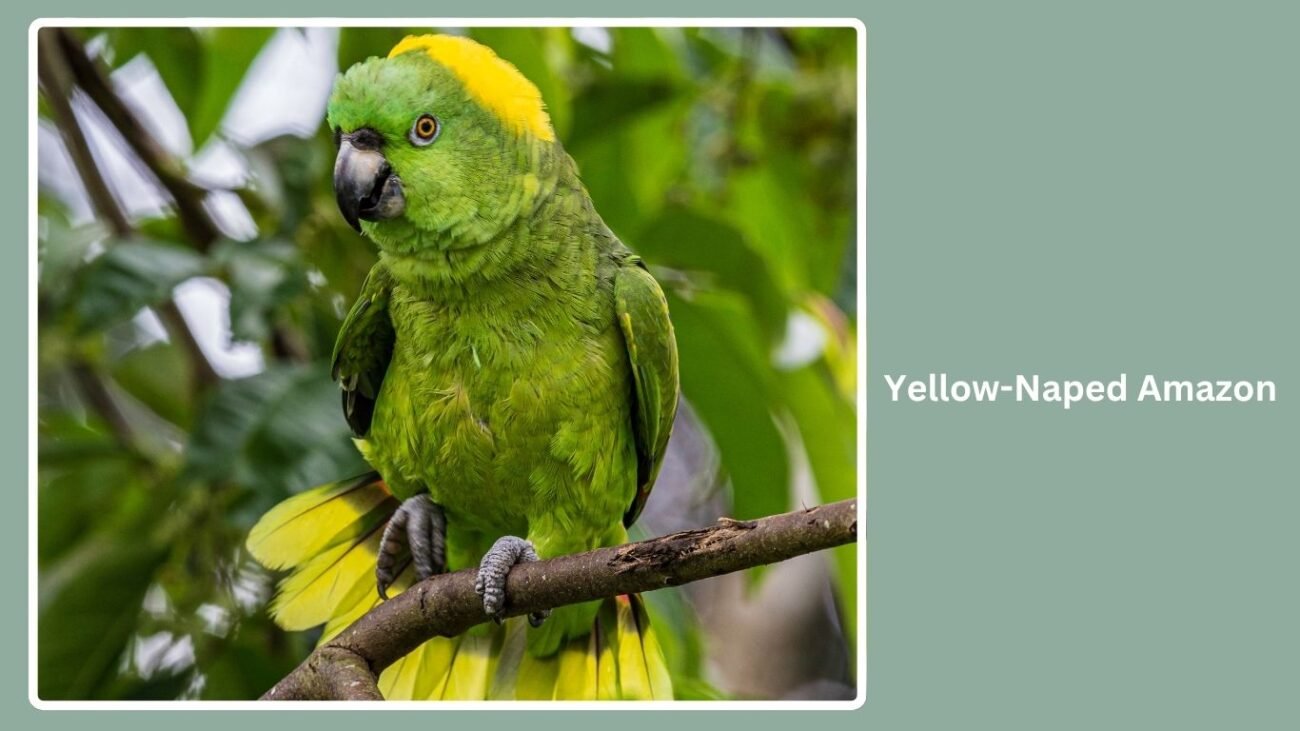
Yellow-Naped Amazons are celebrated for their strong vocal skills and social personalities. Native to Central America, they quickly form bonds with their owners and love to engage in conversations. Their energetic nature, paired with a talent for mimicry, makes them one of the most entertaining talking birds.
Why Yellow-Naped Amazons Are Vocal Stars
- Can sing entire songs
- Mimic voices with impressive inflection
- Learn to speak in emotional tones
- Excellent at repeating short phrases and dialogues
How They Develop Speech Naturally
These birds are social learners. They mimic speech by listening and observing the tone, rhythm, and body language of humans. Daily interaction and repetition are key to helping them expand their vocabulary and emotional tone.
Ideal Talking Age
They typically begin trying to talk between 6 months to 1 year. However, their full vocal talent shines between ages 1 to 3, especially when trained consistently in a quiet and interactive environment.
Speech Quality and Mimicry
Yellow-Naped Amazons are capable of sounding like different members of the household. They often mimic with rhythm, laughter, and even emotional inflection, making them highly entertaining and believable speakers.
Talking Tips for Yellow-Napes
- Use enthusiastic tone and facial expressions
- Reward talking attempts with treats
- Repeat the same words at set times of day
- Create a daily routine of “talk time”
- Avoid teaching bad or aggressive words
3. Budgerigar (Budgie)
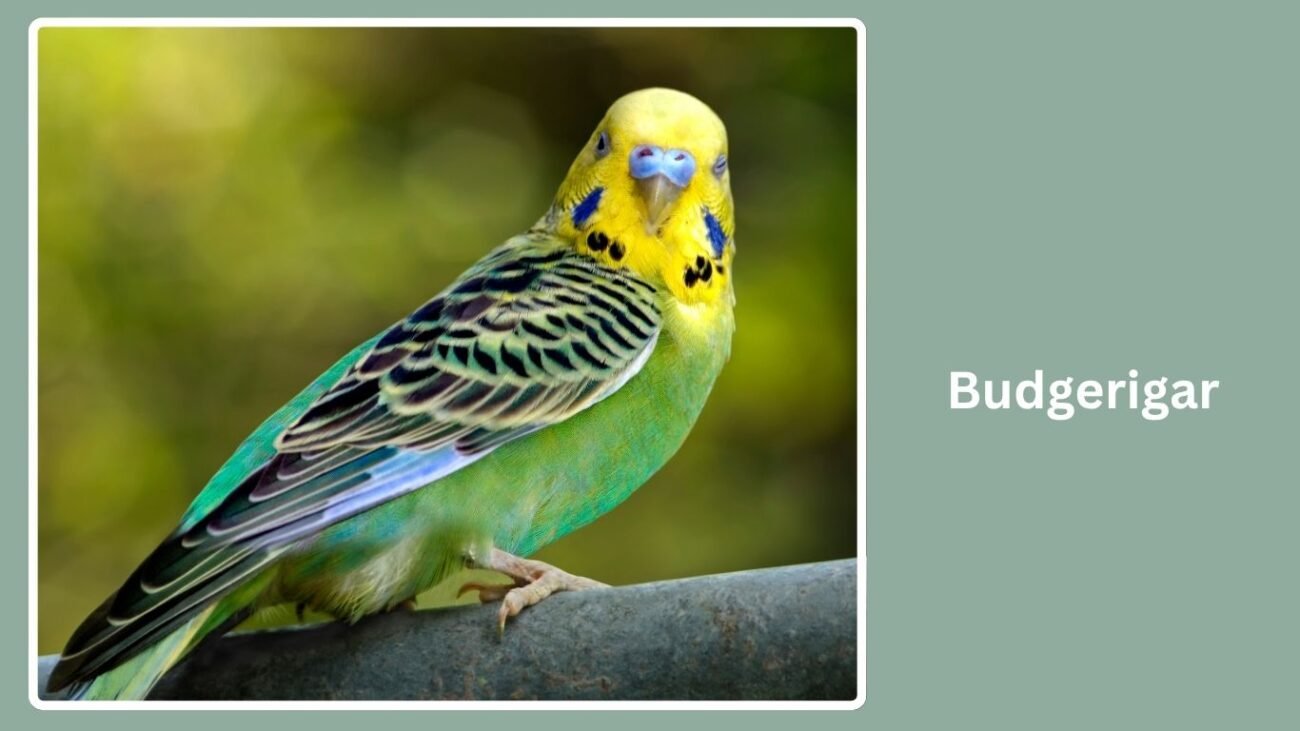
Despite their small size, Budgies are among the most impressive talkers in the bird world. These Australian natives are often underestimated, but with the right training, they can develop vocabularies of over 300 words—sometimes even more than larger parrots.
Why Budgies Can Surprise You
- Learn fast in a quiet home
- Imitate words, whistles, and sounds
- Some males can develop long phrase chains
- Affectionate and eager to interact with humans
Learning the Art of Speech
Budgies mimic human speech by repetition and tone. Males are usually more vocal and better at speaking than females. A calm environment and gentle encouragement help them master words more quickly.
Best Age for Budgies to Start Talking
Most Budgies begin learning words around 3 to 6 months. The earlier you start talking to them, the better their chances of picking up and retaining vocabulary.
Voice Clarity and Range
Their speech is usually high-pitched and fast, so it may take some time to recognize their words. However, with patience, many Budgies become articulate and consistent talkers.
Boosting Budgie Vocabulary
- Focus on one or two simple words at a time
- Use clear, slow, and cheerful speech
- Speak during bonding activities like feeding
- Be consistent with daily practice
- Use name-calling games and treat rewards
4. Indian Ringneck Parakeet
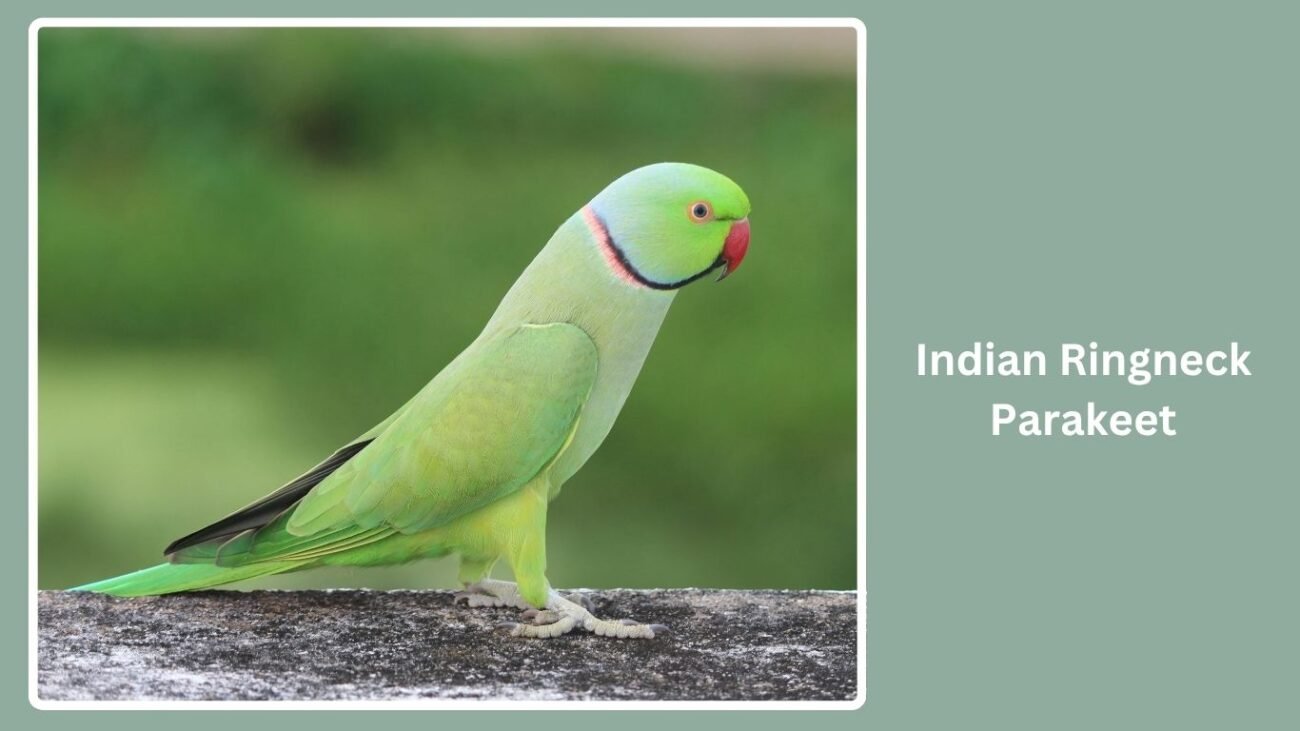
Indian Ringneck Parakeets are known for their sharp intelligence and ability to mimic human voices with impressive clarity. These birds have a playful and independent nature, and when well-socialized, they can develop a large vocabulary and even use words contextually.
What Makes Indian Ringnecks Great Talkers
- Clear, crisp voice
- Capable of forming full sentences
- Mimic human laughter, whistles, and sounds
- Often speak with emotion and personality
How They Pick Up Language
Ringnecks thrive on repetition and social interaction. They tend to mimic voices they hear most often, especially during one-on-one time. They learn best when they’re calm, focused, and not distracted by background noise.
When Do They Start Talking?
They usually start vocalizing around 8 months to 1 year of age. Regular interaction and a consistent training routine from an early age encourage faster speech development.
How Do They Sound?
Indian Ringnecks have a loud and expressive tone, and many owners report that their birds speak with near-human clarity. Some even pick up on accents and intonation patterns.
Training Tips for Indian Ringnecks
- Be patient and use a calm voice
- Avoid yelling or scolding—this can discourage learning
- Use visual cues with words (e.g., hold up a treat when saying “treat”)
- Limit distractions during speech practice
- Repeat fun phrases daily
5. Blue-Fronted Amazon

The Blue-Fronted Amazon is another parrot species celebrated for its talkative nature. These medium-sized birds are social, spirited, and can learn a variety of phrases, songs, and sounds when consistently engaged.
Why Blue-Fronted Amazons Are Popular Talkers
- Strong memory and imitation skills
- Mimic songs, greetings, and expressions
- Love group interaction and attention
- Speak with emotion and variety
How They Learn Human Language
Blue-Fronted Amazons mimic phrases they hear repeatedly, especially from people they are emotionally bonded with. They learn quickly when trained through positive reinforcement and regular, enthusiastic communication.
Best Age to Start Training
Most start mimicking sounds between 6 to 12 months, though clear speech may develop over the next year. Early socialization boosts their confidence and willingness to vocalize.
What Does Their Speech Sound Like?
They have a loud, engaging voice with plenty of personality. Some sound almost comical or overly dramatic—adding to their charm.
Encourage Better Talking Behavior
- Interact during feeding and playtime
- Use expressive, repeated phrases
- Play soft music or videos with simple words
- Offer verbal praise and favorite treats
- Practice daily in short, focused sessions
6. Eclectus Parrot
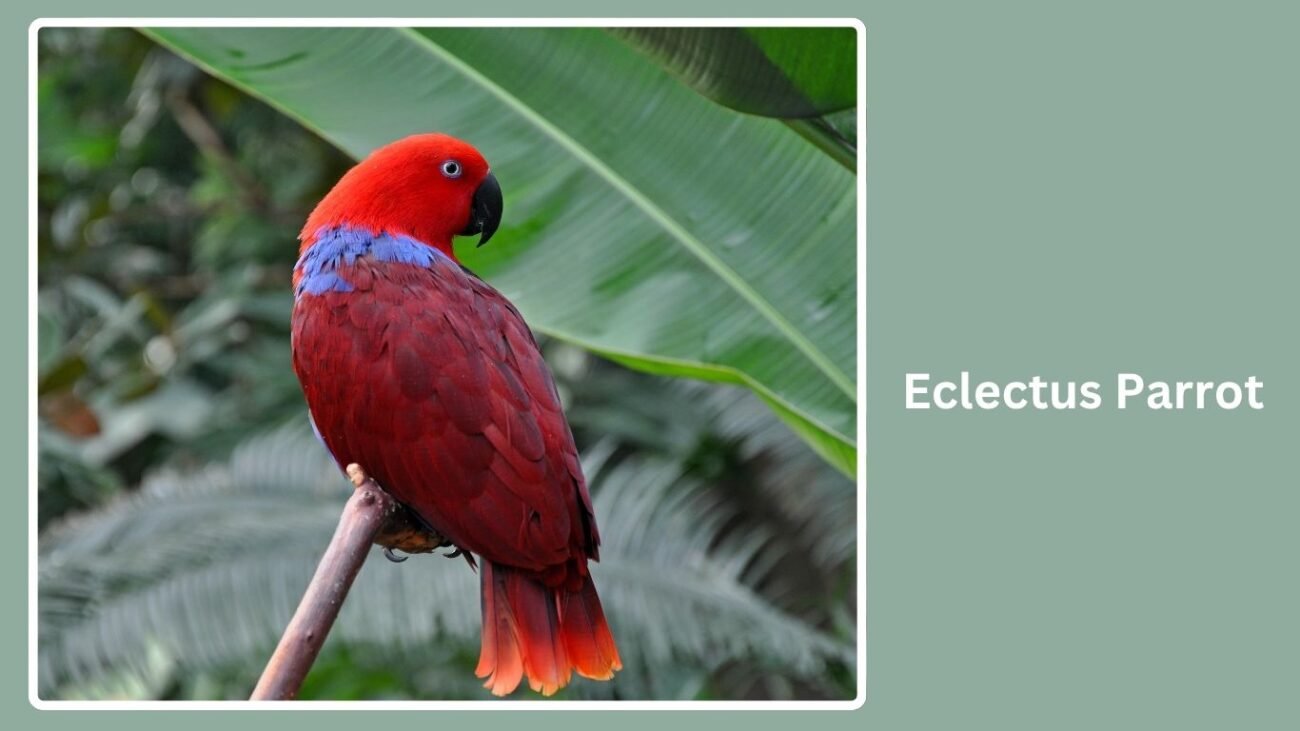
The Eclectus Parrot is not only visually striking but also highly articulate. Known for their gentle disposition and calm nature, Eclectus parrots develop an impressive vocabulary and often mimic voices with remarkable tone accuracy.
Why Eclectus Parrots Are Vocal Masters
- Calm, focused listeners
- Learn full phrases and short sentences
- Mimic emotional tones well
- Repeat words with soft but clear enunciation
How They Become Good Talkers
Their quiet and observant nature allows them to absorb speech effectively. They are more likely to speak when they are comfortable, well-socialized, and engaged in daily routines with their owner.
Talking Age and Training Window
Eclectus parrots generally begin vocalizing around 6 to 9 months. With consistent exposure and positive reinforcement, they can become confident speakers by their first birthday.
What to Expect from Their Voice
Their voice is often softer than larger parrots, but very clear. Many owners describe their speech as sweet, measured, and even soothing to listen to.
Tips for Enhancing Speech Skills
- Start with common phrases used daily
- Repeat phrases during feeding and bedtime
- Use calm, slow speech to model tone
- Reward speech attempts with gentle praise
- Keep sessions short but regular
7. Double Yellow-Headed Amazon
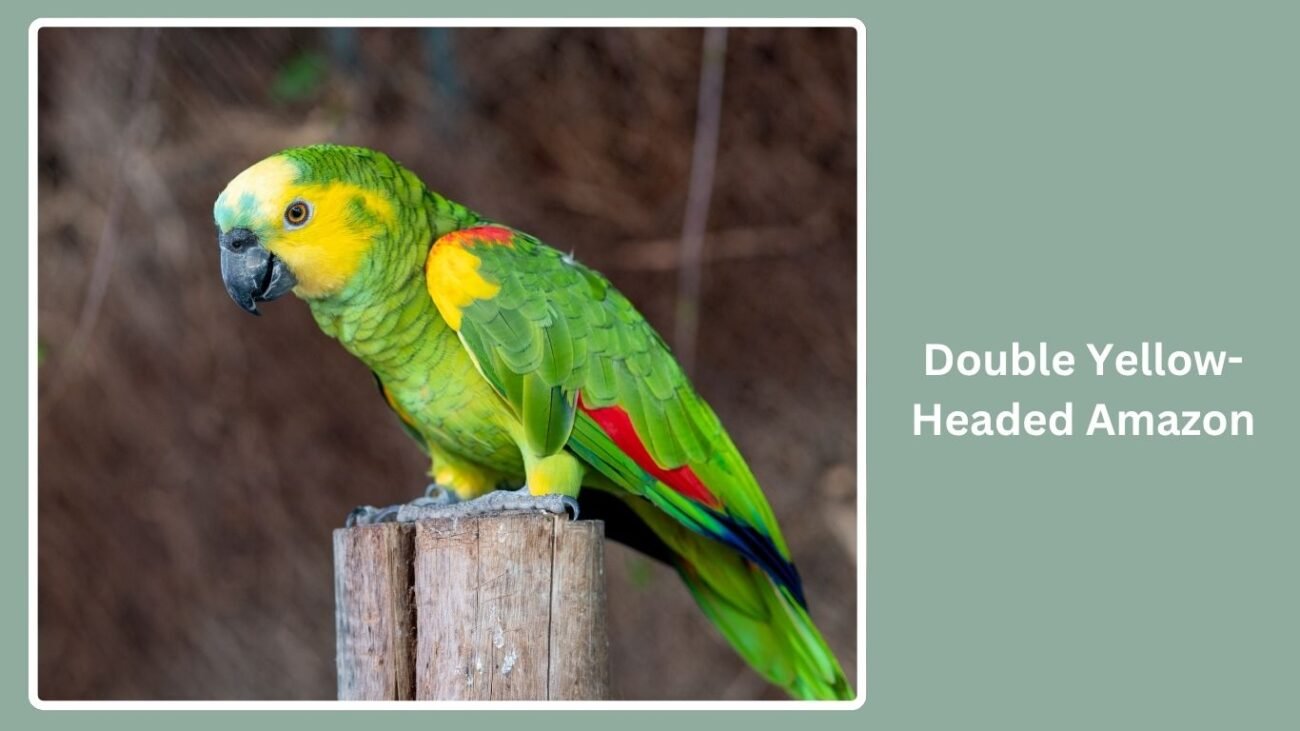
The Double Yellow-Headed Amazon is a vibrant and charismatic parrot known for its exceptional speech abilities. These birds are often seen singing songs and repeating complex phrases with clarity and dramatic flair. They love being the center of attention and excel in social environments.
What Sets Double Yellow-Heads Apart
- Excellent voice projection and tone
- Can learn full songs and dialogues
- Love to mimic laughter and emotional sounds
- Quick learners when consistently engaged
How They Learn to Speak
These parrots thrive on human interaction. When spoken to regularly and with excitement, they quickly pick up phrases and emotional expressions. They often mimic the mood and energy of their environment.
Best Time to Start Training
They begin mimicking around 6 to 9 months and become more vocal with consistent daily speech. Their peak learning phase continues up to 3 years of age, but they can learn new phrases even as adults.
What Does Their Speech Sound Like?
Double Yellow-Headed Amazons have a strong, clear, and theatrical voice. Their mimicry often includes dramatic pauses, changing tones, and animated expressions, making them entertaining talkers.
Best Practices for Talking Success
- Use music and singing during sessions
- Speak slowly and repeat key words
- Train in a quiet, distraction-free area
- Give verbal praise and rewards
- Avoid over-stimulating environments
8. Hill Myna
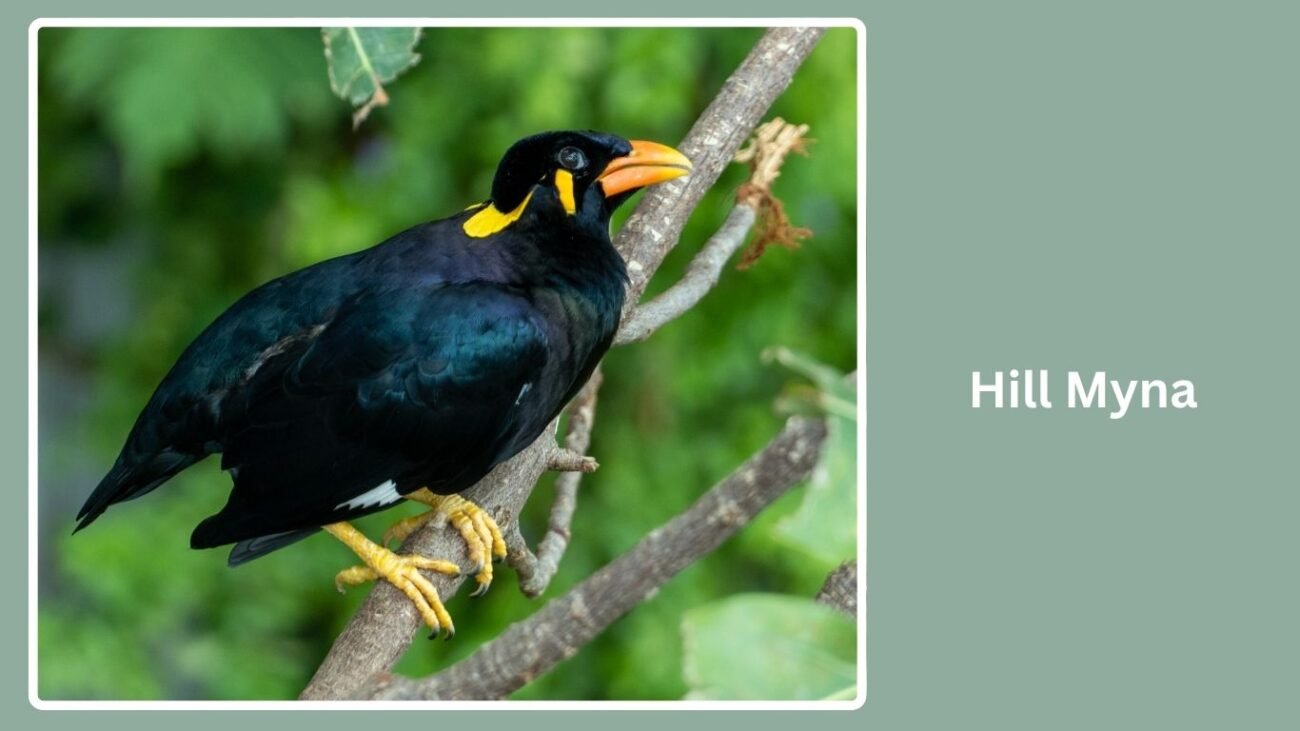
The Hill Myna is often considered the best non-parrot talking bird. Native to South and Southeast Asia, these birds can mimic human speech with surprising clarity, tone accuracy, and even pitch changes—often more naturally than parrots.
Why Hill Mynas Are Unique Talkers
- Extremely clear pronunciation
- Can mimic male and female tones
- Speak in short sentences
- Mimic environmental sounds too
How They Learn to Speak
Hill Mynas are attentive and pick up on the rhythm and tone of human speech. They mimic both the sounds and emotion behind phrases, often sounding almost indistinguishable from humans.
Ideal Age to Start Talking
Most Hill Mynas start vocalizing around 6 to 8 months. They continue improving with repeated exposure to speech and sounds, especially in calm, consistent environments.
How Clear Is Their Mimicry?
Their mimicry is incredibly accurate, often startling first-time listeners. They copy not only words but also pitch, tone, and emotional delivery better than many parrots.
Training Tips for Hill Mynas
- Speak in slow, expressive tones
- Limit background noise
- Repeat short, clear phrases
- Provide a quiet perch during lessons
- Use food-based rewards to encourage effort
9. Quaker Parrot (Monk Parakeet)
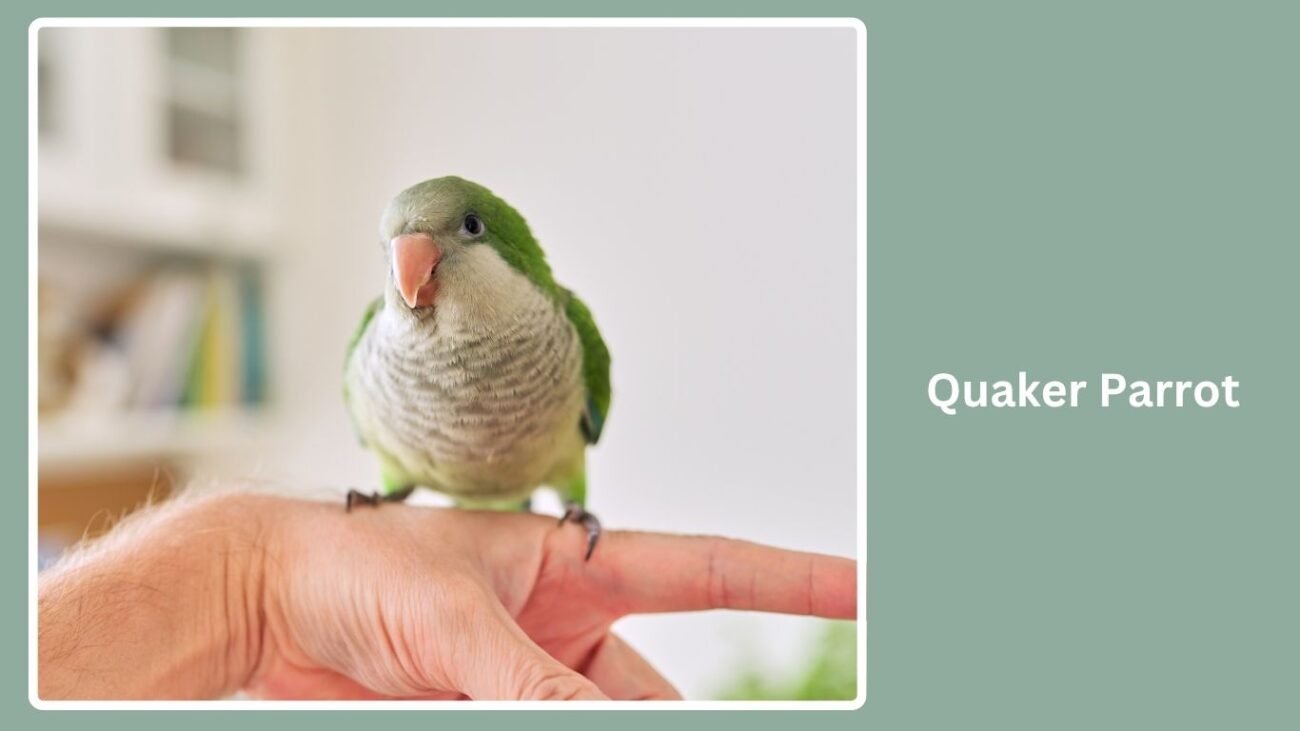
Quaker Parrots, also known as Monk Parakeets, are small but surprisingly vocal. These intelligent birds are social, affectionate, and capable of developing a diverse vocabulary, especially when hand-raised and trained early.
Why Quaker Parrots Are Great for Talking
- Learn many words and short phrases
- Can speak with personality and emotion
- Often mimic household routines and greetings
- Love engaging with humans and sounds
How They Pick Up Language
Quakers are curious and attentive. They mimic words they hear frequently, especially during daily interactions like feeding or greeting. Their social bonding plays a big role in how much they talk.
When to Begin Talking Practice
They typically start vocalizing around 5 to 8 months. Consistent repetition and a close bond with their owner help them develop strong communication skills.
Voice and Vocabulary
Their voice is slightly raspy but expressive. They may not be as clear as African Greys, but they compensate with energy and a wide range of sounds and phrases.
Training Strategies for Quaker Parrots
- Repeat the same word during daily routines
- Create a relaxed training space
- Praise every attempt to mimic
- Use gestures alongside spoken words
- Avoid loud environments to keep focus
10. Timneh African Grey
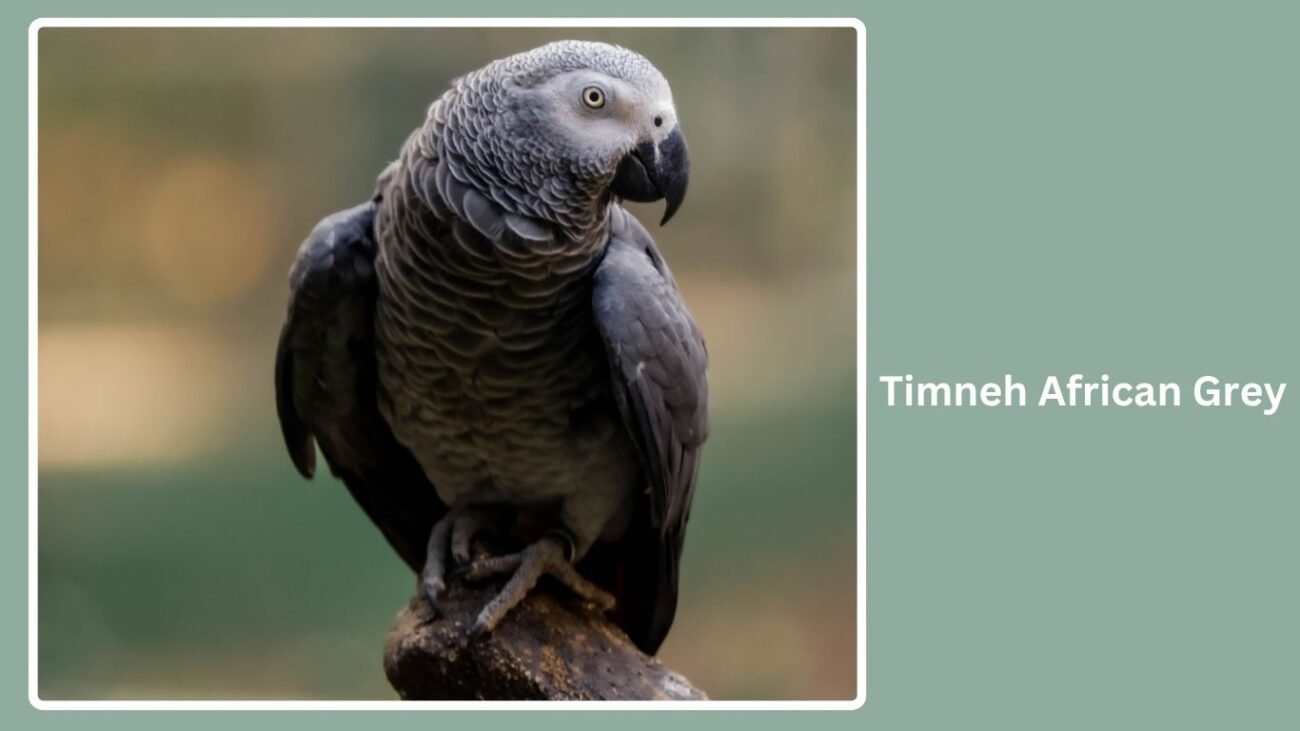
The Timneh African Grey is a close cousin of the more well-known Congo African Grey. Slightly smaller in size and darker in coloration, Timneh Greys are equally brilliant when it comes to speech and mimicry. They are often described as quick learners with calm and affectionate personalities.
Why Timneh Greys Are Excellent Talkers
- Mimic words and sounds accurately
- Start speaking earlier than Congo Greys
- Often form strong bonds with a single person
- Speak with soft, clear, and natural tone
How They Learn Language
Timneh Greys pay close attention to human conversations and quickly associate sounds with actions or objects. They learn best in a quiet home where they receive regular interaction and gentle speech exposure.
Talking Timeline
Timneh Greys can begin speaking as early as 6 months old, sometimes earlier than Congo Greys. Their vocabulary tends to expand rapidly when consistently trained in a positive environment.
Voice and Expression Style
Their speech is less booming than the Congo variety, but it’s usually crisper and more natural. Many Timneh owners say the birds use words in context and even adjust their tone to match emotions.
Talking Enhancement Tips
- Keep a predictable routine with specific phrases
- Talk to them during activities like feeding or cleaning
- Use a soft, repetitive tone
- Encourage early speech with praise and play
- Avoid overstimulation or loud environments
11. Cockatiel
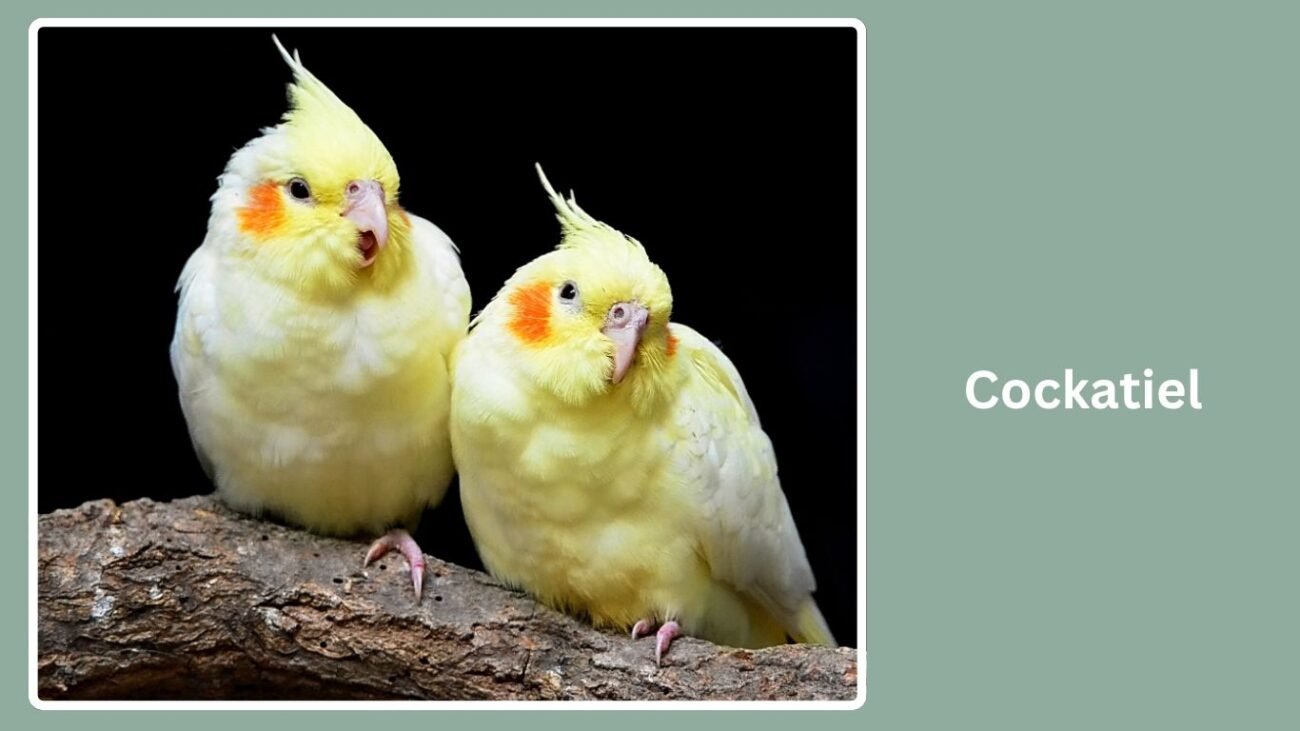
Cockatiels are known more for whistling than for talking, but many males can pick up a few words and short phrases with the right encouragement. Their gentle nature and strong bond with humans make them charming and entertaining companions.
What Makes Cockatiels Capable of Speech
- Mimic whistles and songs first
- Males more likely to talk than females
- Often repeat names or simple greetings
- Communicate with emotional whistles and body language
How Cockatiels Learn Words
They learn through repetition, usually during playtime or feeding. A calm and friendly voice used regularly can lead to mimicking short words or sounds over time.
Best Age for Talking Training
Cockatiels should start training early, ideally between 3 to 6 months. While not all will talk, those exposed to speech daily may begin mimicking within their first year.
How Clear Is Their Talking?
Their voices are soft and high-pitched, so their words may be harder to understand. But when trained well, they can surprise you with their ability to say short phrases like “hello” or “pretty bird.”
How to Help Cockatiels Speak
- Focus on one or two simple words
- Reward vocal effort with praise or treats
- Play recordings of specific words
- Use cheerful tone and repeat daily
- Keep distractions minimal during training
12. Red-Lored Amazon

Red-Lored Amazons are friendly, social birds with solid talking skills and an affectionate nature. They bond well with humans and often develop personalized vocabularies based on their environment and family members.
What Makes Red-Lored Amazons Great Talkers
- Loud, expressive speakers
- Can mimic words, laughter, and common sounds
- Learn contextually through social bonding
- Very responsive to positive interaction
How They Learn to Mimic Speech
Through repeated exposure to specific phrases and tone variations, Red-Lored Amazons learn to connect words with meaning. They’re known to mimic the emotional tone of their owners, making conversations feel surprisingly interactive.
Talking Development Age
They begin babbling around 6 months and may speak recognizable words by 1 year. Consistent communication and encouragement help expand their vocabulary over time.
Vocal Clarity and Style
Their voices are bold and animated. While they may not have the precision of African Greys, they make up for it with volume, energy, and expressiveness.
Talking Development Tips
- Speak to them throughout the day
- Incorporate phrases into routines
- Use laughter and upbeat tone
- Respond when they vocalize to encourage feedback
- Reward efforts with affection or treats
13. Rose-Ringed Parakeet
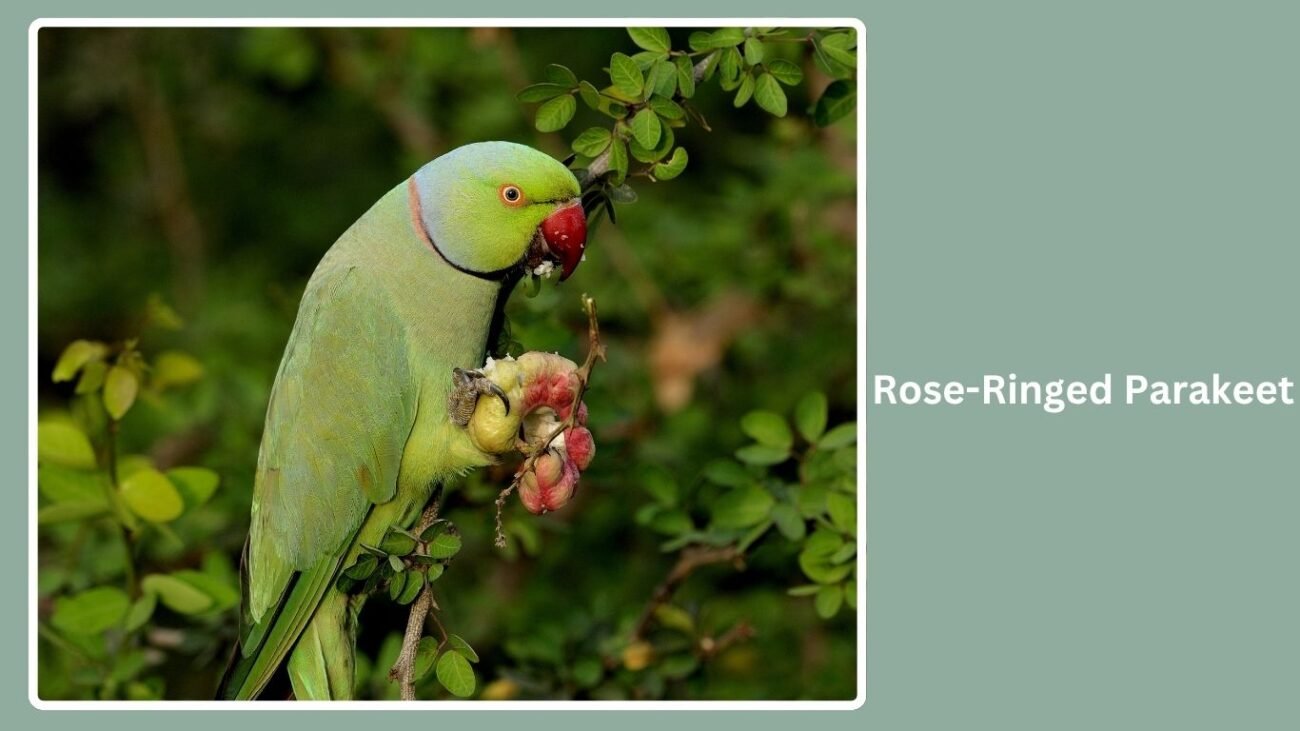
The Rose-Ringed Parakeet, also known as the Ring-Necked Parakeet, is a striking bird with bright green feathers and a red beak. Known for their independent personality and talking potential, they are especially popular in Asia and parts of Europe.
Why Rose-Ringed Parakeets Can Talk Well
- Learn short phrases and greetings easily
- Enjoy mimicking repetitive sounds
- Capable of emotional vocal tones
- Males are generally better talkers than females
How They Learn to Talk
These parakeets respond well to repeated phrases spoken in a consistent tone. They are more likely to mimic when they are comfortable with their owner and have daily interaction in a quiet space.
Best Age for Training
Start speaking to them between 6 to 9 months. While they may be shy at first, regular training helps them build confidence and encourages speech development.
Speech Characteristics
Their voice is high-pitched but surprisingly clear. With enough practice, they can repeat phrases like “hello,” “good morning,” and even the names of people or pets.
Tips to Encourage Talking
- Repeat the same words during feeding or greeting
- Use simple, one- or two-word phrases
- Practice every day in short sessions
- Be patient—progress may be gradual
- Reinforce talking with treats or head scratches
14. Sulphur-Crested Cockatoo

Sulphur-Crested Cockatoos are large, expressive parrots known for their bold personalities and strong bond with their human companions. While not always the clearest speakers, they can mimic a wide variety of words, phrases, and sounds.
Why Sulphur-Crested Cockatoos Talk
- Strong desire for attention and interaction
- Mimic human speech, laughter, and even crying
- Expressive body language while speaking
- Often pick up household sounds like alarms and phones
How They Learn and Mimic
Cockatoos are excellent at copying what they hear often—especially if it draws a reaction. Their intelligence and emotional sensitivity play a big role in their ability to mimic speech and tones.
When to Start Talking Training
They begin mimicking noises around 6 to 9 months. However, they may take longer to form clear words. Continued exposure and emotional bonding help them improve with time.
Voice Quality and Expression
Their voice can be raspy or loud, but also quite comical and dramatic. Many cockatoos develop their own vocal “style,” making their mimicry unique and fun.
How to Boost Their Vocabulary
- Keep sessions short and fun
- Use facial expressions with words
- Reward with favorite treats or toys
- Keep interactions engaging and light
- Avoid overstimulating them—they’re sensitive
15. Galah (Rose-Breasted Cockatoo)
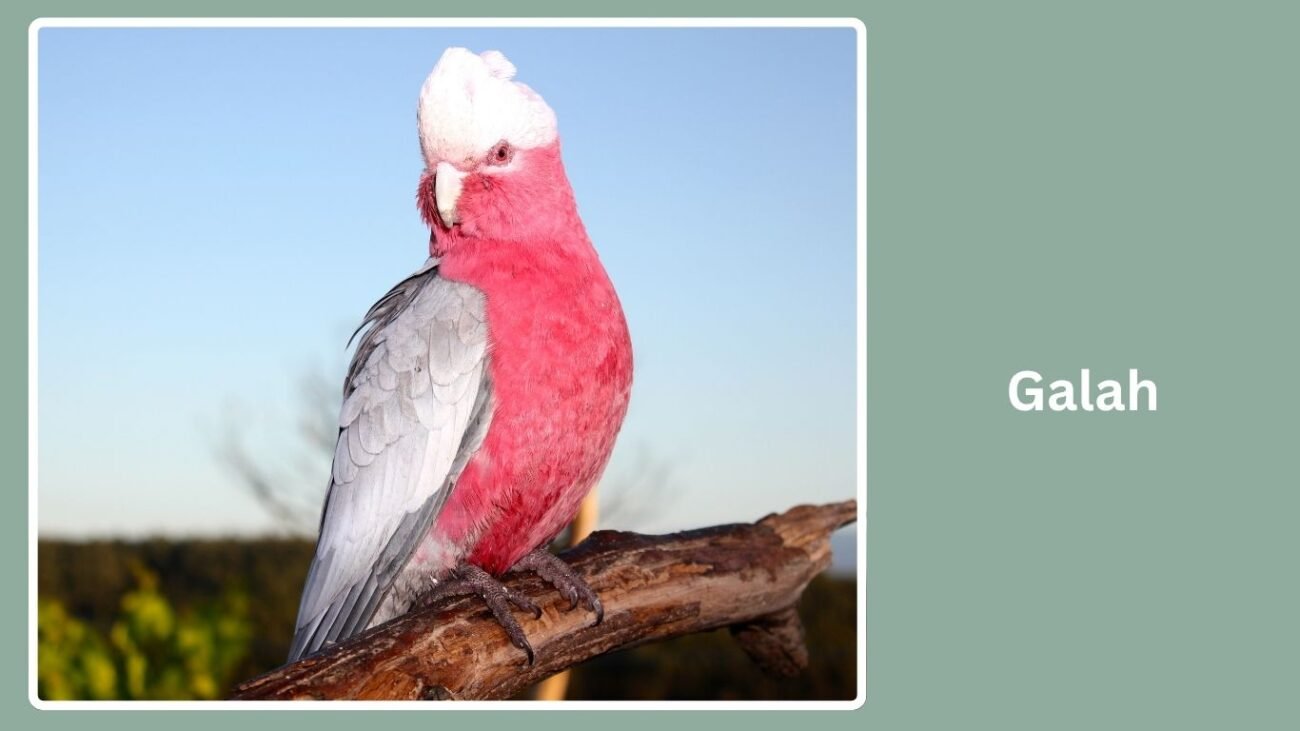
Galahs, also called Rose-Breasted Cockatoos, are eye-catching Australian natives known for their pink and gray feathers and playful nature. They aren’t the clearest talkers, but many Galahs can learn a variety of words and whistles with regular interaction.
What Makes Galahs Vocal Companions
- Enjoy social bonding and vocal mimicry
- Can say short phrases and names
- Love to whistle and imitate sounds
- Often learn during playful or affectionate moments
How They Learn Words and Sounds
Galahs absorb speech best in relaxed settings with familiar humans. They may start by mimicking whistles and emotional tones before transitioning to words and names.
Ideal Age to Begin Speech Practice
Start speaking to them daily from 4 to 6 months. Even if they don’t mimic at first, early exposure lays a strong foundation for future talking.
Speech Traits and Limitations
Their voice is softer and more nasal than larger parrots. While they may not learn as many words, their expressiveness and enthusiasm make them delightful talkers.
Helping a Galah Become a Better Talker
- Use whistles to encourage early mimicry
- Talk during cuddling or playtime
- Repeat simple words with gestures
- Respond enthusiastically to vocal attempts
- Be gentle and patient—progress may be slow
16. Canary-Winged Parakeet (Brotogeris)
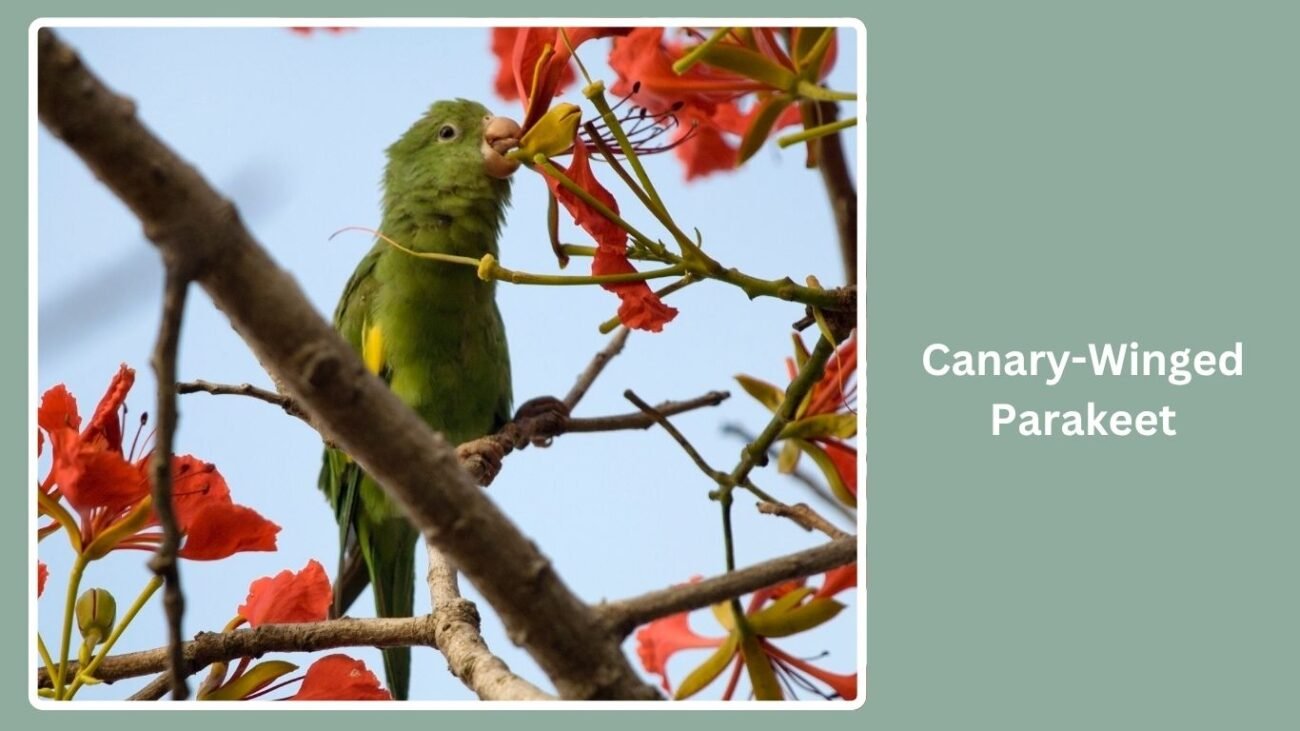
The Canary-Winged Parakeet, part of the Brotogeris family, is a small green bird known for its bright yellow underwings and surprising talking talent. While not as famous as parrots or Amazons, these birds can learn to mimic speech and everyday sounds quite well in the right environment.
Why Canary-Winged Parakeets Can Talk
- Enjoy mimicking whistles and short phrases
- Learn through social bonding
- Pick up common household sounds
- Respond well to routine and repetition
How They Develop Speech
These parakeets learn best when exposed to regular, calm speech. They’re naturally observant and may begin repeating sounds they hear often—especially during feeding or play sessions.
Talking Age and Learning Curve
Start talking to them early—between 3 to 6 months is ideal. While their speech may not be as clear as larger parrots, they can develop a decent vocabulary with consistent encouragement.
Sound and Clarity
Their voice is soft and high-pitched. While they may not articulate complex words, they’re great at repeating simple phrases and whistles.
Encouraging Speech in Canary-Winged Parakeets
- Speak slowly and clearly during daily routines
- Keep training sessions calm and positive
- Use the same phrases at the same time each day
- Offer verbal praise and small treats for progress
- Limit distractions during training
17. Masked Lovebird
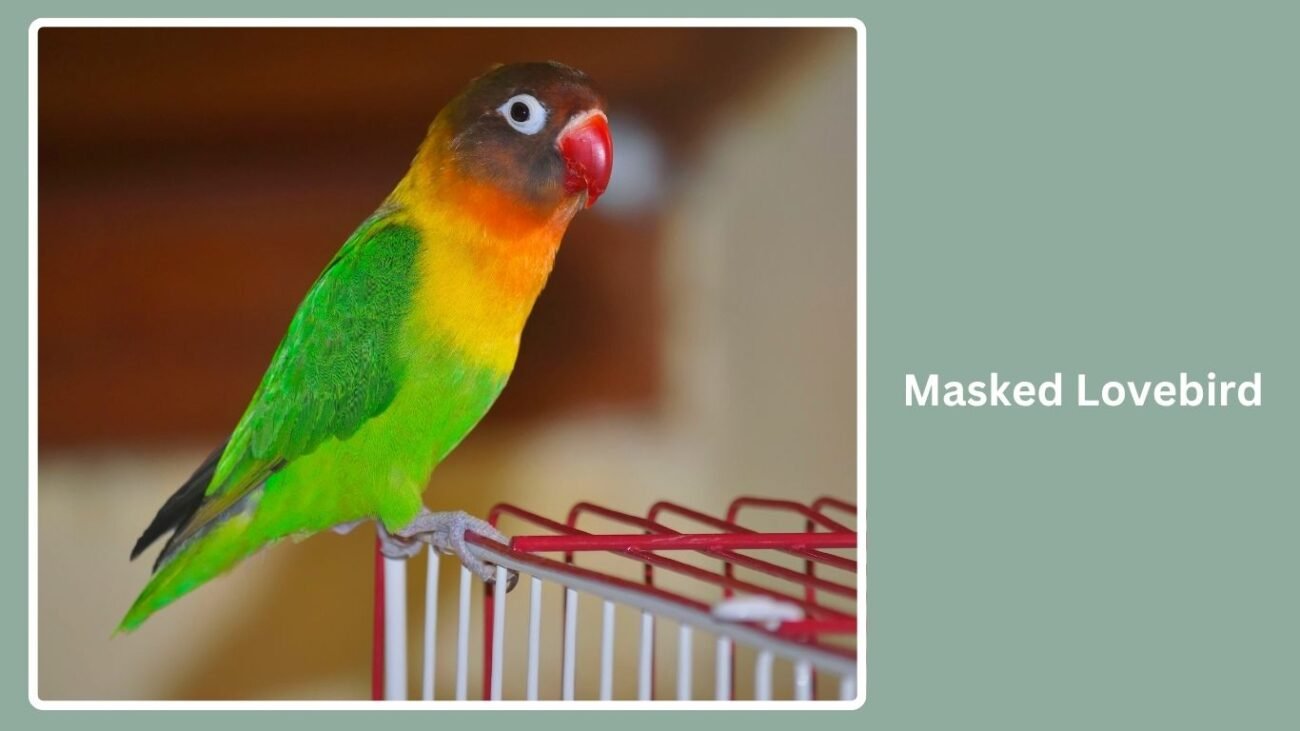
Masked Lovebirds are small, colorful parrots with a strong bond to their companions. While lovebirds are not widely known as strong talkers, some individuals—especially those hand-raised—can mimic simple words and sounds with charm and consistency.
Why Some Lovebirds Can Talk
- Strong social drive and curiosity
- Learn from consistent, affectionate interaction
- Mimic tone, whistles, and a few words
- Respond well to attention and routines
How They Learn Words
Lovebirds pick up sounds through repeated exposure and one-on-one time. They are more likely to talk if raised closely with humans and exposed to speech during key bonding moments.
When Do They Start Talking?
Most start mimicking tones or sounds around 5 to 9 months. While only a few develop clear words, early and regular interaction boosts their chances of speech.
Speech Quality and Range
Their speech is limited and softer than most parrots. However, the words they do learn are often spoken with charm and enthusiasm, making their efforts quite endearing.
Tips for Helping Lovebirds Talk
- Start with soft, repetitive words
- Use affectionate tones during interaction
- Reward mimicry with praise or gentle play
- Avoid overwhelming them with too many words
- Focus on short, clear speech during quiet times
Summary:
Talking birds bring fun and interaction into any home. The African Grey remains the most impressive speaker, while parrots like the Yellow-Naped Amazon, Budgie, and Indian Ringneck also show strong mimicry skills. Even smaller species like Lovebirds and Canary-Winged Parakeets can learn simple words with regular training. With the right care, patience, and communication, these birds can become engaging companions that talk, sing, and mimic with charm and intelligence.