The Barn Owl is one of the most enchanting and widely recognized owls in the world. With its ghostly appearance, heart-shaped face, and silent flight, it has captured human curiosity for centuries. Found across continents and deeply rooted in myths and legends, the Barn Owl is not only beautiful but also incredibly skilled in hunting and survival. In this article, you’ll discover 14 amazing facts that reveal just how unique and important these birds truly are.
1. Unique Heart-Shaped Face of the Barn Owl
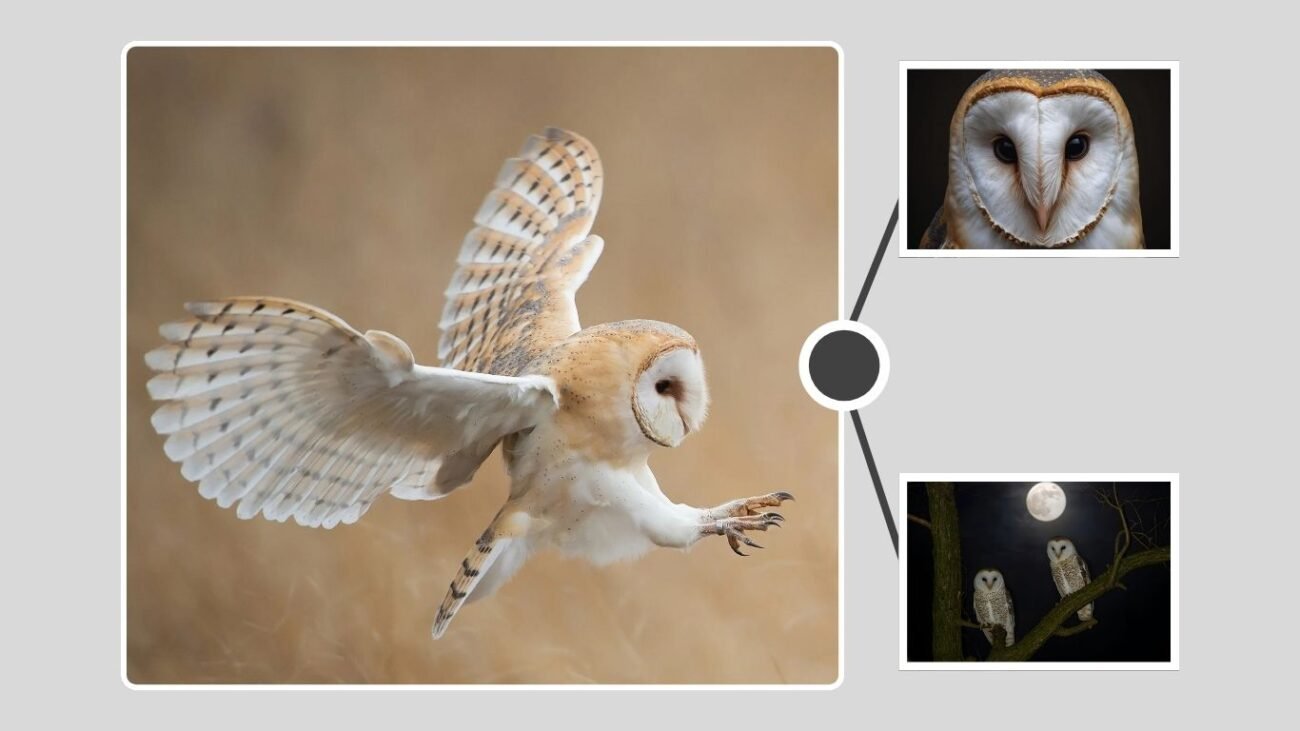
The Barn Owl is easily recognized by its distinctive heart-shaped face, which isn’t just for looks—it plays a vital role in directing sound to their ears. This facial structure helps them detect even the slightest noise from prey, making them expert hunters, especially in the dark. No other owl has a face quite like it.
2. Exceptional Night Vision and Hearing
Barn Owls have incredible night vision, but their hearing is even more impressive. Their asymmetrical ear placement lets them pinpoint sounds with extreme accuracy—even under leaves or snow. This allows them to hunt successfully in complete darkness, relying more on sound than sight.
3. Silent Flight Adaptation
Barn Owls fly almost silently due to their special feather structure. Their wings have serrated edges that reduce turbulence and noise, allowing them to sneak up on prey without being heard. This silent flight gives them a major advantage over both predators and prey.
4. Barn Owl’s Diet and Hunting Skills
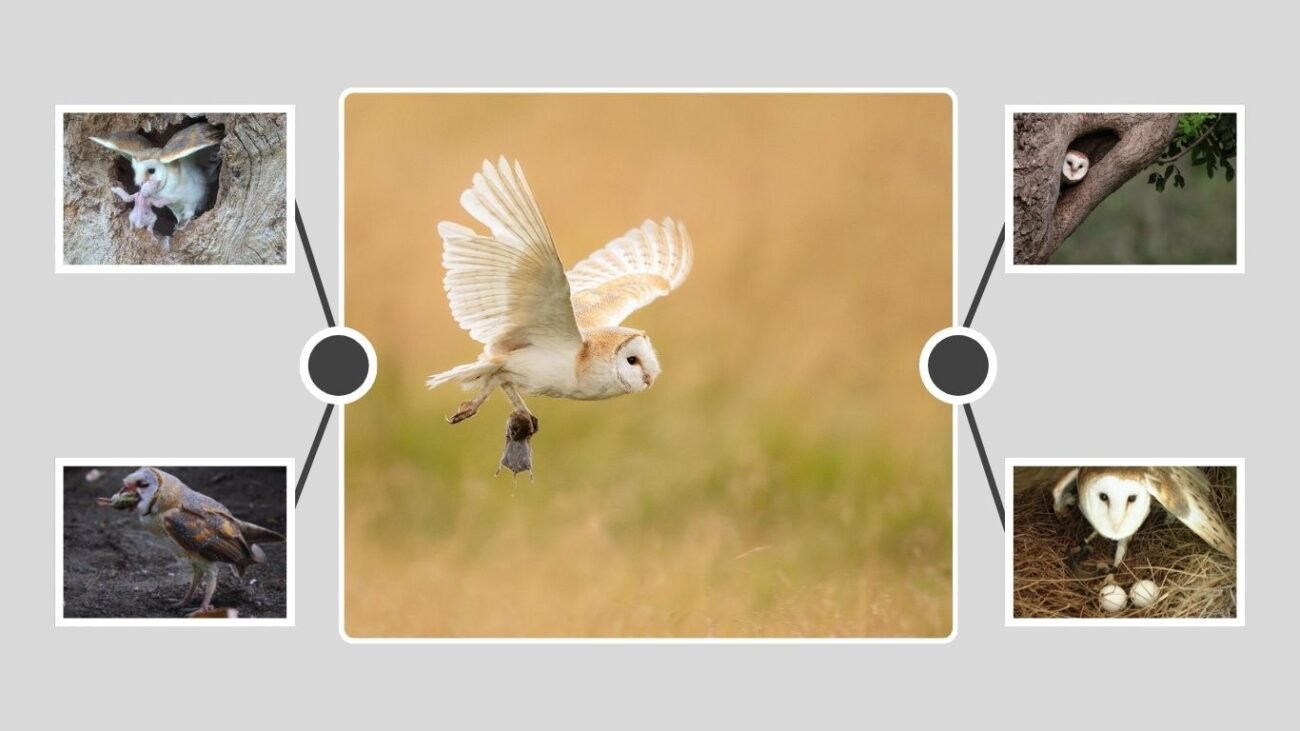
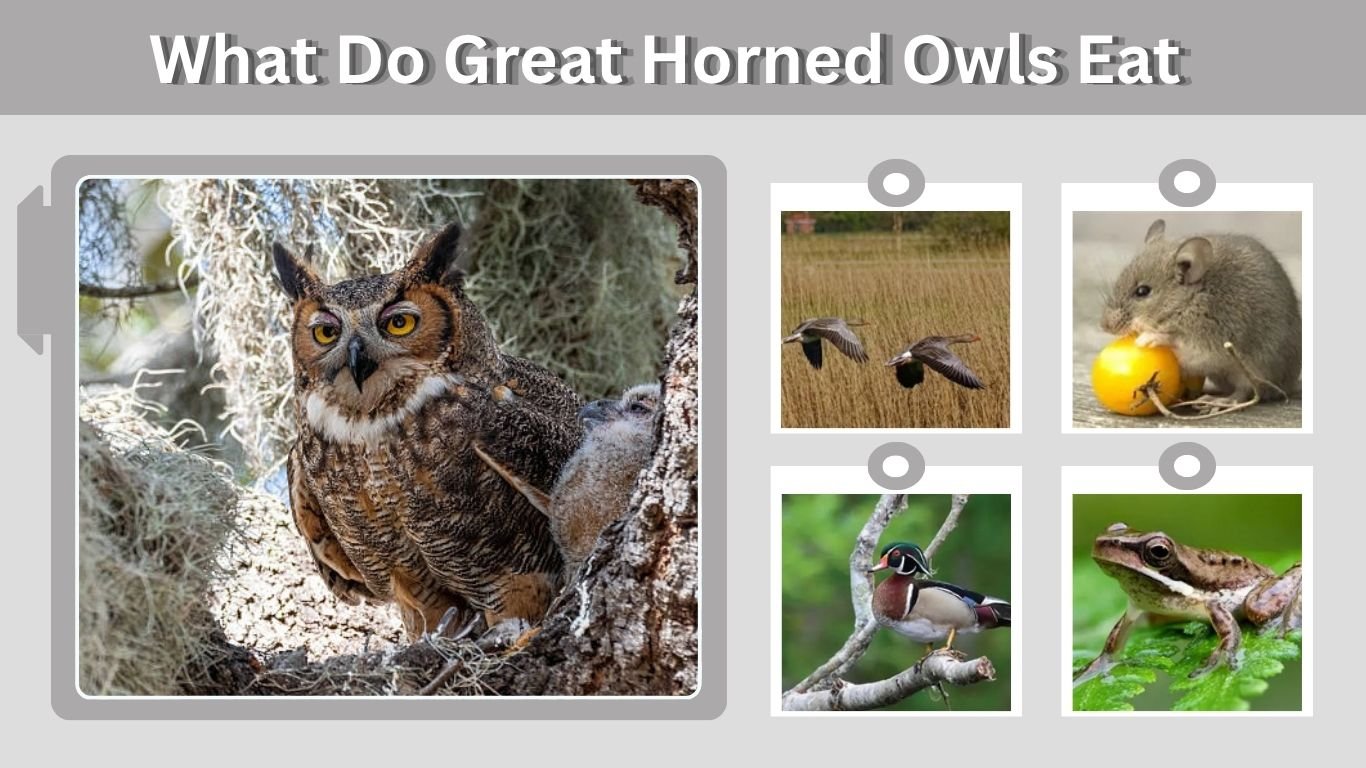
A Barn Owl’s diet mainly includes small mammals like mice, voles, and shrews. They hunt by gliding low over open fields, using their keen hearing to locate prey. A single owl can eat up to 1,000 rodents a year, making them valuable natural pest controllers.
5. Where Barn Owls Live: Their Habitat
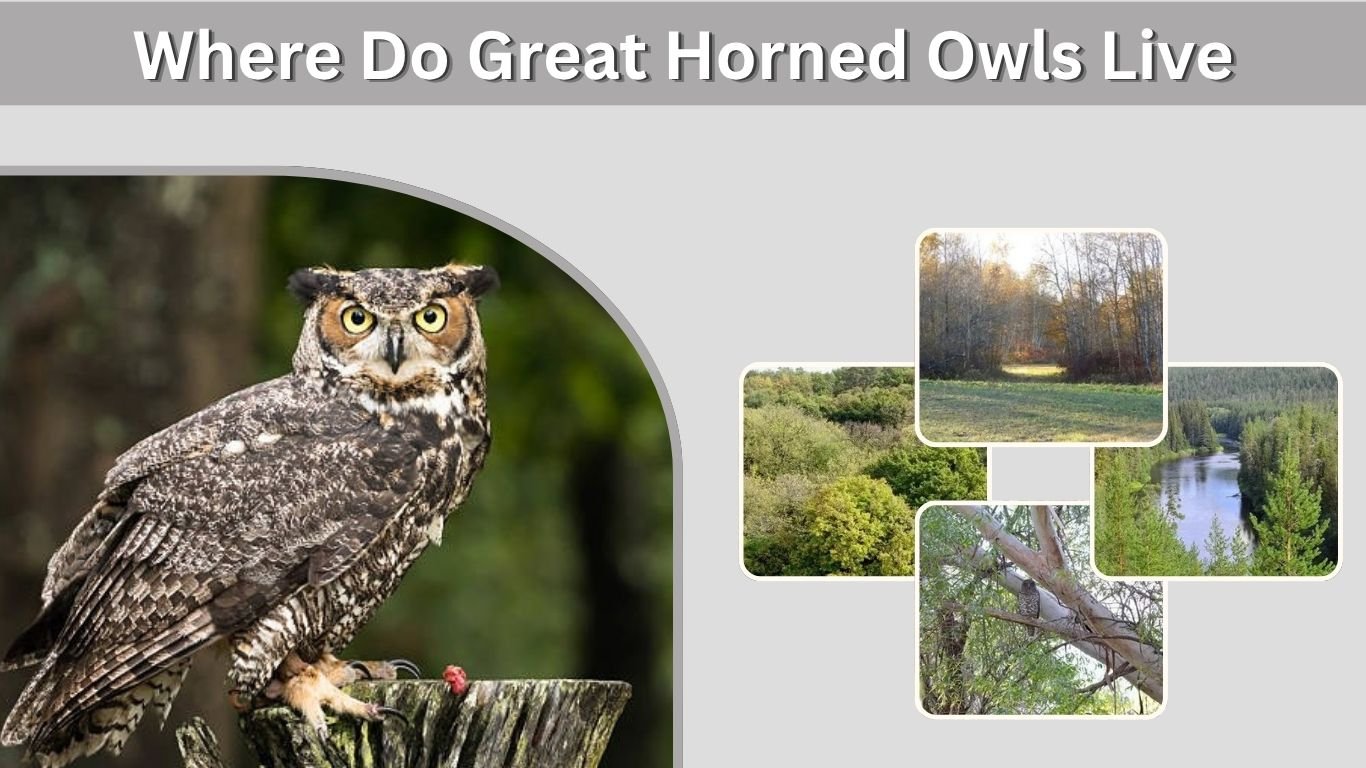
Barn Owls prefer open countryside, grasslands, farmlands, and marshes. They avoid dense forests and high altitudes. You’ll often find them nesting in old barns, hollow trees, or quiet buildings—hence their name. They need open spaces to hunt and safe shelters to nest and rest.
6. Nesting Habits and Breeding Cycle
Barn Owls don’t build traditional nests. Instead, they lay eggs on soft debris or in dark cavities like barns, cliffs, or tree holes. A female usually lays 4–7 eggs and incubates them while the male hunts. Chicks hatch in intervals, often leading to varied growth stages in a single brood.
7. Barn Owl Calls and Sounds
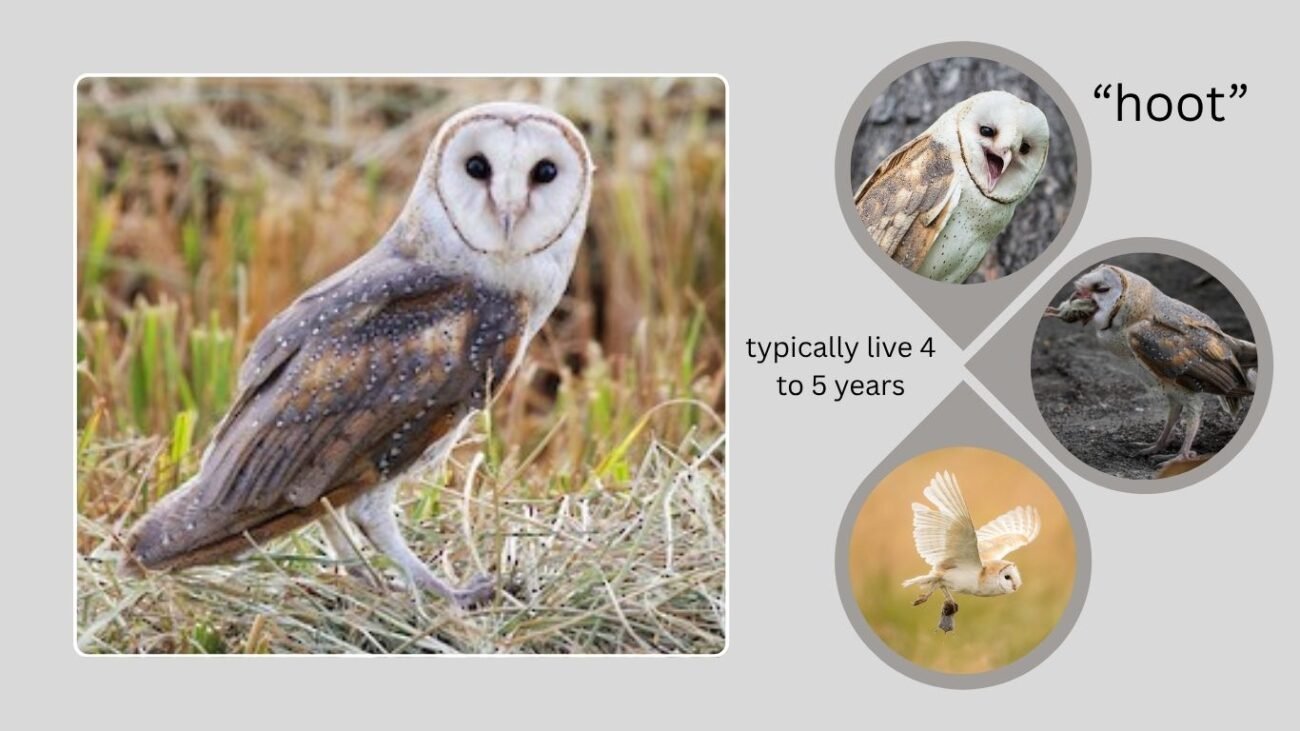
Unlike the typical “hoot” of other owls, Barn Owls produce a chilling screech. Their primary call is a long, harsh scream often heard at night. They also make hissing and clicking noises, especially during mating or when defending their nest. These eerie sounds often add to their ghostly reputation.
8. Life Span and Survival in the Wild
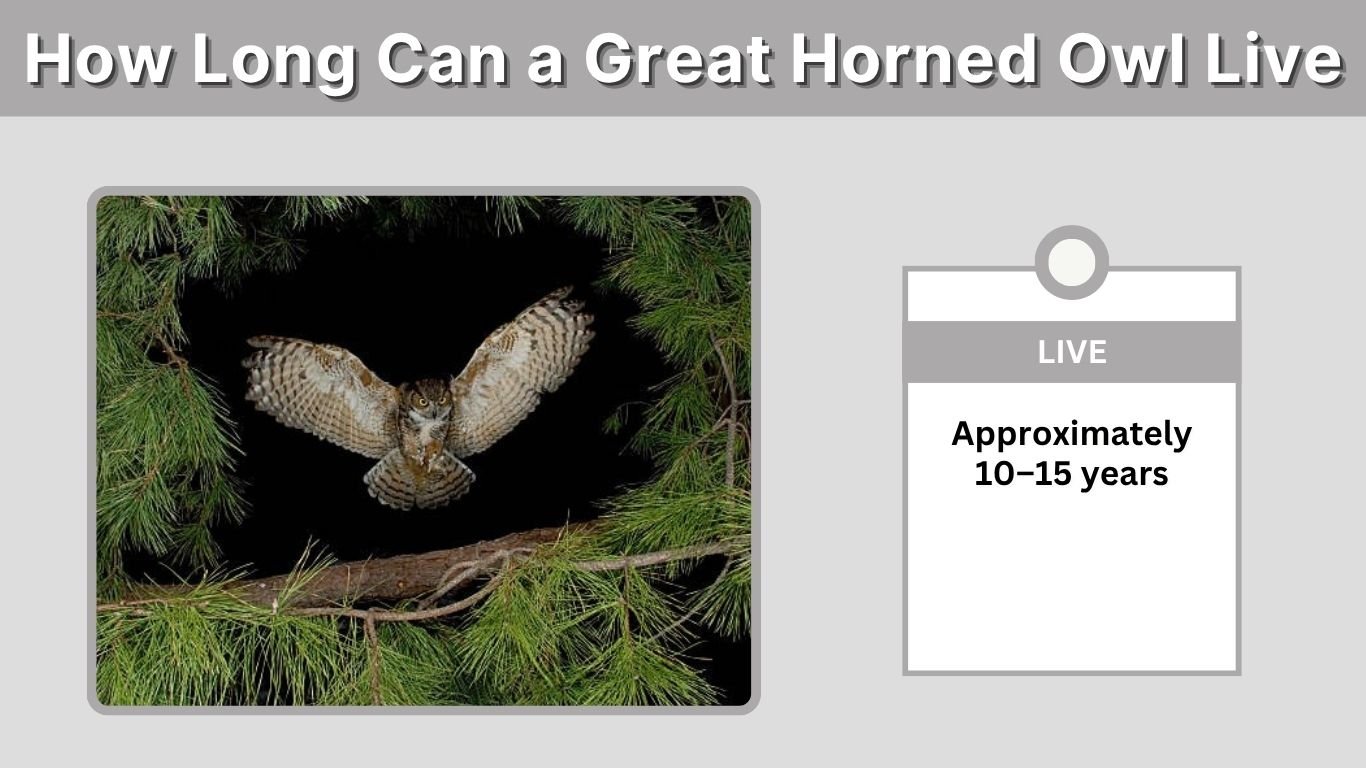
In the wild, Barn Owls typically live 4 to 5 years, though some can reach 10 years with favorable conditions. Many die young due to predators, vehicle collisions, or lack of food. In captivity, where threats are fewer, they may live up to 20 years.
9. How Barn Owls Help Farmers
Barn Owls are natural pest controllers, especially for farmers. A pair of owls with chicks can consume thousands of rodents in a season, protecting crops without the need for chemical pesticides. Many farmers even install nest boxes to attract Barn Owls to their land.
10. Global Distribution of Barn Owls
Barn Owls are one of the most widespread bird species. They live on every continent except Antarctica. From Europe to Africa, Asia to the Americas, their adaptability to different climates and open landscapes makes them a truly global species.
11. Differences Between Male and Female Barn Owls
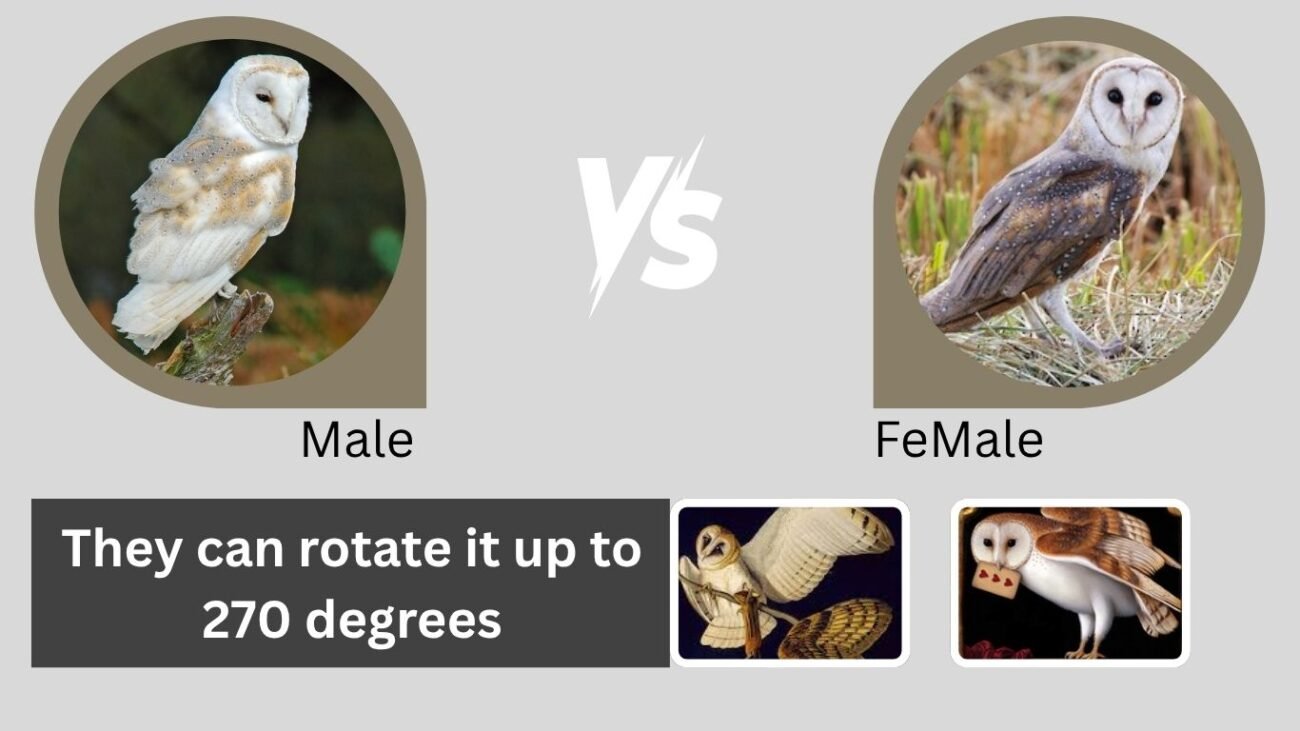
Though similar in appearance, female Barn Owls tend to be slightly larger and darker than males. Females usually have more spots on their chest, which may indicate better parasite resistance. These differences help researchers identify gender during studies or conservation work.
12. Barn Owl Symbolism and Cultural Beliefs
Across cultures, Barn Owls are often seen as mysterious or symbolic creatures. In some traditions, they represent wisdom and protection, while in others, they’re linked to omens or the supernatural. Their ghost-like appearance and silent flight have inspired myths and legends around the world.
13. Threats and Conservation Status
Despite their wide range, Barn Owls face threats like habitat loss, pesticide use, and vehicle collisions. Loss of old barns and nesting spaces has reduced their numbers in some regions. Thankfully, many conservation groups now promote nest box programs to support their populations.
14. Fun Barn Owl Facts for Kids
Barn Owls swallow their prey whole and later cough up pellets made of bones and fur. Their eyes don’t move in their sockets—they turn their whole head instead! They can rotate it up to 270 degrees, which helps them look around without moving their body.