Baby owls, known as owlets, are fascinating creatures wrapped in fluffy down feathers and wide-eyed wonder. From their unusual sleeping habits to their distinct calls at night, every aspect of their early life reveals how remarkable these tiny birds are. Whether you’re intrigued by their symbolism, adorable looks, or curious sounds, baby owls never fail to capture the imagination.
Appearance and Identification
Size and Feather Development
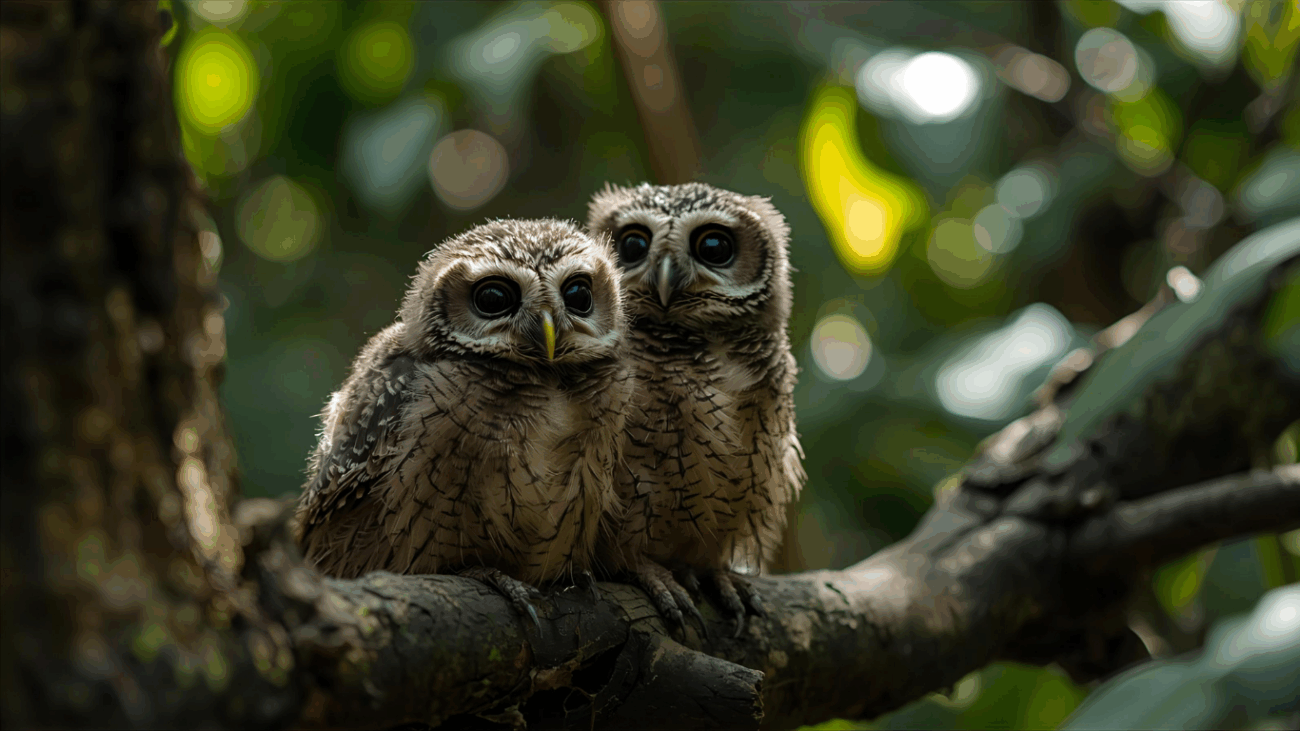
Baby owls hatch small and helpless, covered in soft, white, or gray down feathers that keep them warm before adult feathers grow in. As they mature, sleek plumage replaces their fuzzy appearance, giving them the signature look of wisdom and stealth associated with owls.
Facial Features and Eyes
One of the most striking features of baby owls is their oversized, forward-facing eyes. Unlike many birds, owls can’t move their eyes within their sockets, so owlets quickly learn to turn their heads for focus and balance. Their facial discs—flat feathers that help funnel sound—begin developing after the first few weeks, enhancing their ability to detect movement and prey.
Sleep Behavior of Baby Owls
Why They Sleep Face Down
One of the most adorable yet peculiar habits of baby owls is their face-down sleeping posture. Because their heads are disproportionately large compared to their light bodies, young owlets lack the neck strength to hold them up while resting. Instead, they sprawl flat, sometimes with wings slightly open for balance. This posture ensures they don’t fall from perches while asleep.
Transition to Perching Sleep
As owlets grow stronger, they gradually begin sleeping upright, clinging to branches or nest edges. This shift marks an important developmental milestone, showing that their muscles and coordination are improving. By the time they leave the nest, their sleeping behavior closely mirrors that of adult owls—alert, stable, and nocturnal.
Baby Owl Sounds and Communication
Types of Sounds
Owlets may look quiet and cute, but they’re surprisingly vocal. Their sounds range from soft chirps and raspy hisses to high-pitched squeaks that signal hunger or discomfort. Each sound has meaning—tiny chirps for attention, hissing when frightened, and rhythmic begging calls to guide parents back to the nest with food.
Species Variations
Different owl species produce distinct baby sounds. For example, a baby barn owl emits a long, rasping screech, while a baby screech owl produces rapid trills that rise and fall like a tremolo. Great horned owlets give deep, muffled hoots, whereas burrowing owl chicks chirp in short bursts resembling ground squirrels. These variations help parents identify their chicks in darkness.
Baby Owl Species Overview
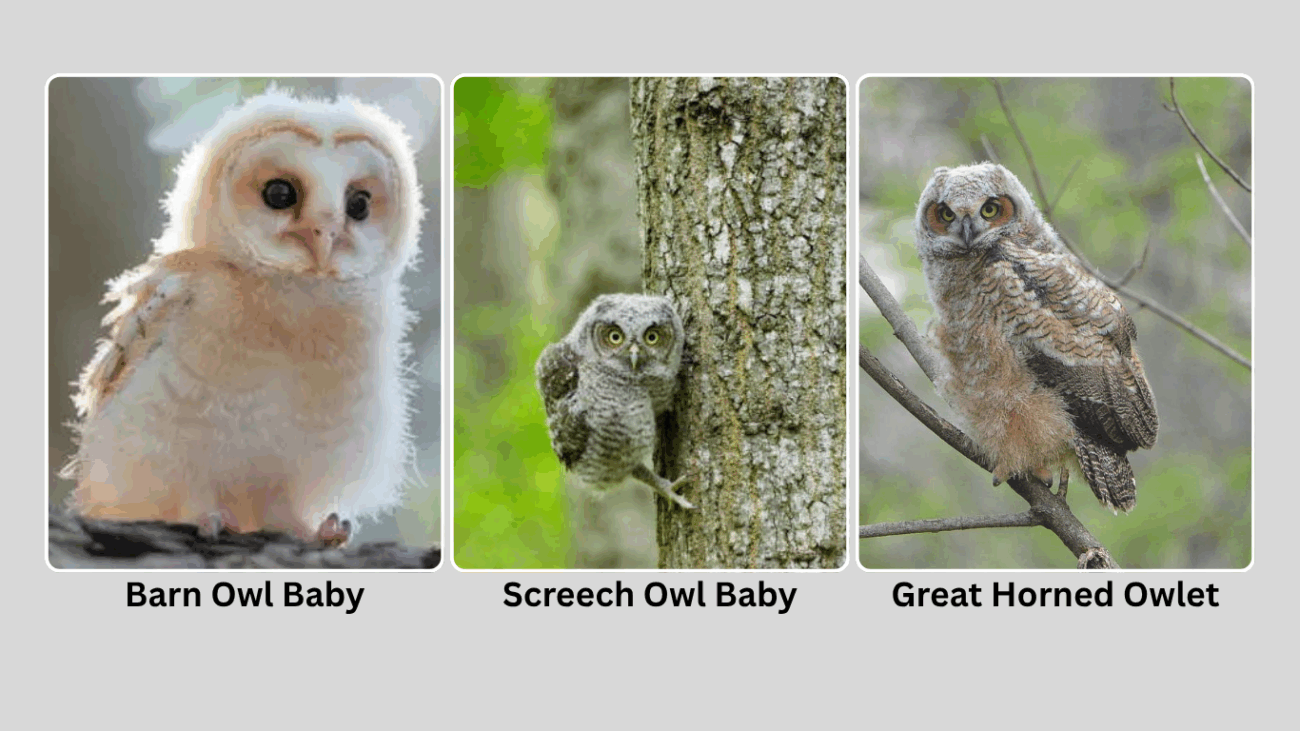
- Barn Owl Baby: Covered in creamy white down, these owlets have heart-shaped faces and make haunting, raspy cries.
- Screech Owl Baby: Small and curious, they’re known for their trembling trills that echo softly at night.
- Great Horned Owlet: With gray fluff and stubby feather “horns,” they’re among the most powerful young predators.
- Snowy Owl Baby: Dense, white plumage keeps them warm in Arctic regions, where they blend perfectly with snow.
- Burrowing Owl Baby: Unlike most owls, they live in underground tunnels, chirping and peeking from burrow entrances.
Feeding and Parental Care
Diet of Baby Owls
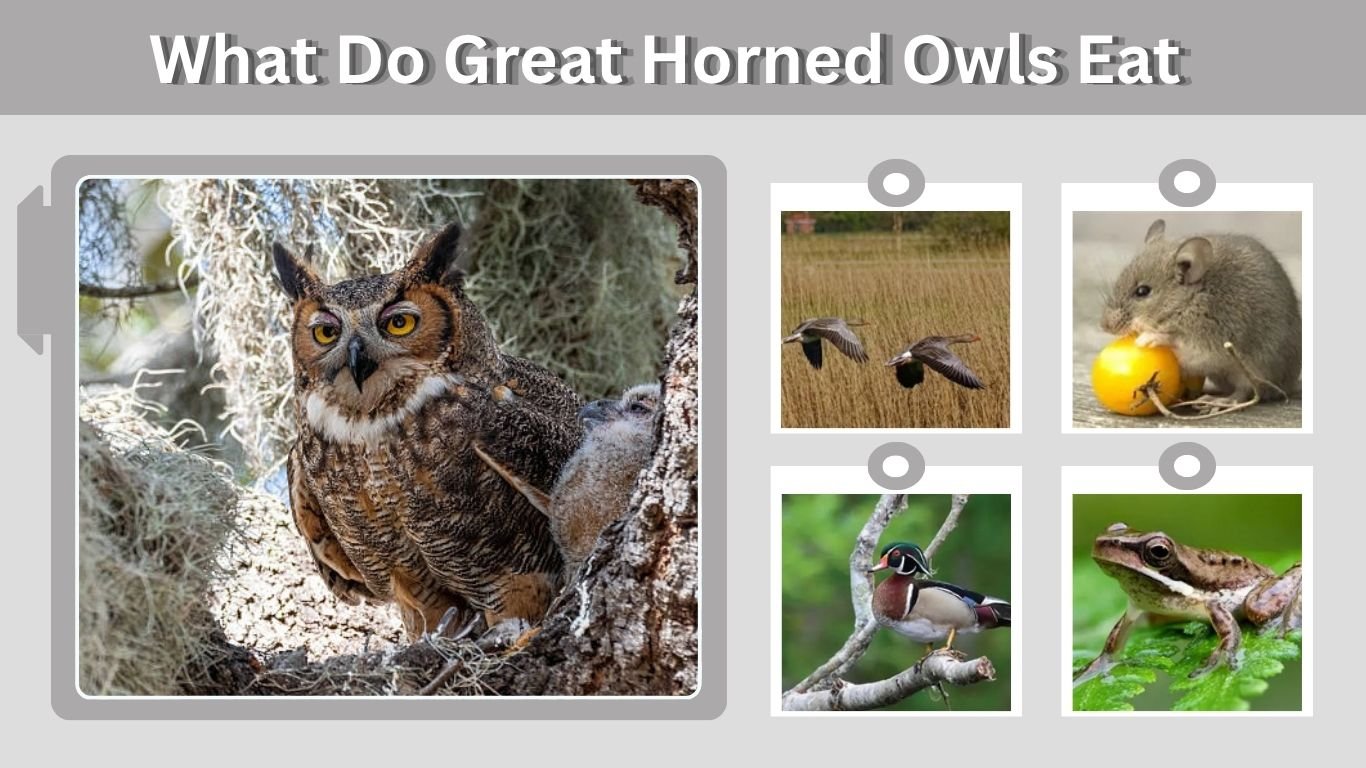
Baby owls depend entirely on their parents for nourishment. The adults hunt small prey such as rodents, frogs, and insects, bringing food back to the nest. The chicks beg with soft cries until the parents tear the prey into tiny, manageable pieces.
Feeding Process
As the owlets grow, their diet changes. They begin swallowing larger portions and eventually whole prey, strengthening their digestive systems and hunting instincts. Within weeks, they start mimicking hunting movements—grasping twigs, striking at insects, and preparing for life beyond the nest.
Symbolism and Meaning of Seeing a Baby Owl
Spotting a baby owl is often seen as a symbol of new beginnings, wisdom, and hidden potential. In spiritual beliefs, baby owls represent insight developing from innocence — a reminder that learning and intuition grow through observation. Seeing one may also signify emotional renewal or the start of a new phase guided by inner knowledge.
Fascinating Facts About Baby Owls
- Baby owls hatch at different times, so older chicks often dominate feeding.
- Their eyes remain closed for up to 10 days after birth.
- Owlets can rotate their heads nearly 270 degrees to scan for danger.
- They produce “pellets,” regurgitated fur and bones from digested meals.
- Parents fiercely protect the nest, attacking intruders several times larger than themselves.
Common Human Encounters with Baby Owls
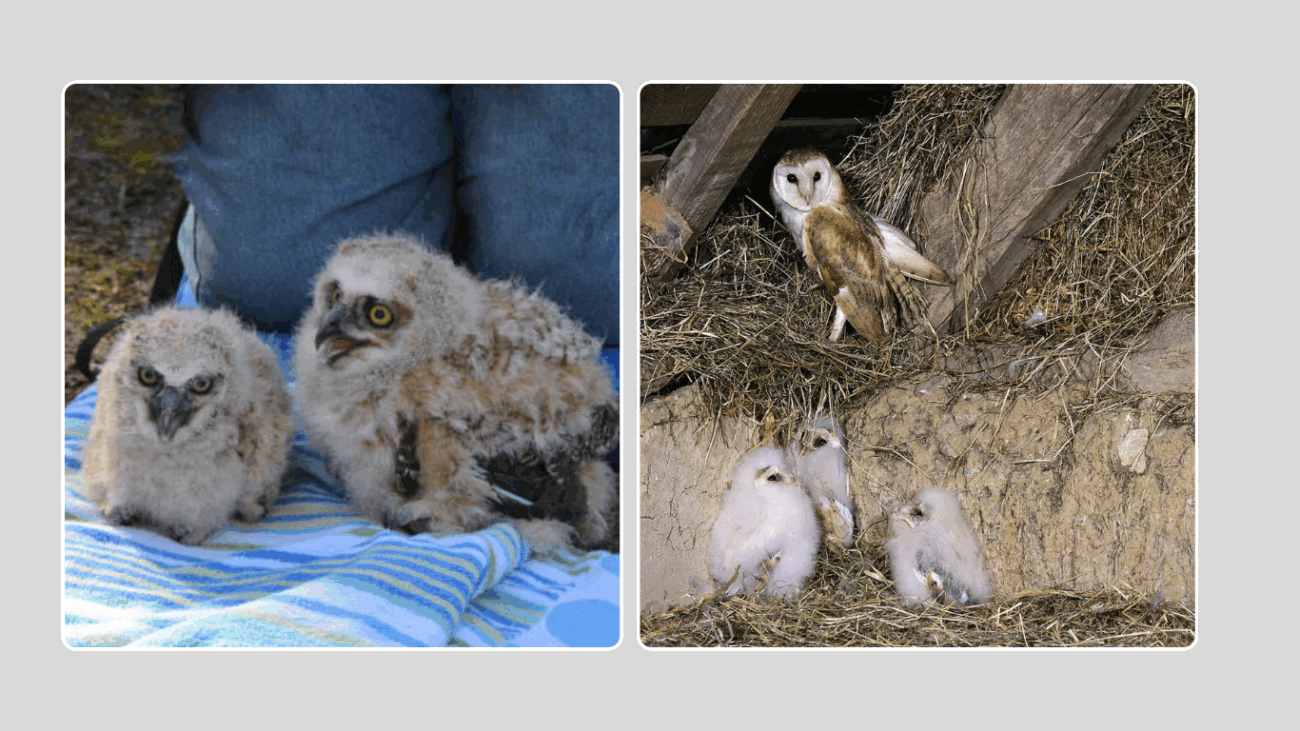
- Owlets Found on the Ground: Often mistaken for abandoned, but usually learning to fly.
- Owls Nesting in Attics or Barns: Barn owls especially favor quiet human structures.
- Hearing Baby Owl Cries: Their shrill night calls can sound eerie yet harmless.
- Rescue Situations: Wildlife rehabilitators often care for fallen chicks until fledging.
- Alien-Like Appearance: Their bald heads and large eyes lead some to think they look otherworldly!
Baby Owls in Books and Culture
From bedtime stories to popular nursery décor, baby owls inspire warmth and curiosity. The classic children’s book Owl Babies by Martin Waddell beautifully captures their bond with their mother. Toy companies have embraced this fascination with plush owls, beanie baby collectibles, and owl-patterned clothing for infants. Even modern baby monitors and themed showers borrow the owl’s image to symbolize care and watchfulness.
FAQs
What is a baby owl called?
A baby owl is called an owlet. The name applies to all young owls before they reach adulthood. During this early stage, owlets depend on parents for food, warmth, and safety until they grow strong enough to hunt and live independently.
Why do baby owls sleep face down?
Baby owls sleep face down because their heads are too heavy for their necks to support. Lying flat helps distribute weight evenly, preventing them from falling while asleep. Once their neck muscles strengthen, they begin sleeping upright like adults.
What do baby owls sound like?
Baby owls make chirps, squeaks, and raspy hisses to signal hunger, fear, or attention. Each call helps parents locate and feed them quickly. As they mature, their voices deepen and begin to resemble the familiar hoots of adult owls.
When do owls have babies?
Most owls breed in late winter or early spring, depending on climate and food supply. After about a month of incubation, baby owls hatch blind and covered in down. They remain in the nest for several weeks until they’re strong enough to fly.
What does seeing a baby owl mean spiritually?
Seeing a baby owl often symbolizes insight, curiosity, and learning. Spiritually, it may represent new awareness or the start of emotional growth. Many believe it’s a gentle reminder to trust your instincts and explore hidden wisdom in everyday life.