The great white owl, often confused with the snowy owl and the great horned owl, is one of nature’s most iconic and mysterious birds. Known for its striking appearance and symbolic meaning in various cultures, the great white owl is not only a creature of beauty but also one that is deeply embedded in myths and stories worldwide. In this article, we’ll explore its identification, habitat, diet, and symbolic significance.
Identification of the Great White Owl
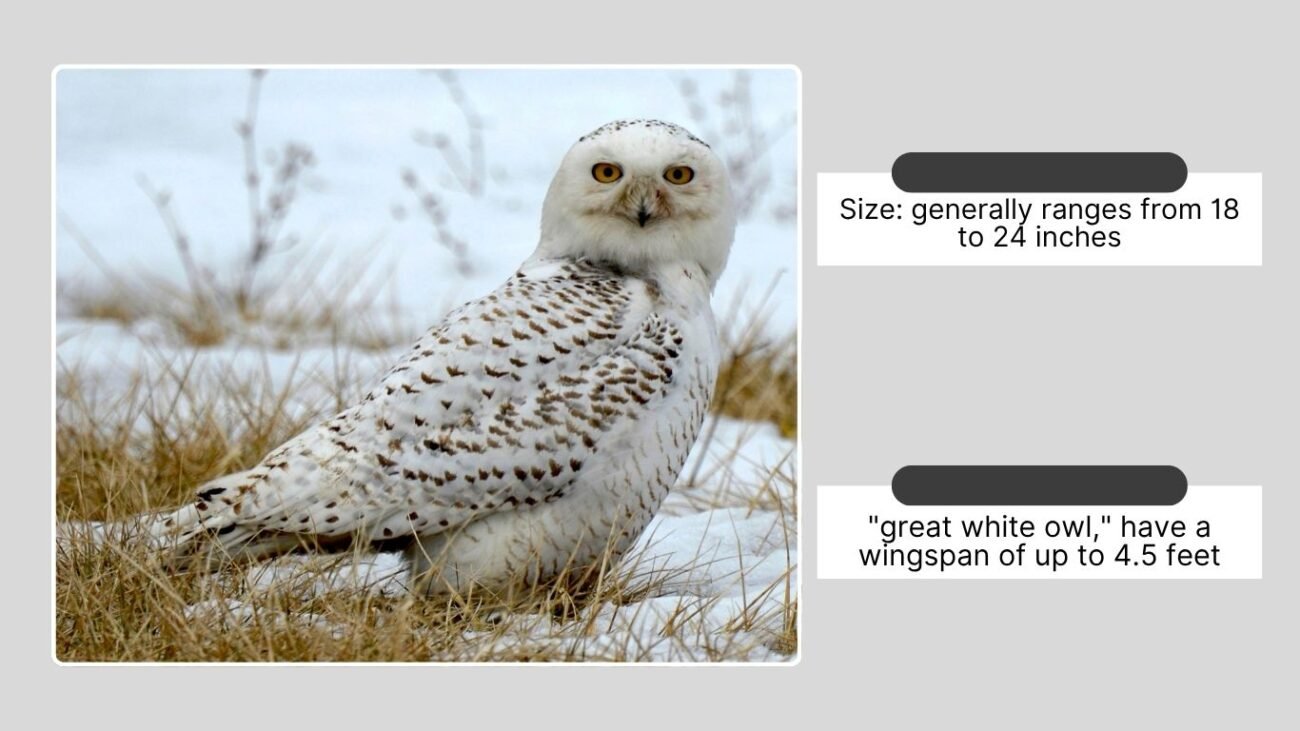
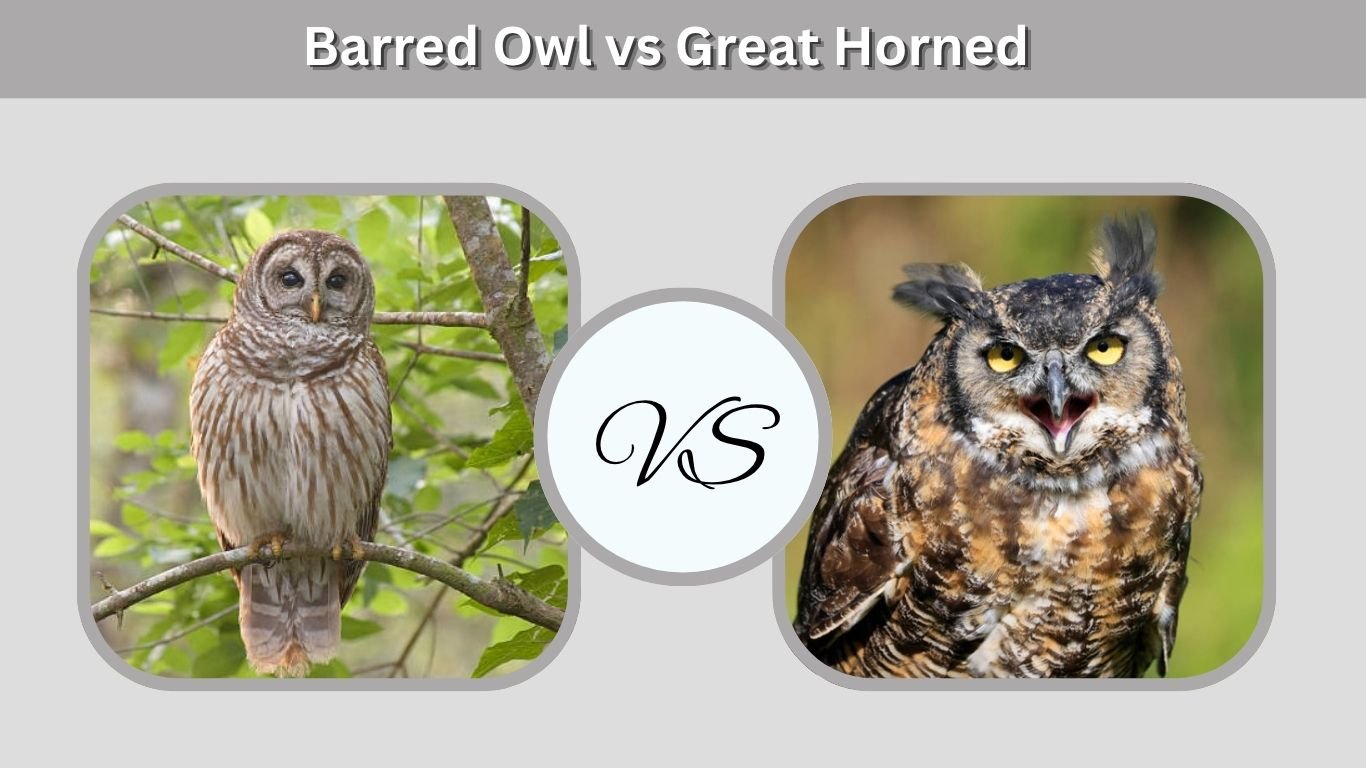
The great white owl is often mistakenly associated with the snowy owl or great horned owl, but it is important to distinguish them based on their unique characteristics.
Physical Features
- Size: The great white owl generally ranges from 18 to 24 inches in length, with some variations depending on the species. Snowy owls, which are commonly thought of as the “great white owl,” have a wingspan of up to 4.5 feet.
- Feathers: The owl is known for its white plumage, which provides effective camouflage in snowy environments. Some may have slight gray or brown tints, particularly around the wings and face, but they are predominantly white.
- Eyes: The yellow or amber eyes are one of the most distinguishing features of the great white owl, offering sharp vision during both day and night.
- Neck Ruff: A distinctive feature in some species, like the great horned owl, is a white neck ruff, which can be a clue in identifying the species.
Habitat
- The great white owl is mostly found in cold northern regions, particularly in Arctic tundras. These owls have adapted to harsh climates, where their white feathers help them blend into the snow and ice.
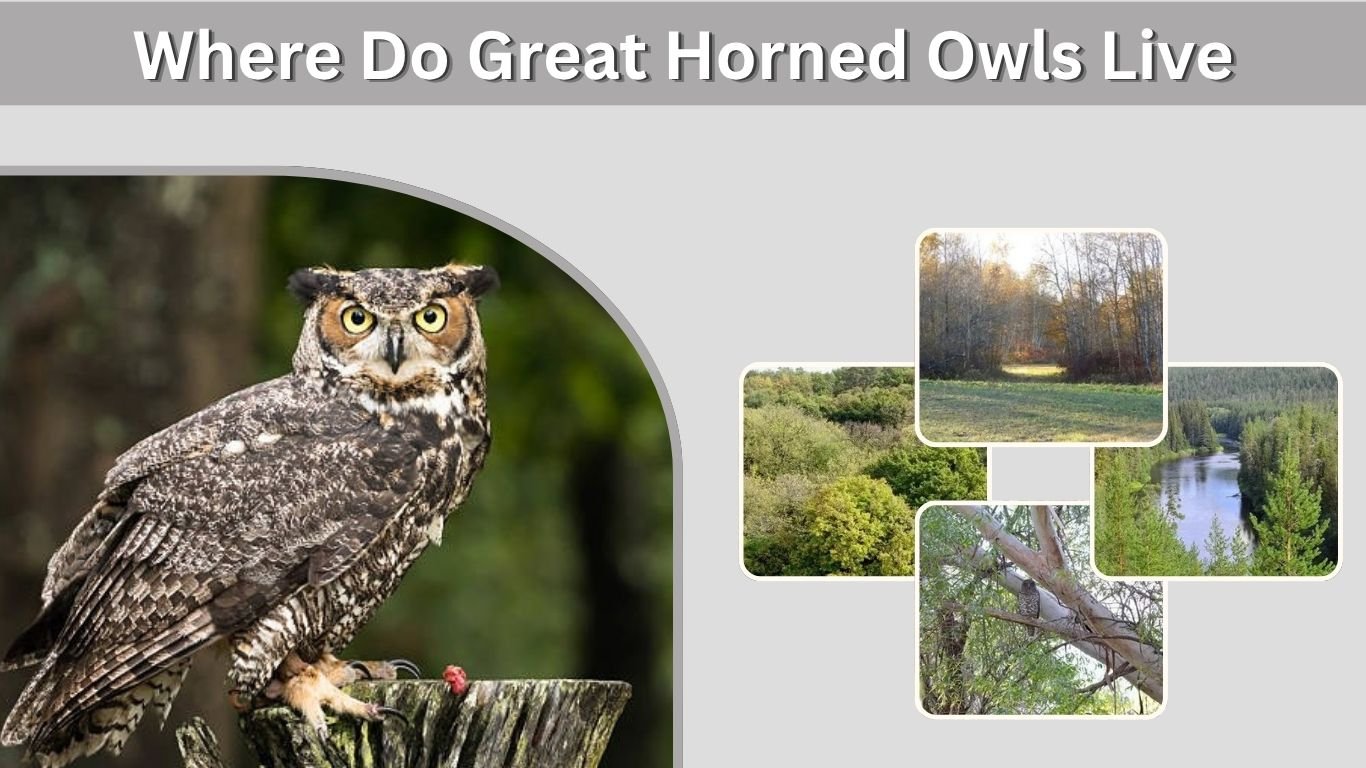
- Snowy owls, specifically, tend to live in the Arctic tundra, but during winter, they may migrate to southern Canada or the northern U.S.. In contrast, the great horned owl is much more adaptable and is found in a variety of habitats, including forests, grasslands, and deserts.
Behavior
- Solitary: The great white owl, like its relatives, is largely a solitary hunter. These owls typically hunt alone and are primarily nocturnal, though some may also hunt during the day, especially at dawn and dusk.
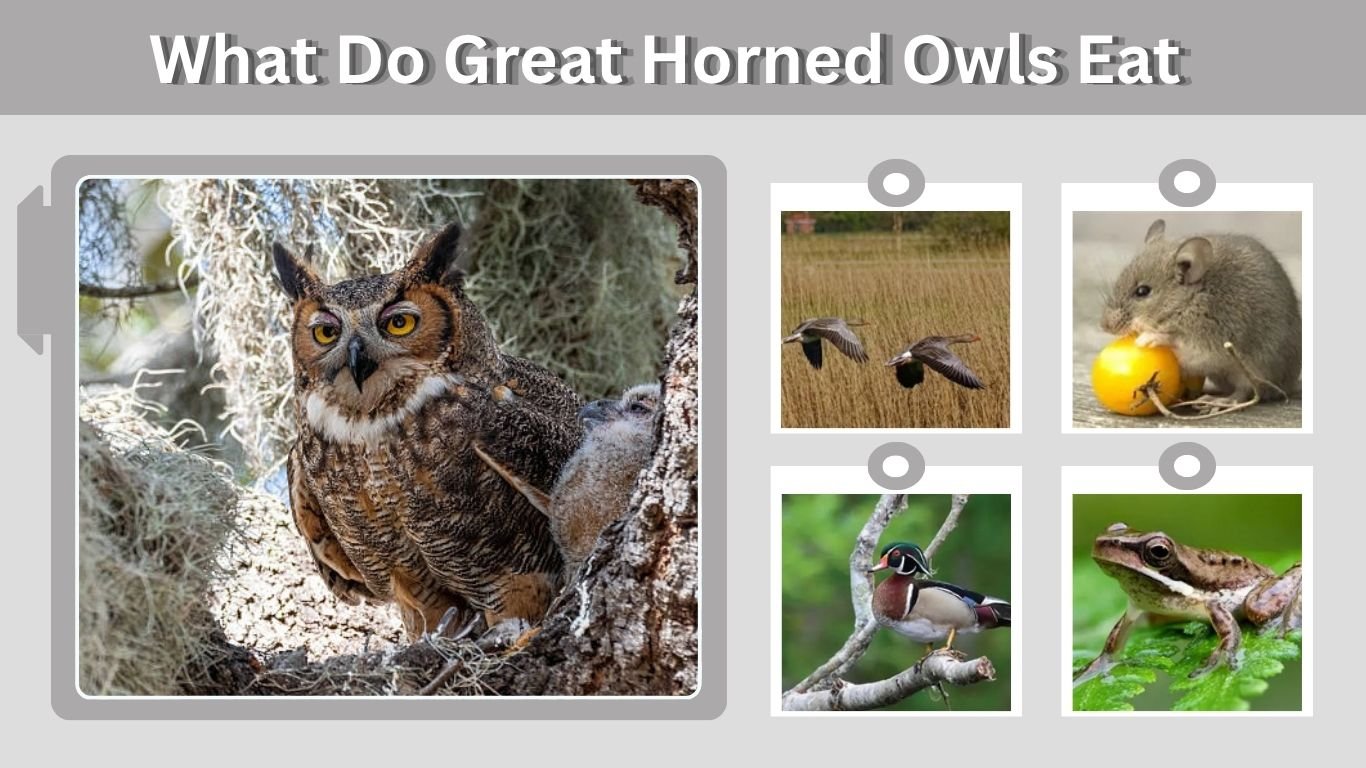
- Diet: Their diet mainly consists of small mammals, such as mice, voles, and lemmings. During times of scarcity, they may also prey on small birds. They are skilled hunters, using their sharp talons to capture prey quickly.
Great White Owl Facts
1. Lifespan and Longevity
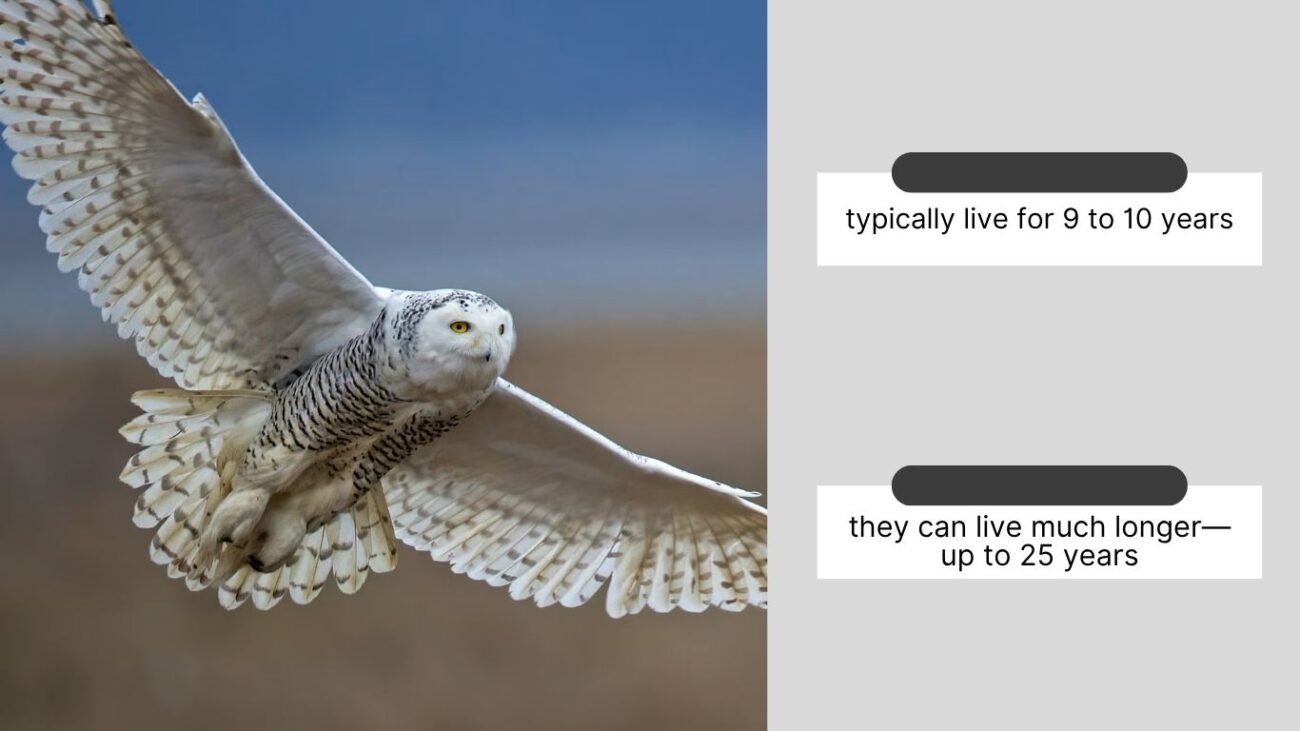
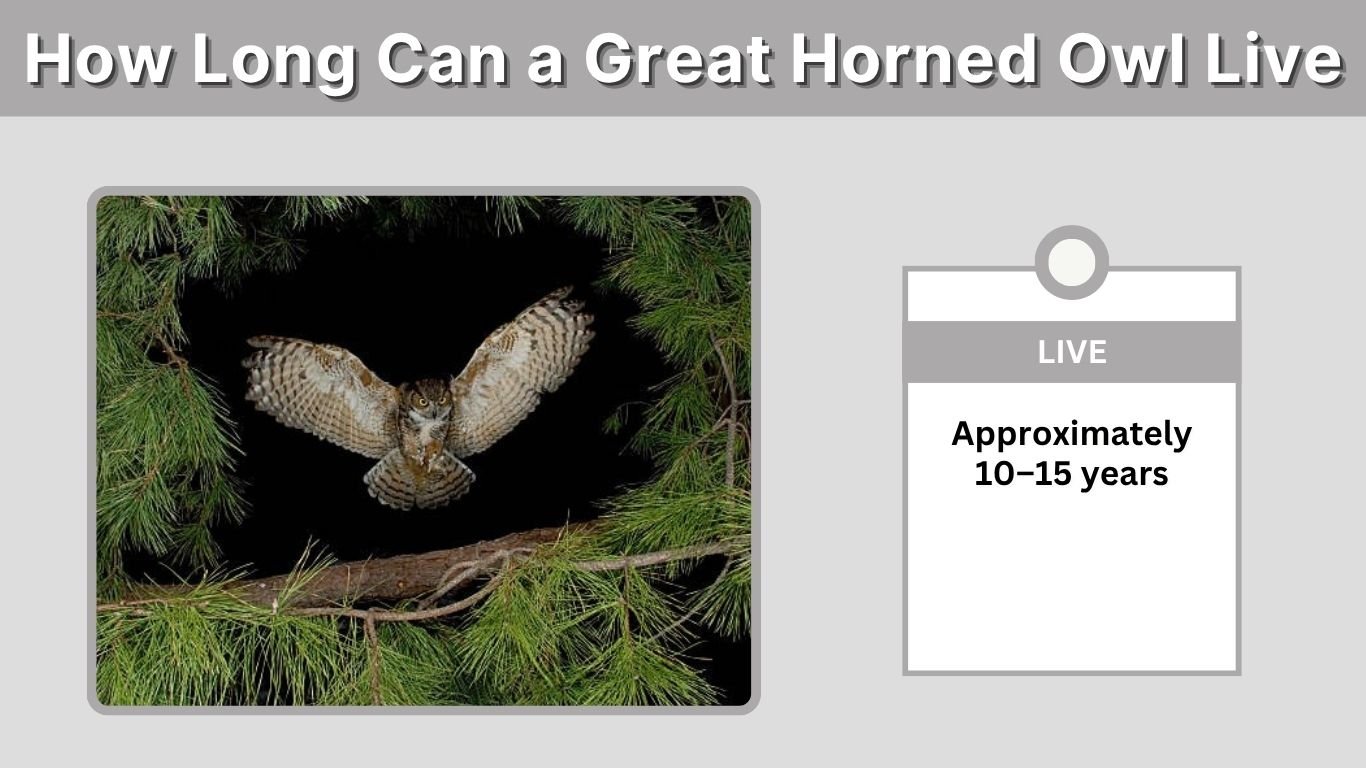
In the wild, snowy owls typically live for 9 to 10 years, although some individuals can reach 18 years. The great white owl shares a similar lifespan, and in captivity, they can live much longer—up to 25 years—due to controlled conditions, consistent food sources, and the absence of natural predators.
2. Symbolism and Spiritual Meaning
The great white owl holds a significant place in various cultural traditions and spiritual beliefs. Across many cultures, owls are seen as symbols of wisdom, intuition, and mystery. The white plumage of the great white owl, in particular, is often associated with purity, knowledge, and the ability to see things that others cannot.
- In Native American cultures, the owl is frequently regarded as a spiritual guide, offering wisdom and the ability to navigate through life’s uncertainties.
- In Greek mythology, the owl is the symbol of Athena, the goddess of wisdom and warfare, representing knowledge and foresight.
In literature, owls, especially the great white owl, are often seen as mysterious creatures who possess deep insight and vision beyond the ordinary. This is why they are often depicted in fantasy and mystery stories, representing secret knowledge or guidance.
3. Habitat and Range
The great white owl prefers cold, open habitats, with the Arctic tundra being the most common biome. In the winter months, snowy owls from the north migrate south to Canada and even the northern U.S. in search of food. Their migration patterns vary based on food availability, with some birds traveling long distances and others remaining closer to their breeding grounds.
While great horned owls have a much broader range, they too can be found in North America, from Canada to South America. These owls inhabit forests, grasslands, and deserts and are more adaptable to changing environments than their white-feathered relatives.
Diet and Hunting Behavior
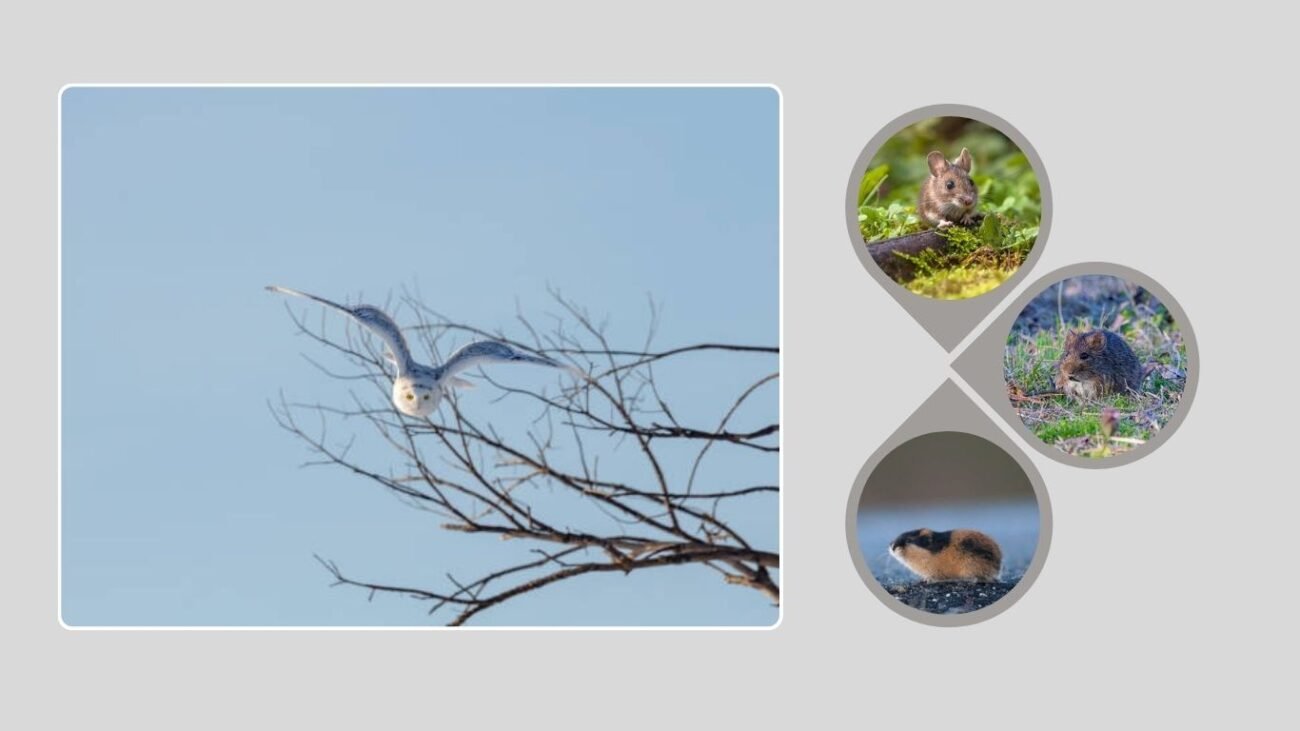
The great white owl is a skilled hunter, well adapted to surviving in some of the harshest climates. Here’s a closer look at its hunting techniques and dietary habits:
Hunting Techniques
- Silent Flight: Like other owls, the great white owl has specialized feathers that allow it to fly almost silently, enabling it to approach prey without being detected.
- Exceptional Vision: Owls rely heavily on their acute vision to locate prey. The great white owl can see clearly in low light, allowing it to hunt at dawn, dusk, or even in the middle of the night.
- Talons and Hearing: Their talons are incredibly sharp, used to grab and kill prey instantly. They also have keen hearing, which helps them locate small mammals, even under thick snow or foliage.
Diet
- Small Mammals: The great white owl primarily feeds on small rodents, including mice, voles, and lemmings. These creatures make up the majority of their diet, as they are plentiful in the tundra.
- Birds and Other Prey: Occasionally, these owls will hunt small birds or even insects when necessary. They are opportunistic hunters, capable of adapting their diet to the available resources in their environment.
Nesting and Fledging
Nesting Sites
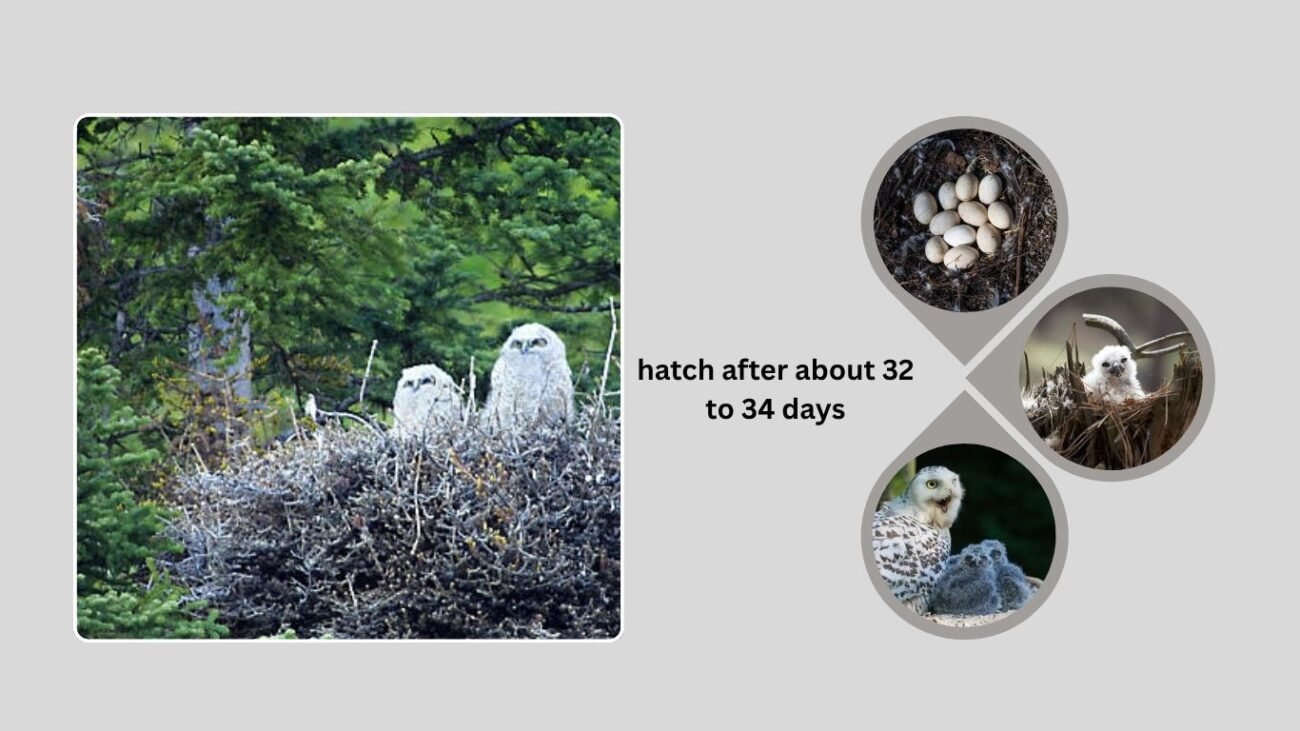
Great white owls, particularly snowy owls, are unique in their nesting habits. Unlike many other owl species, they do not nest in trees. Instead, they prefer to build their nests on the ground. These nests are often created in depressions in the snow, grass, or on small mounds that provide shelter from the harsh Arctic winds. The location of their nest allows them to have a clear line of sight over the flat, open tundra, making it easier to spot potential threats and prey.
During breeding season, the female owl lays 3 to 11 eggs, typically in late winter or early spring, which hatch after about 32 to 34 days. The eggs are usually laid in a small depression in the ground, lined with feathers and vegetation to provide insulation. The female stays close to the nest, incubating the eggs while the male hunts and brings food to her.
Fledging and Young Owls
Once the chicks hatch, they are covered in white down feathers and remain in the nest with the female for protection and warmth. The female continues to care for them, feeding them until they are old enough to hunt on their own. After about 8 to 10 weeks, the chicks are ready to leave the nest and begin learning to hunt. While the young owls may remain with the mother for a short time after fledging, they eventually become independent, often venturing off to find their own territory.
The fledging process is critical for the young owls as it marks their transition from dependence to independence, and the ability to hunt and survive on their own. Some owlets may struggle initially but are often taught by the mother during their early months.
Great White Owl Symbolism and Cultural Significance
Spiritual and Cultural Meaning
The great white owl is often associated with wisdom, mystery, and spiritual insight. Its white plumage is symbolic of purity and clarity, often representing the ability to see through deception or the darkness of the unknown. In Native American culture, owls are viewed as protective spirits that guide individuals through difficult times, offering wisdom and intuition when faced with challenges.
In Greek mythology, owls are associated with the goddess Athena, who represents wisdom and warfare. The owl is her sacred symbol, embodying knowledge and foresight, and is often depicted in art and literature as a creature that can see what others cannot.
In Popular Culture
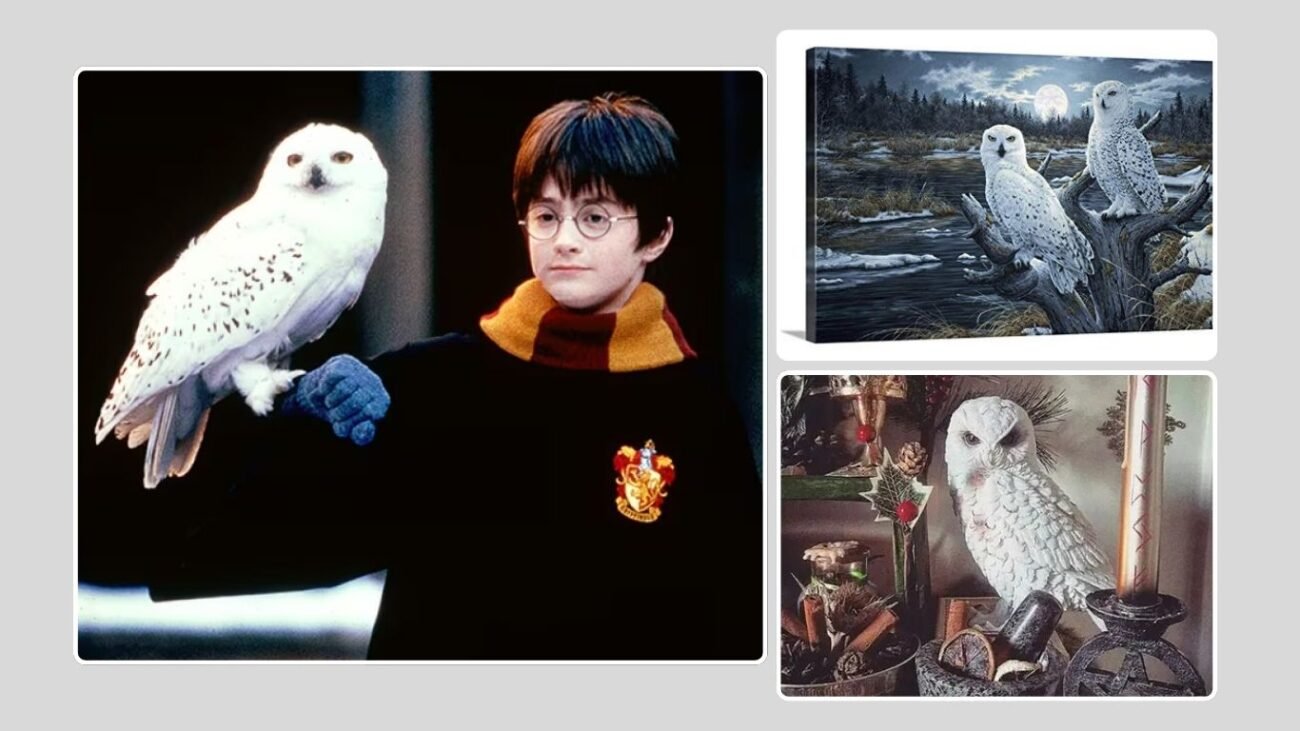
The great white owl also appears in popular culture, often symbolizing mystery, magic, or wise guidance. In the Harry Potter series, the owl is closely associated with Hedwig, Harry’s loyal companion, who serves as a messenger and a symbol of loyalty and protection. Owls, particularly the snowy owl, are often seen as magical creatures capable of connecting different worlds, and their quiet and graceful flight adds to their aura of mystery.
Symbolism in Art and Literature
Throughout history, owls have often been depicted in art and literature as creatures of knowledge and wisdom. The great white owl is no exception, frequently appearing as a symbol of clairvoyance and mystical insight. Whether in paintings, literature, or poetry, the owl embodies the pursuit of knowledge and the understanding of life’s deeper truths.
FAQs
Where do great white owls live?
Great white owls, specifically snowy owls, typically live in cold Arctic regions, including the Arctic tundra. They may migrate to northern U.S. and Canada during the winter in search of food but generally prefer areas with snow and open spaces for hunting.
Can great horned owls be white?
While great horned owls are generally known for their brown plumage and distinctive ear tufts, there are rare instances where some may have lighter or white plumage, especially on the neck and chest. These variants are much less common than the typical brown color.
What is the meaning of the great white owl?
The great white owl symbolizes wisdom, mystery, and spiritual insight. It is often seen as a guide for those seeking deeper knowledge or truth. In many cultures, owls are considered protectors, and the white color adds a sense of purity and clarity to their symbolism.
How big is a great white owl?
A great white owl, like the snowy owl, typically measures between 20 to 24 inches in length and has a wingspan of approximately 4.5 feet. The size can vary, especially when compared to the great horned owl, which may reach a length of 25 inches.
Are great white owls endangered?
The snowy owl, or great white owl, is not considered endangered, but populations are vulnerable due to climate change, habitat loss, and food scarcity. Snowy owls rely on specific habitats, so changes in these environments can impact their numbers. However, they are not currently listed as endangered.