The snowy white owl, one of nature’s most magnificent and mysterious creatures, captures attention with its gleaming white feathers and piercing yellow eyes. Known scientifically as Bubo scandiacus, this Arctic predator symbolizes purity, wisdom, and mystery. Often spotted gliding silently over frozen tundra, the snowy white owl is not only a marvel of adaptation but also a powerful figure in global folklore and spirituality. Its beauty and symbolism continue to fascinate bird enthusiasts and spiritual seekers alike.
What Is a Snowy White Owl?
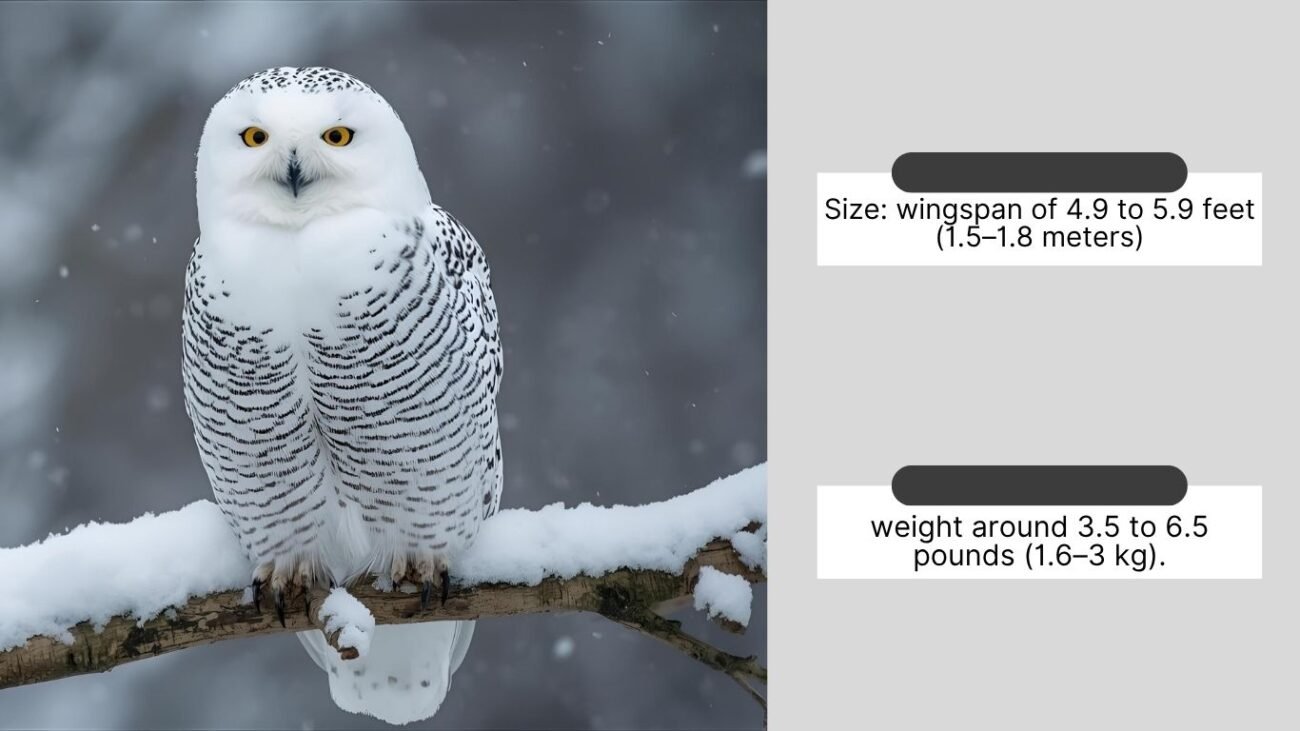
The snowy white owl, commonly referred to simply as the snowy owl, is a large bird of prey native to the Arctic regions of North America, Europe, and Asia. It is one of the heaviest owl species, perfectly adapted for life in cold, snowy environments.
Physical Appearance
- Feathers: Snowy owls are most famous for their thick white plumage, which provides insulation and camouflage against the snow. Some have black or gray markings, especially younger owls or females.
- Size: Adult snowy owls have a wingspan of 4.9 to 5.9 feet (1.5–1.8 meters) and weigh around 3.5 to 6.5 pounds (1.6–3 kg).
- Eyes: Their bright yellow eyes stand out strikingly against their snowy feathers, giving them a look of intelligence and alertness.
- Sex Differences: Males are generally whiter and cleaner in color, while females have more dark barring for better camouflage during nesting.
This appearance makes the snowy owl one of the most striking and recognizable birds in the world.
Habitat and Distribution
Where Snowy White Owls Live
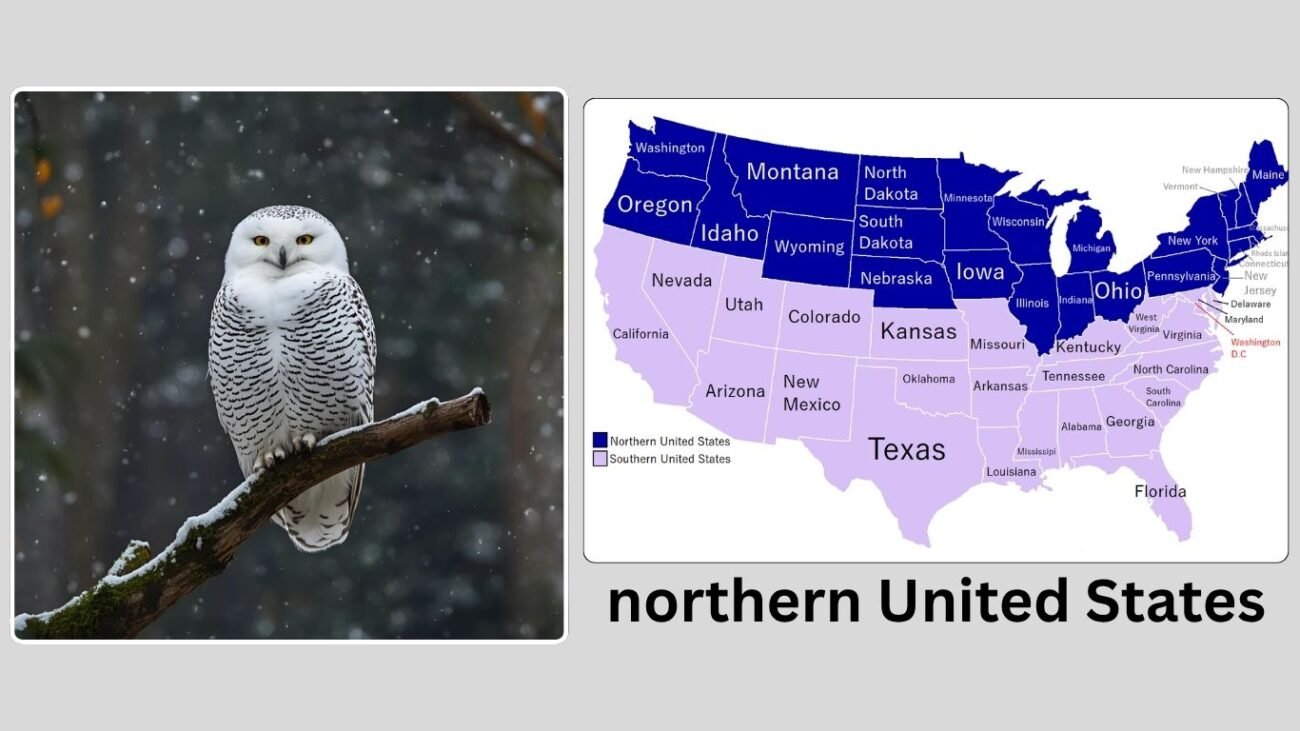
Snowy white owls inhabit the Arctic tundra, where they nest on the ground and rely on their plumage to blend seamlessly with snow-covered landscapes. During winter, when food becomes scarce, they migrate southward to Canada, the northern United States, Northern Europe, and Russia.
Their preferred habitats include:
- Open tundra and plains
- Coastal areas
- Snow-covered grasslands
They are well adapted to cold weather and can withstand sub-zero temperatures thanks to their dense feathers that cover even their legs and toes.
Migration Patterns
While many snowy owls remain in the Arctic year-round, some migrate southward in winter. This migration pattern depends largely on food availability, particularly the population of lemmings—the owl’s favorite prey. During years of abundant food, snowy owls may remain north, but during lean years, they travel great distances, sometimes reaching as far south as the central United States or northern Europe.
Symbolism and Spiritual Meaning
The snowy white owl holds deep spiritual meaning across cultures. Its color, behavior, and silent flight have inspired countless myths, stories, and interpretations for centuries.
Symbol of Wisdom and Intuition
In many traditions, the owl represents wisdom, intuition, and foresight. The snowy owl’s white plumage enhances this symbolism, often linked to spiritual clarity and inner enlightenment. Seeing a snowy white owl is believed to signify an awakening of awareness or a message from one’s higher self.
Purity and Transformation
Because of its pure white feathers, the snowy owl also symbolizes purity, peace, and transformation. Many spiritual interpretations suggest that the presence of a white owl represents a cleansing of negative energy or the start of a new phase in life.
Native American Beliefs
In Native American culture, the snowy owl is considered a powerful spiritual messenger. Different tribes interpret its presence in various ways:
- Some see it as a guardian spirit, offering protection and guidance.
- Others view it as a symbol of change, especially when it appears unexpectedly.
Its quiet, watchful nature embodies patience and observation—virtues deeply valued in indigenous spiritual teachings.
Snowy White Owl in Literature and Art
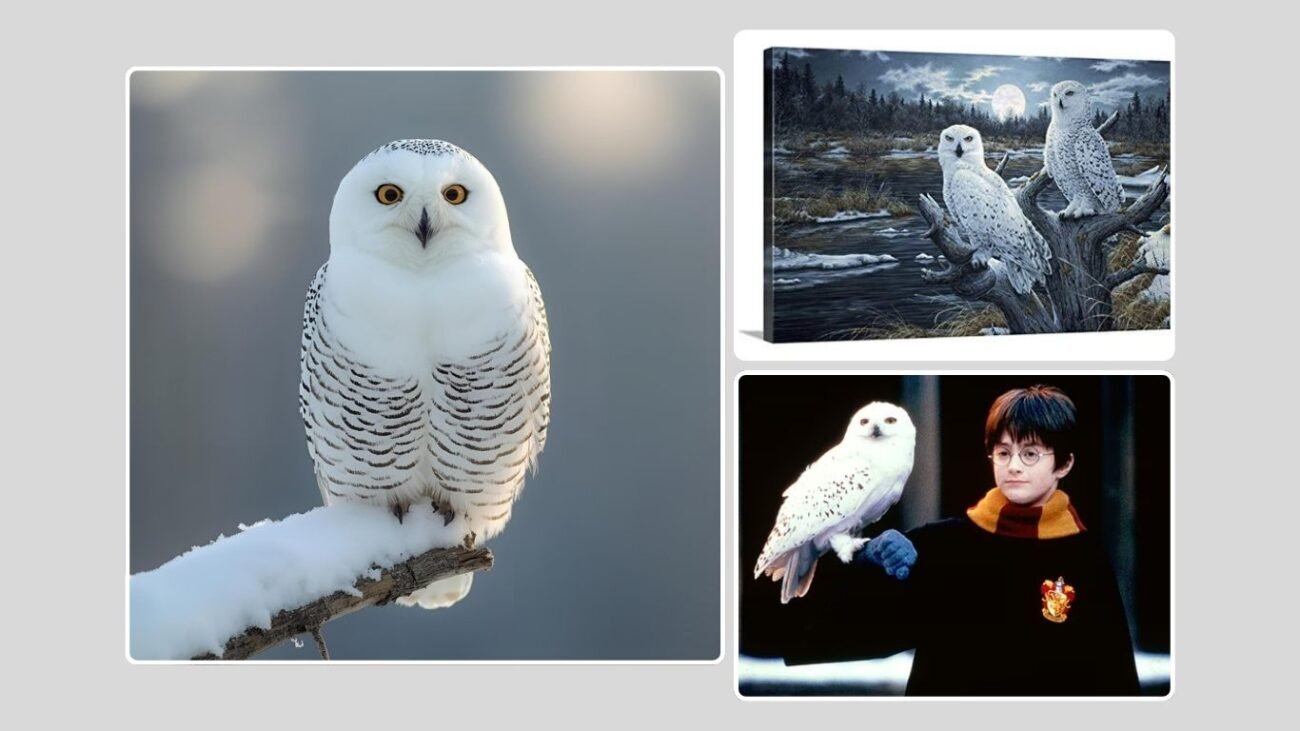
Snowy owls have long fascinated writers, artists, and filmmakers. Their mystical beauty makes them a popular symbol of wisdom, magic, and transformation.
In Literature
- Greek Mythology: The owl was sacred to Athena, goddess of wisdom, representing intelligence and strategic thinking.
- Modern Literature: Perhaps the most famous snowy owl is Hedwig from the Harry Potter series, symbolizing loyalty, intuition, and companionship.
- Native Legends: In Arctic and Native American myths, the snowy owl often appears as a messenger between the physical and spiritual worlds.
In Art and Media
Artists often portray the snowy owl in paintings, sculptures, and photography as a symbol of serenity and mystery. The owl’s pure white feathers make it an icon of winter scenes, while its calm expression conveys wisdom and power.
Its image is also used in decorative art, from tattoos and ornaments to paintings and ceramics, representing a connection between nature and spirit.
Behavior and Adaptations
Snowy white owls are incredibly well adapted to life in the Arctic. Their thick plumage, large size, and exceptional hunting skills make them capable of surviving some of the world’s harshest climates.
Silent Hunters
Snowy owls are silent flyers, thanks to the unique structure of their feathers. The edges of their wings are soft and serrated, allowing air to pass smoothly and reducing noise. This enables them to sneak up on prey without being detected.
Keen Vision and Hearing
Their eyesight is remarkably sharp, capable of spotting small movements from great distances—even in low light conditions. Their hearing is equally sensitive, allowing them to detect prey moving under layers of snow or vegetation.
Territorial Nature
Unlike many owl species, snowy owls are diurnal, meaning they hunt both day and night, especially during the endless daylight of the Arctic summer. They are also highly territorial, fiercely protecting their nesting grounds from intruders.
Diet and Hunting Habits
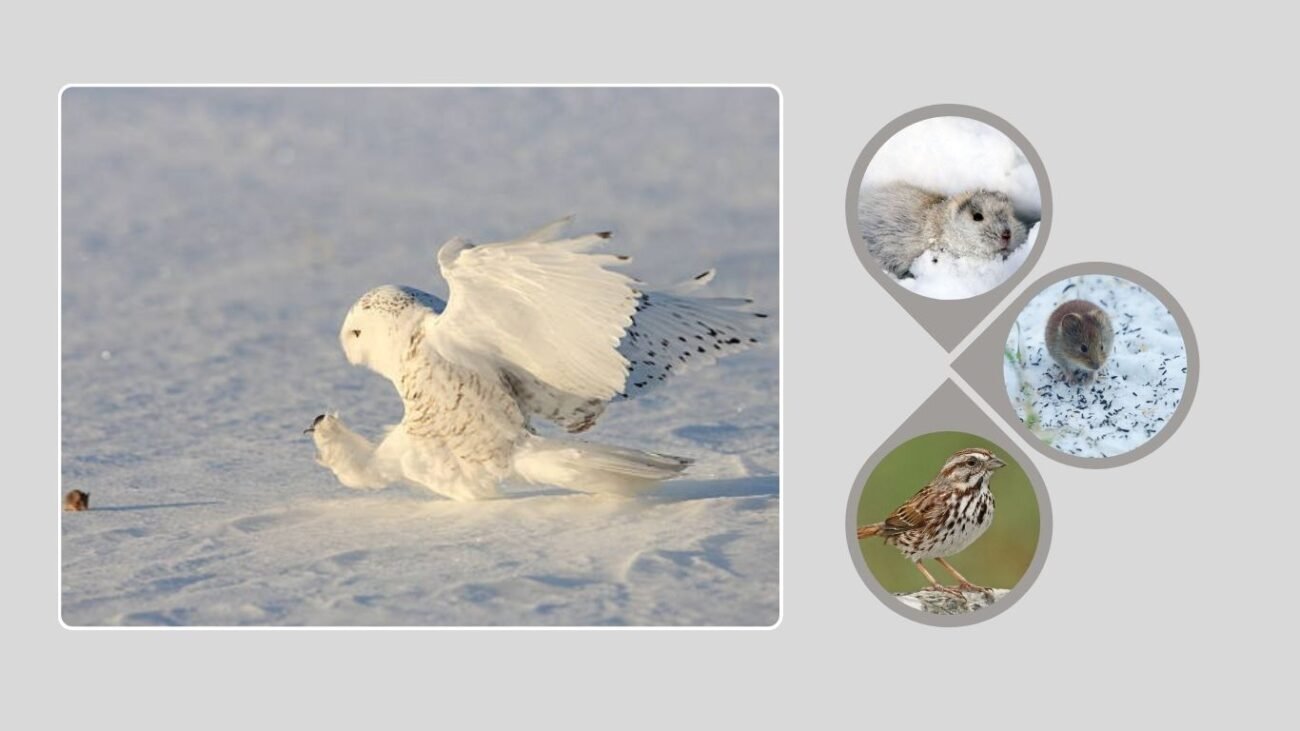
The snowy white owl’s diet mainly consists of small mammals, but it also includes birds and fish when available.
Primary Prey
Their favorite prey is the lemming, a small rodent that forms the bulk of their diet in the Arctic. A single adult snowy owl can eat 3–5 lemmings per day, and during breeding season, a family may consume over 1,000 lemmings.
Other common prey includes:
- Voles and mice
- Ptarmigans and other small birds
- Waterfowl, such as ducks and geese
- Fish, especially in coastal regions
Hunting Technique
Snowy owls hunt from perches or by flying low over open fields. When they spot prey, they swoop down swiftly, using their powerful talons to capture it. Their strong beak and claws are designed to kill swiftly and efficiently.
Why Are Snowy Owls White?
The snowy owl’s white plumage is more than just beautiful — it’s essential for survival.
Camouflage
In the Arctic tundra, where snow blankets the landscape for most of the year, white feathers help the owl blend into its surroundings, protecting it from predators and concealing it from prey.
Thermal Protection
The thick, fluffy feathers also act as insulation, trapping body heat and keeping the owl warm in freezing temperatures. Even its legs and feet are covered in feathers, a rare trait among birds, further helping it endure sub-zero conditions.
Seasonal Changes
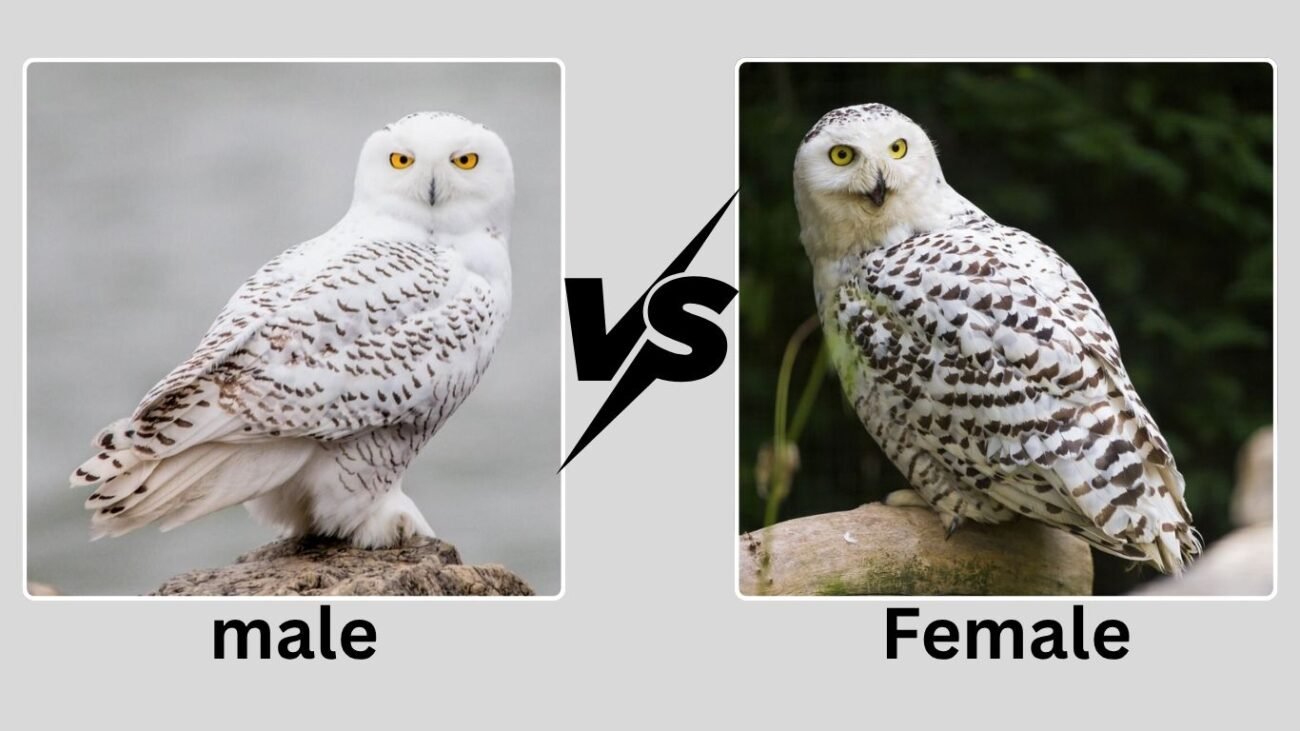
Not all snowy owls remain pure white year-round.
- Males tend to become whiter as they age, sometimes turning completely white.
- Females and juveniles usually have more dark markings for better camouflage during nesting.
This variation helps the species maintain survival advantages in different seasons and environments.
Cultural and Spiritual Symbolism
Dreams and Totems
Seeing a snowy white owl in dreams or visions is often interpreted as a spiritual message. It symbolizes heightened intuition, awareness, and transformation. In some belief systems, a white owl may indicate that one is entering a period of spiritual awakening or clarity.
As a totem animal, the snowy owl represents truth-seeking, inner wisdom, and illumination. People who identify with the owl totem are thought to possess deep insight, strong intuition, and the ability to see what others overlook.
Mystical Associations
In mythology and folklore, snowy owls are often associated with:
- The moon — representing mystery and feminine energy.
- Change and rebirth — due to their appearance during transitions, such as dawn or winter solstice.
- Protection and guidance — acting as spiritual messengers in dreams or visions.
Their white feathers and silent flight often symbolize purity, peace, and the connection between the physical and spiritual worlds.
Conservation and Population Status

The snowy white owl is currently classified as Vulnerable on the IUCN Red List. Population declines are linked to climate change, which affects the abundance of lemmings and other prey species.
Threats
- Habitat loss due to warming Arctic conditions.
- Food scarcity in years with low rodent populations.
- Human interference, including hunting and habitat disruption.
Conservation Efforts
Conservation organizations are working to protect the snowy owl’s habitat and monitor population numbers. Tracking programs using satellite transmitters help researchers understand their migration and feeding patterns, crucial for long-term conservation.
FAQs
Are snowy owls always white?
Not completely. Males can be pure white, but females and young owls have dark markings. These spots help them blend in with the ground when nesting.
Why do snowy owls have white feathers?
Their white feathers provide camouflage in snowy habitats and insulation against the Arctic cold. The plumage also symbolizes purity and adaptation to their environment.
Do snowy white owls live in the U.S.?
Yes. During the winter, snowy owls migrate south and can be seen in northern U.S. states like Minnesota, New York, and Washington.
What does it mean if you see a snowy white owl?
Spiritually, seeing a snowy white owl represents wisdom, transformation, and divine guidance. It may also signal that clarity or insight is coming into your life.
What do snowy white owls eat?
Their diet mainly includes lemmings, voles, mice, and birds such as ptarmigans. Occasionally, they eat fish or other small mammals depending on their habitat.