











Black ducks come in a stunning variety of breeds, from glossy ornamental types to hardy farmyard layers. Whether you’re a poultry enthusiast, homesteader, or just fascinated by dark-feathered waterfowl, this guide explores 25 types of black ducks, each with its own look, behavior, and purpose. From the American Black Duck to the rare Black Orpington, discover their key features, habitats, and how they fit into both wild and domestic environments.
1. American Black Duck (Anas rubripes)
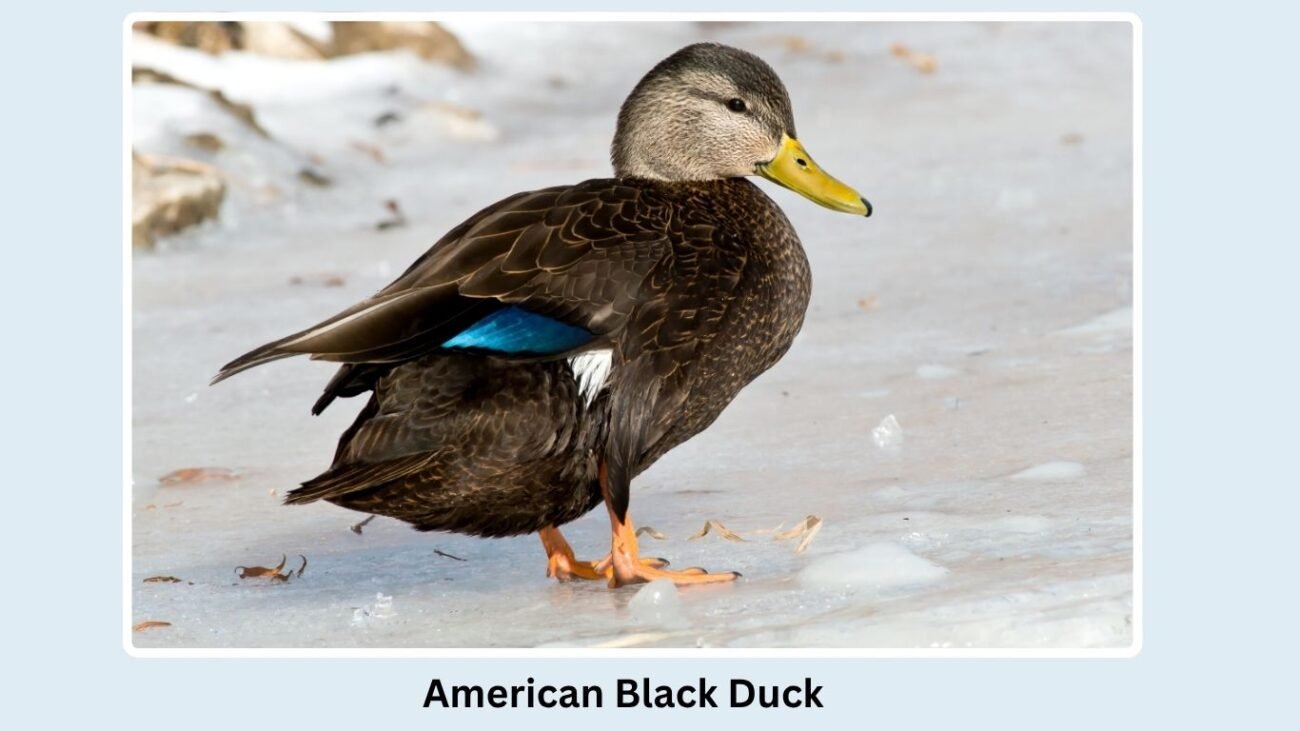
The American Black Duck is a large dabbling duck native to North America. Often confused with female mallards due to similar coloring, this species is darker overall and thrives in a variety of freshwater and coastal wetland habitats. It is known for its strong flight and wary nature.
Identification
- Dark brown to blackish body
- Slightly lighter brown head and neck
- Purple-blue speculum bordered with black
- Yellowish bill in males; olive bill in females
- Orange legs and feet
- Size: About 54–59 cm (21–23 in) long
Natural Habitat
American Black Ducks inhabit freshwater marshes, ponds, rivers, and coastal estuaries. They prefer areas with dense vegetation and shallow waters for dabbling.
Behavior and Lifestyle
These ducks are mostly monogamous and often nest on the ground near water. They are secretive, especially during breeding season, and are excellent at flying and diving to escape predators.
Geographic Distribution
Found throughout eastern North America, especially in the northeastern United States and eastern Canada. In winter, they migrate to the southeastern U.S. and along the Atlantic coast.
2. Cayuga Duck
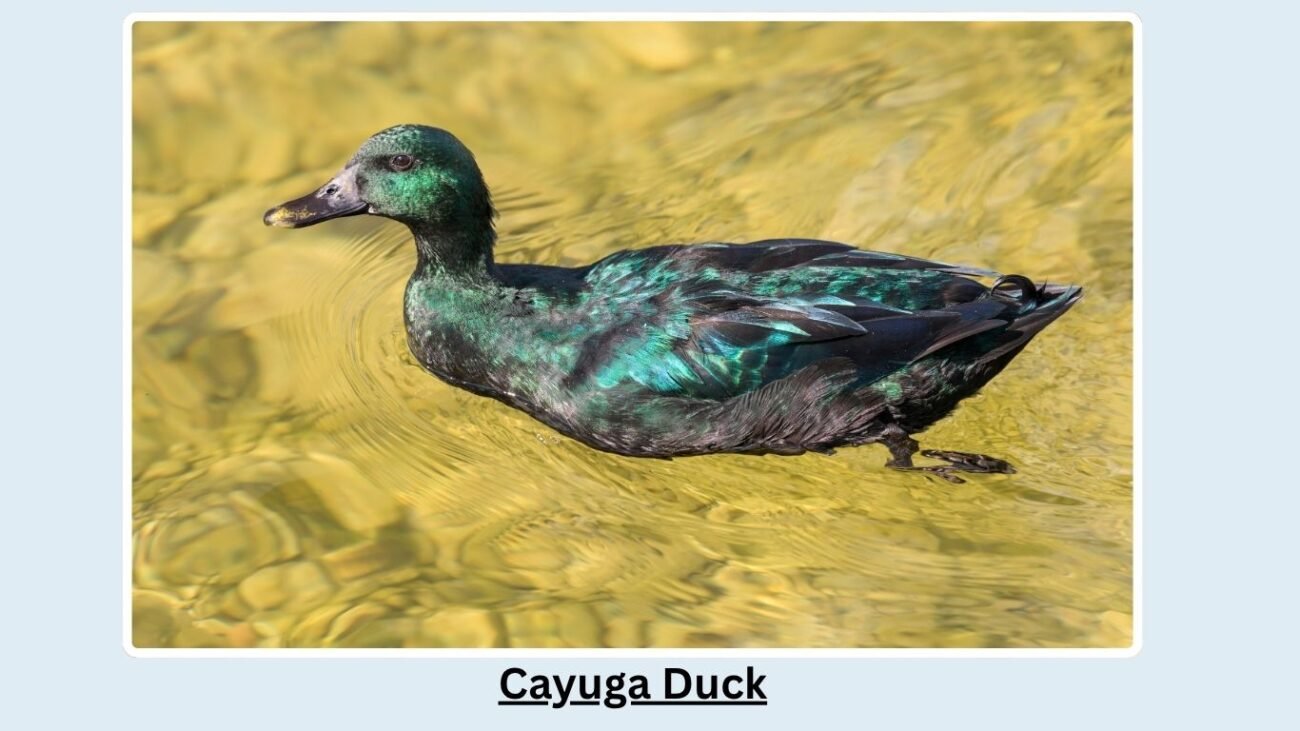
The Cayuga Duck is a domestic breed known for its striking iridescent black feathers with a greenish sheen. Originally developed in the U.S., this duck is popular among backyard keepers for its calm temperament and egg-laying capabilities.
Identification
- Glossy black plumage with green tint
- Black bill and legs
- Medium-sized, sturdy body
- Males may develop white feathers with age
- Size: Around 3–3.6 kg (6.6–8 lbs)
Preferred Environment
Typically found on farms, homesteads, and backyard ponds. They prefer calm freshwater environments and adapt well to human interaction.
Personality and Habits
Cayugas are gentle, quiet, and easy to manage. They forage well and are active during the day, often dabbling or resting near water.
Common Regions
Mainly raised in the United States and some parts of Europe as ornamental or utility birds. They do not migrate or live in the wild.
3. East Indie Duck
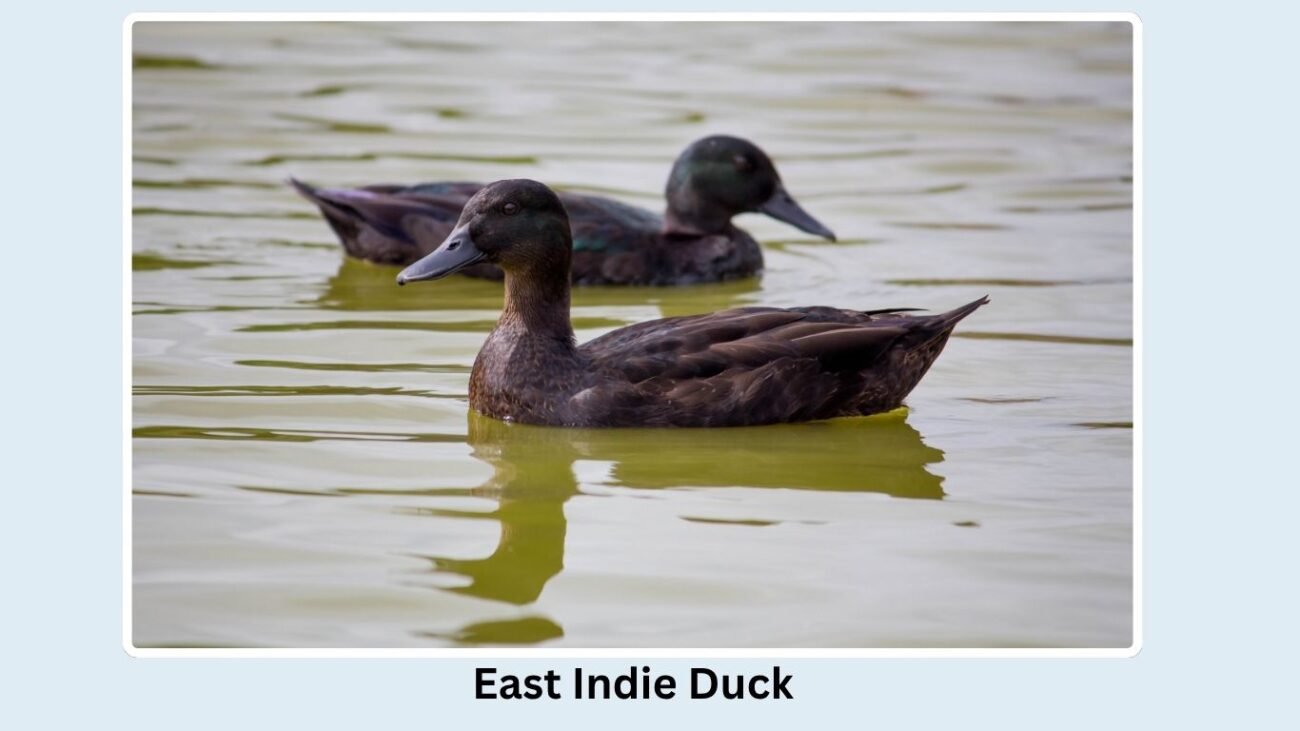
The East Indie Duck is one of the oldest ornamental breeds, prized for its small size and glossy, beetle-green-black feathers. It is not a good meat or egg producer but highly valued for exhibitions and aesthetics.
Identification
- Compact and petite frame
- Brilliant iridescent black plumage
- Black bill and dark legs
- Males and females appear similar in color
- Size: About 0.9–1.2 kg (2–2.6 lbs)
Ideal Setting
Best suited to gardens, small ponds, and enclosed ornamental setups. They require secure environments due to their small size and vulnerability.
Typical Behaviors
These ducks are shy, quiet, and do not fly far. They are social in small groups and often seen waddling calmly around their enclosures.
Breeding Locations
Primarily bred in the U.S., UK, and other Western countries as a show breed. Rarely found in the wild.
4. Black Swedish Duck
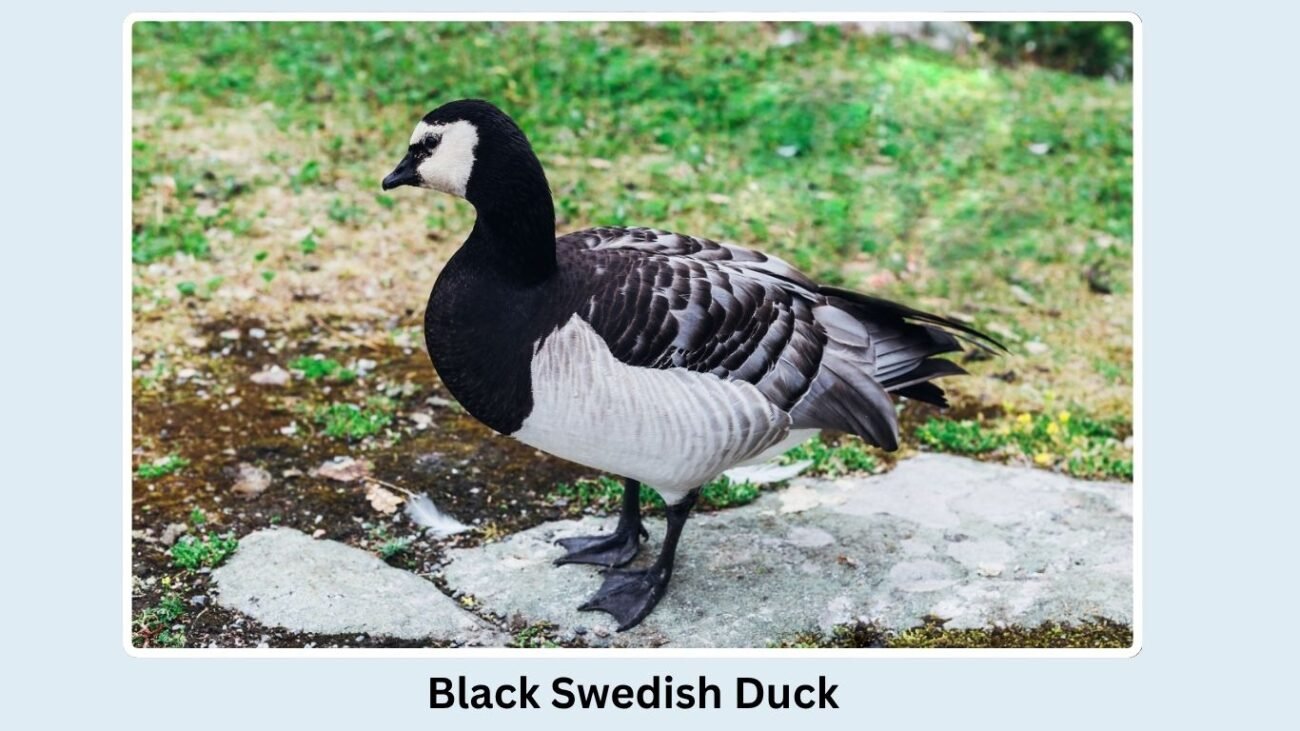
The Black Swedish Duck is a hardy, dual-purpose domestic duck breed. Known for its attractive black plumage with a signature white chest marking, it’s often kept for both eggs and meat.
Identification
- Black body with a distinct white bib
- Broad body and slightly upright stance
- Dark bill and legs
- Size: Around 3.6–4 kg (8–9 lbs)
Habitat Preference
Commonly raised on small farms and homesteads. They thrive near ponds, lakes, or wet grassy fields and adapt well to various climates.
Behavioral Traits
Docile, friendly, and good foragers. They are calm and easy to manage, making them a favorite for backyard setups.
Breeding and Range
Originally from Europe, now widely bred in North America and Europe as a farm duck, not typically found in the wild.
5. Black Runner Duck
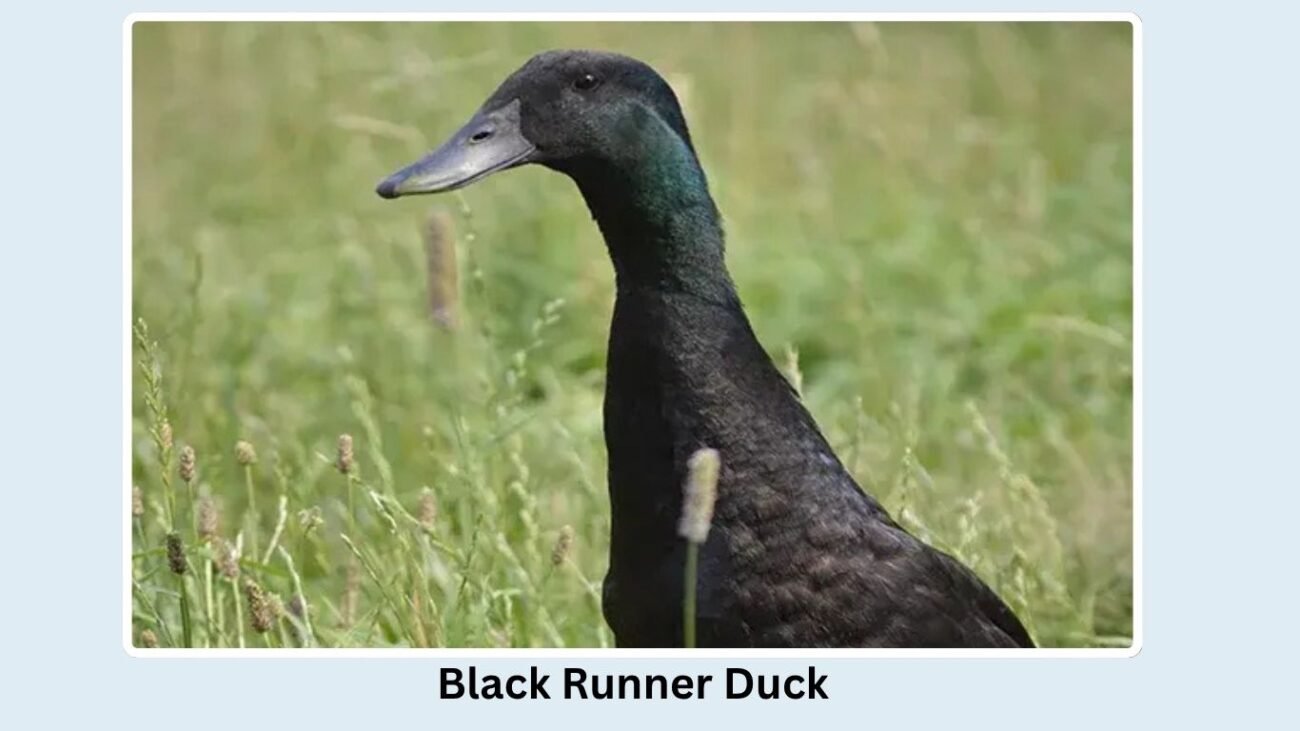
The Black Runner Duck is a sleek and upright domestic breed known for its unique penguin-like posture and constant motion. It’s primarily used for egg production.
Identification
- Tall, slim, and upright body
- Jet-black feathers with a green sheen
- Narrow head and straight bill
- Size: Around 1.4–2.3 kg (3–5 lbs)
Living Environment
Often found in backyards or small farms with open areas to roam. They need access to shallow water but don’t rely on it for swimming like other ducks.
Behavior & Activity
Highly active and excellent foragers. They rarely fly and are known to move in flocks like a herd. Very social and energetic.
Regional Popularity
Bred mainly in the U.S., UK, and Southeast Asia. Entirely domesticated and not found in wild environments.
6. Black Muscovy Duck
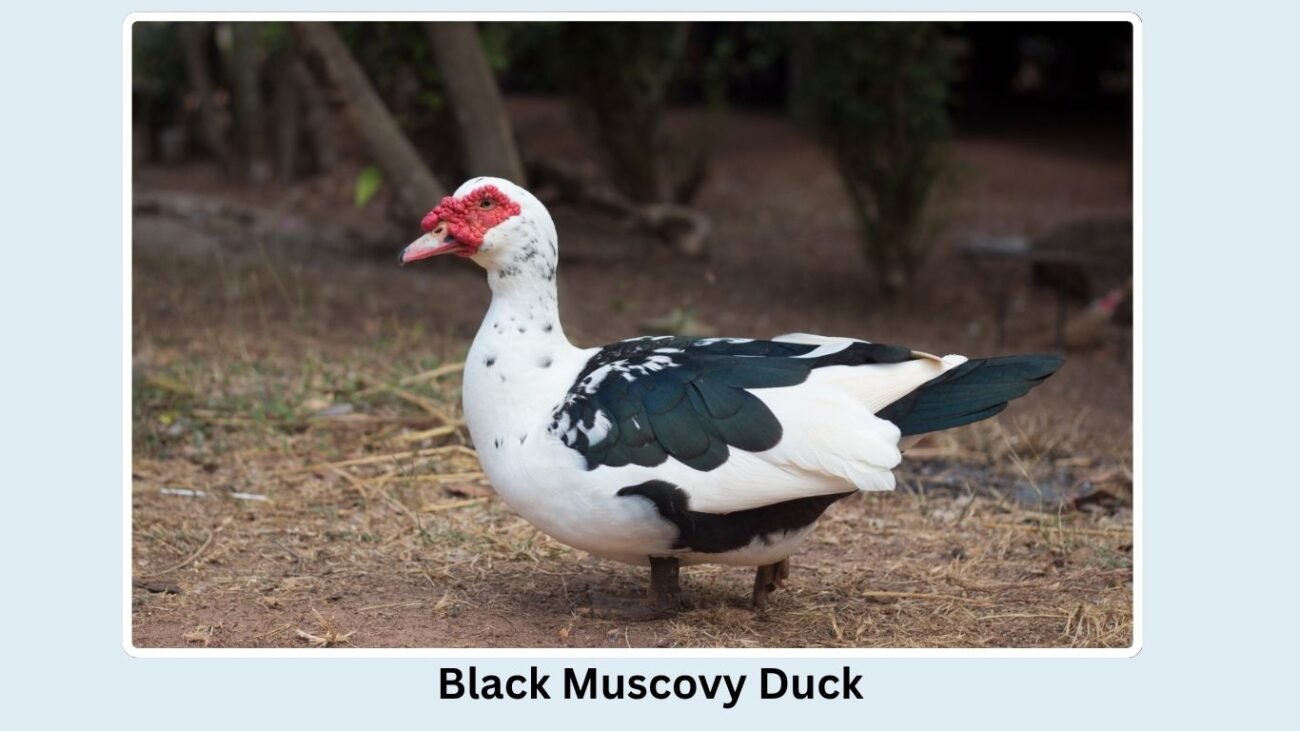
The Black Muscovy Duck is a large, heavy-bodied duck breed known for its quiet demeanor and red facial caruncles. Unlike most ducks, it doesn’t quack and is excellent for pest control on farms.
Identification
- Solid black feathers, often with a green or purple sheen
- Prominent red, warty caruncles around the face
- Long neck, broad wings, and flat tail
- Clawed feet for perching
- Males: 4.5–6.8 kg (10–15 lbs), Females: 2.7–3.6 kg (6–8 lbs)
Natural Environment
Prefers slow-moving rivers, wooded swamps, and farm environments with trees and water. Can adapt to semi-wild conditions near humans.
Personality and Daily Patterns
Generally calm and quiet, with a hiss instead of a quack. Excellent foragers that feed on insects, grass, and small vertebrates. Strong flyers despite their size.
Native and Domestic Range
Native to Central and South America but domesticated strains are raised globally, especially in the Americas and parts of Asia.
7. Black Call Duck
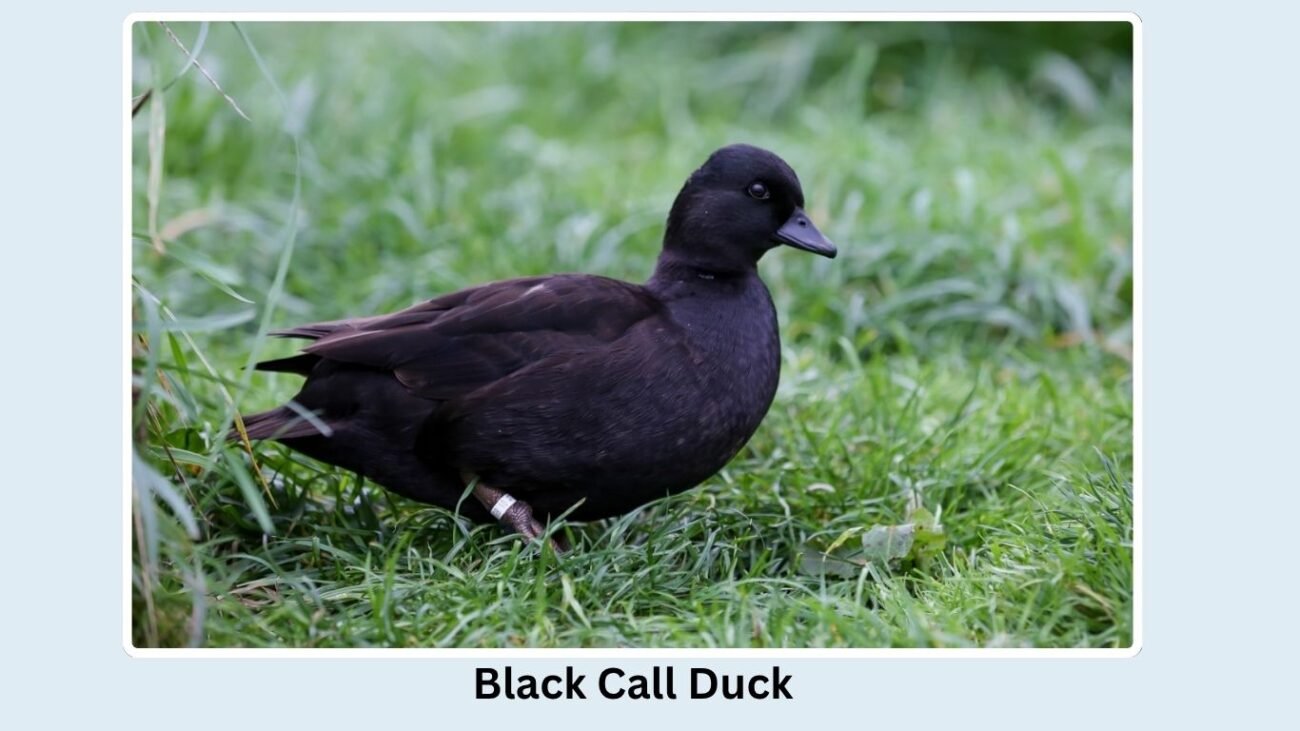
The Black Call Duck is a miniature duck breed originally developed for hunting decoys. It is now primarily bred as an ornamental duck and is admired for its cute size and vocal nature.
Identification
- Compact body with glossy black plumage
- Short bill and round head
- Very small size: around 0.5–0.7 kg (1.1–1.5 lbs)
- High-pitched, loud voice (especially females)
Suitable Environment
Perfect for garden ponds, exhibitions, and decorative enclosures. Requires a secure and predator-proof environment due to its tiny size.
Common Behavior
Alert, social, and very vocal. Though active, their size makes them less destructive than larger breeds. They bond well with caretakers.
Breeding and Global Spread
Originated in the Netherlands, now popular in the U.S., U.K., and Europe as a show bird and companion duck. Not found in the wild.
8. Black Khaki Campbell
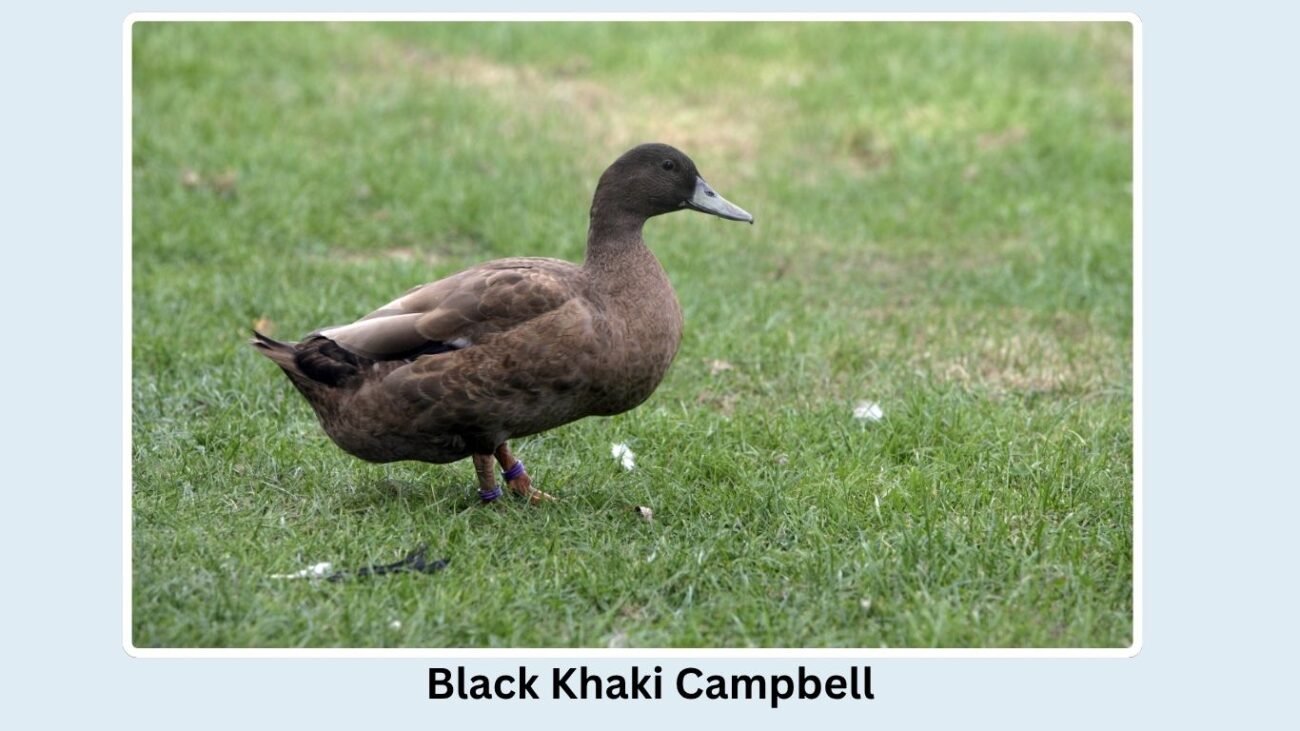
The Black Khaki Campbell is a less common variant of the well-known Khaki Campbell, selectively bred for its dark plumage. It retains the breed’s high egg-laying ability while offering a striking black appearance.
Identification
- Uniform black or dark chocolate plumage
- Upright stance with a slim build
- Black bill and legs
- Size: Around 2–2.5 kg (4.4–5.5 lbs)
Living Conditions
Prefers open grassy spaces with access to shallow water. Performs well in backyard setups and small farms.
Behavior and Traits
Active, independent, and excellent foragers. Known for laying over 250 eggs per year. Less noisy than some duck breeds and adapts well to human presence.
Distribution and Usage
Primarily bred in the U.S. and U.K. for backyard farming and egg production. Entirely domestic and not found in the wild.
9. Black Ancona Duck
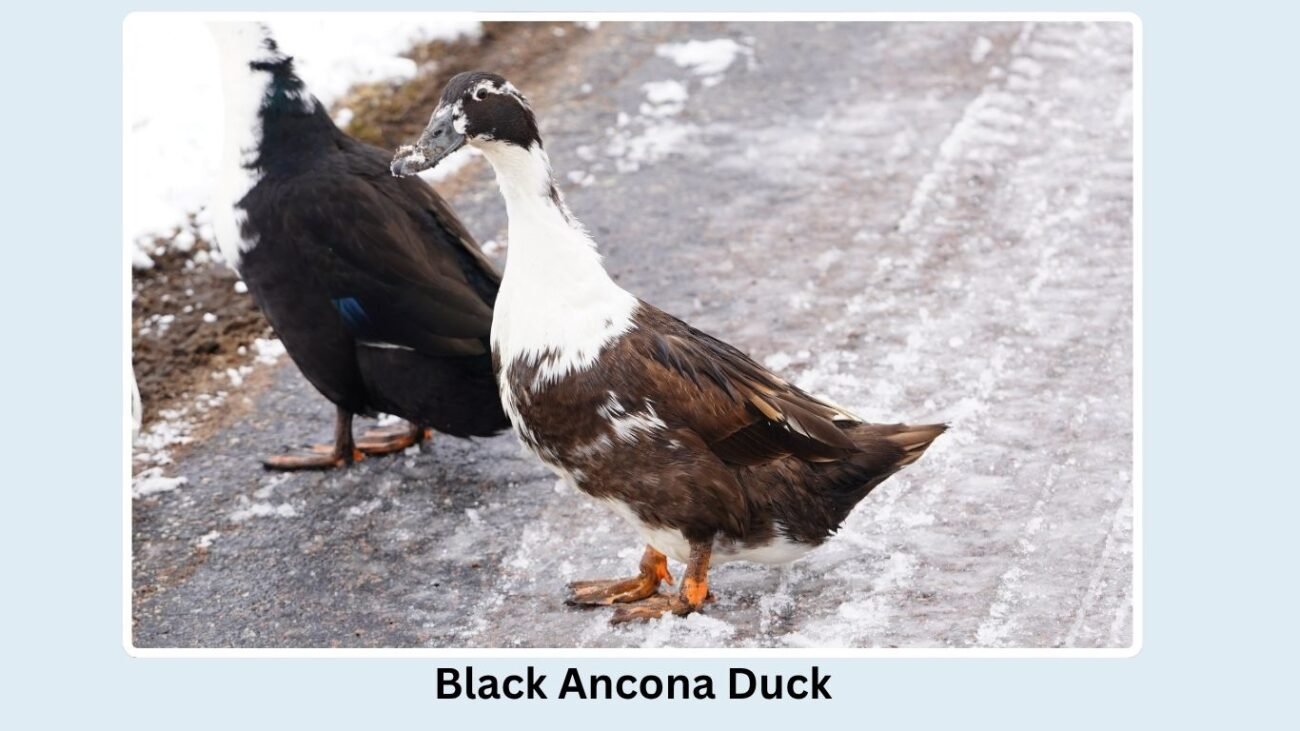
The Black Ancona Duck is a rare color variant of the typical Ancona, known for its patchy, pied black-and-white feather pattern. It’s a friendly and productive breed used for both eggs and meat.
Identification
- Predominantly black plumage with irregular white markings
- Medium-sized body, upright carriage
- Yellow or mottled bill, orange feet
- Size: Around 2.5–3.6 kg (5.5–8 lbs)
Preferred Habitat
Ideal for free-range farms, homesteads, and areas with open space and water. Thrives in both cool and warm climates.
Temperament and Daily Habits
Social, calm, and active foragers. Not good fliers but excellent egg producers. Easily tamed and friendly with humans.
Region of Origin
Developed in the U.S. in the early 20th century. Still rare and maintained by dedicated breeders and backyard farmers.
10. Black Magpie Duck
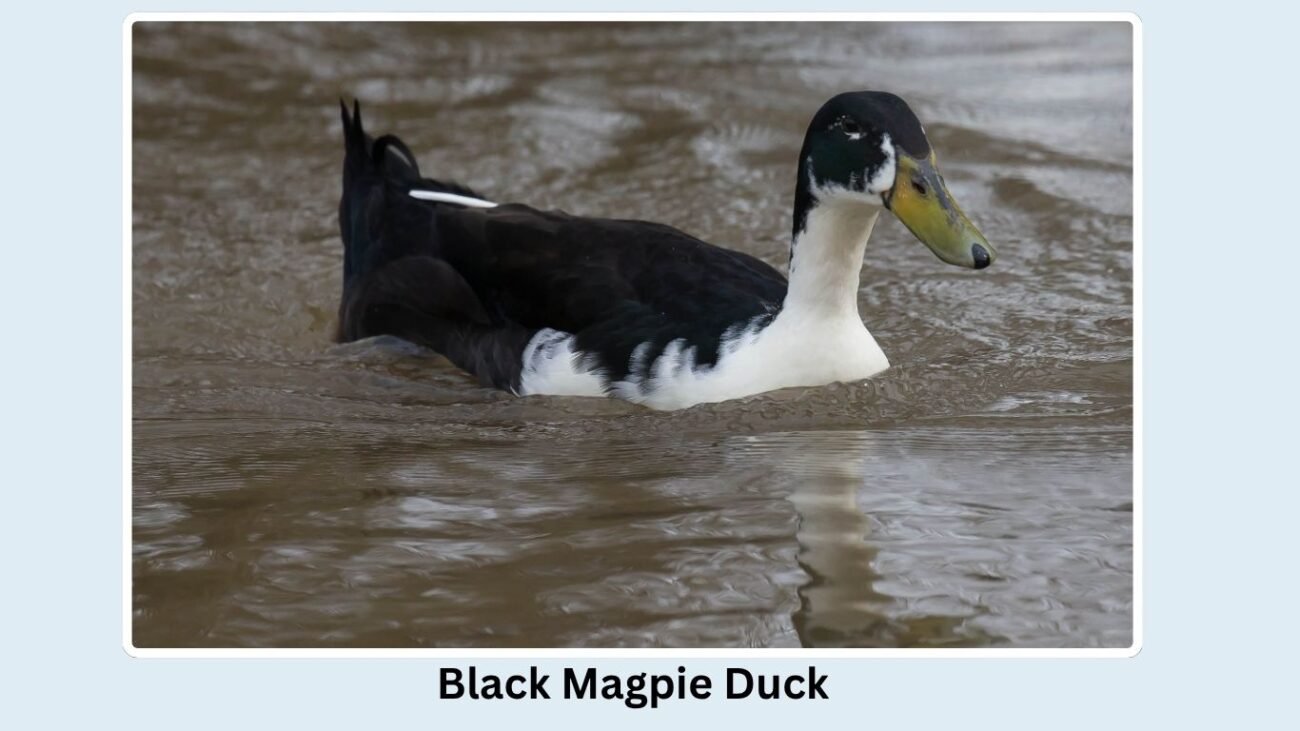
The Black Magpie Duck is a striking domestic breed characterized by its black-and-white markings, with some individuals being predominantly black. It is a utility breed used for both eggs and meat.
Identification
- Black head and tail with a white body
- Occasionally all-black individuals occur
- Upright posture and medium-sized body
- Orange bill and feet
- Size: Around 2.5–3.2 kg (5.5–7 lbs)
Environmental Needs
Thrives in open farm environments with access to ponds or shallow water. Prefers grassy areas for foraging and nesting.
Nature and Daily Activity
Active, hardy, and calm. They forage well and are easy to handle. Known for being sociable and good mothers if allowed to brood.
Breeding Range
Originated in Wales and the U.K., now bred in North America and Europe for utility and ornamental purposes.
11. Black Crested Duck
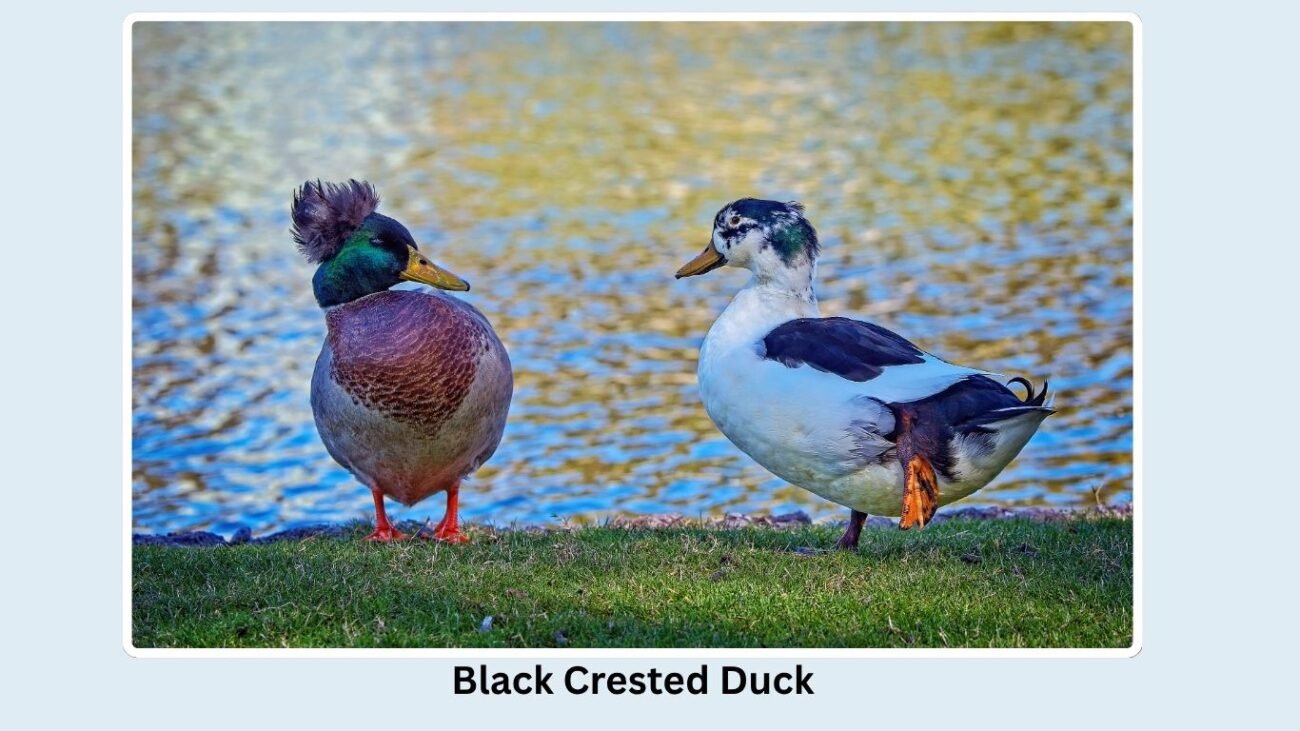
The Black Crested Duck is a domestic breed noted for its distinct crest of feathers on top of the head, combined with a sleek black body. It’s often kept as a show or ornamental bird.
Identification
- Glossy black body with a feathered crest on the head
- Short bill and medium build
- Crest can vary in size and shape
- Size: Around 2.7–3.2 kg (6–7 lbs)
Ideal Setting
Best suited to secure farmyards or gardens with access to water. The crest makes them vulnerable to injury, so they need safe, predator-free environments.
Behavior and Characteristics
Gentle and easygoing, but crested ducks can sometimes have balance issues due to skull shape. Social and often kept in pairs or flocks.
Geographic Presence
Bred mainly in the U.S. and Europe for ornamental and hobbyist purposes. Not found in wild settings.
12. Black Rouen Duck
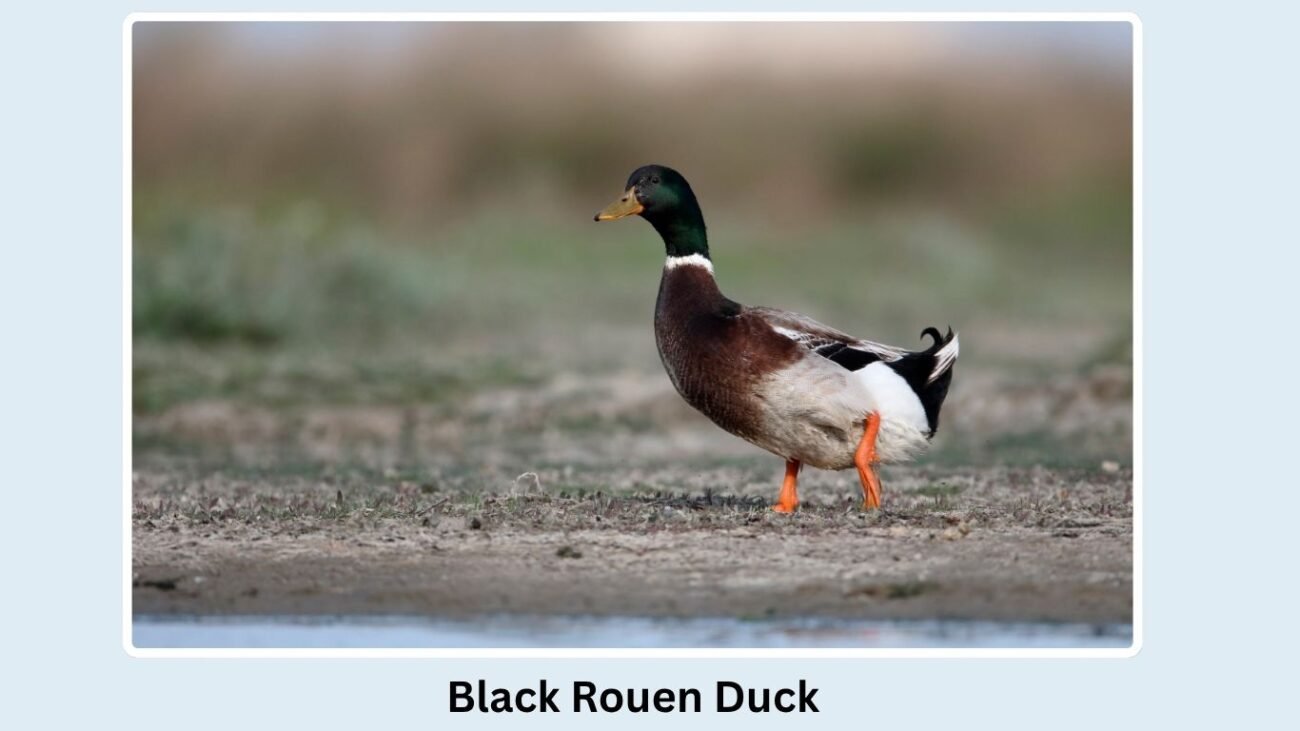
The Black Rouen Duck is a dark-colored variant of the traditional Rouen breed, known for its large size and resemblance to wild mallards. It is primarily raised for meat due to its heavy build.
Identification
- Deep black plumage, sometimes with green iridescence
- Large, robust body similar to a mallard
- Dark bill and orange feet
- Size: Males up to 5 kg (11 lbs); females around 4 kg (9 lbs)
Suitable Habitat
Commonly raised on farms with spacious ponds or lakes. They need grassy areas and access to slow-moving water for foraging and cooling.
Disposition and Behavior
Slow-moving, calm, and non-aggressive. Poor flyers due to their weight. They prefer waddling near water and often rest during the day.
Region of Domestication
Originated in France, but the black variety is mostly bred in the U.S. and Canada. Entirely domestic and not found in wild habitats.
13. Black Saxony Duck
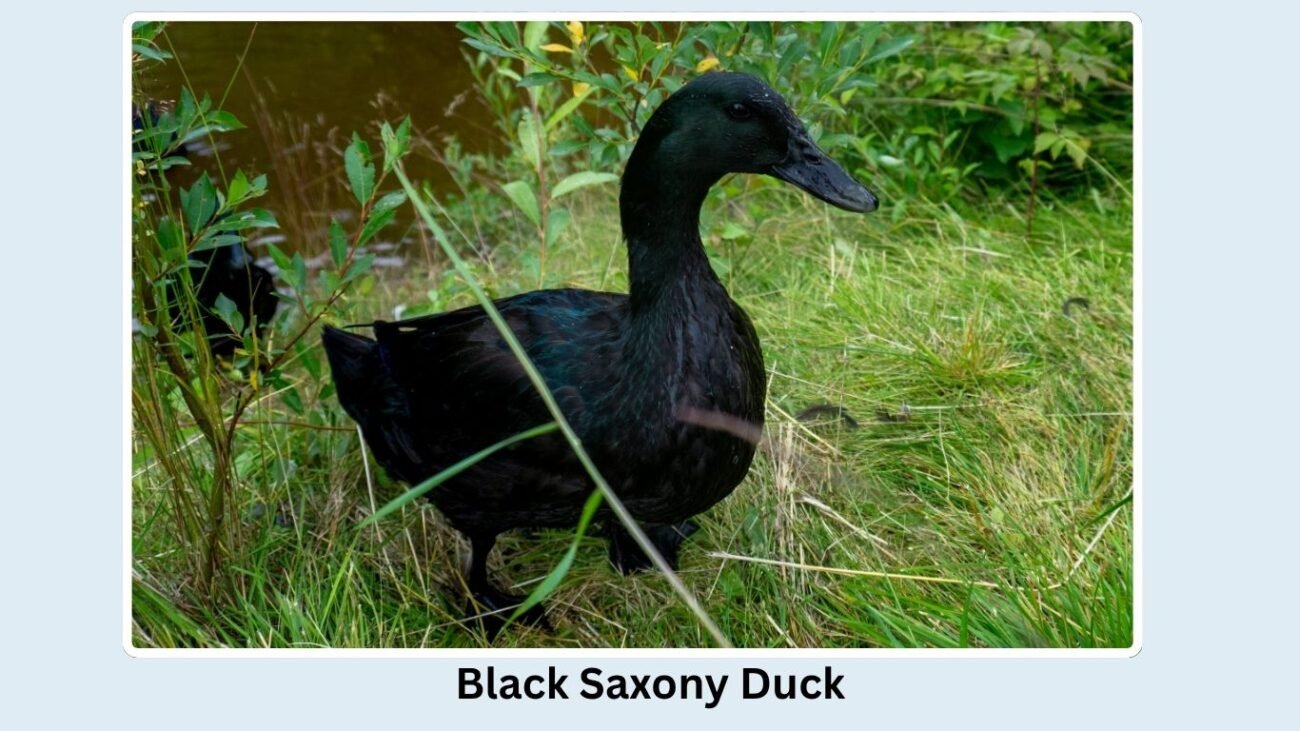
The Black Saxony Duck is a rare variation of the standard Saxony breed, developed for utility but prized for its glossy black coloration and calm personality.
Identification
- Pure black plumage with green and purple sheen
- Sturdy, rounded body
- Dark bill and webbed feet
- Size: Around 3.2–4 kg (7–9 lbs)
Environmental Requirements
Prefers open farm settings with access to water and space to roam. Does well in moderate climates with proper shelter.
General Behavior
Gentle, friendly, and productive. These ducks are great foragers and known for their adaptability to various environments.
Origin and Use
Originally developed in Germany, with the black color variant bred by enthusiasts. Mostly found on specialty farms and homesteads.
14. Black Indian Runner Duck
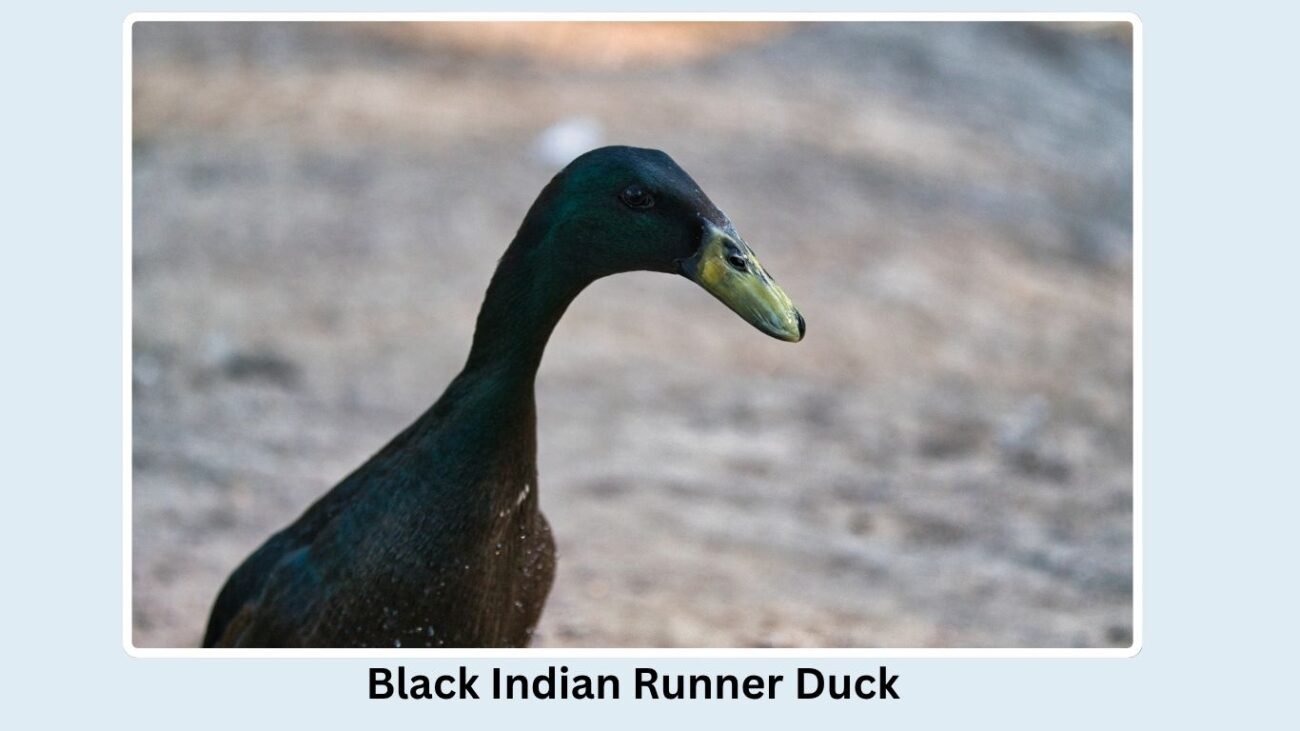
The Black Indian Runner Duck is a sleek, upright breed known for its energetic behavior and distinctive posture. This black variety adds a dramatic flair to an already unique breed, prized for egg production and insect control.
Identification
- Tall, upright “bottle-like” body
- Solid black plumage with greenish sheen
- Narrow head, straight bill
- Size: Around 1.4–2.3 kg (3–5 lbs)
Natural Environment
Best suited to backyard gardens and farms with ample space for running and foraging. Needs a shallow water source but does not require swimming like other breeds.
Behavior and Movement
Very active and constantly on the move. They rarely sit still, are not good flyers, and move in tight groups like a marching flock. Known for being gentle and efficient foragers.
Distribution
Bred in the U.K., U.S., and Southeast Asia. This black variety is mainly domesticated and not found in wild habitats.
15. Black Welsh Harlequin
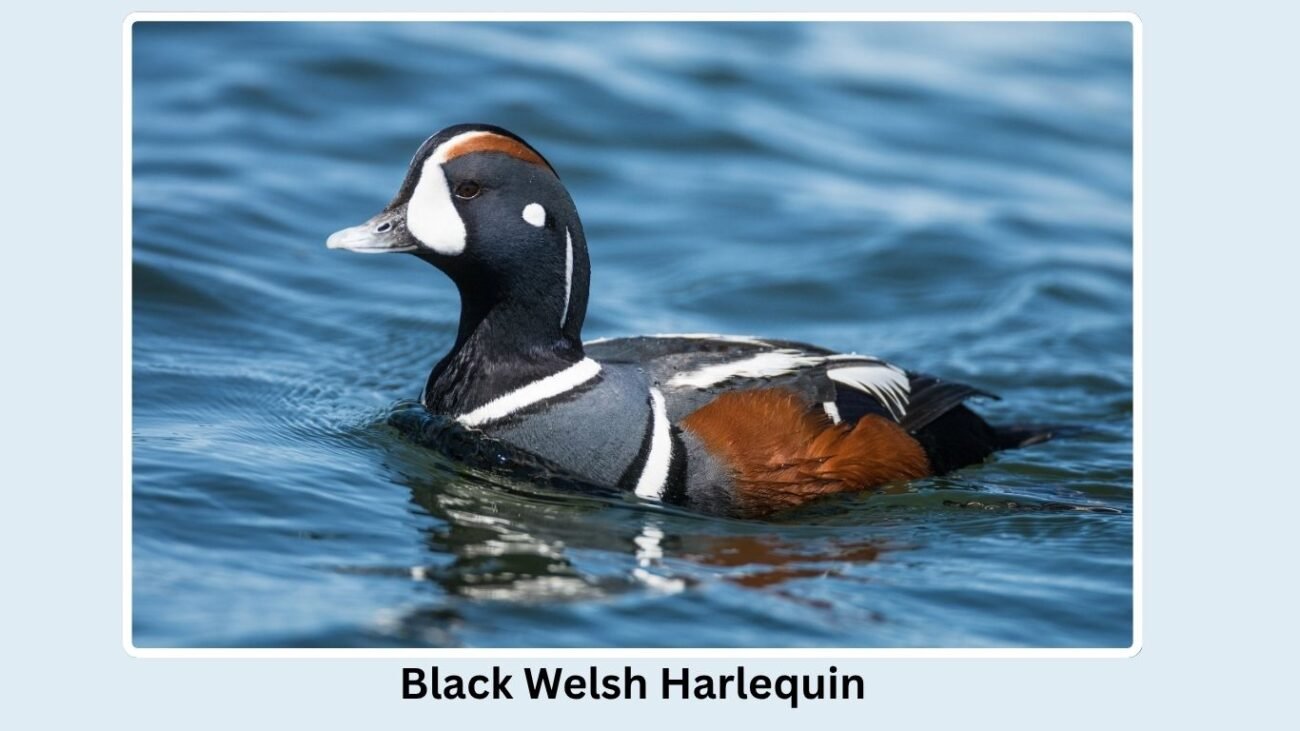
The Black Welsh Harlequin is a rare color mutation of the traditional Welsh Harlequin duck, which is usually light-colored. This dark variant maintains the same elegant build but with a rich black feathering.
Identification
- Sleek black feathers, sometimes with faint markings
- Slender body with upright stance
- Dark bill and feet
- Size: Around 2–2.5 kg (4.4–5.5 lbs)
Preferred Habitat
Adaptable to backyard settings, small farms, and water gardens. Requires moderate space and clean water for drinking and preening.
Personality and Daily Habits
Calm, inquisitive, and social. They make excellent layers and are easy to manage, often following caretakers around curiously.
Breeding and Range
Originated in the U.K. as part of a color mutation. Bred in small numbers by enthusiasts in the U.S. and Europe. Not present in the wild.
16. Black Appleyard Duck
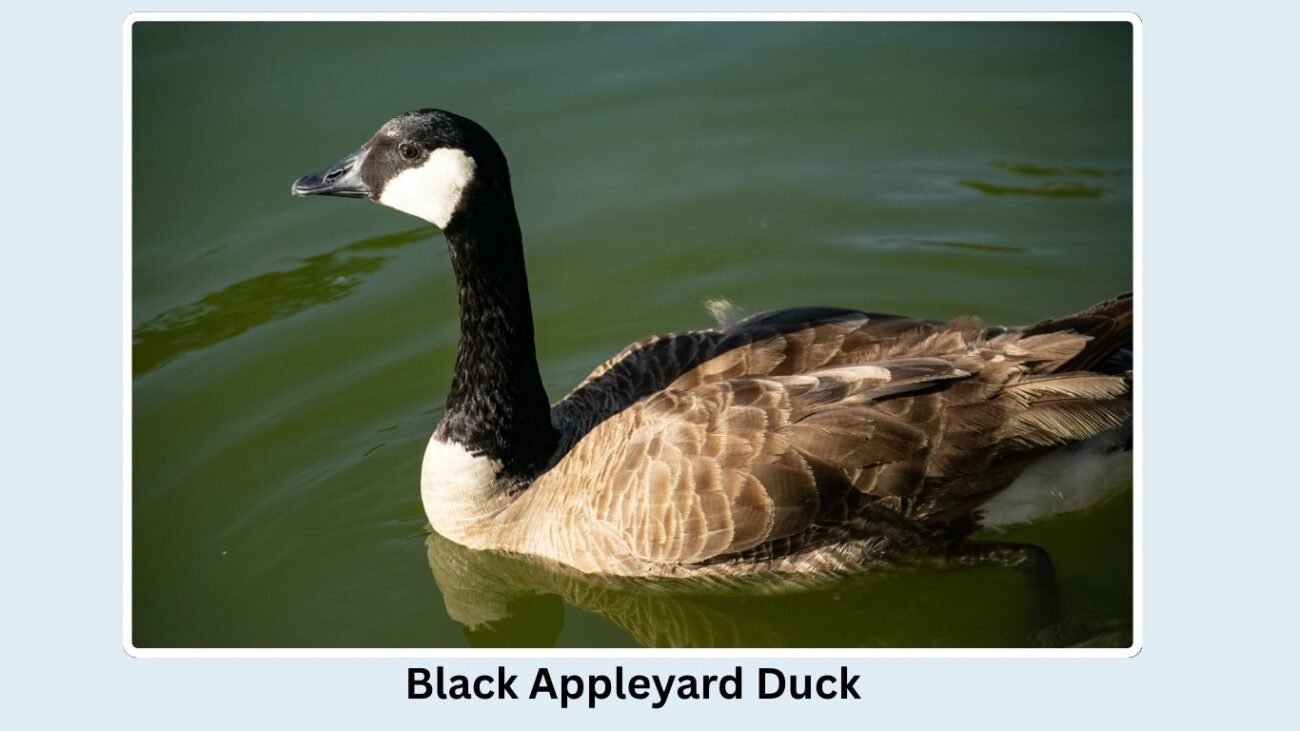
The Black Appleyard is a rare color variant of the Silver Appleyard, bred for ornamental value and farm utility. It retains the robust build and excellent egg-laying traits of the original but with a deep black hue.
Identification
- Full black plumage with metallic green sheen
- Broad, heavyset body
- Dark bill and orange or dark feet
- Size: Around 3.6–4.5 kg (8–10 lbs)
Ideal Habitat
Performs best on spacious farms or homesteads with access to open water and shaded resting areas. Adaptable to varying climates with proper care.
General Temperament
Friendly, calm, and hardy. They forage actively during the day and are known for high productivity in both meat and egg production.
Origin and Breeding
Developed in the U.K. and U.S. through selective breeding of Appleyards. Kept by rare breed enthusiasts and not found in the wild.
17. Black Pekin Duck
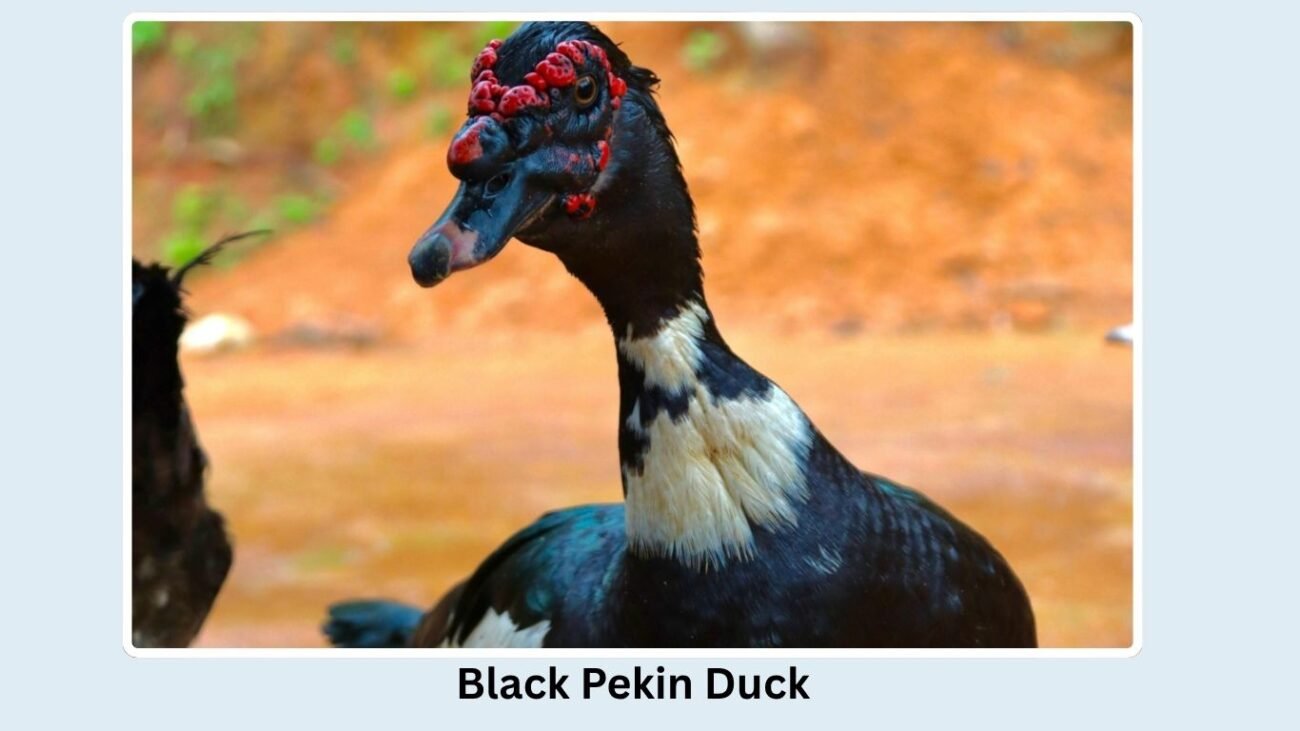
The Black Pekin Duck is a rare color strain of the traditional White Pekin, selectively bred for its glossy dark feathers. Though uncommon, it shares the same meat production qualities as the standard Pekin.
Identification
- Solid black plumage with subtle iridescence
- Large, rounded body
- Black or dark gray bill and legs
- Size: Around 3.6–5 kg (8–11 lbs)
Suitable Environment
Thrives in farm settings with ponds or controlled water access. Needs shelter from extreme weather and room to roam.
Behavior and Disposition
Calm, non-aggressive, and poor flyers. They are fast growers and make good flock birds for meat and ornamental value.
Regional Availability
Bred mainly in the U.S. and Asia by specialized breeders. Not a wild species and uncommon in standard backyard flocks.
18. Black Cayenne Duck
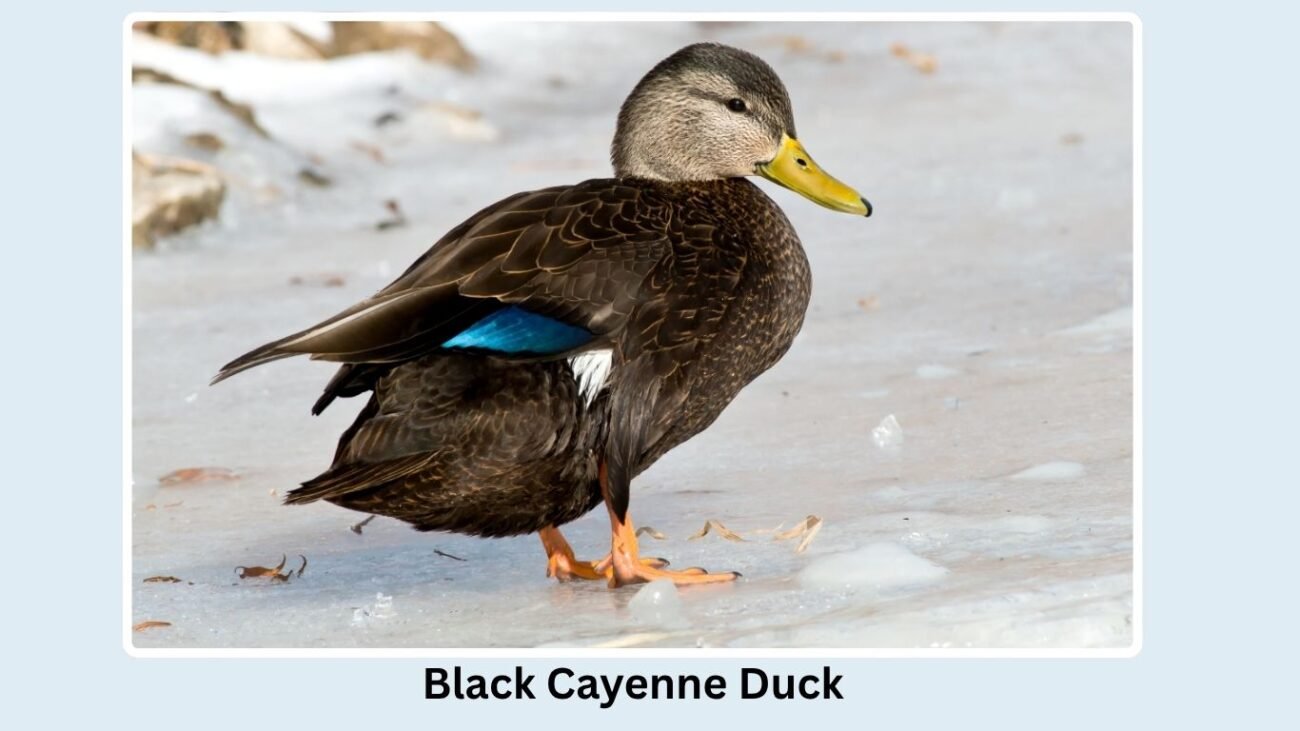
The Black Cayenne Duck is a lesser-known domestic breed characterized by its sleek, dark appearance and adaptability. Though rare, it is kept by enthusiasts for its elegant look and quiet nature.
Identification
- Smooth black feathers with slight green gloss
- Medium build with upright carriage
- Black bill and feet
- Size: Around 2.5–3 kg (5.5–6.6 lbs)
Preferred Habitat
Well-suited for backyard farms, ornamental ponds, and small homesteads. Requires clean water and secure shelter from predators.
Personality and Behavior
Quiet, alert, and graceful. These ducks are non-aggressive and do well in mixed flocks. They forage moderately and are generally easy to care for.
Range and Breeding Use
Rarely seen outside hobby farms and breeder collections. Origin and full lineage are not widely documented. Entirely domestic.
19. Black Silver Appleyard
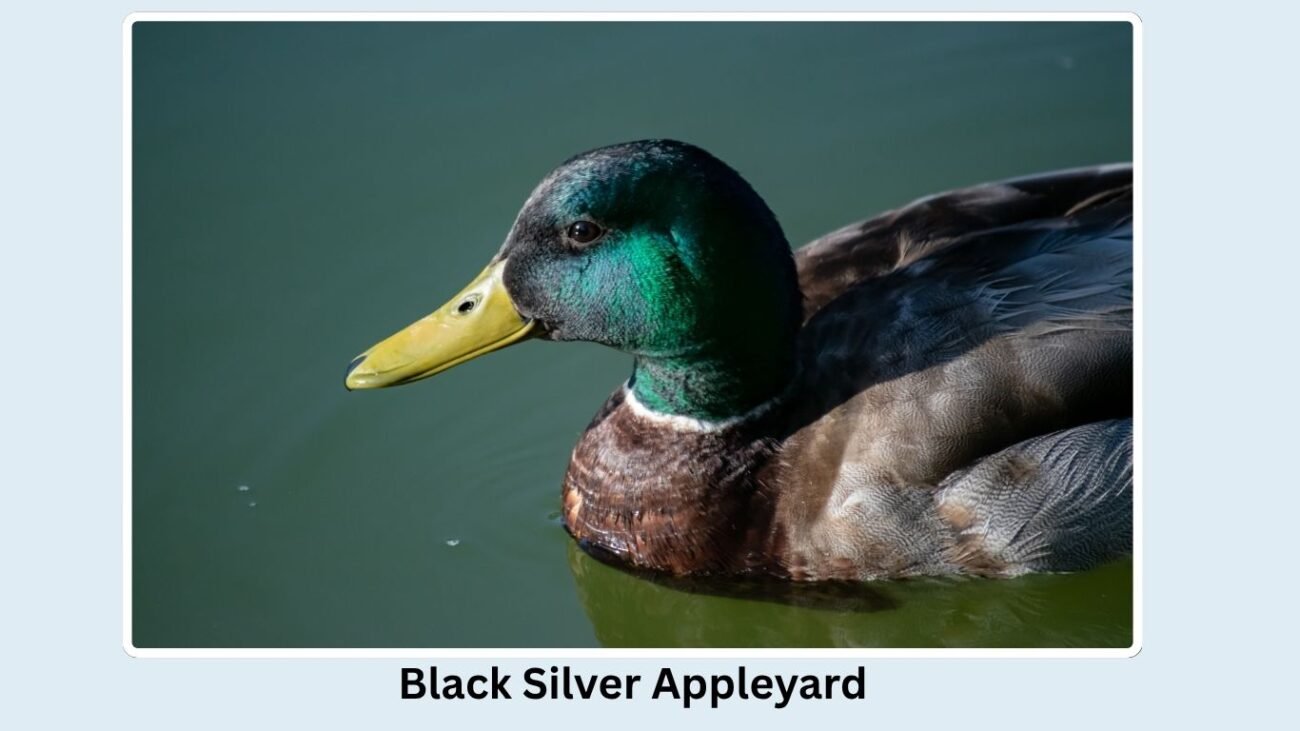
The Black Silver Appleyard is a color variation of the original Silver Appleyard, selectively bred for its darker features. It combines striking looks with utility value in eggs and meat.
Identification
- Predominantly black body with silver markings on the chest or wings
- Strong, broad build
- Dark bill and orange feet
- Size: Around 3.6–4.5 kg (8–10 lbs)
Natural Setting
Ideal for large gardens, hobby farms, or free-range duck setups. They prefer temperate climates and enjoy shallow water sources for cleaning and dabbling.
Temperament and Traits
Friendly, alert, and moderately active. They are productive layers and tolerate close human contact well.
Breeding Region
Found mostly in the U.S. and U.K. among specialty breeders. Entirely domestic, not present in wild ecosystems.
20. Black Bali Duck
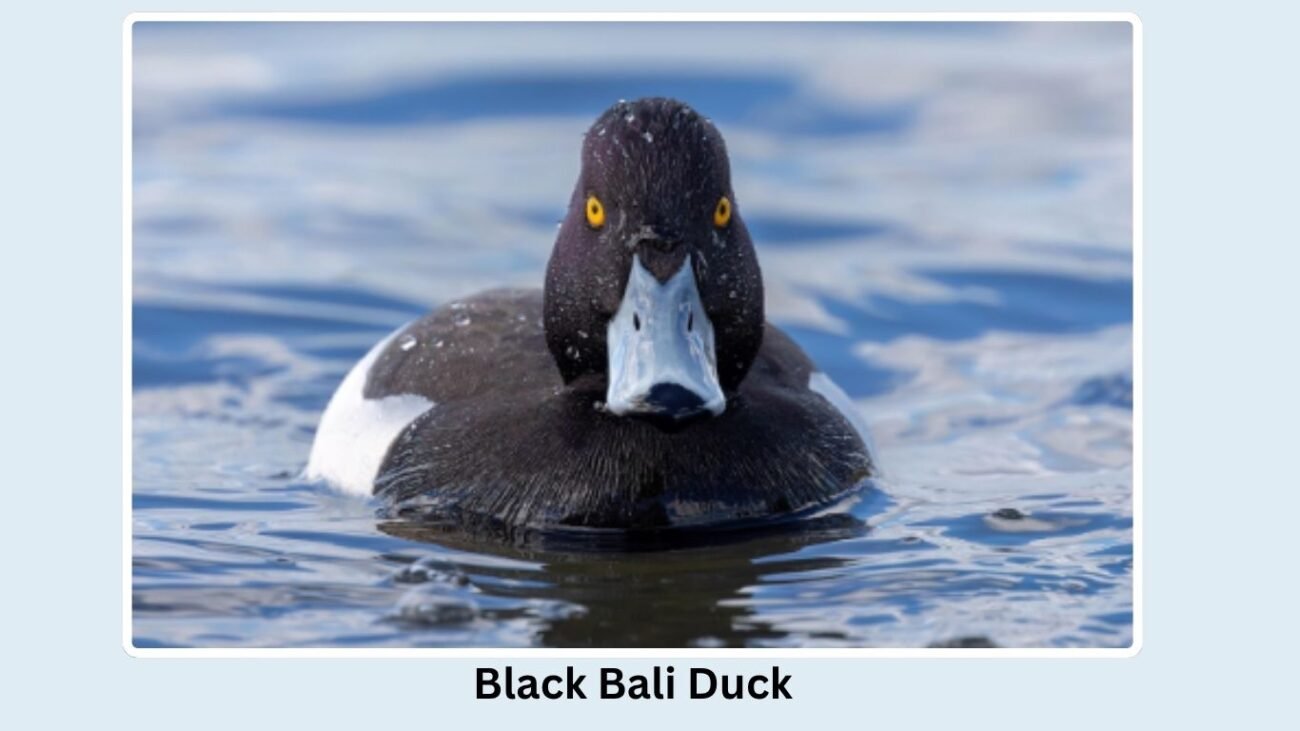
The Black Bali Duck is a rare ornamental breed from Southeast Asia, known for its elegant body, calm temperament, and jet-black feathers. It’s primarily kept for show and decorative purposes.
Identification
- Sleek black plumage with a green or blue sheen
- Upright posture with long neck
- Slim, streamlined body
- Black bill and legs
- Size: Around 1.8–2.3 kg (4–5 lbs)
Ideal Living Area
Best suited for ornamental ponds, tropical gardens, and backyard aviaries. Requires clean water and shaded rest areas.
Behavior and Temperament
Calm, graceful, and relatively quiet. They adapt well to being around people and are low-maintenance if well sheltered.
Geographic Presence
Originally bred in Bali and other parts of Indonesia. Rare outside Asia but kept by enthusiasts and avian collectors globally.
21. Black Mallard
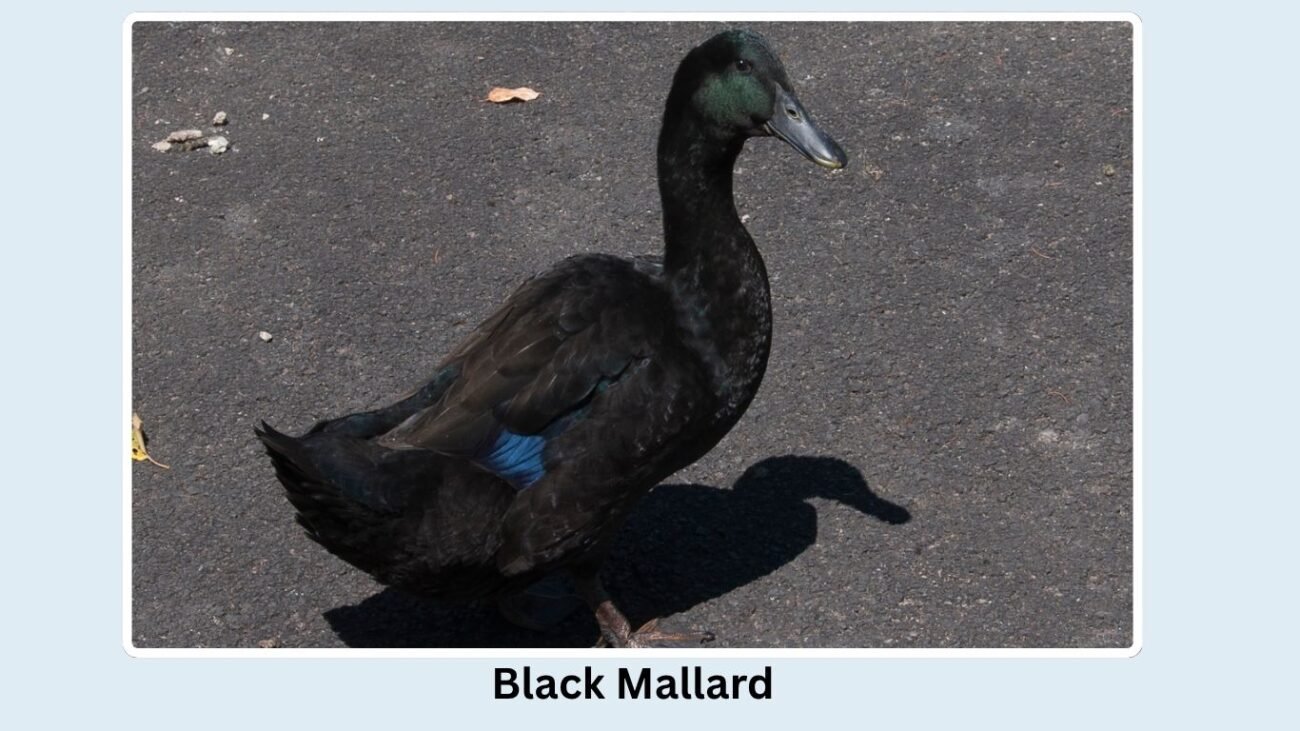
The Black Mallard is not a naturally occurring wild type but a domesticated or selectively bred variation of the standard mallard, featuring a full black coat while retaining classic mallard body shape.
Identification
- Entirely black or very dark chocolate body
- Iridescent head in males may show green
- Slim, streamlined mallard shape
- Size: Around 1.2–1.6 kg (2.6–3.5 lbs)
Natural Habitat
While true mallards are wild, this black version is kept domestically on farms, ornamental ponds, or aviaries. Needs access to shallow water and foraging areas.
Behavioral Profile
Alert and active but less wild than standard mallards. They retain the dabbling and swimming habits, with occasional flight if not clipped.
Origin and Use
Created through breeding by fanciers. Not found in the wild. Used for ornamental or backyard hobby purposes.
22. Black Alabio Duck
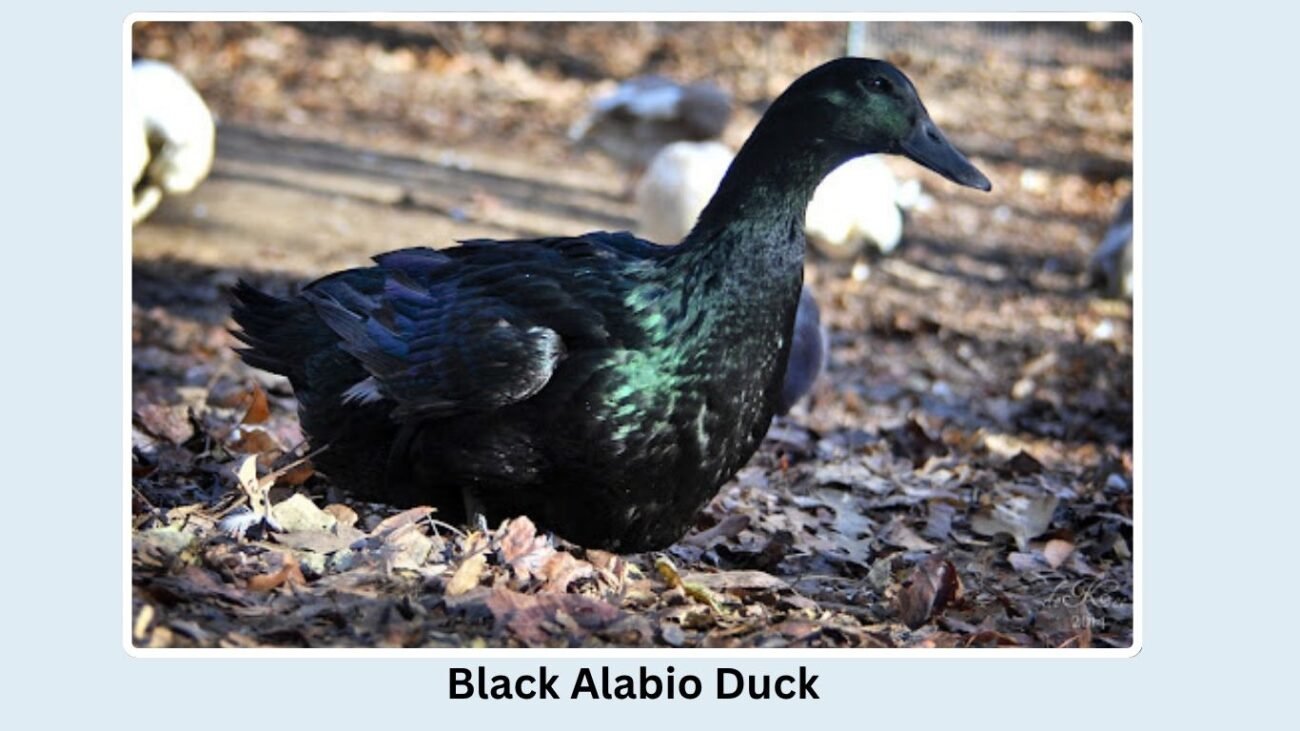
The Black Alabio Duck is a color variation of the Alabio breed, native to Indonesia. Known for its adaptability and productivity, this version has dark plumage and is primarily raised in Southeast Asia.
Identification
- Glossy black or dark gray plumage
- Medium-sized, slightly upright build
- Black bill and dark legs
- Size: Around 1.5–2.5 kg (3.3–5.5 lbs)
Natural Environment
Common in tropical lowlands, rice paddies, and village farms. Needs access to water bodies for foraging and bathing.
Behavior and Traits
Docile, active, and good egg layers. Adapted to humid climates and commonly raised in flocks.
Breeding Region
Mainly bred in Indonesia and Malaysia. Rare outside Southeast Asia, and primarily kept for utility rather than ornamental purposes.
23. Black Tsaiya Duck
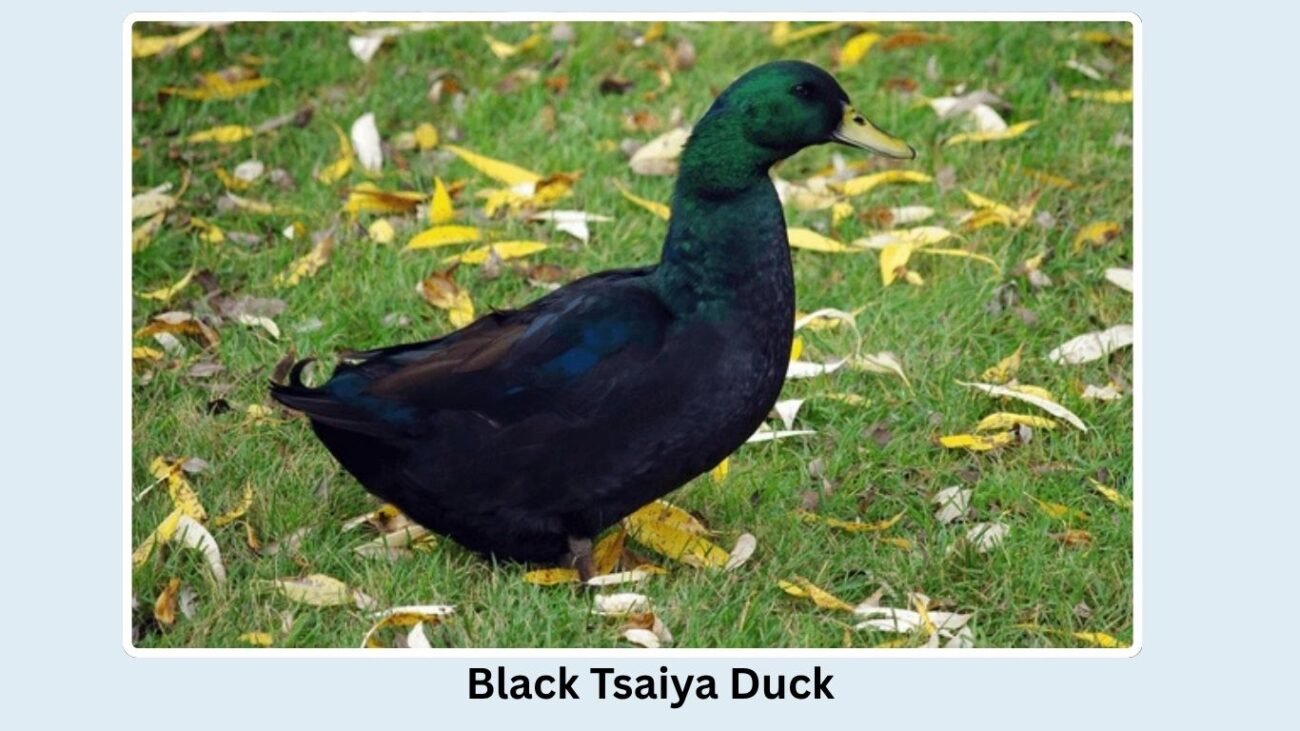
The Black Tsaiya Duck is a domestic duck developed in Taiwan, known for its strong egg-laying ability. Though usually white, the black variant is gaining attention among breeders.
Identification
- Uniform black plumage with mild iridescence
- Slim body with slightly upright stance
- Dark bill and feet
- Size: Around 1.5–2 kg (3.3–4.4 lbs)
Preferred Habitat
Farm environments with rice fields, shallow wetlands, or backyard setups. Tolerant of warm and wet climates.
Daily Activity and Temperament
Highly active and excellent layers. Calm in flocks and easy to manage in controlled settings.
Geographic Range
Primarily found in Taiwan and southern China. Not commonly exported or found in wild populations.
24. Black Shetland Duck
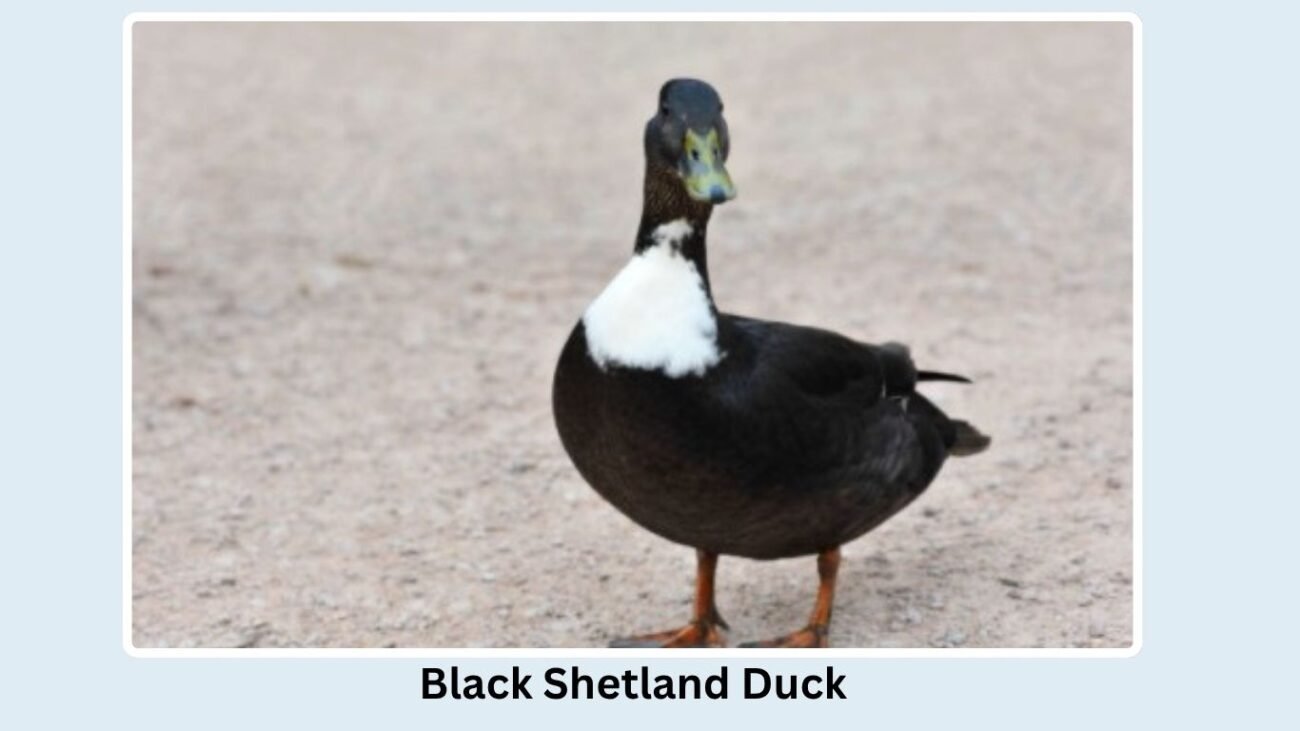
The Black Shetland Duck is a rare breed native to the Shetland Islands of Scotland. It’s small, hardy, and well-suited to cold, coastal climates.
Identification
- Jet black feathers, sometimes with a green gloss
- Small, compact body
- Short black bill and legs
- Size: Around 1.3–1.6 kg (2.8–3.5 lbs)
Native Habitat
Prefers cool, windy environments near coastal areas. Does well in rugged, grassy terrain with access to water.
Behavior and Lifestyle
Tough, resilient, and good foragers. Naturally wary but not aggressive. Thrive in small, managed flocks.
Breeding Distribution
Extremely rare, mostly preserved by conservation breeders in the U.K. and Northern Europe.
25. Black Orpington Duck
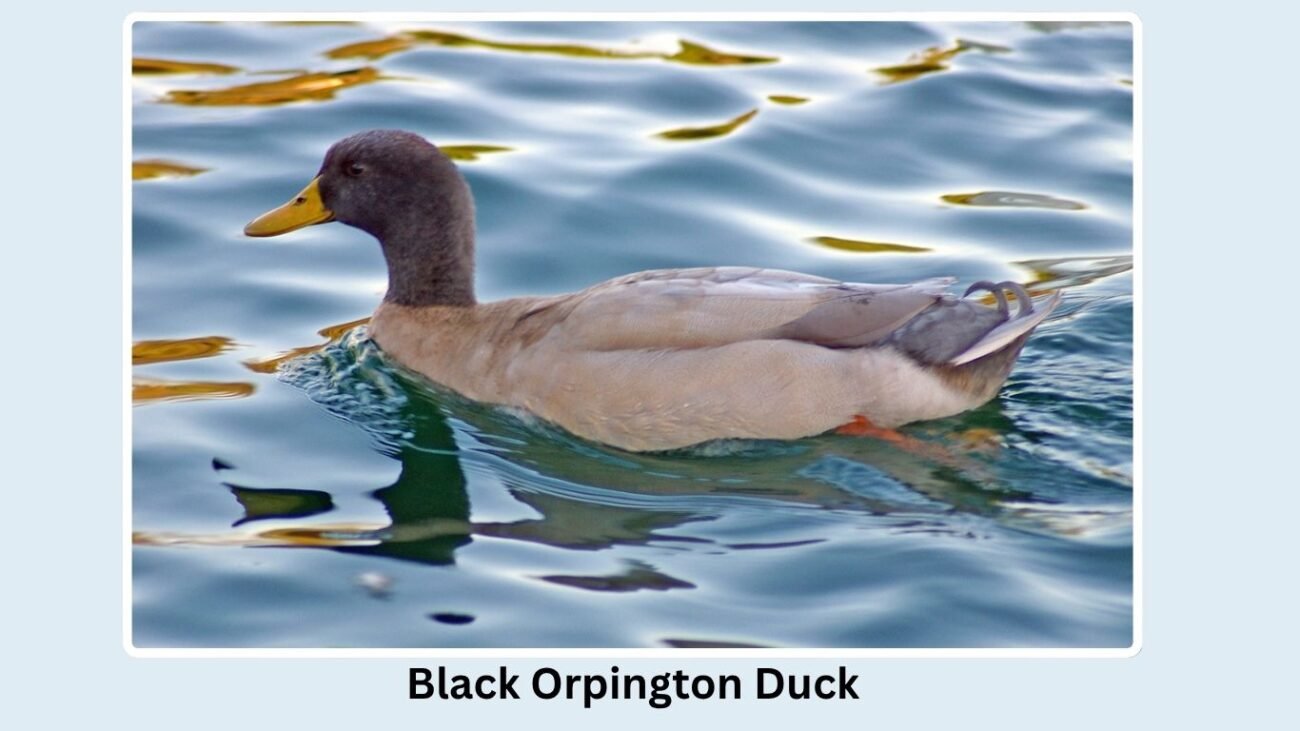
The Black Orpington Duck is a very rare, ornamental breed inspired by the well-known Orpington chicken line. Bred primarily for aesthetics and show.
Identification
- Dense, fluffy black plumage
- Broad body and short neck
- Dark bill and feet
- Size: Around 2.5–3.2 kg (5.5–7 lbs)
Preferred Environment
Kept in aviaries, exhibition setups, or enclosed gardens with clean water and proper shelter. Not built for free-ranging.
General Disposition
Docile, tame, and calm. Limited mobility due to fluffier feather structure, but very friendly toward humans.
Regional Presence
Mostly bred by collectors in the U.K. and rarely available elsewhere. Entirely domestic and not found in the wild.


